São Tomé and Príncipe, Aug / Sept 2026
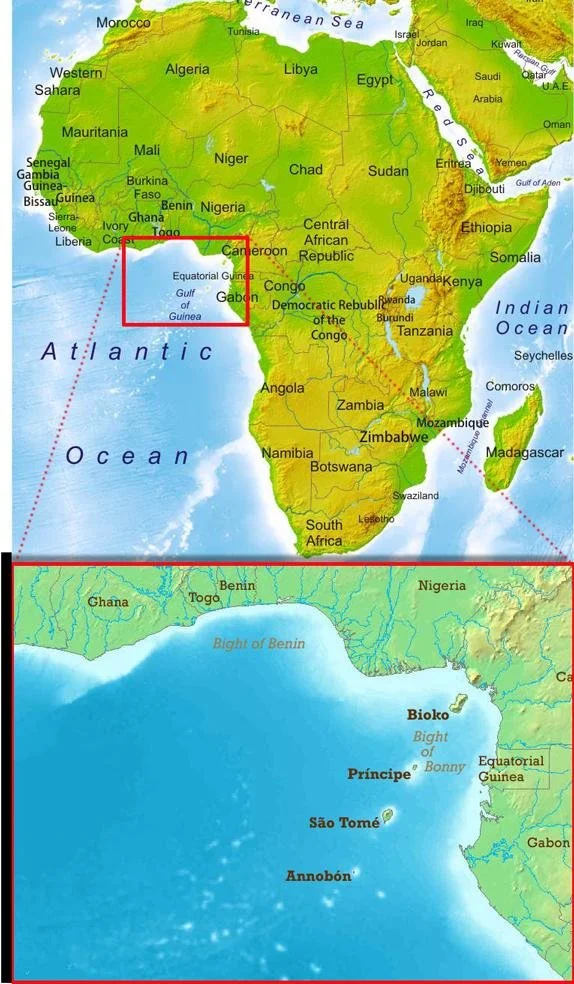
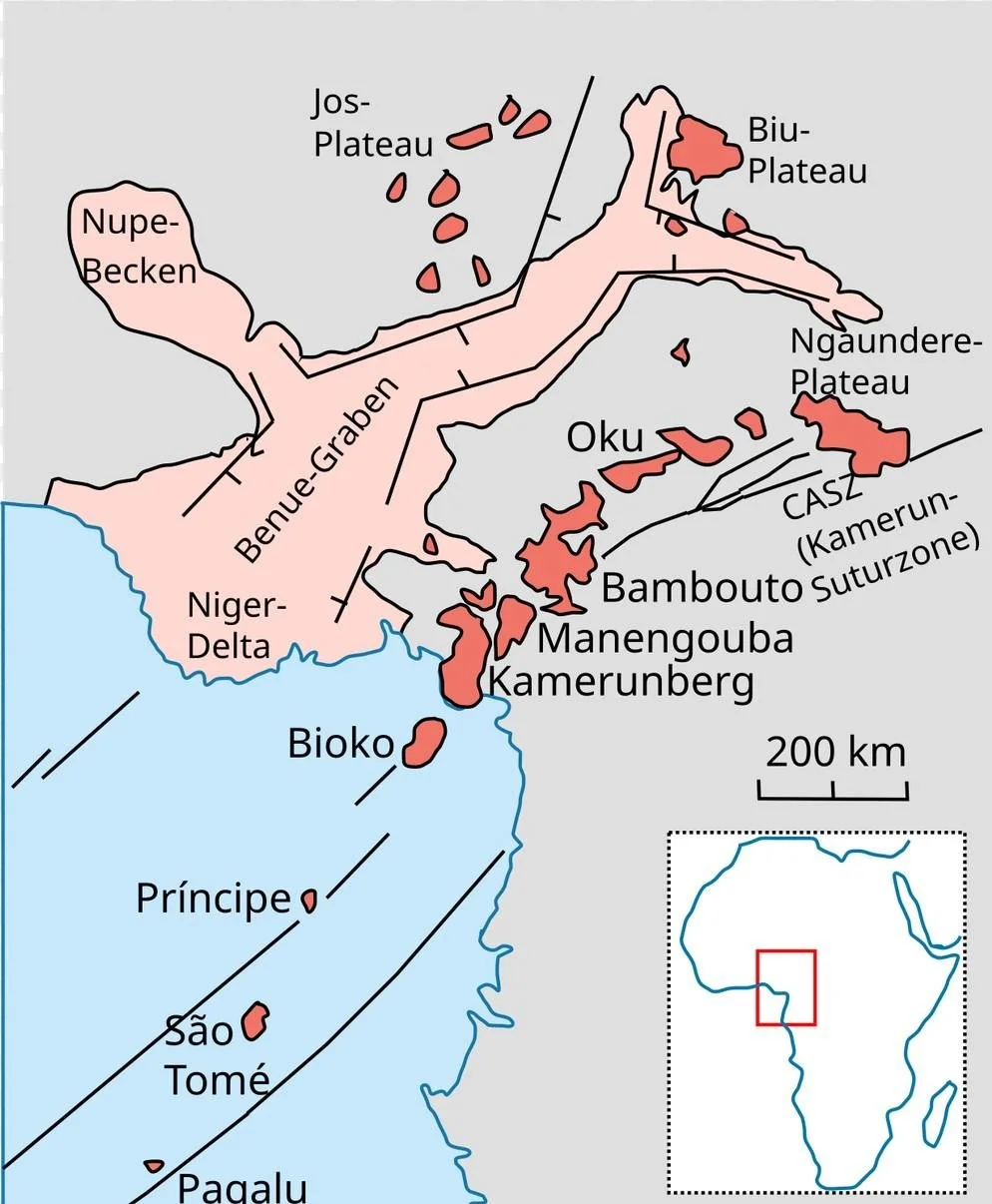
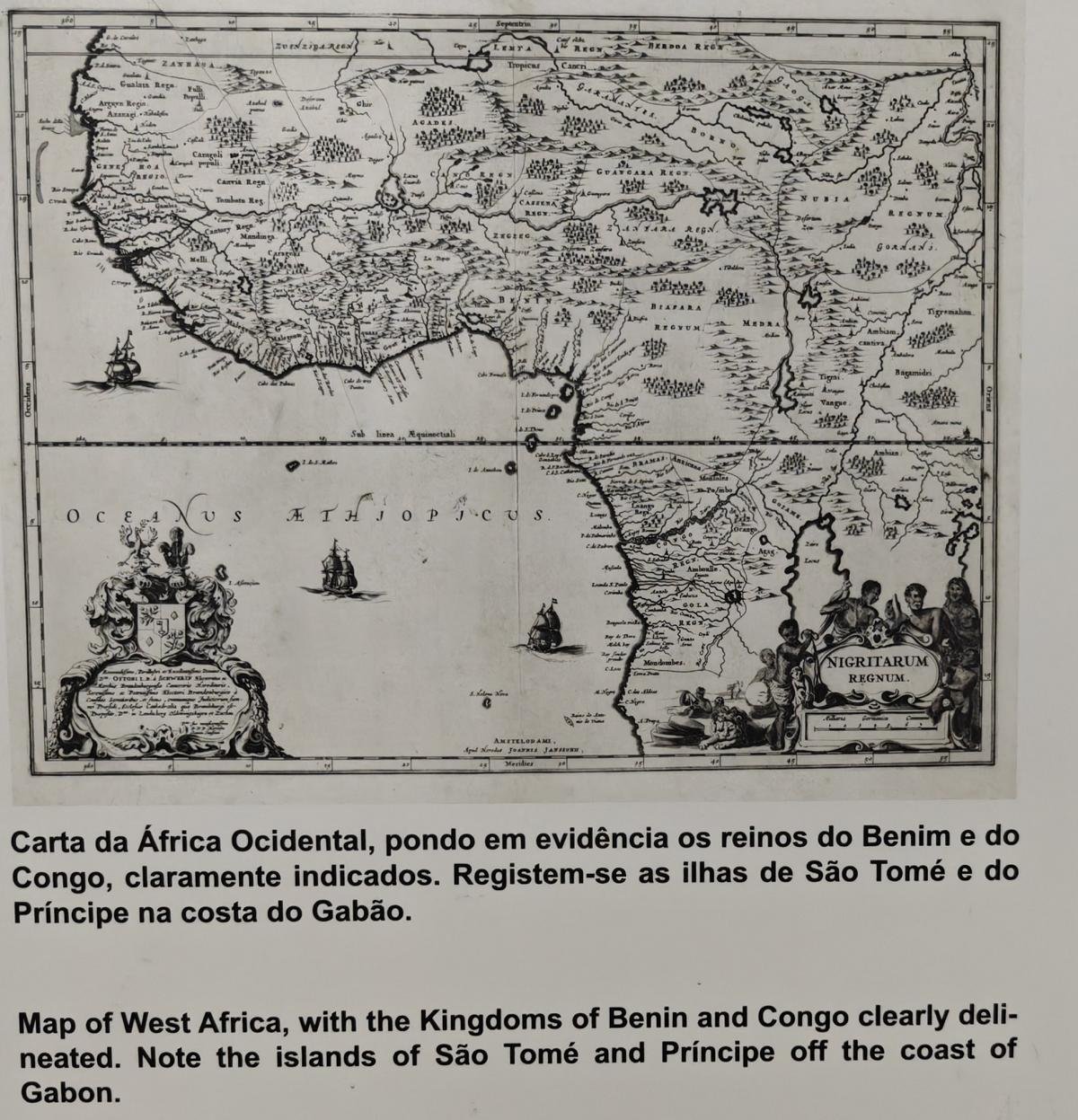
ENGLISH: In August/September 2026, we traveled to the island nation of São Tomé and Príncipe (translated: St. Thomas and the Prince), one of the least-visited countries on Earth. The two islands lie off the coast of Gabon and form the continuation of a volcanic chain that stretches from Cameroon into the Atlantic Ocean. Together, the two islands have a total area of just under 1,000 km² and are very mountainous (reaching heights of over 2,000 m). The 246,000 residents speak Portuguese.
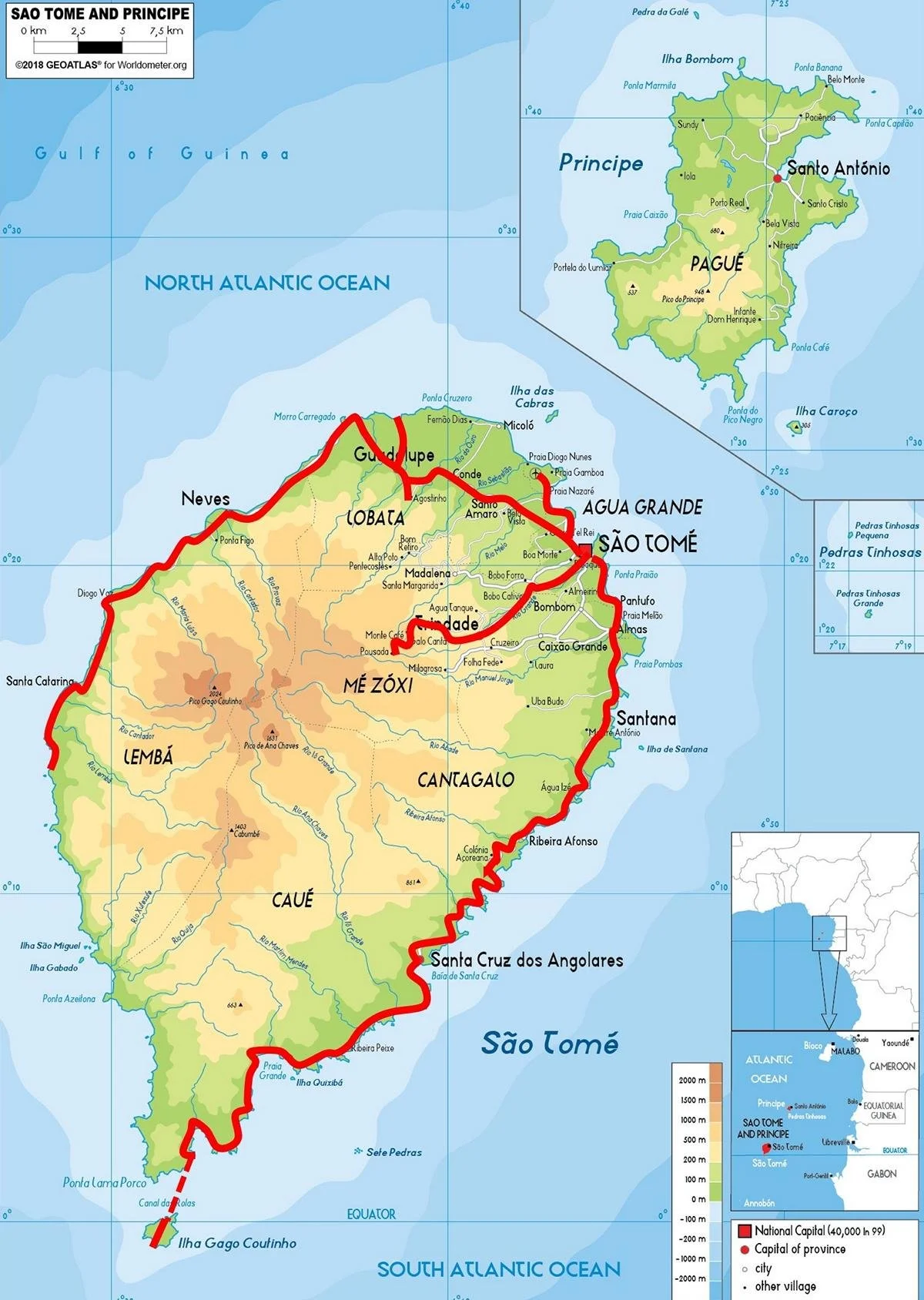
Due to time constraints, we were only able to visit the main island of São Tomé (the red line in the third image shows our itinerary). Although we were traveling during the best time of year (the so-called “major” dry season), we had bad luck: it was mostly cloudy and windy, and the sea was rough. But the temperatures were pleasant (air: around 30 degrees C, sea around 26 degrees C).
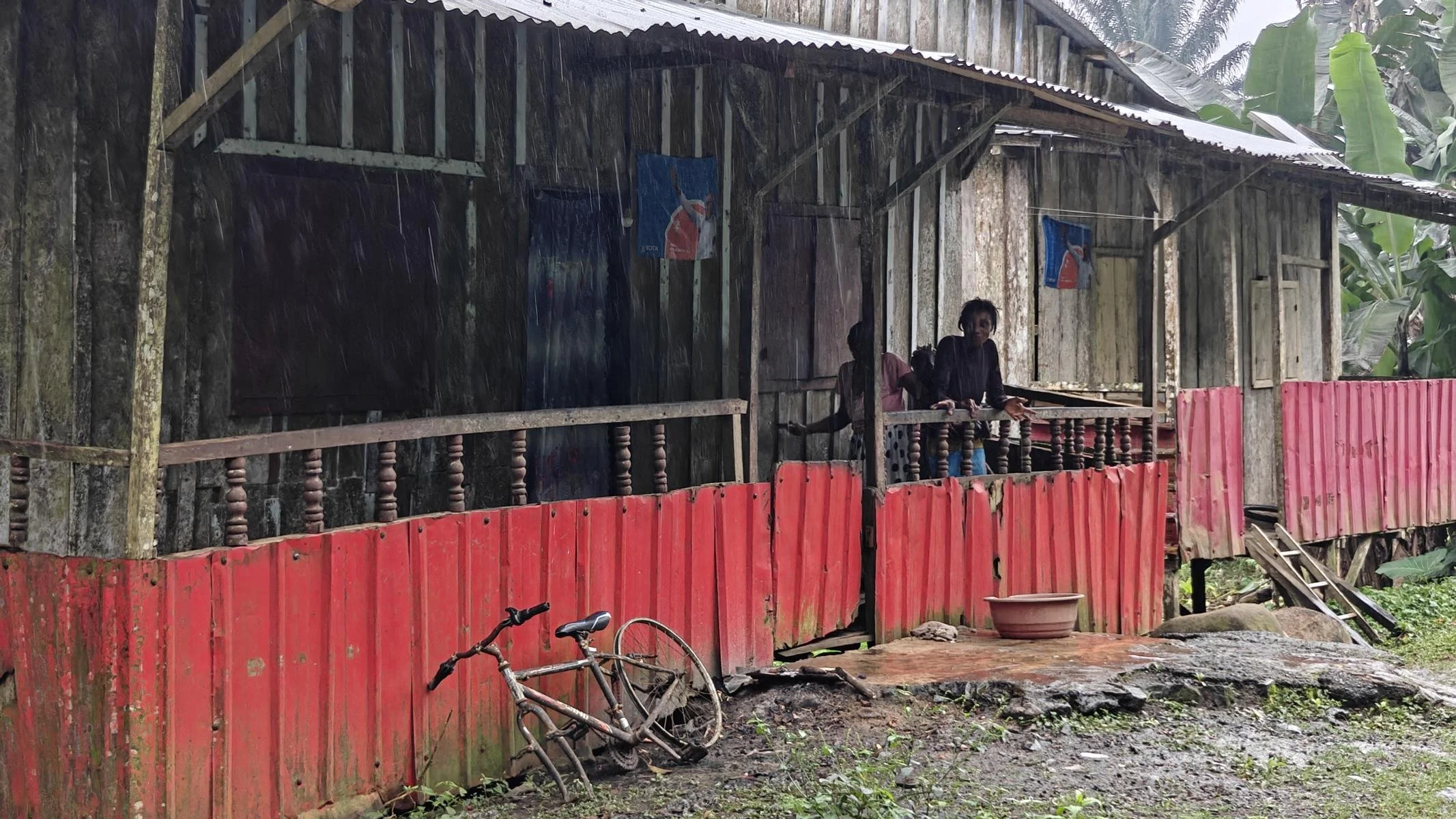
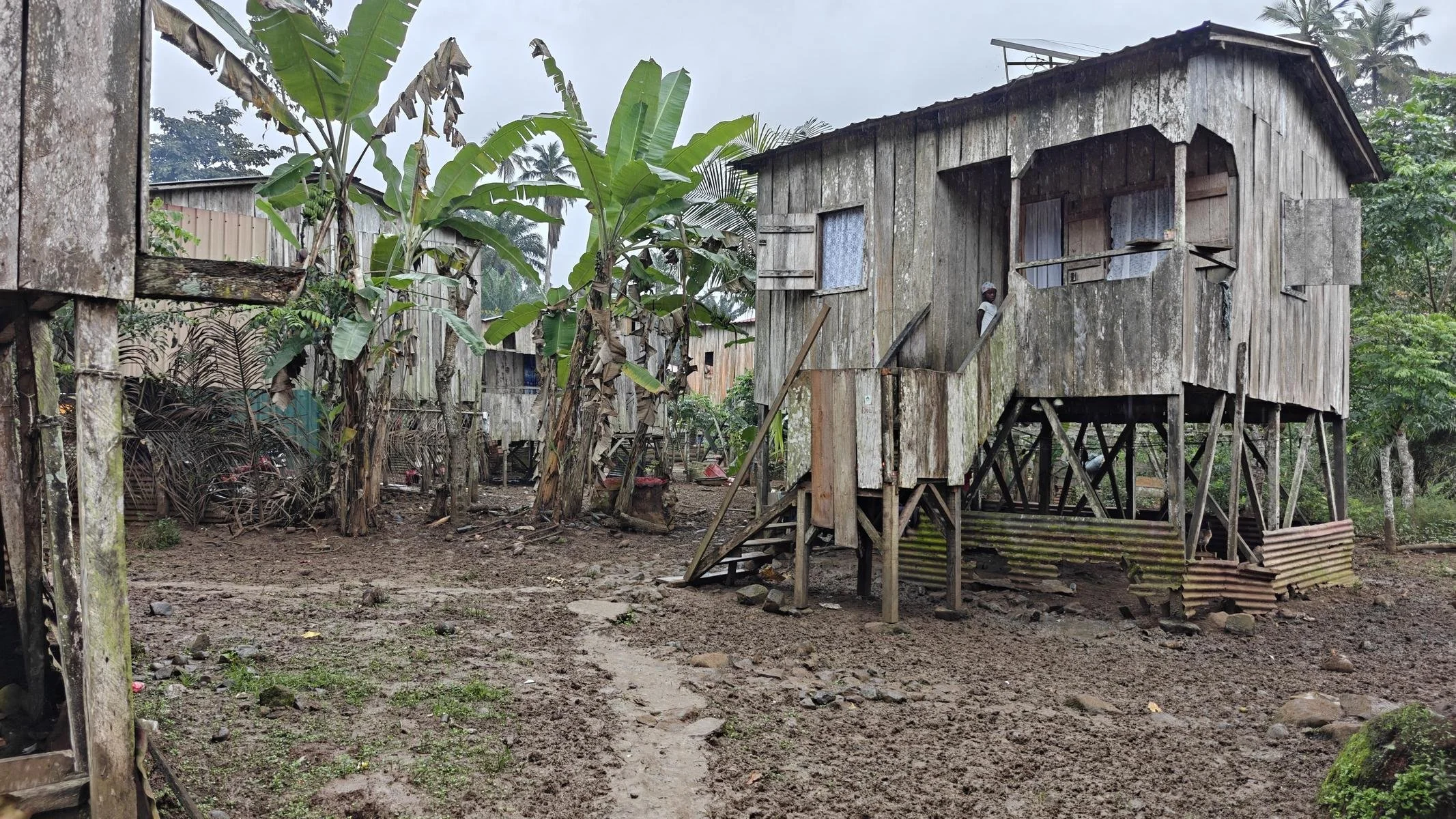
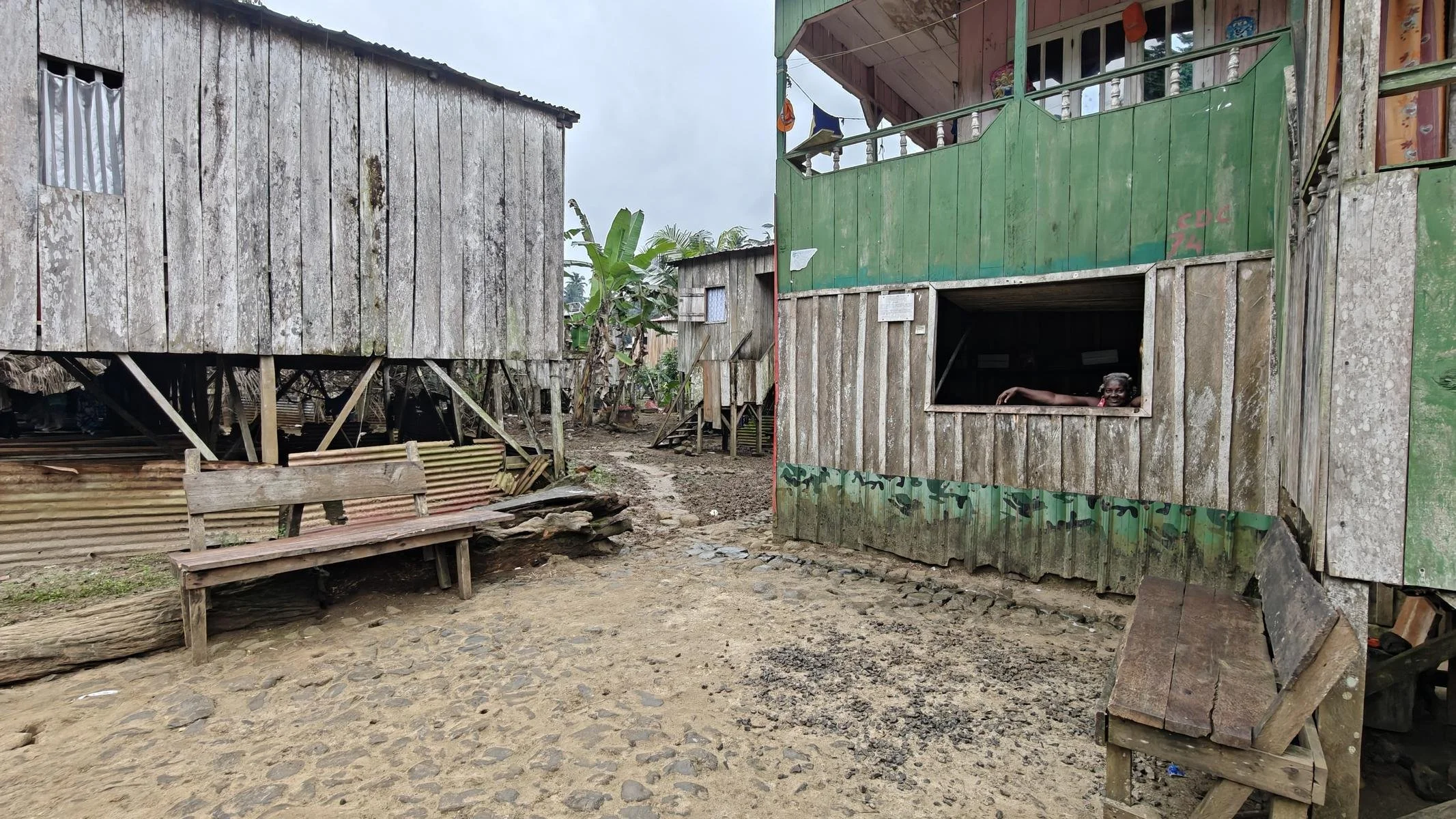
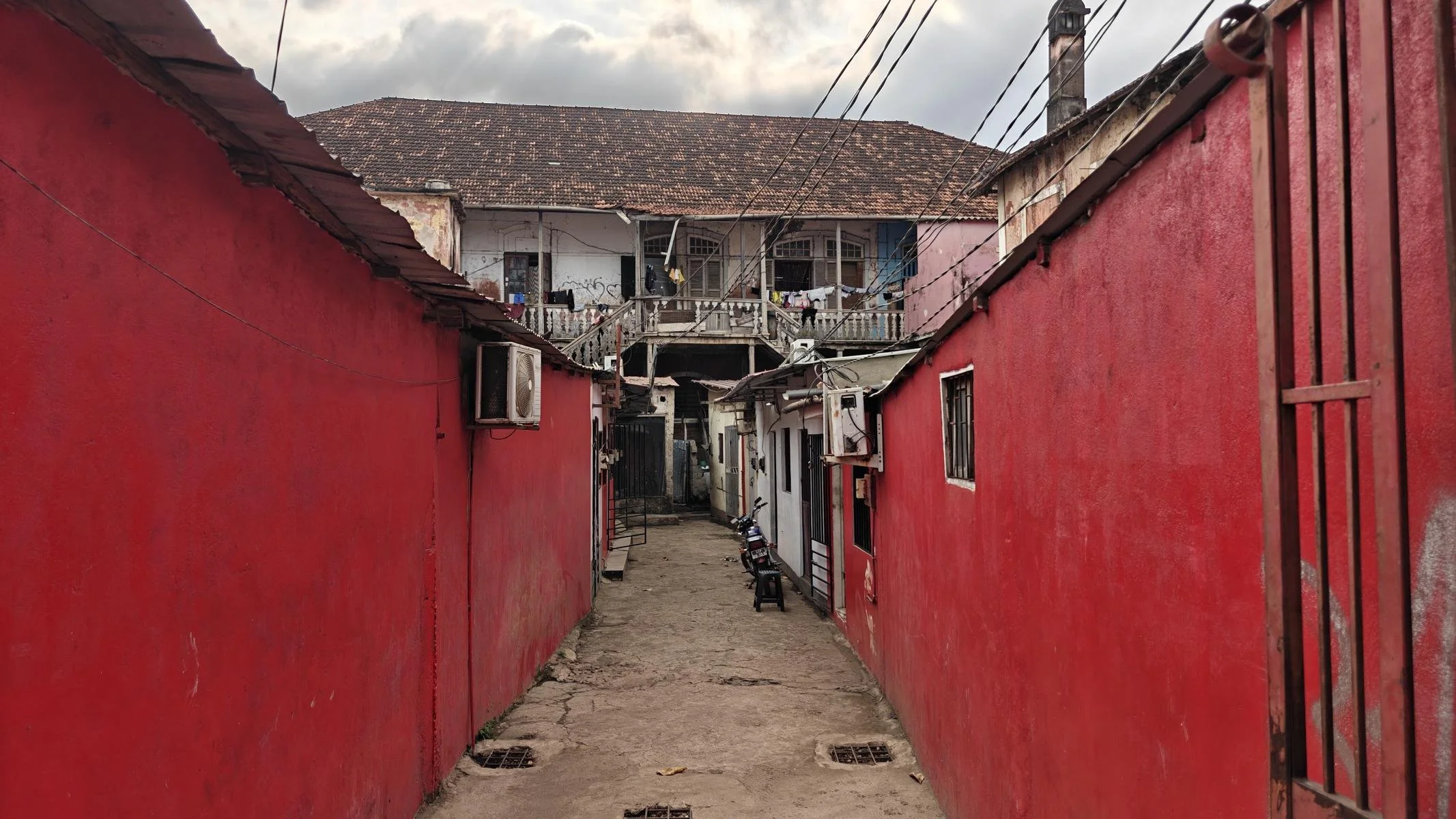
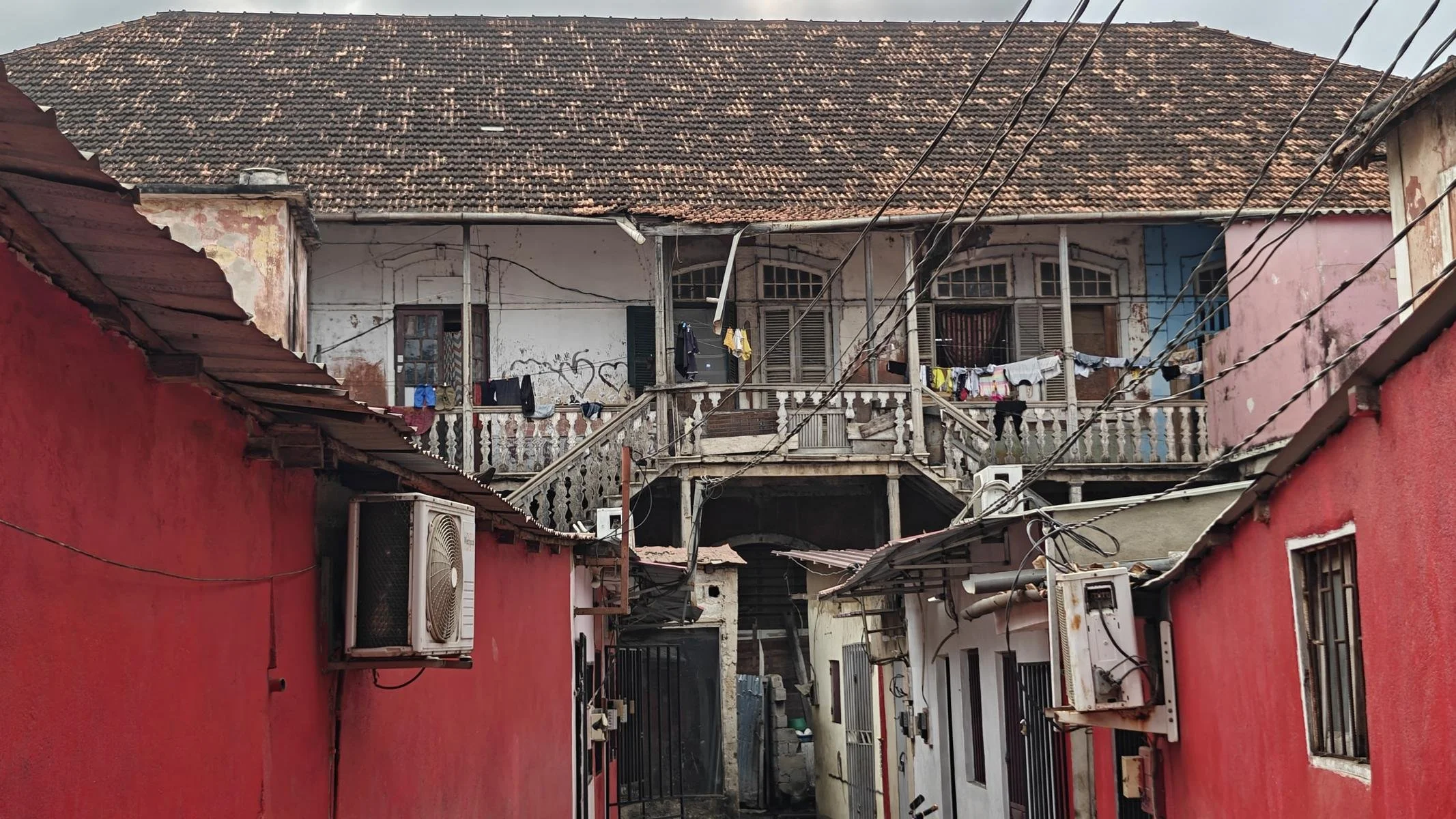
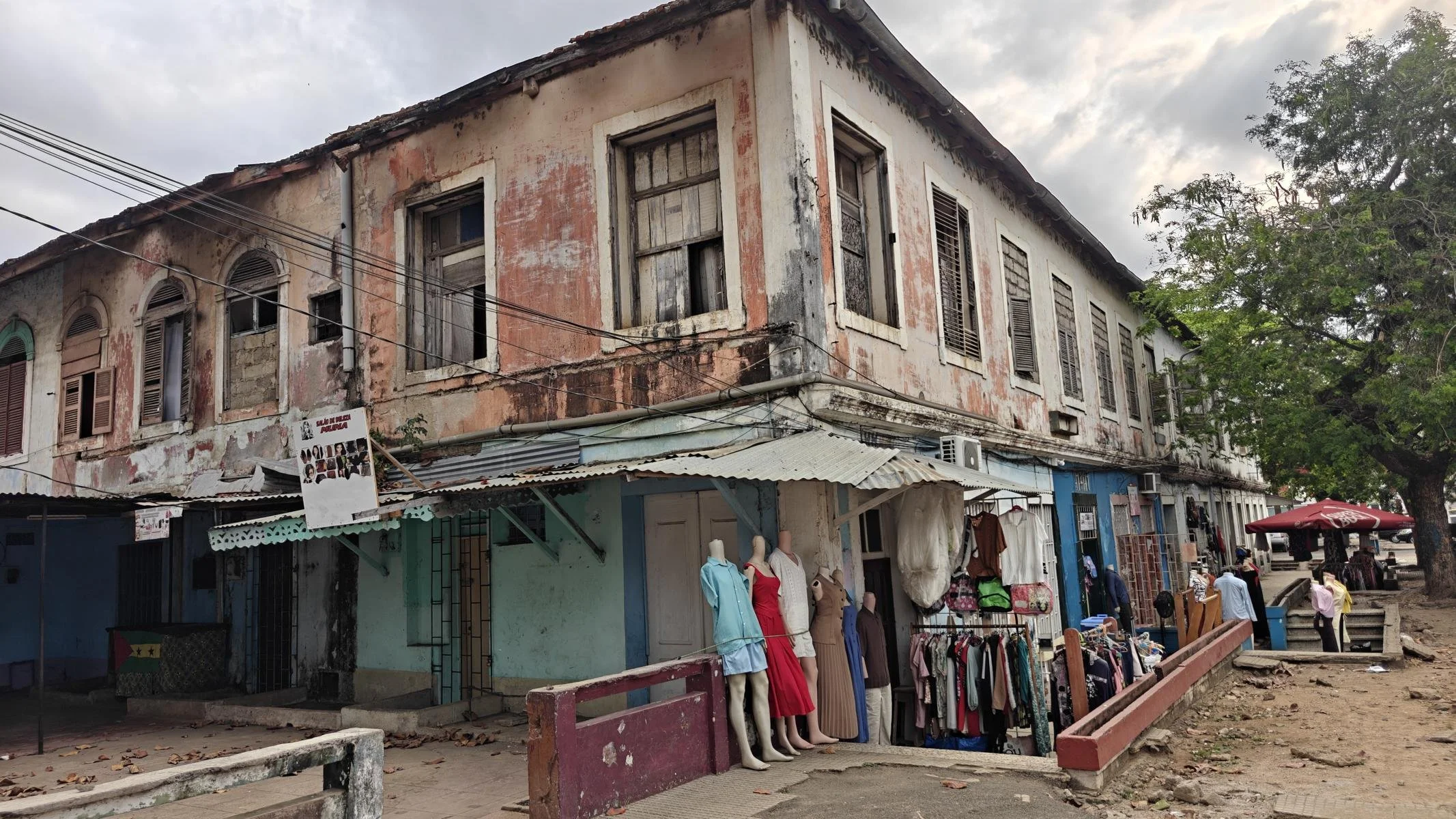
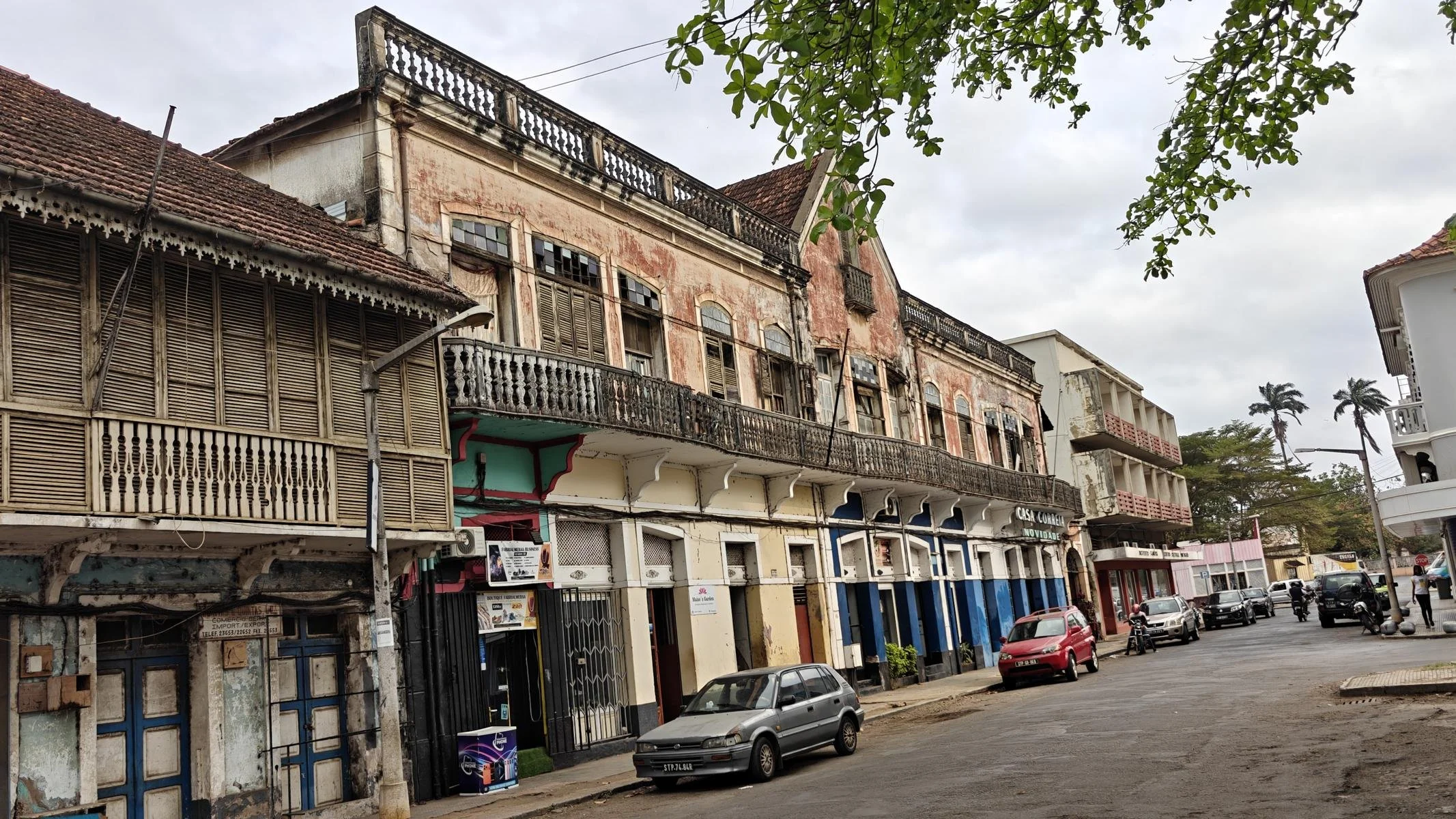
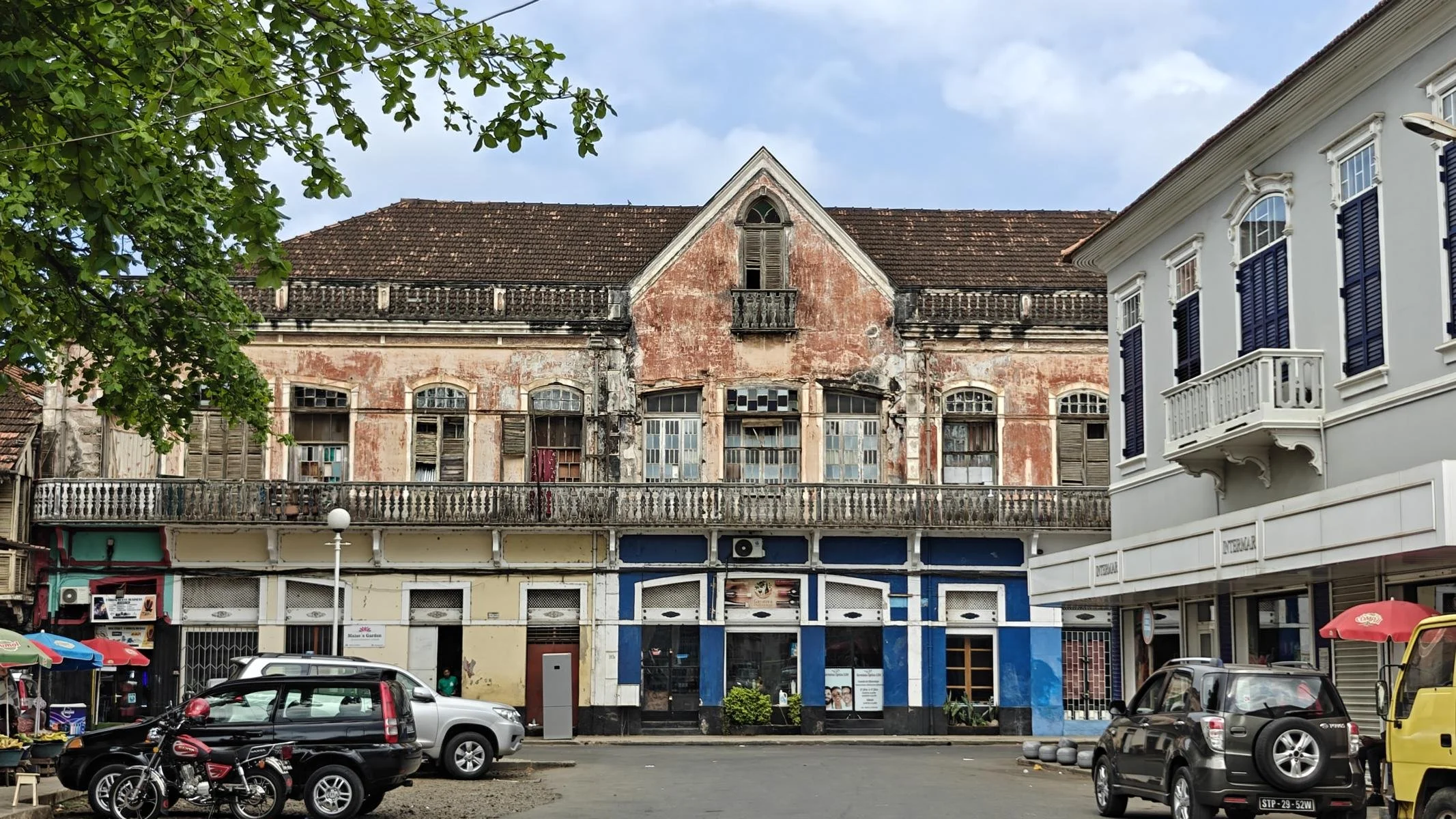
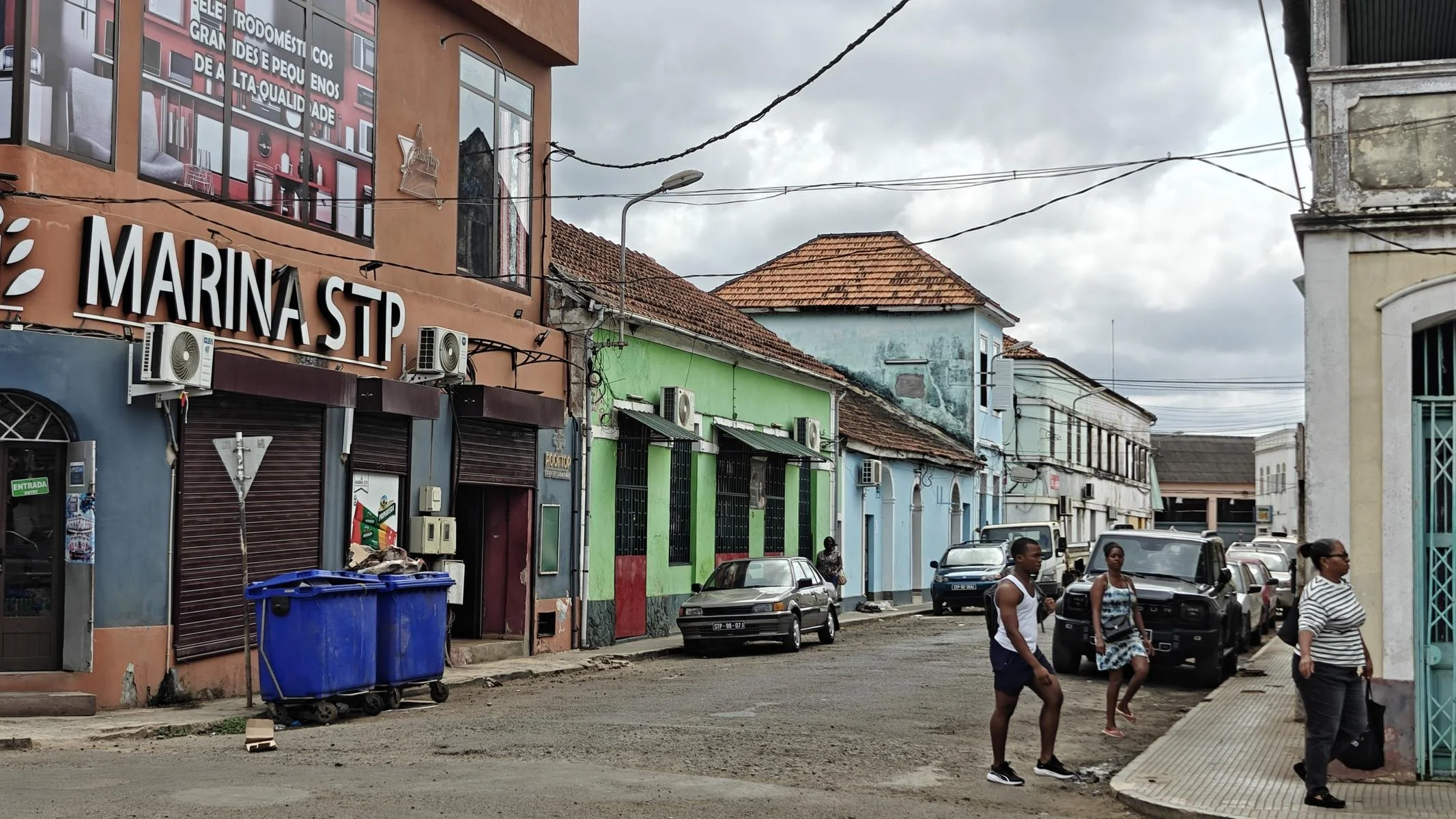
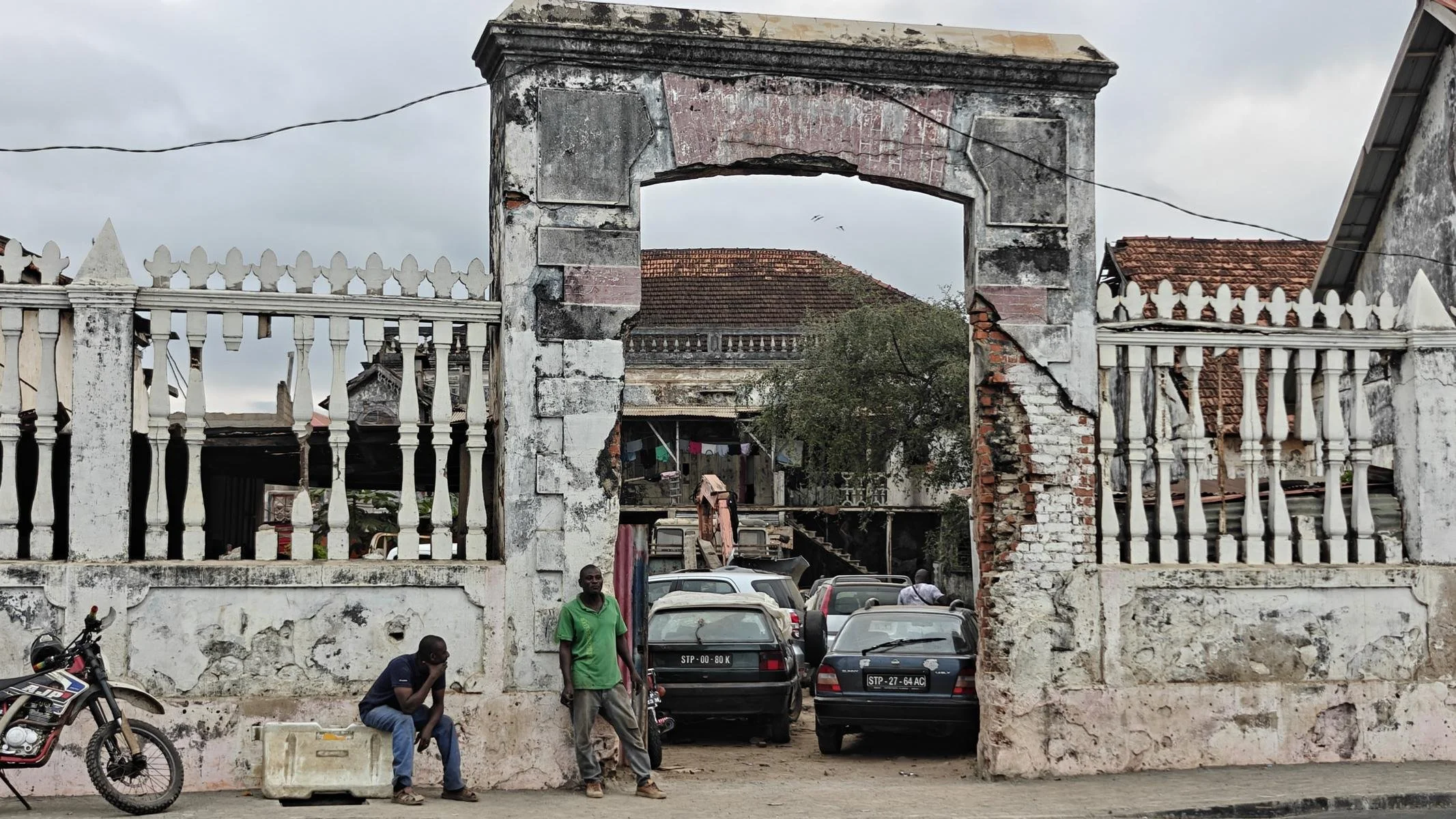
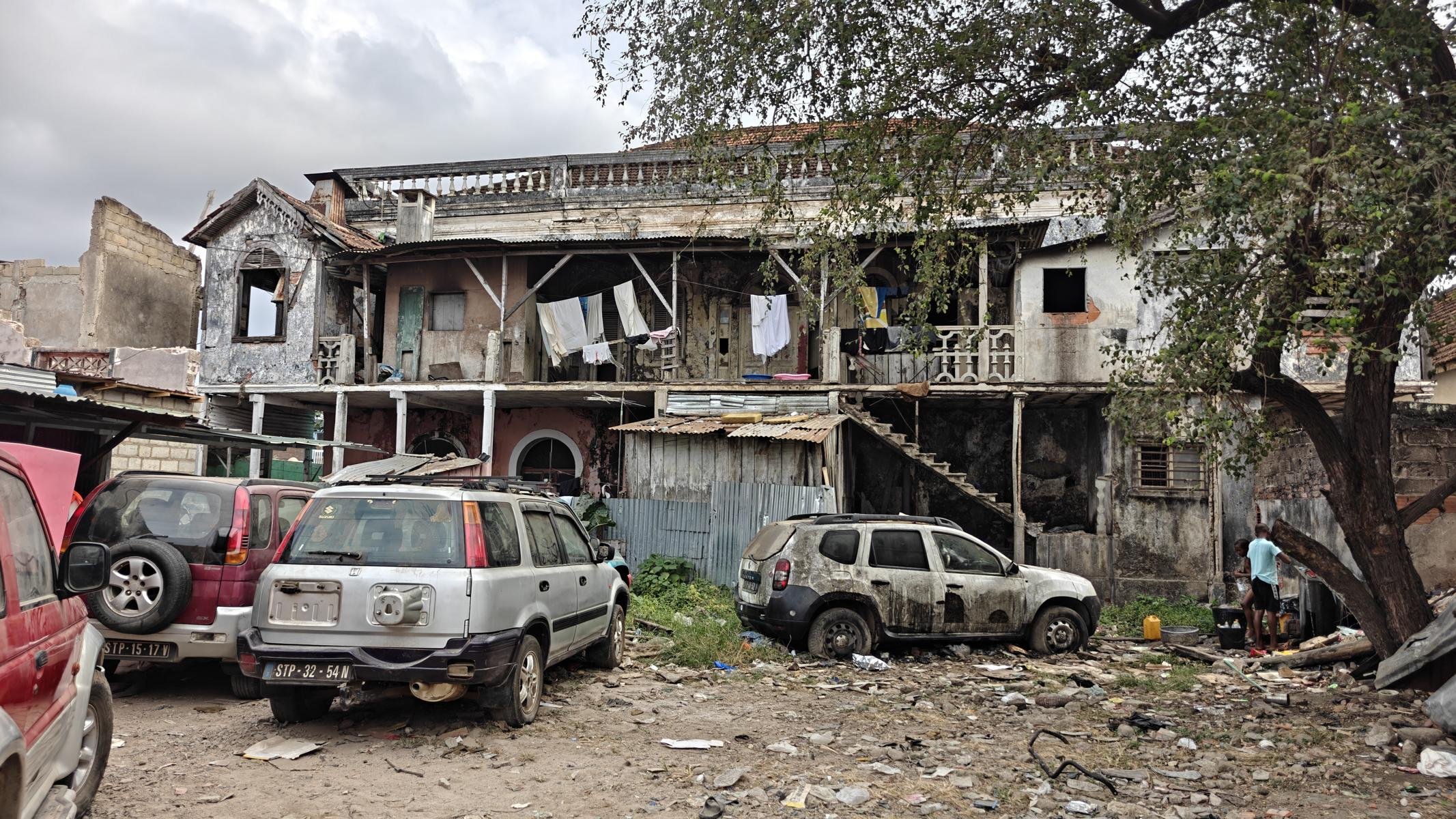
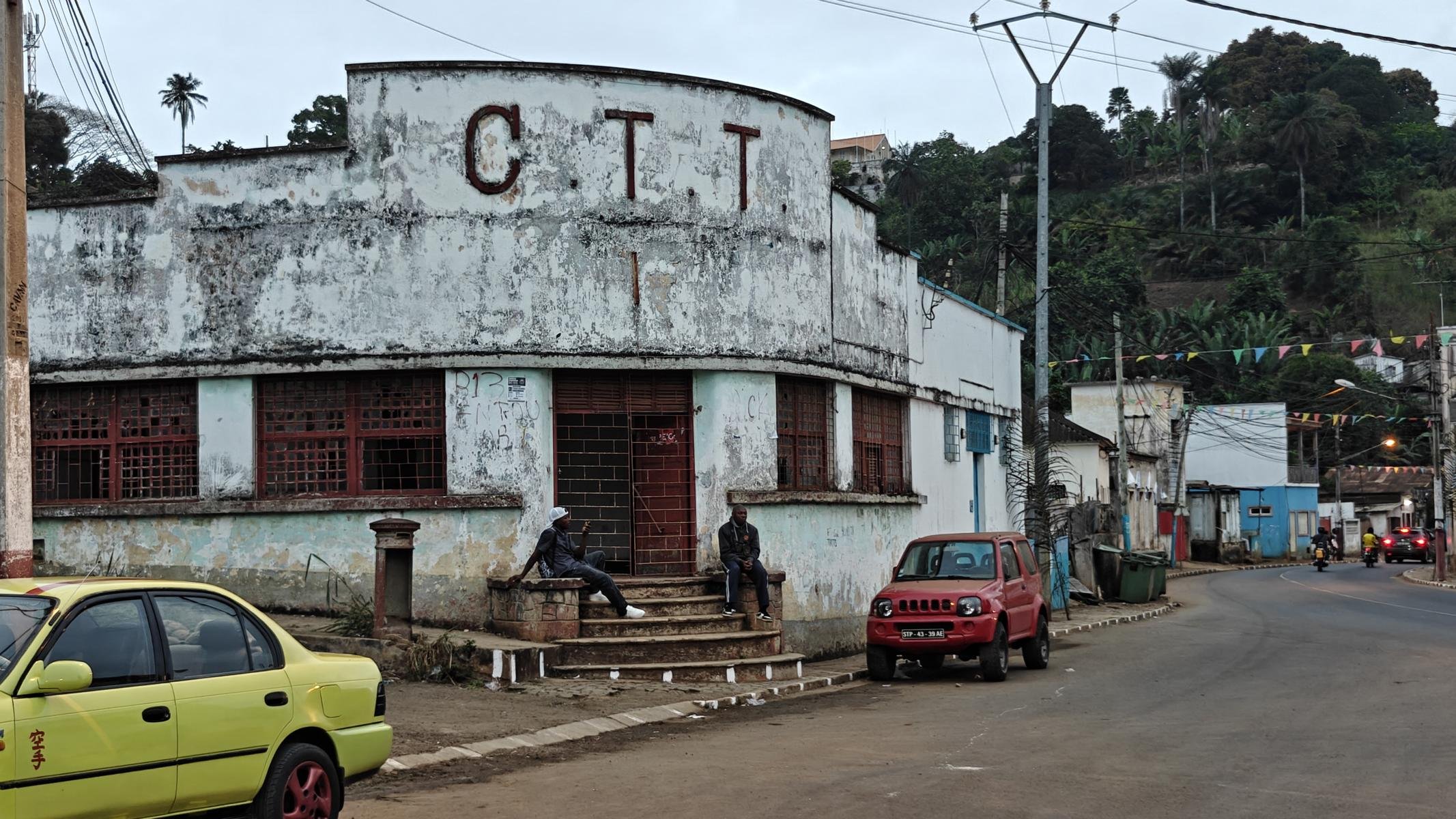
Let’s get this out of the way first: São Tomé and Príncipe is one of the poorest countries in the world. It’s a country off the beaten path of mass tourism (literally untouched by modern mass tourism). The infrastructure left behind by the Portuguese colonial power is increasingly falling into disrepair. For photographers who enjoy photographing lost places, however, it’s a true treasure trove of photo opportunities.
XXXXXXXXXXXXXXXXXXXXXXXXXXXXXXXXXXXXXXXXXXXXXXXXXXXXXXXXXXXXXXXXXXXXXXXXXXXXXXXXXXXXXXXXXXXX
DEUTSCH: Aug/ Sept 2026 bereisten wir den Inselstaat São Tomé und Príncipe, (übersetzt: Hl. Thomas und der Fürst) eines der am wenigsten besuchten Länder der Erde. Die beiden Inseln liegen vor der Küste Gabuns und bilden die Fortsetzung einer Vulkankette, die von Kamerun in den Atlantik reicht. Beide Inseln zusammen habe eine Fläche von nur knapp 1000 km2 und sind sehr gebirgig (bis über 2.000 m). Die 246.000 Einwohner*innen sprechen Portugiesische.
Aus Zeitgründen konnten wir nur die Hauptinsel São Tomé besuchen (die rote Linie im dritten Bild zeigt unsere Reiseroute). Obwohl wir währende der besten Reisezeit unterwegs waren (sog. „große“ Trockenzeit) hatten wir Pech: es war meist bewölkt, windig und die See war rau. Aber die Temperaturen waren angenehm (Luft: um die 30 Grad, Meer um die 26 Grad).
Gleich vorweg: São Tomé und Príncipe gehört zu den ärmsten Ländern der Welt. Es ist ein Land abseits der Hauptrouten des Massentourismus (untouched by modern mass tourism). Die von der portugiesischen Kolonialmacht hinterlassene Infrastruktur verfällt zunehmend. Für Fotografen, die gerne lost places fotografieren, ist es jedoch eine wahre Fundgrube an Fotomotiven.
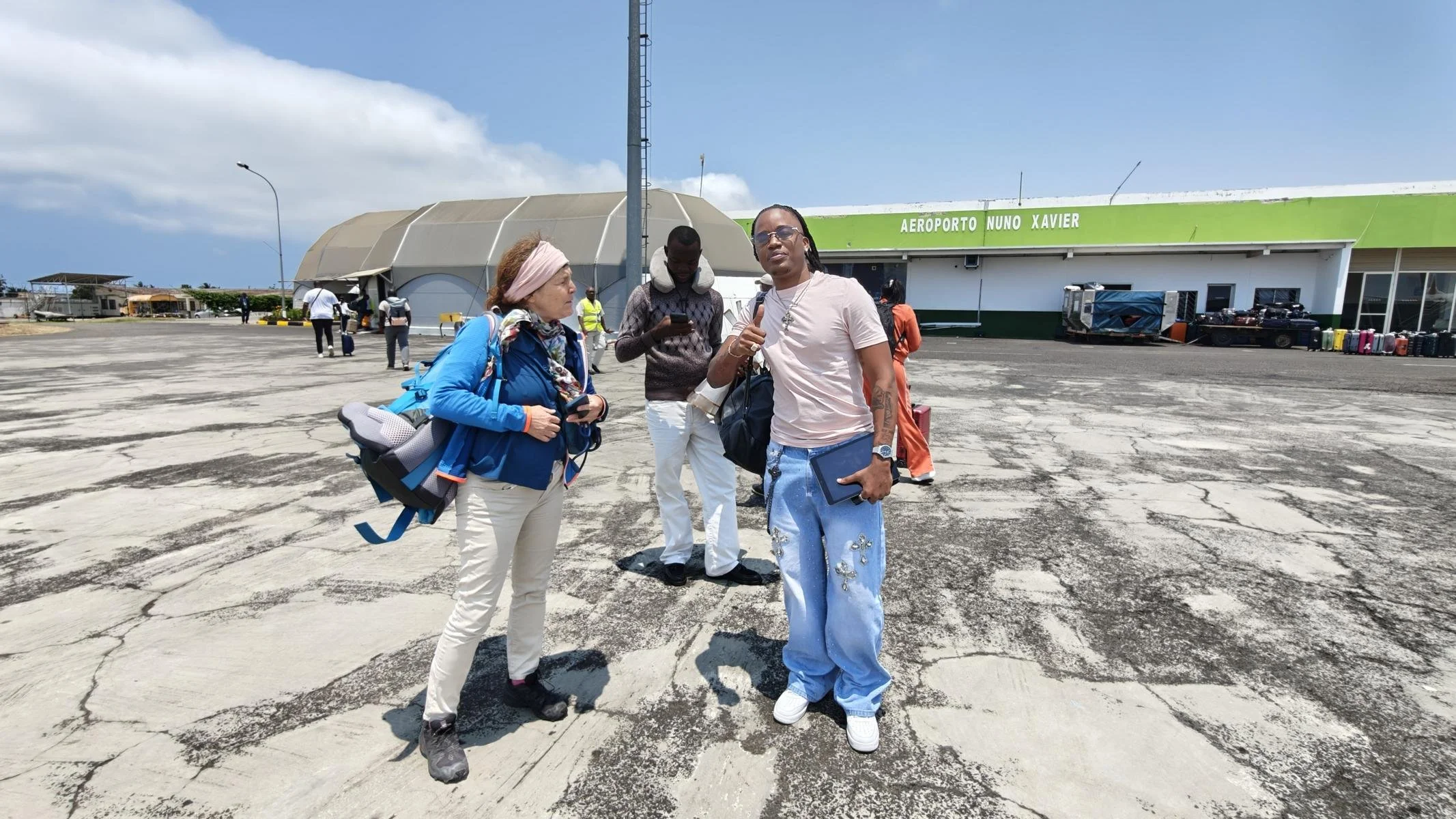
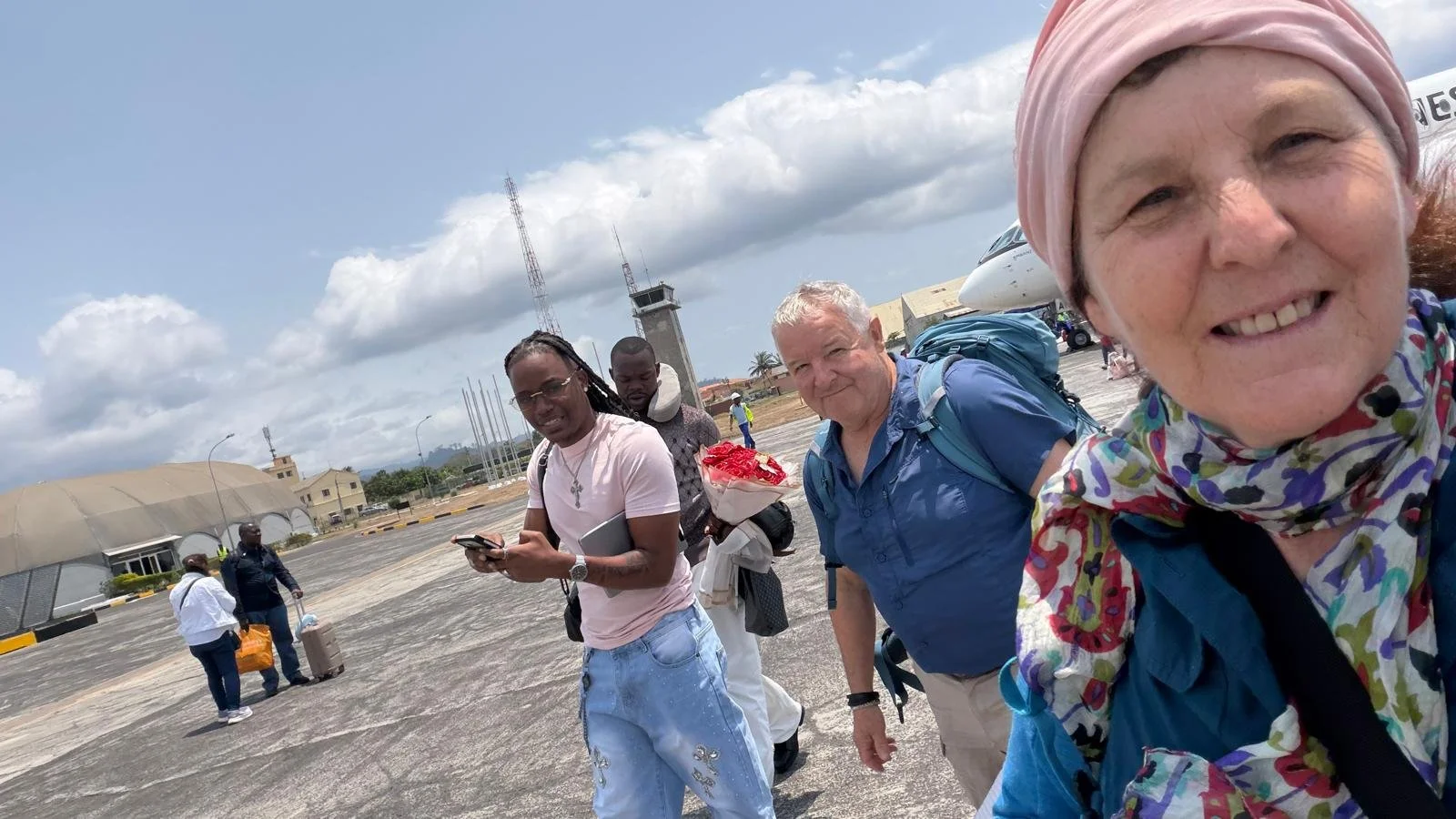
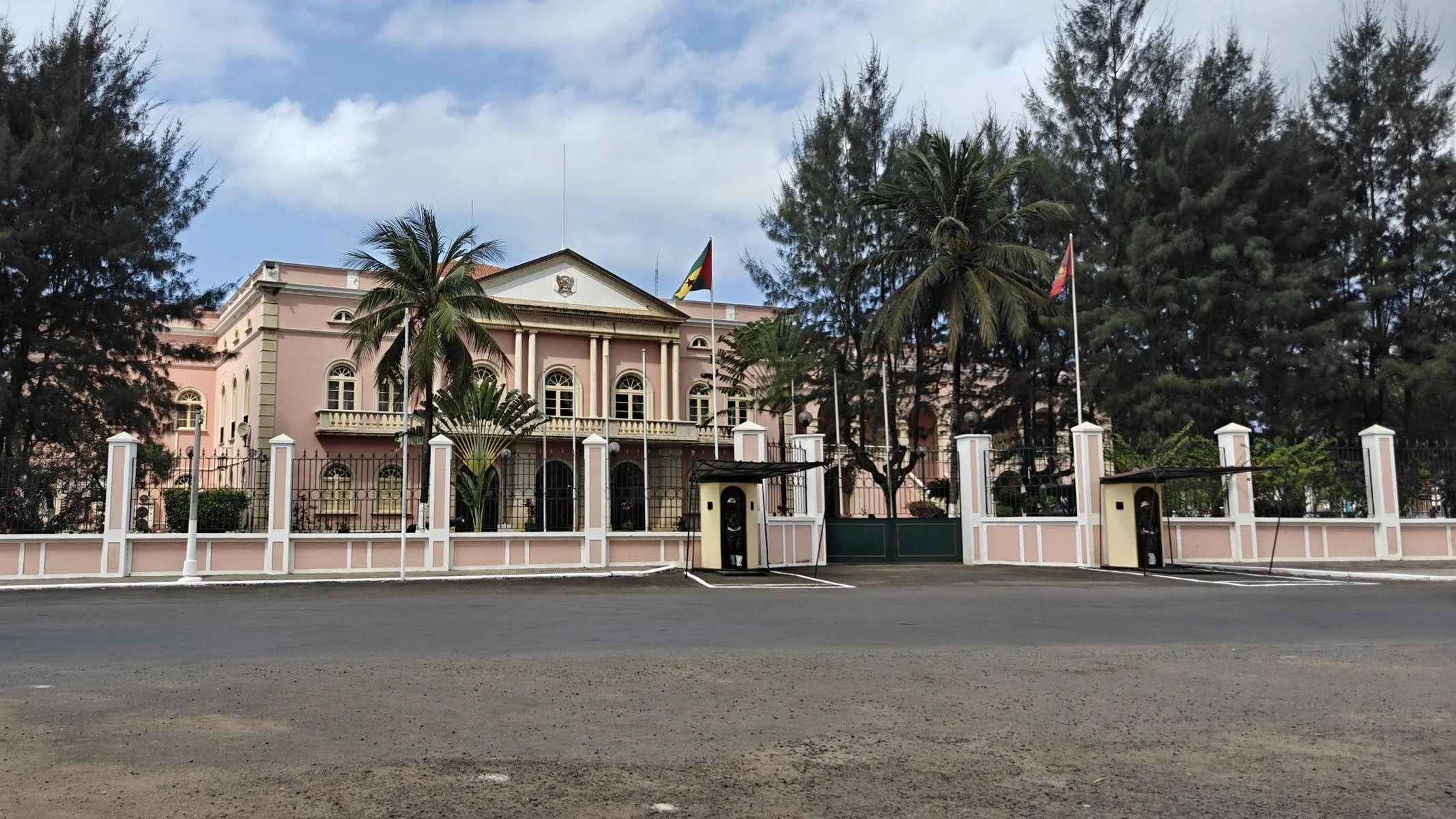
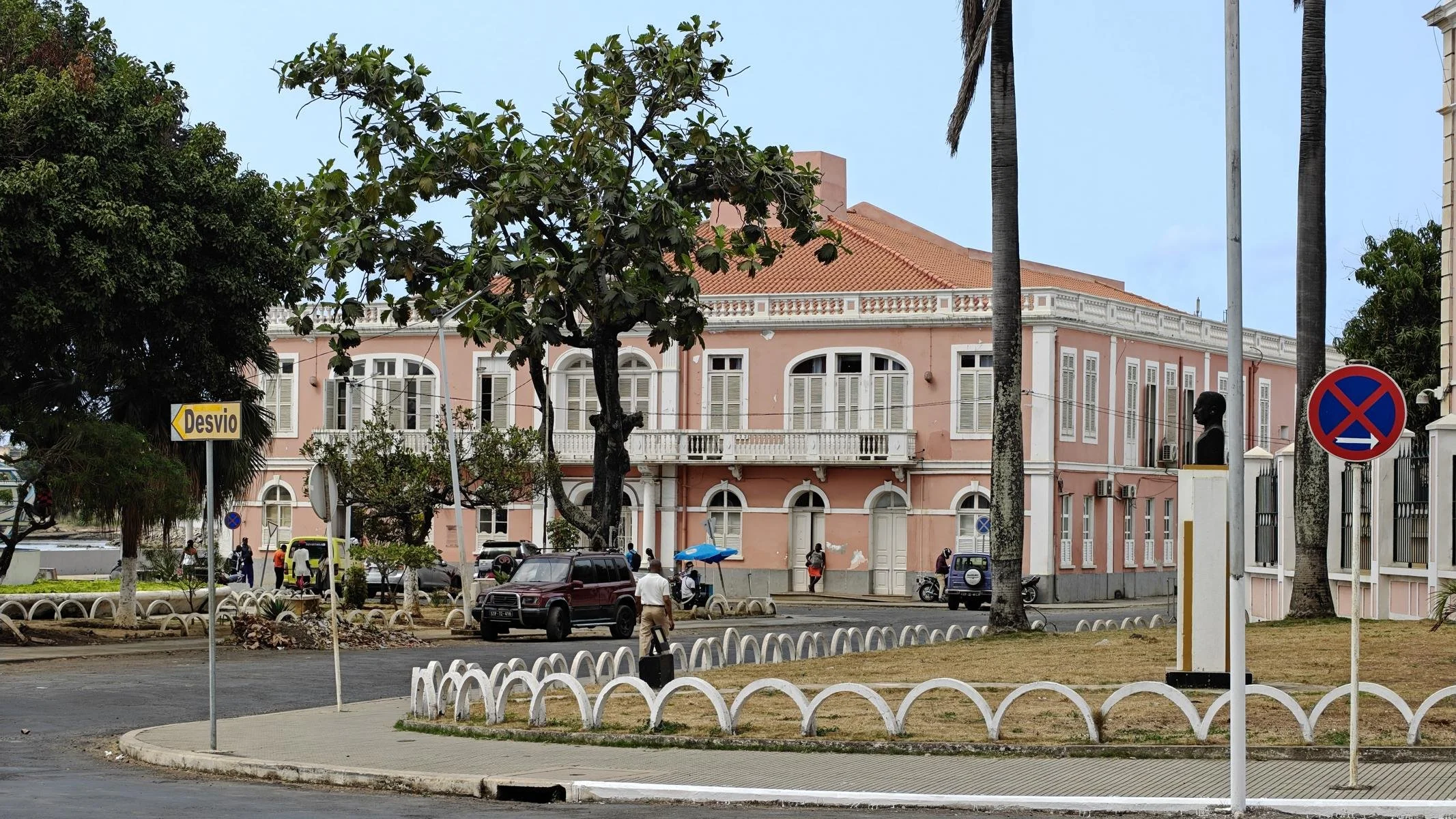
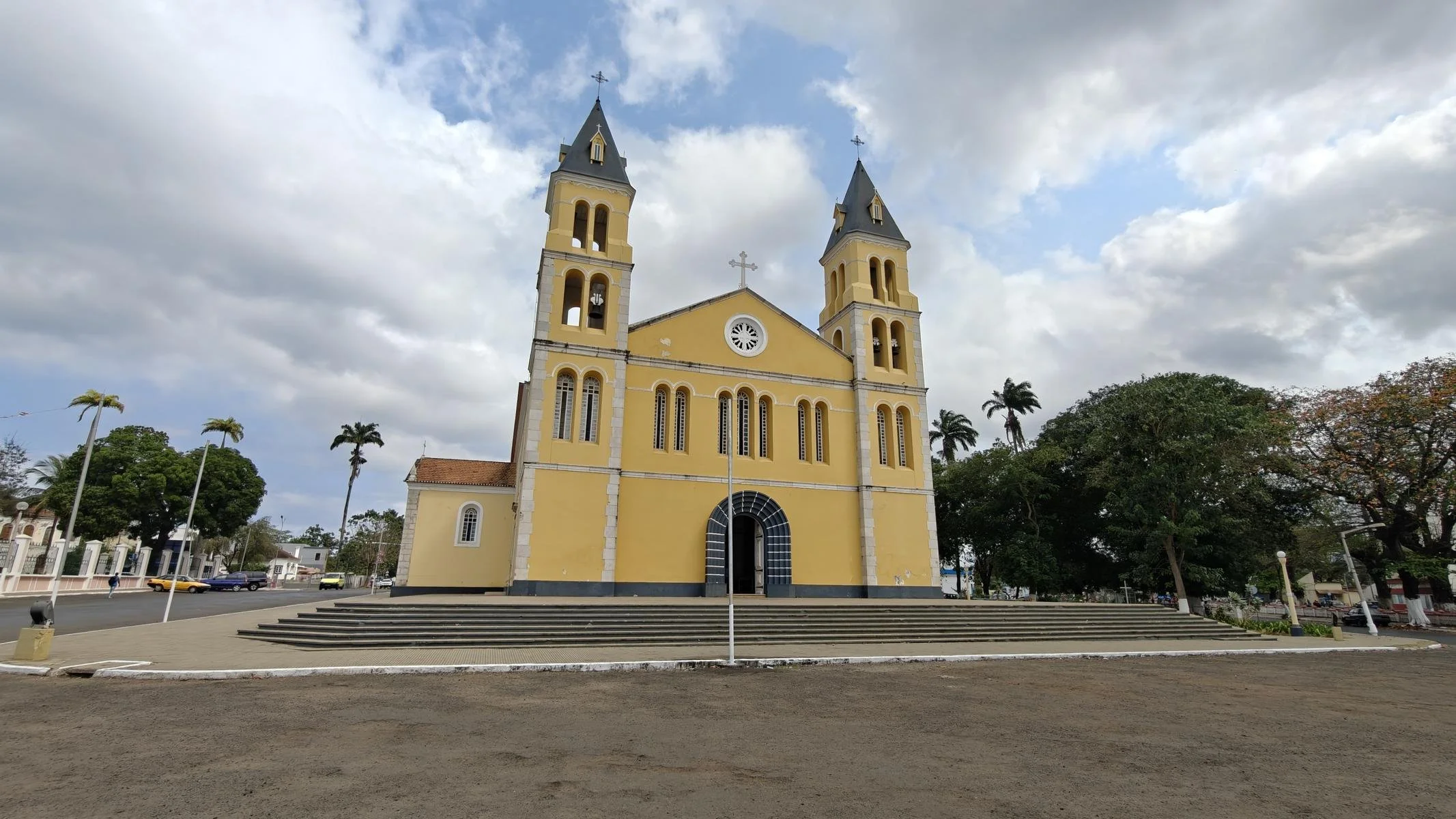
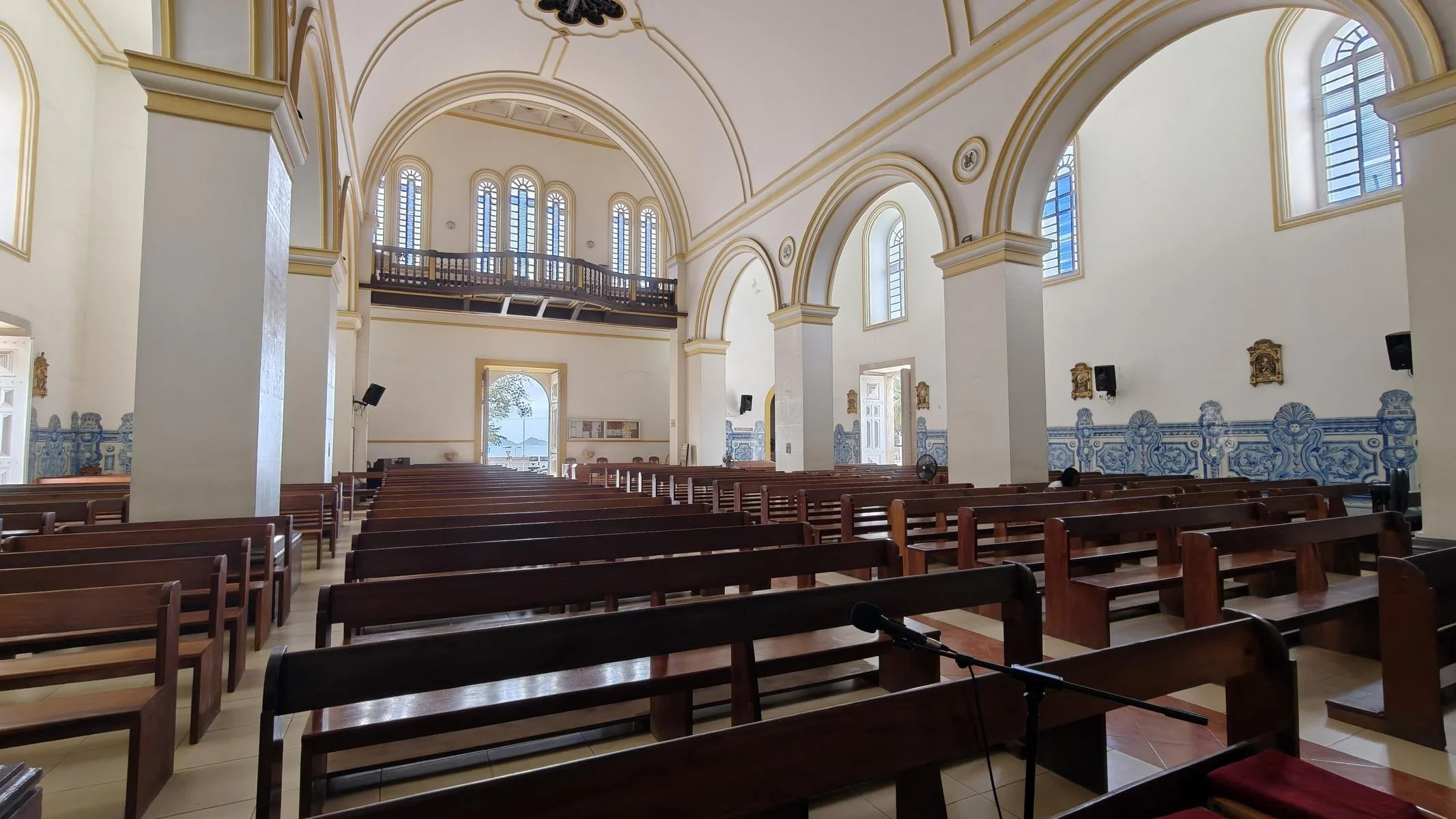
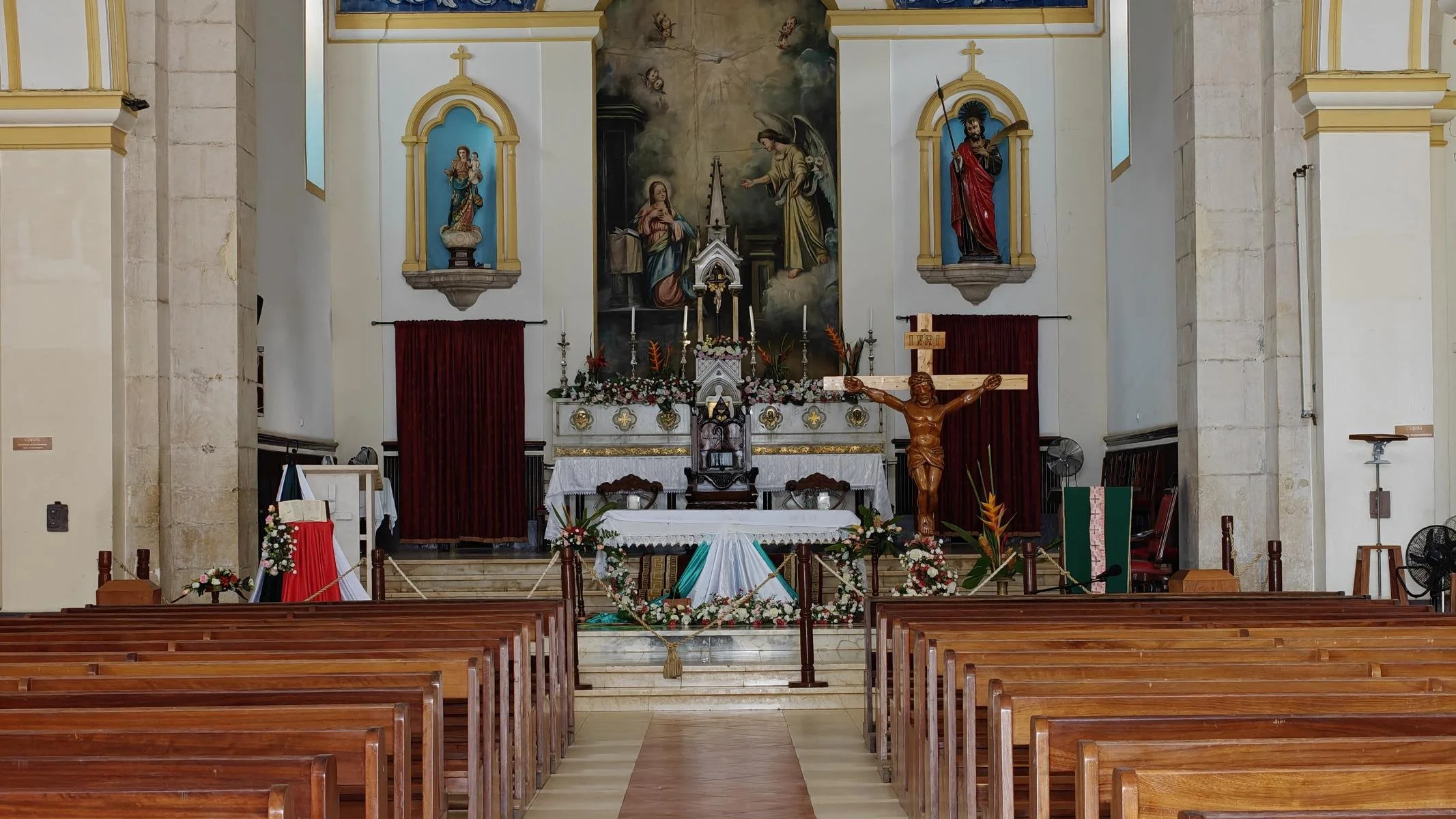
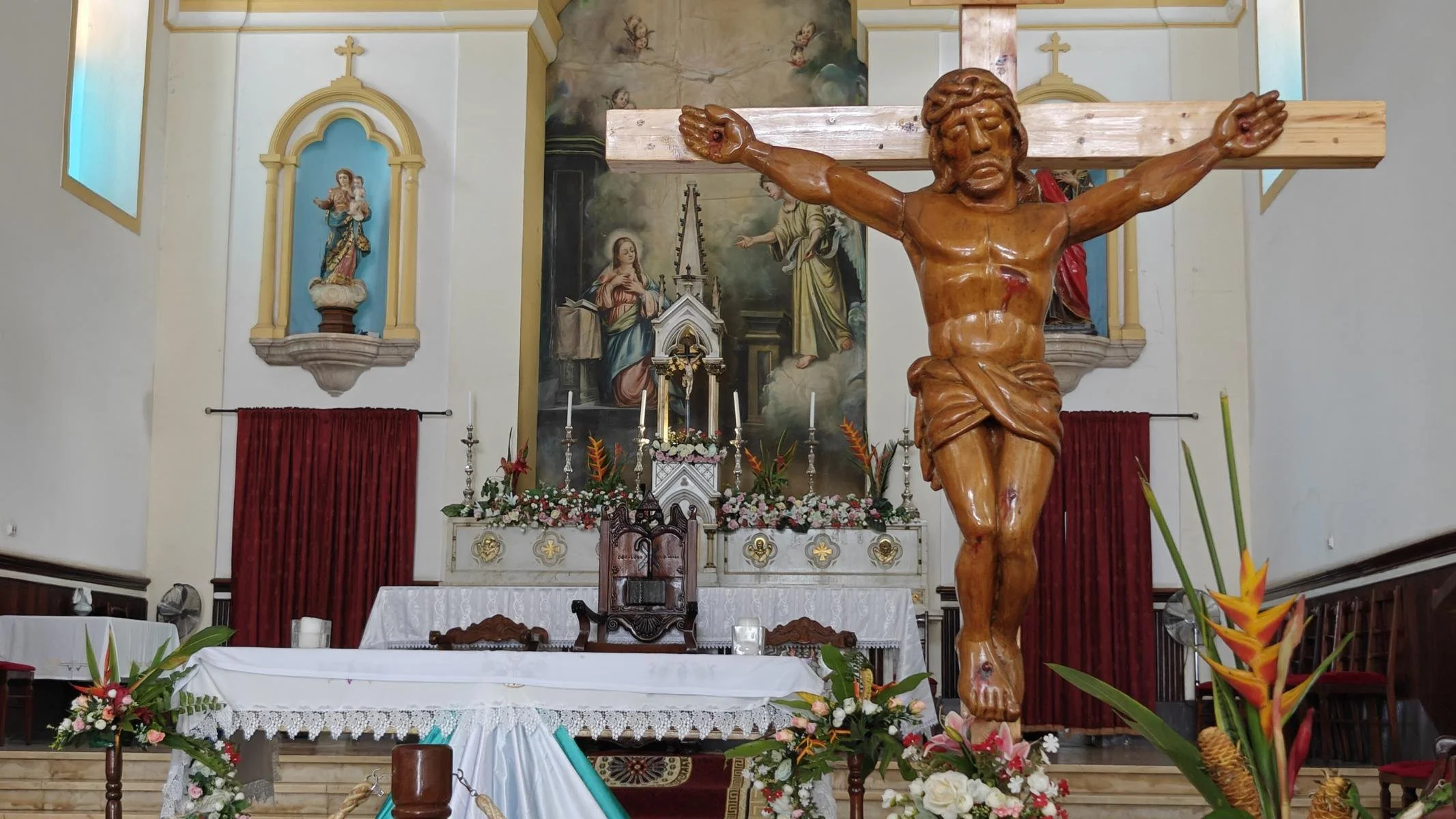
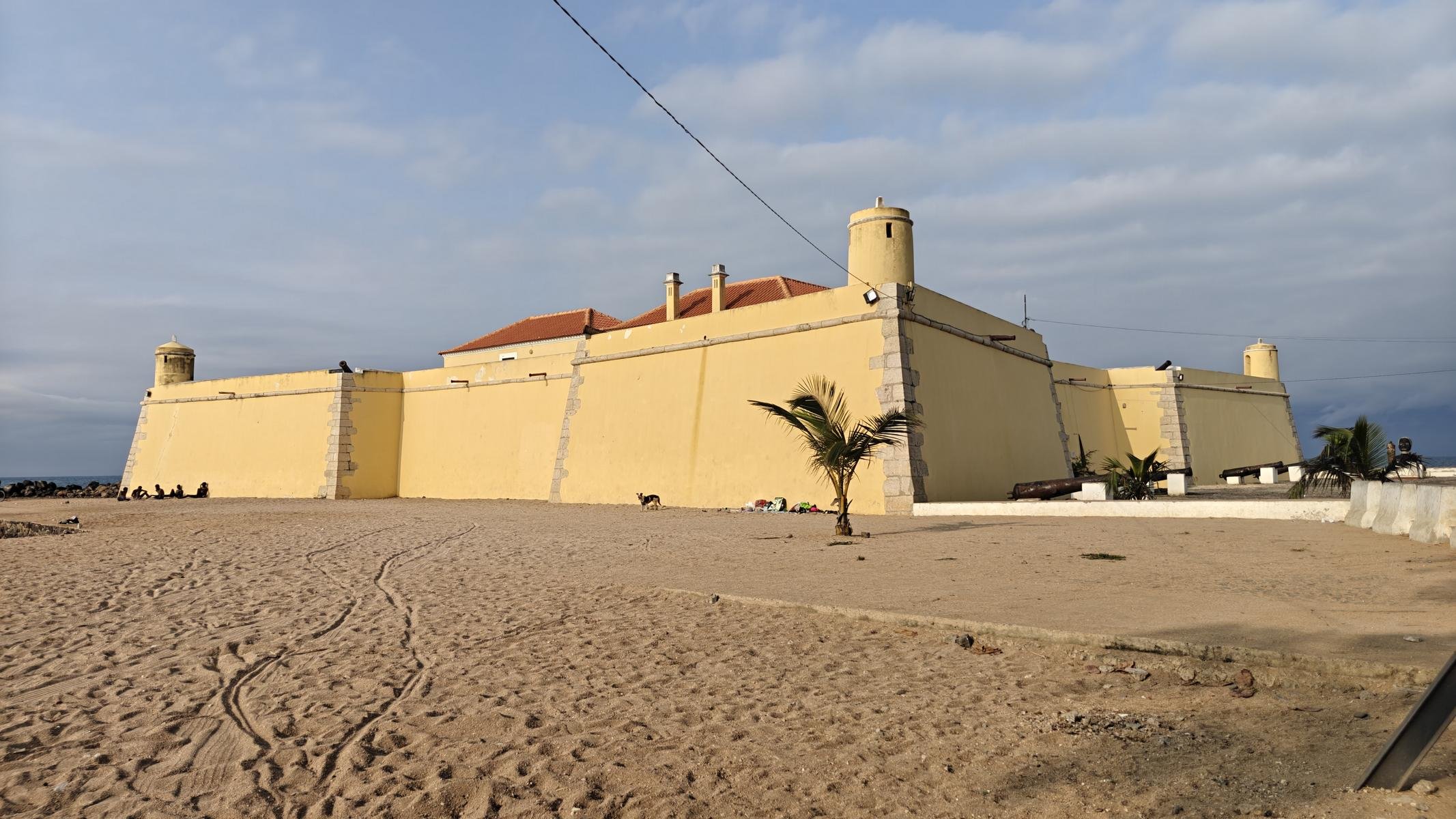
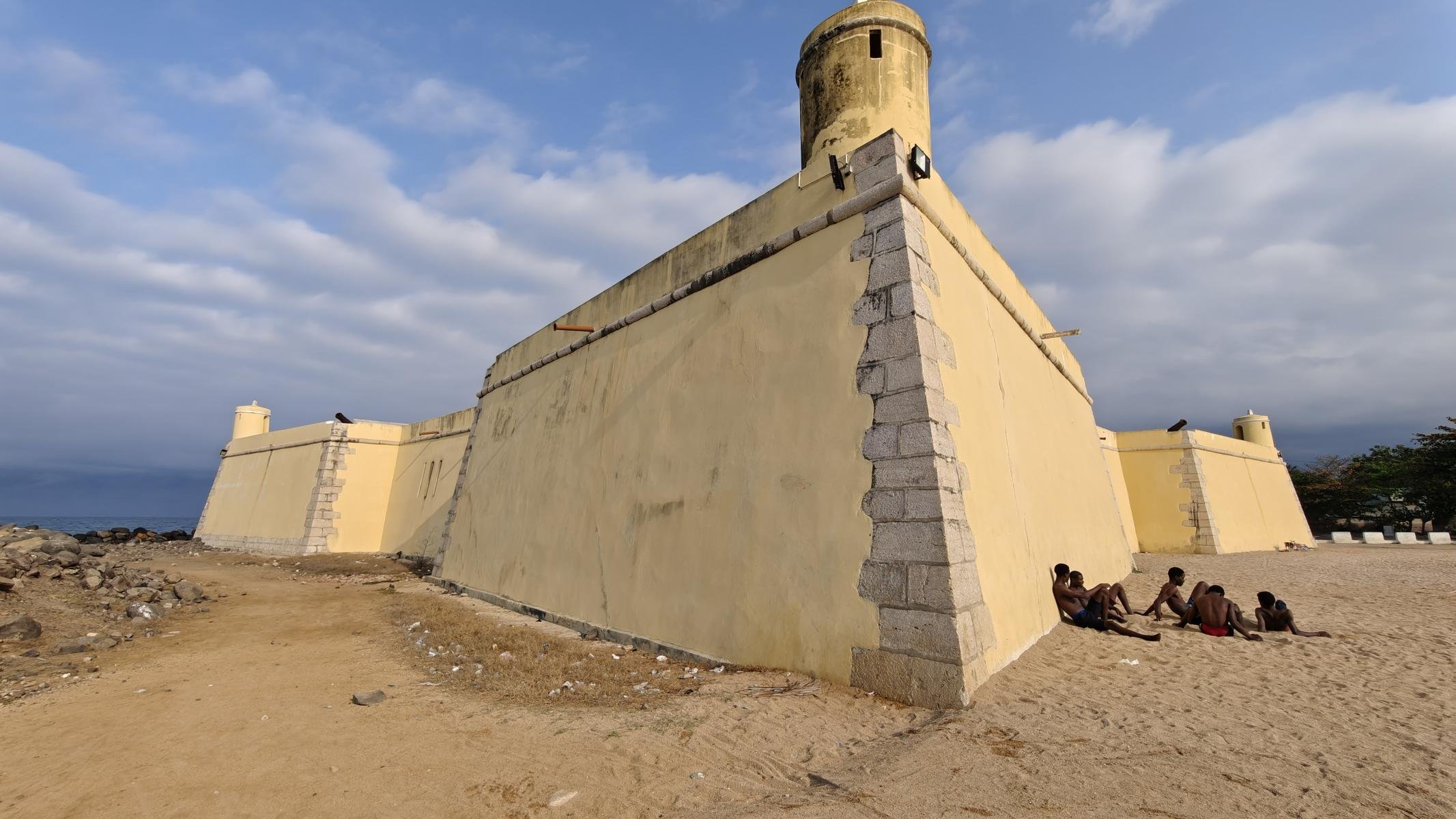
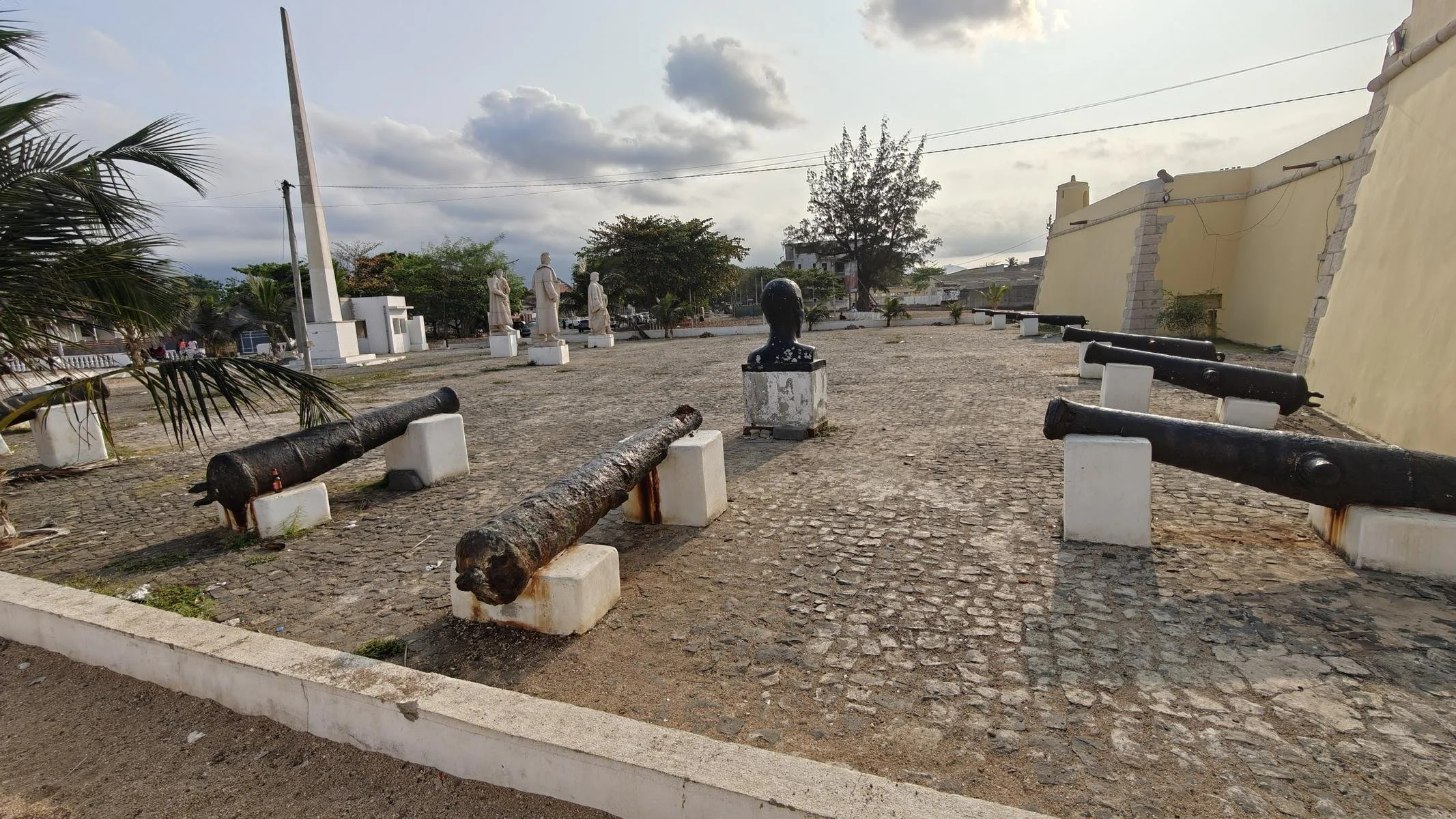
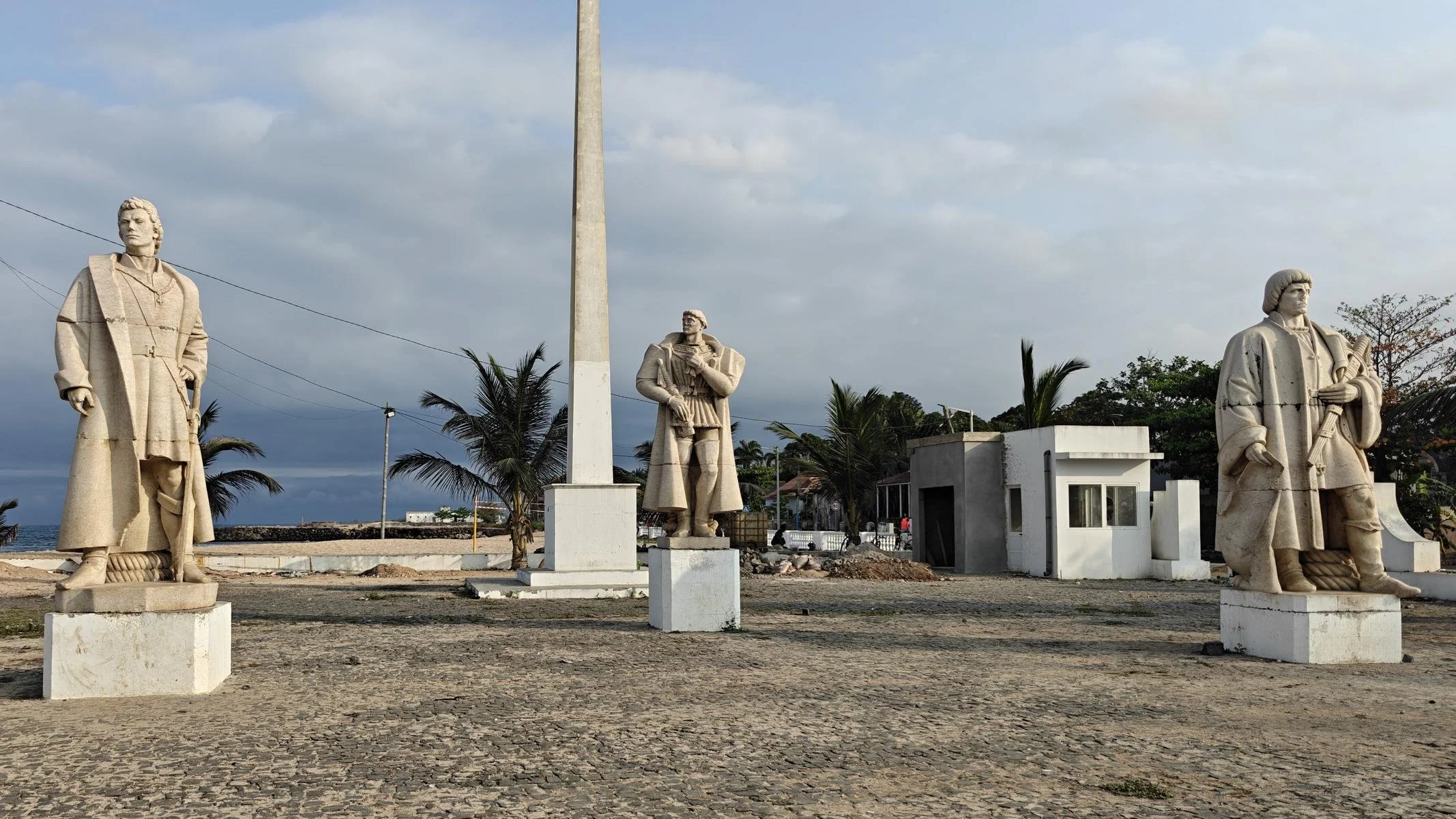
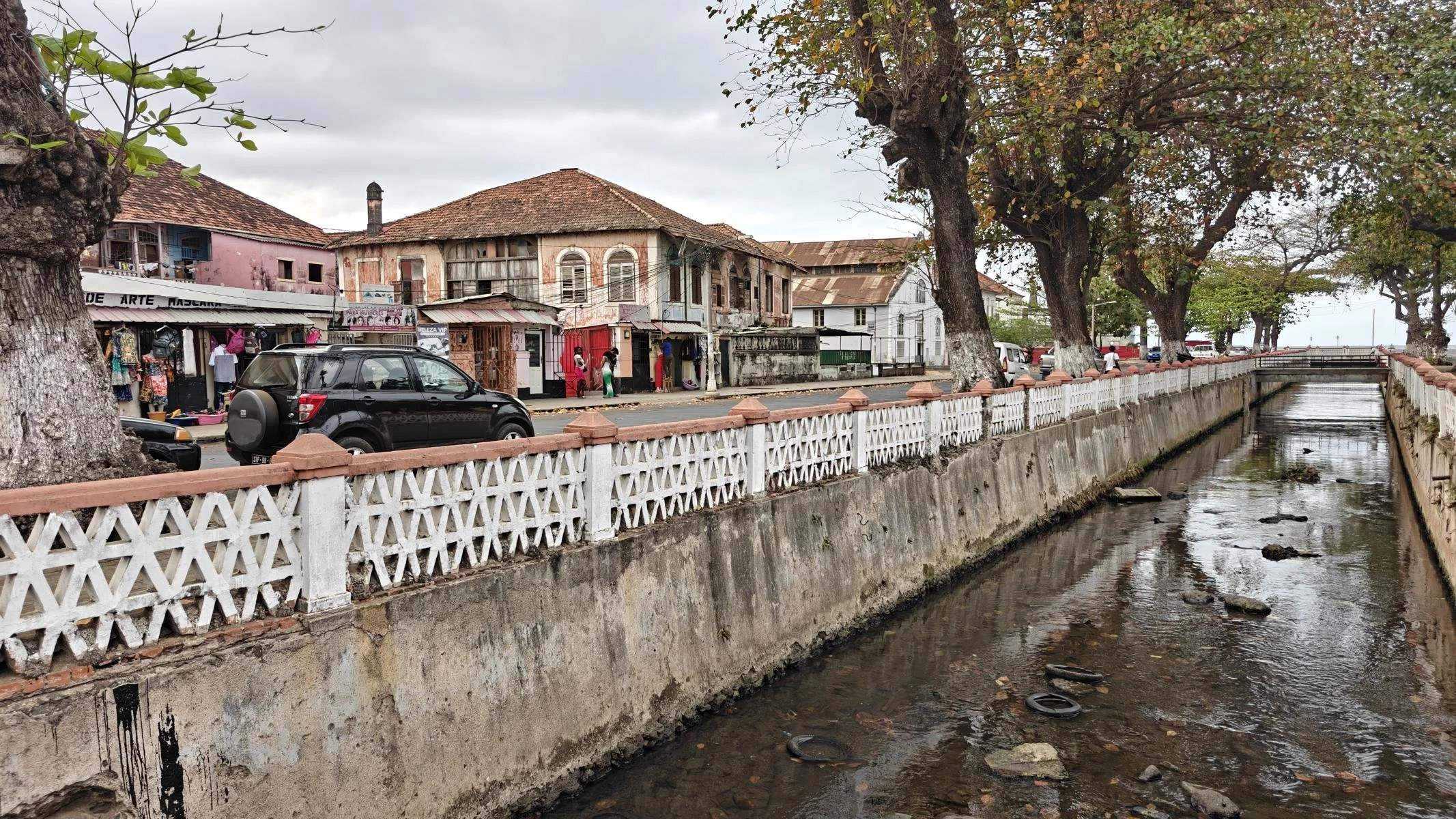
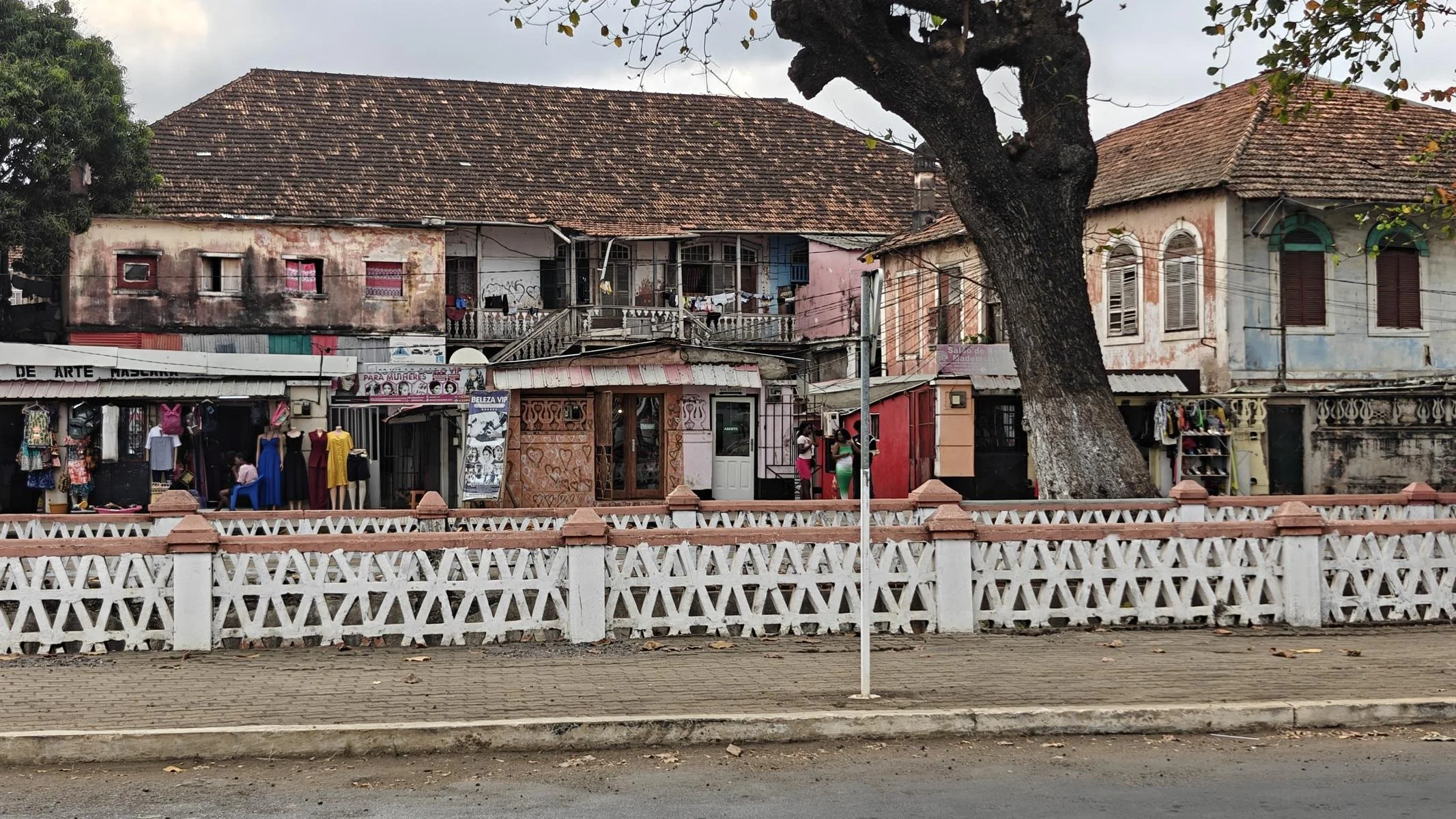
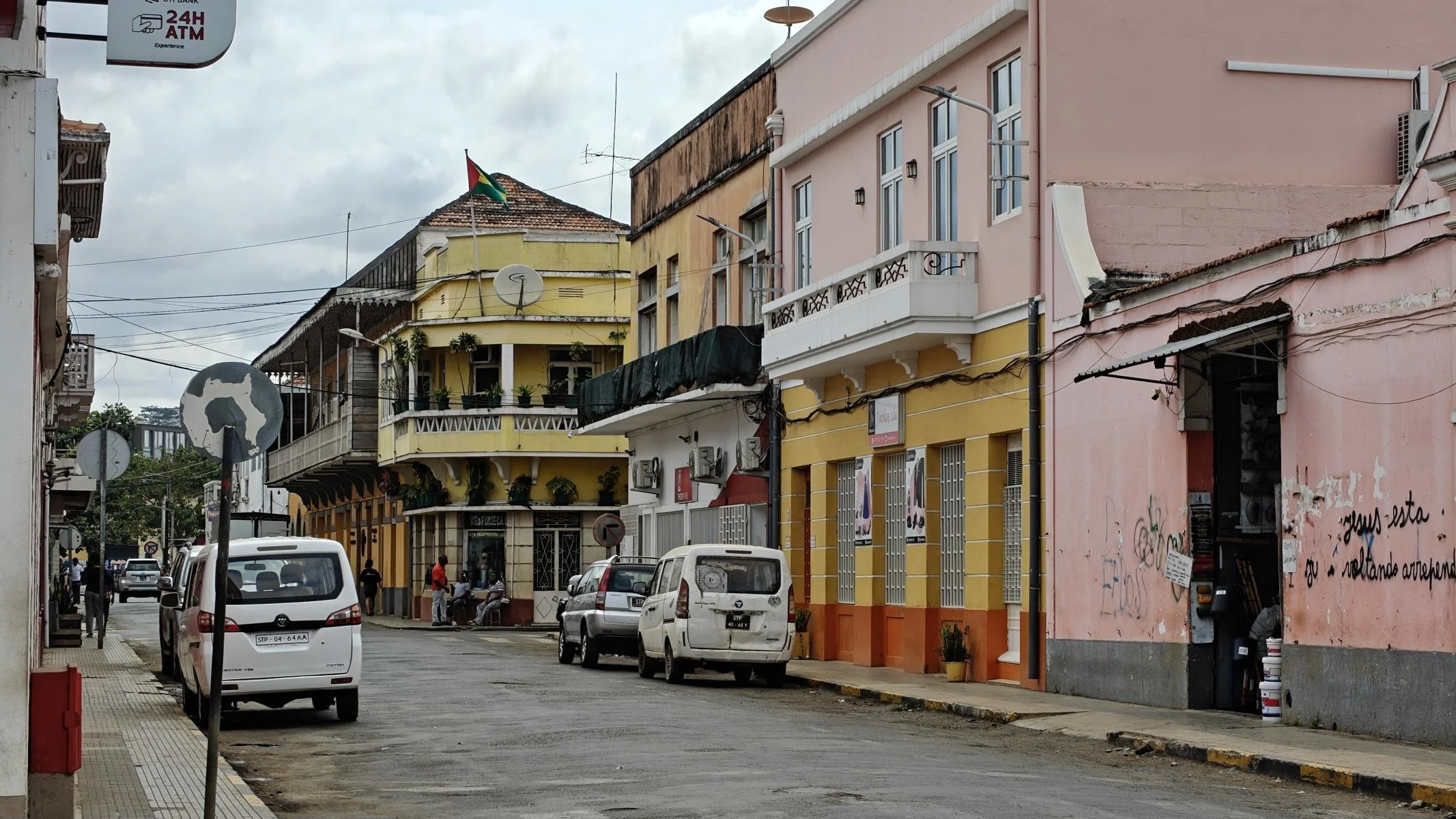
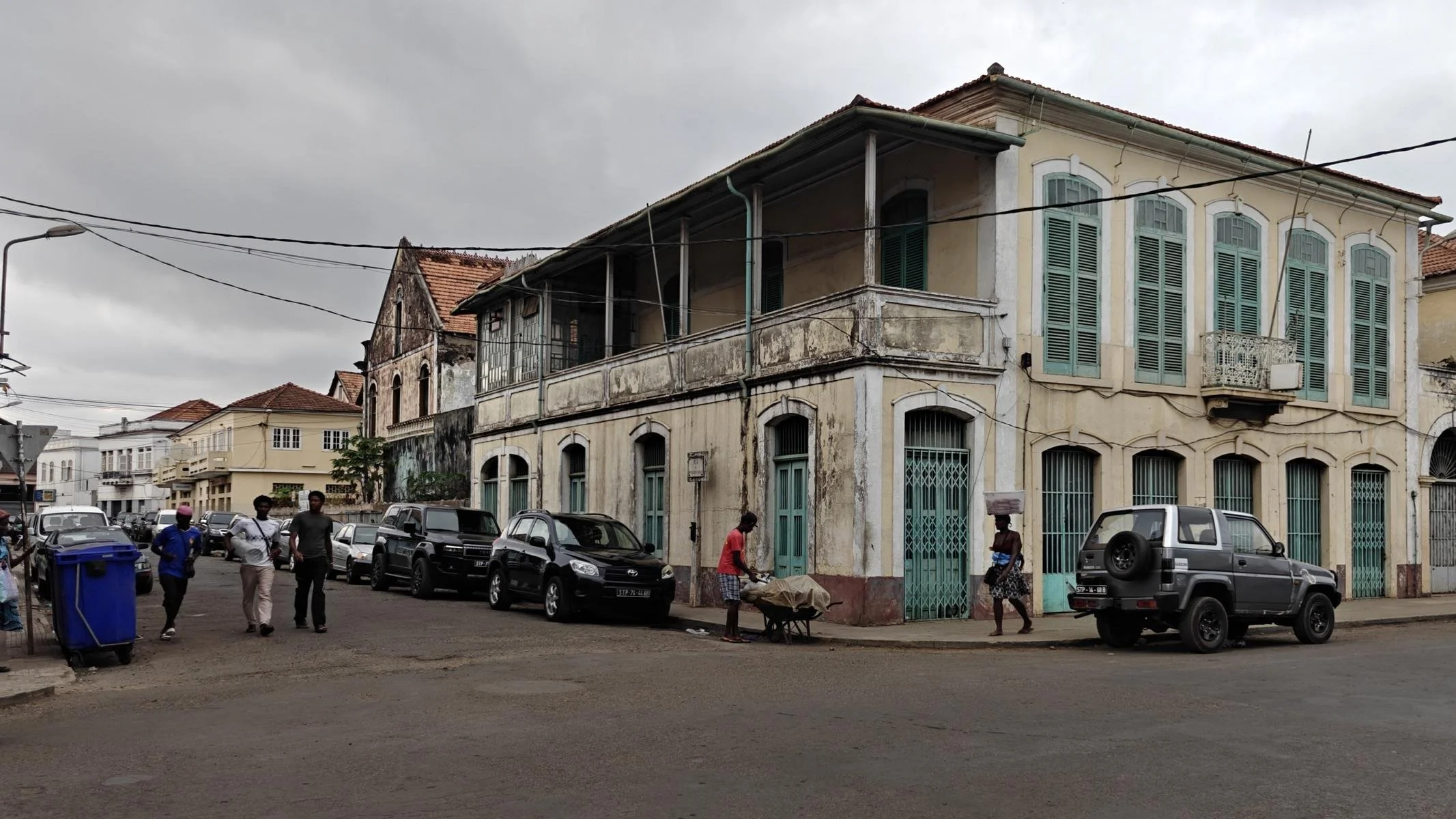
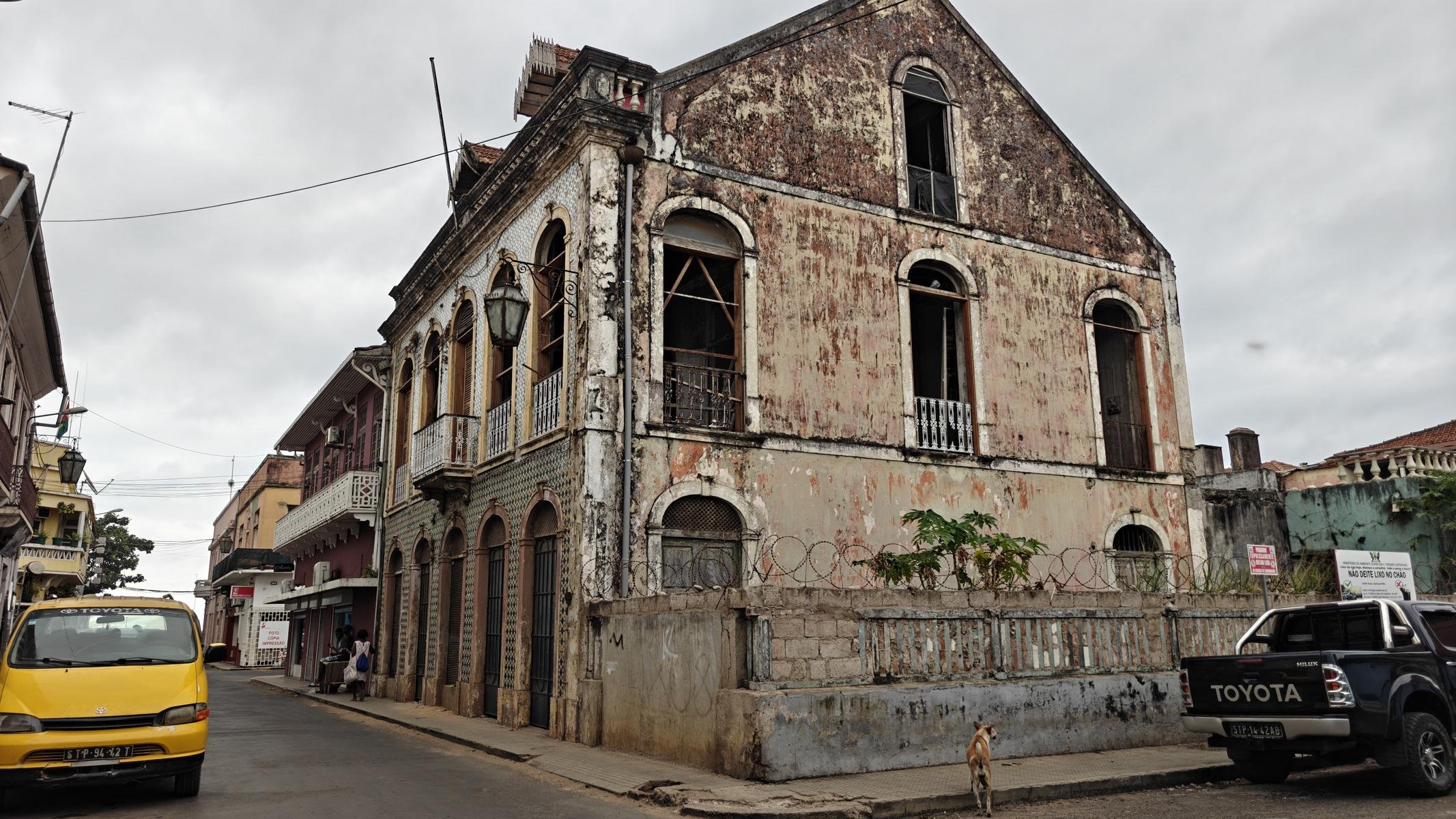
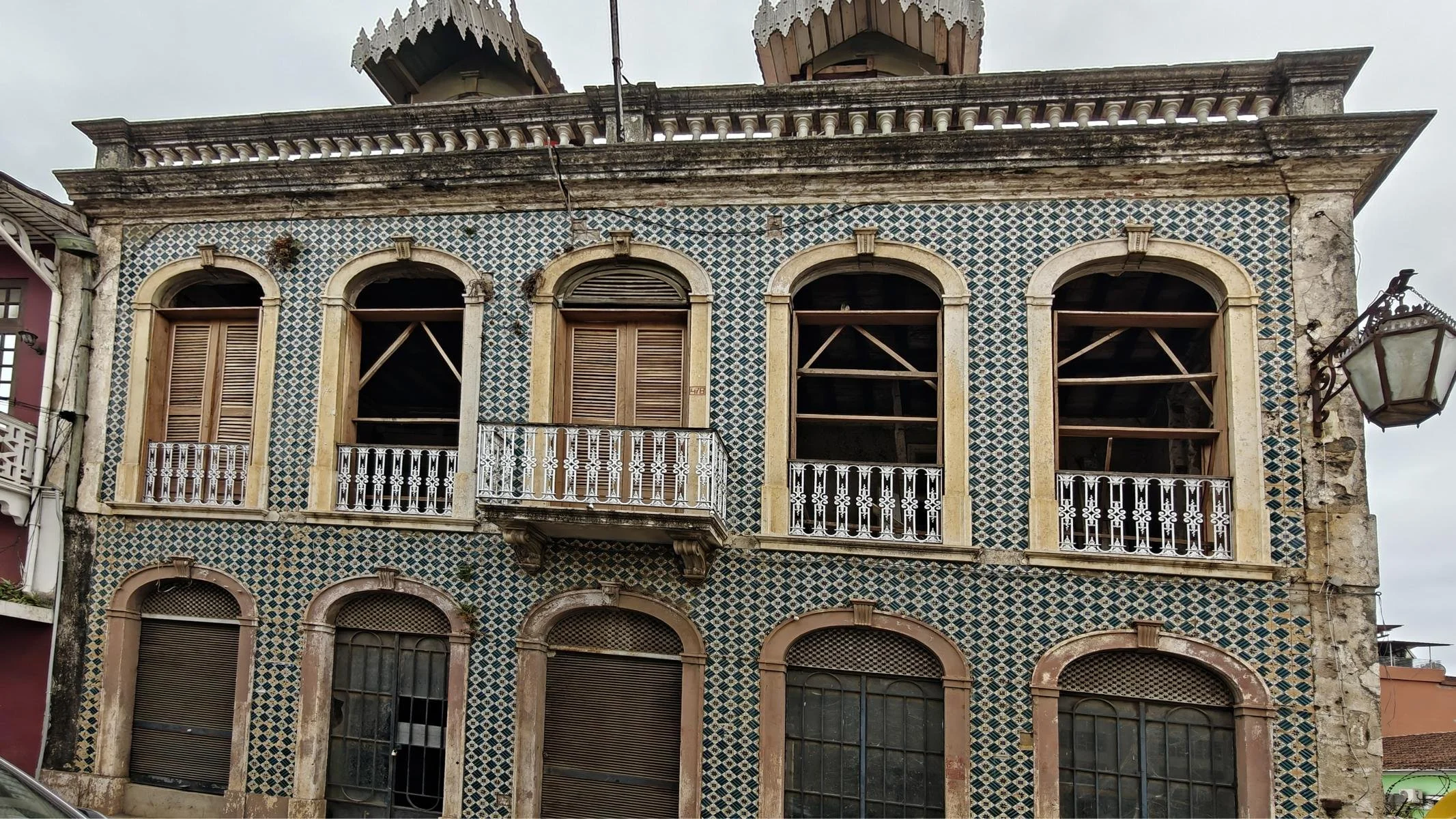
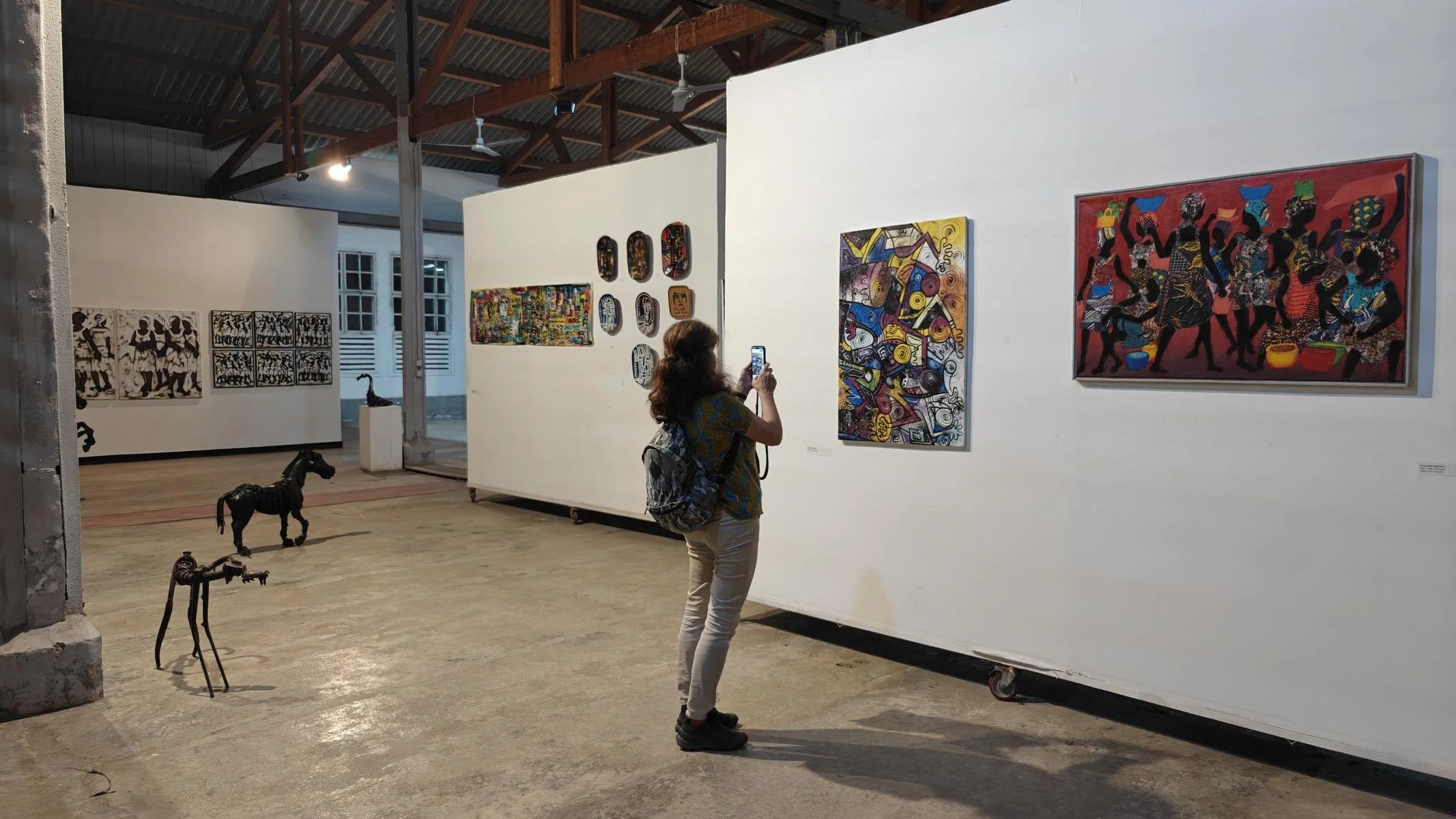
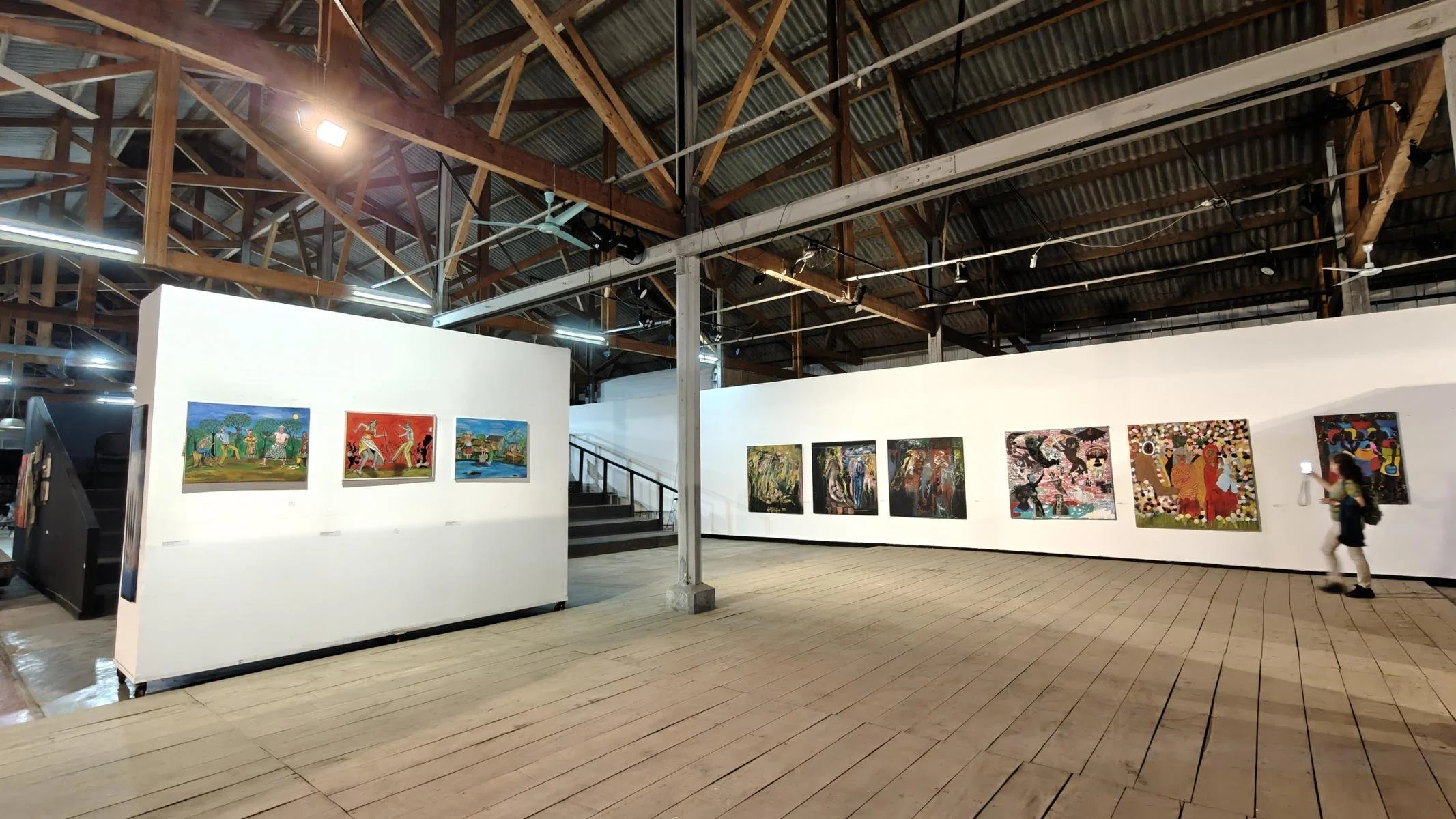
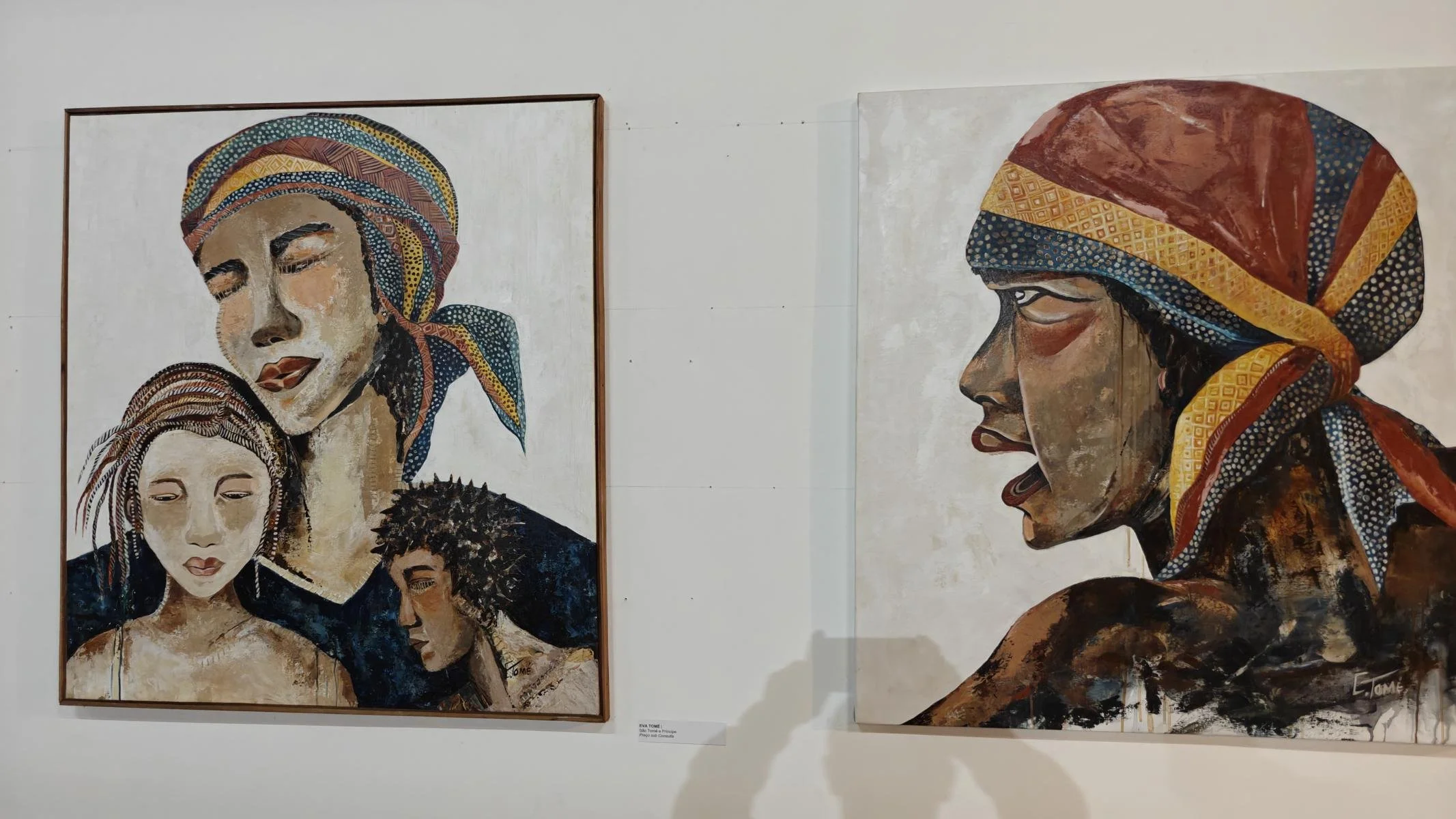
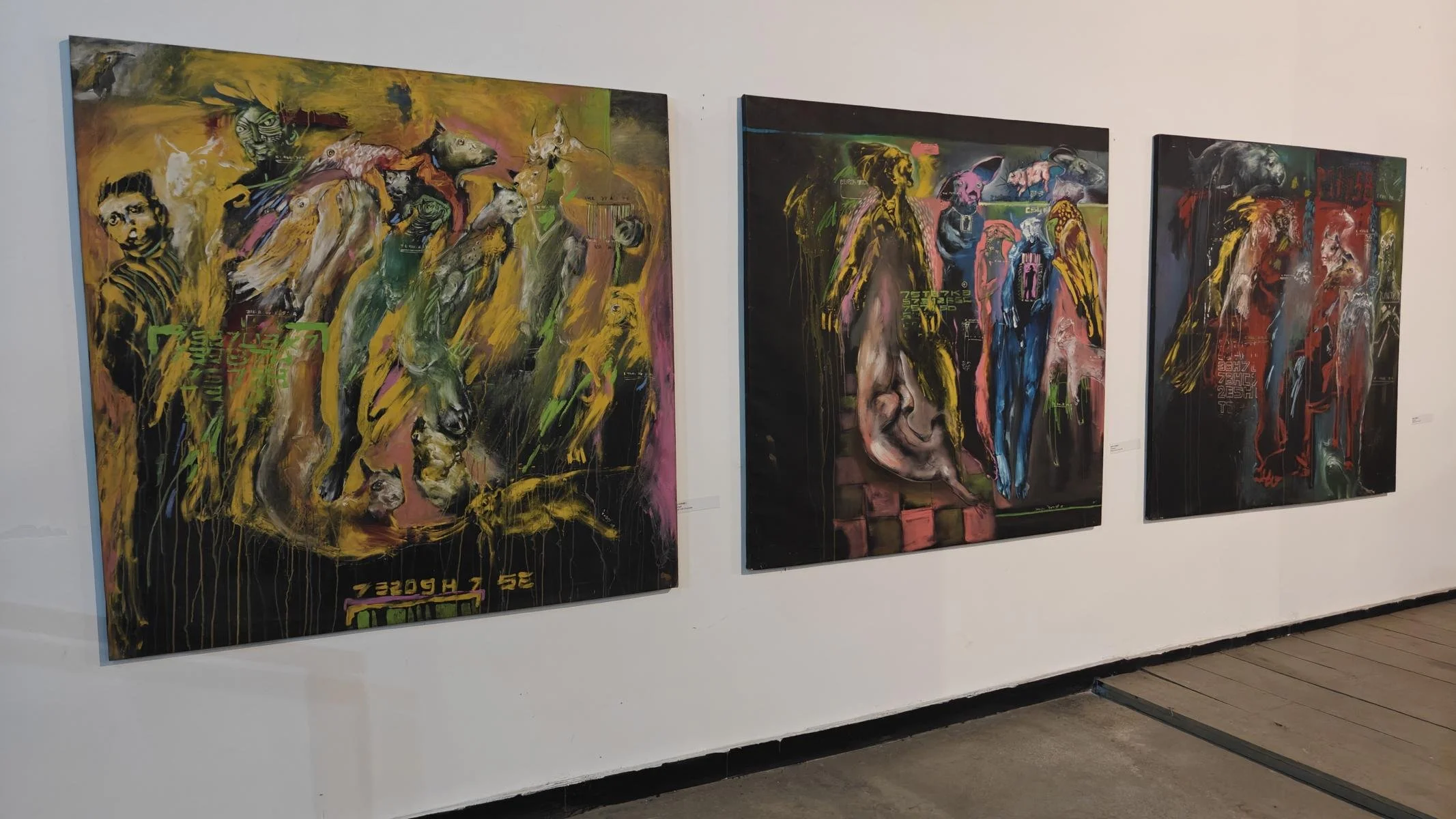
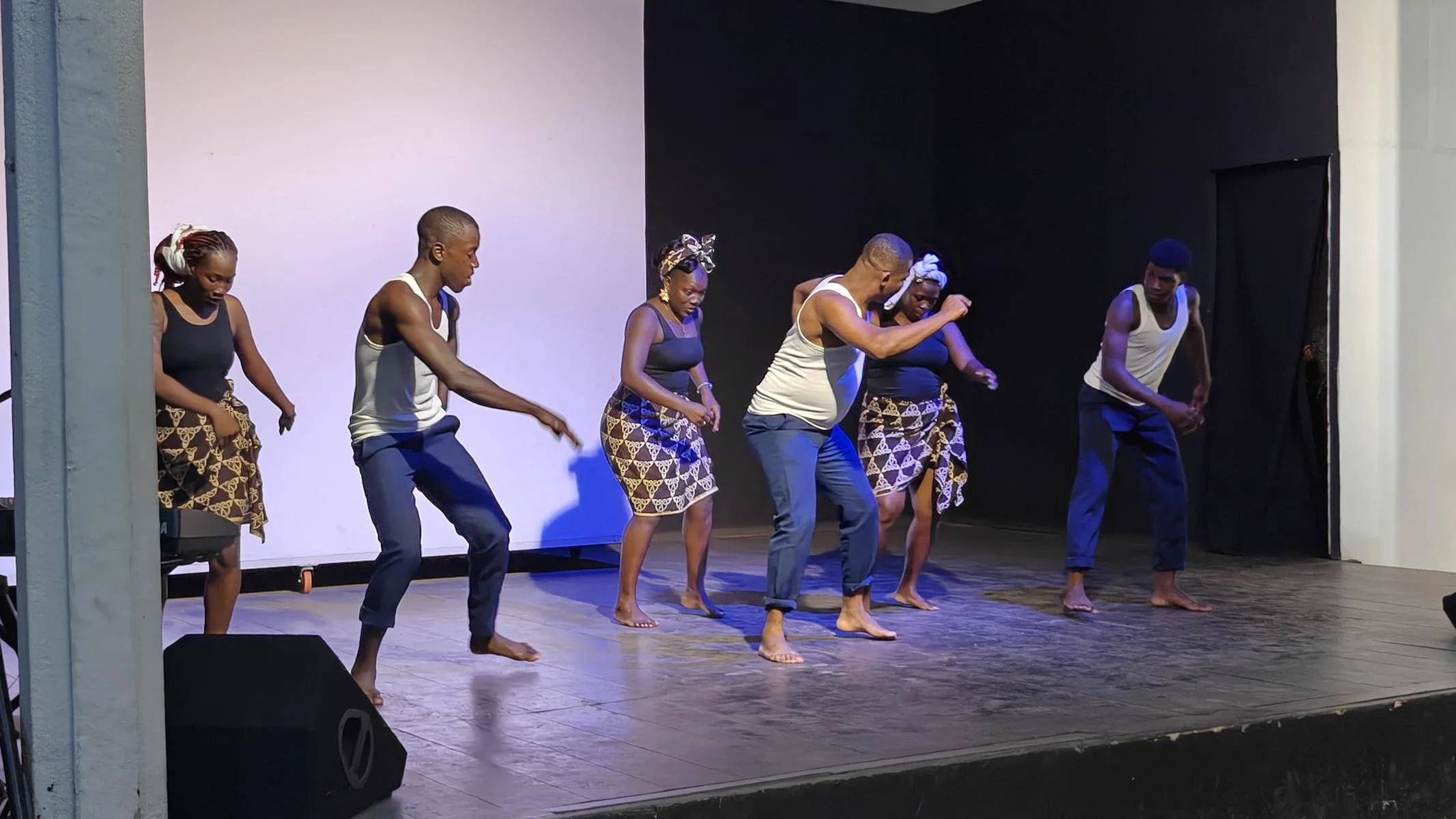
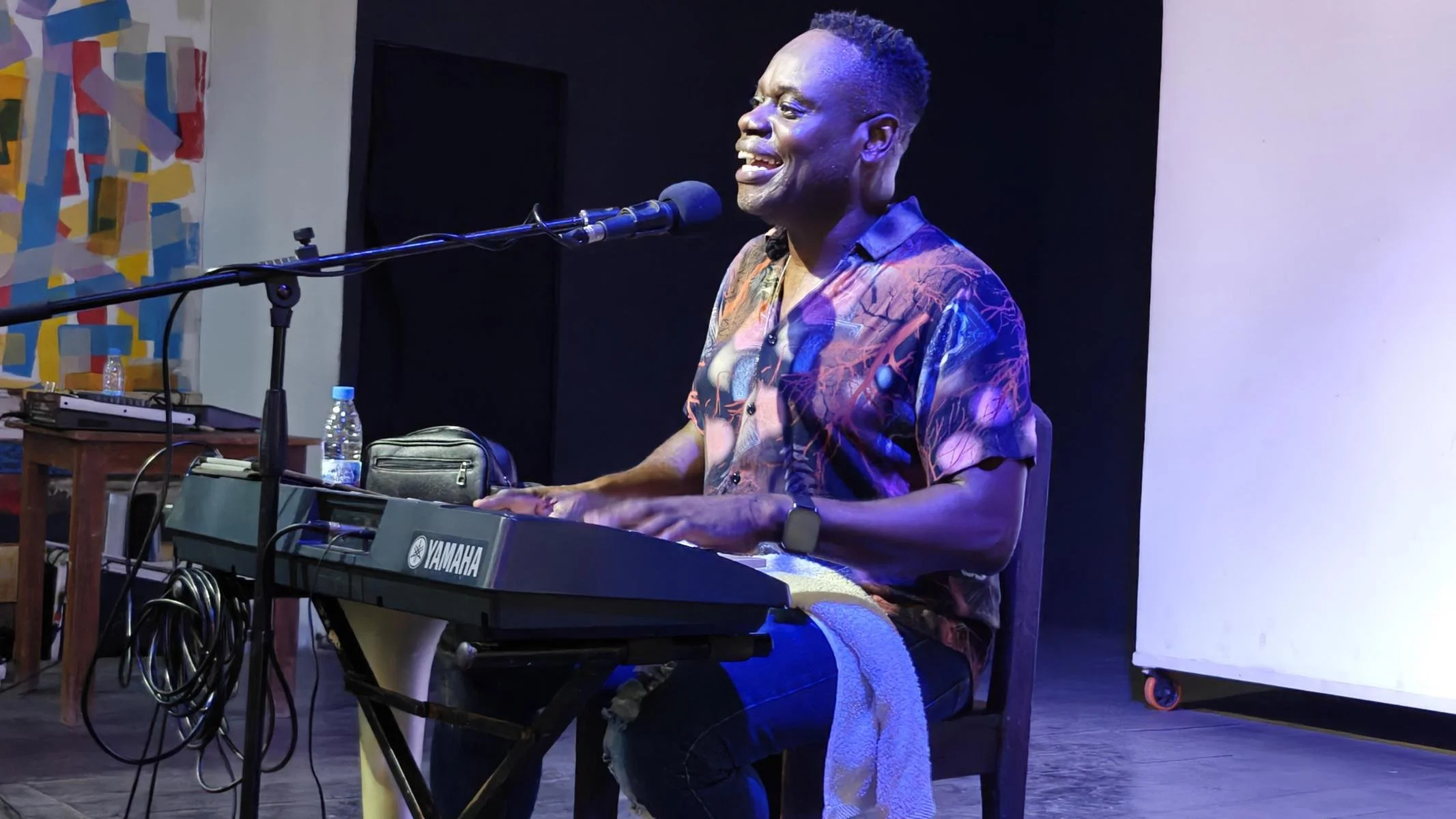
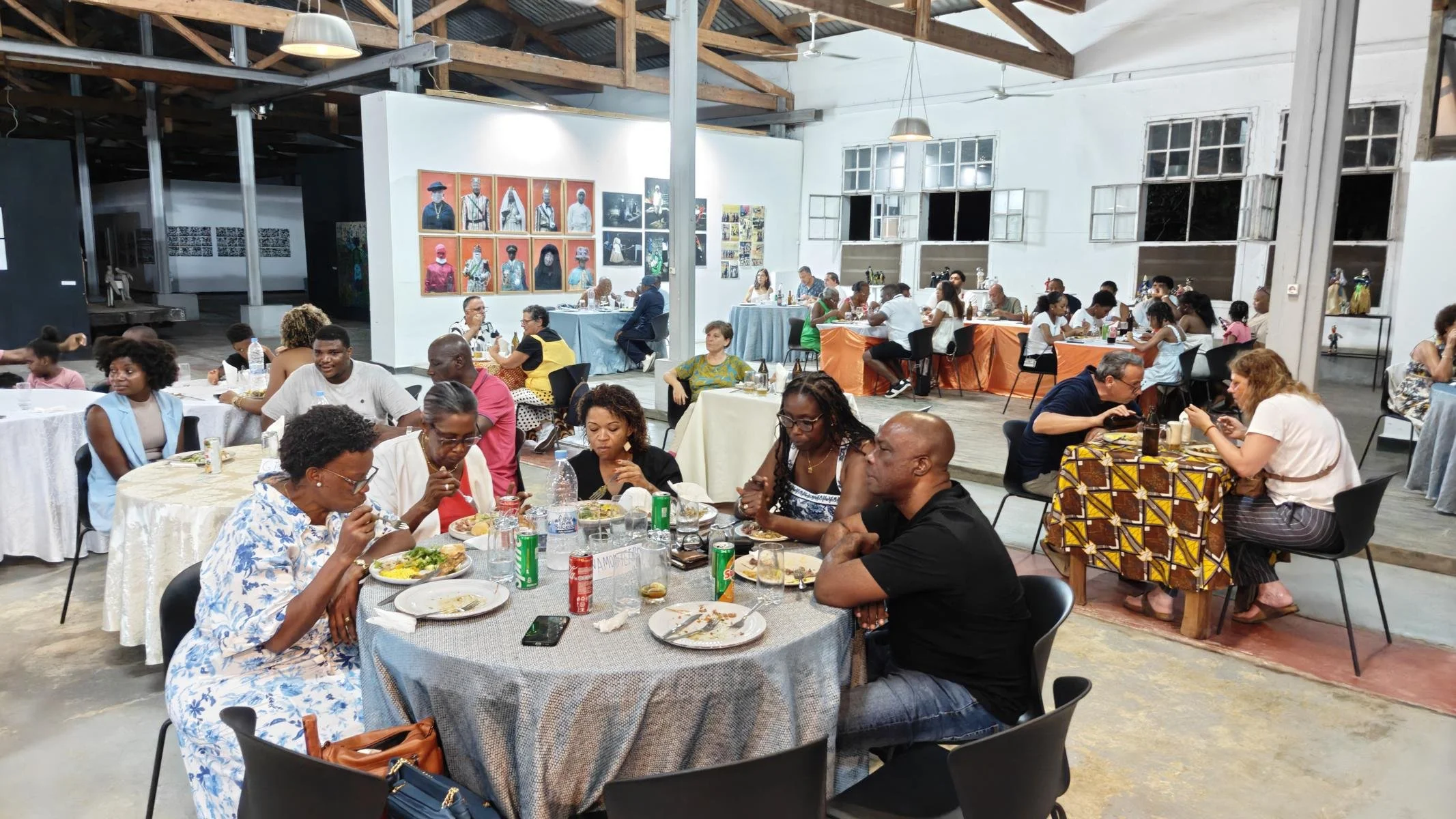
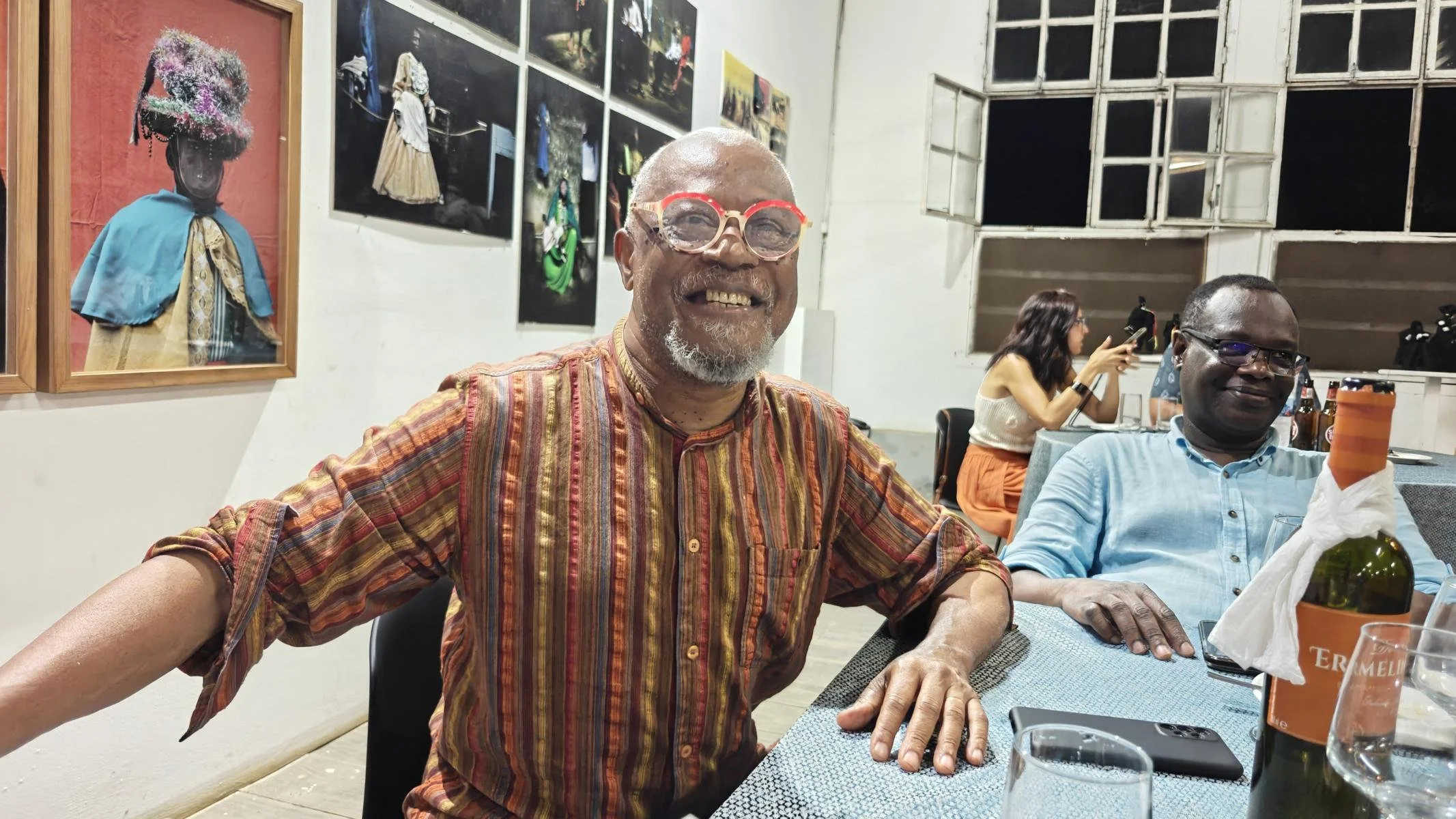
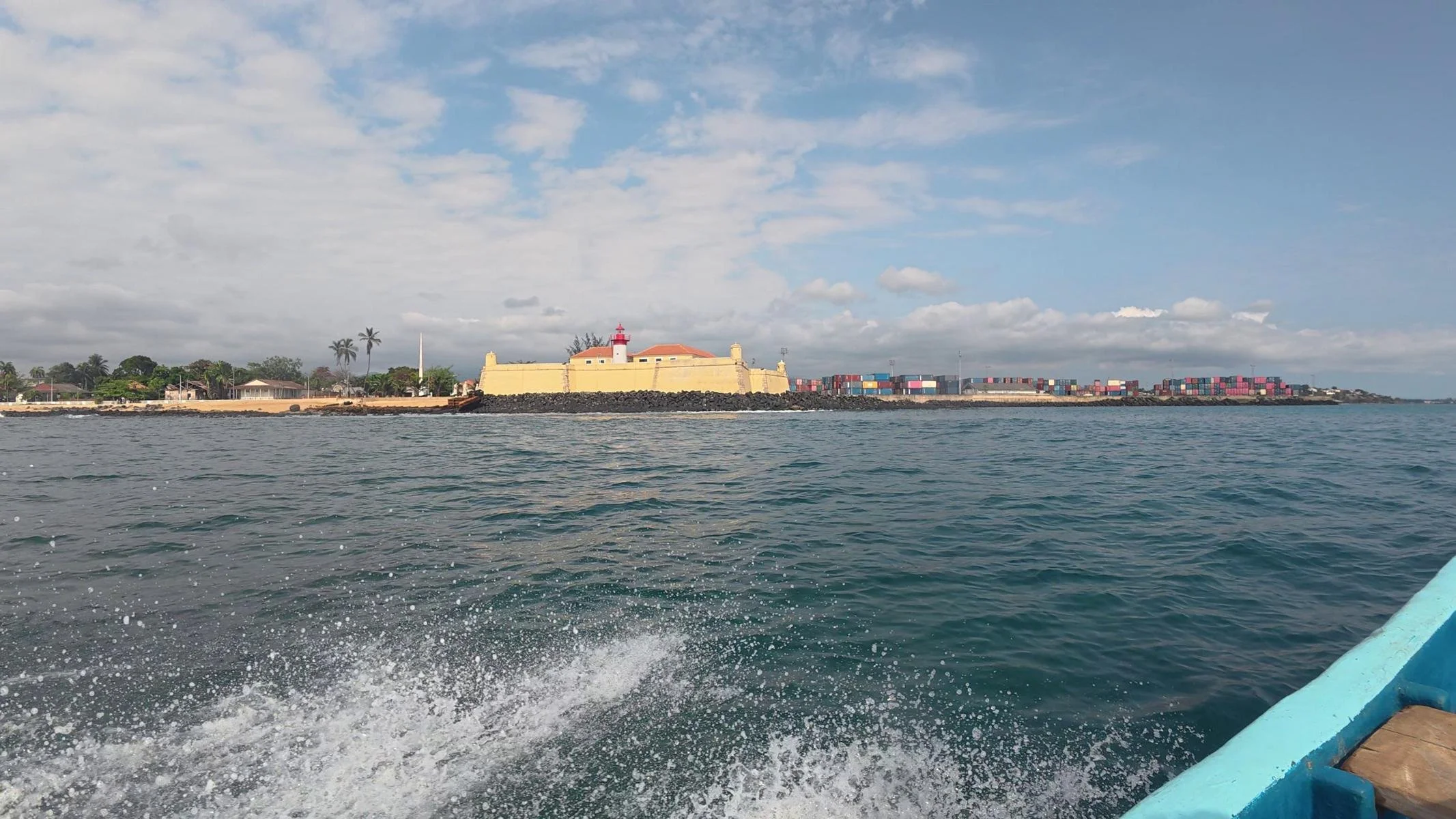
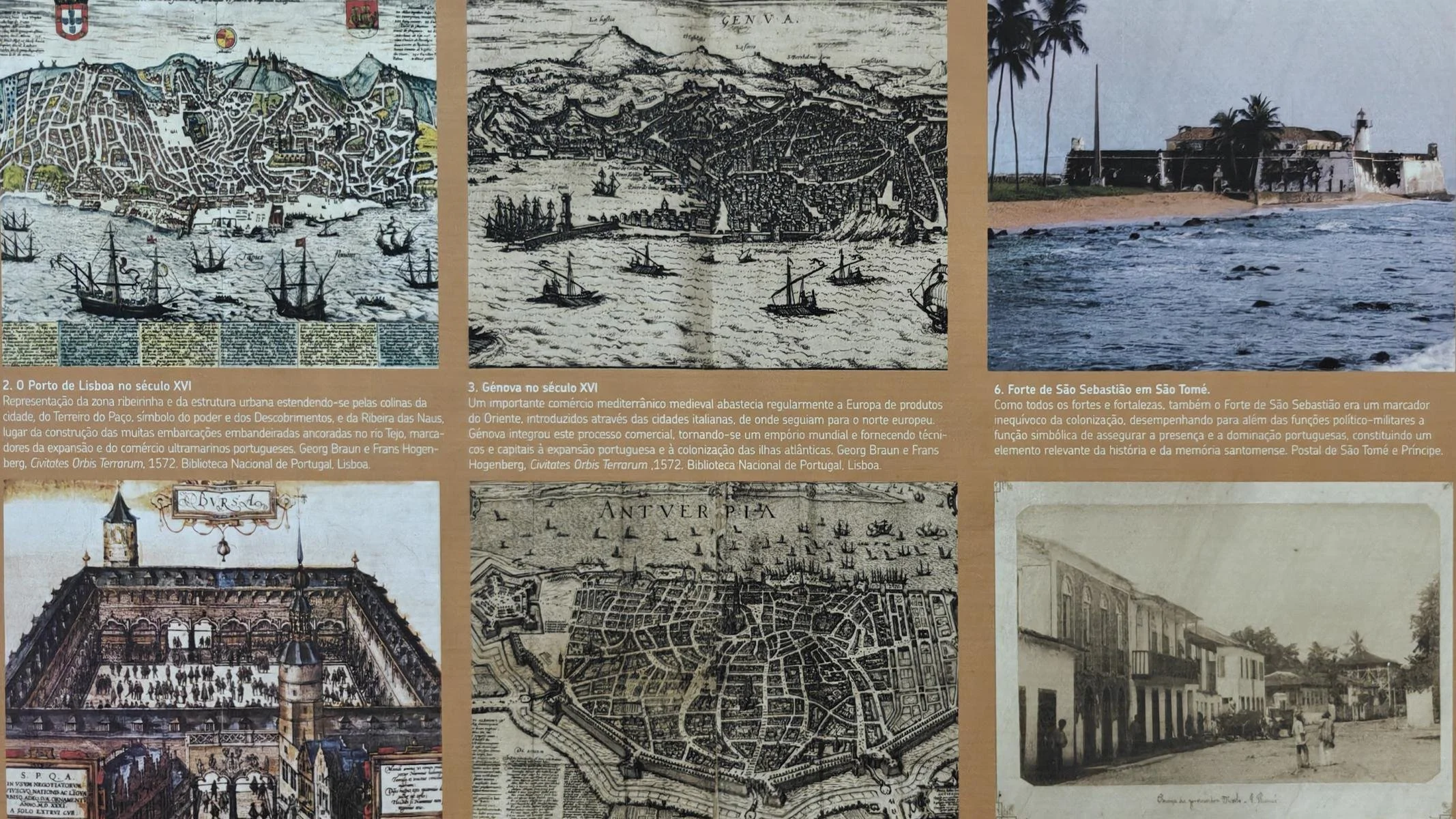
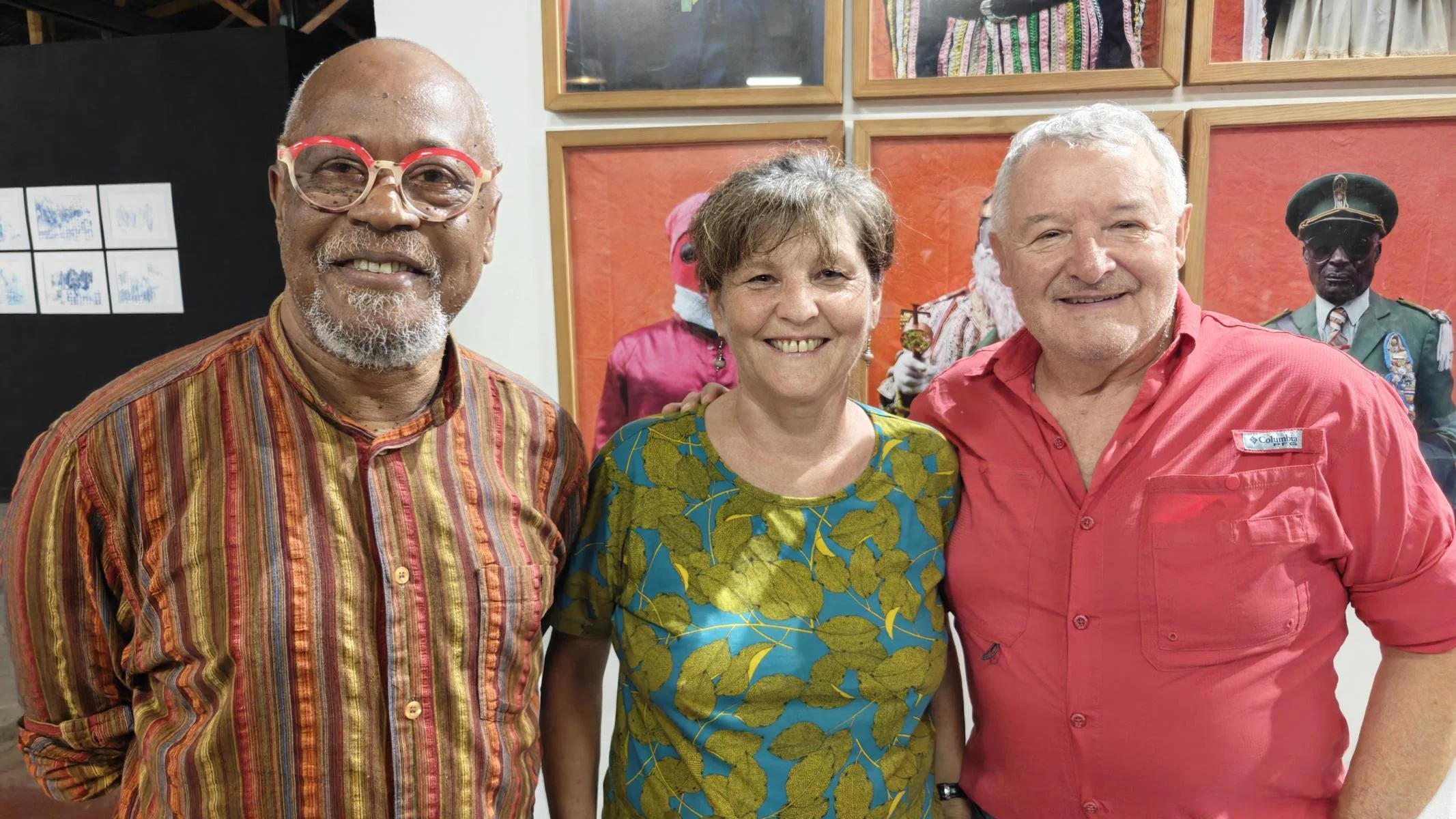
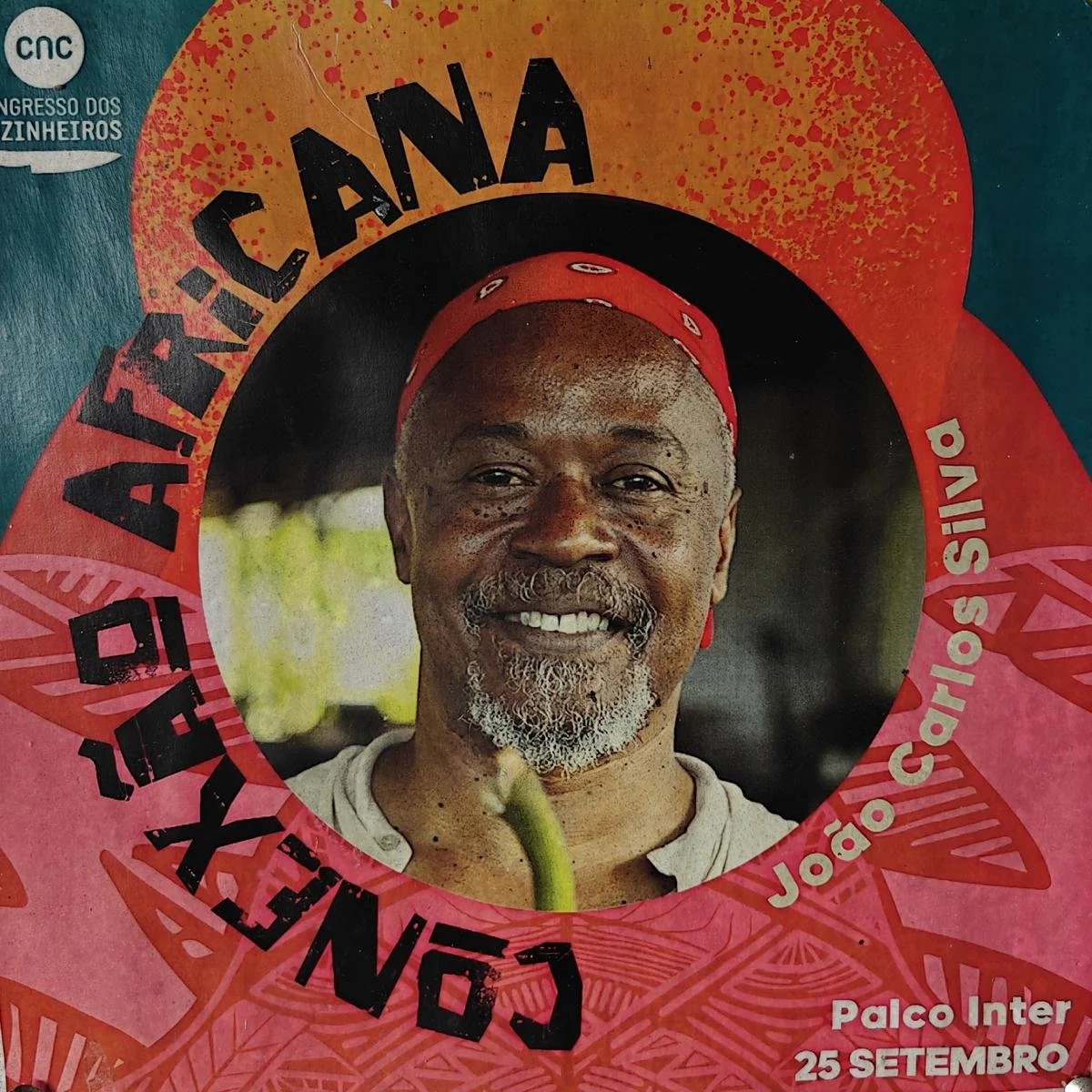
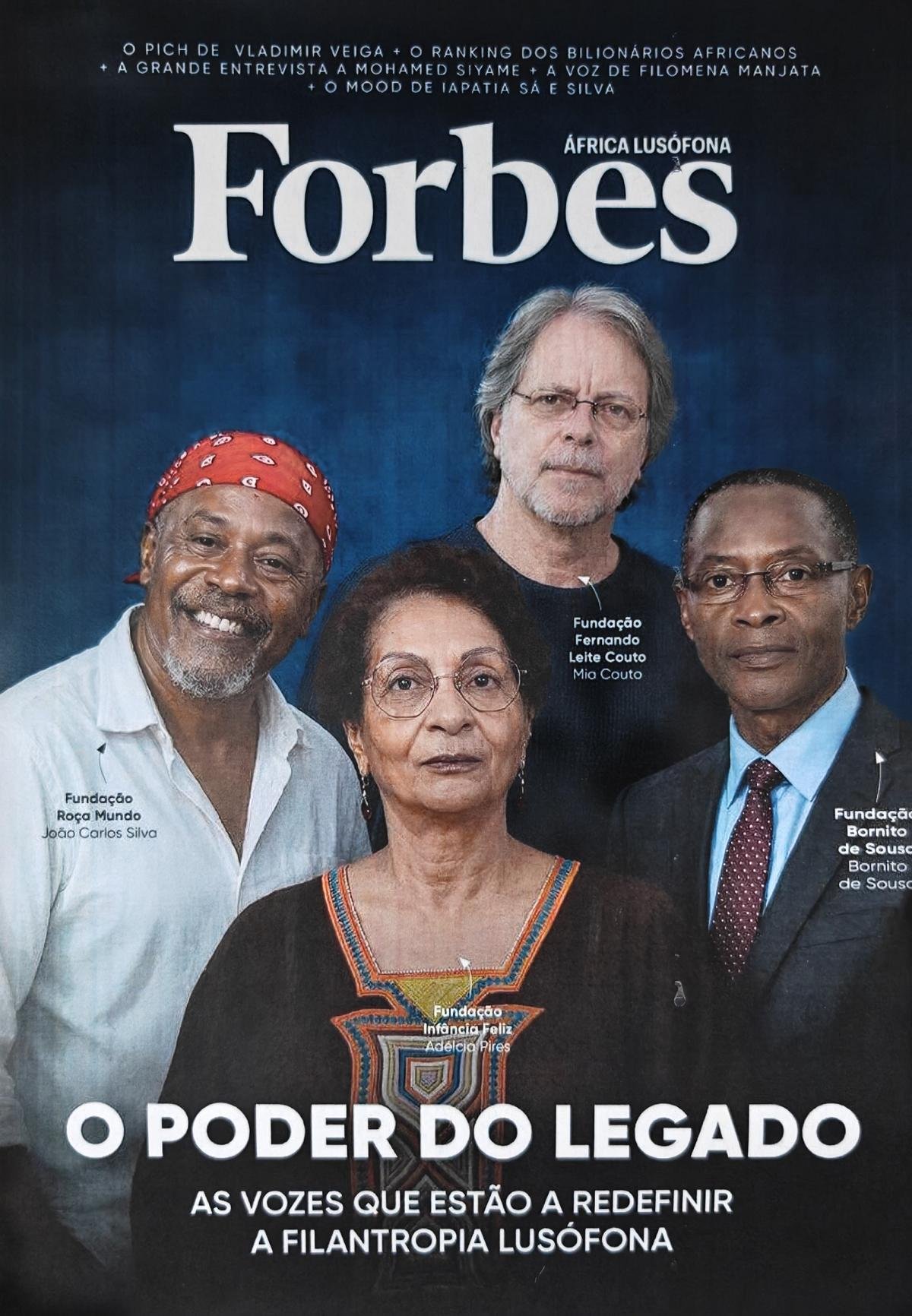
We flew to the capital, São Tomé, from Angola. At the airport, we met a well-known Angolan rapper, Fabio Hustle (since he was kind enough to post a photo with us on his Facebook account, we’re sharing it on our website too 😊). The capital has a population of about 70,000. The photos show the Presidential Palace, the Cathedral of Nossa Senhora da Graça, the Forte de São Sebastião fortress (1575), and the city center. Every Friday evening, an event featuring music and dinner takes place at the Casa das Artes (art center / gallery / museum). There we met Mr. João Carlos Silva, an internationally renowned chef, artist, and cultural organizer, whose hotel/restaurant we visited a few days later (see below).
Wir erreichten die Hauptstadt São Tomé von Angola aus mit dem Flugzeug. Auf dem Flughafen trafen wir einen bekannten Angolanischen Rapper Fabio Hustle (da er so freundlich war, ein Foto mit uns auf seinem FB Account zu veröffentlichen, tun wir es auch auf unserer Webseite 😊). Die Hauptstadt hat etwa 70.000 Einwohner*innen. Die Bilder zeigen den Präsidentschaftspalast, die Kathedrale de Nossa Senhora da Graça, die Festung Forte de São Sebastião (1575), und das Zentrum der Stadt. Jeden Freitagabend findet im Casa das Artes (Kunsthaus / Galerie / Museum) eine Veranstaltung mit Musik und Abendessen statt. Dort lernten wir João Carlos Silva kennen, einen international bekannten Koch, Künstler und Kulturveranstalter, dessen Hotel /Restaurant wir einige Tage später besuchten (siehe unten).
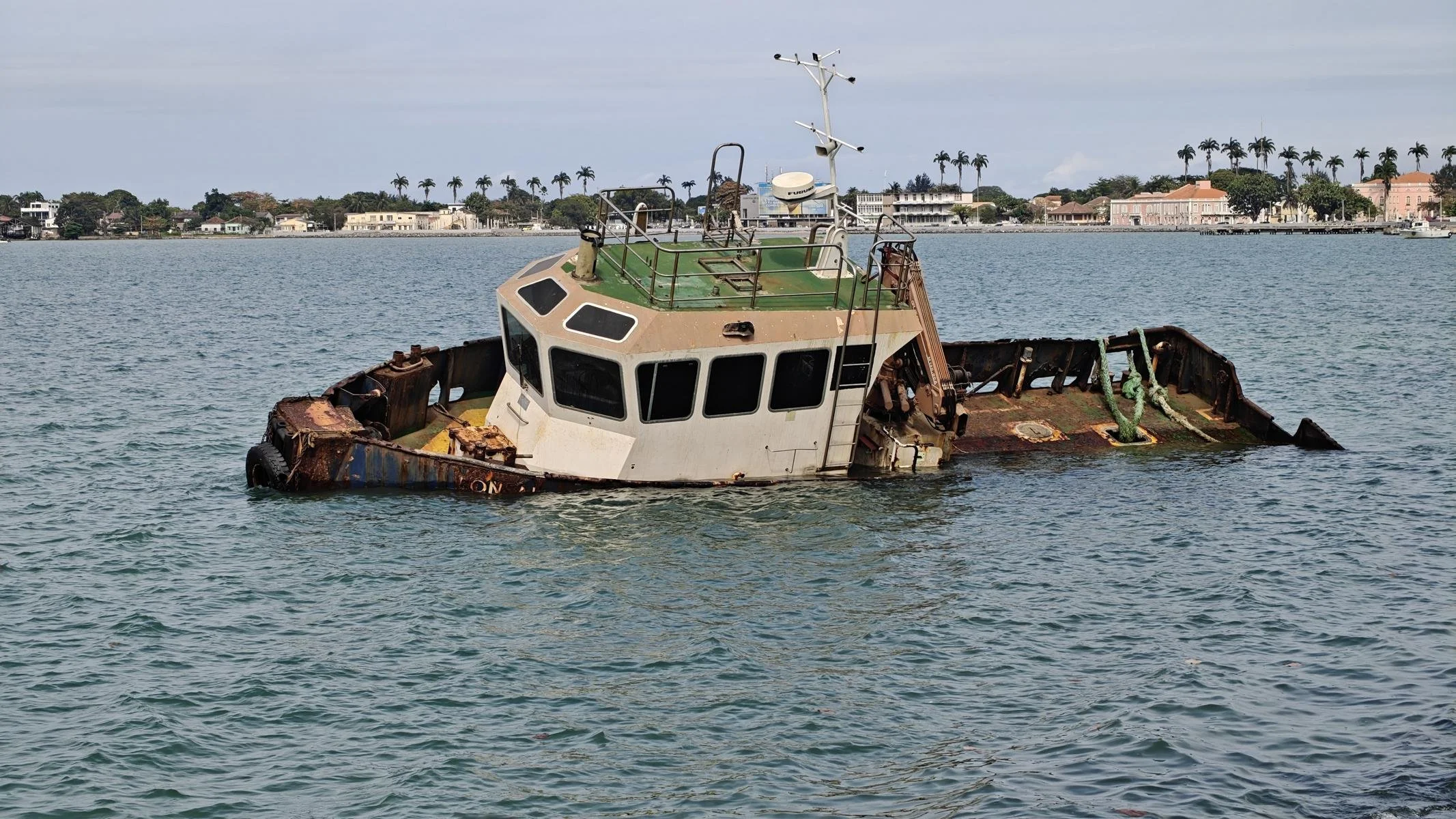
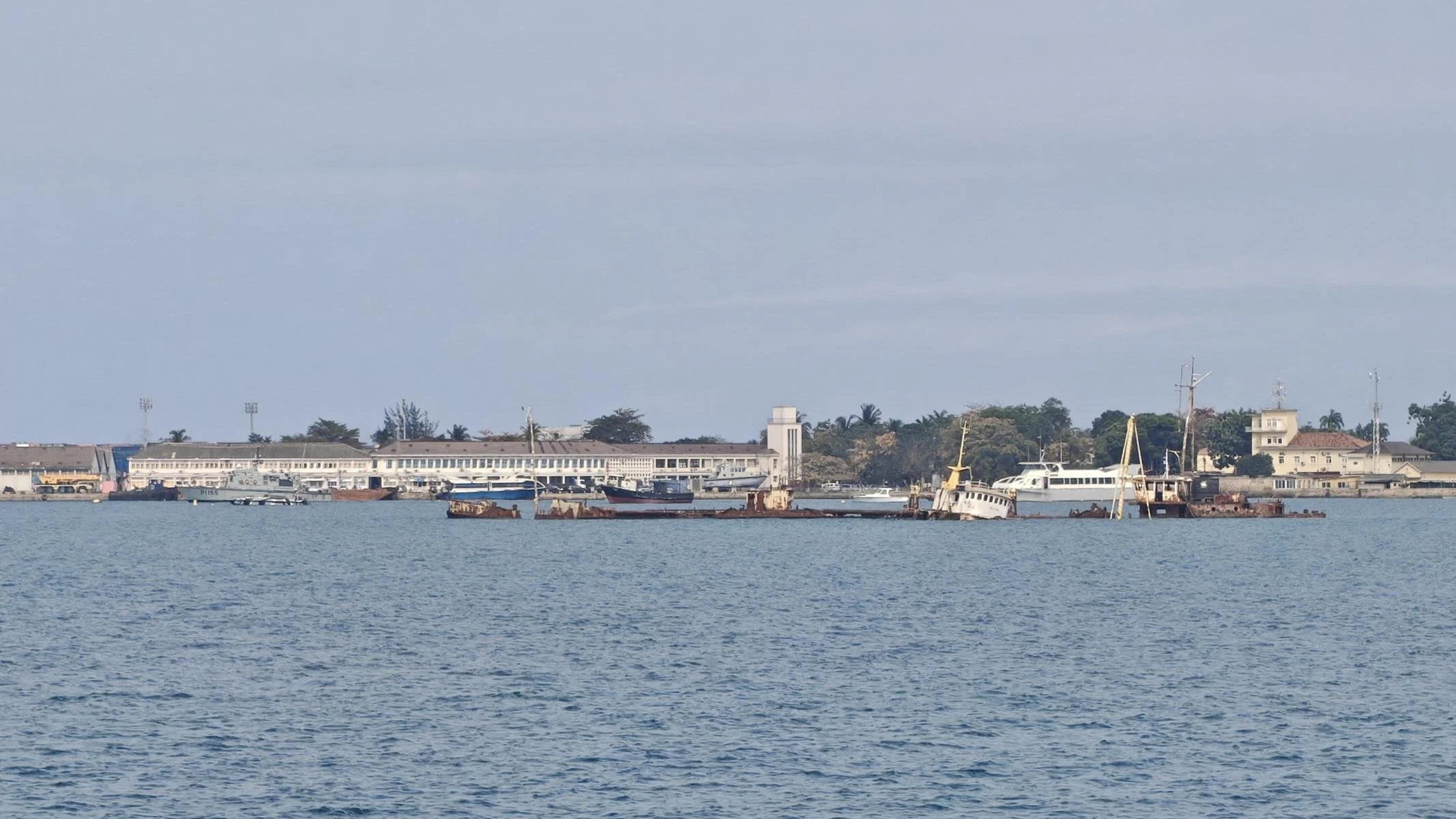
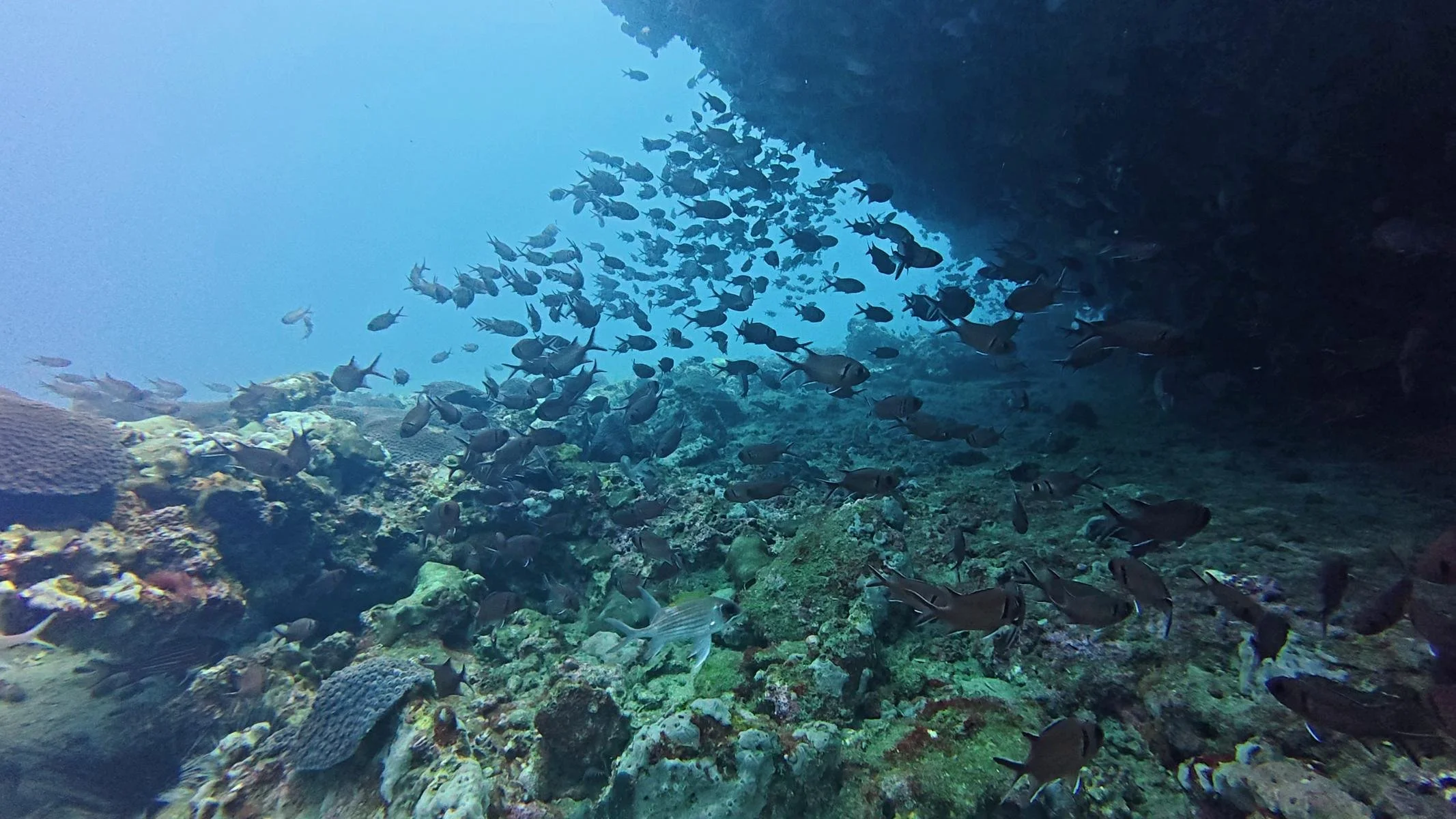
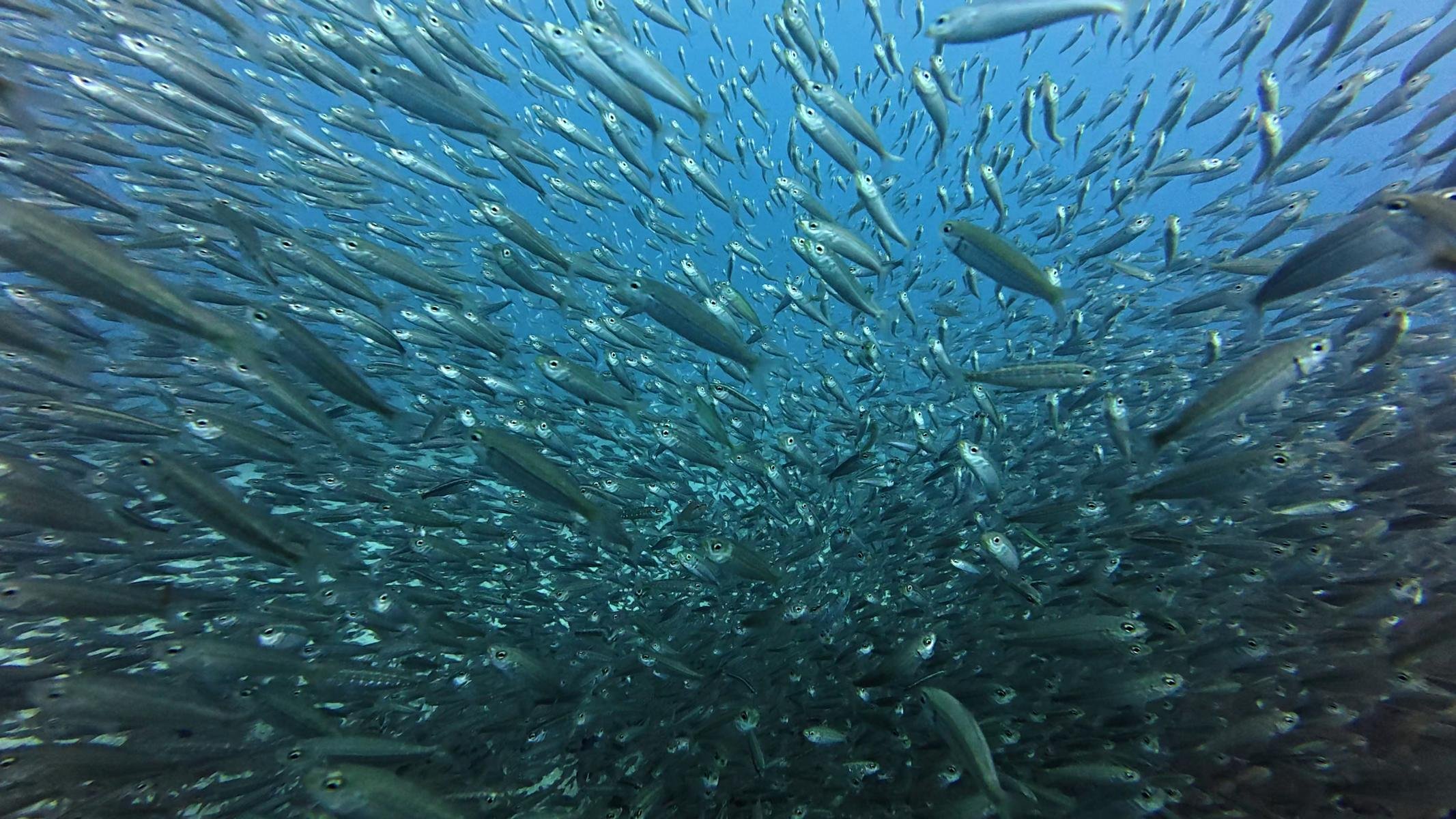
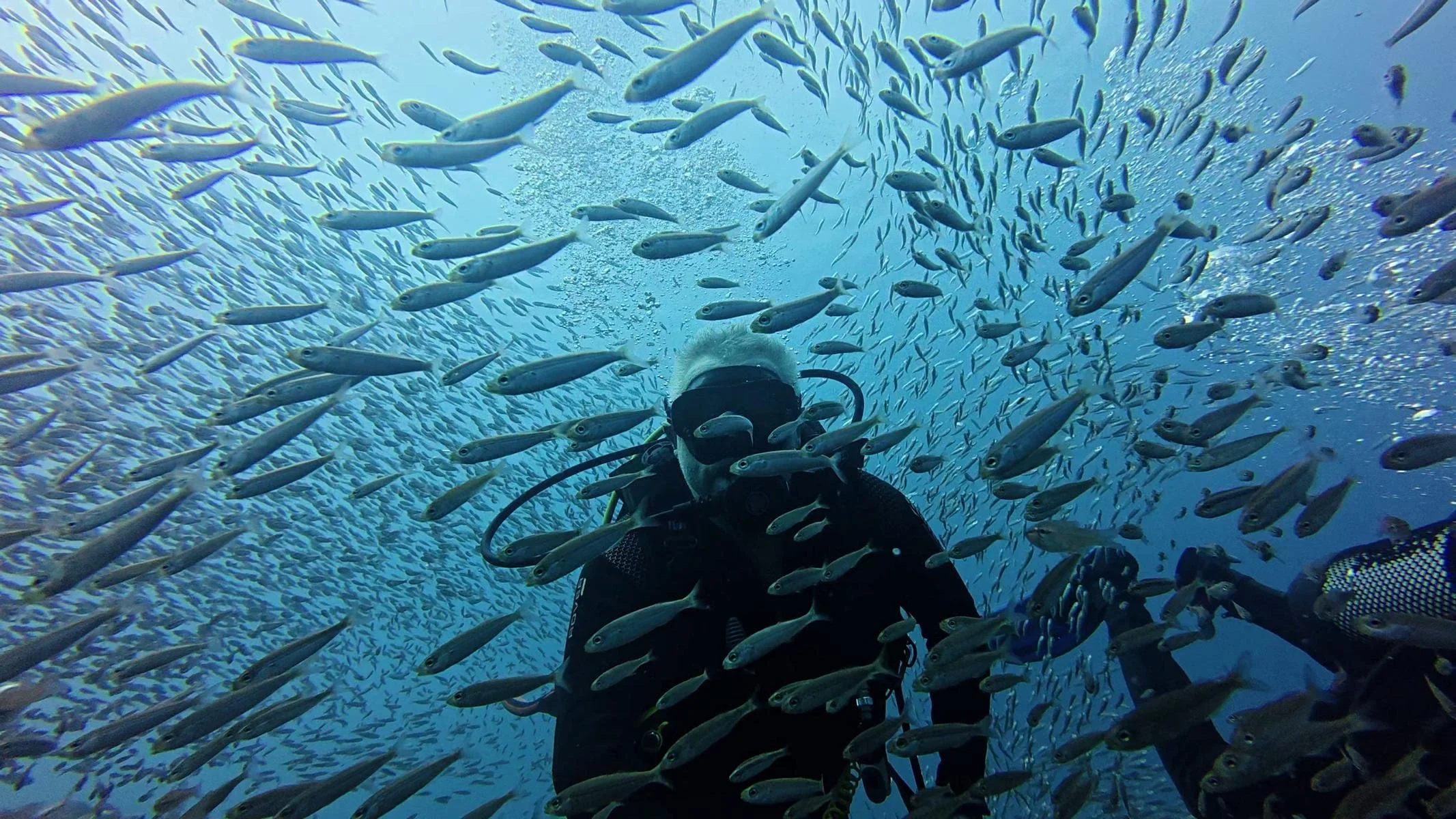
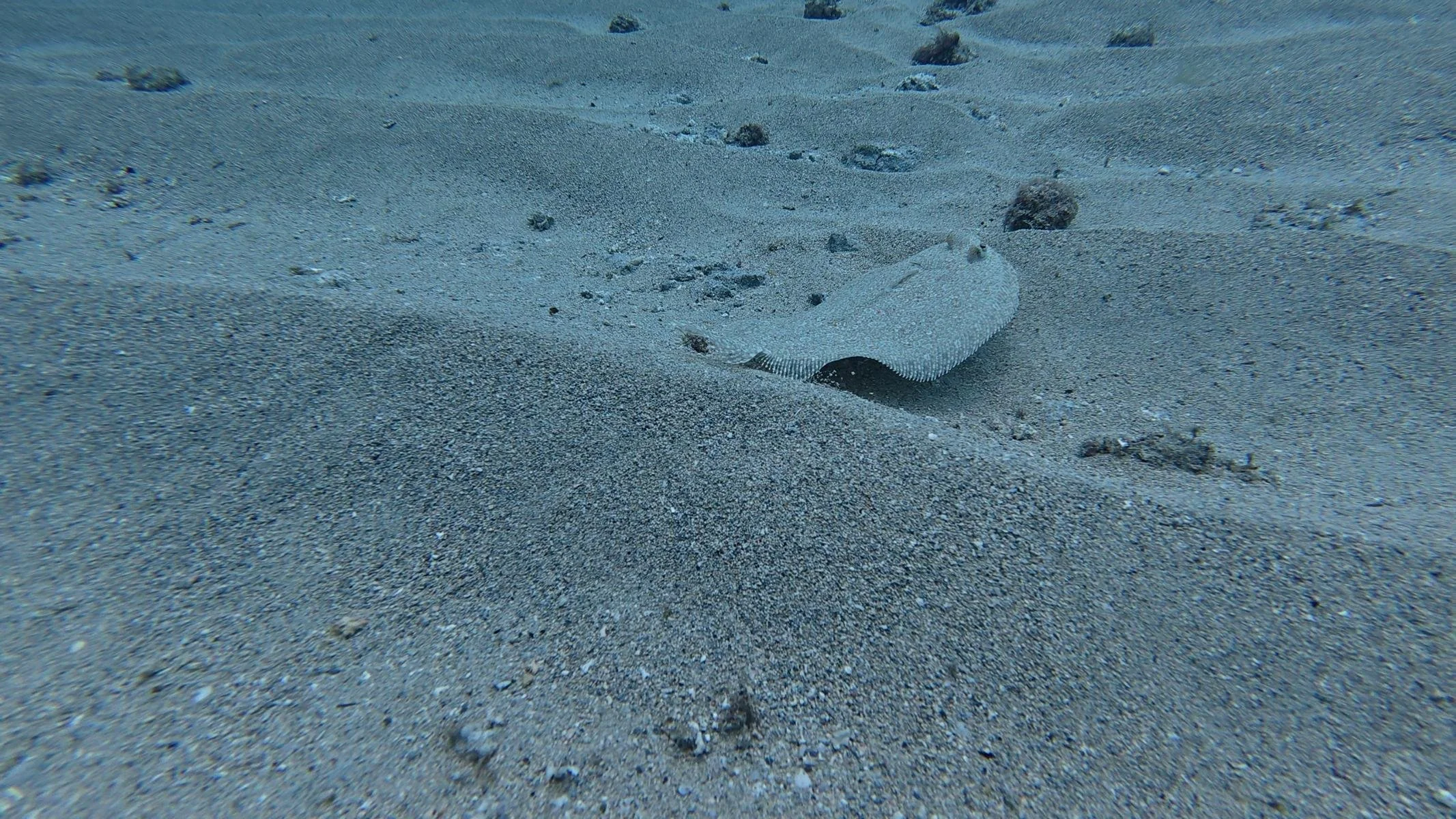
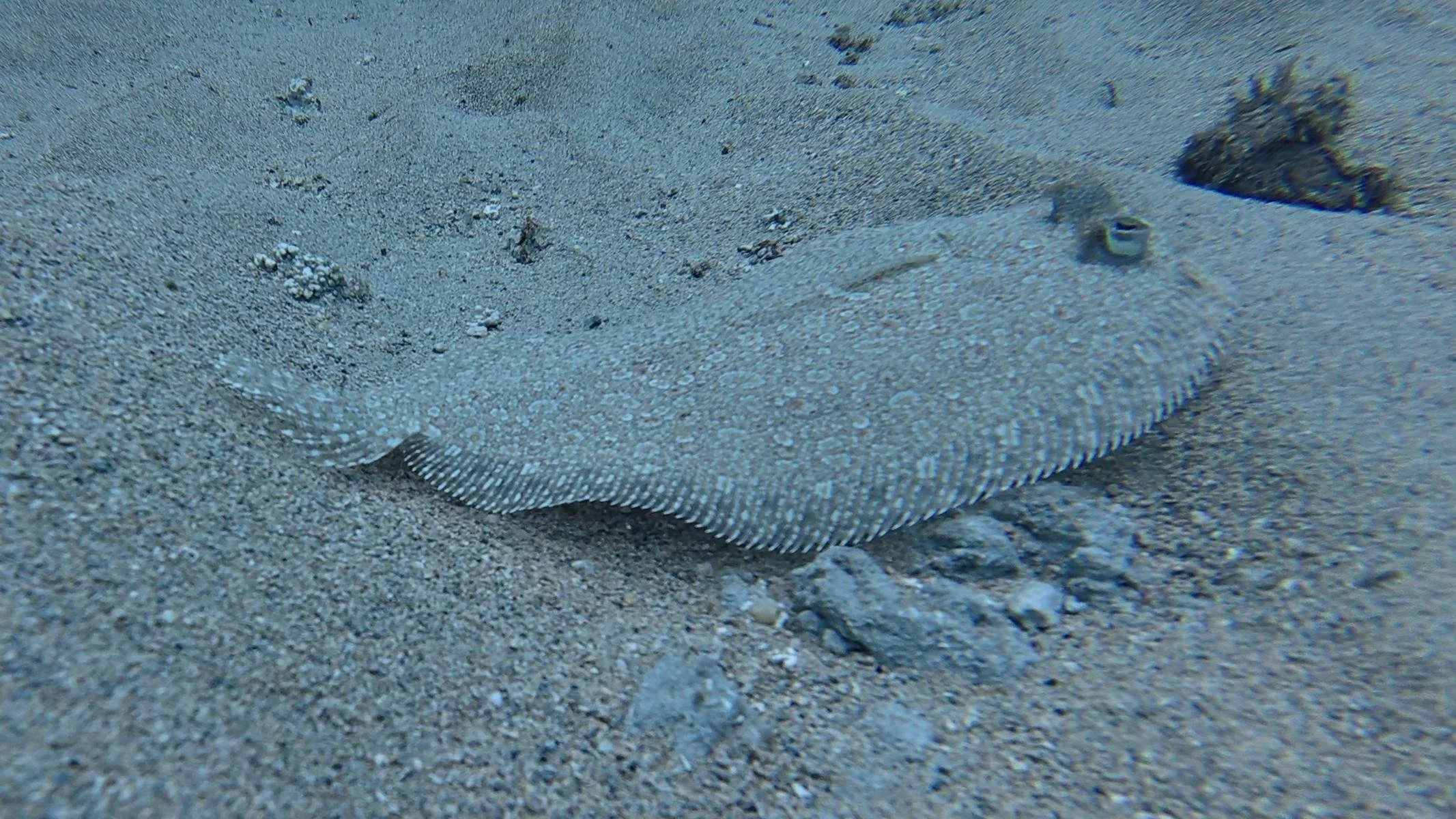
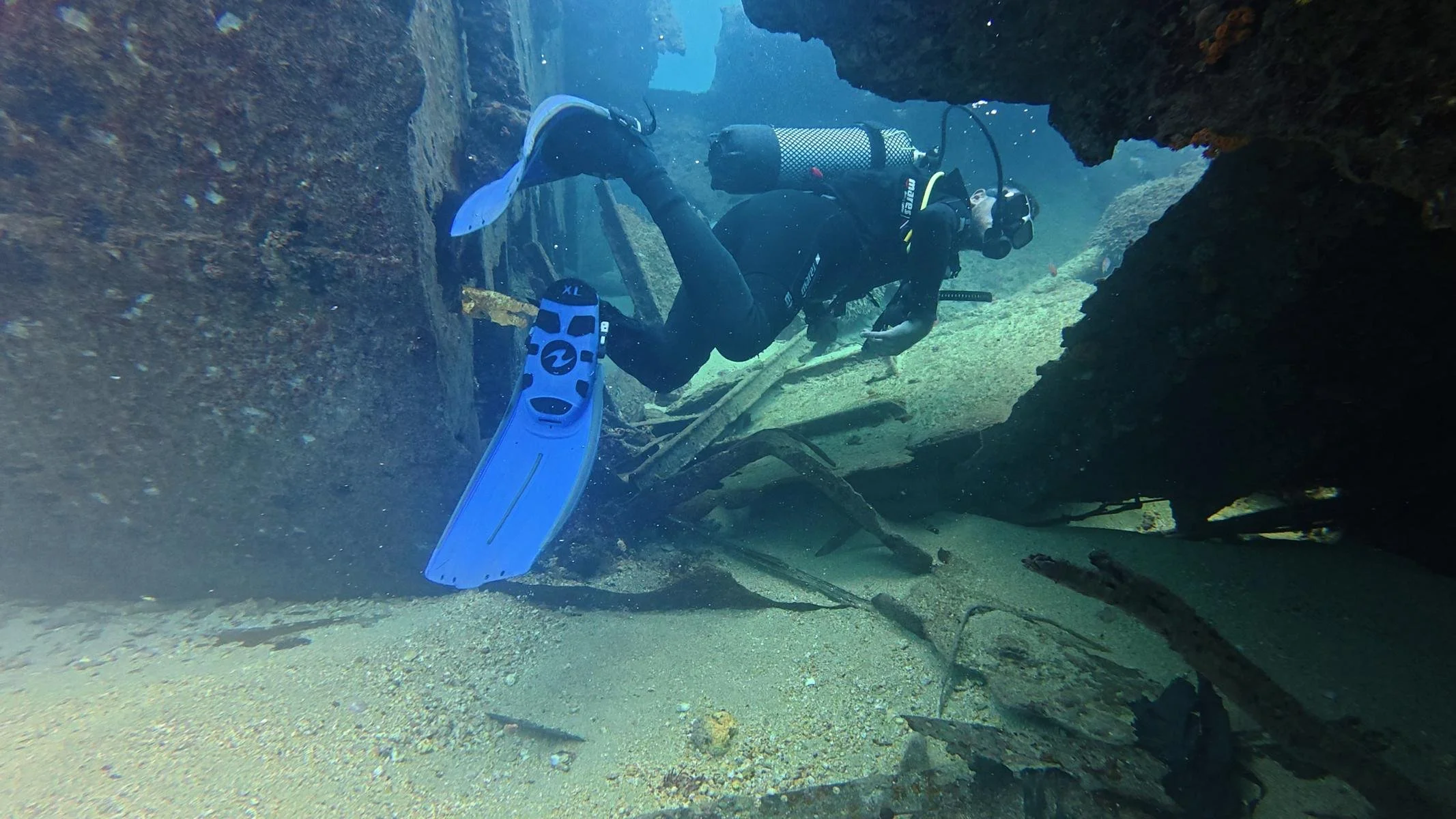
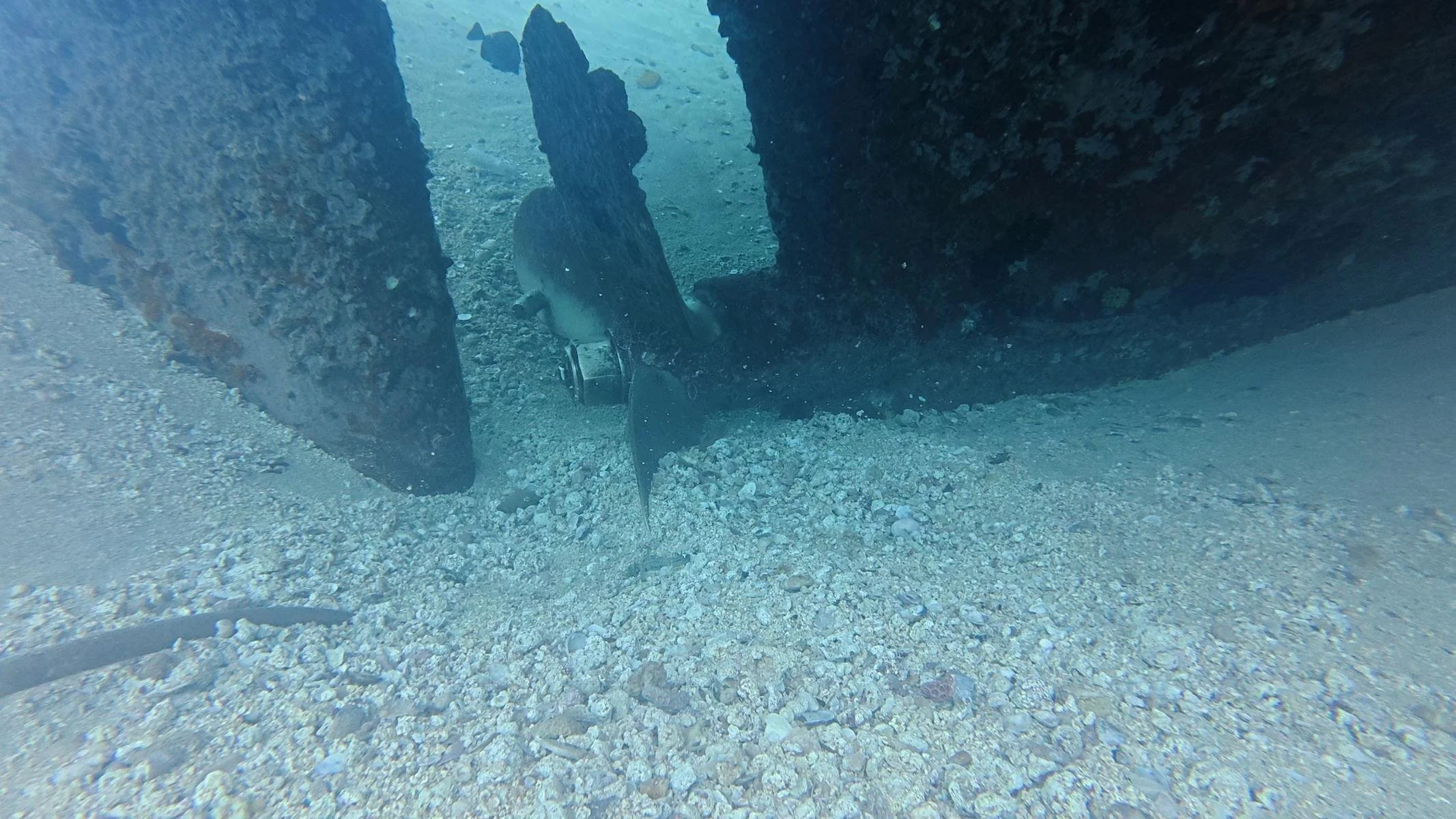
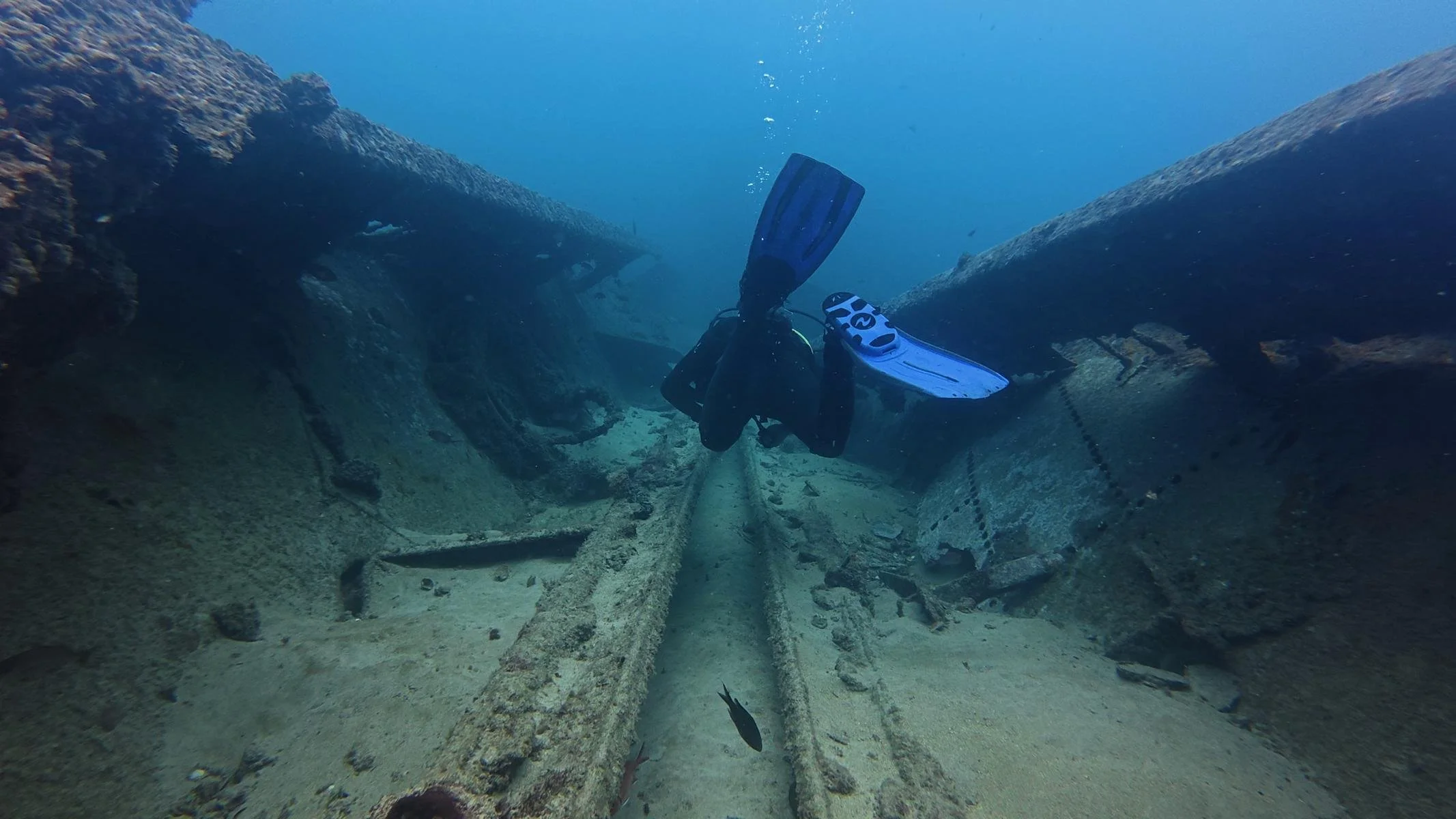
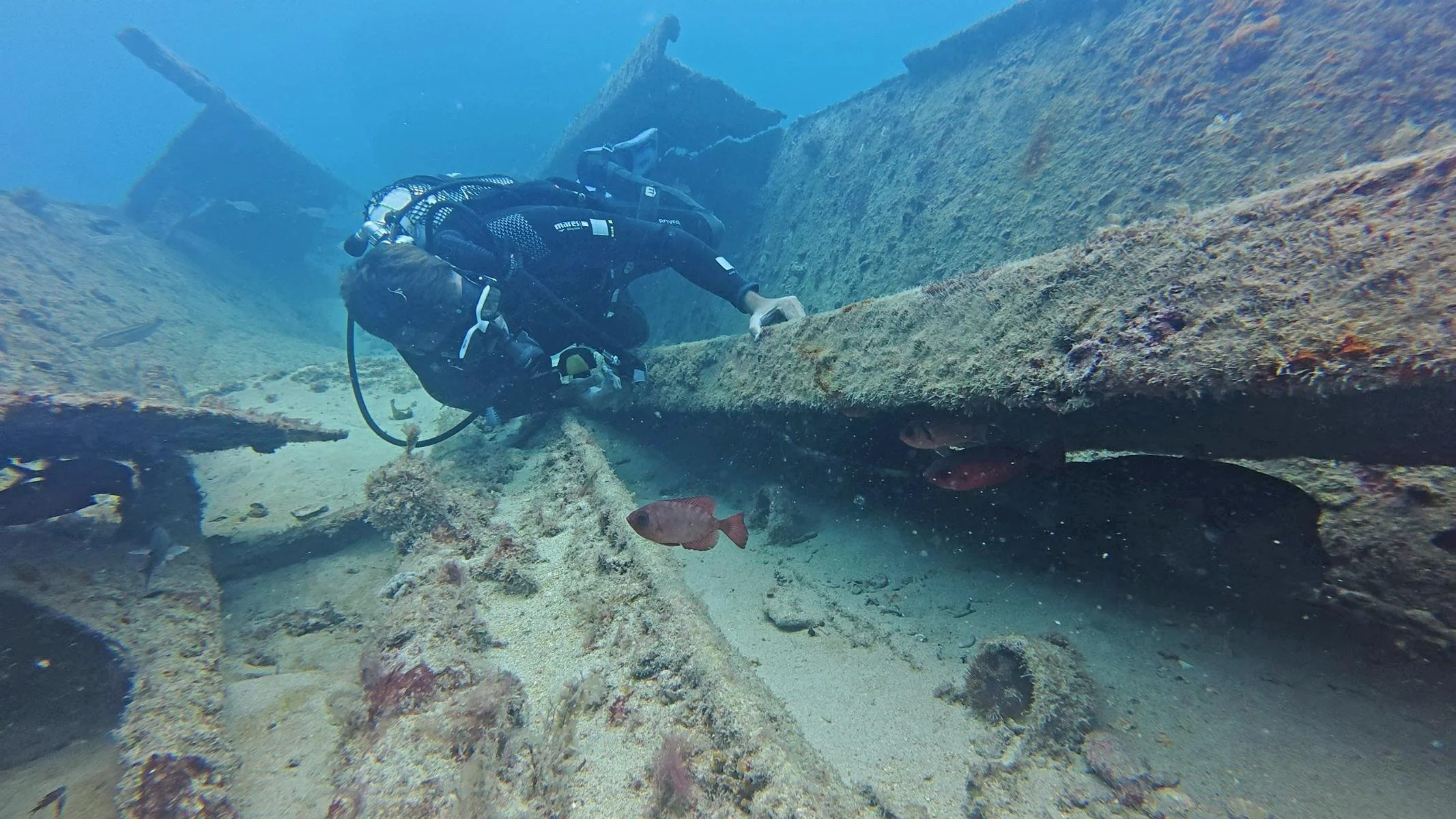
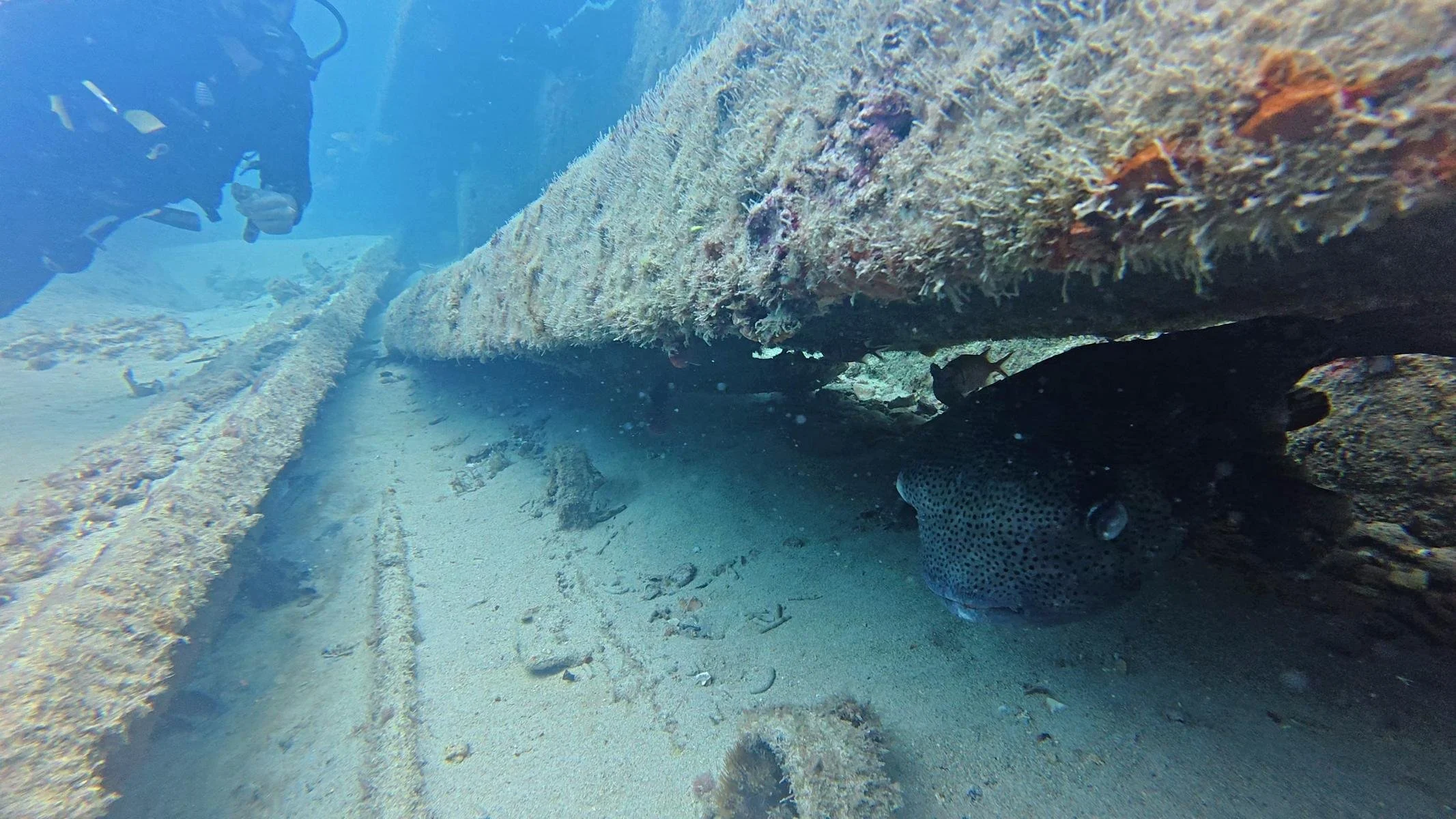
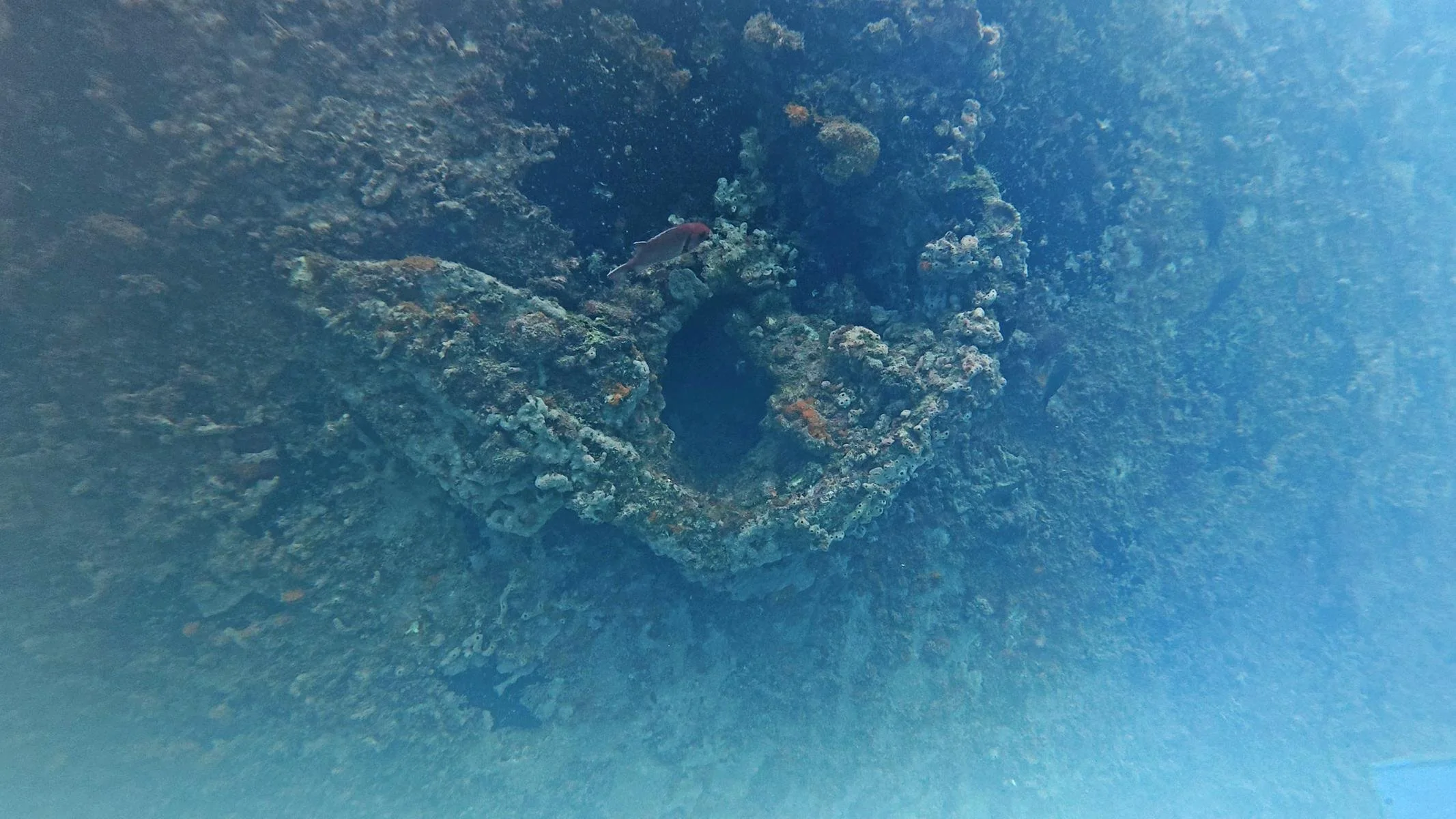
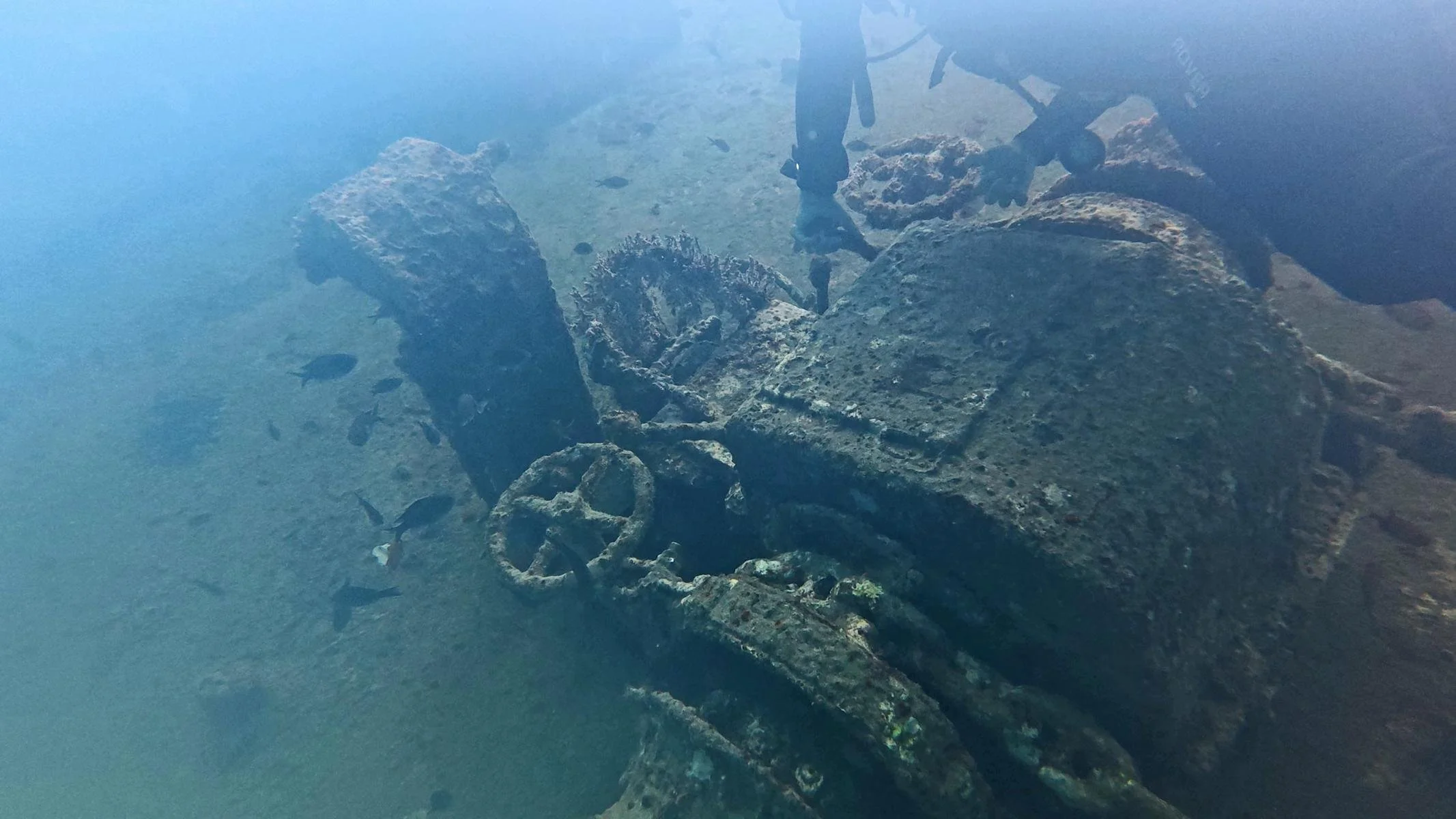
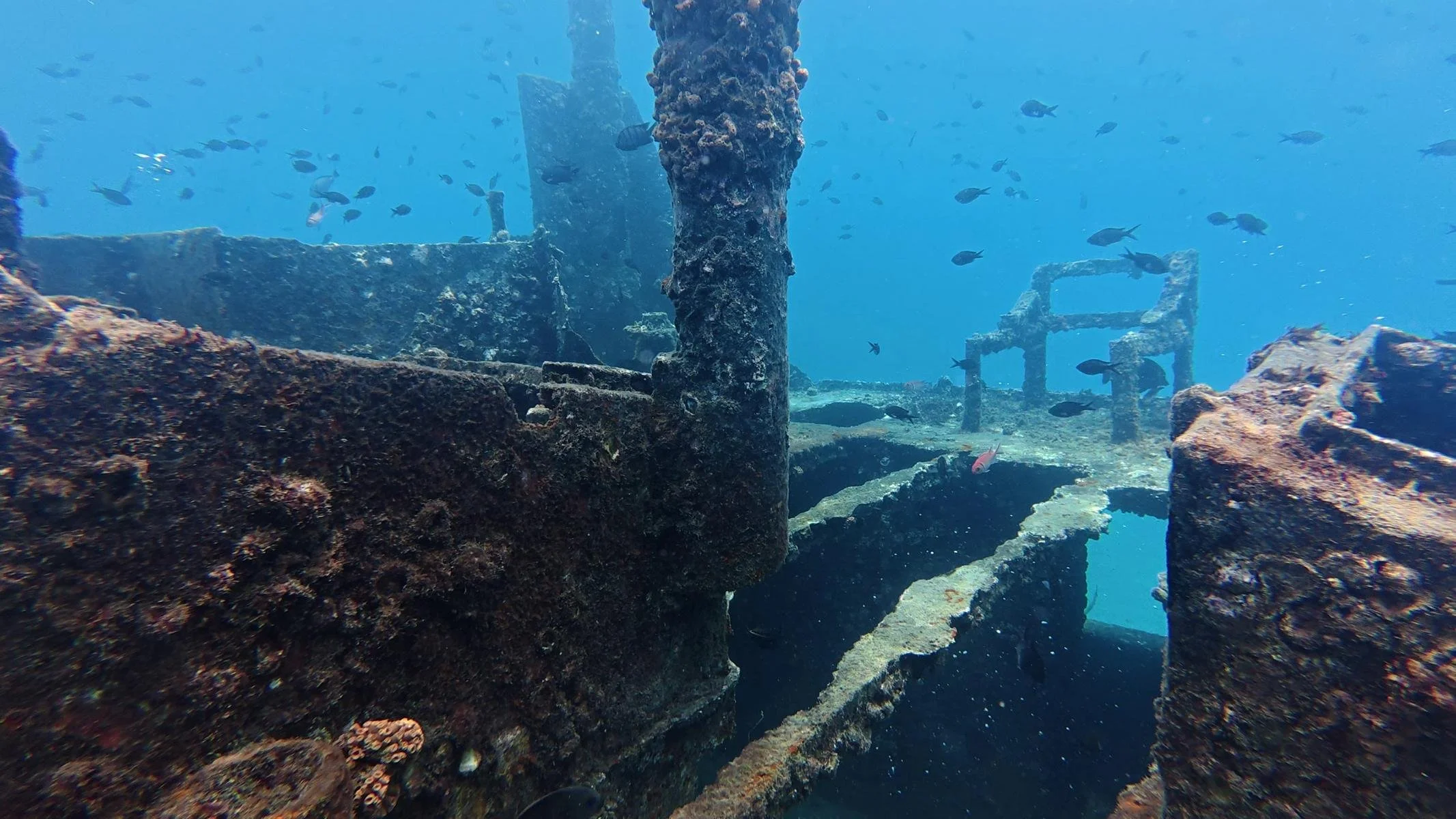
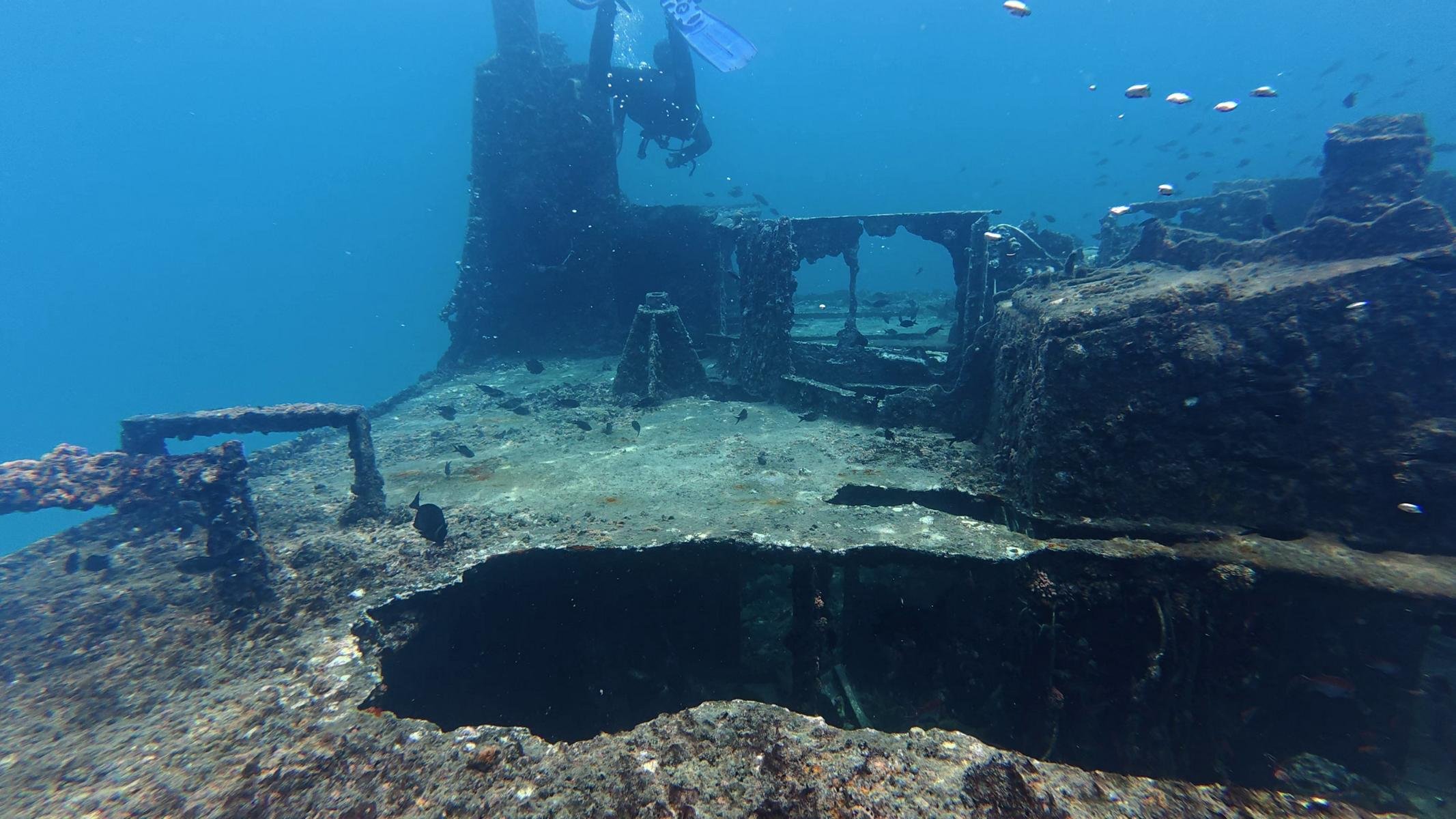
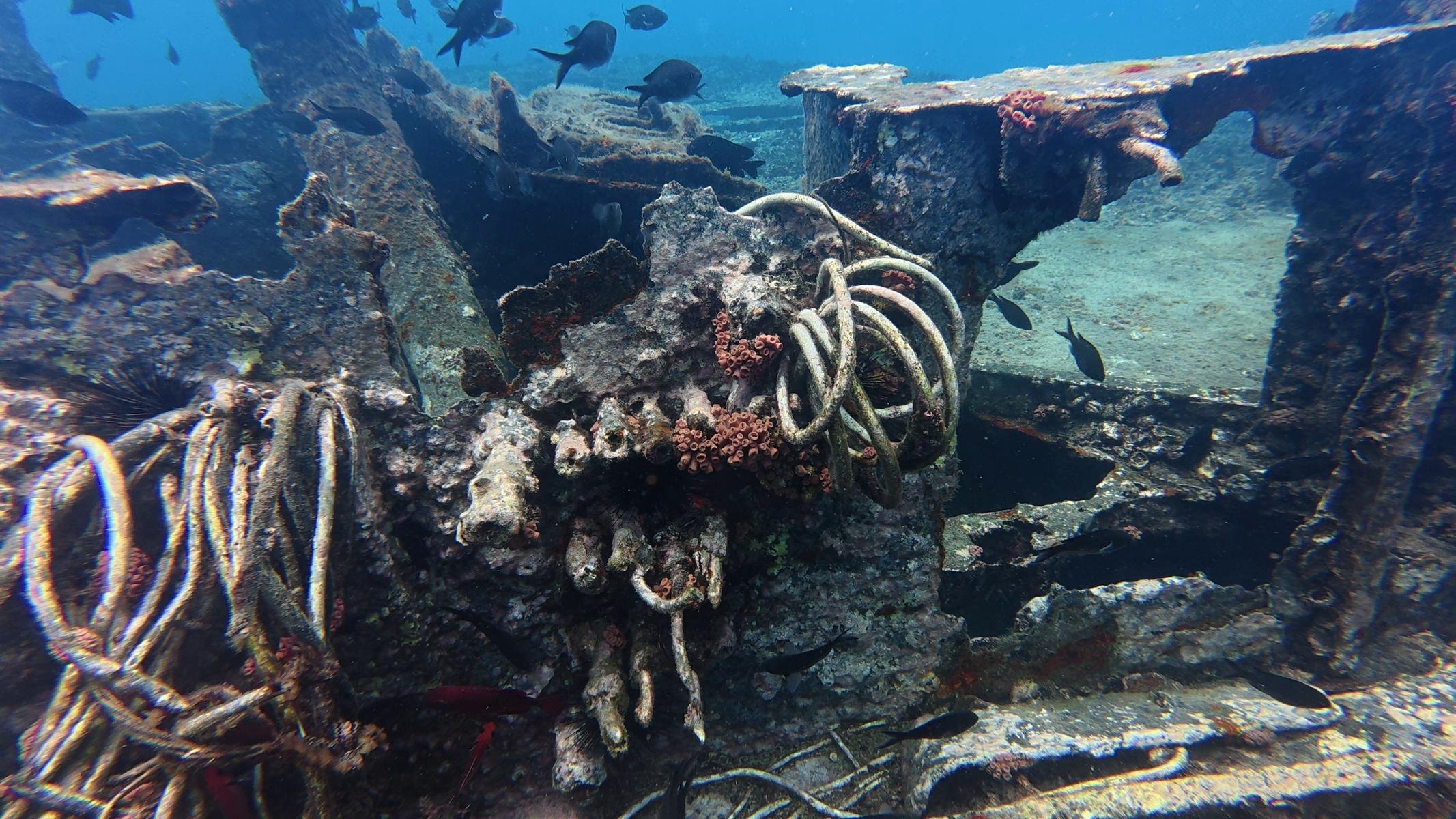
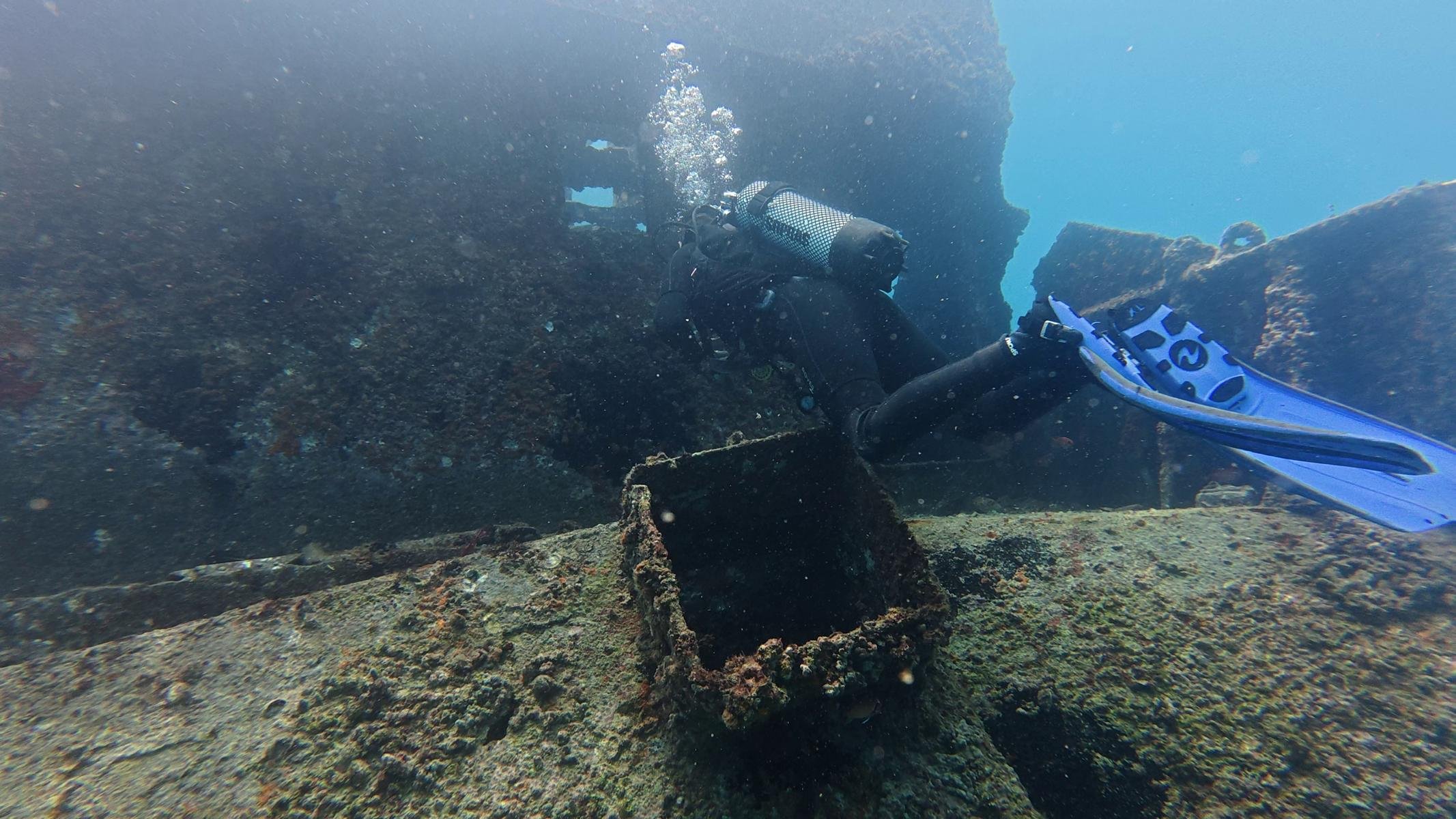
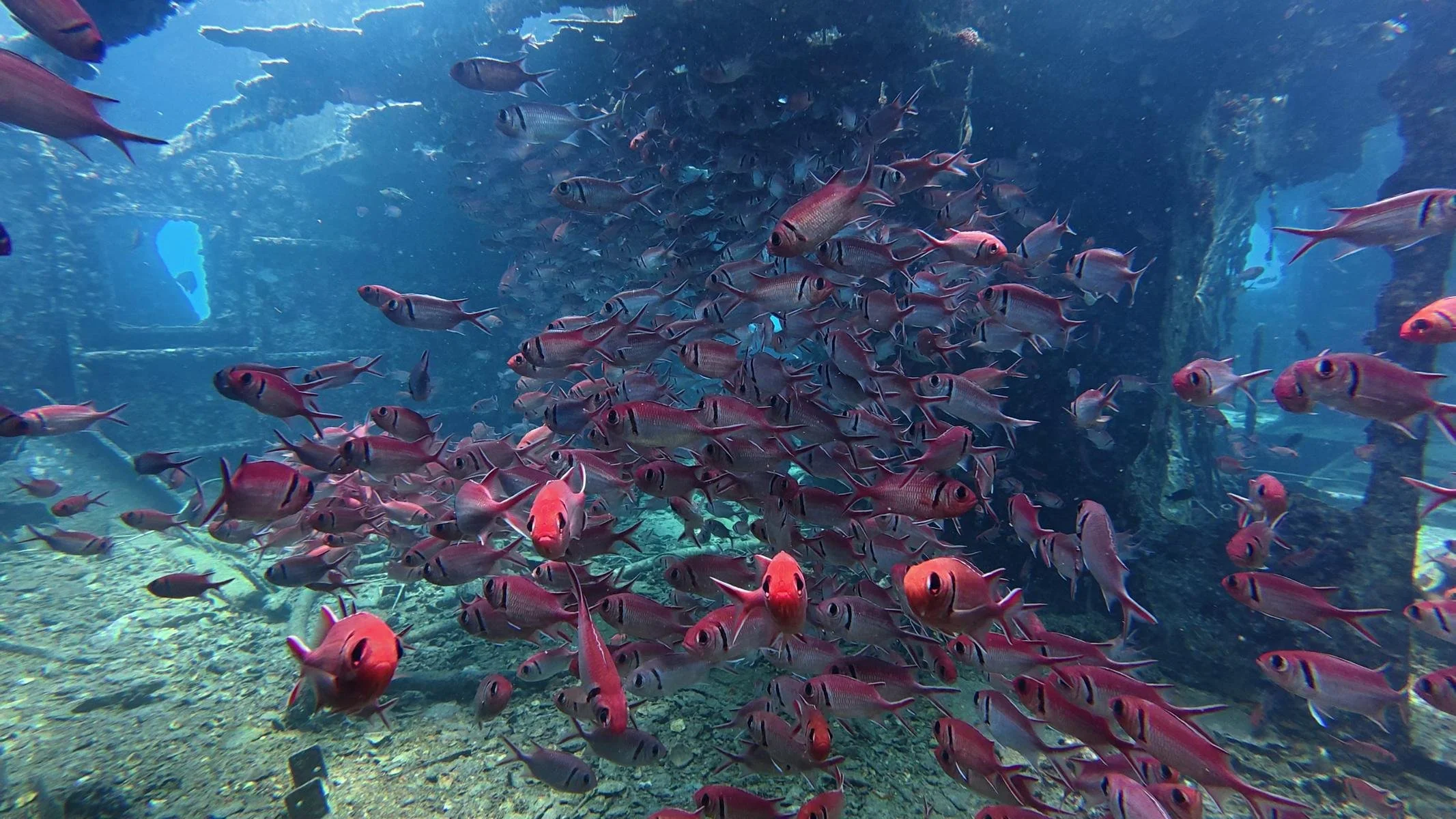
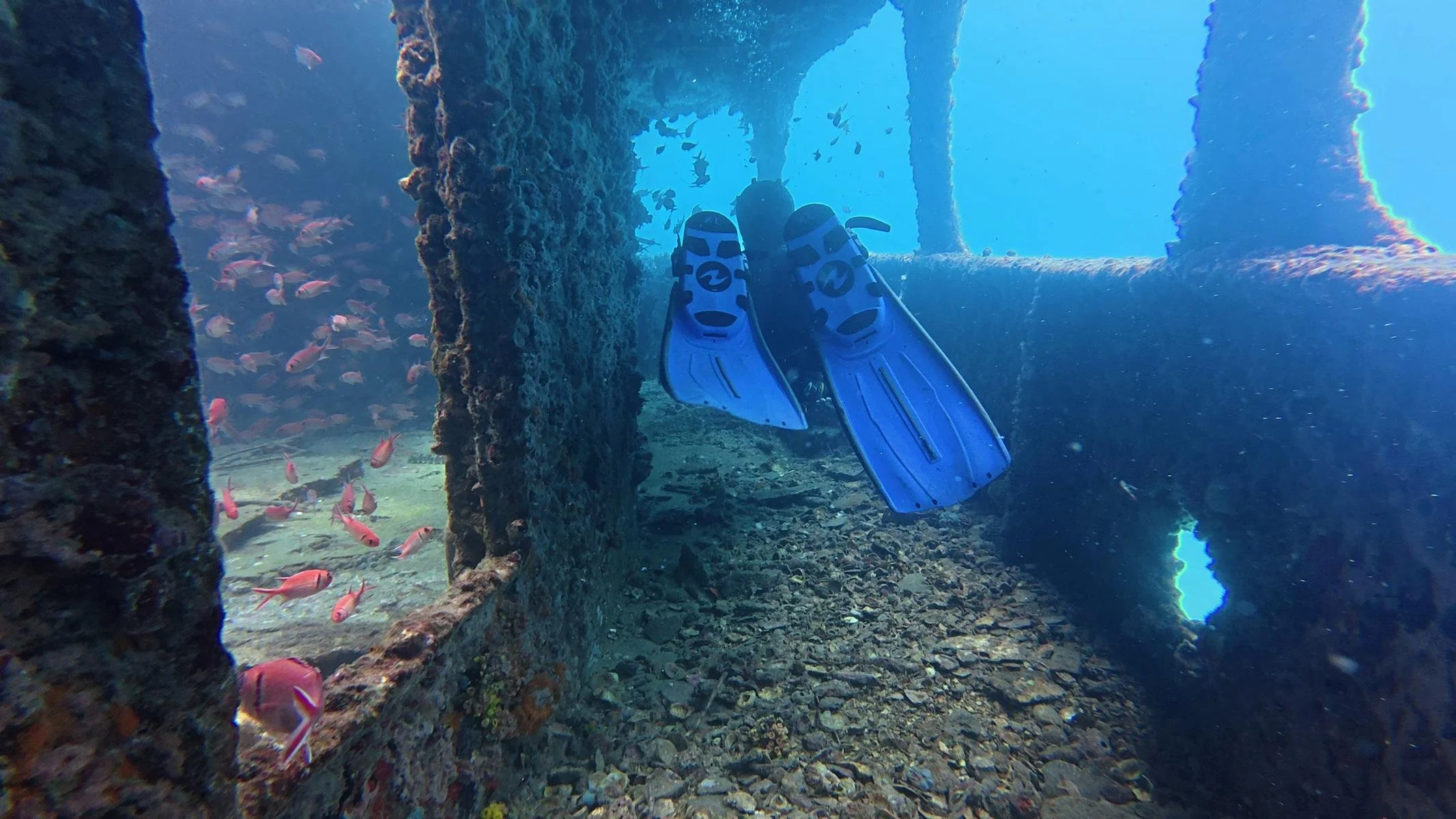
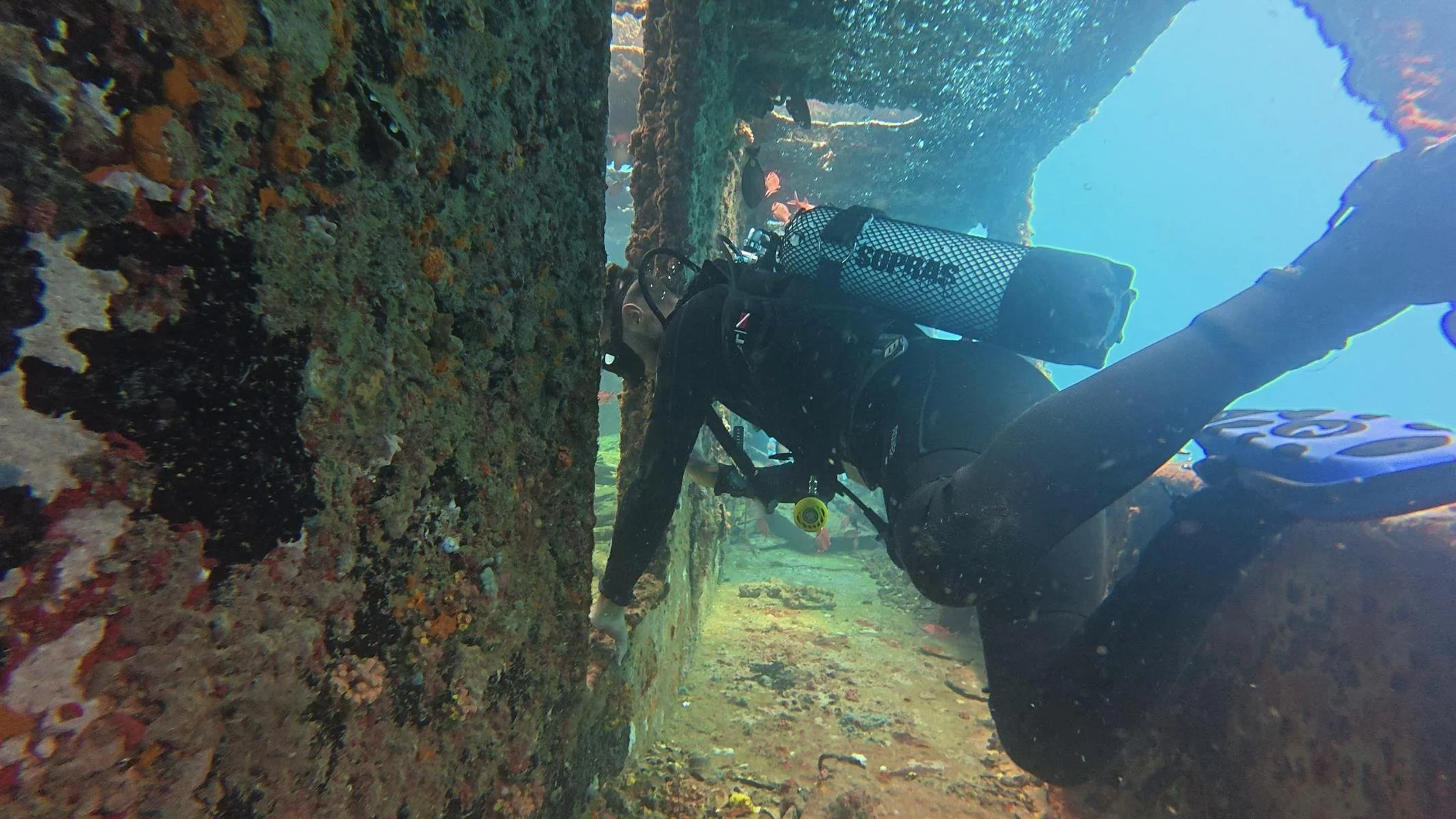
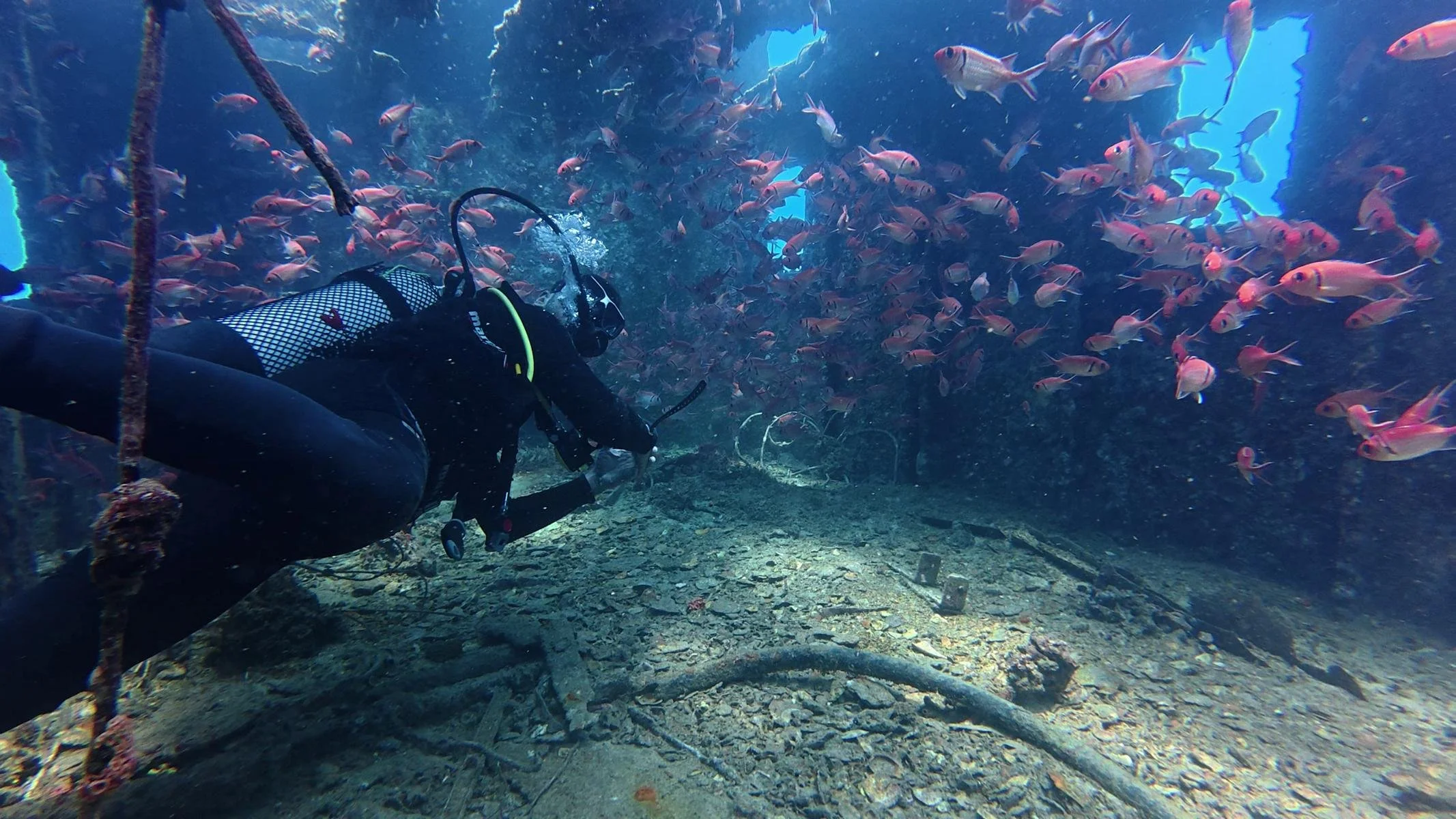
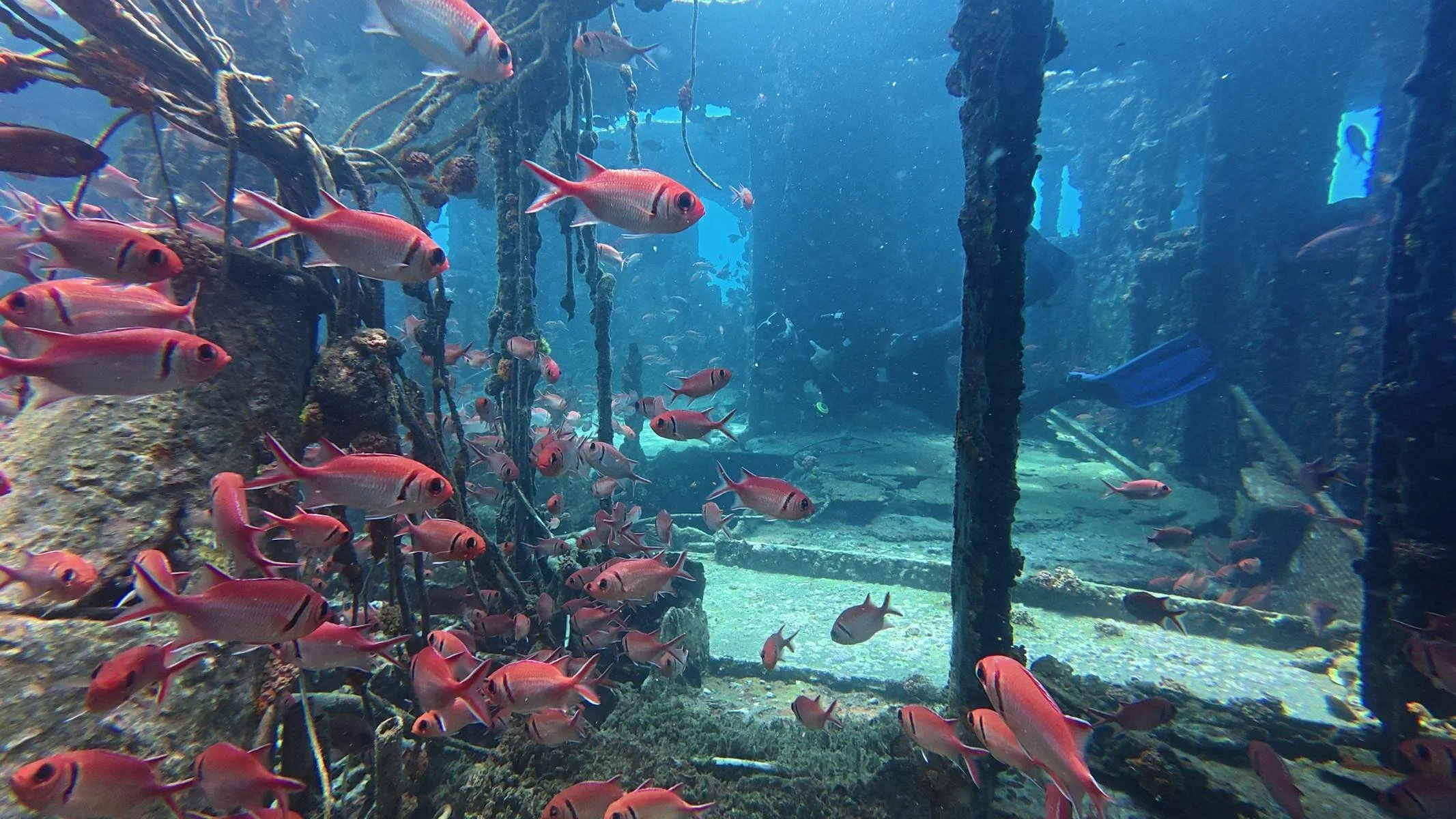
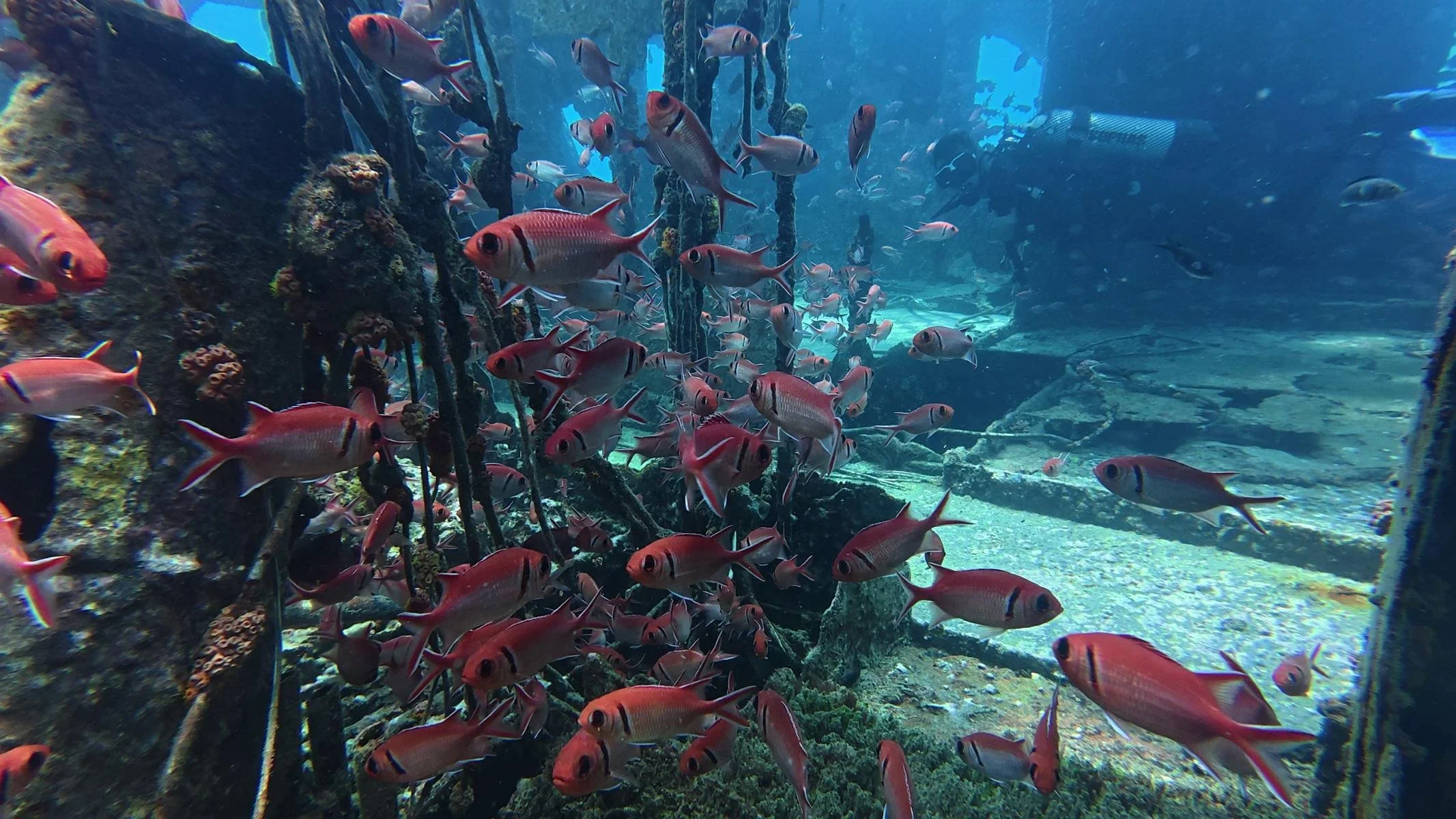
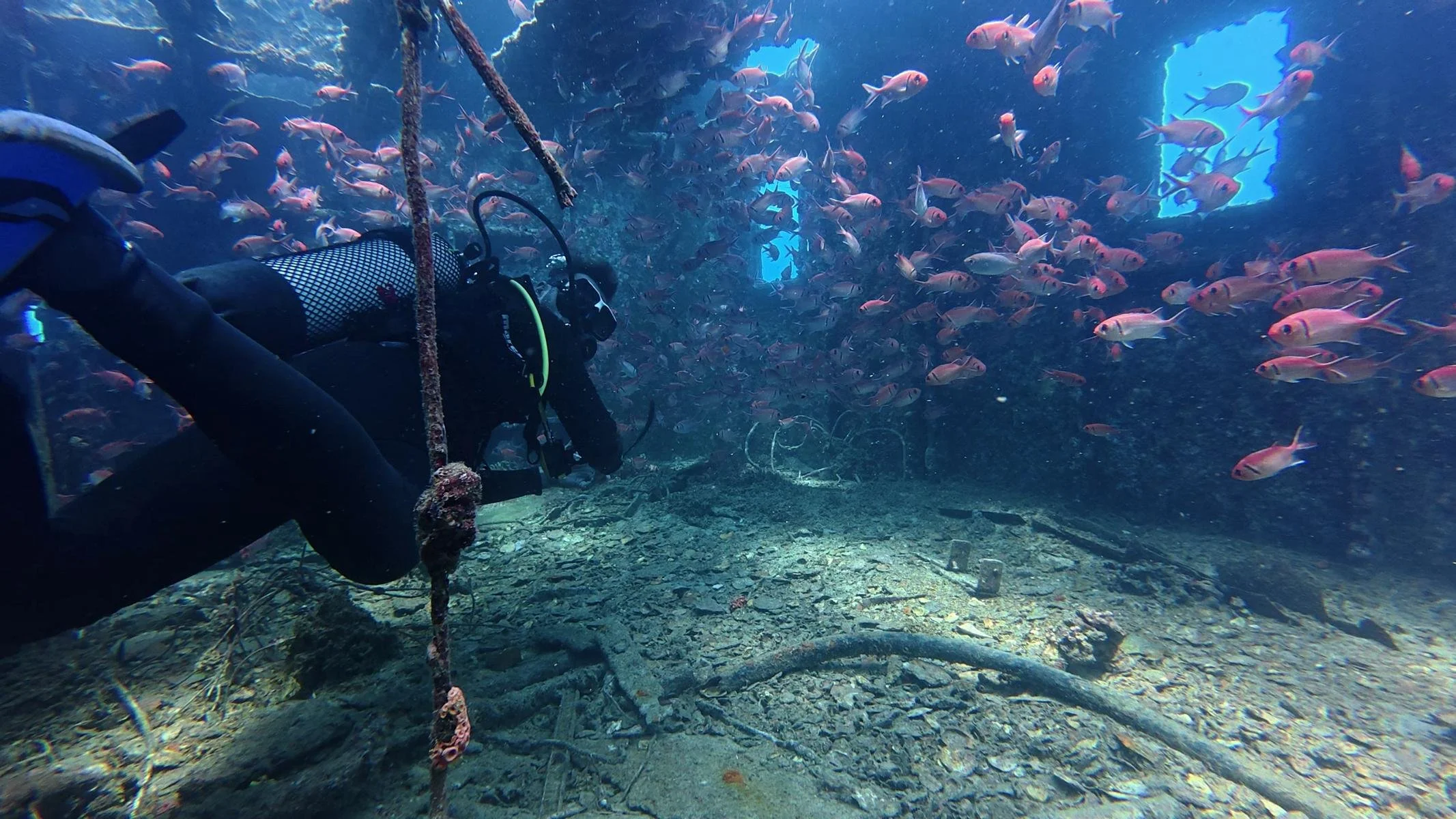
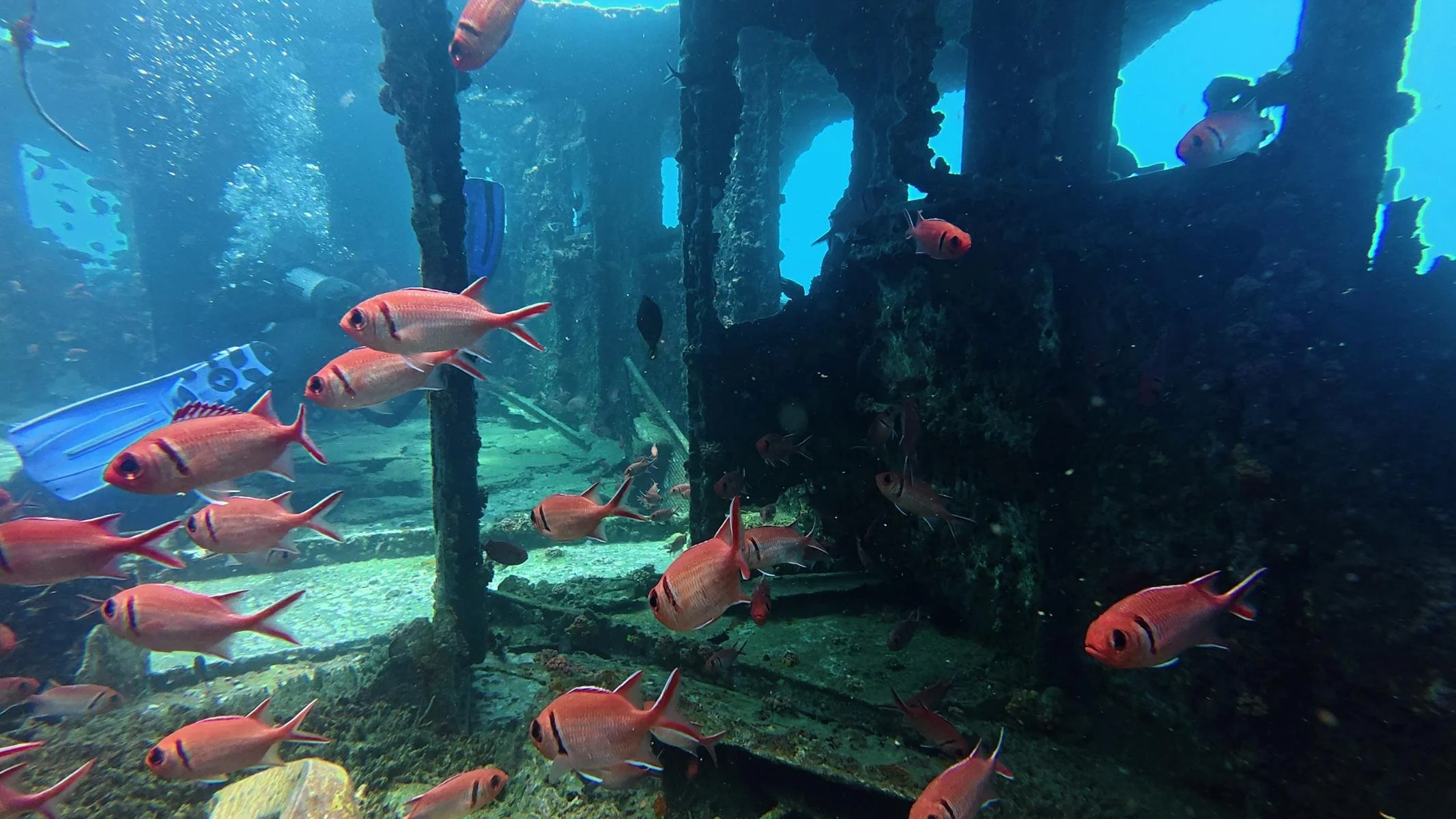
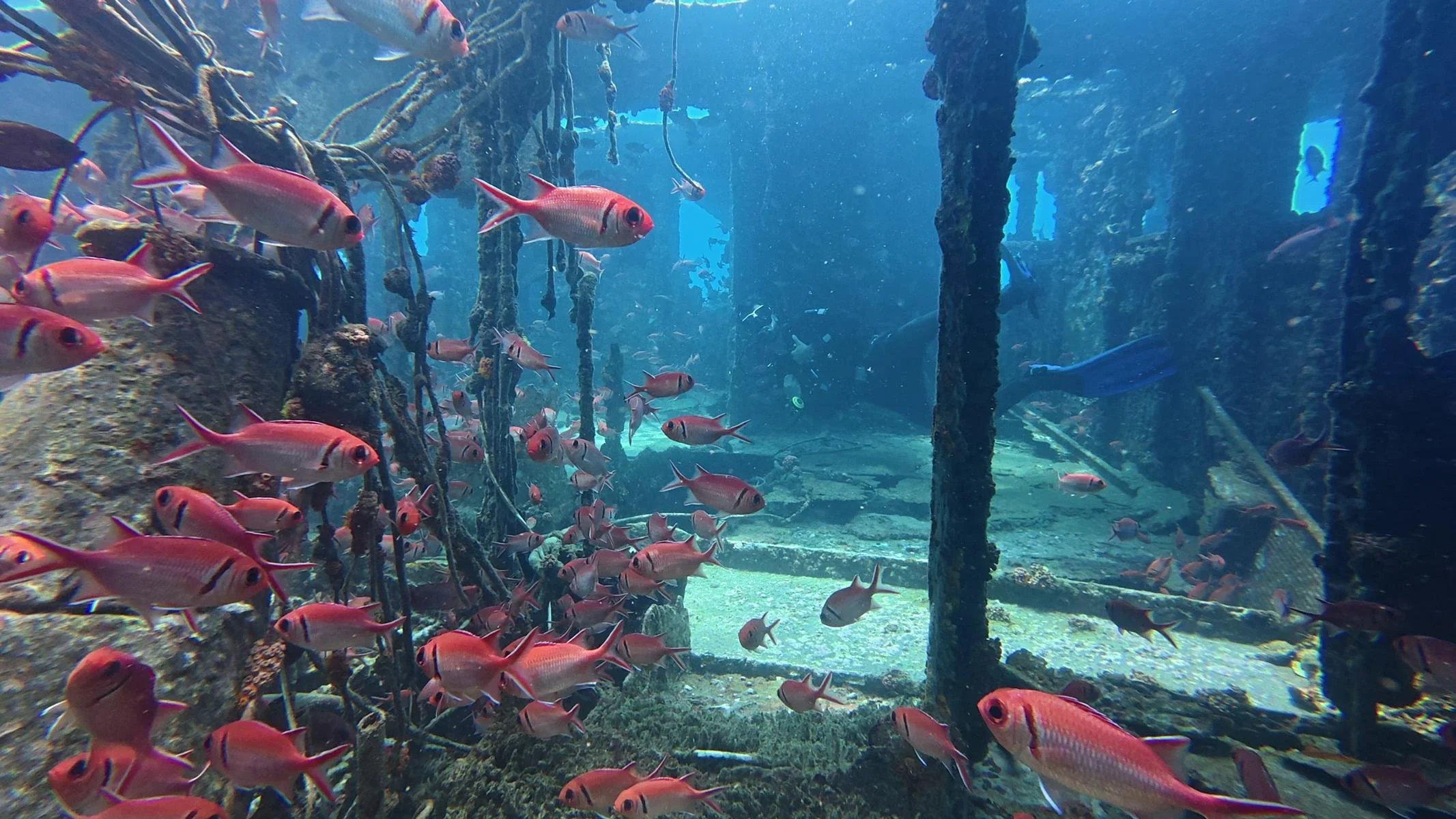
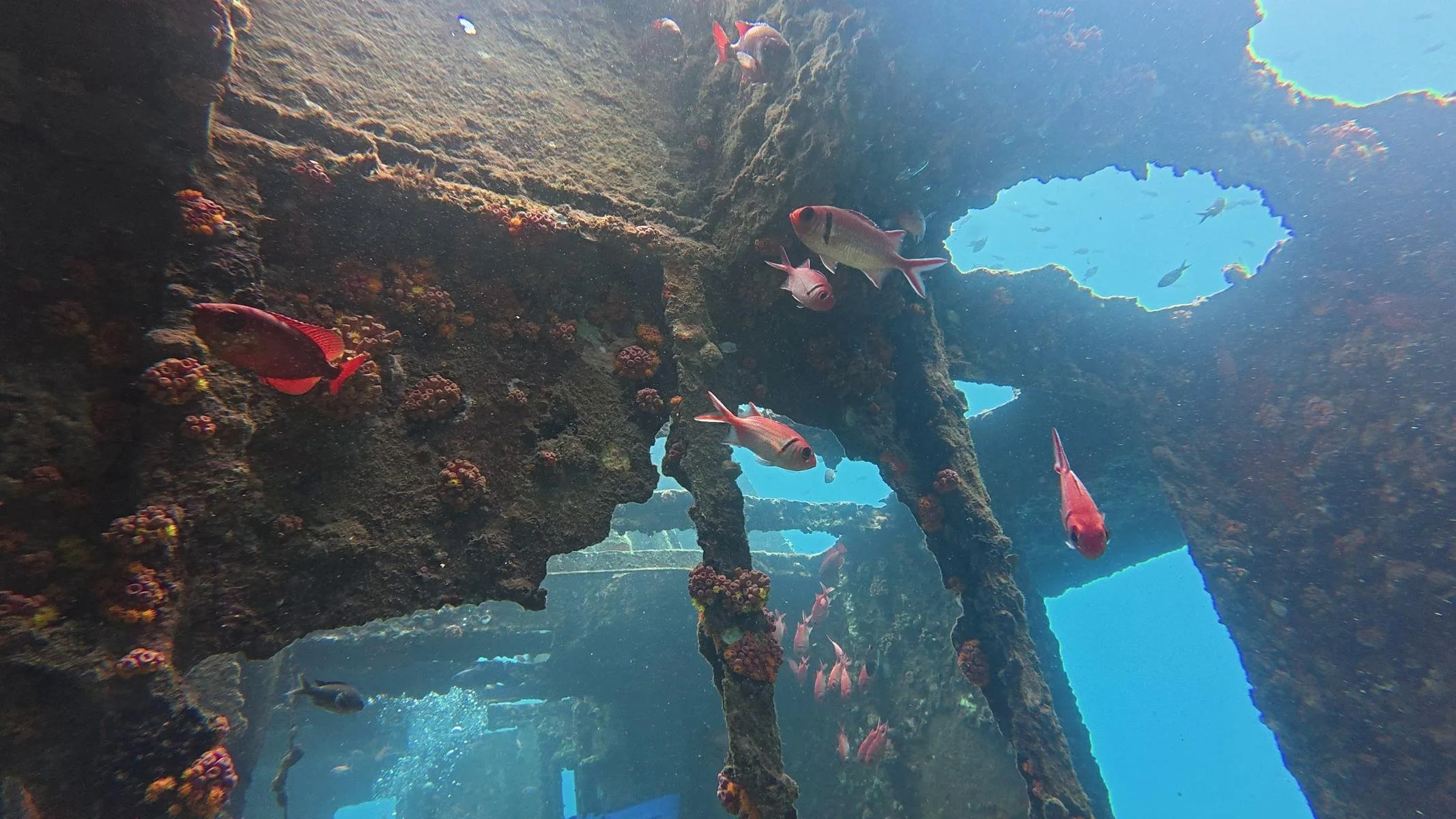
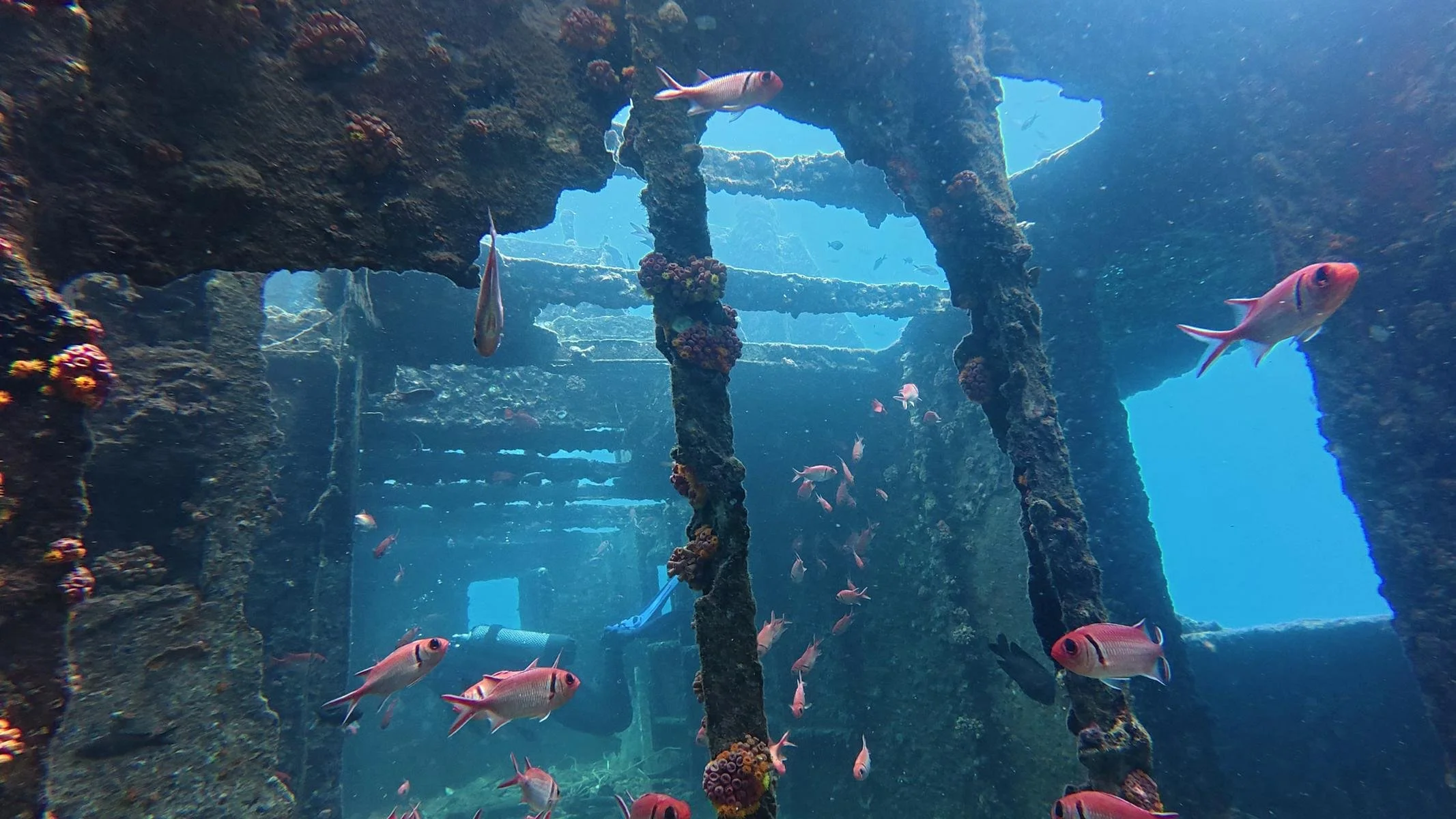
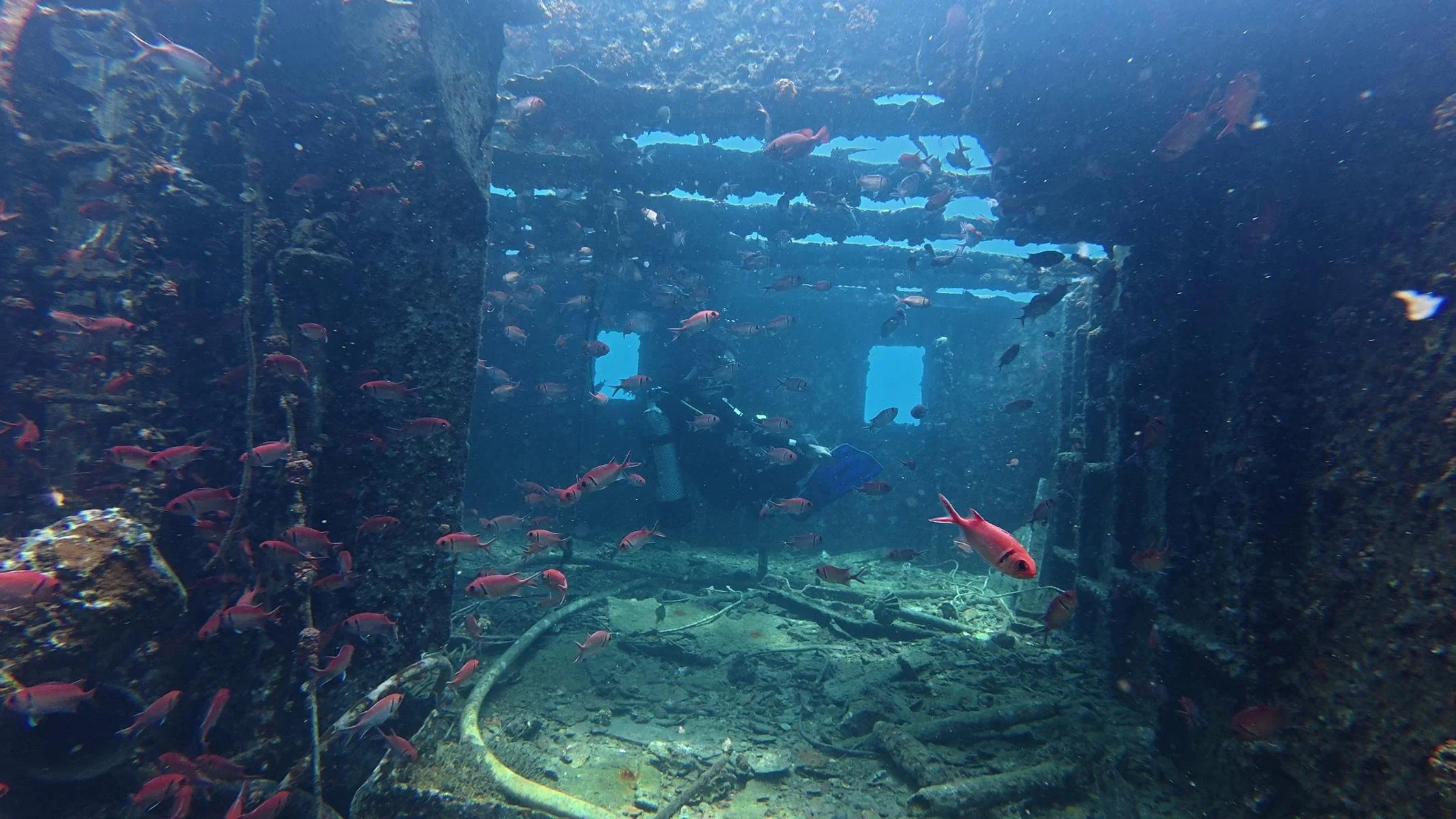
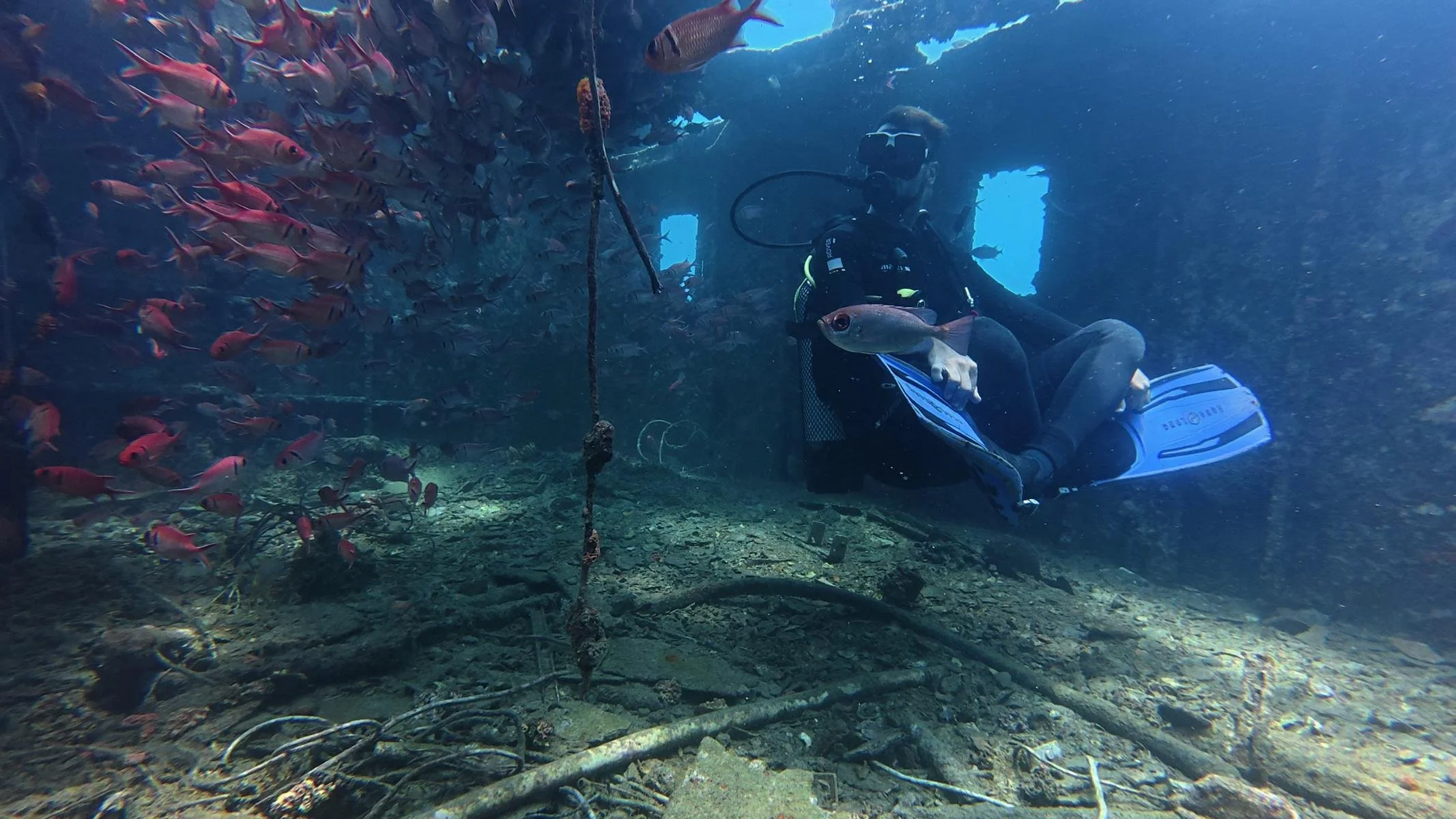
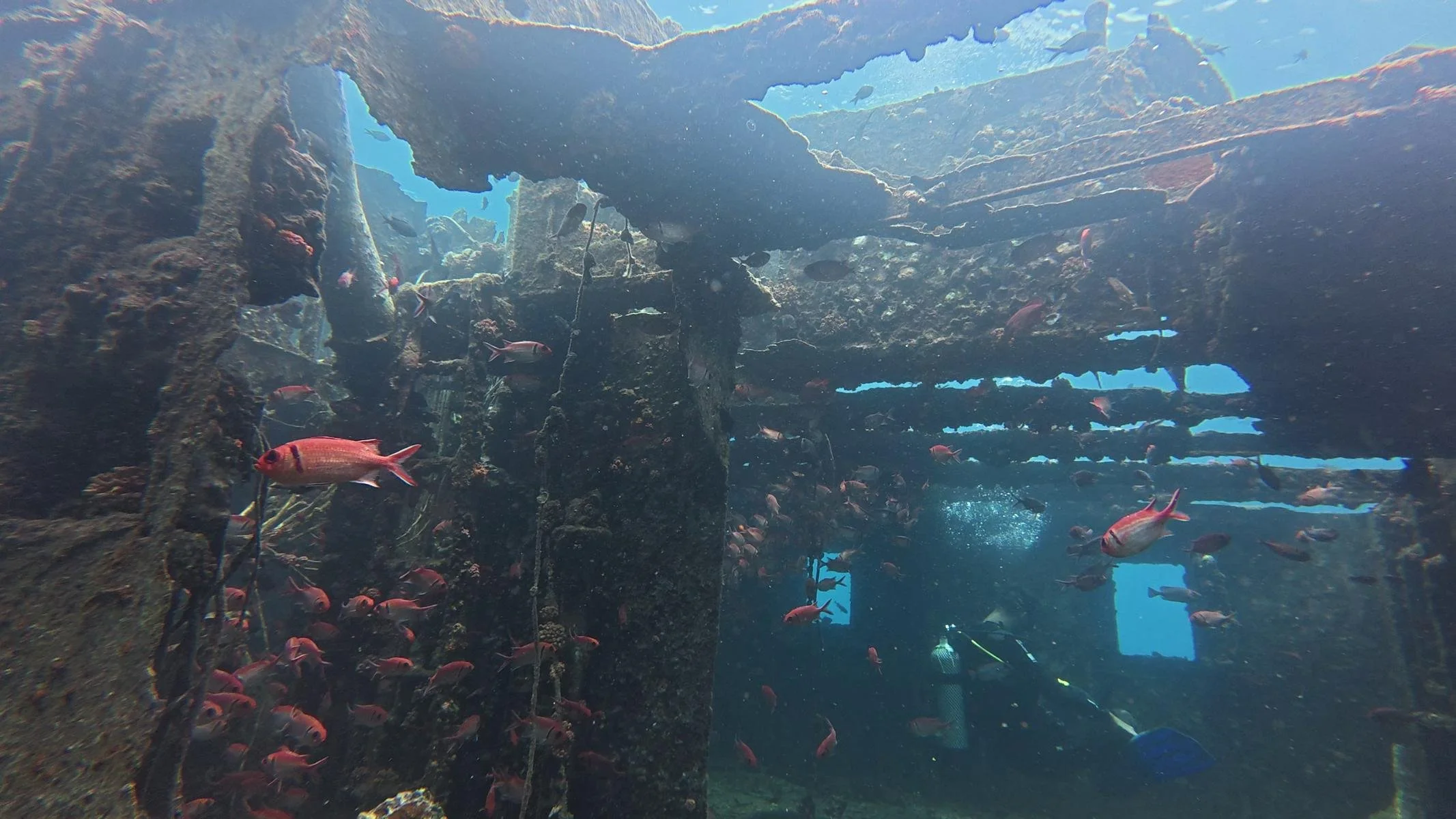
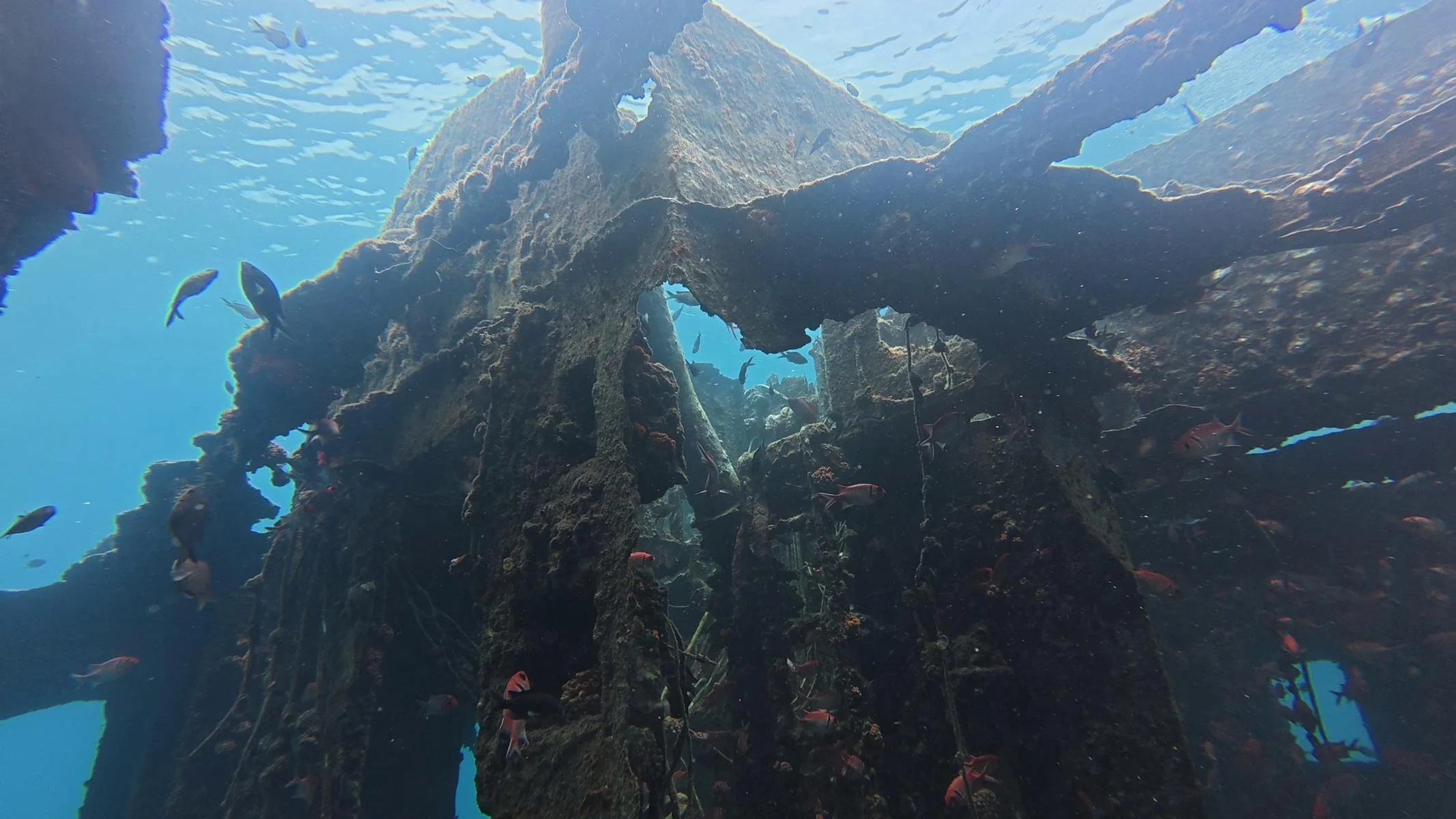
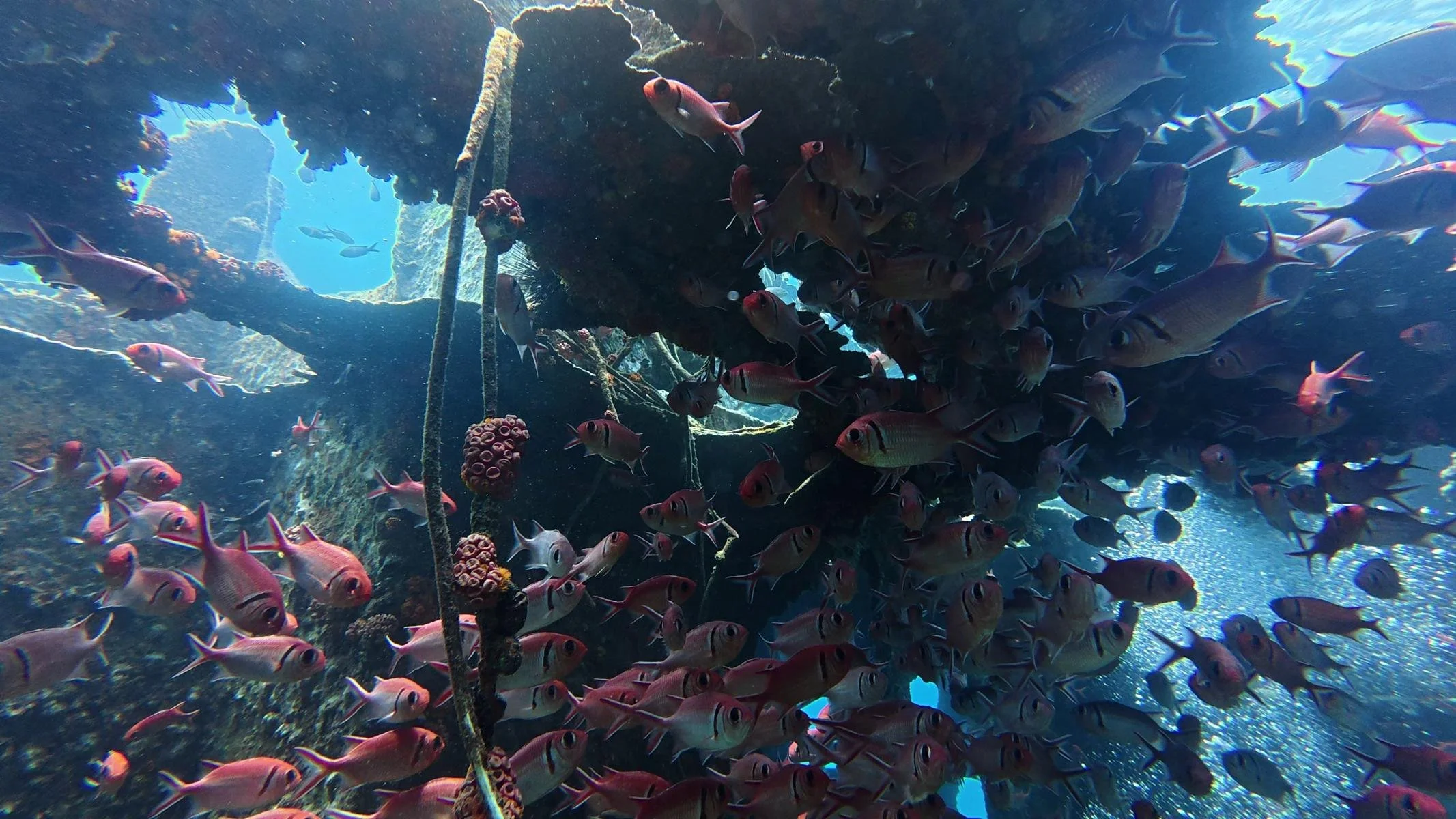
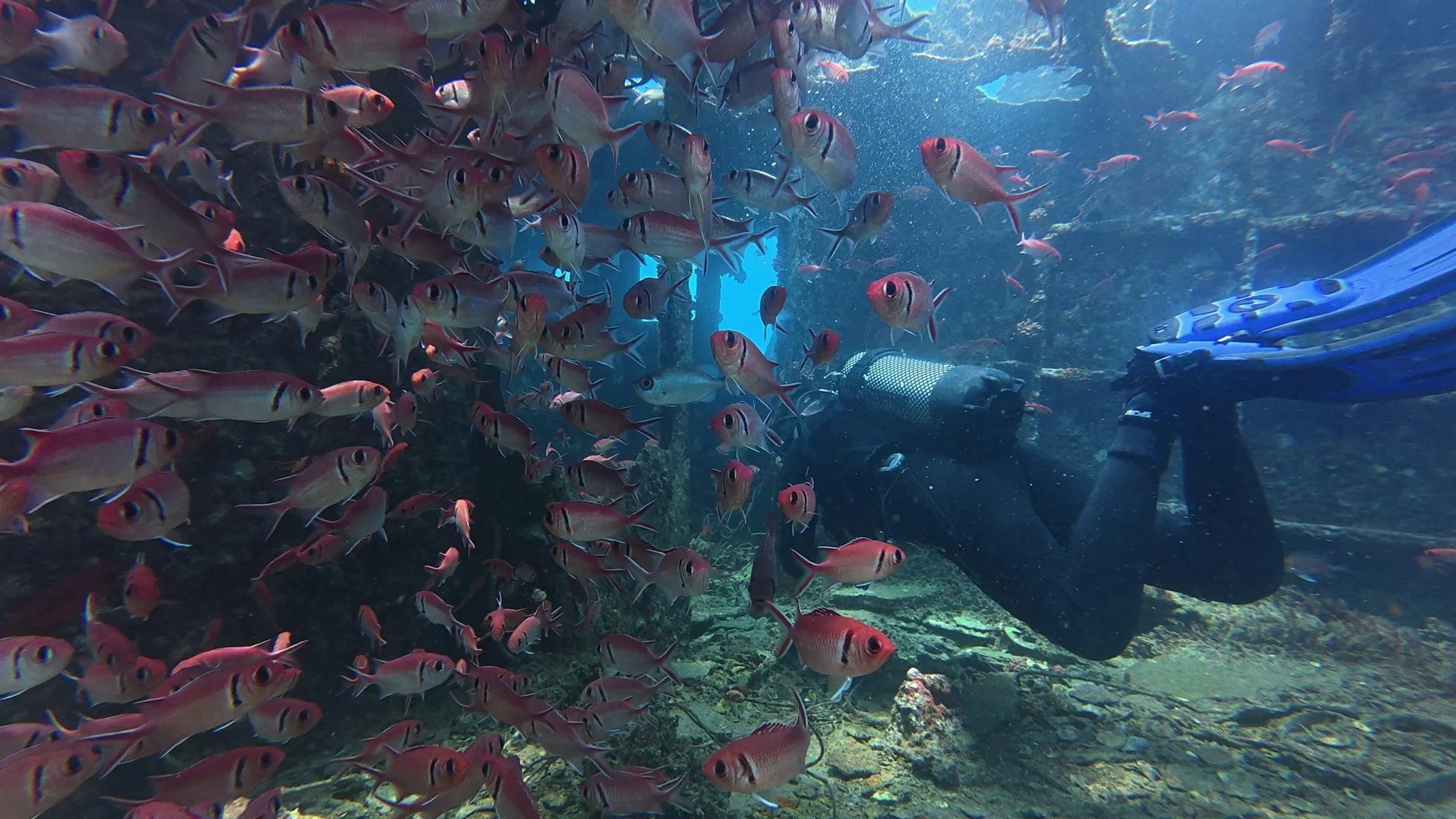
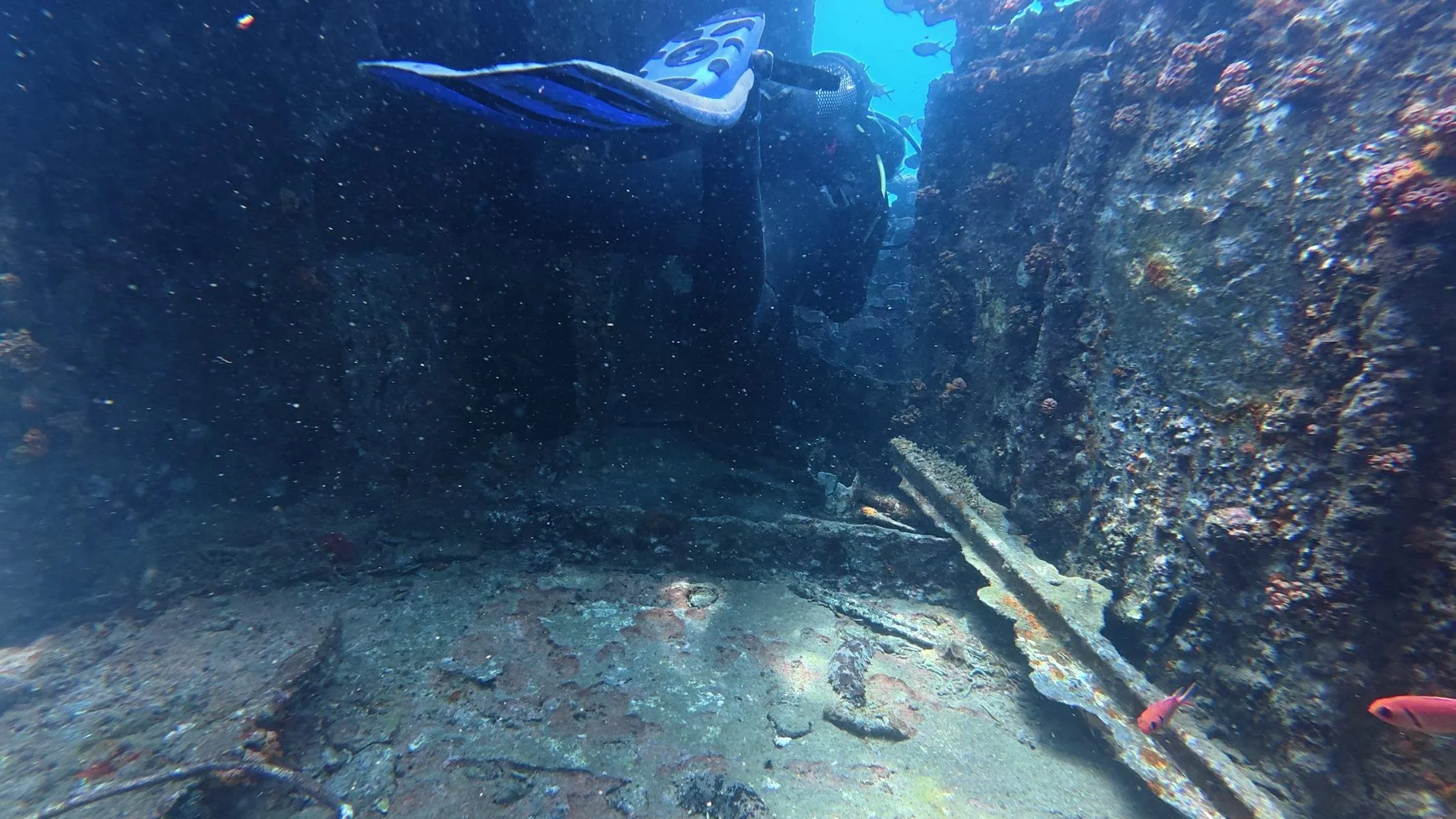
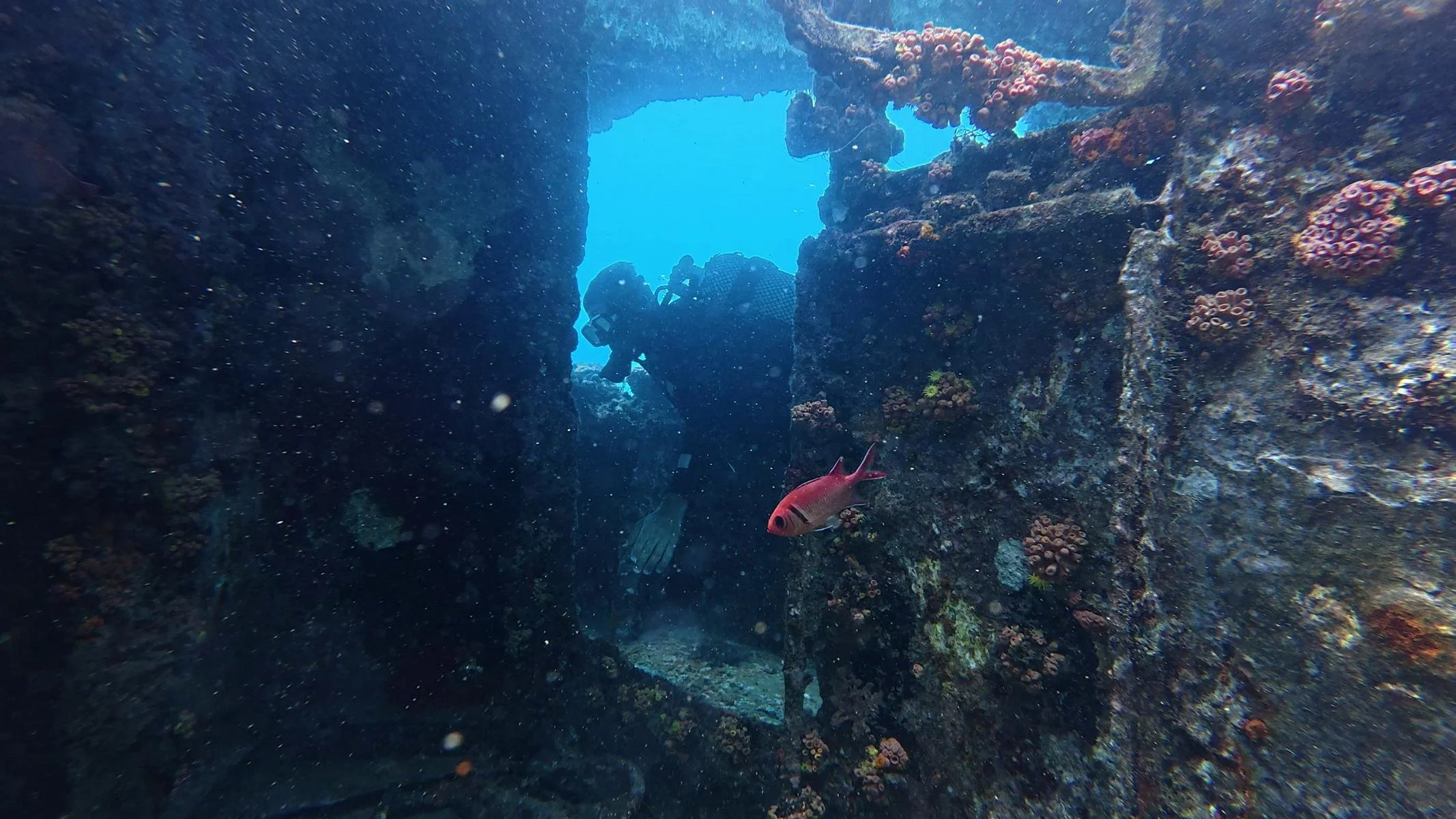
There are countless shipwrecks off the coast of São Tomé. I went diving on one of them—a sunken rice freighter—with Luis, the director of the local diving school https://www.divesaotome.com/ . It was an exciting experience to explore the interior of the ship. The main danger was getting caught on some piece of metal in the bridge.
Vor der Küste São Tomés liegen unzählige Wracks. Eines davon, einen gesunkenen Reisfrachter betauchte ich mit Luis, dem Leiter der lokalen Tauchschule https://www.divesaotome.com/ . Es war ein aufregendes Erlebnis in das Schiffsinnere vorzudringen. Hauptgefahr war, in der Kommandobrücke an irgendeinem Eisenteil hängen zu bleiben.
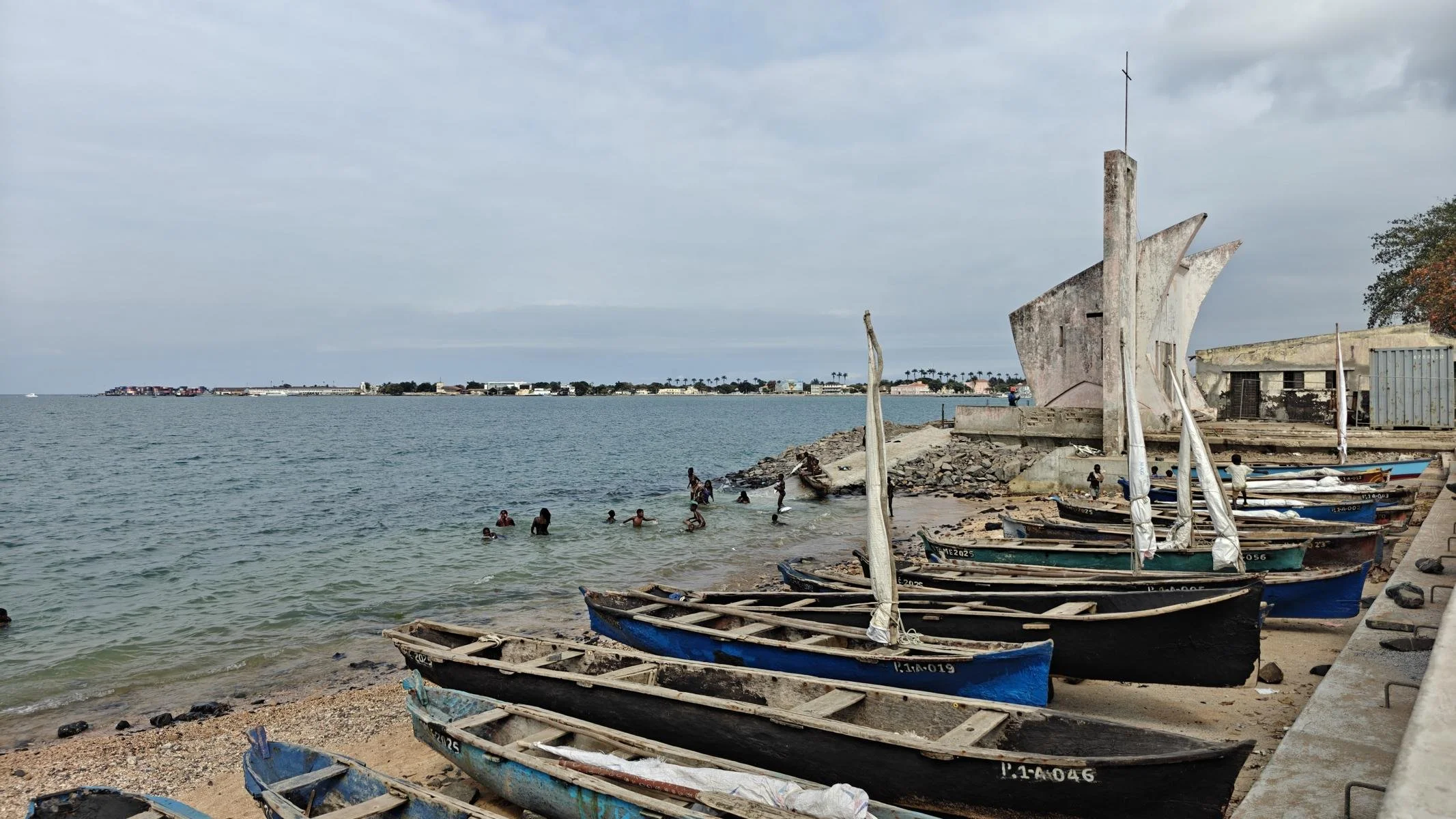
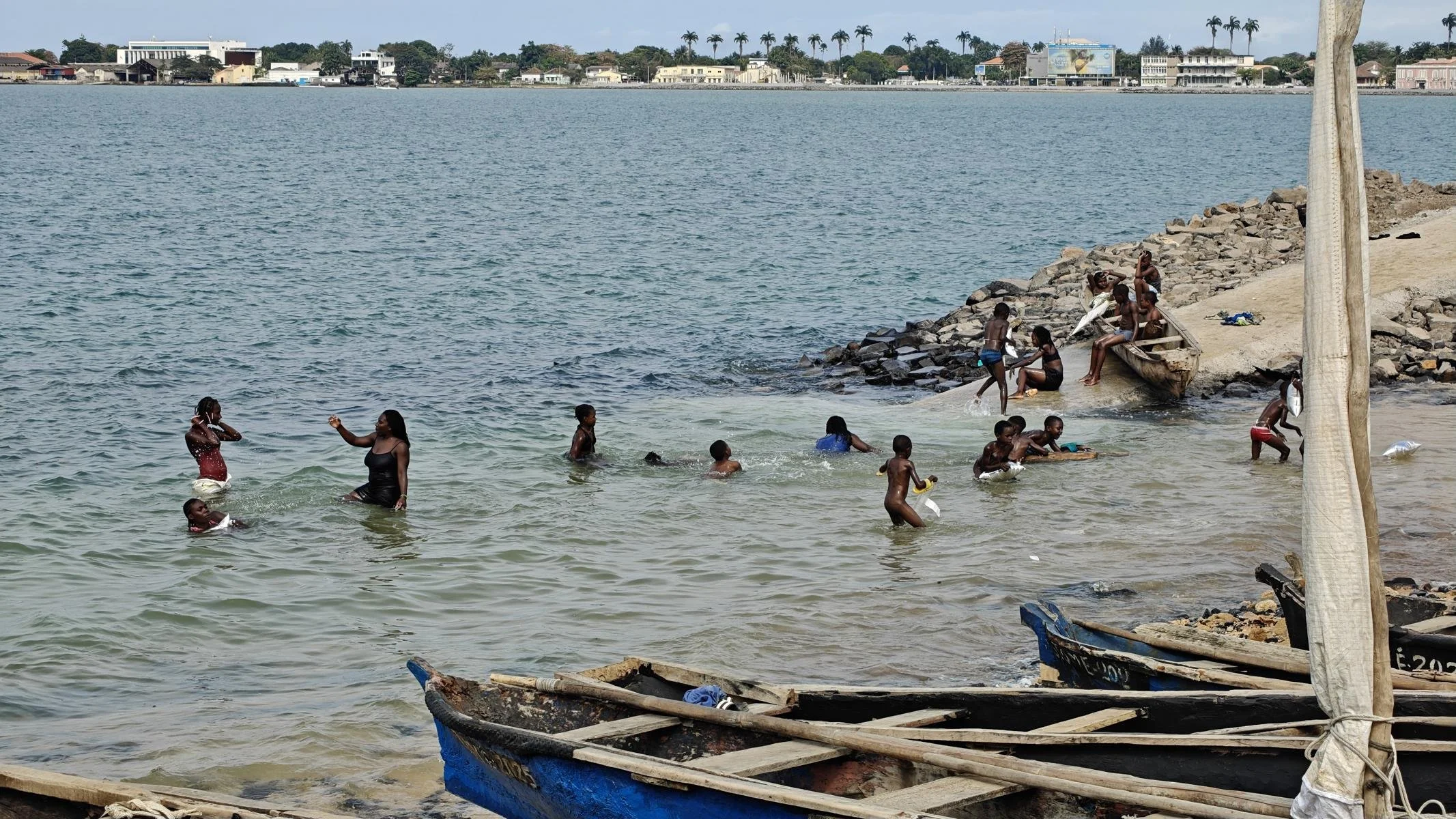
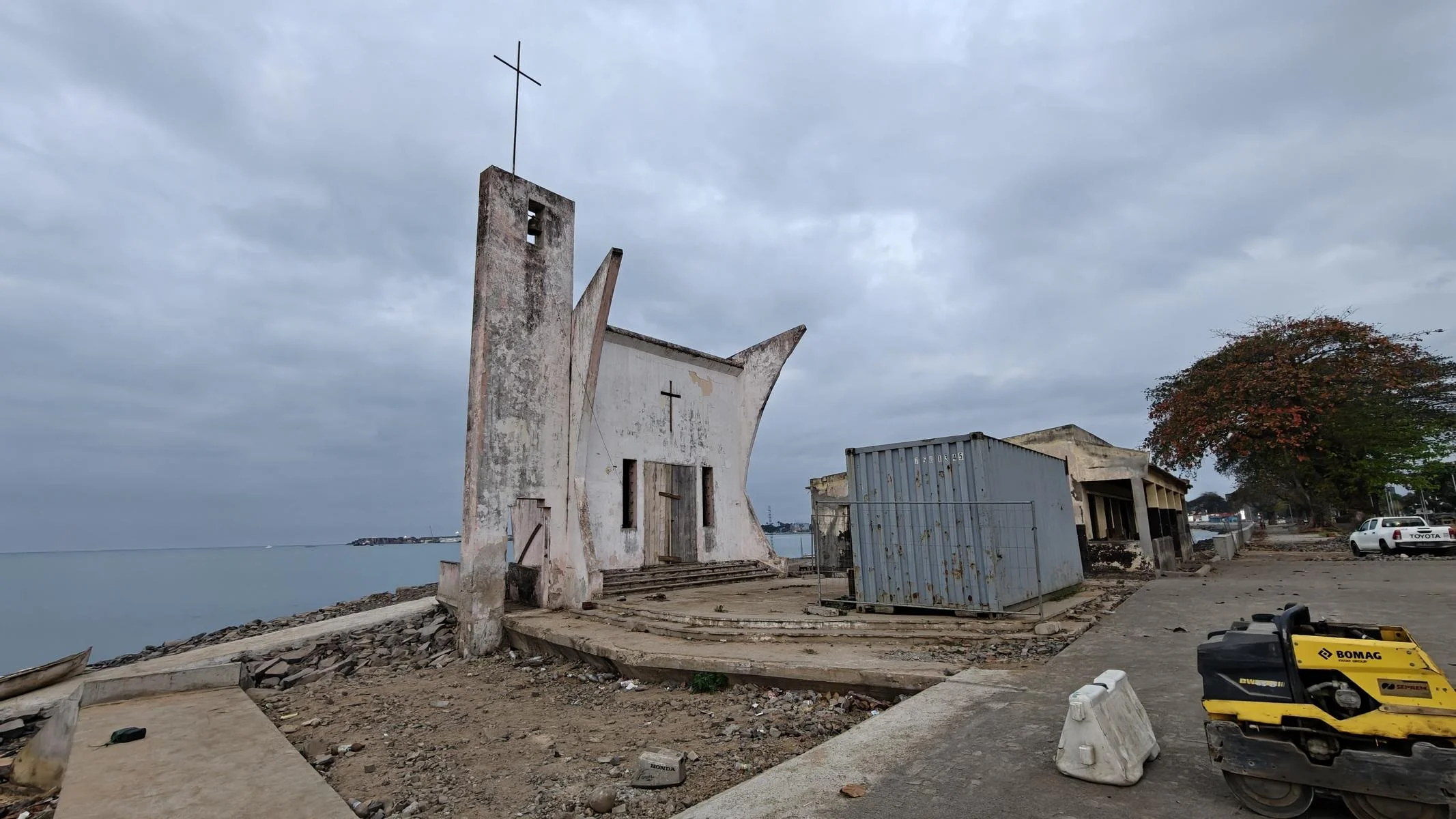
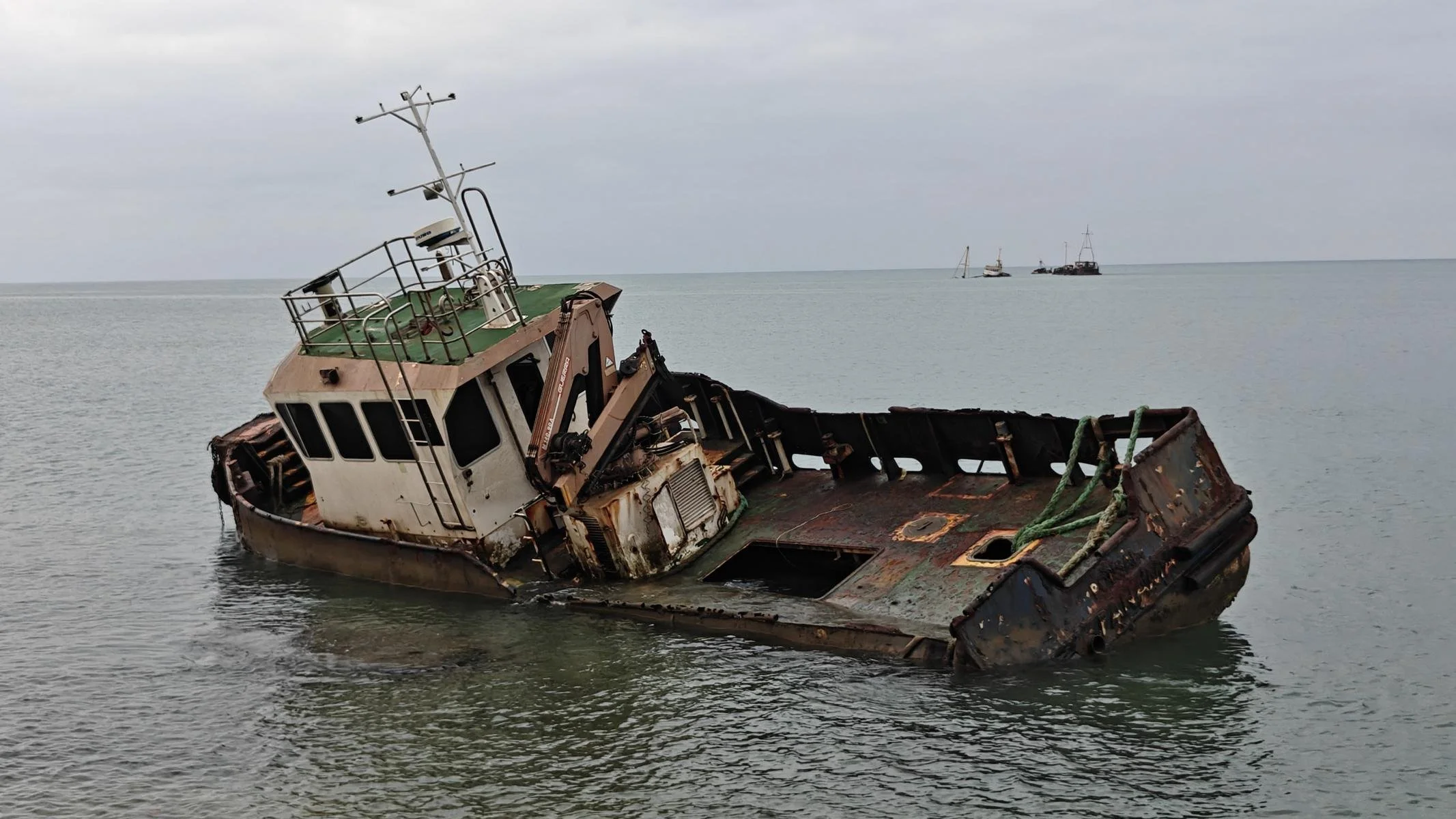
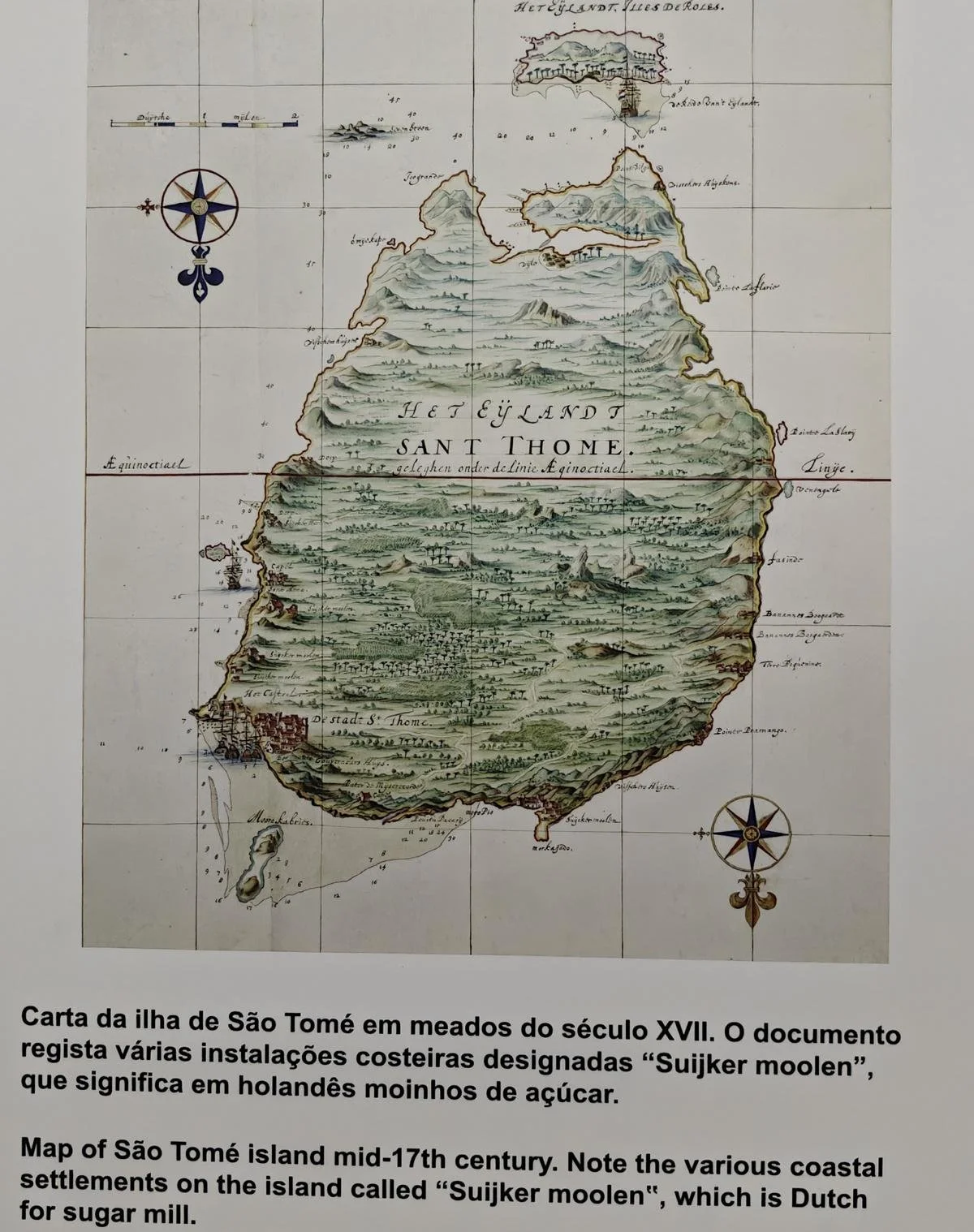
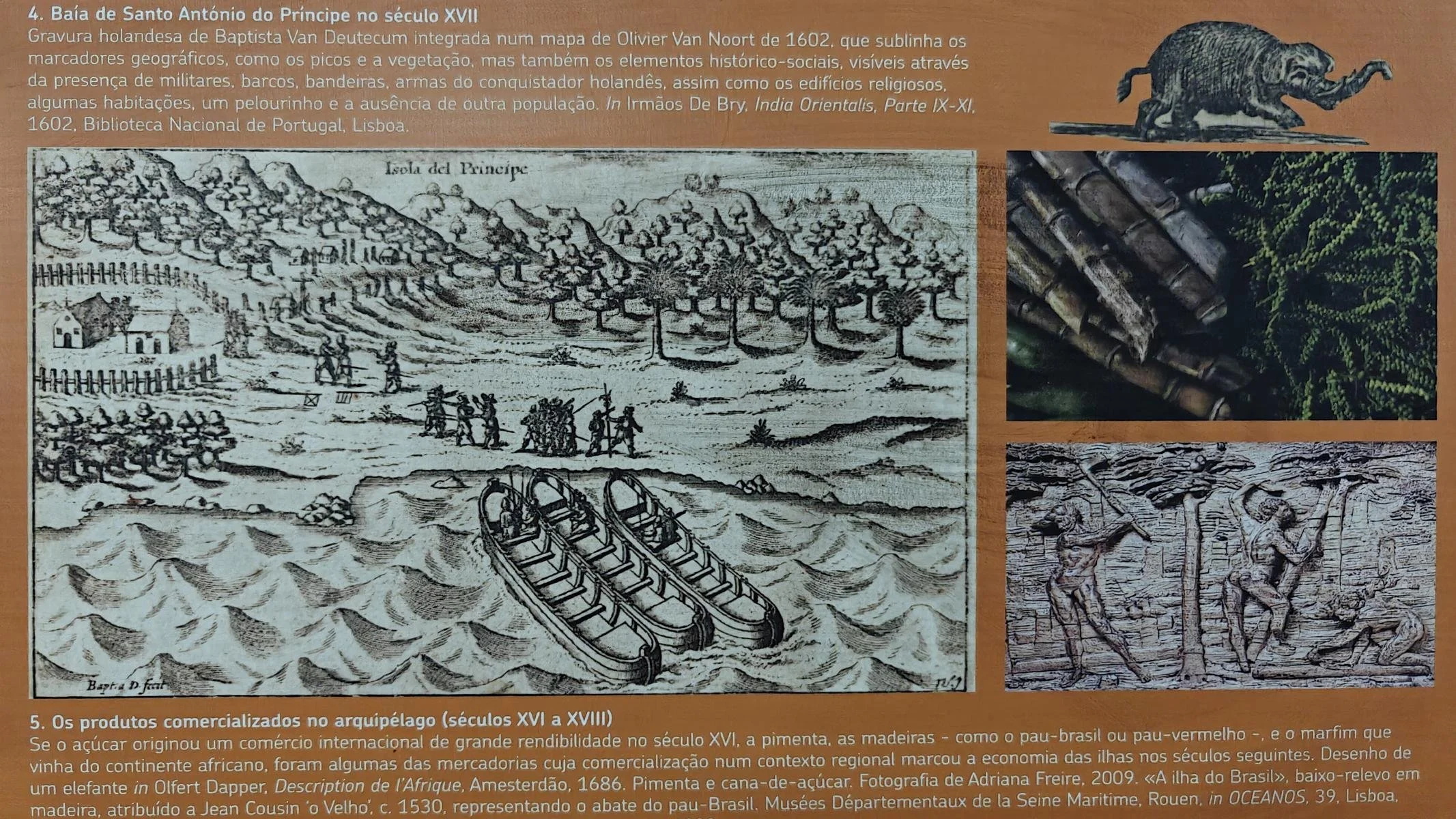
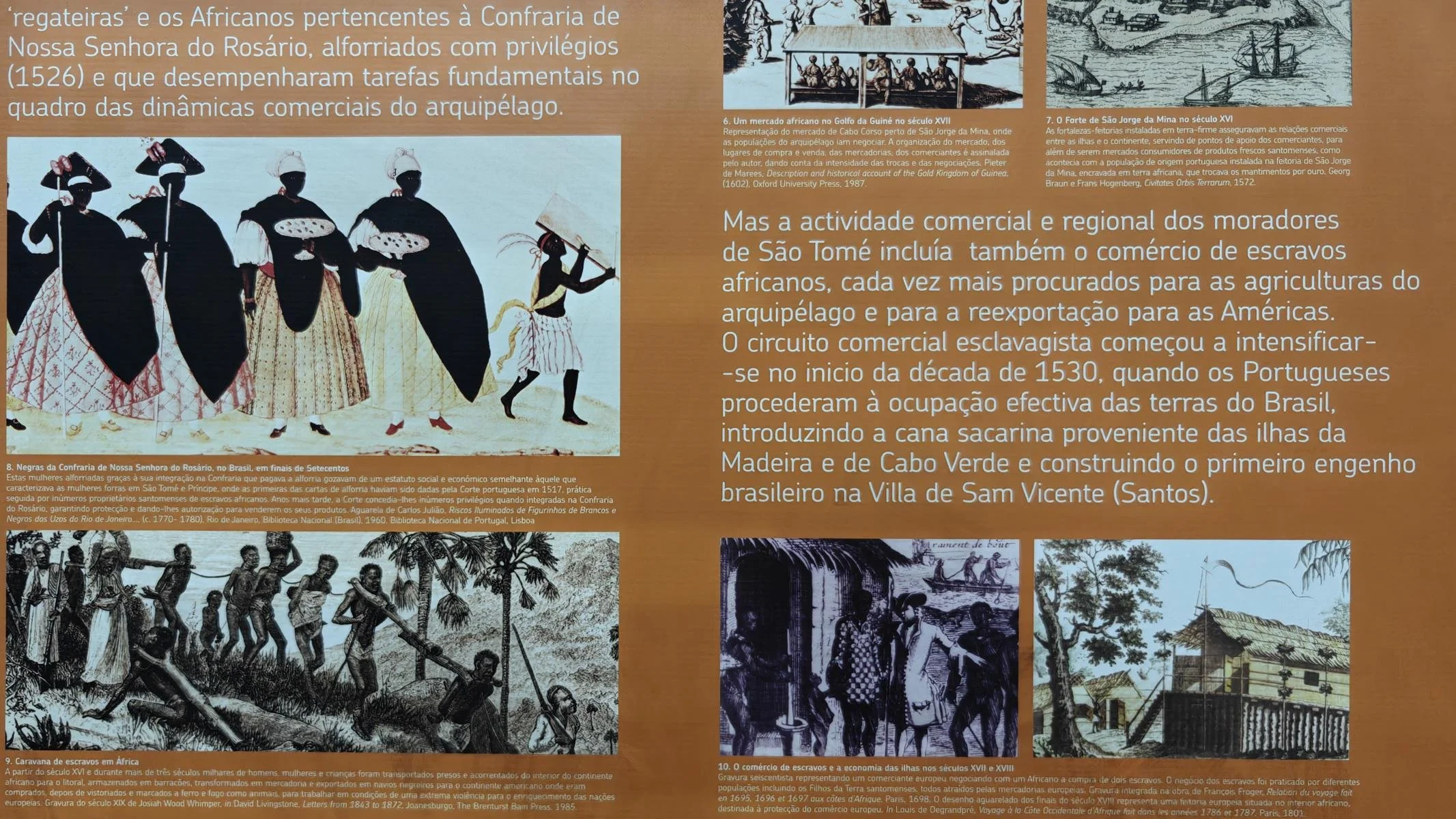
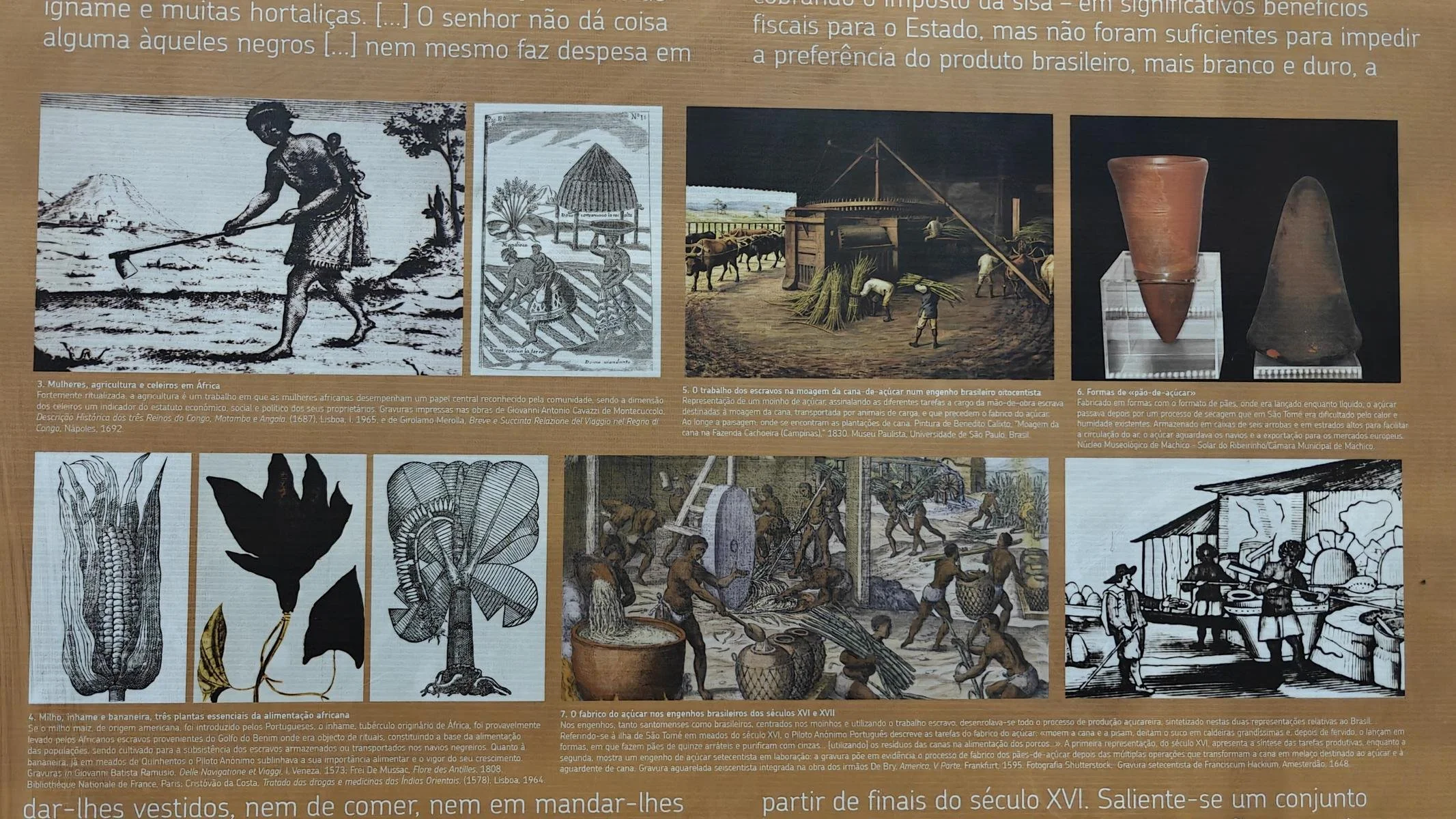
Some information about the history of São Tomé and Príncipe. The two islands are of volcanic origin (formed about 30 million years ago) and were uninhabited. In 1470, the two Portuguese explorers João de Santarém and Pêro Escobar discovered the islands and claimed them for the Portuguese Crown. In the 16th century, the two islands experienced their first economic boom, as the humid tropical climate was well-suited for growing sugarcane.
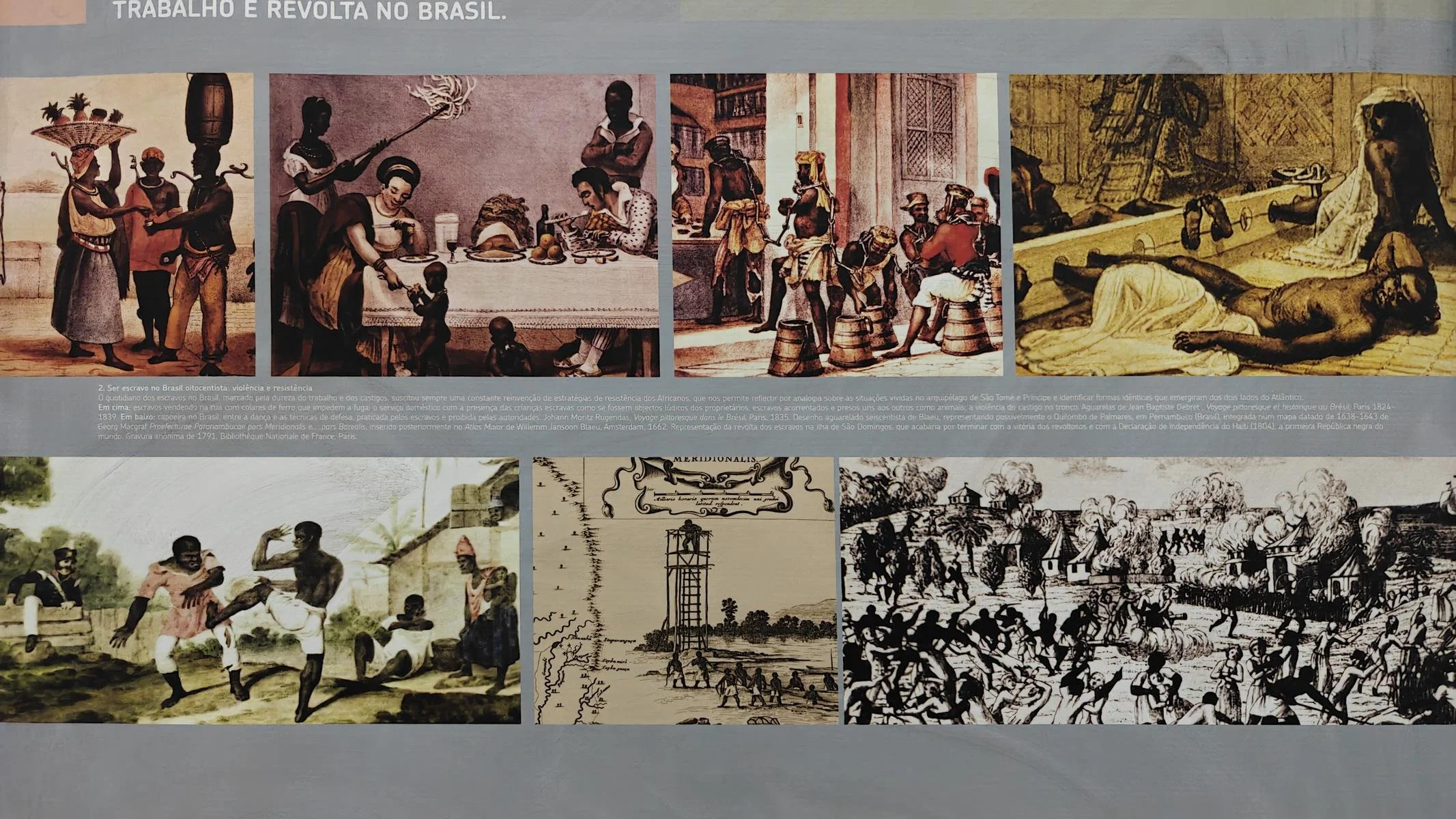
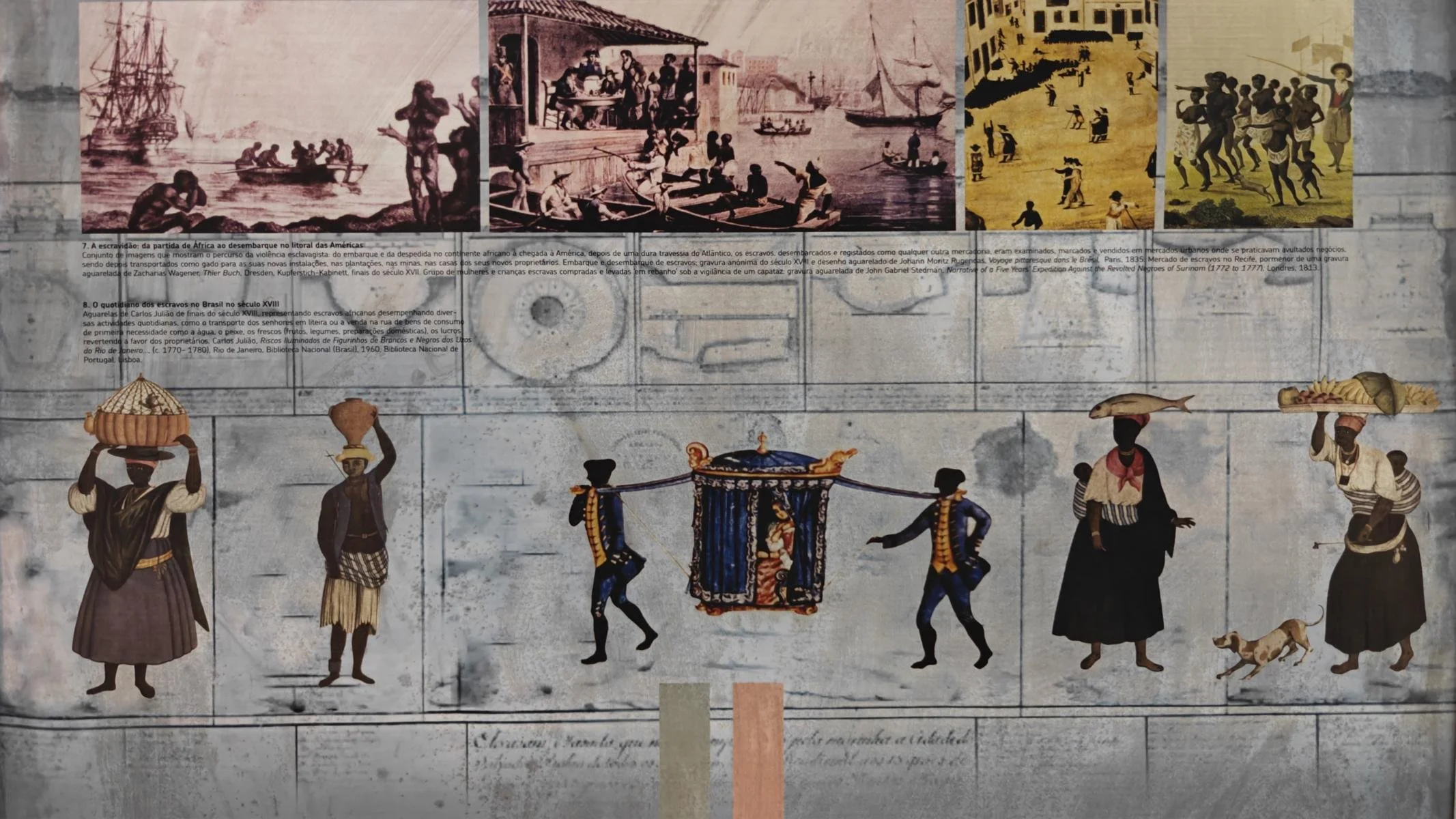
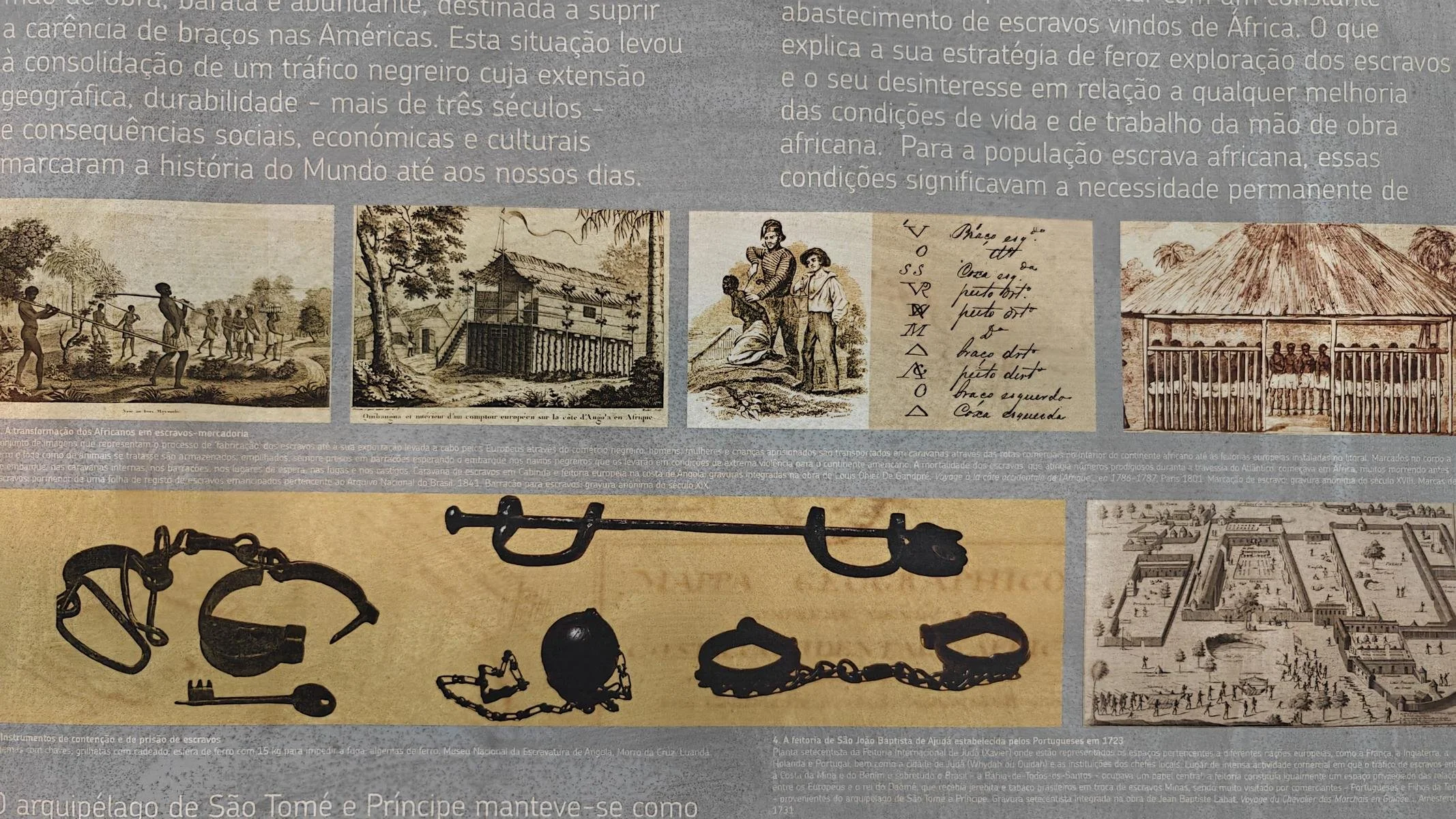
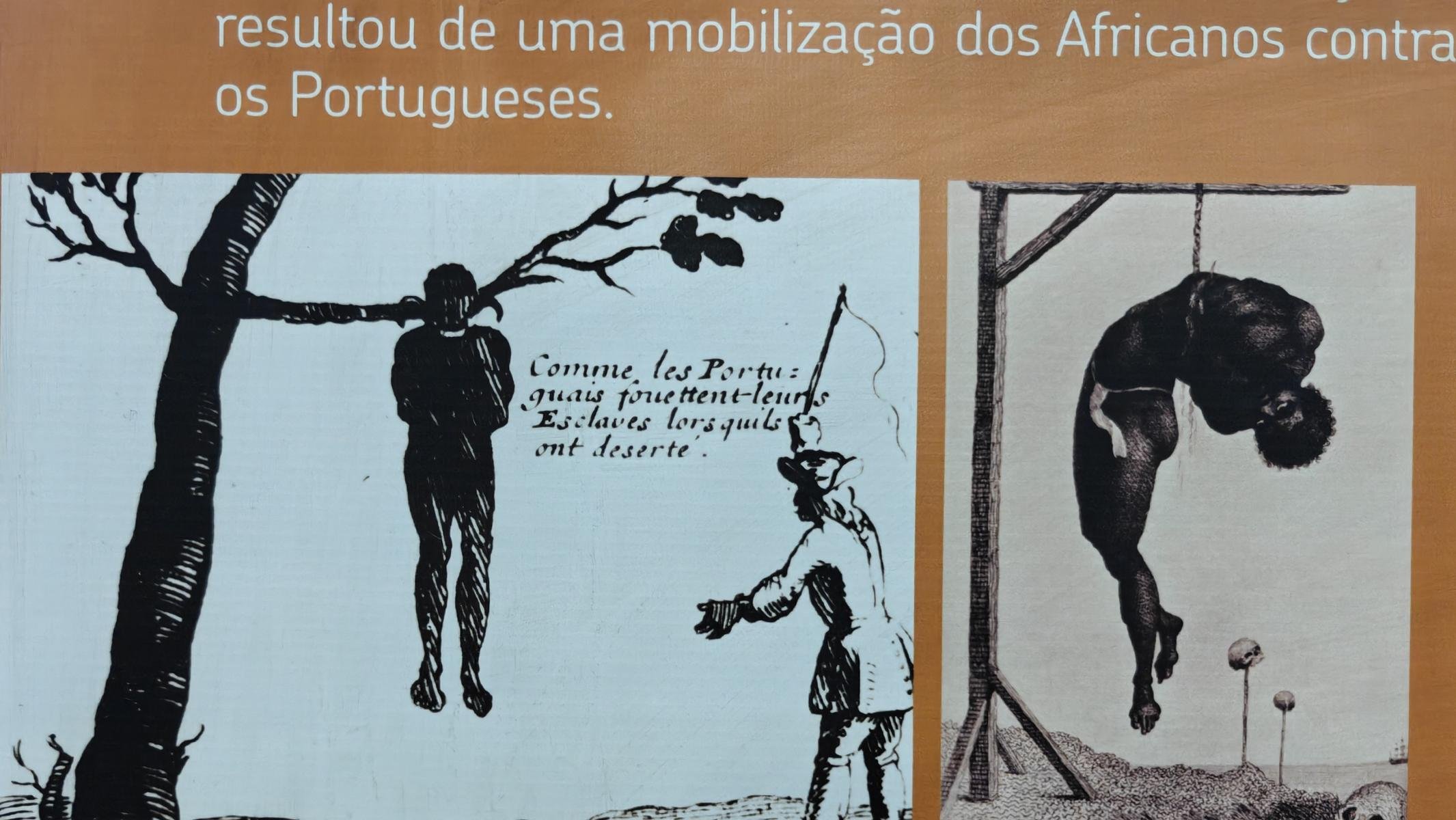
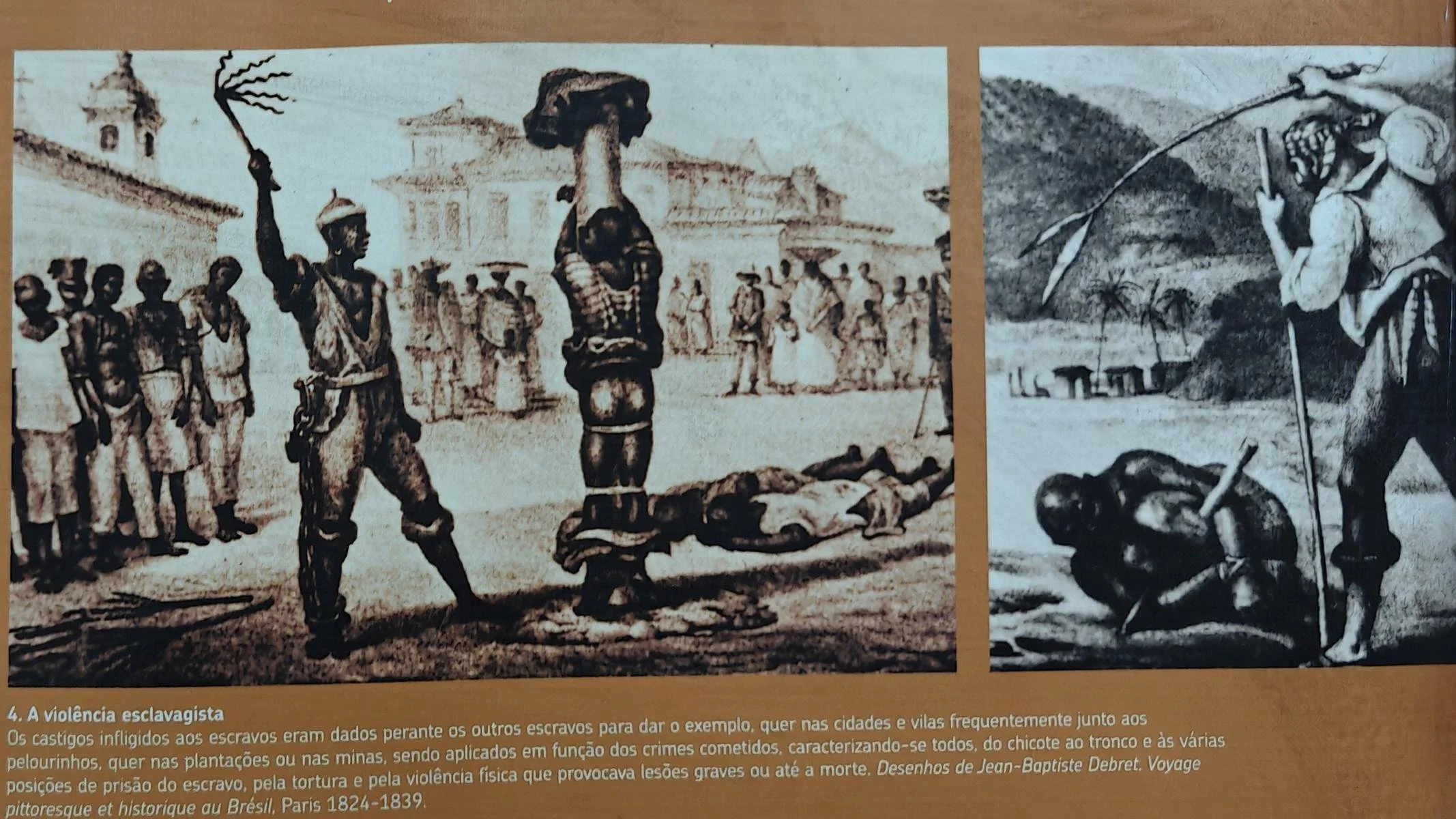
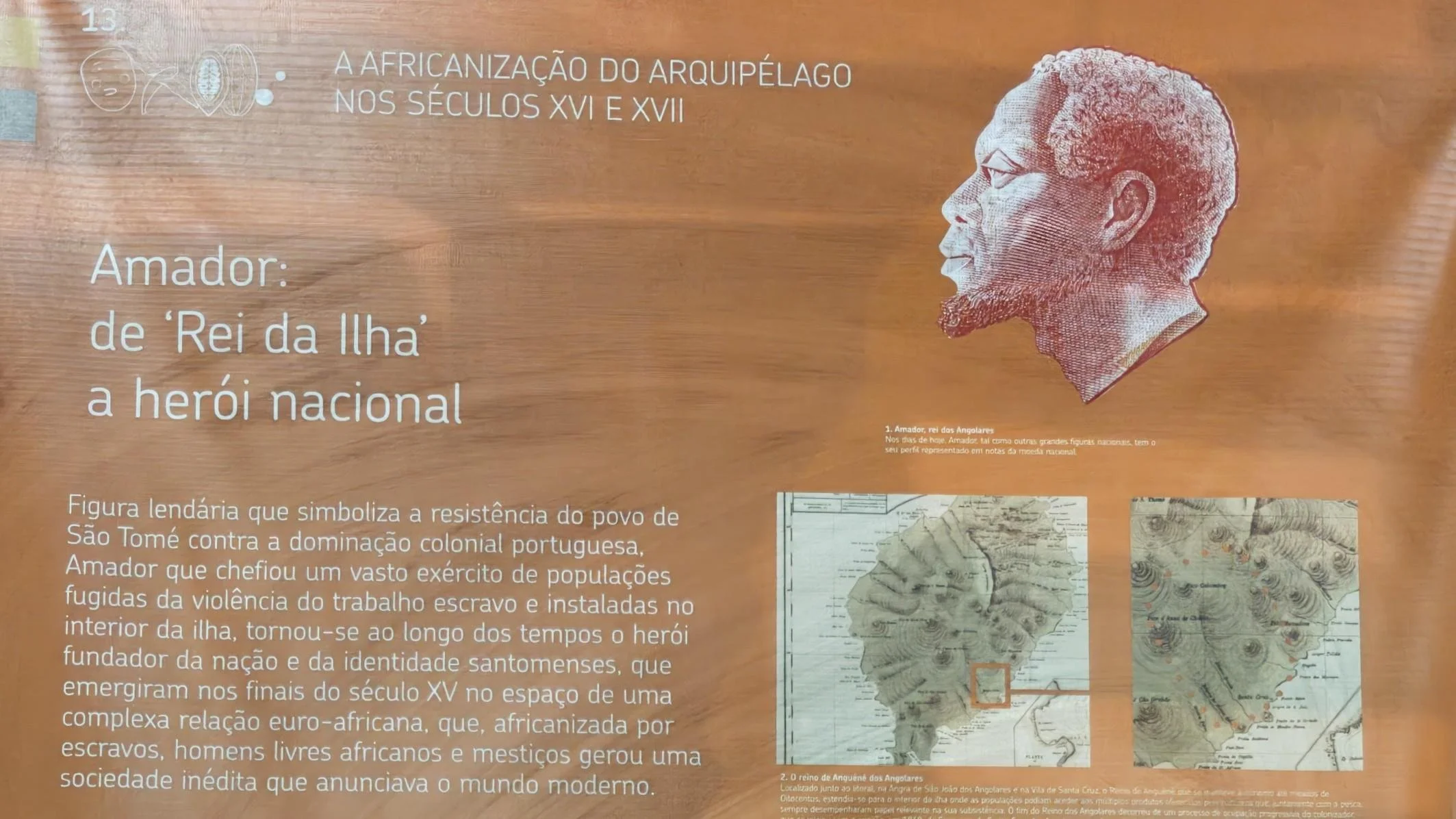
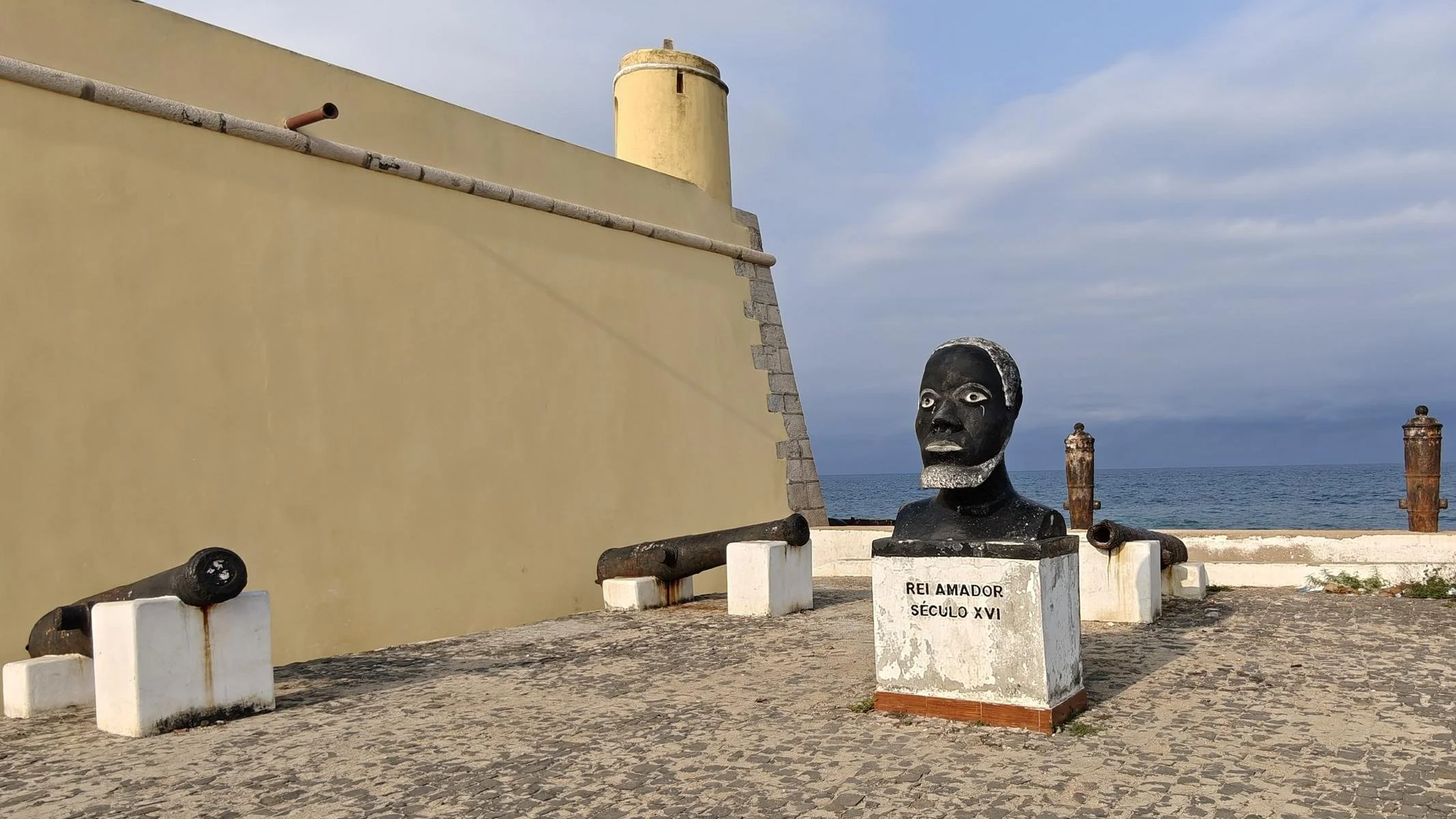
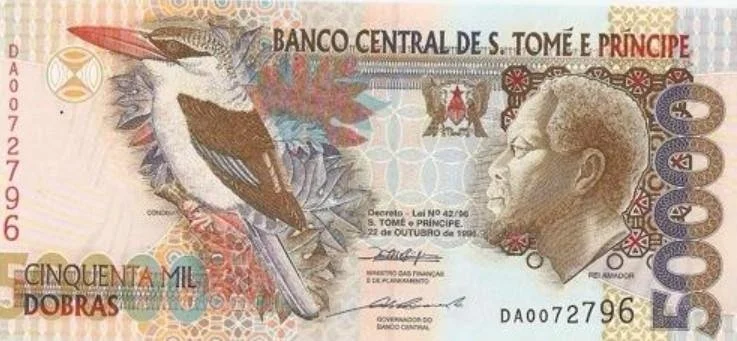
Approximately 2,000 Jewish children (Sephardic Jews from Spain and Portugal) and tens of thousands of slaves from Angola were forcibly brought to the islands to work. The inhumane working conditions under which the slaves were forced to labor repeatedly led to uprisings (e.g., under Amador Vieira in 1595), all of which were crushed by the Portuguese colonial authorities.
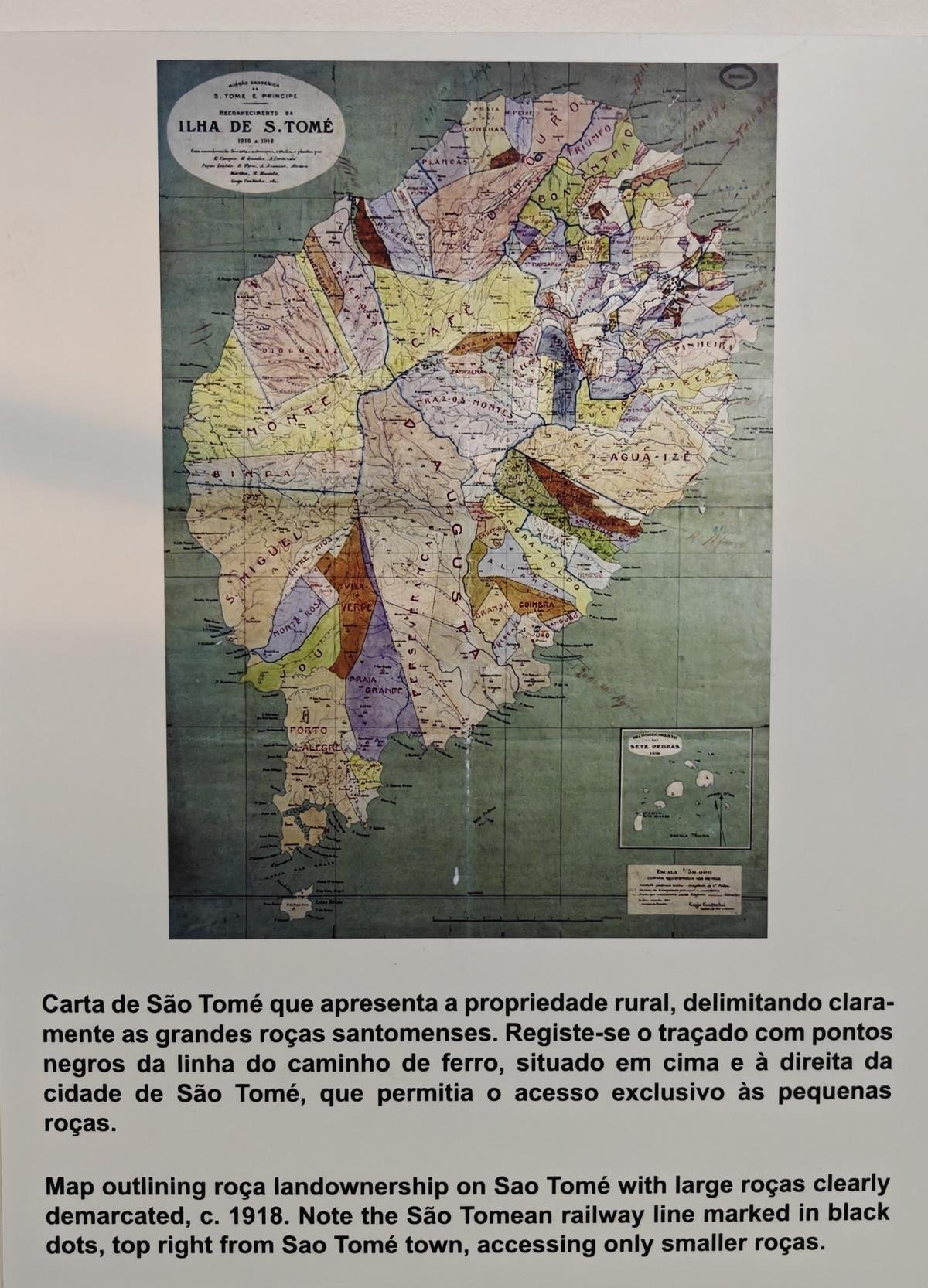
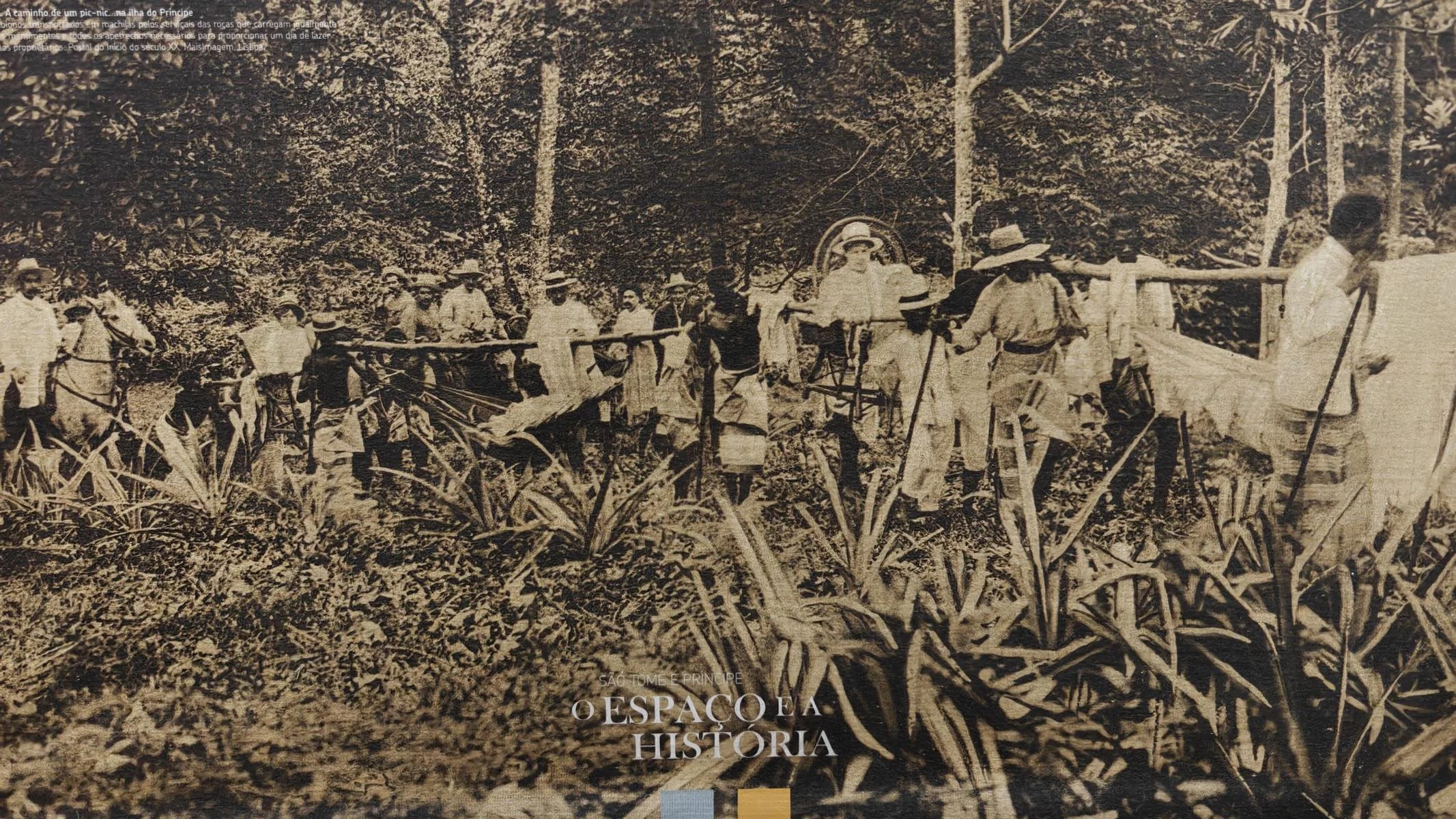
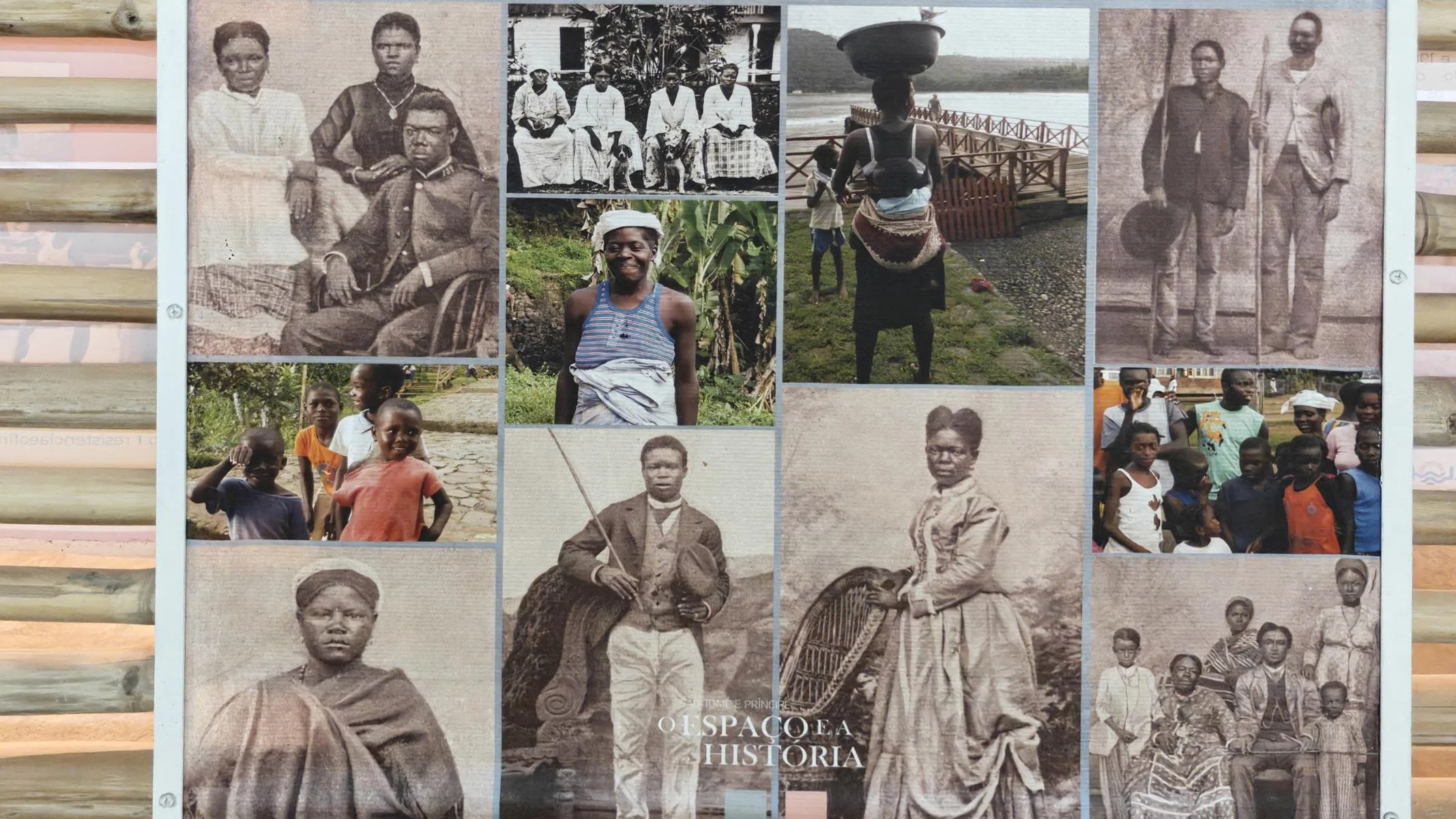
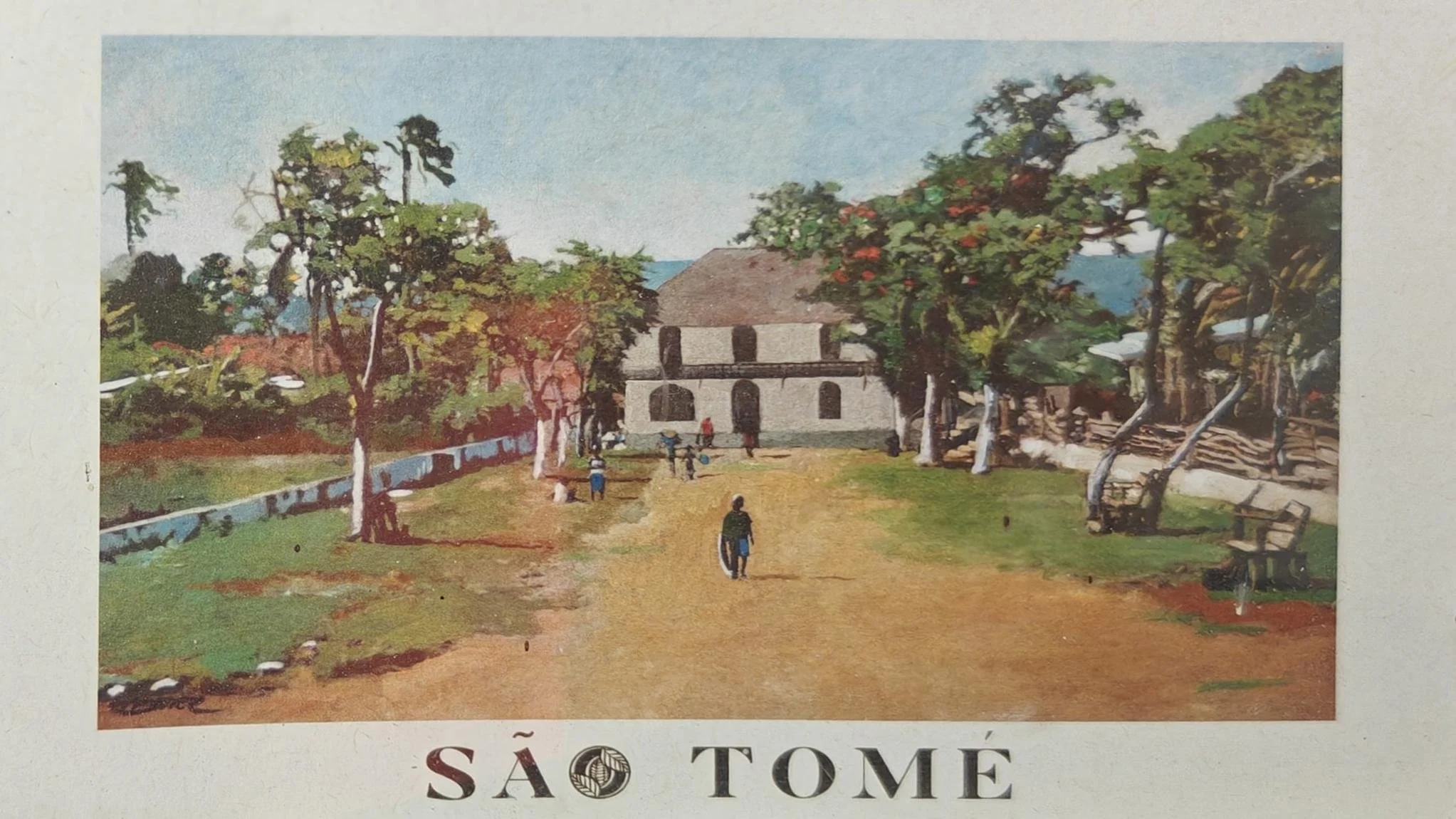
The islands experienced a second economic boom in the 19th and early 20th centuries thanks to coffee and cocoa cultivation. São Tomé and Príncipe became the world’s leading cocoa producers. The magnificent plantation buildings date from this period. The territory of the two islands was divided into about 200 large plantations (roças; see third image). After the abolition of slavery (1876), a form of forced labor continued, which repeatedly led to labor disputes in the 20th century.
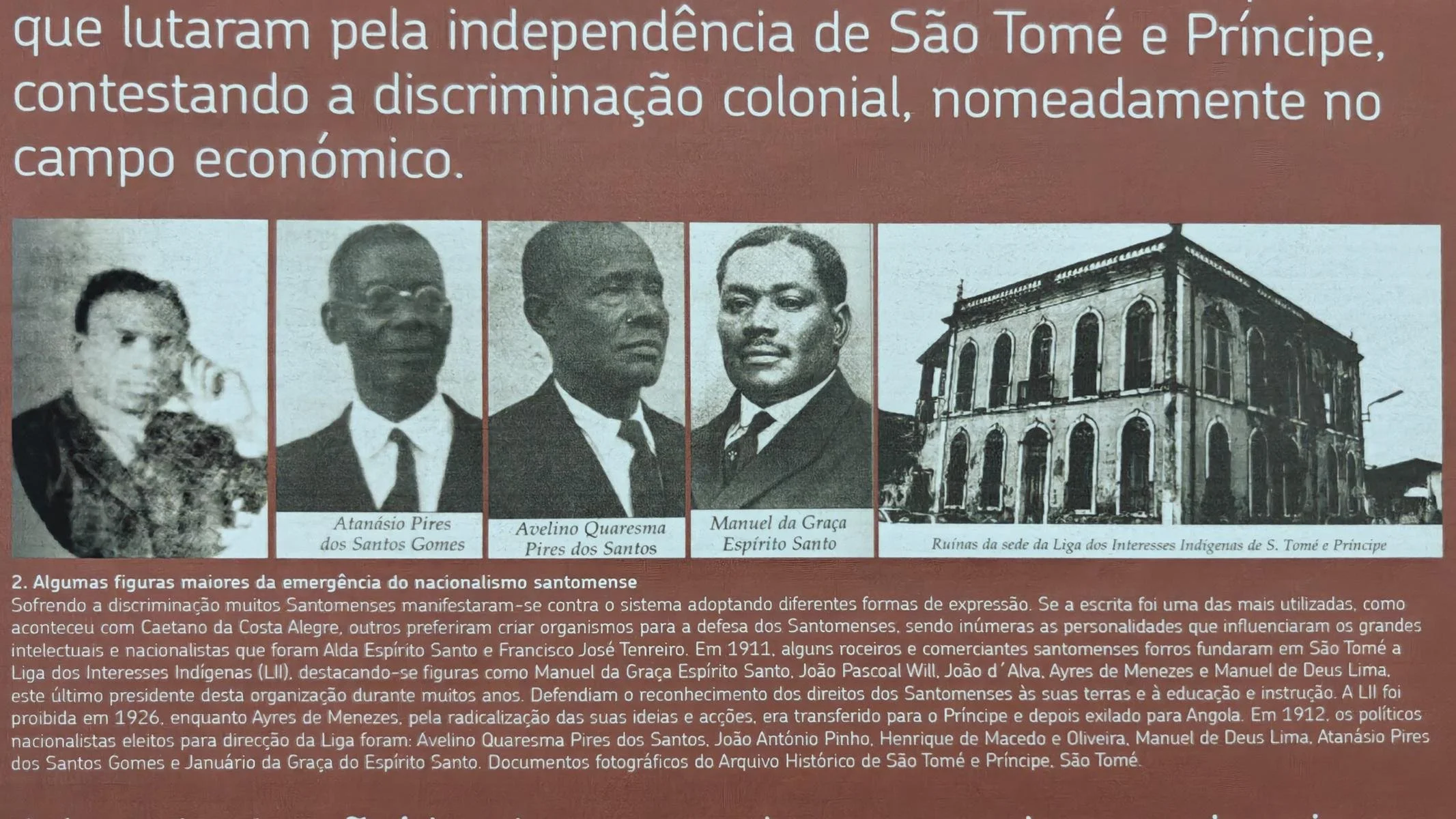
Starting in the late 1950s, an independence movement (Movimento de Libertação de São Tomé e Príncipe / MLSTP) also formed in São Tomé and Príncipe, leaning towards the economic system of the Soviet Union. Unlike in the other Portuguese colonies, however, the resistance was purely political and not armed.
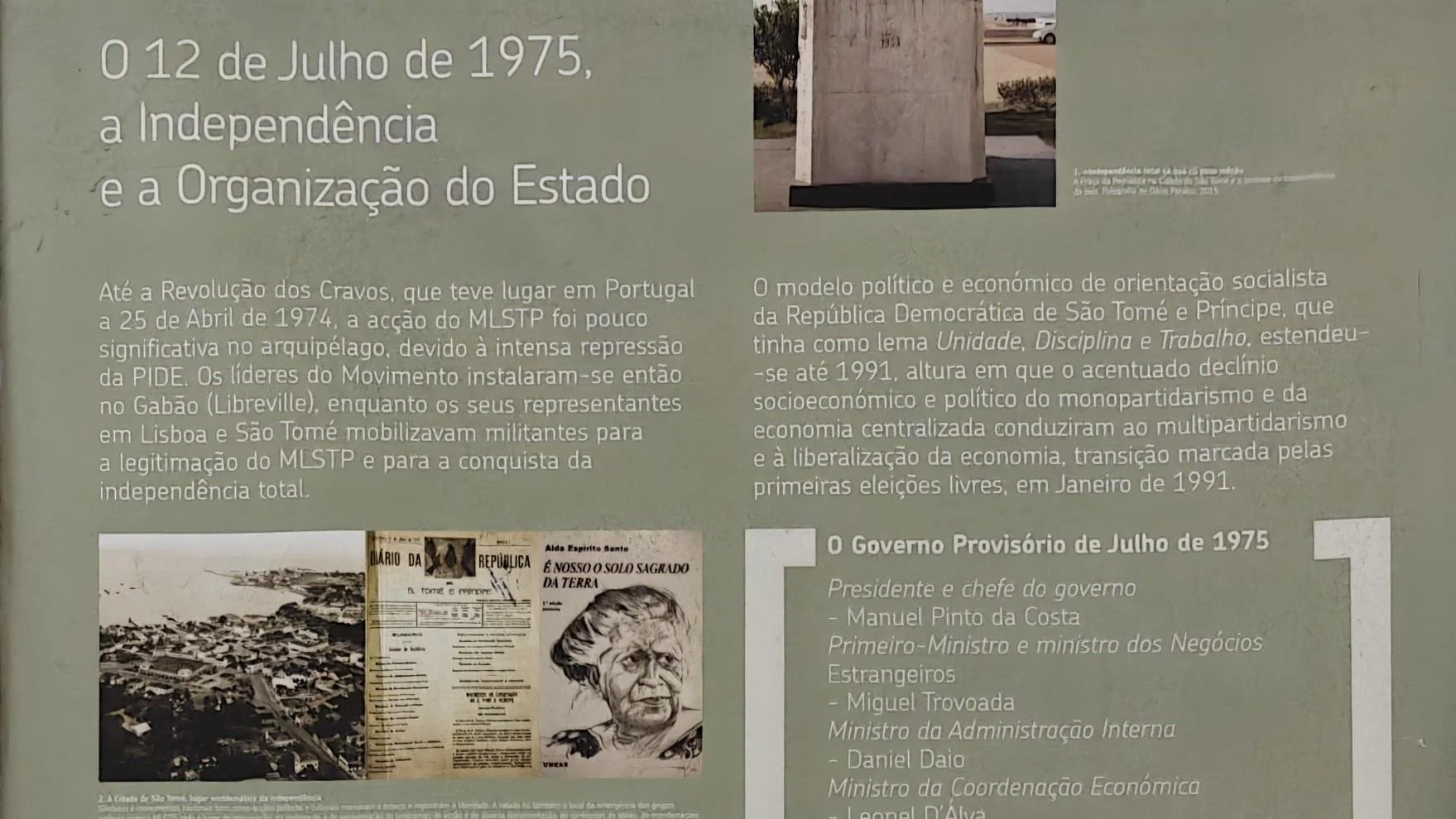
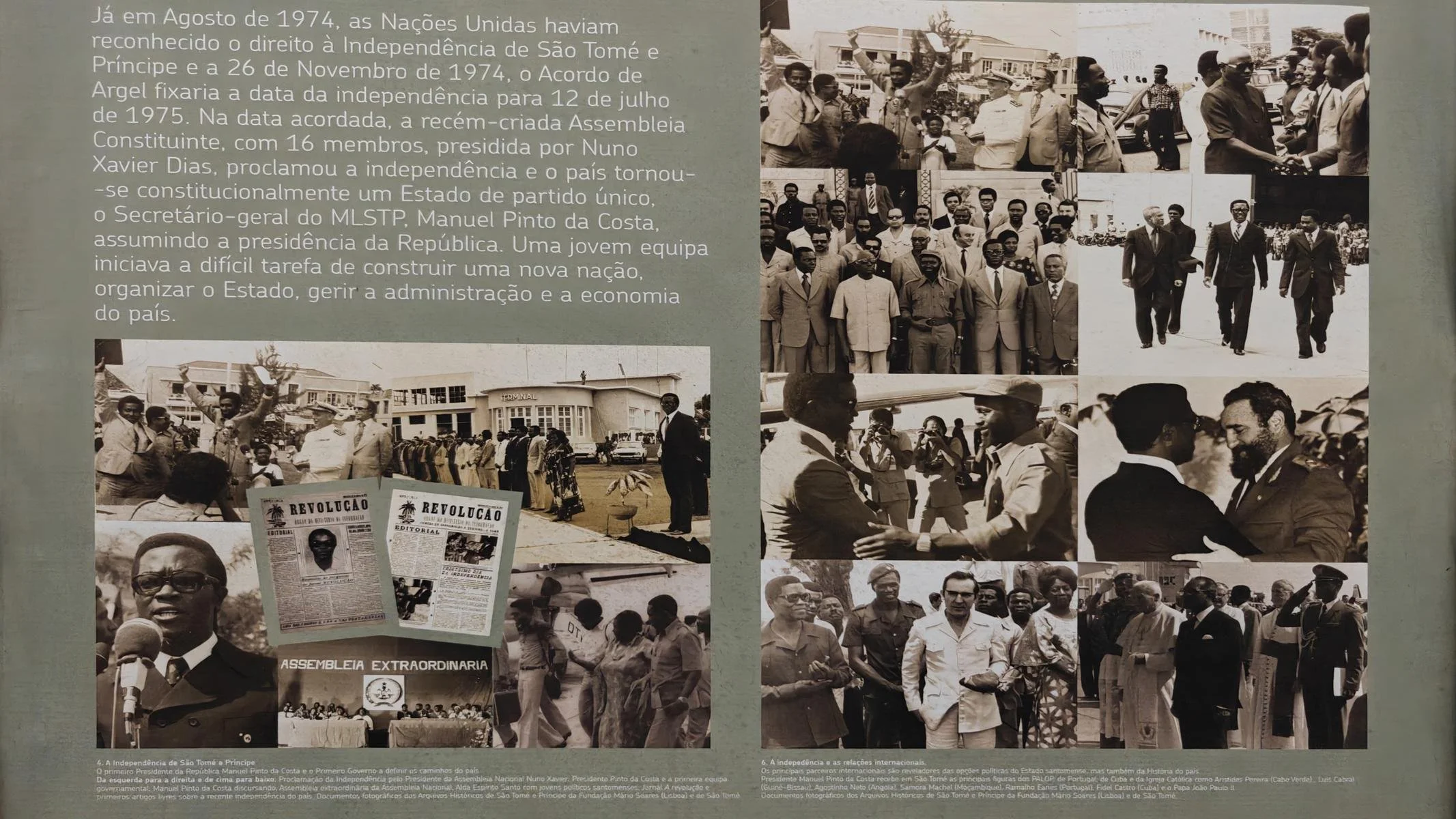
On July 12, 1975, São Tomé and Príncipe gained independence, and the MLSTP took power (one-party system). Almost all Portuguese nationals—and thus most of the skilled workforce—left the country. The attempt to continue operating the plantations (roças) as state-run enterprises failed and led to massive declines in production. In 1990, the former plantations were divided into small plots and distributed to local workers and farmers, many of whom now practice subsistence farming.
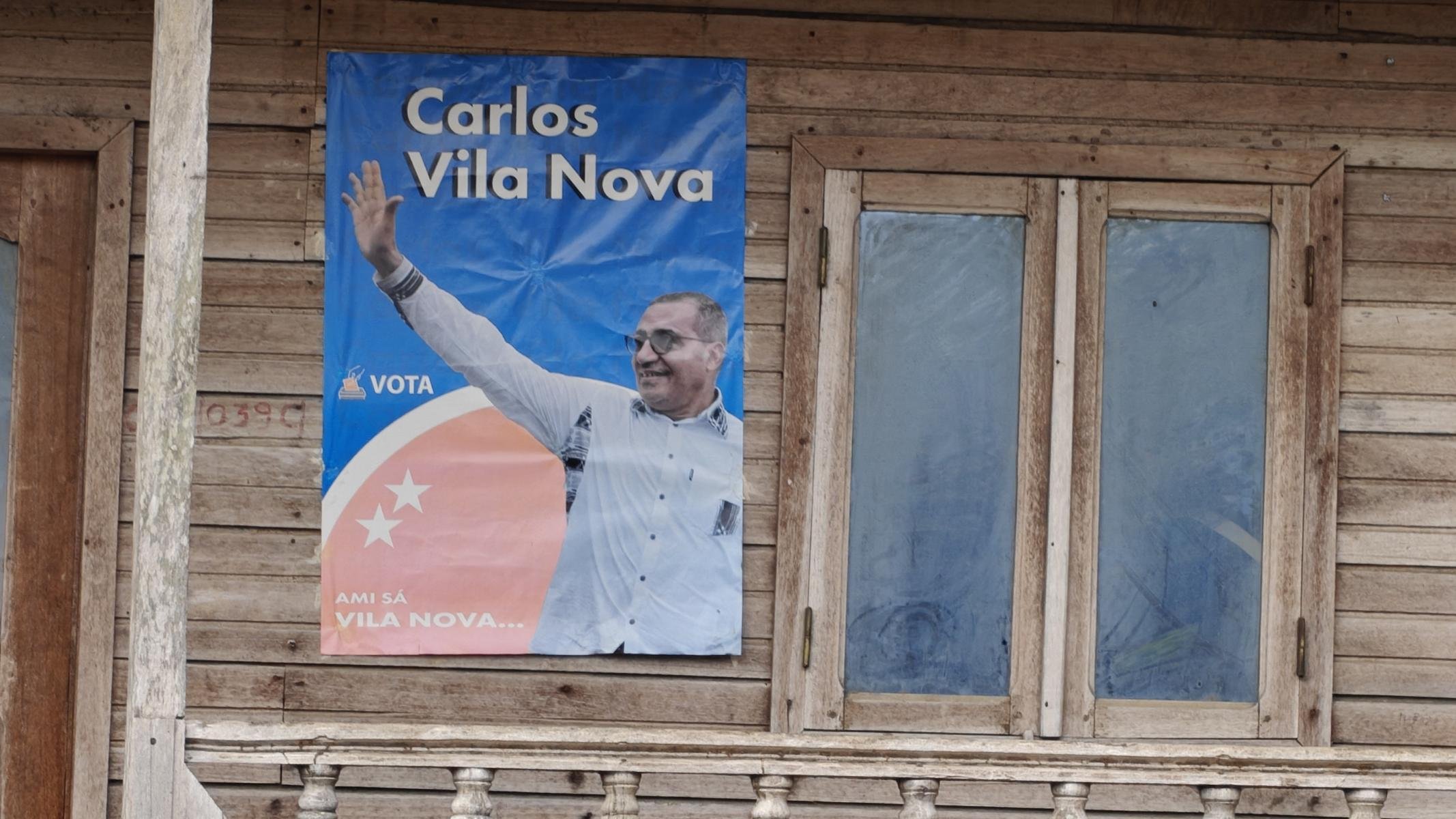
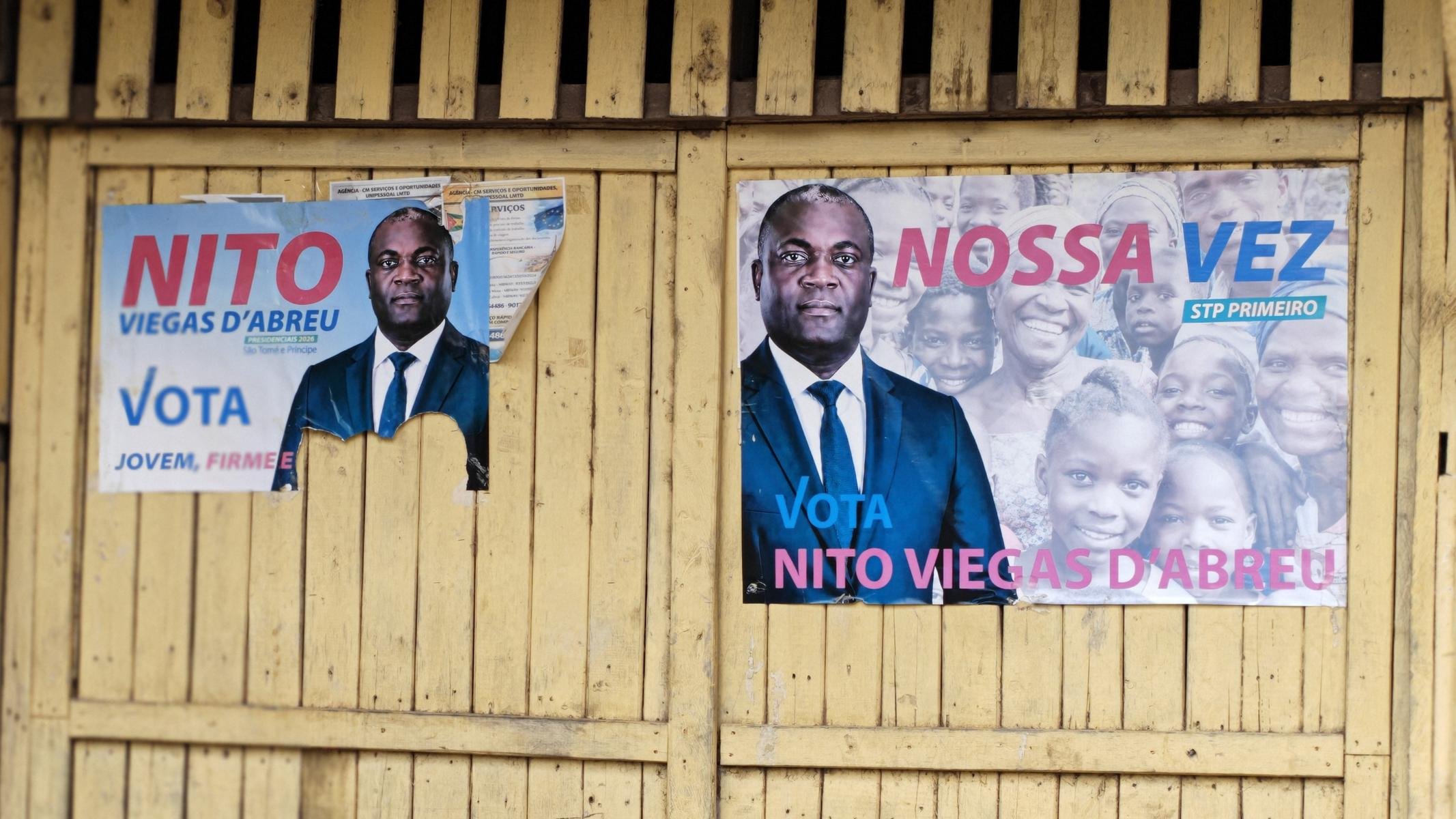
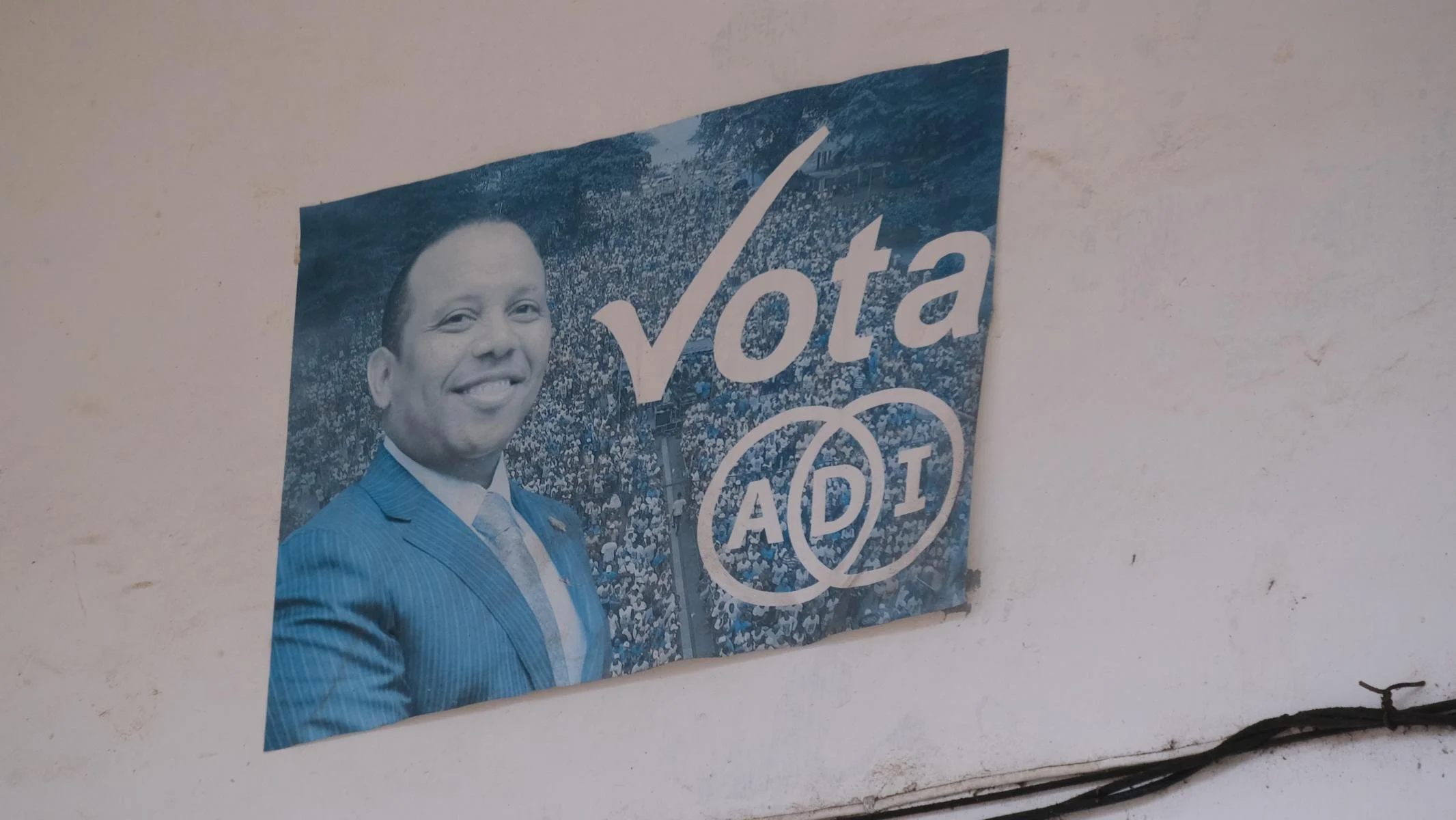
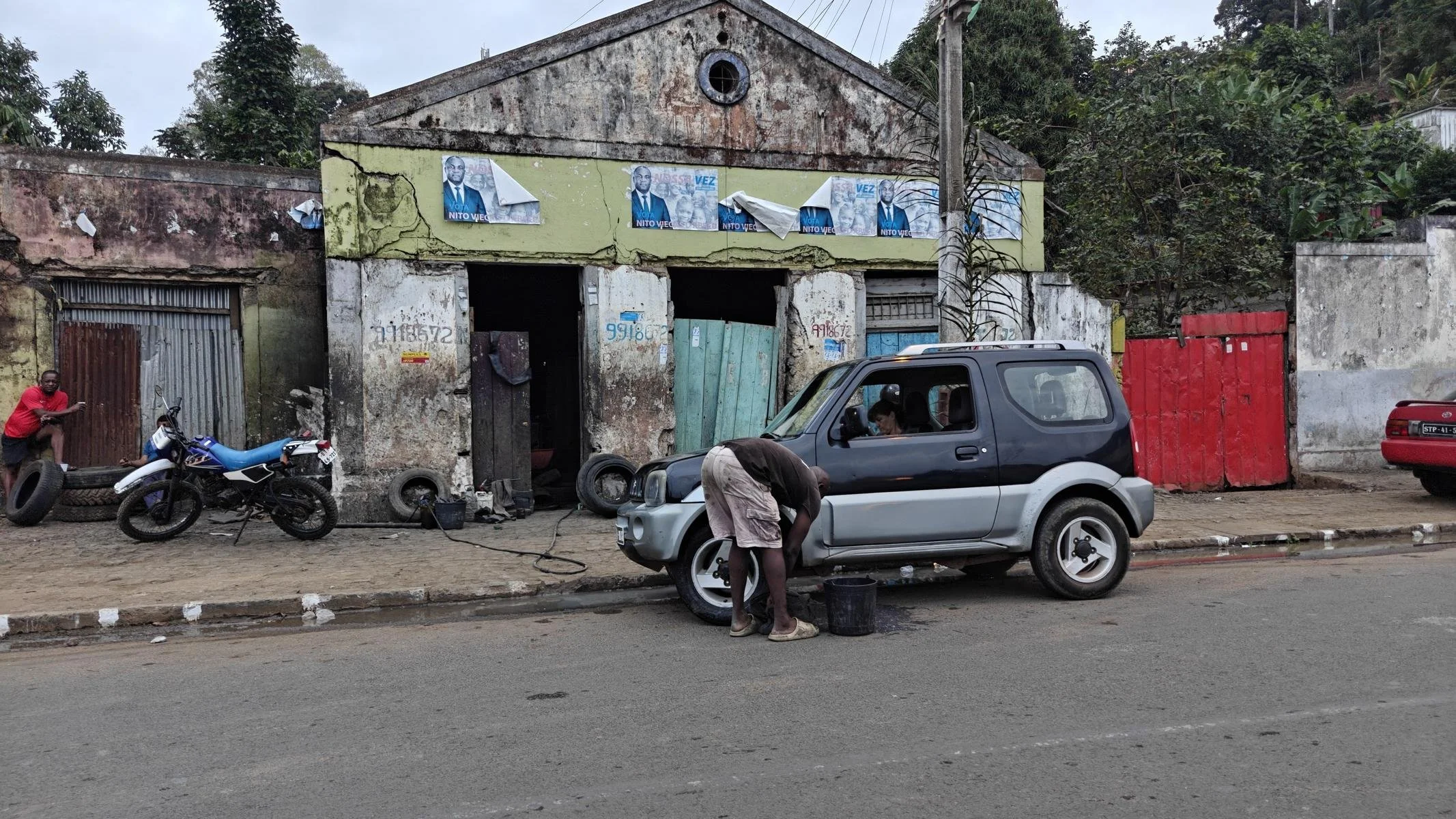
In the same year, the political system was transformed into a multiparty system. Since then, São Tomé and Príncipe has been considered the most politically stable country in the region, with democratic elections that have led to repeated peaceful transfers of power between center-left and center-right parties (see some election posters still hanging on the walls of houses).
XXXXXXXXXXXXXXXXXXXXXXXXXXXXXXXXXXXXXXXXXXXXXXXXXXXXXXXXXXXXXXXXXXXXXXXXXXXXXXXXXXX
Ein paar Infos zur Geschichte von São Tomé and Príncipe. Die beiden Inseln sind vulkanischen Ursprungs (vor ca 30 Mill. Jahren entstanden) und waren unbewohnt. 1470 entdeckten die beiden portugiesischen Seefahrern João de Santarém und Pêro Escobar die Inseln und nahmen sie für die portugiesische Krone in Besitz. Im 16. Jahrhundert erfuhren die beiden Inseln einen ersten wirtschaftlichen Aufschwung, da sich das feucht tropische Klima sehr gut für den Anbau von Zuckerrohr eignete.
Als Arbeitskräfte wurden circa 2.000 jüdische Kinder (sephardische Juden aus Spanien und Portugal) sowie zehntausende Sklaven aus Angola zwangsweise auf die Insel gebracht. Die unmenschlichen Arbeitsbedingungen, unter denen die Sklaven schuften mussten, führten immer wieder zu Aufständen (zB. unter Amador Vieira im Jahr 1595) die aber allesamt von der portugiesischen Kolonialmacht niedergeschlagen wurden.
Eine zweite wirtschaftliche Blüte erlebten die Inseln im 19. und am Beginn des 20. Jahrhunderts durch den Kaffee und Kakao Anbau. São Tomé und Príncipe wurden die Kakao Hauptproduzenten der Welt. Aus dieser Zeit stammen die prachtvollen Plantagen Gebäude. Das Territorium der beiden Inseln zerfiel in etwa 200 große Plantagen (Roças, siehe drittes Bild). Nach Abschaffung der Sklaverei (1876) wurde eine Form der Zwangsarbeit weitergeführt, die im 20. Jh. immer wieder zu Arbeitskonflikten führte.
Ab den späten 1950er Jahren formierte sich auch in São Tomé und Príncipe eine Unabhängigkeitsbewegung (Movimento de Libertação de São Tomé e Príncipe / MLSTP), die sich am Wirtschaftsmodell der Sowjetunion orientierte. Anders als in den übrigen portugiesischen Kolonien war der Widerstand jedoch nur politisch und nicht bewaffnet.
Am 12 Juli 1975 erlangte São Tomé und Príncipe die Unabhängigkeit und die MLSTP übernahm die Macht (Ein-Parteien-System). Fast alle Portugiesen und somit die meisten qualifizierten Fachkräfte verließen das Land. Der Versuch, die Plantagen / Roças als Staatsbetriebe weiterzuführen scheiterte und führte zu massiven Produktionseinbrüchen. 1990 wurden die ehemaligen Plantagen in Kleinparzellen aufgeteilt und an lokale Arbeiter / Bauern vergeben, von den heute viele Subsistenzwirtschaft betreiben.
Im selben Jahr wurde das politische System in ein Mehr-Parteien-System umgebaut. Seither gilt São Tomé und Príncipe als politisch stabilstes Land der Region mit demokratischen Wahlen, die zu wiederholten friedlichen Machtwechsel zwischen Mit-Links und Mitte-Rechts Parteien führten (siehe dazu einige Wahlplakate, die noch an den Hauswänden hingen).
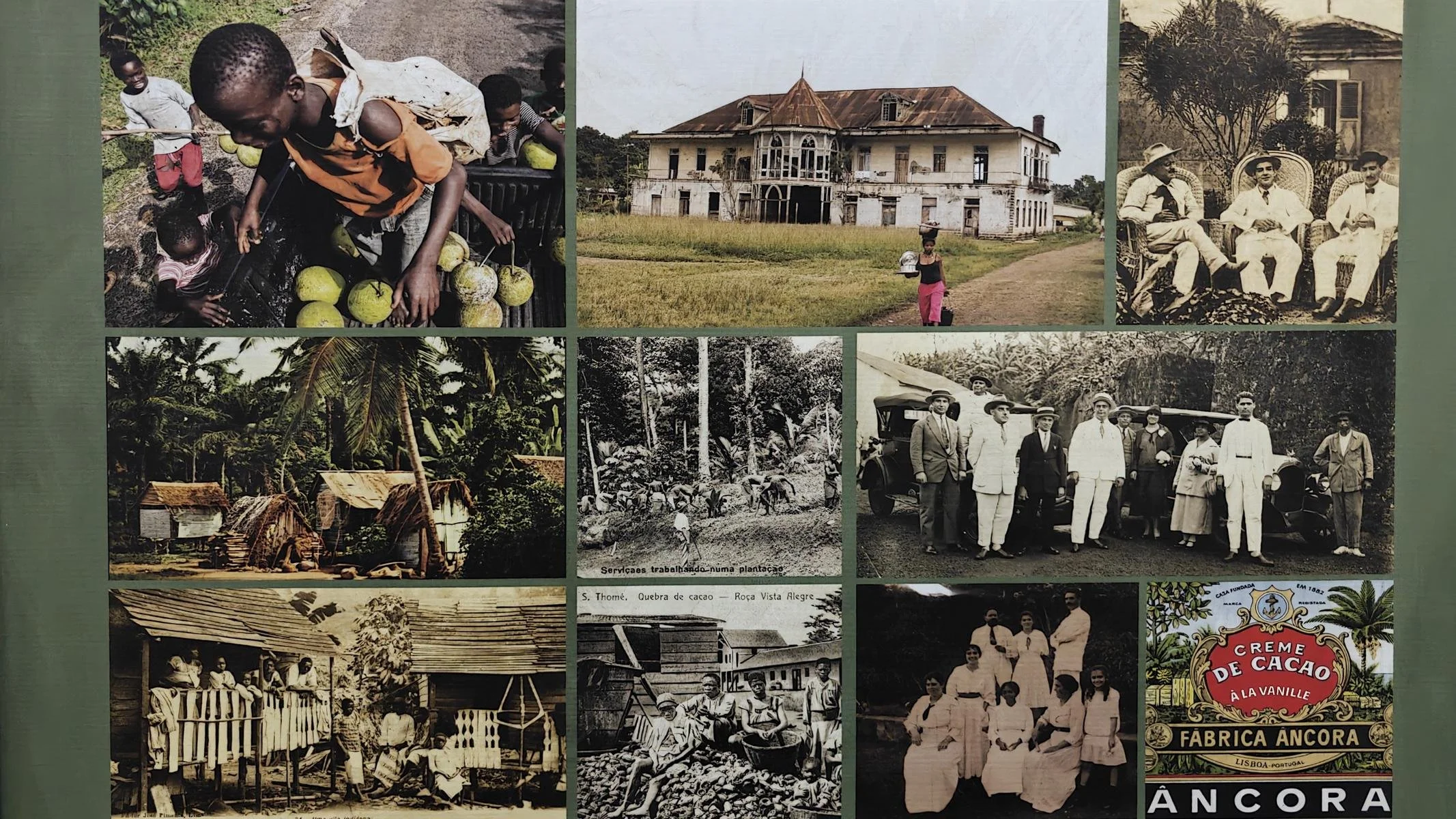
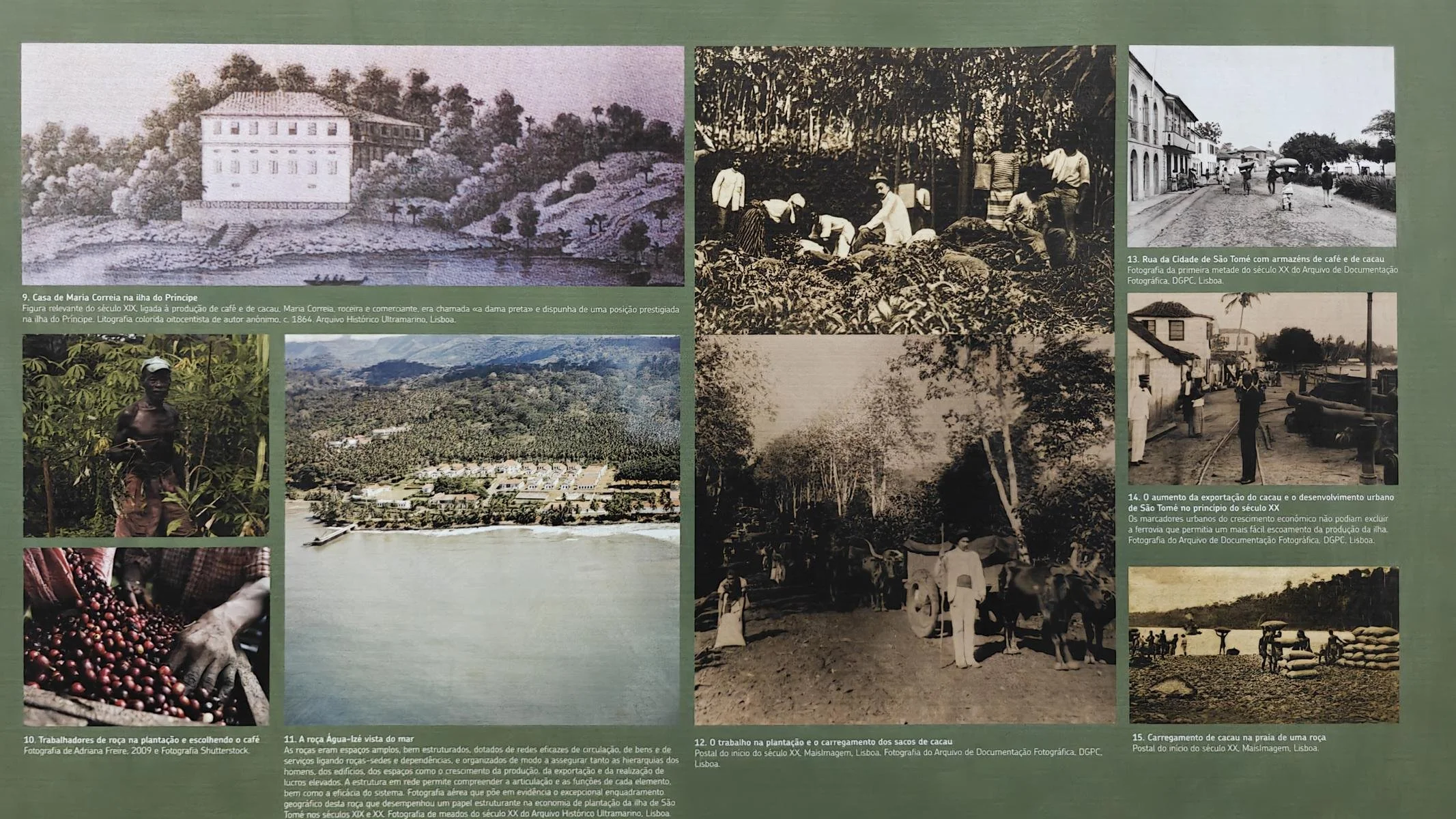
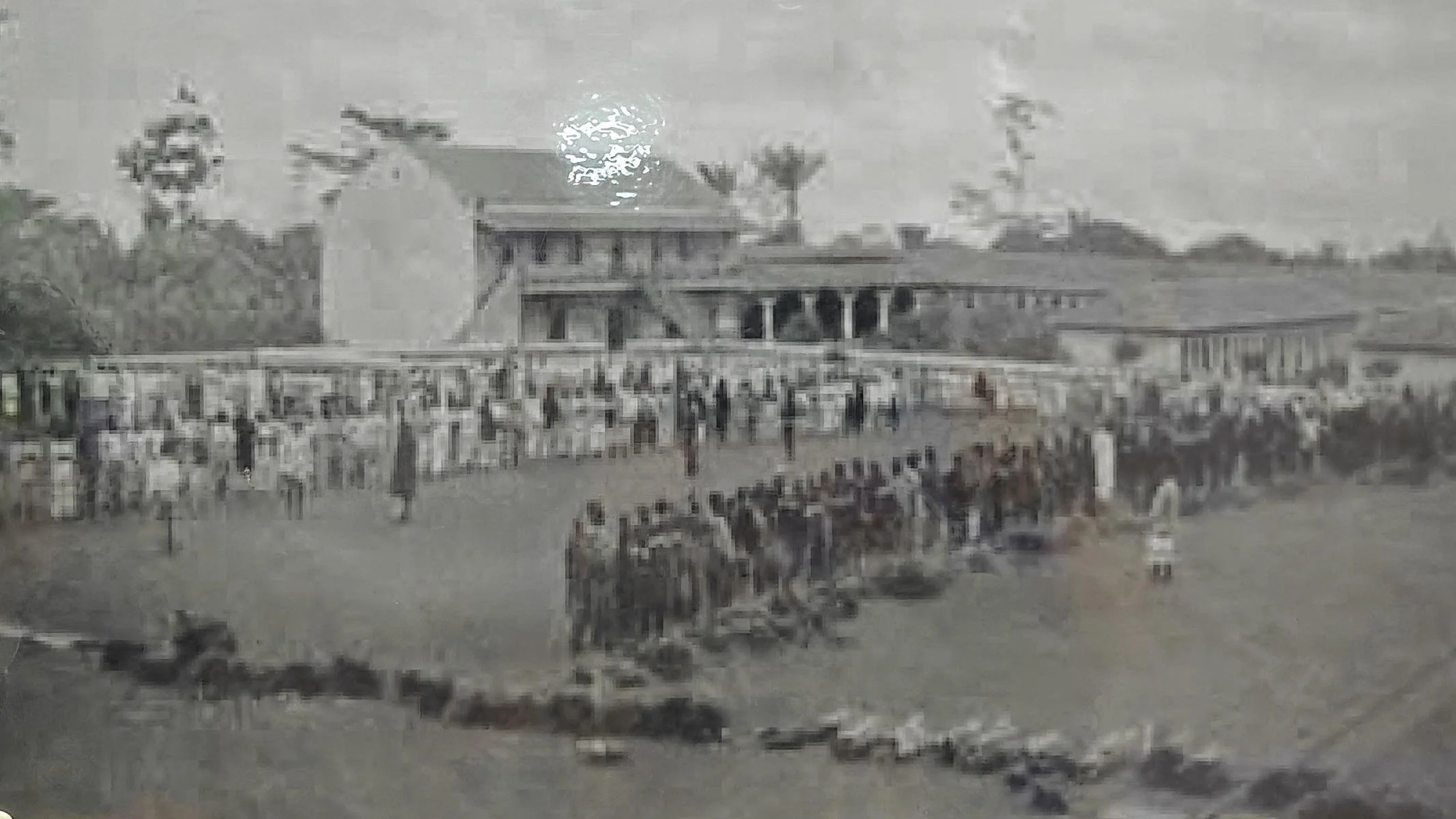
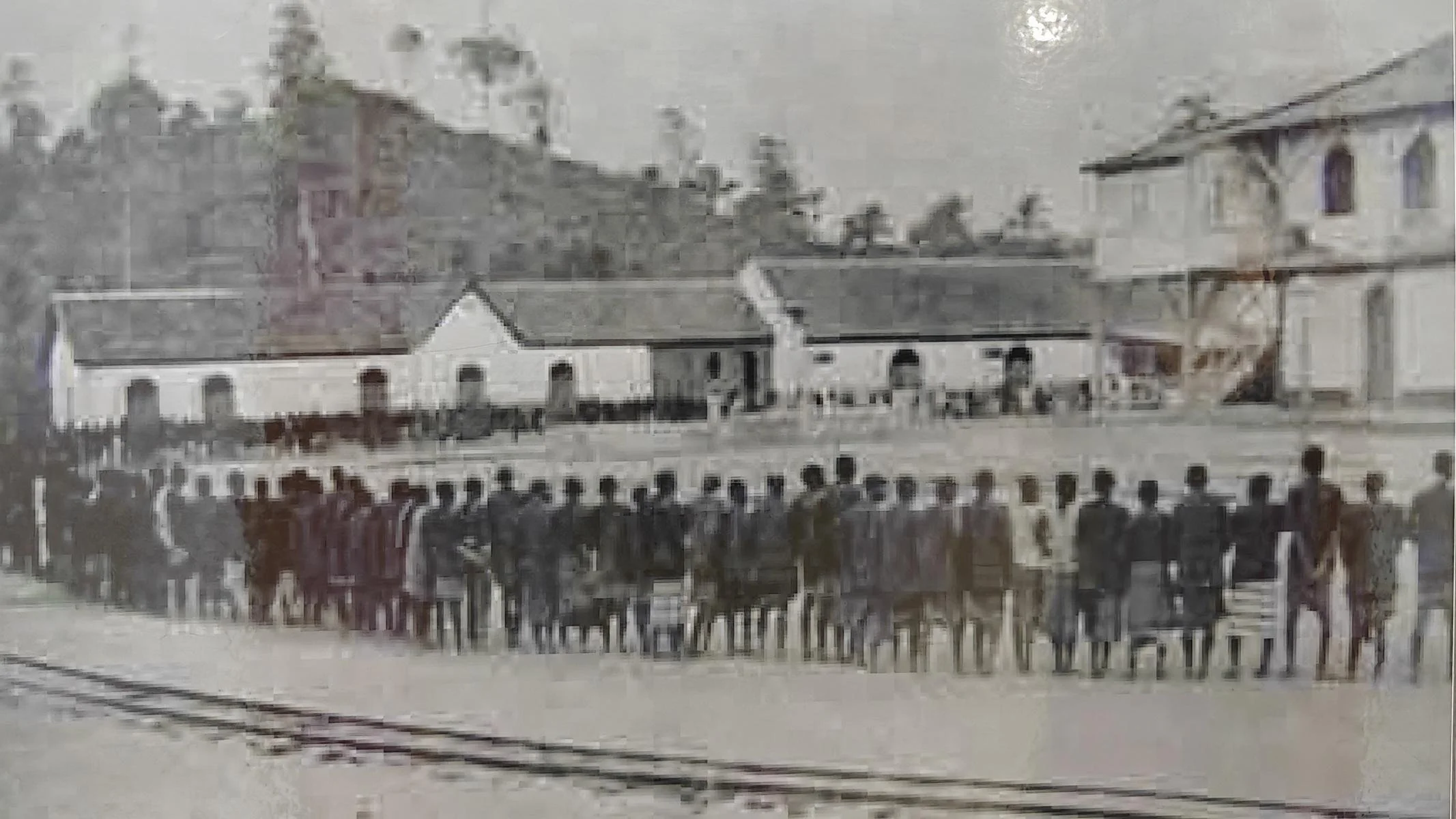
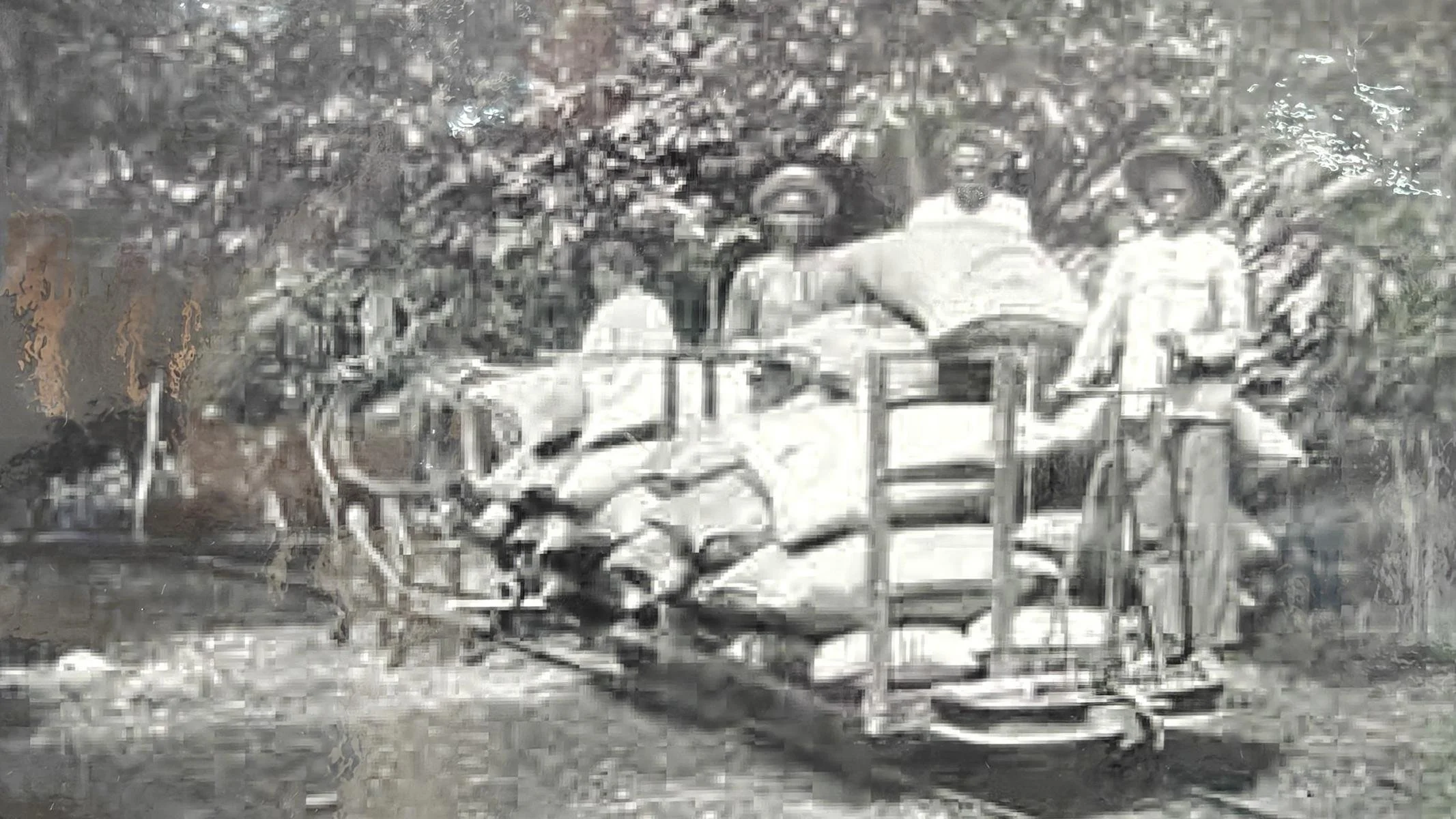
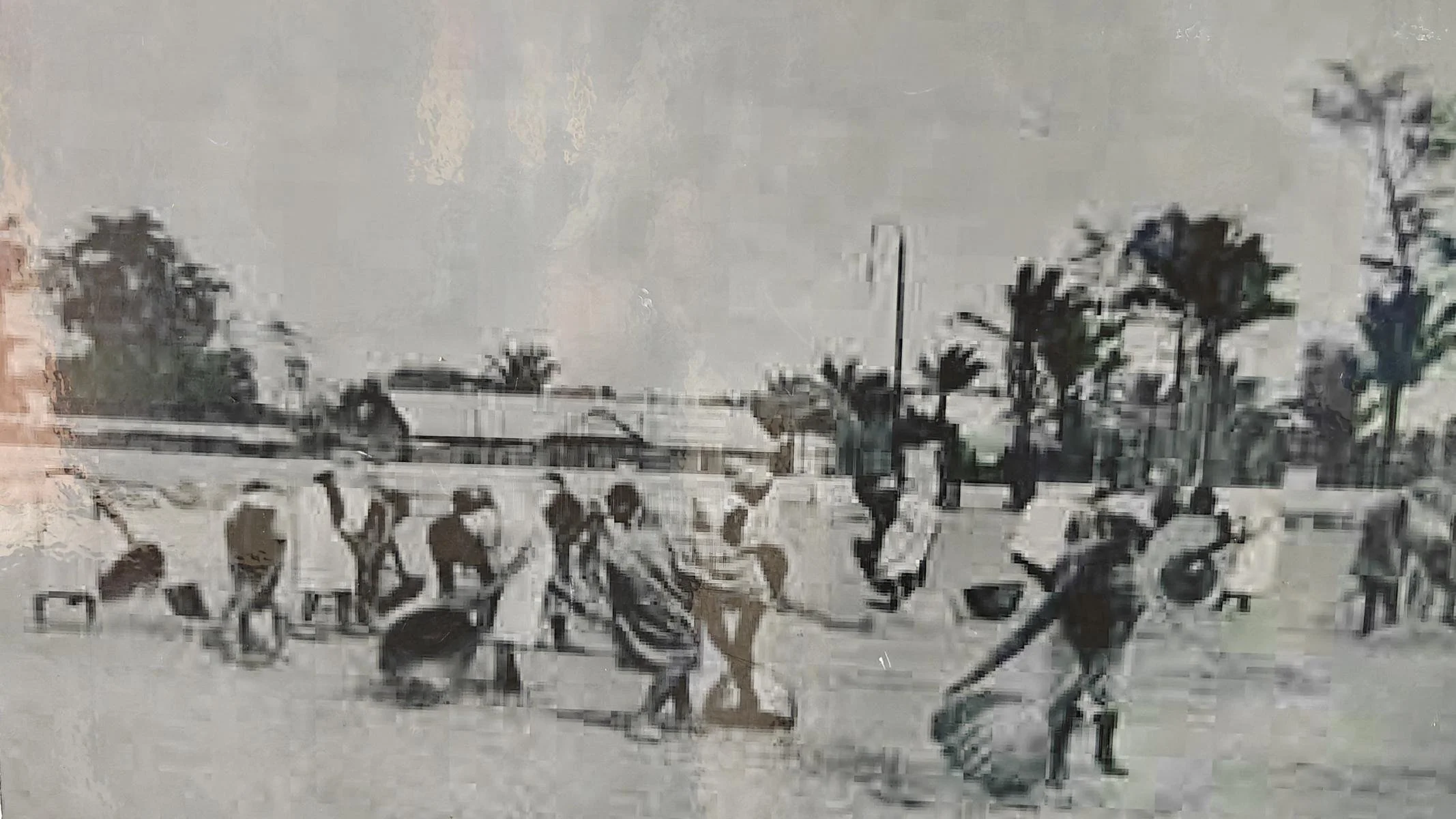
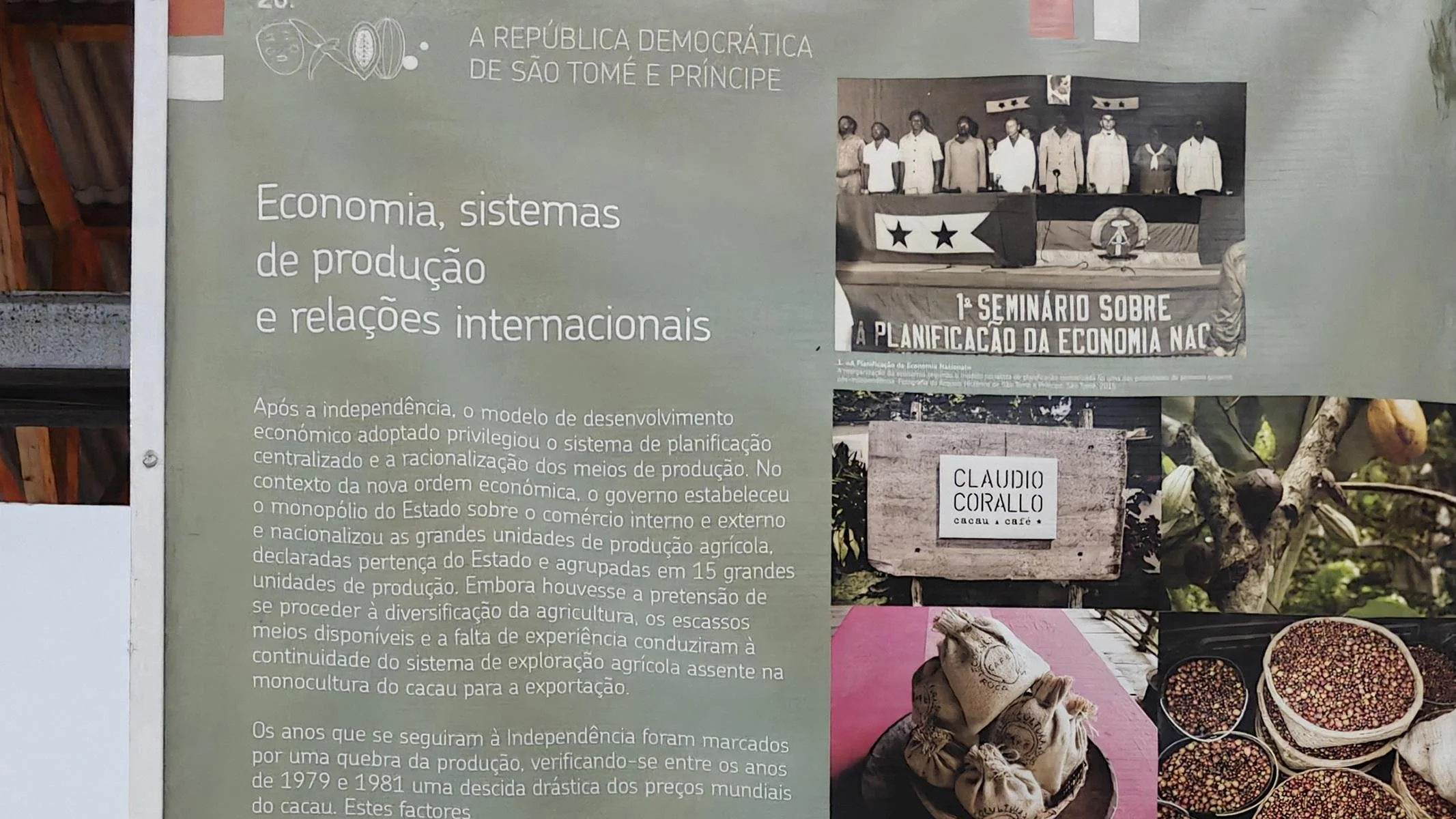
While Côte d’Ivoire and Ghana are currently the largest cocoa producers, there are several international companies in São Tomé and Príncipe that have revived a handful of old roças and produce high-quality cocoa as a niche product, available only in specialty stores. We visited two of them: Diogo Vaz and Claudio Corallo.
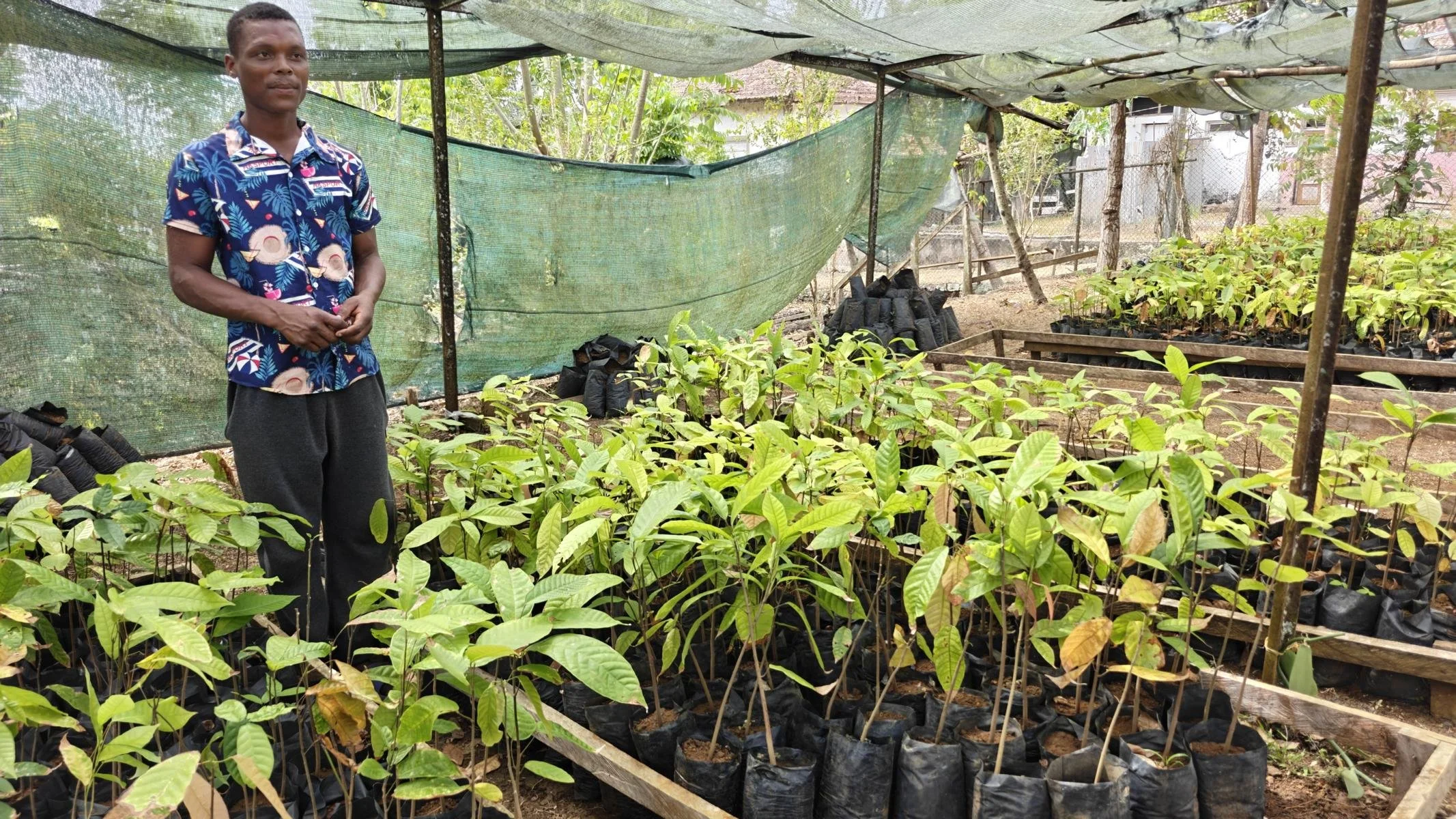
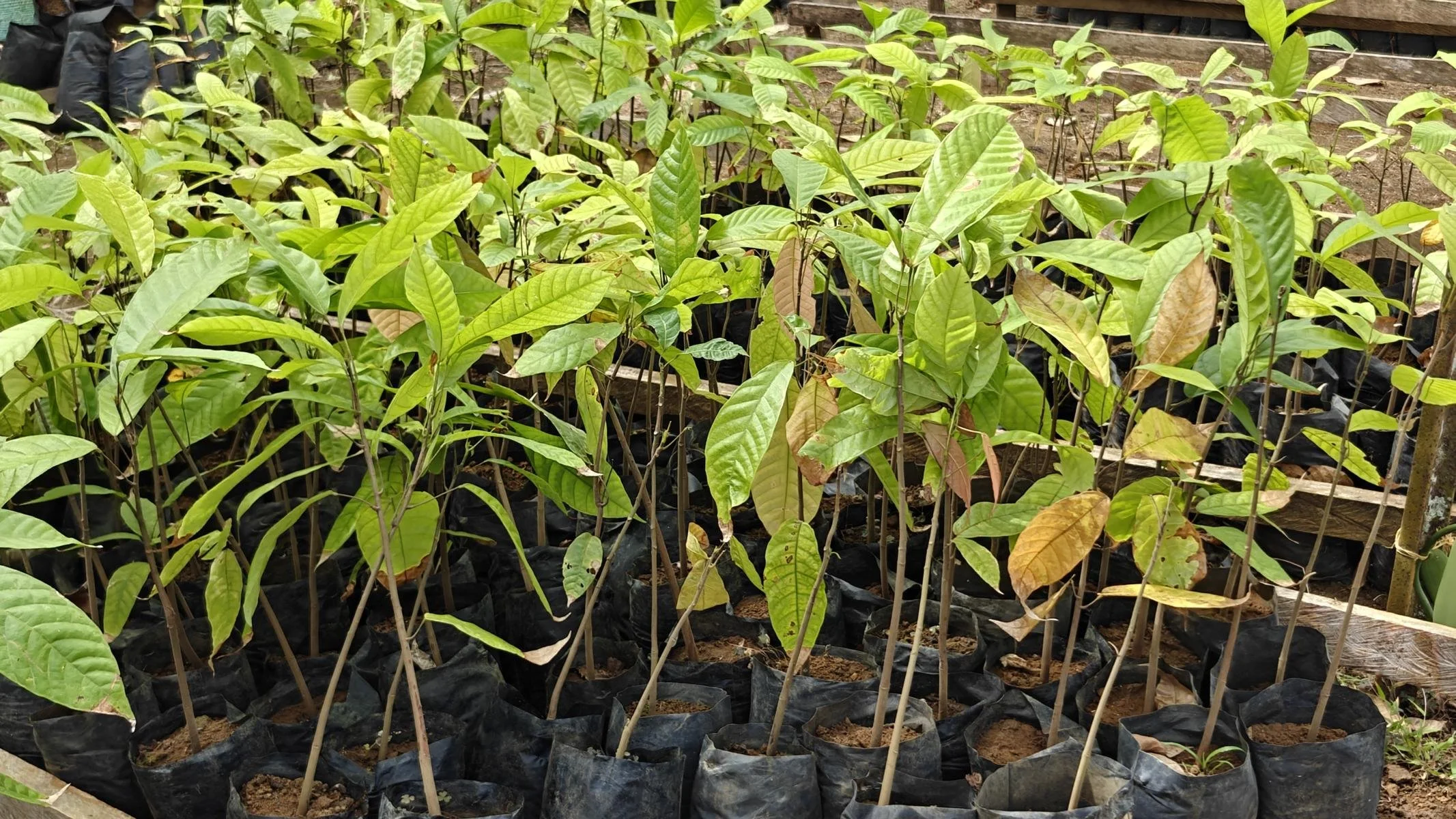
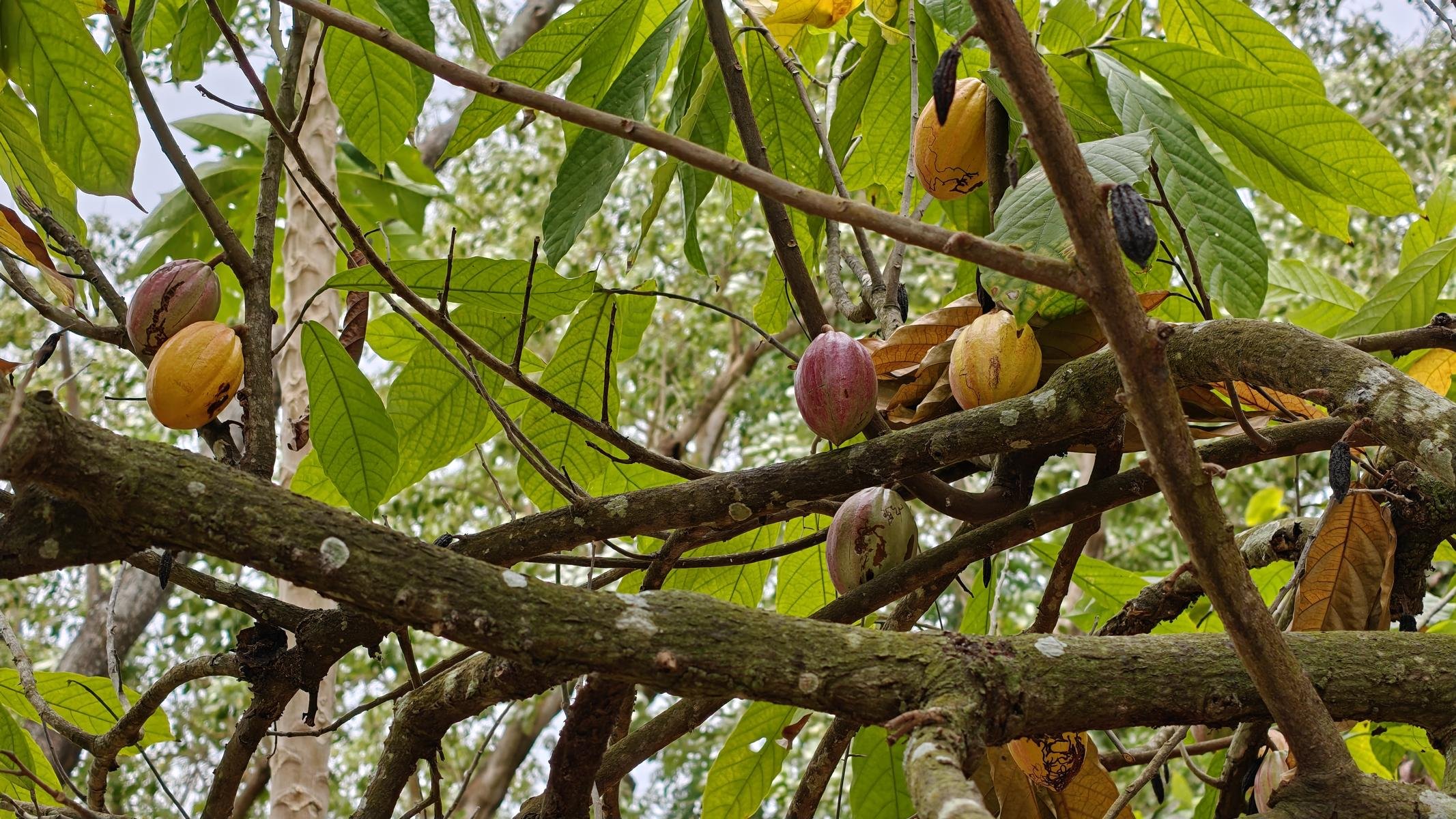
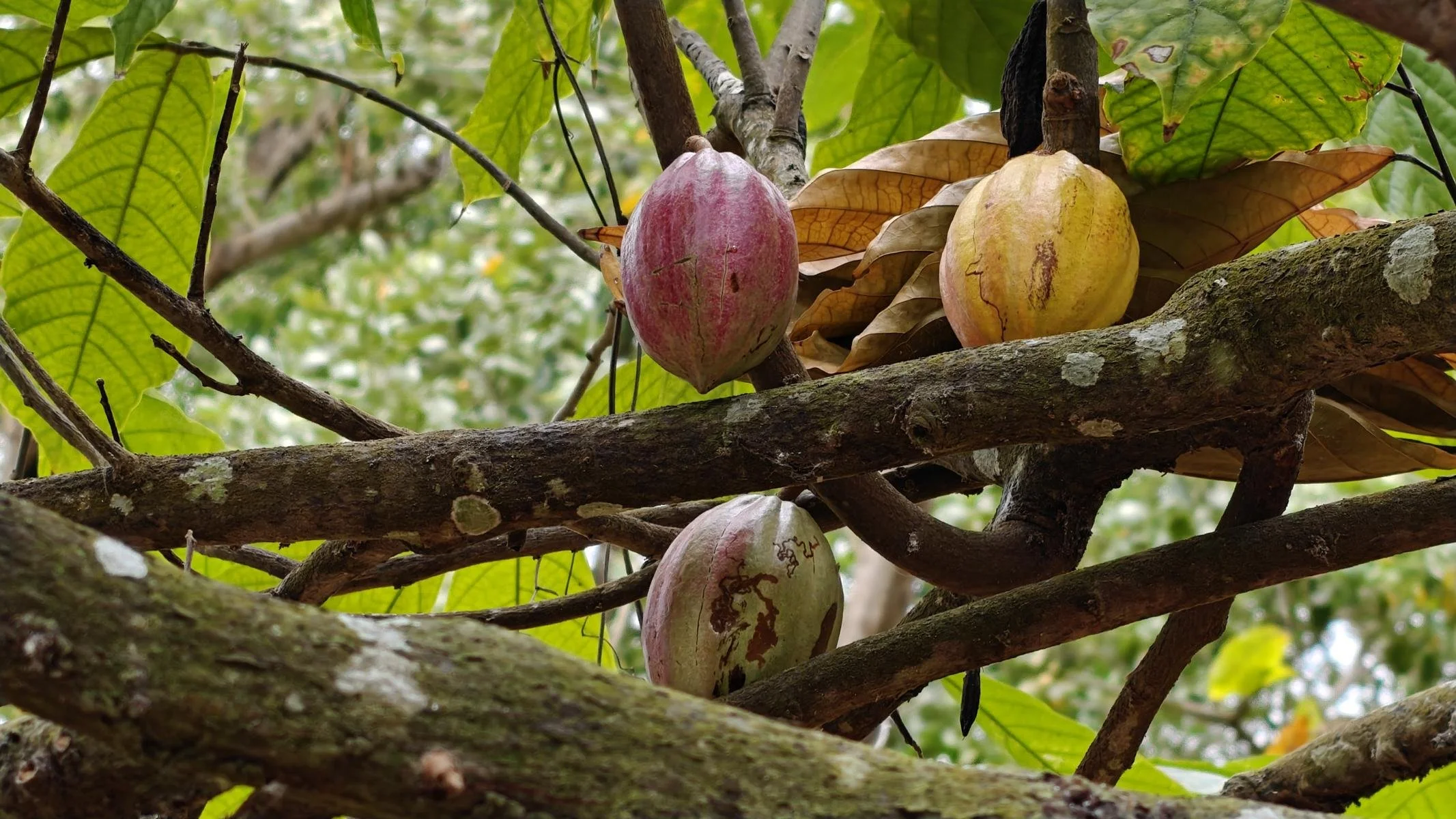
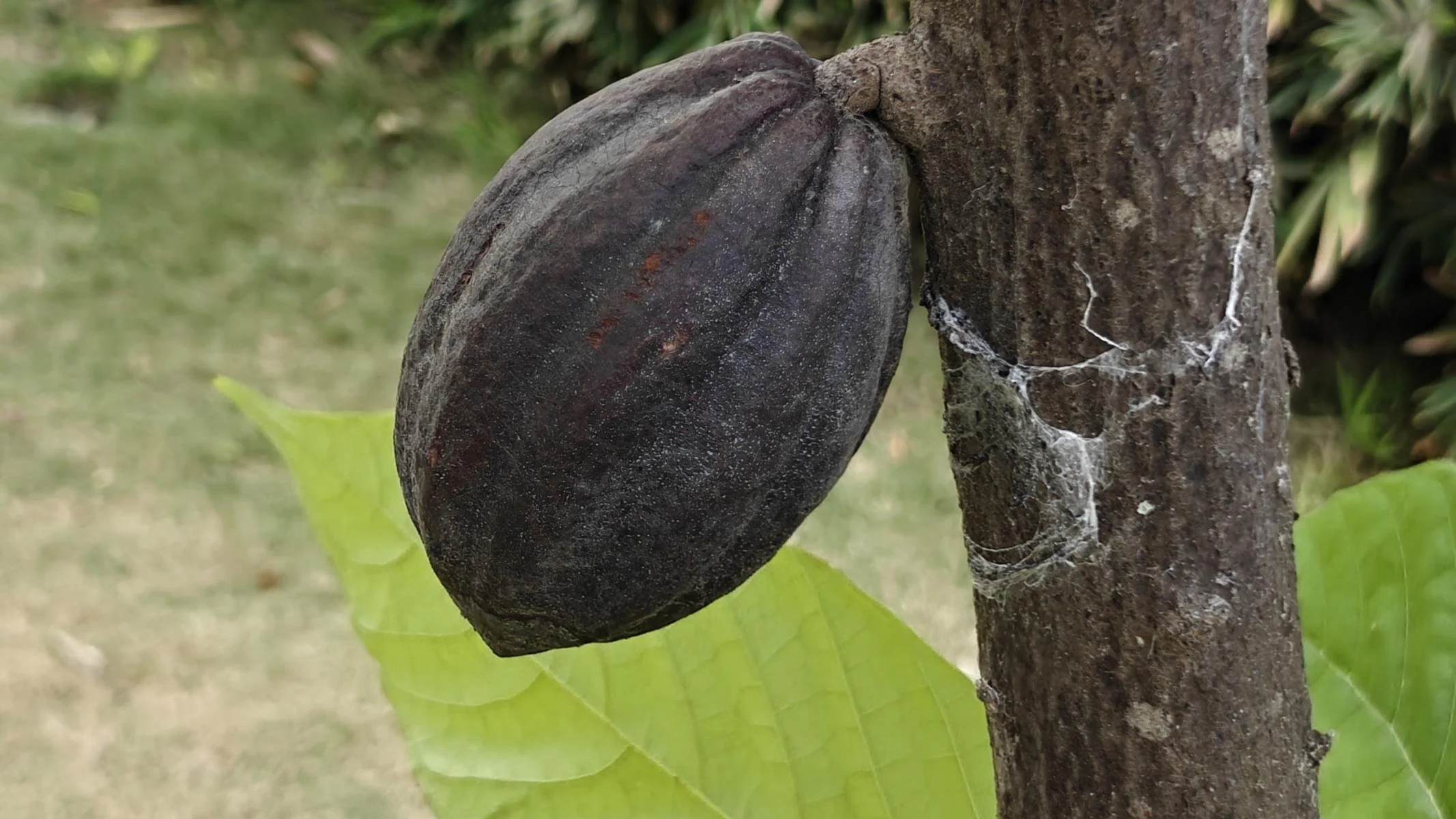
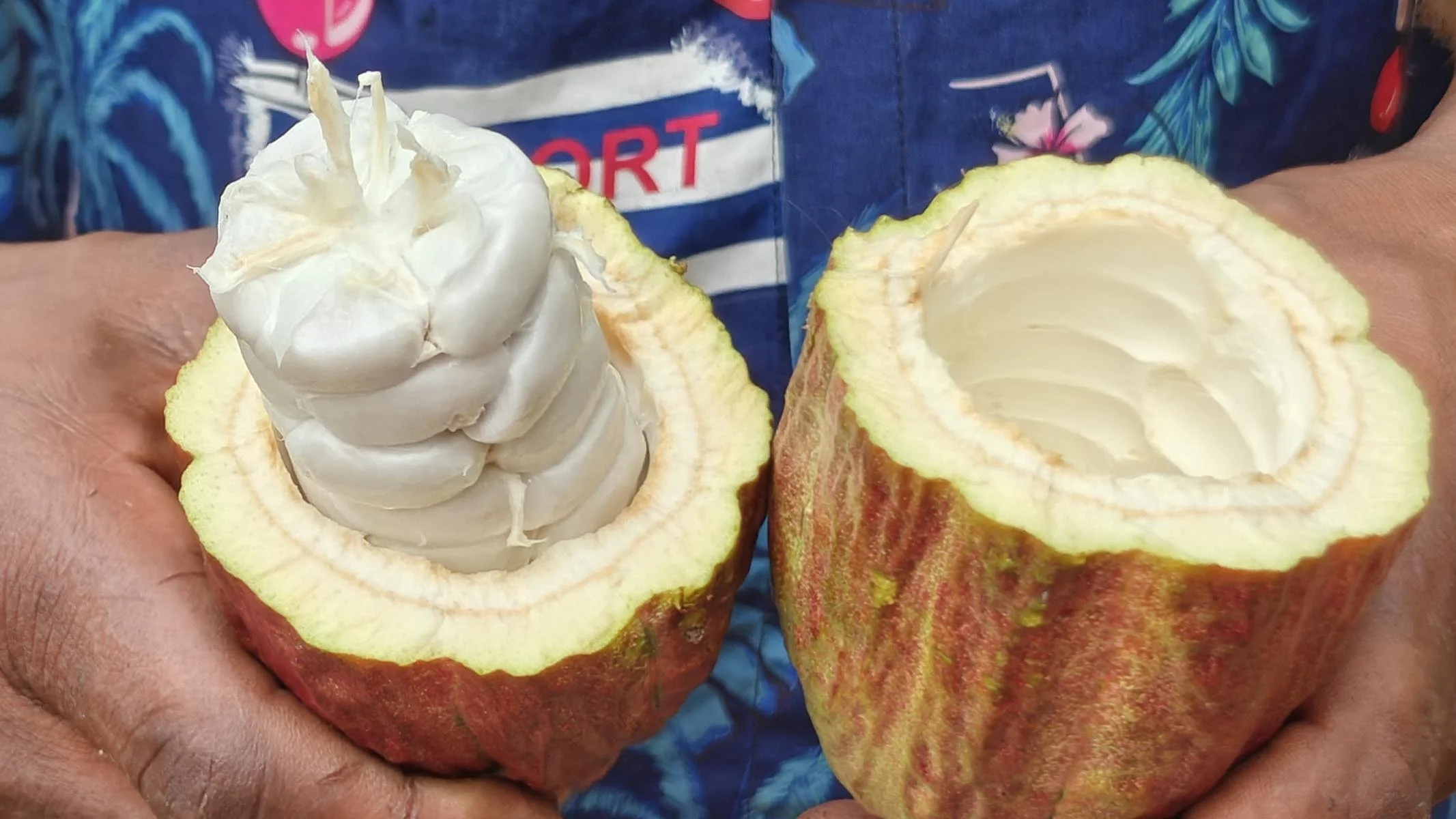
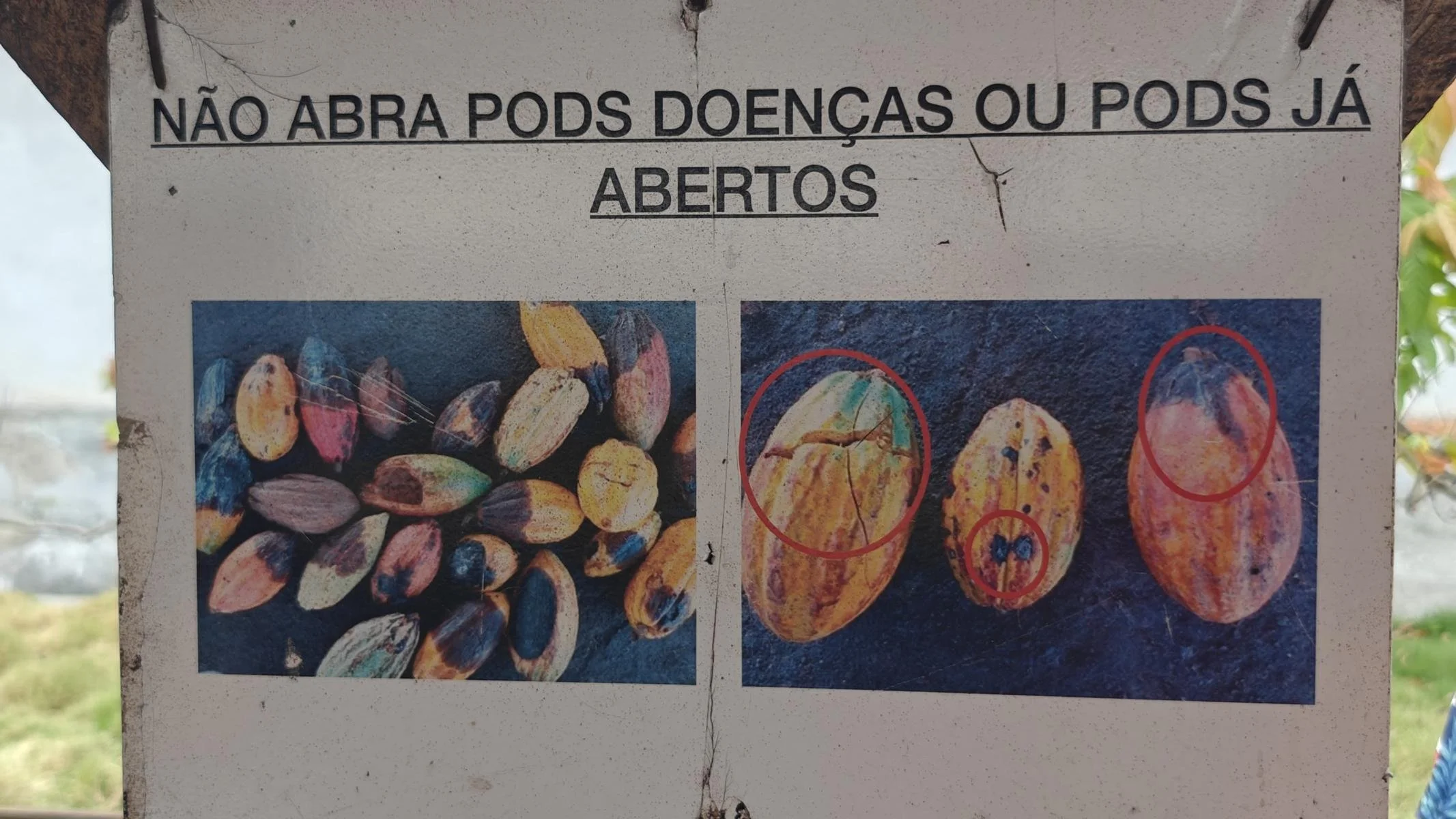
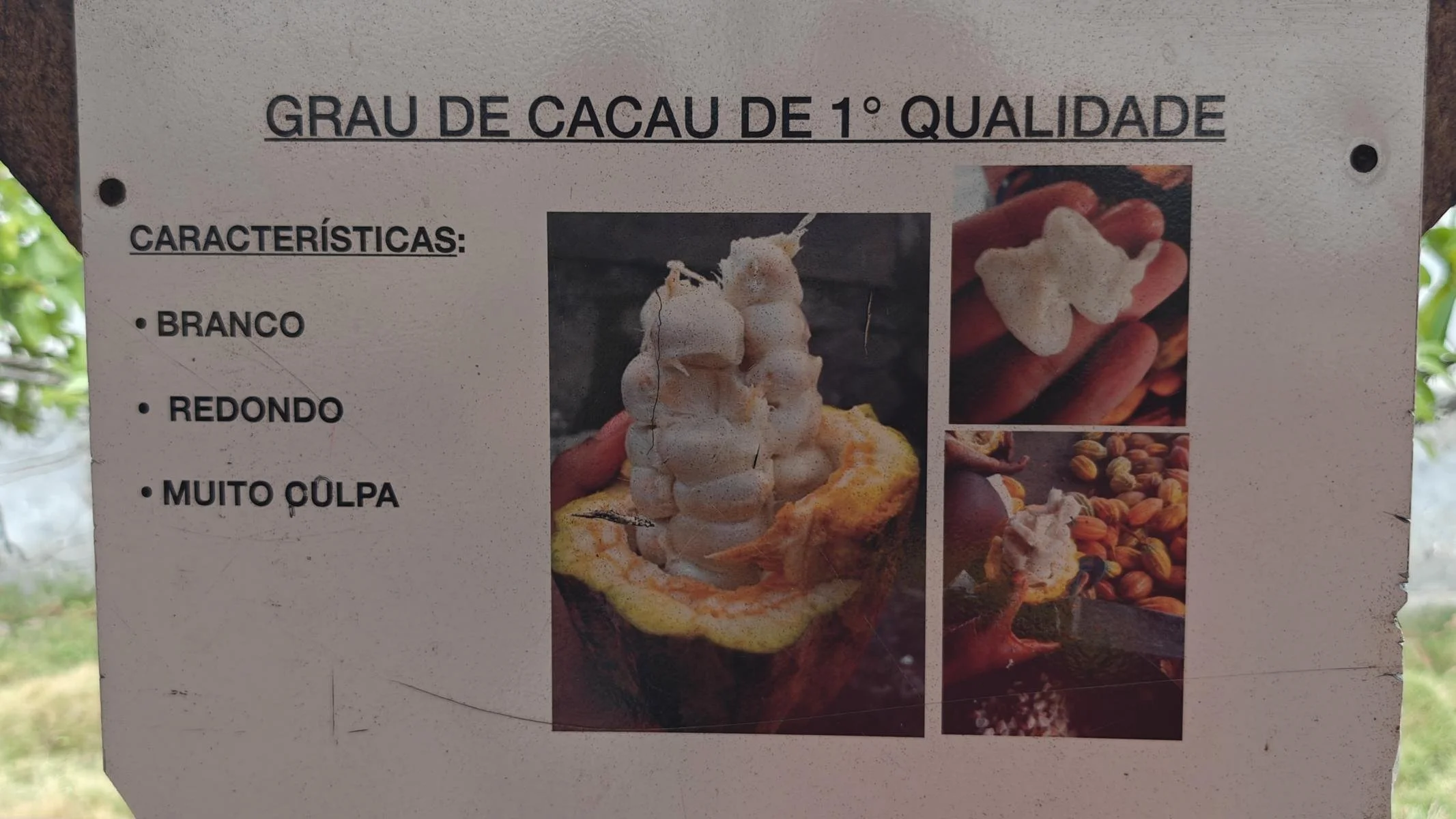
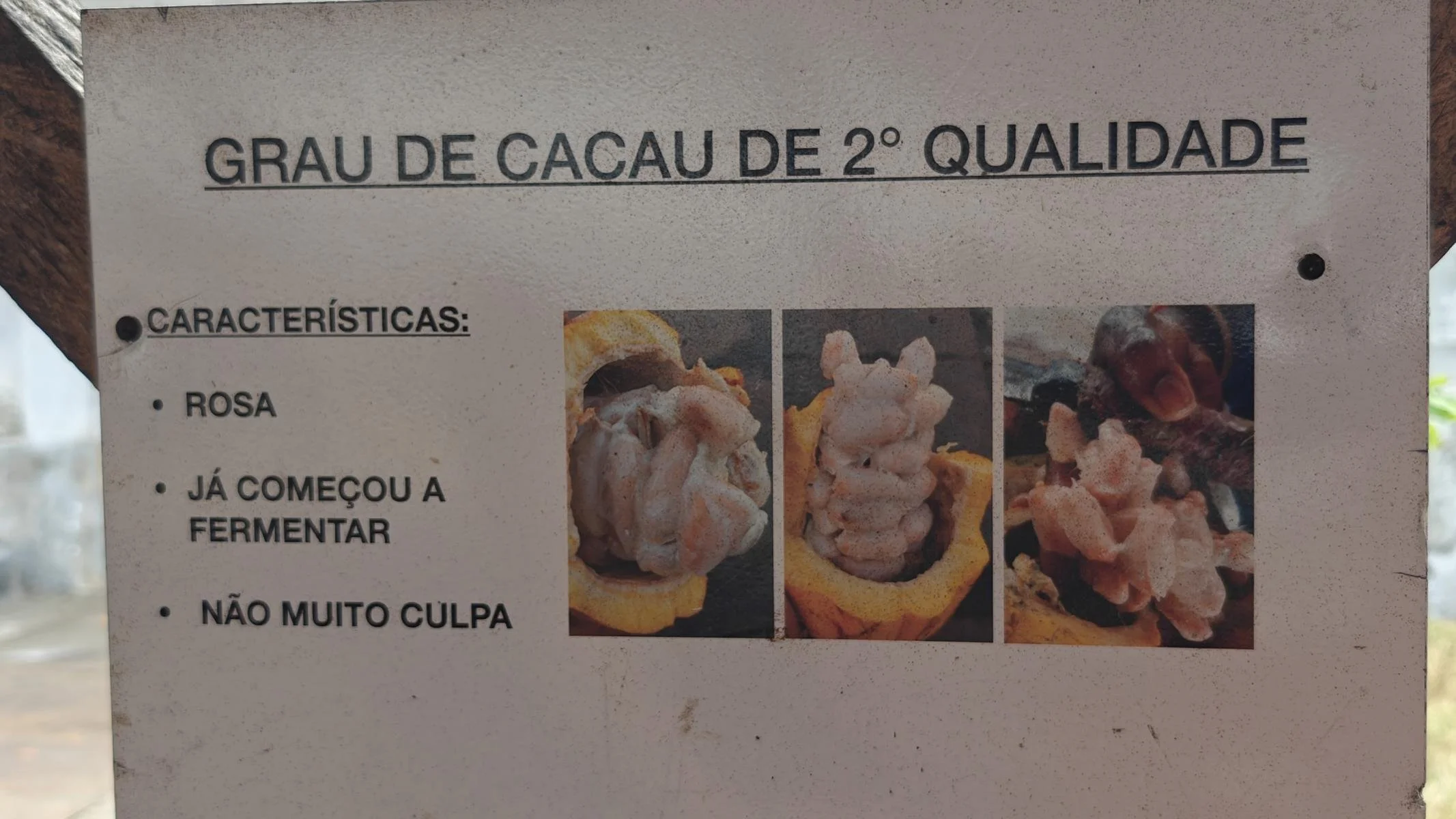
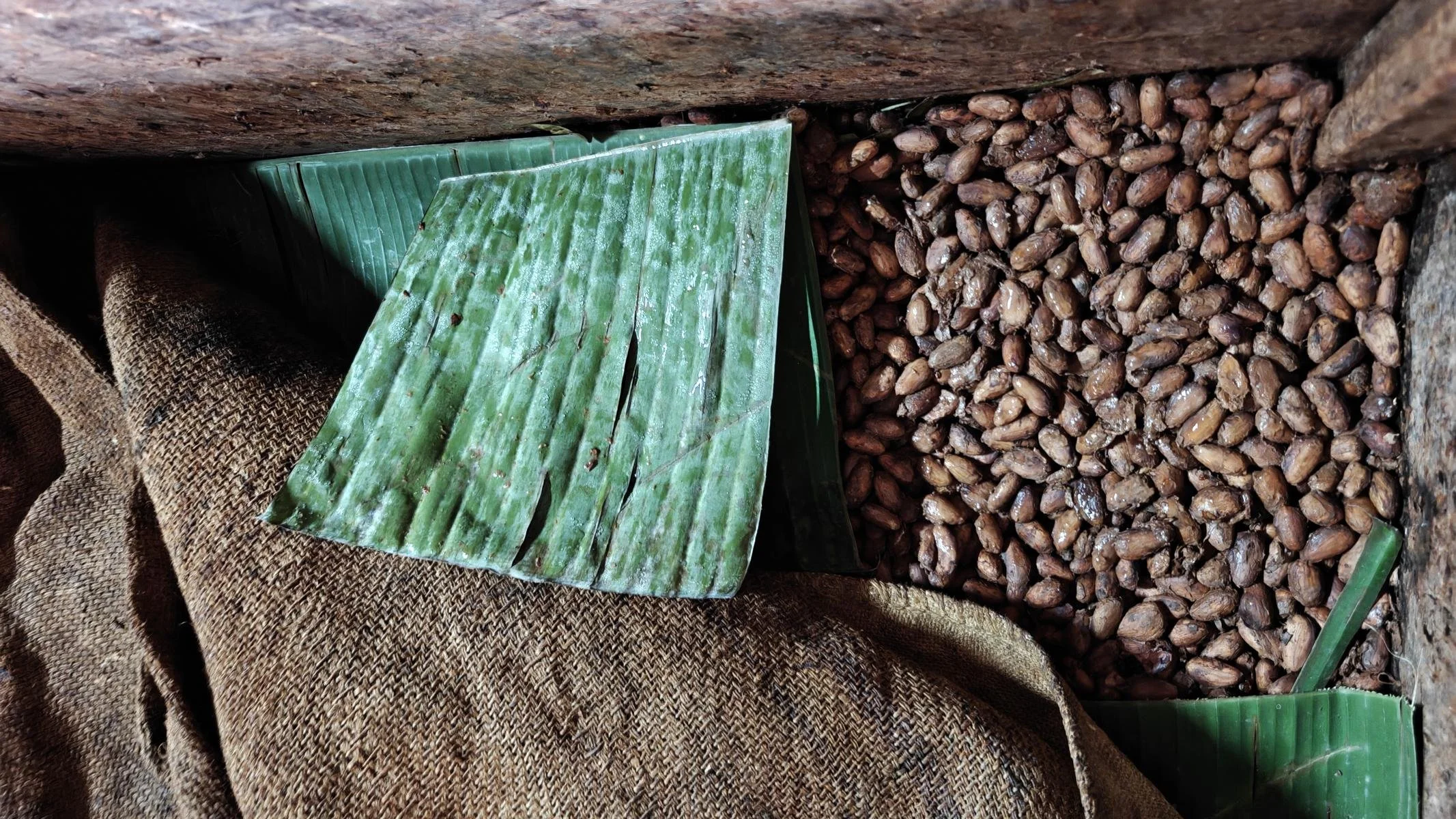
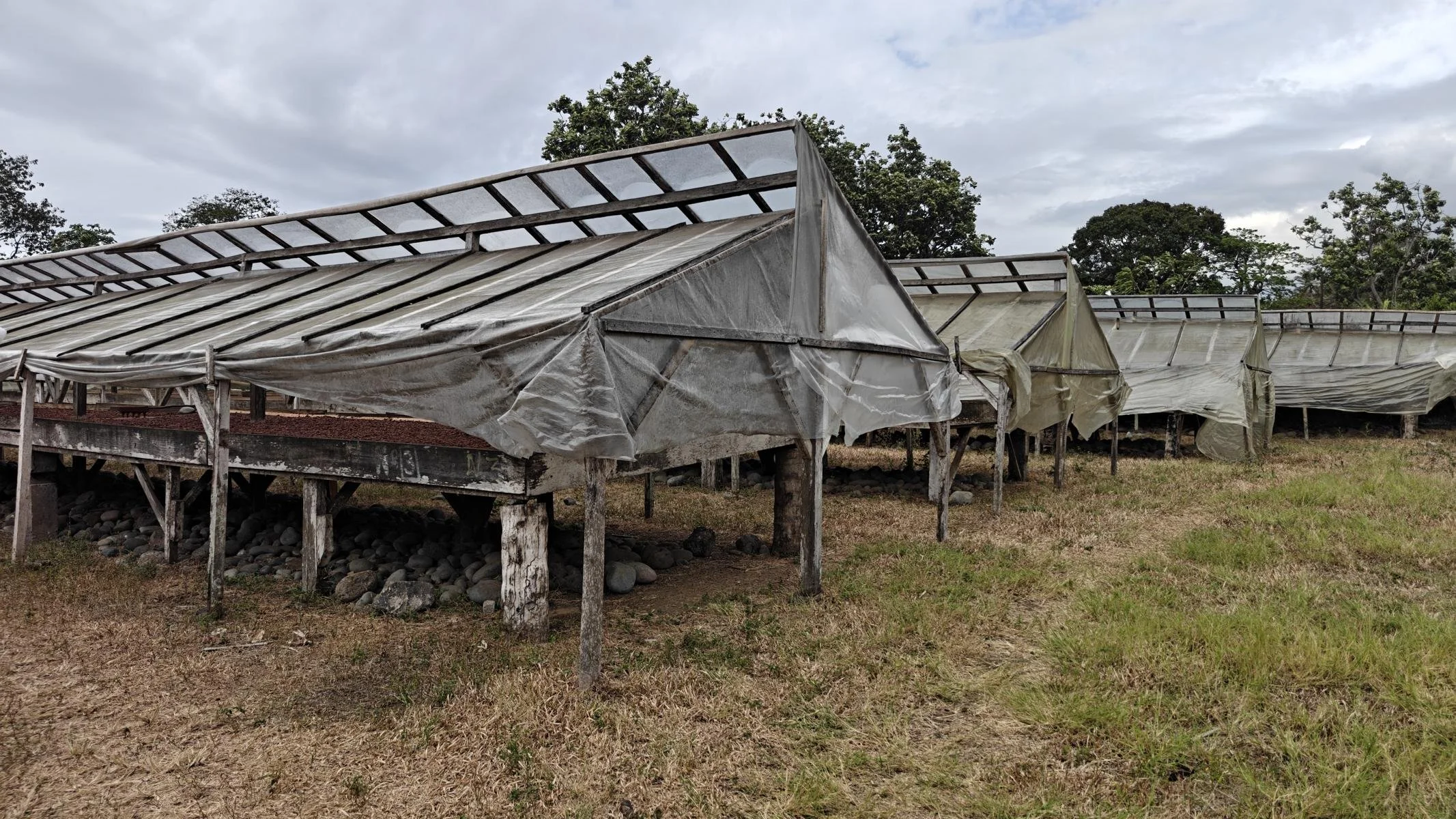
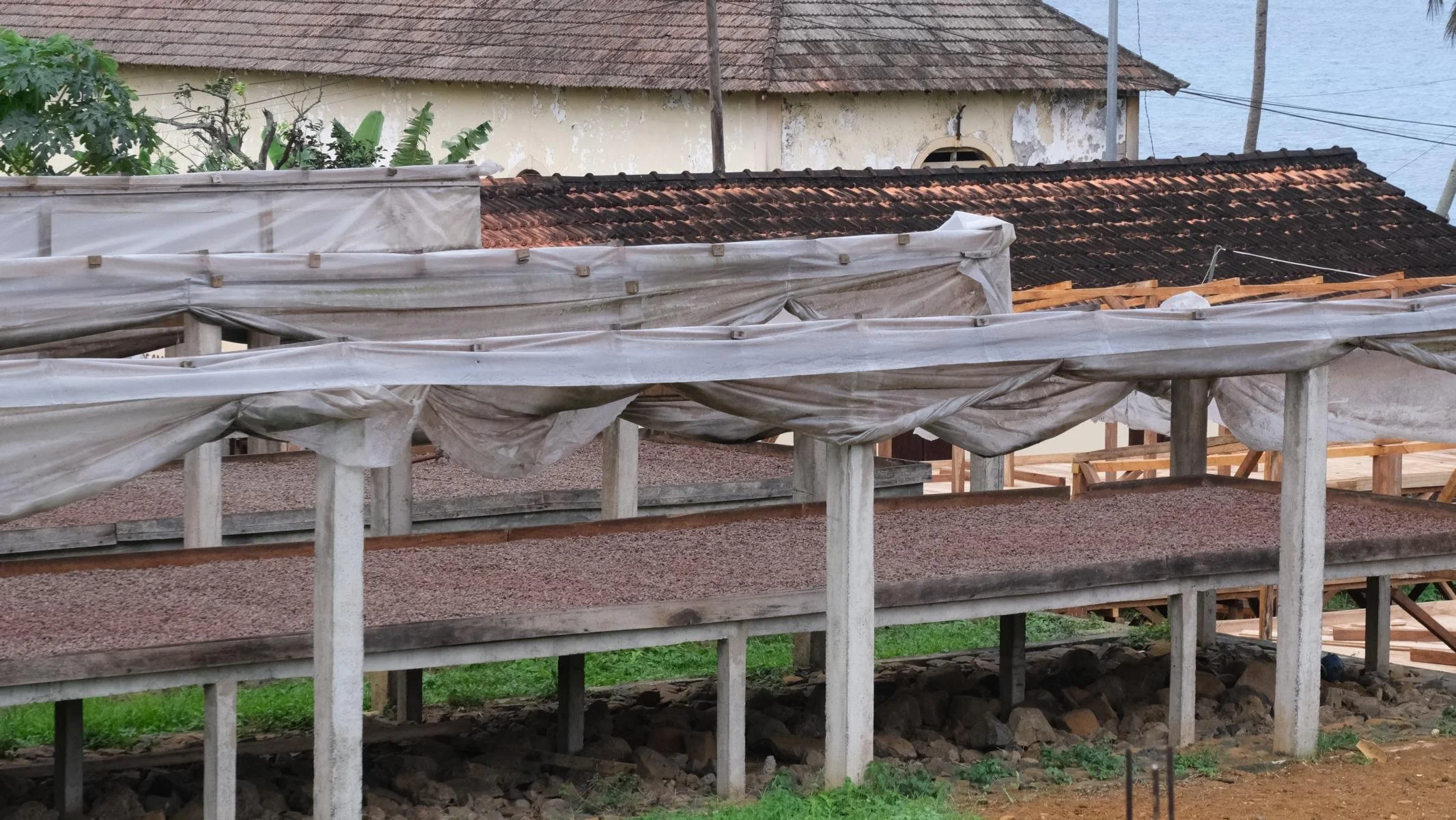
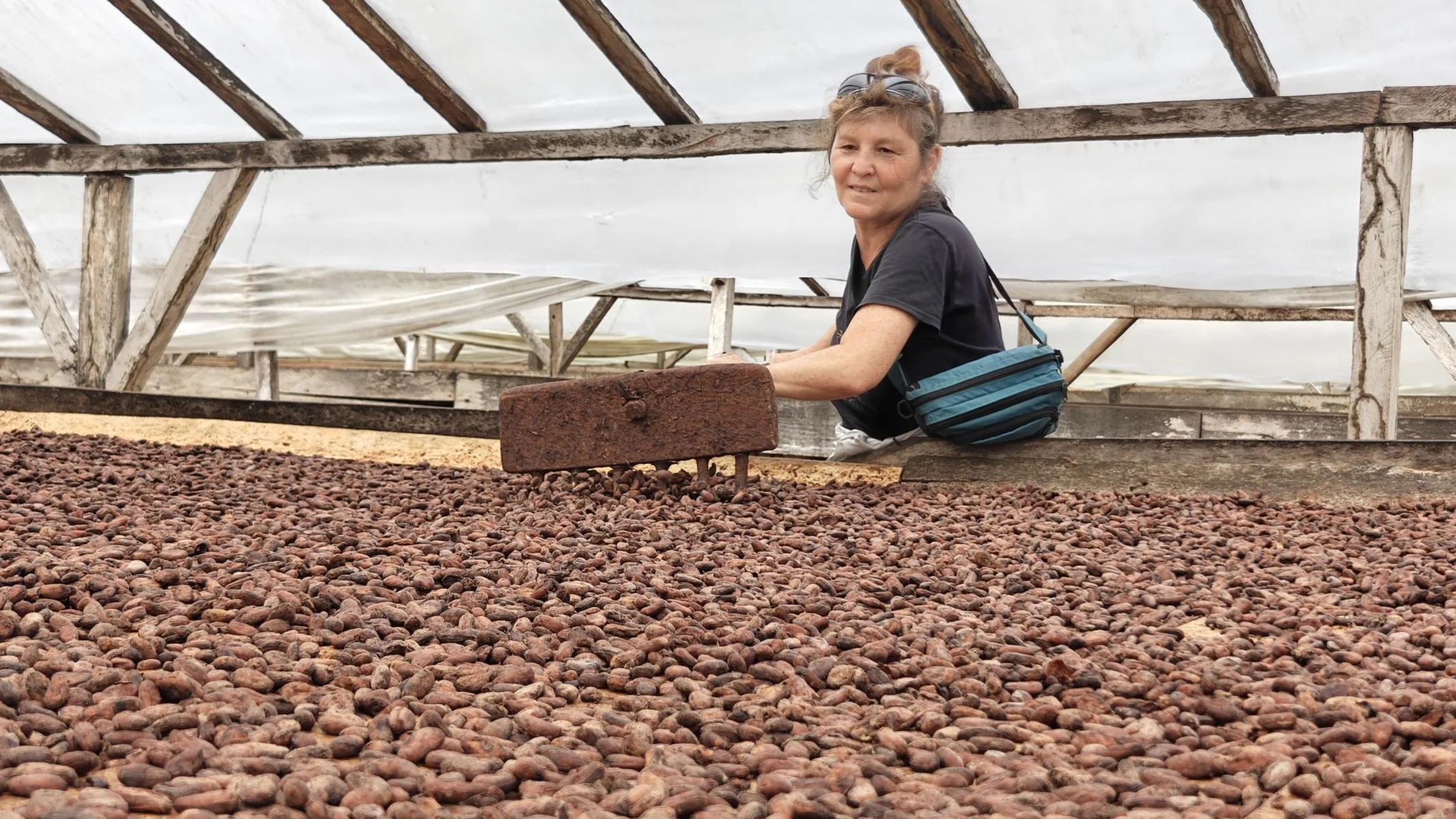
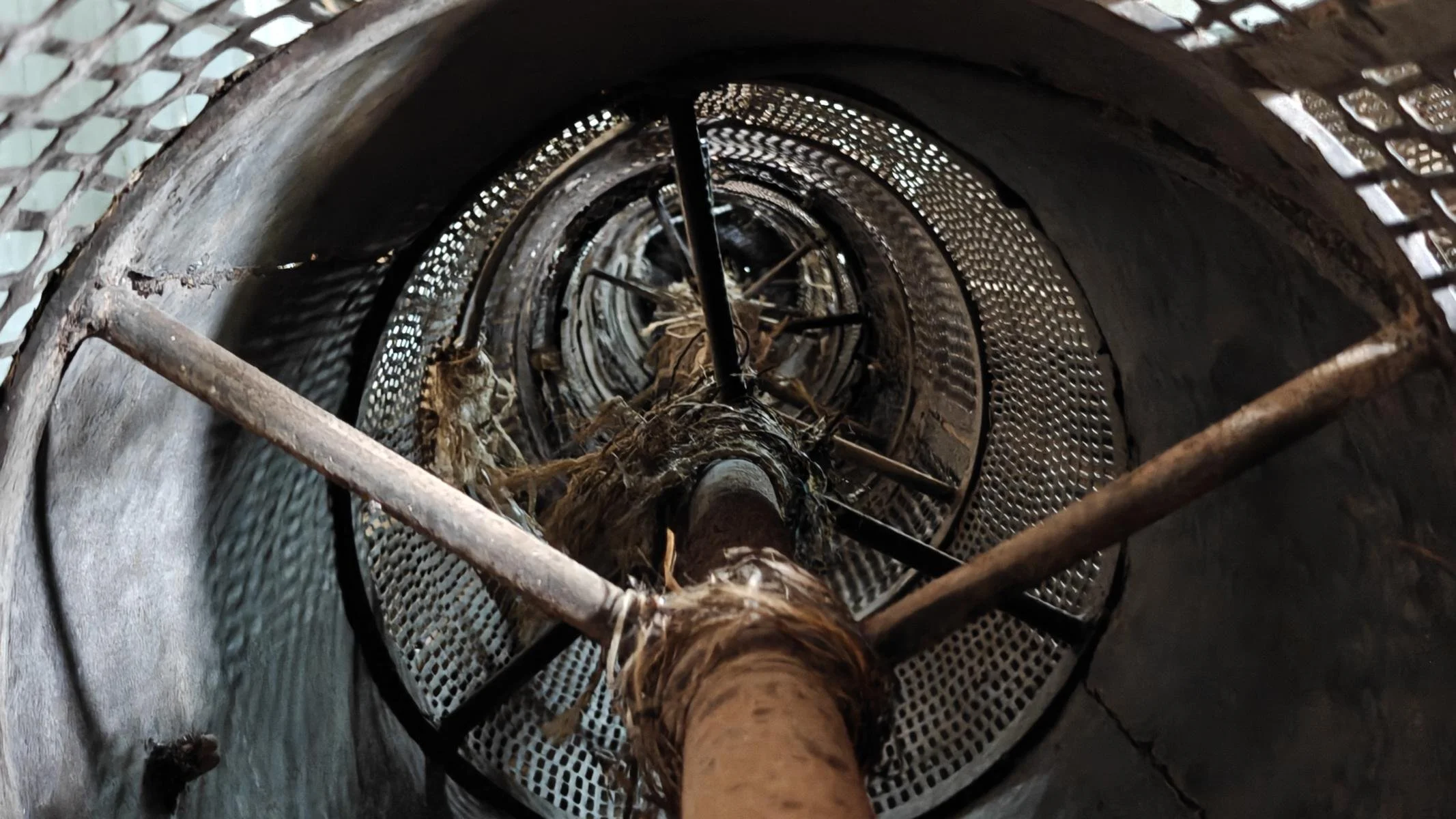
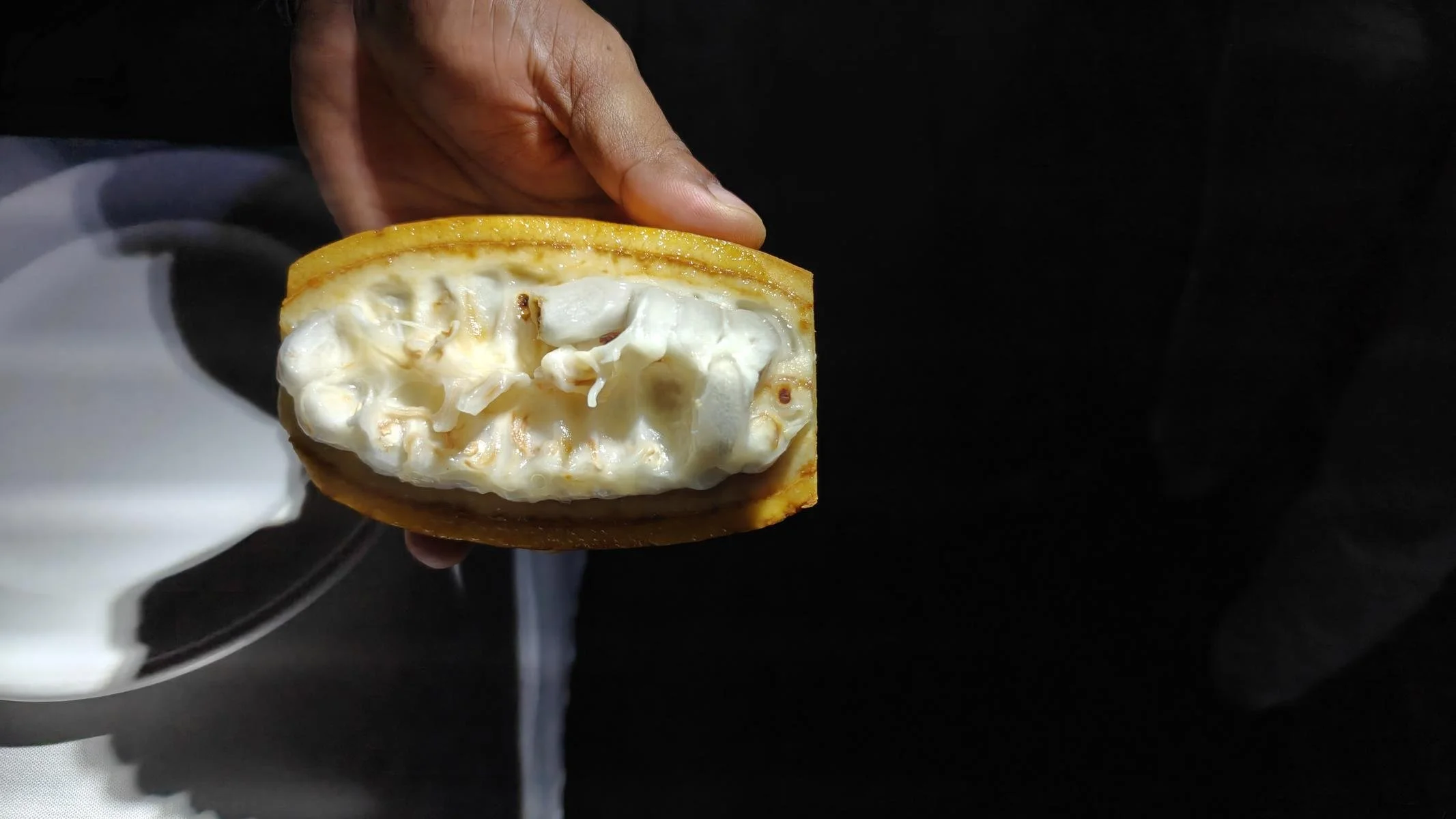
Following the “from the cocoa tree to the bar” principle, the company Diogo Vaz https://www.diogovaz.pt/de produces high-quality organic chocolate. During our visit to the roça (420 hectares, located in the western part of the island), we were able to observe the individual steps of cocoa production: cocoa seedlings, the fruits on the tree, the cocoa beans inside the fruit, fermentation, drying, and sorting by quality. The machines shown in the last photos date back to the Portuguese colonial era.
Während heute die Elfenbeinküste und Ghana die größten Kakaoproduzenten sind gibt es in São Tomé und Príncipe einige internationale Firmen, die einige wenige alte Roças wiederbelebt haben und als Nischenprodukt hochwertigen Qualitäts-Kakao produzieren, der nur in Spezialgeschäften erhältlich ist. Wir besuchten zwei davon: Diogo Vaz und Claudio Corallo.
Nach dem Grundsatz „vom Kakaobaum bis zur Tafel“ produziert die Firma Diogo Vaz https://www.diogovaz.pt/de hochwertige Bio-Schokolade. Beim Besuch der Roça (420 Hektar, im Westen der Insel gelegen) konnten wir die einzelnen Schritte der Kakao-Produktion besichtigen: Kakao-Setzlinge, die Früchte am Baum, die Kakaobohnen in der Frucht, Fermentierung, Trocknung, Sortierung nach Qualität. Die Maschinen auf den letzten Fotos stammen noch aus der portugiesischen Kolonialzeit.
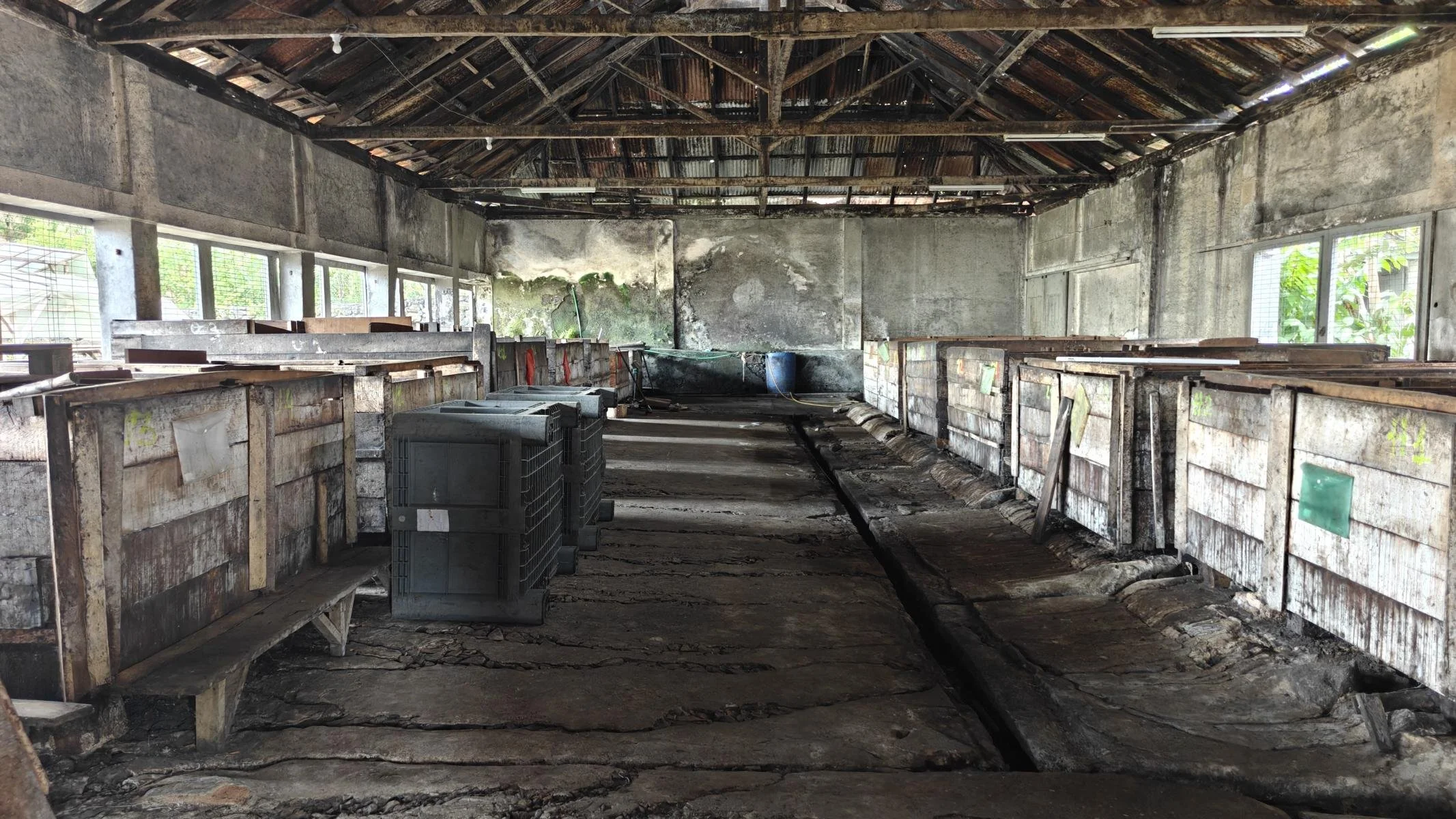
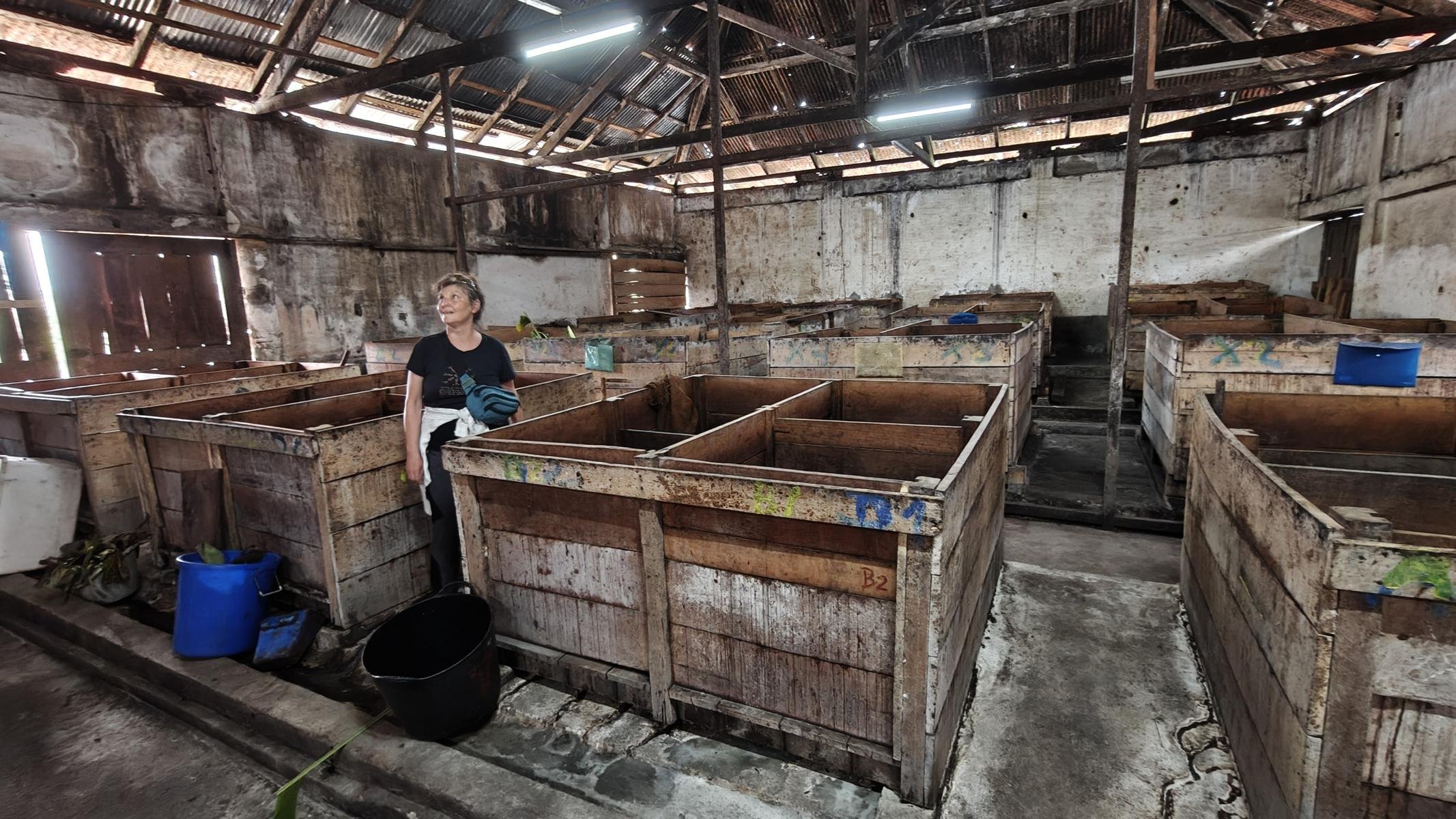
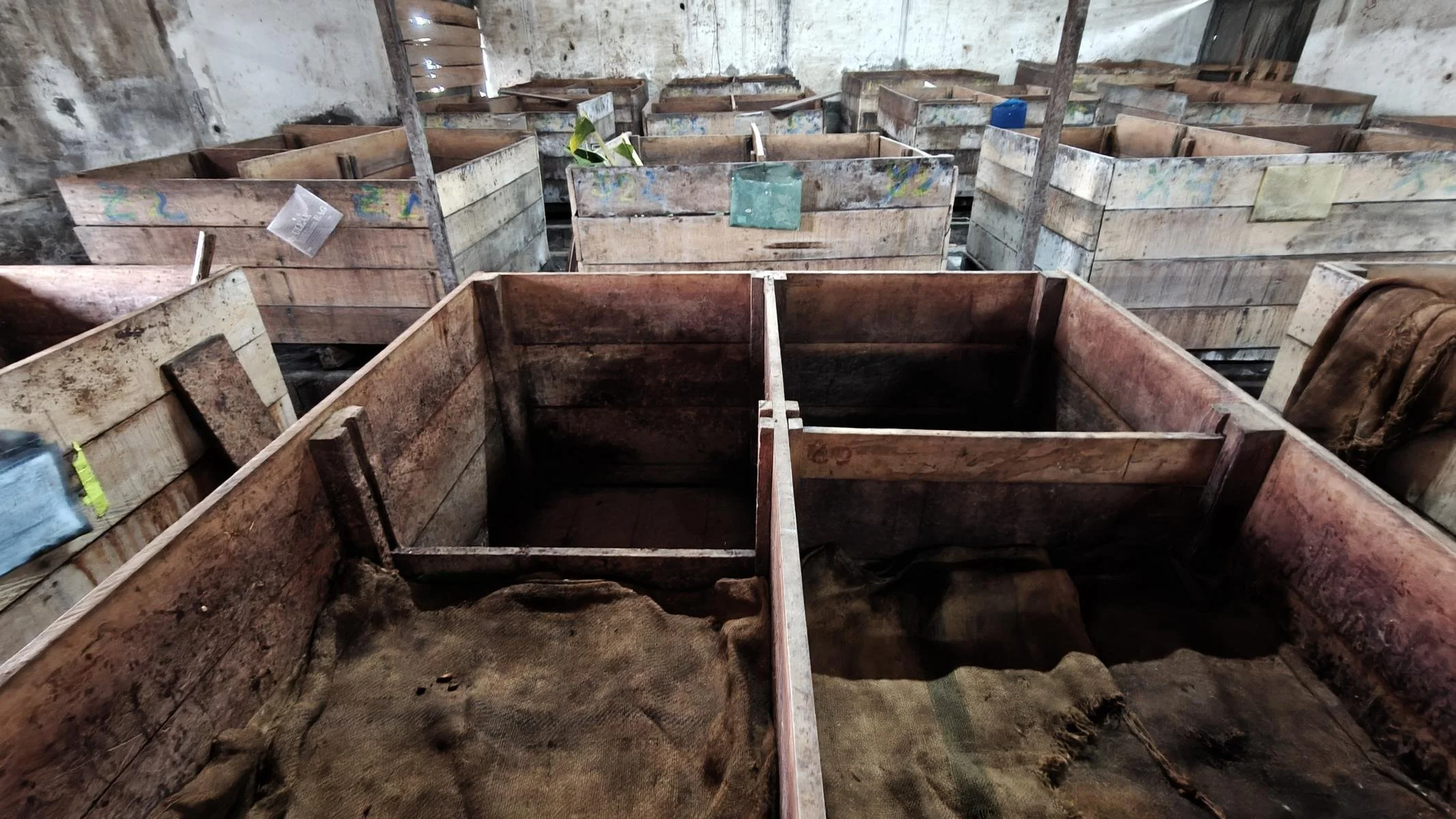
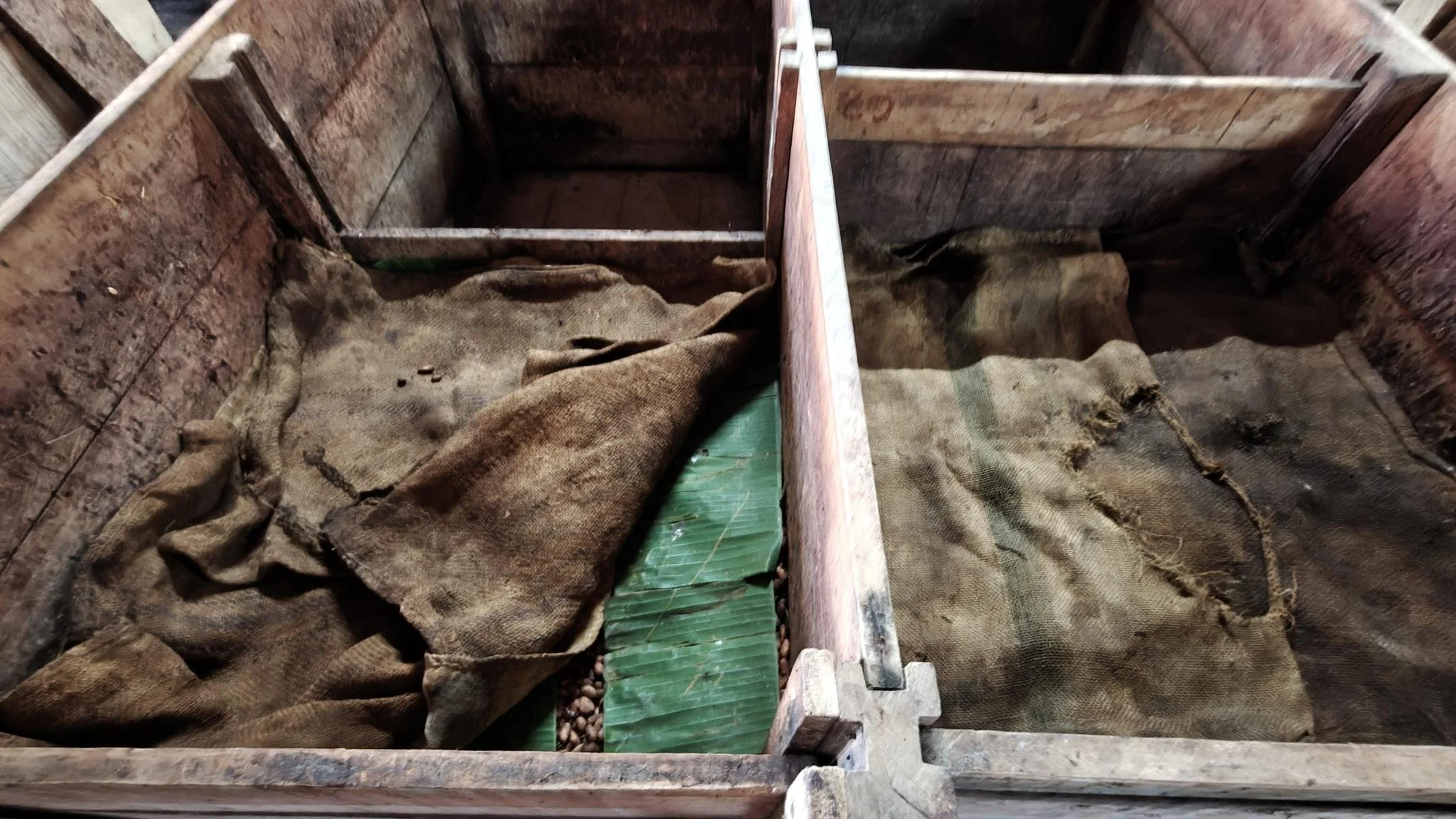
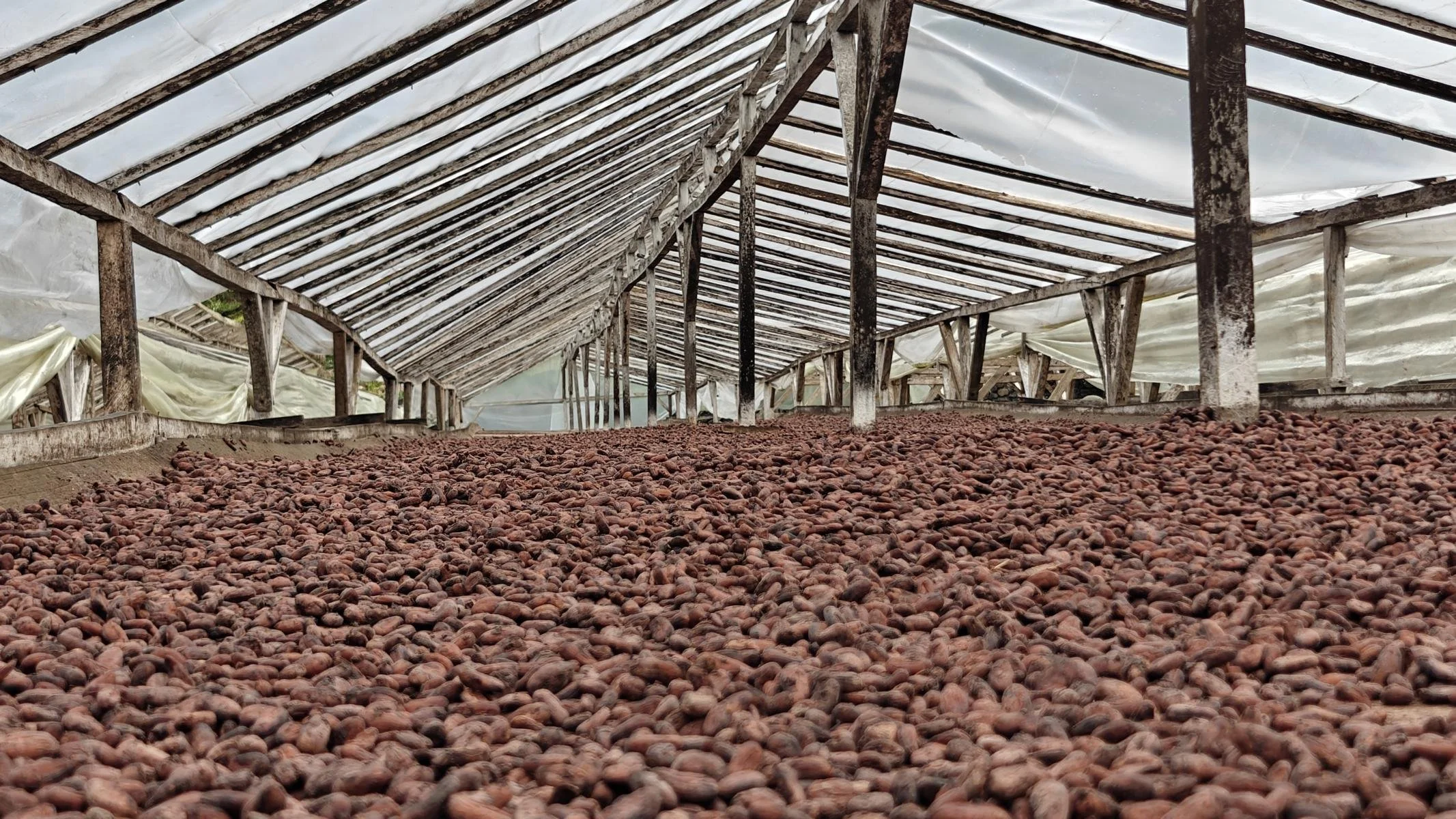
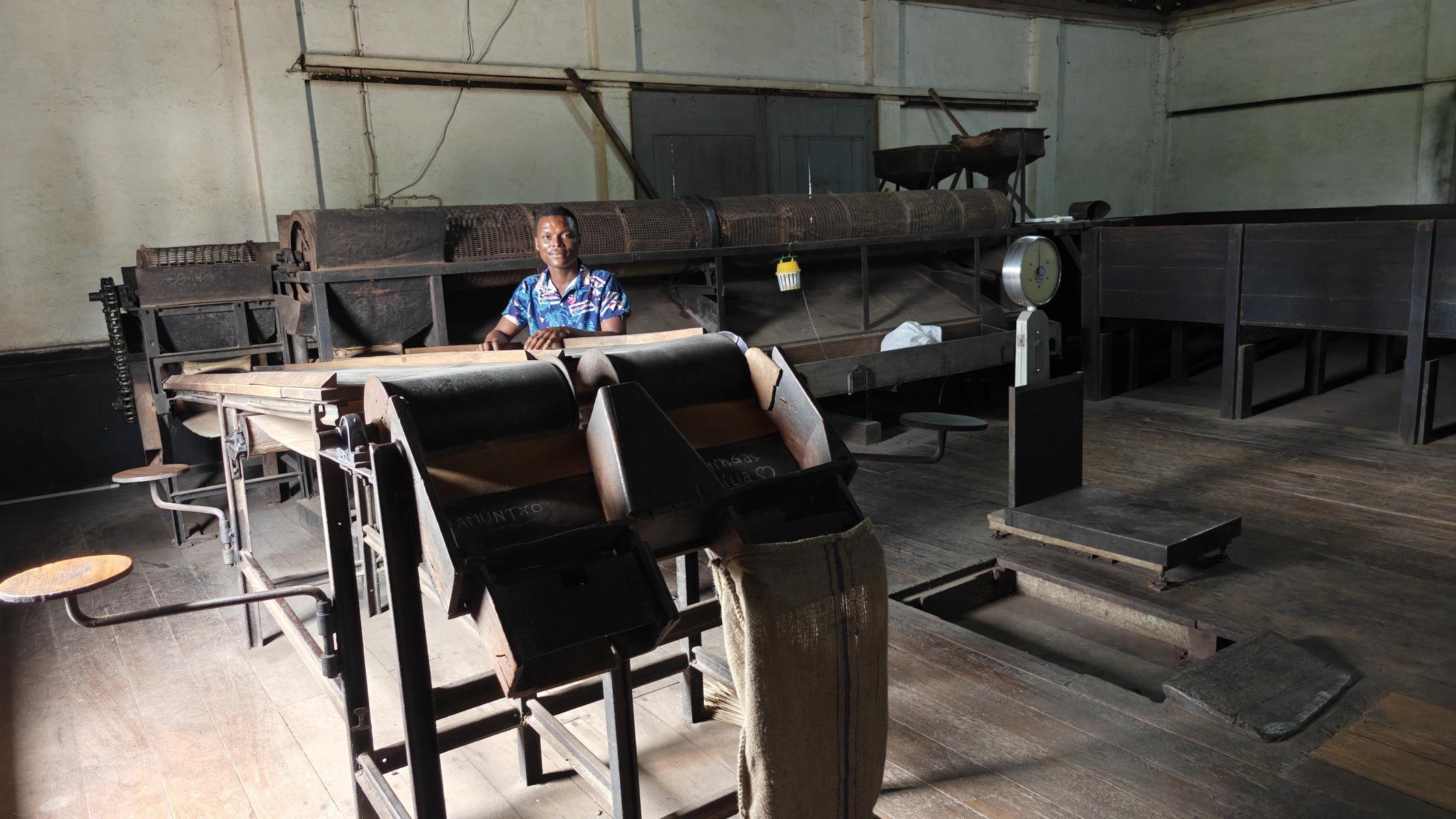
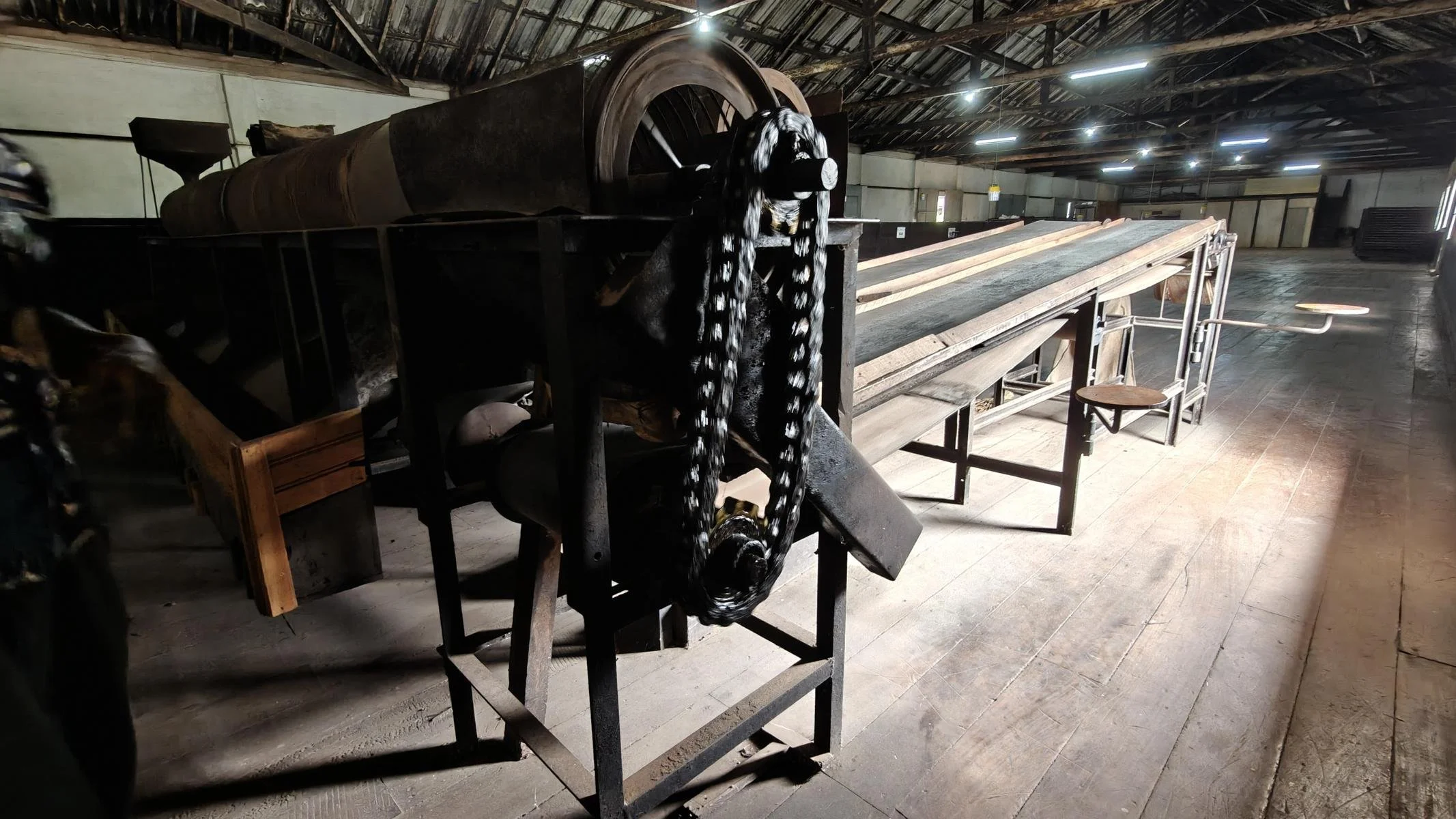
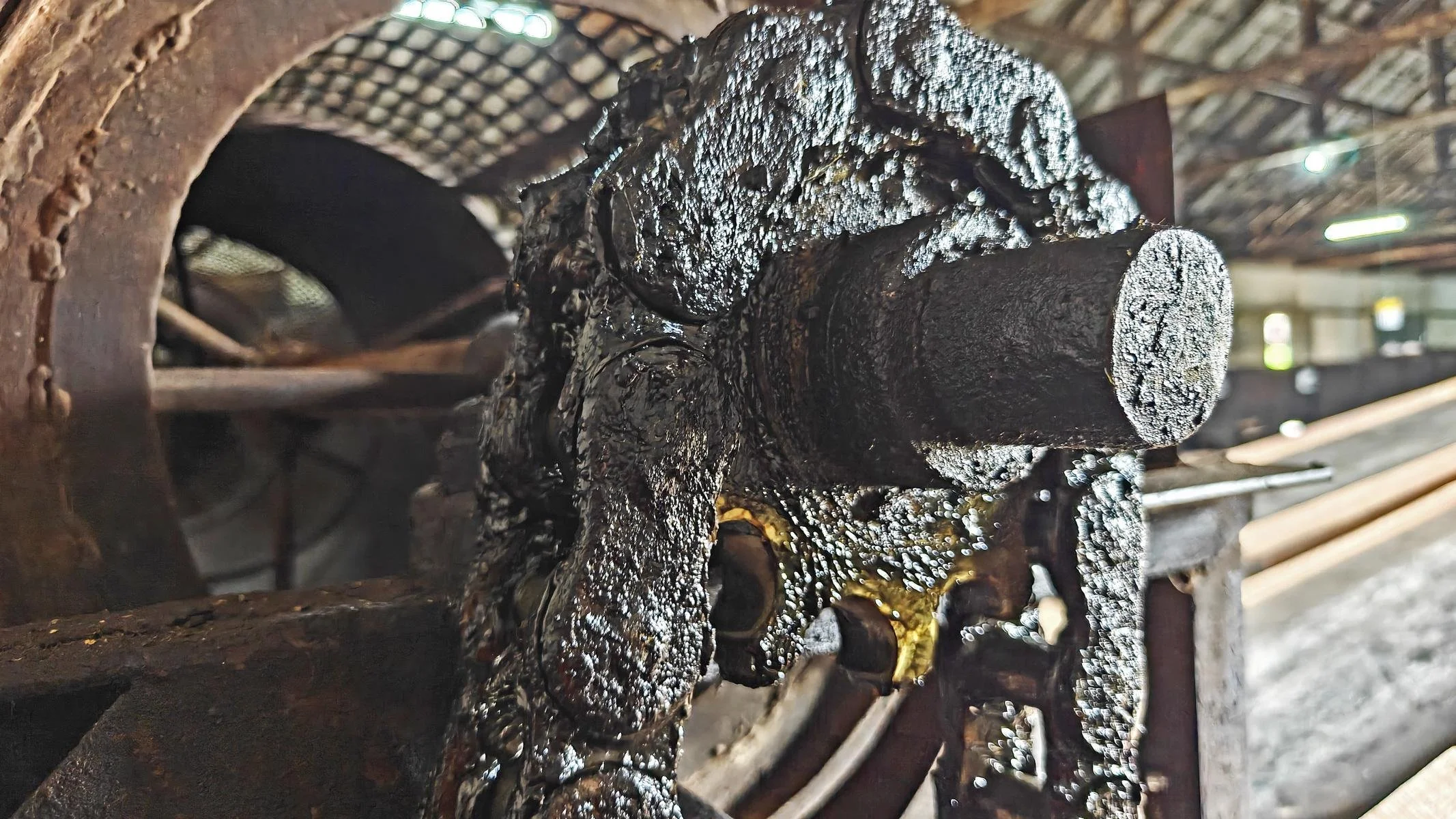
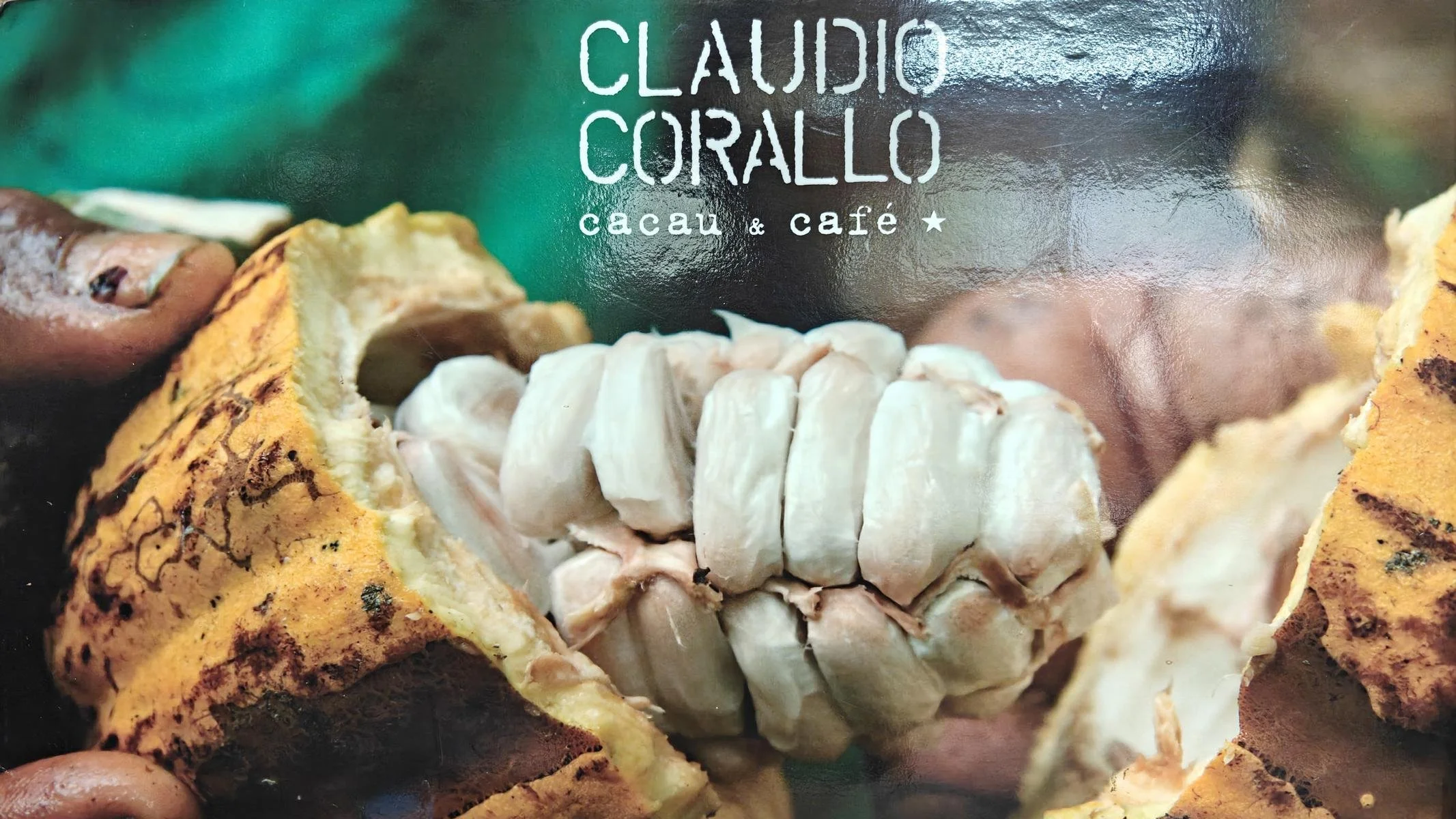
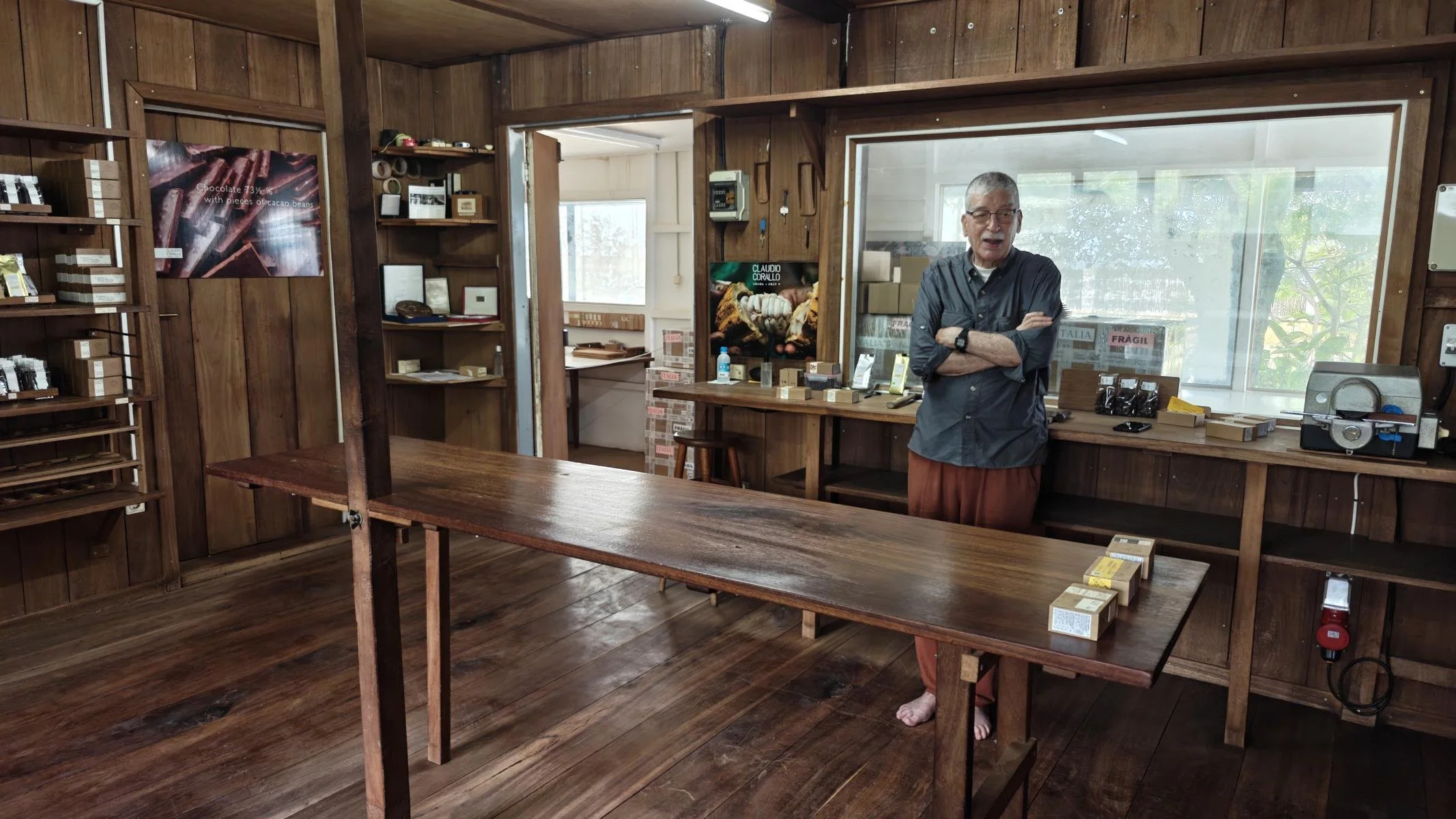
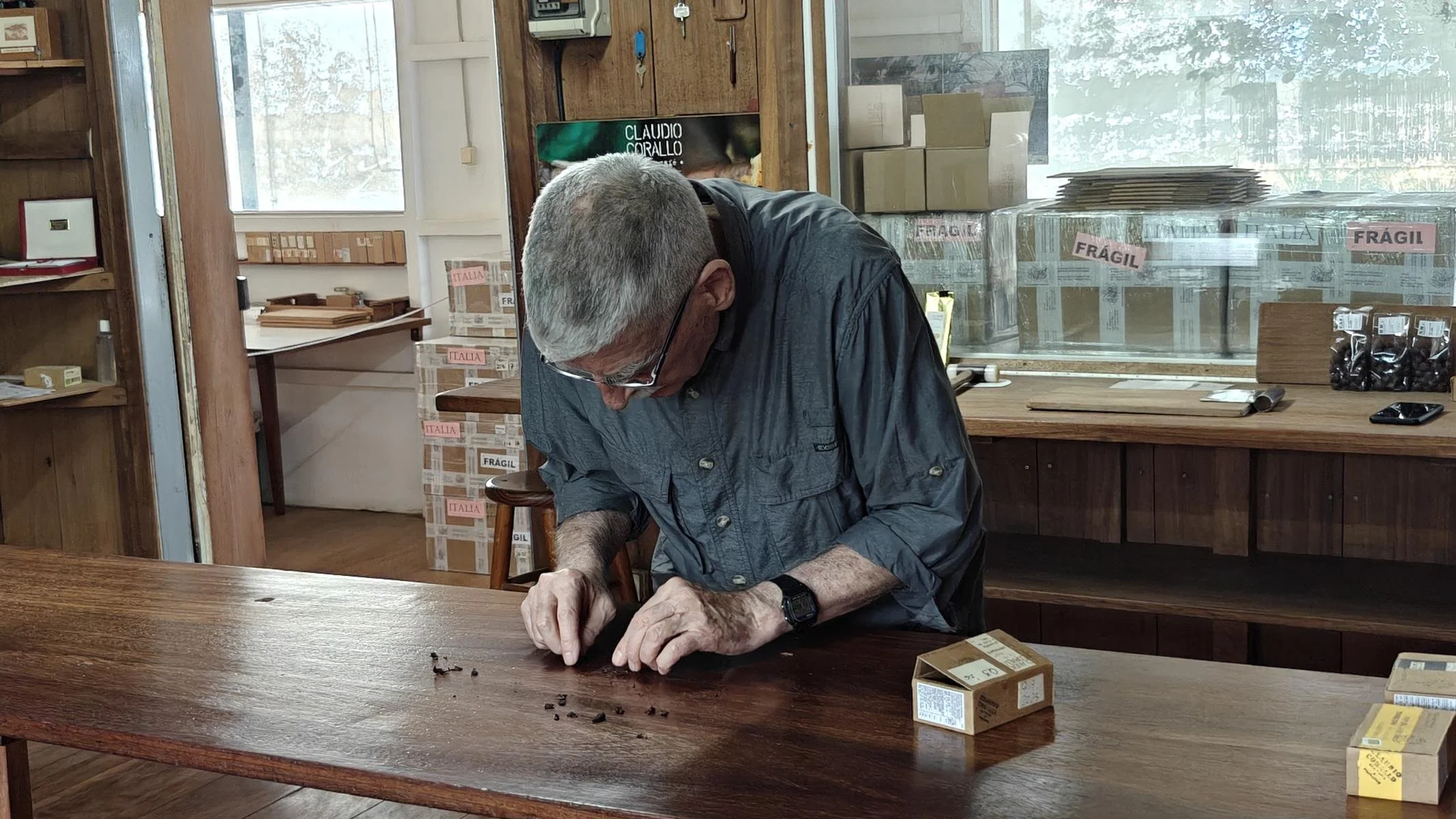
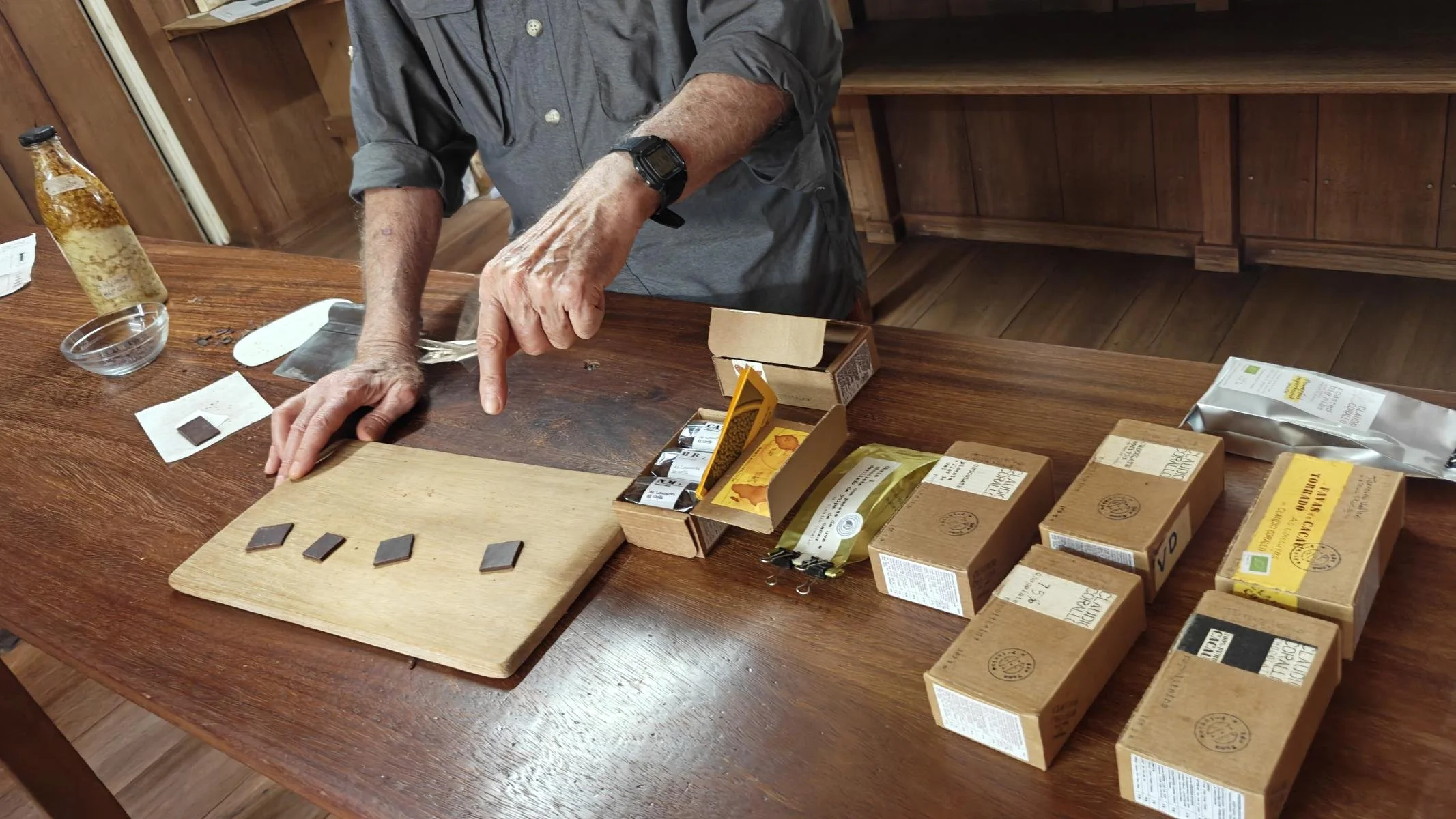
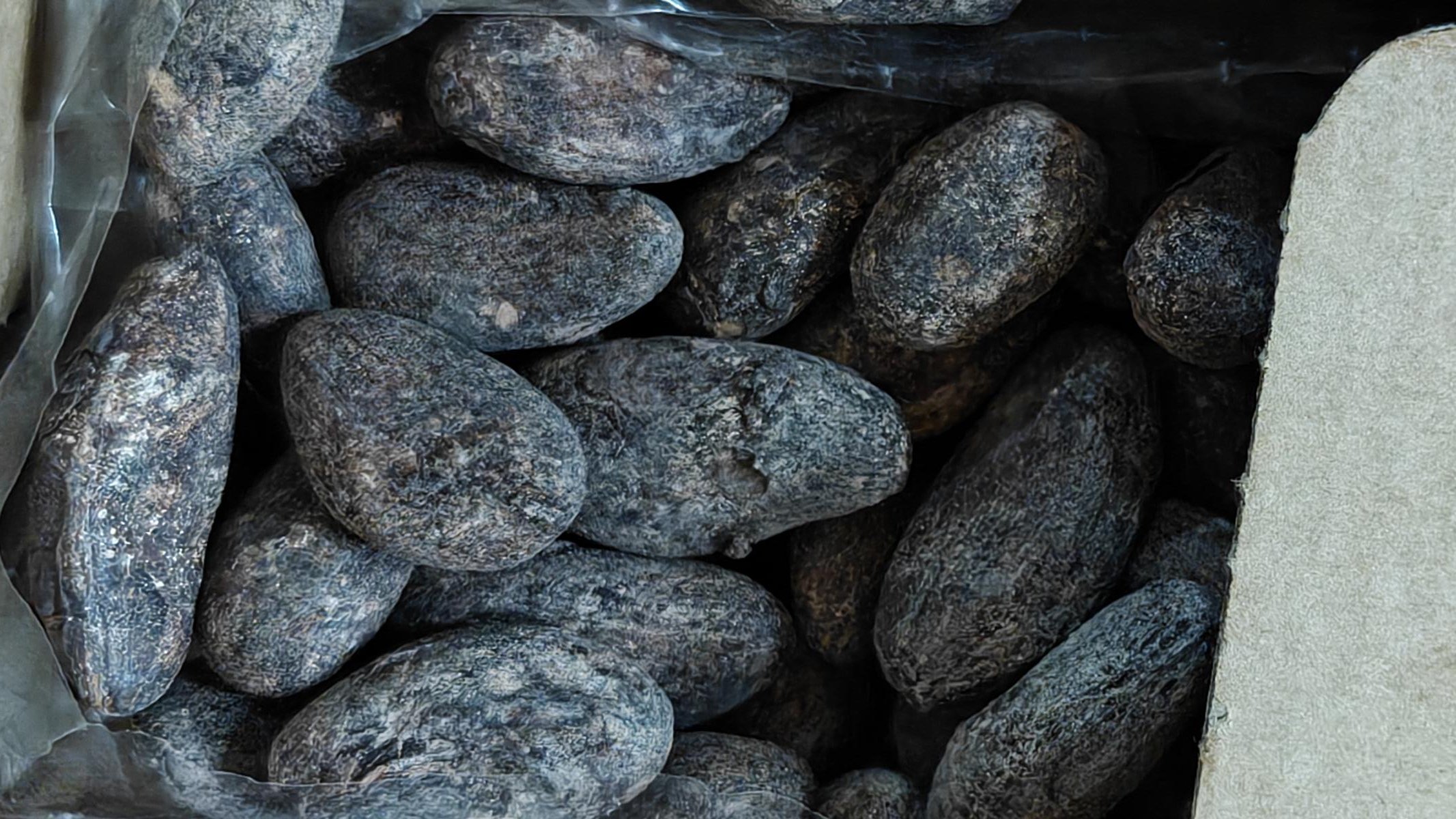
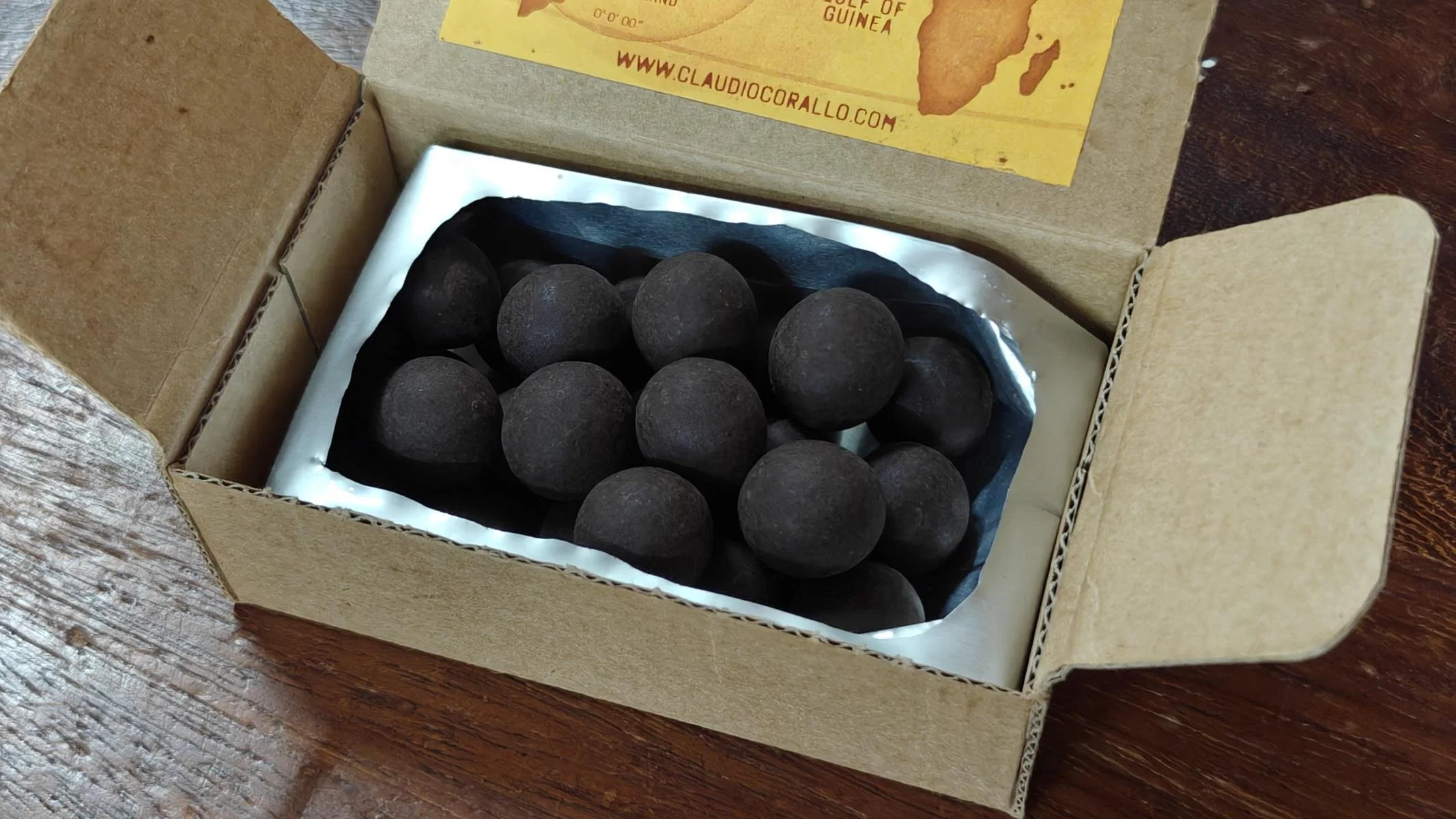
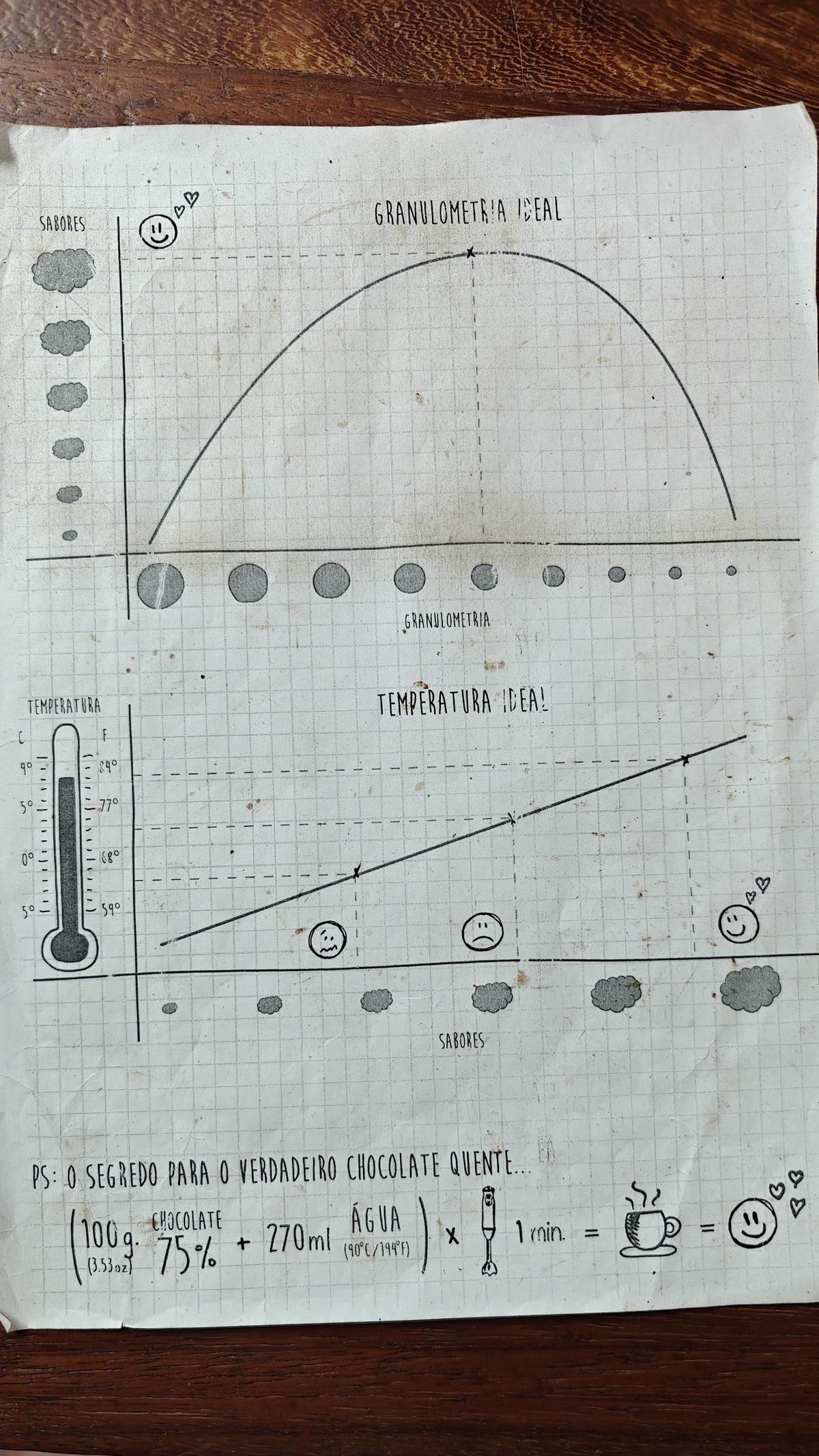
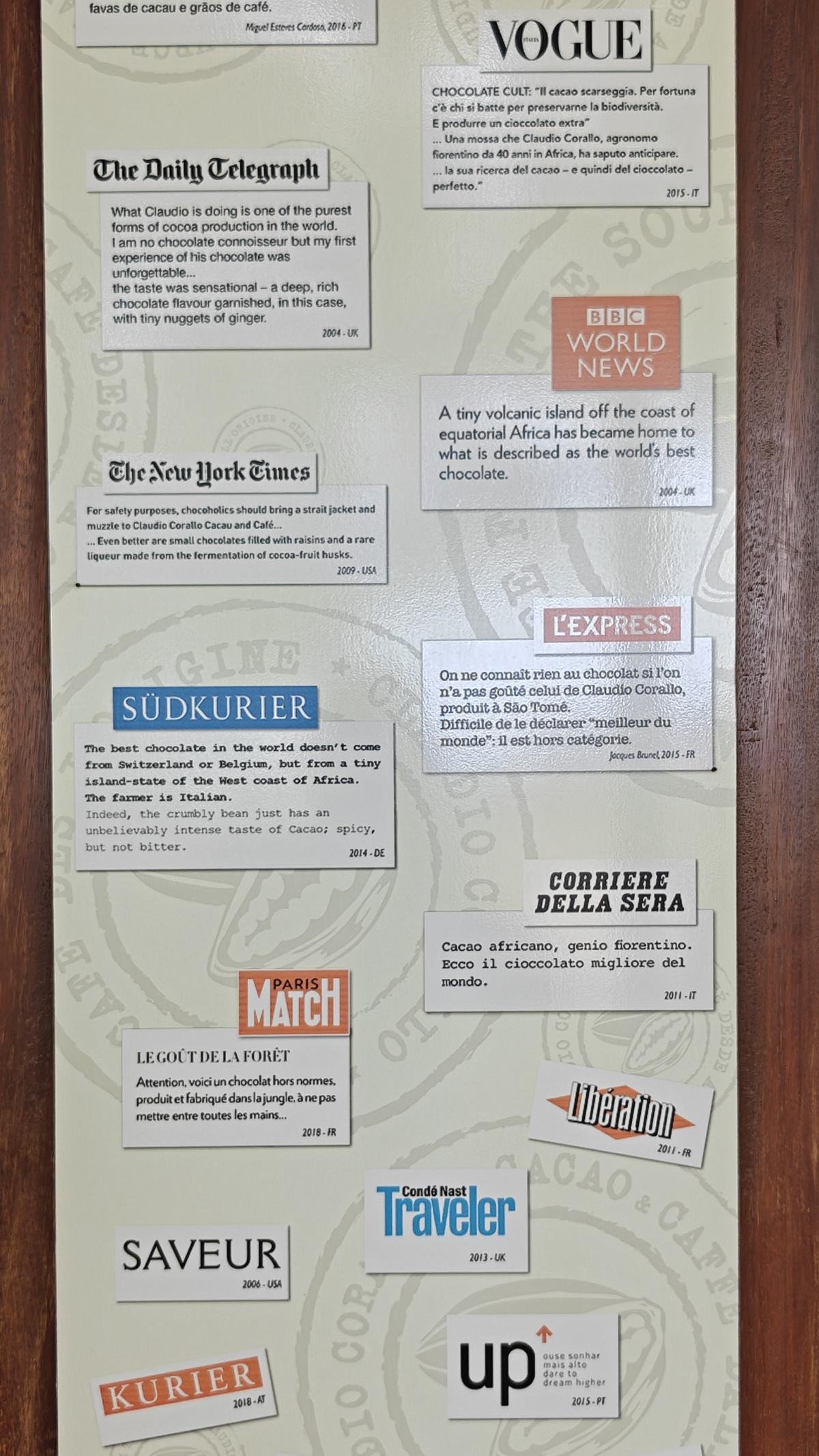
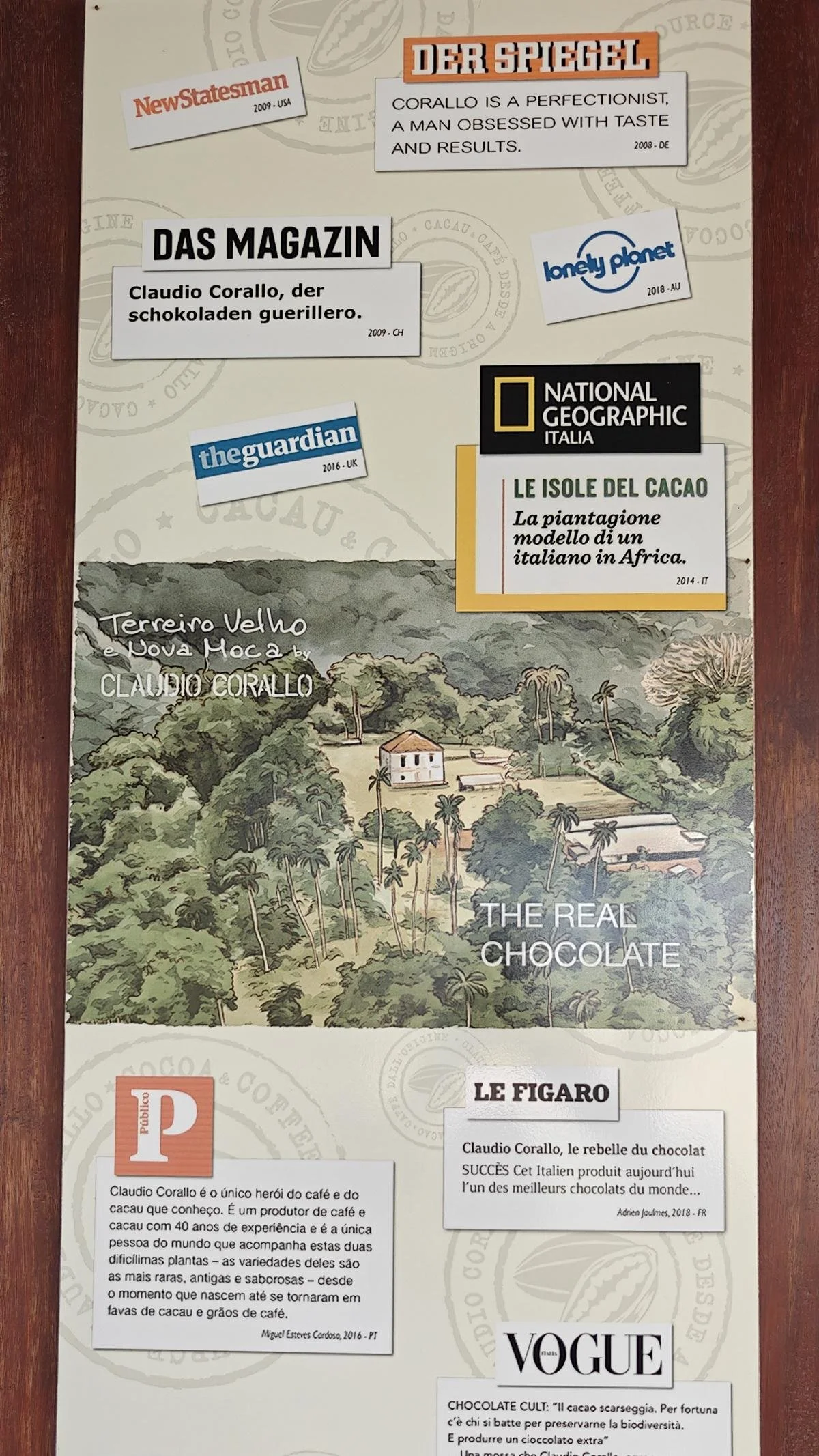
The second well-known cocoa producer is the Italian Claudio Corallo https://www.claudiocorallo.com/index.php?lang=de . His roça (120 hectares) is located on the island of Príncipe. We met him at his company in the capital, São Tomé, where he spends two hours each afternoon explaining the art of cocoa refinement to interested visitors and offering tastings of cocoa processed in various ways. Among other things, he let us sample how particle size, purity, and processing temperature affect the flavor (quality, of course, comes at a price). We asked Claudio, who is considered a “cocoa rebel,” what he thinks of “regular” supermarket chocolate. His verdict was short, to the point, and scathing: “Cocoa carcasses.”
Der zweite bekannte Kakao Produzent ist der Italiener Claudio Corallo https://www.claudiocorallo.com/index.php?lang=de . Seine Roça (120 Hektar) liegt auf der Insel Principe. Wir trafen ihn in seiner Firma in der Hauptstadt São Tomé, wo er am Nachmittag für Interessierte zwei Stunden lang die Kunst der Kakao Verfeinerung erklärt und man verschieden verarbeiteten Kakao verkosten kann. Ua. ließ er uns probieren, wie sich Korngröße, Reinheit und Verarbeitungstemperatur auf den Geschmack auswirken (Qualität hat natürlich ihren Preis). Wir fragten Claudio, der als „Kakao-Rebell“ gilt, was er von der „normale“ Supermarkt-Schokolade hält. Sein Urteil war kurz, bündig und vernichtend: „Kakao-Kadaver.“
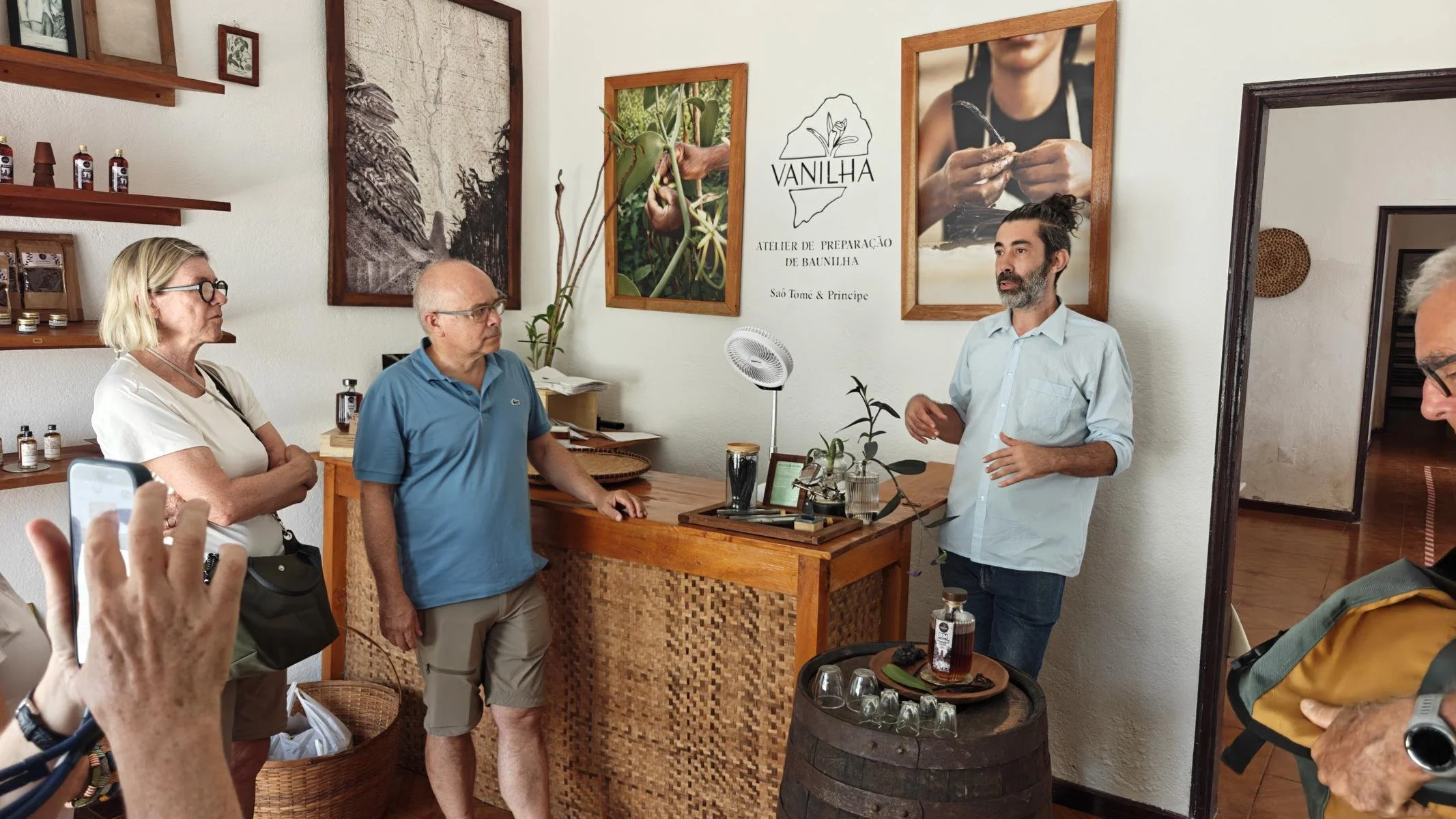
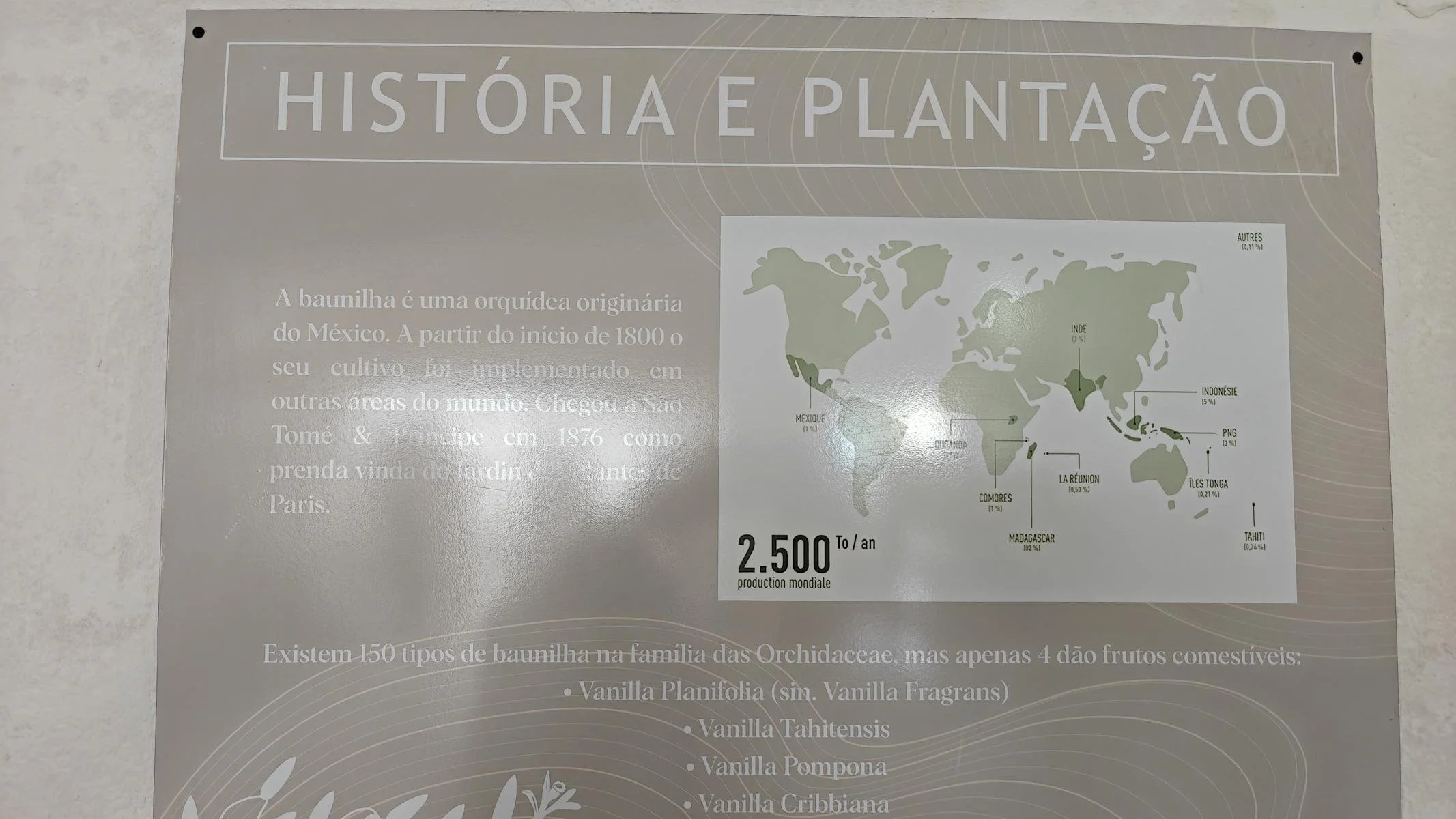
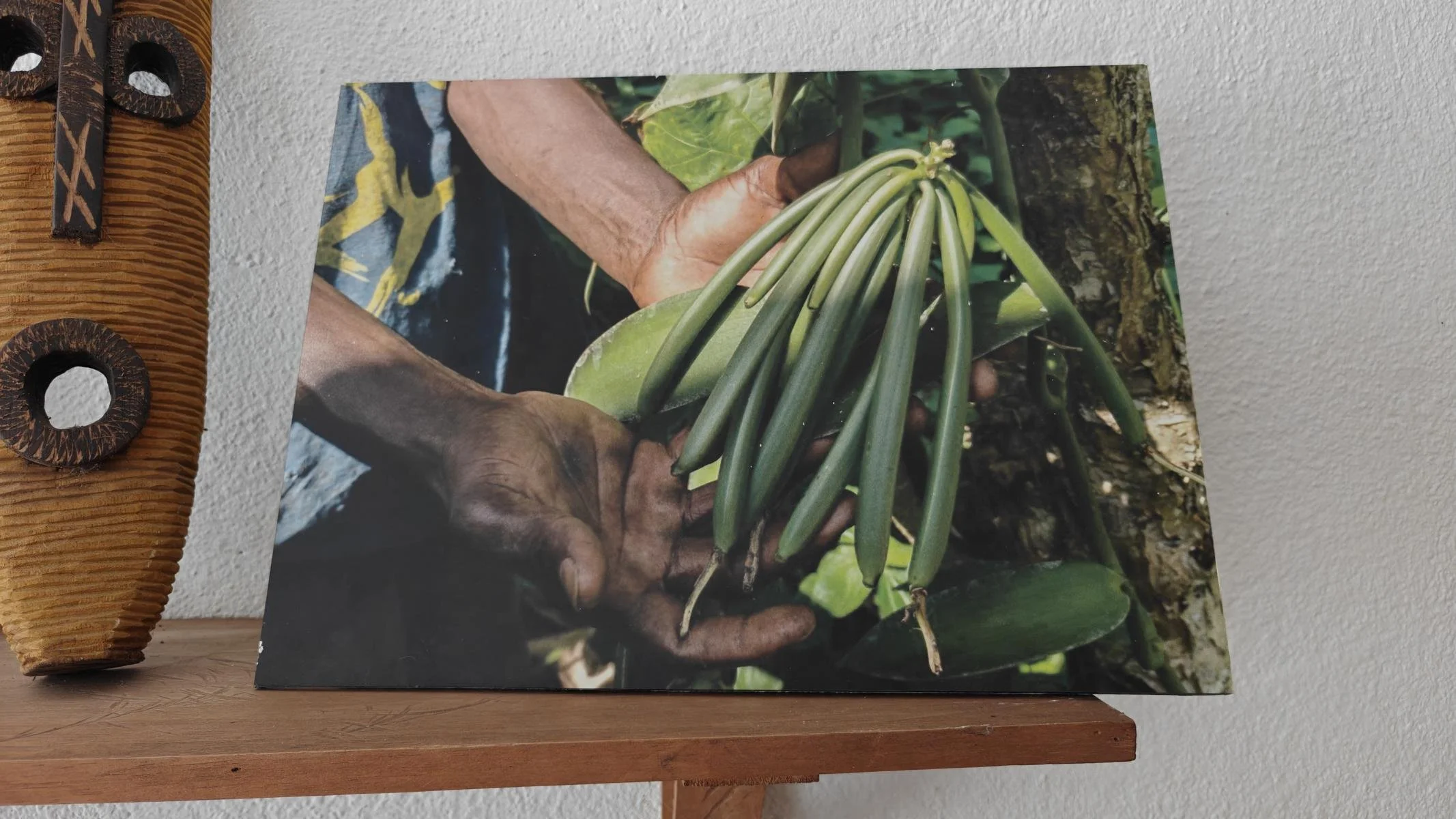
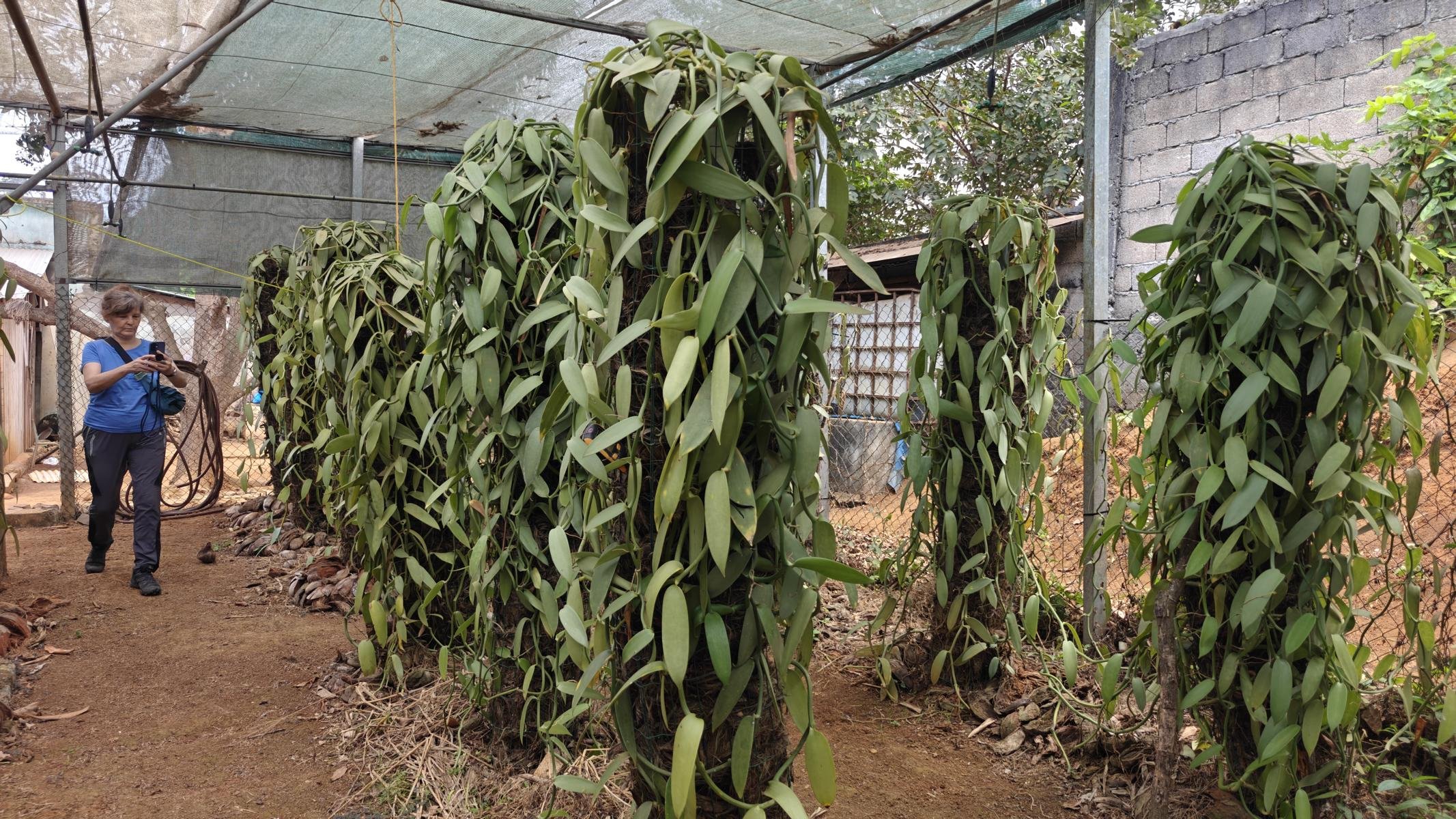
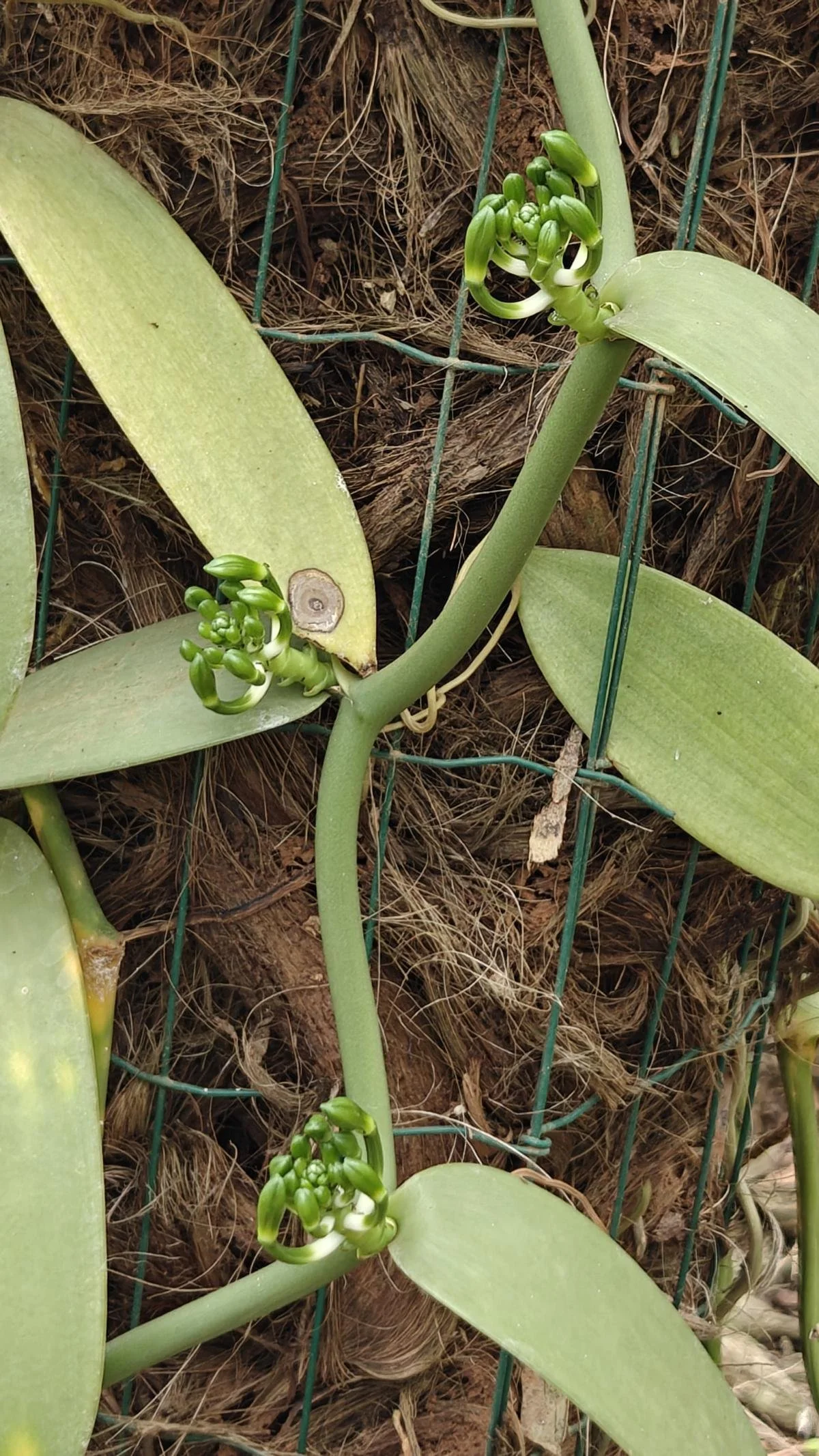
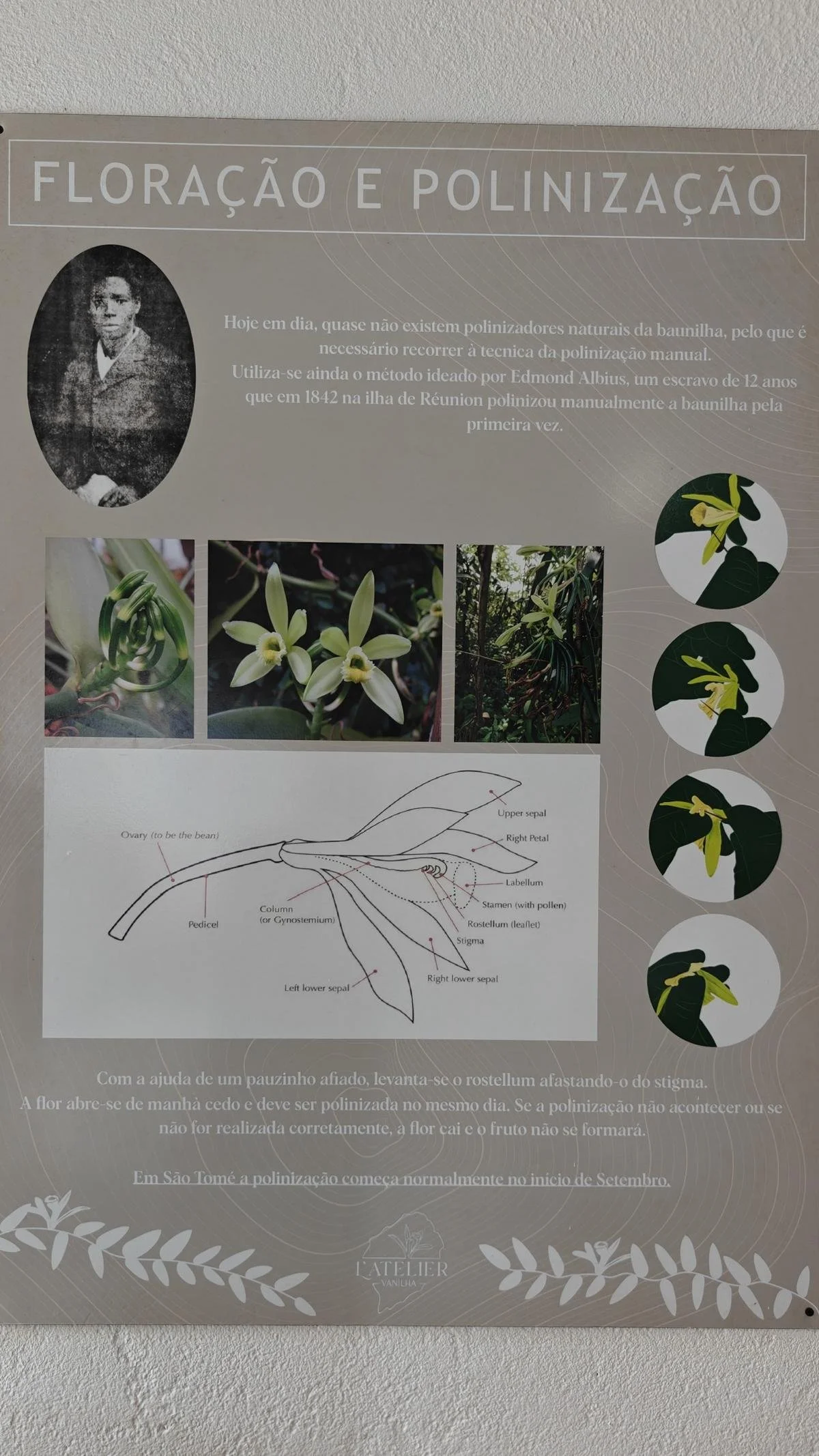
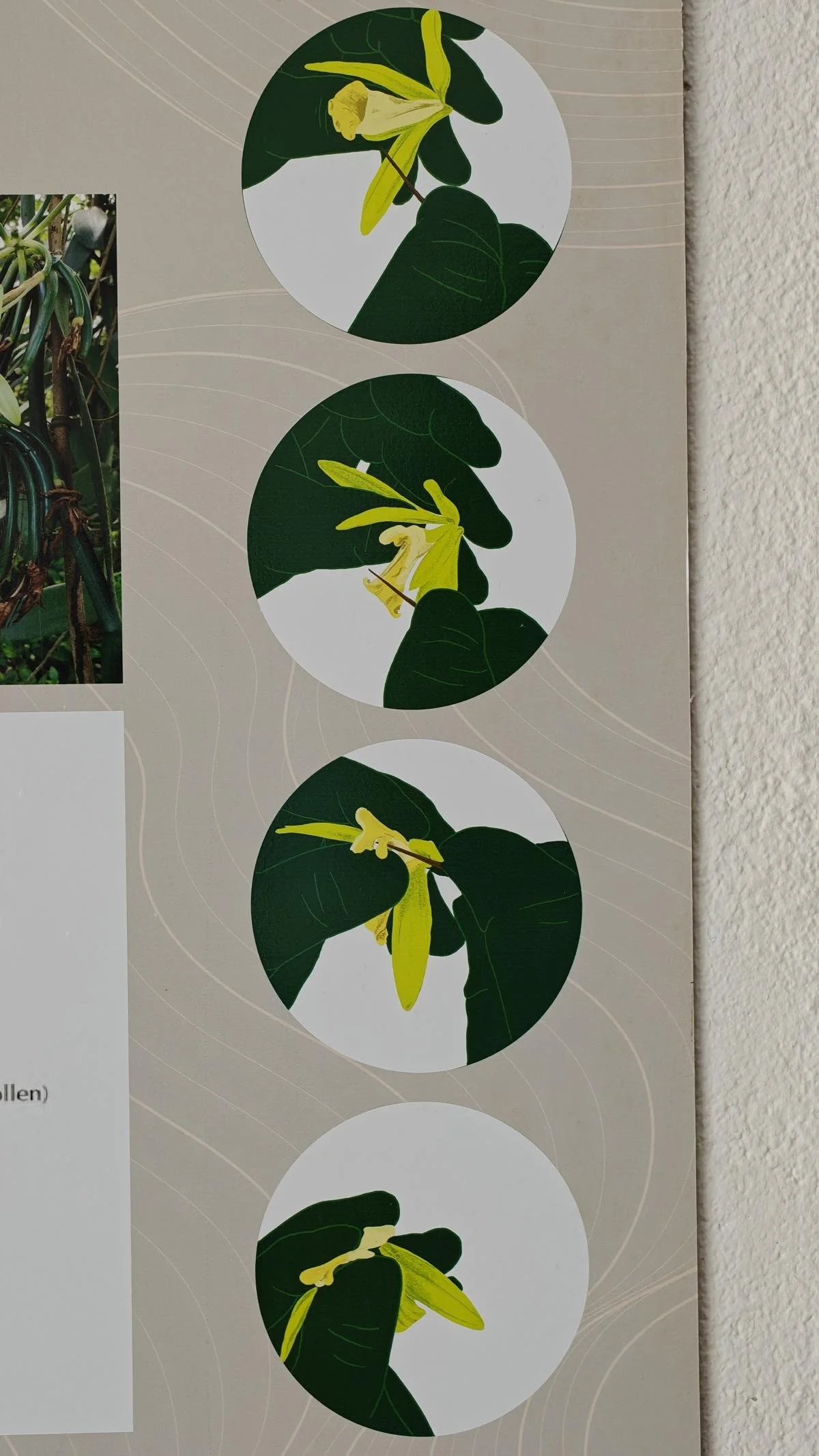
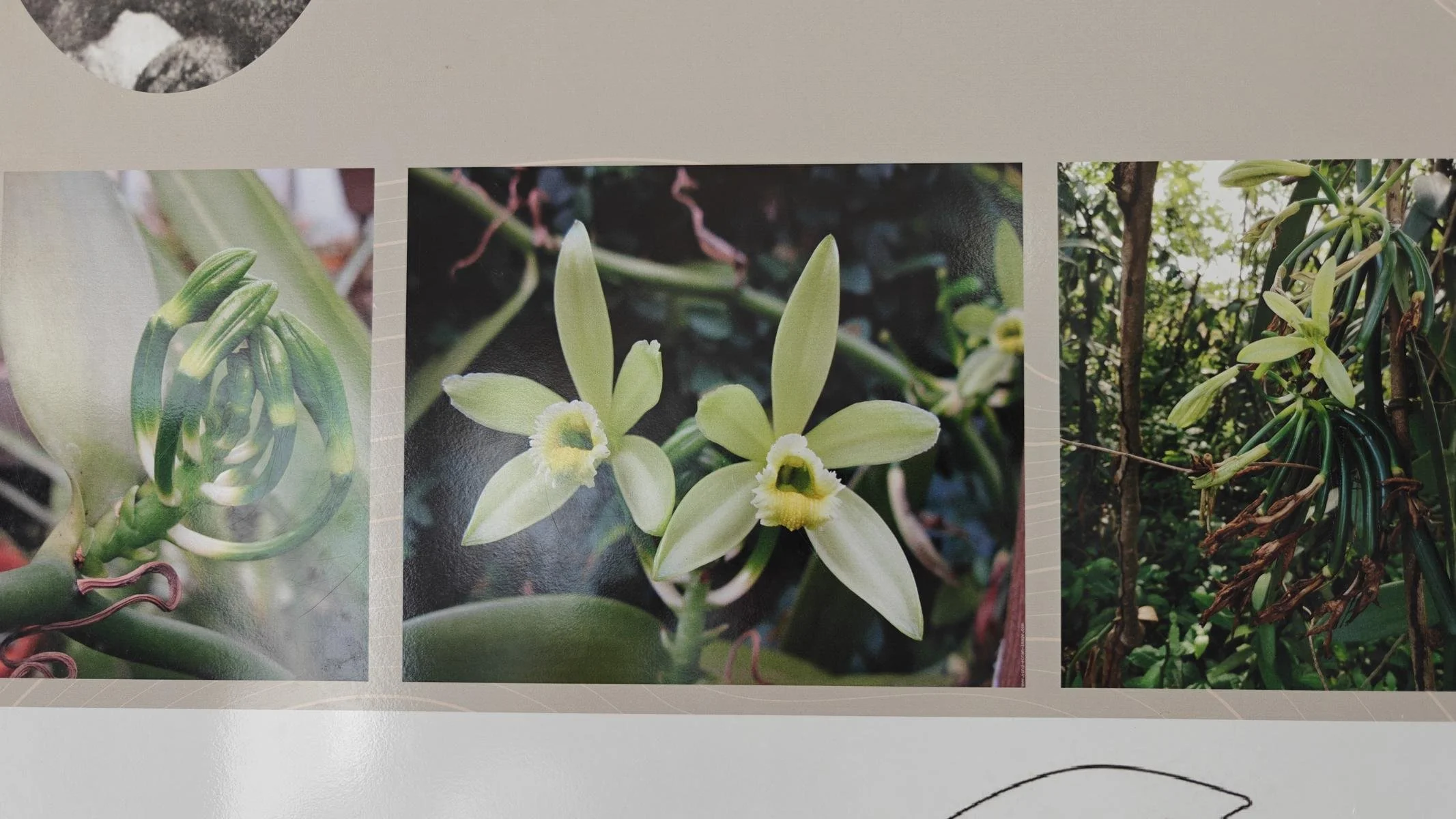
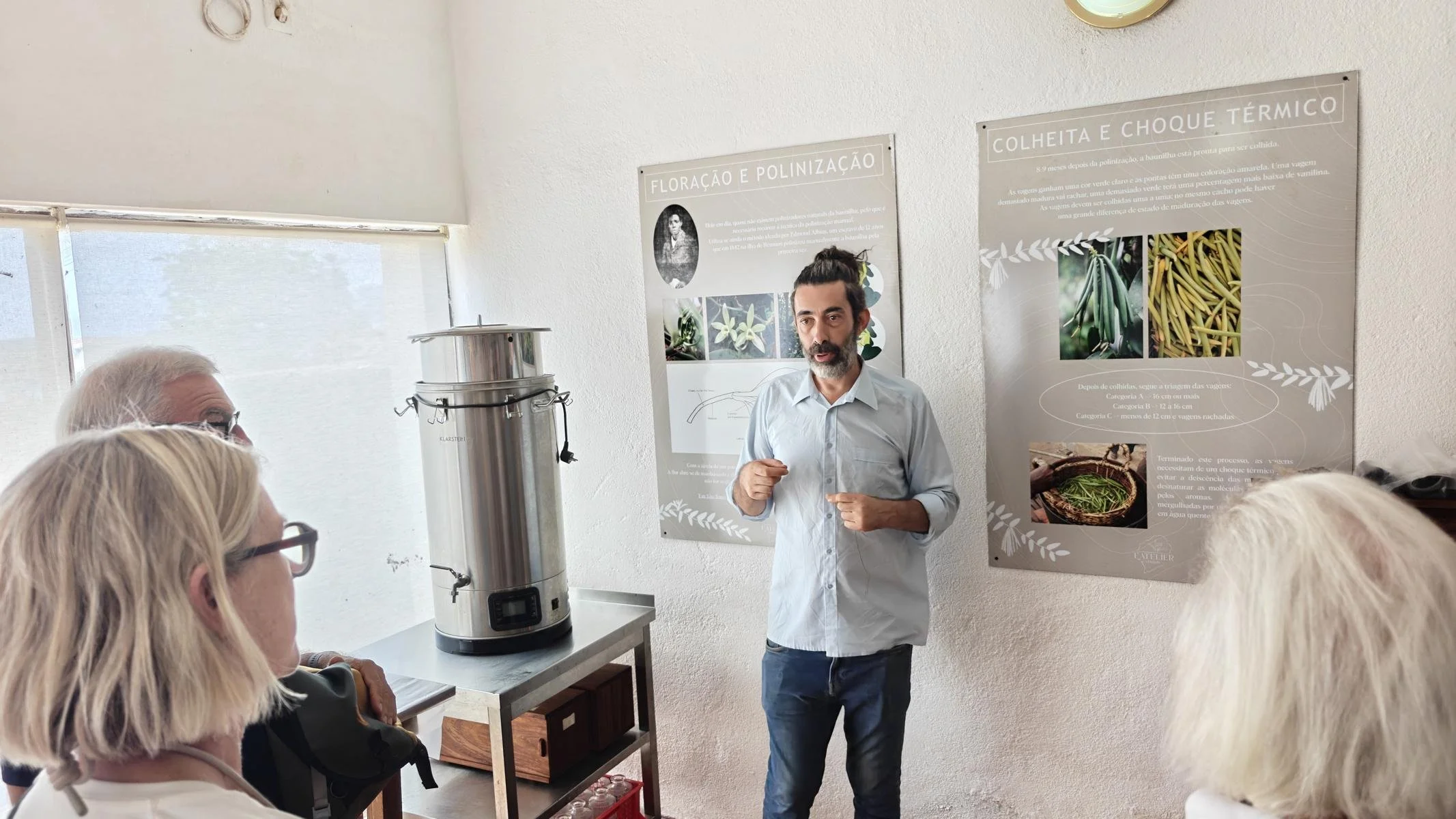
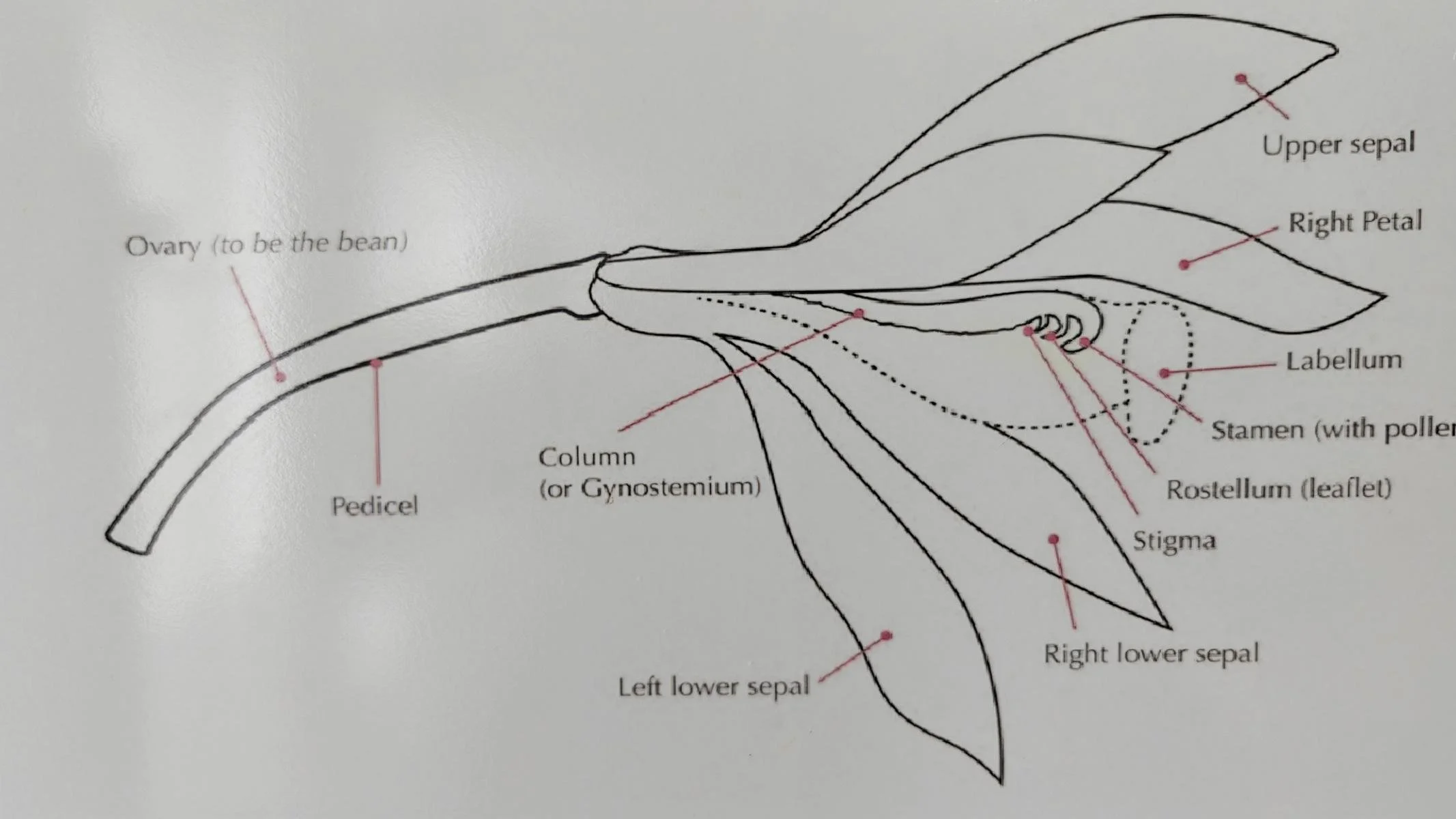
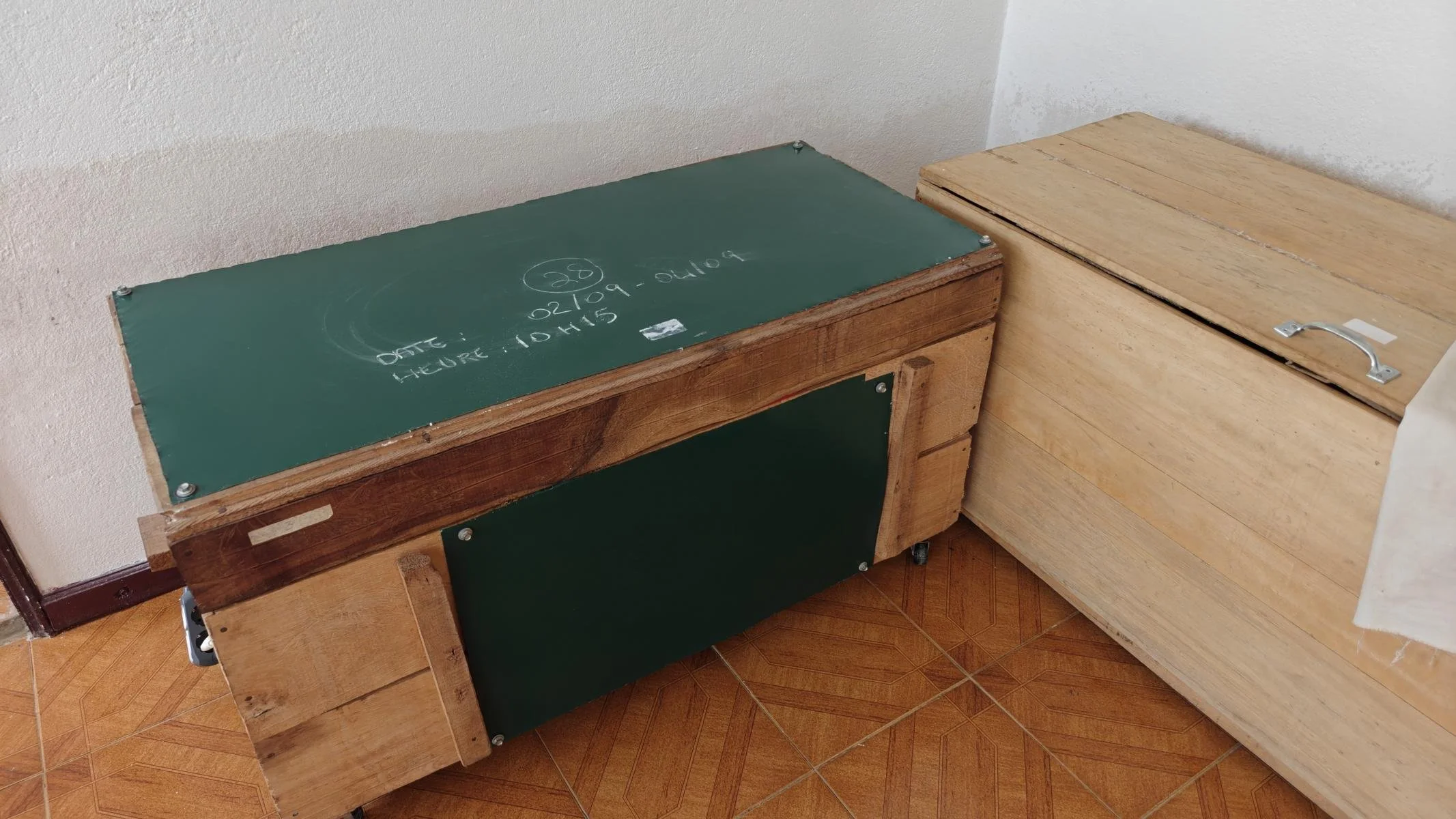
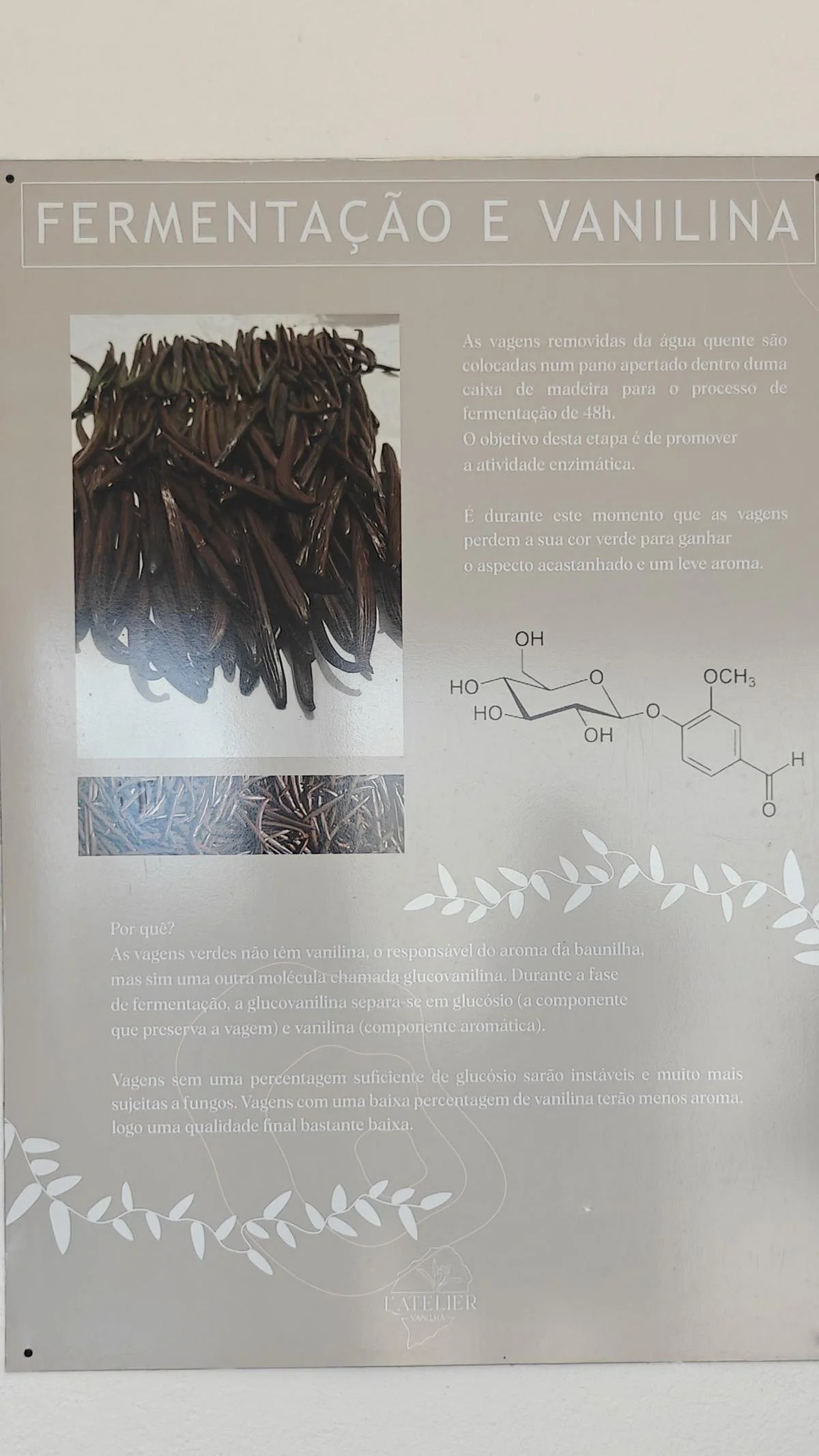
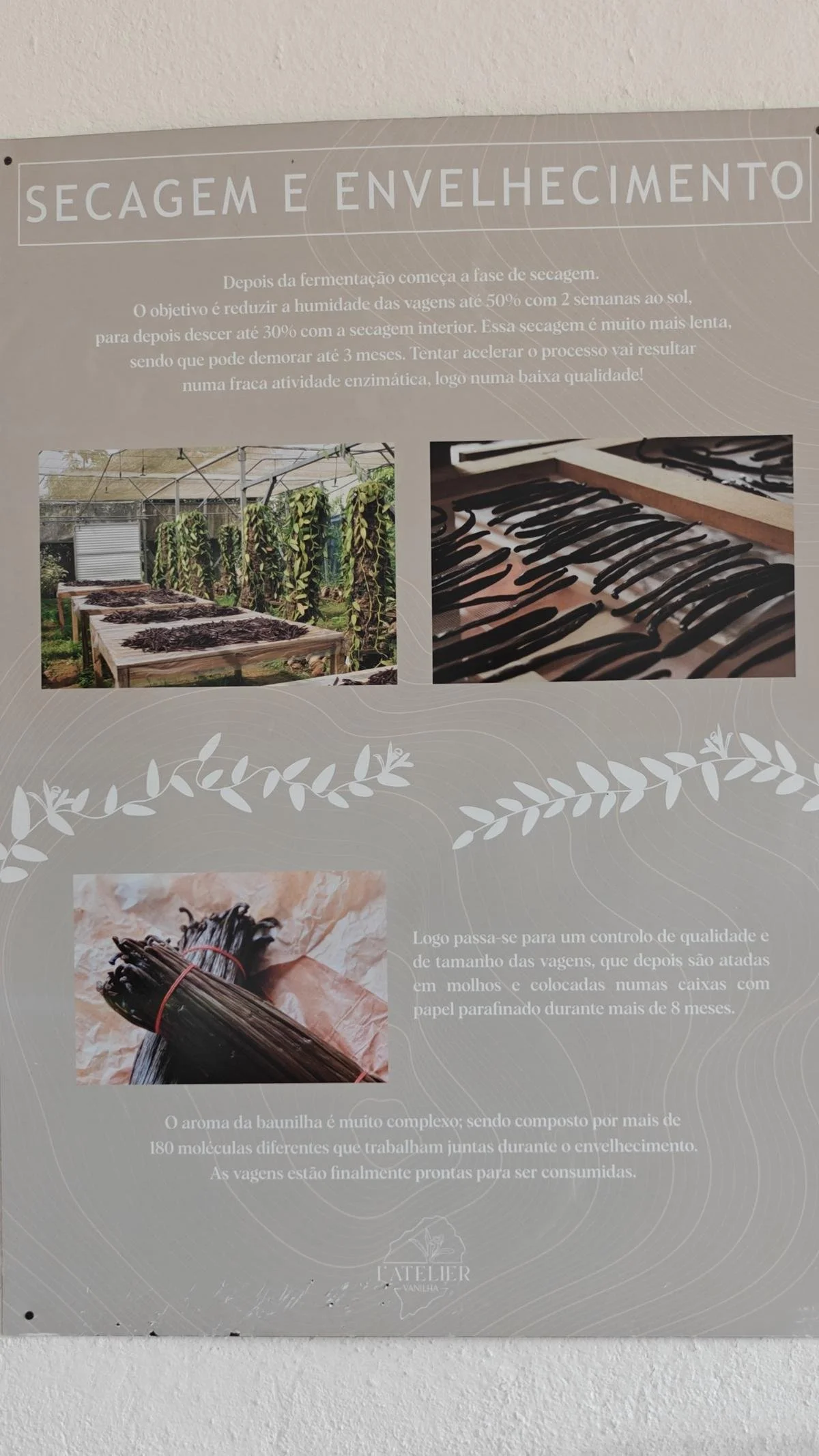
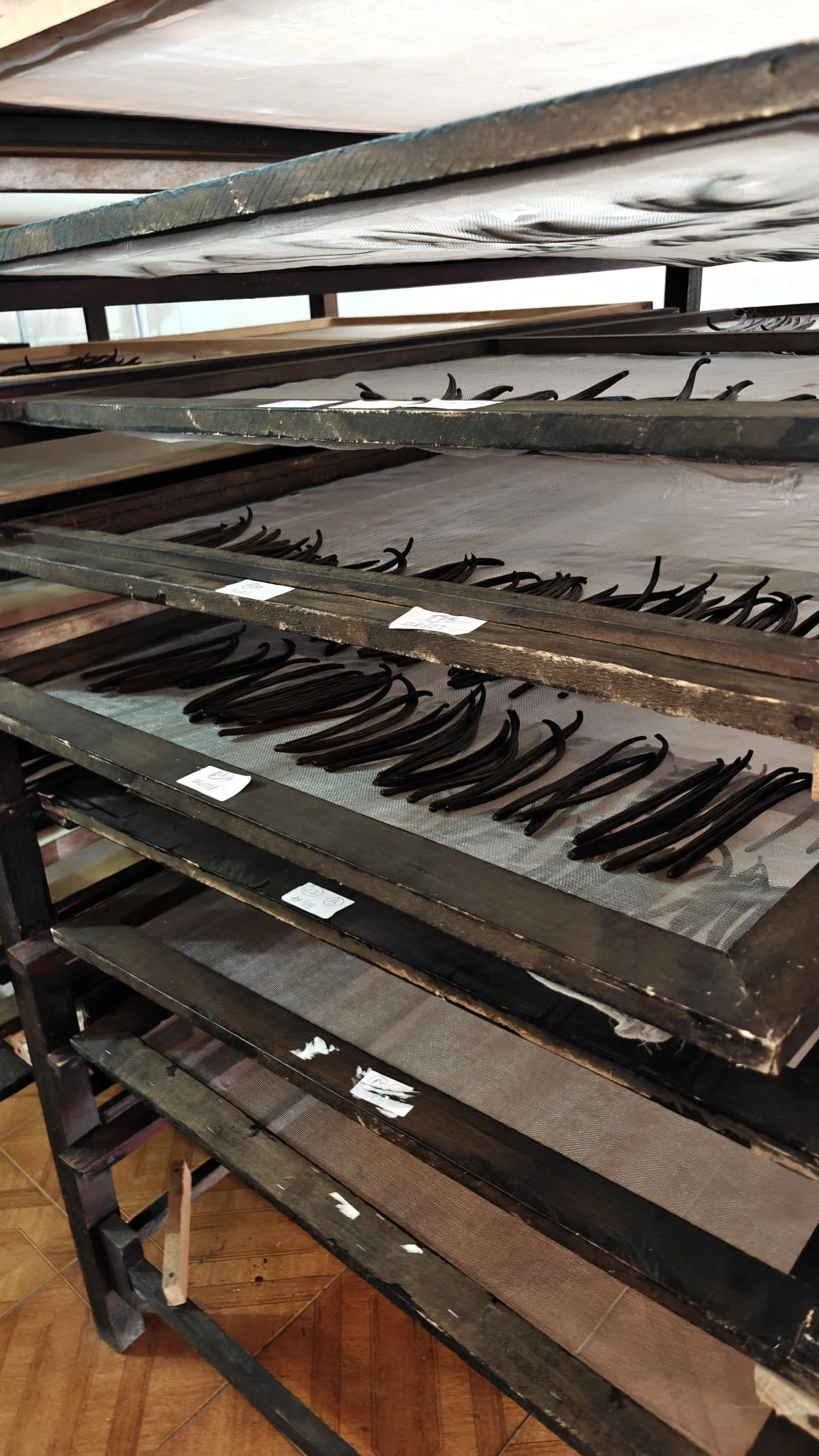
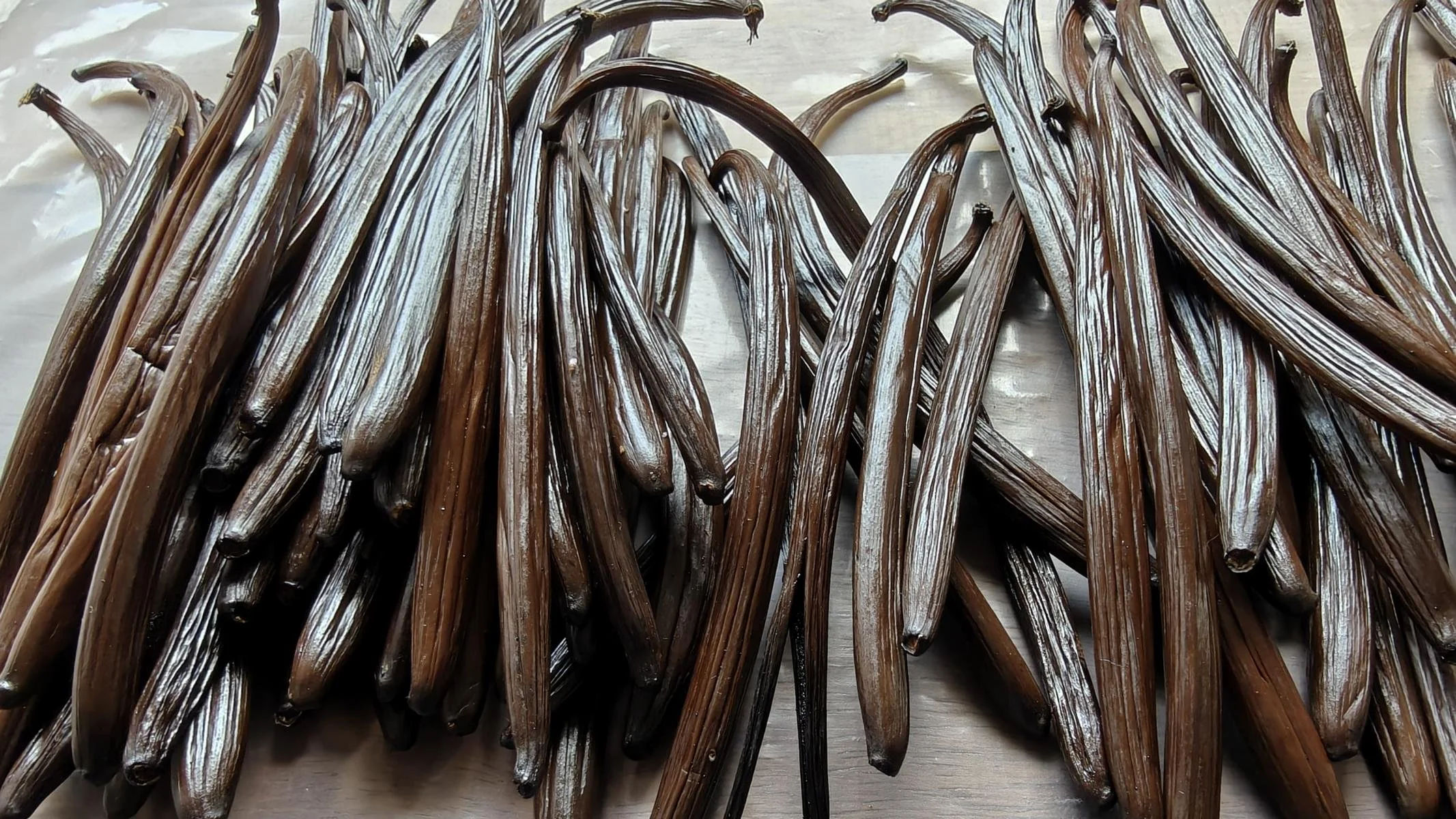
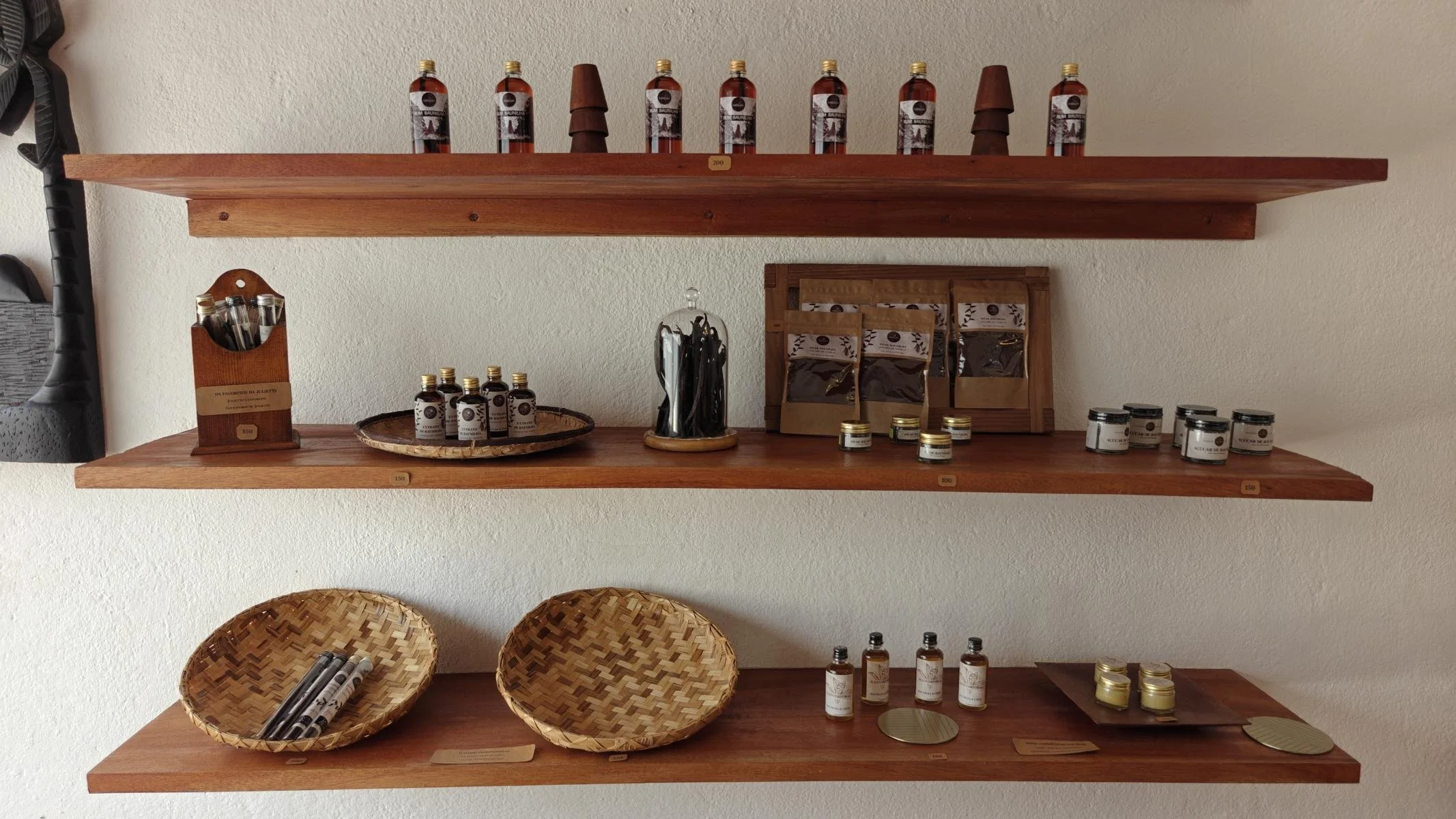
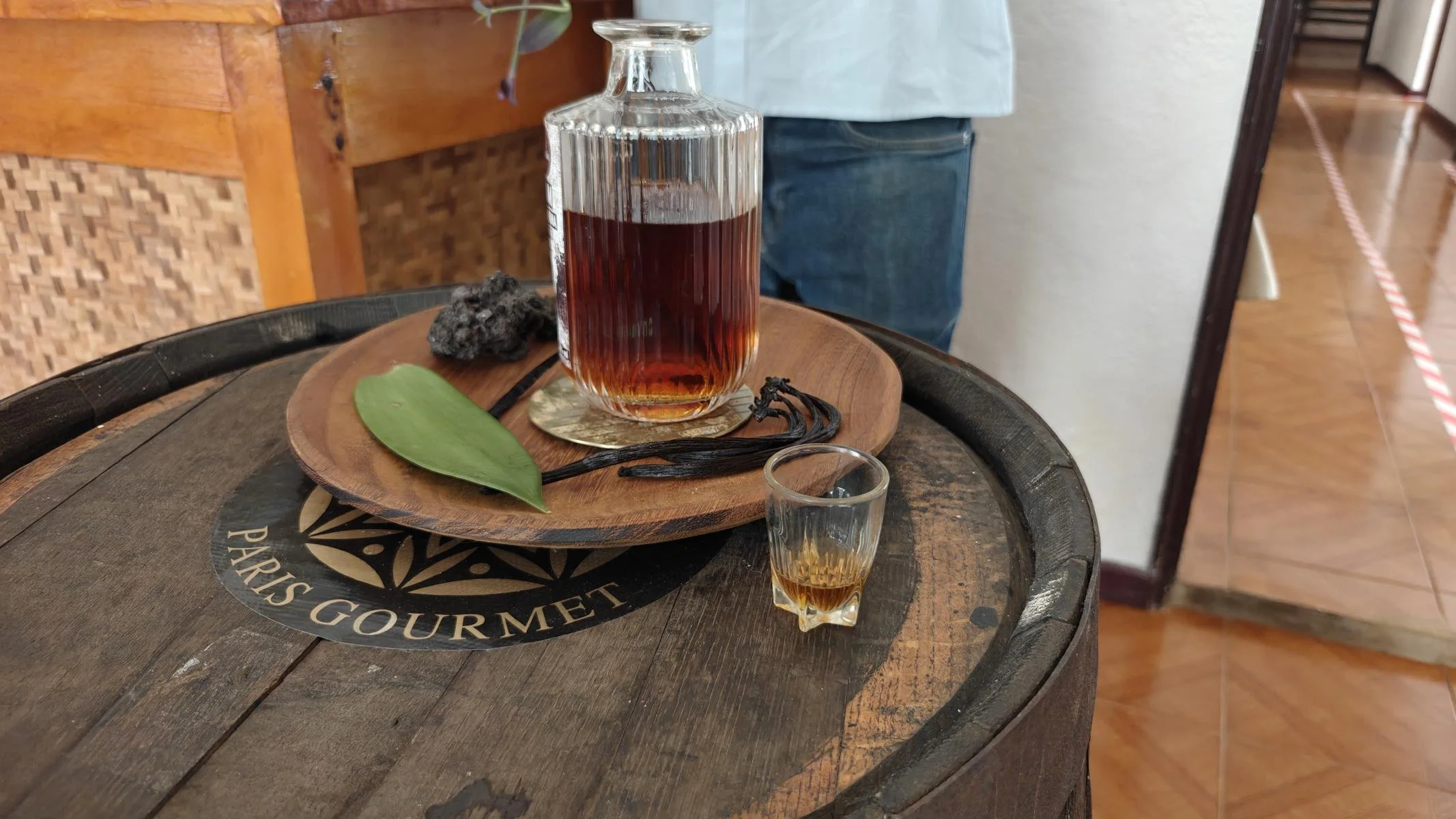
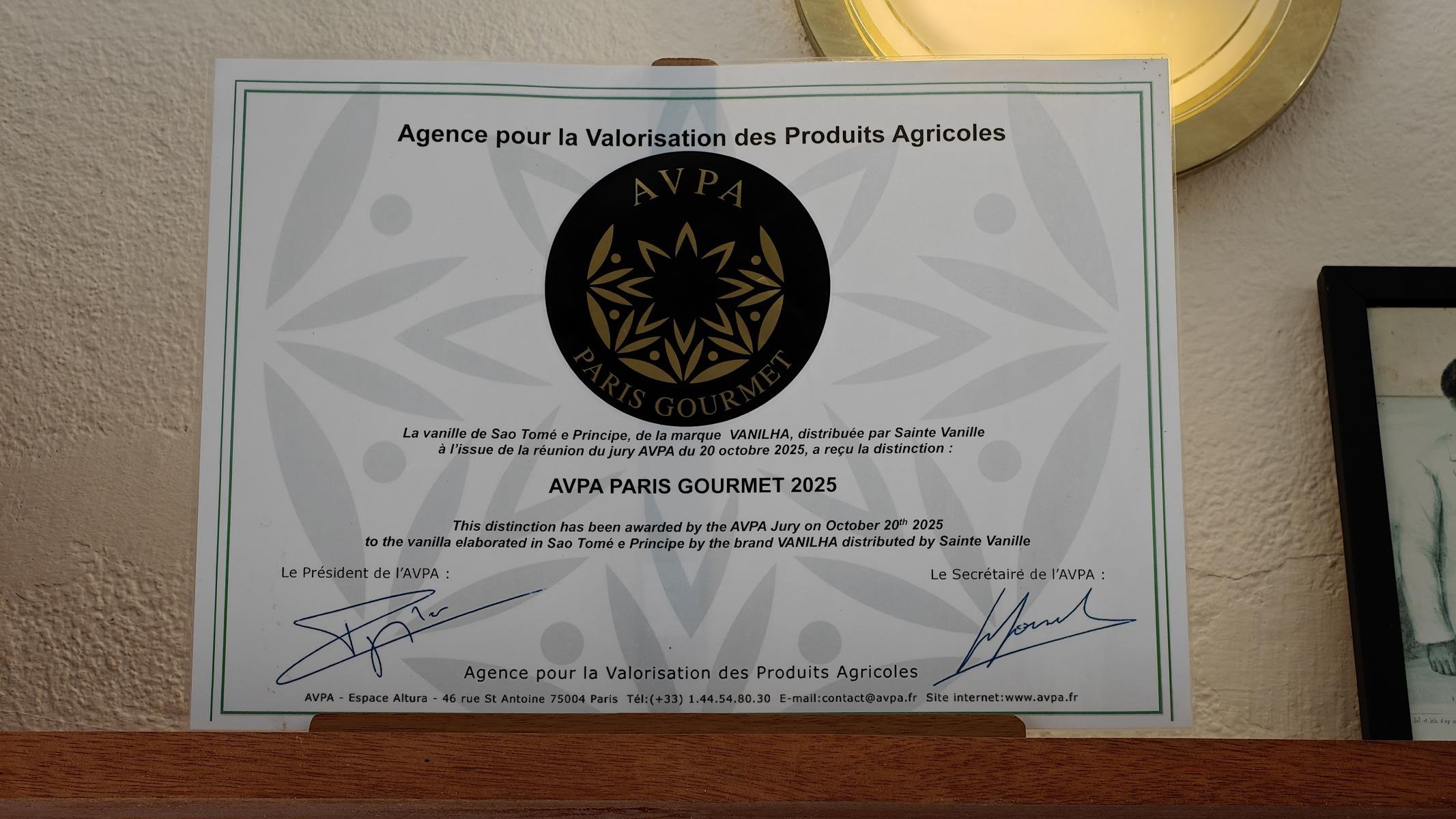
São Tomé and Príncipe is located in the belt where vanilla can be produced. However, due to the lack of specialized insects, each flower must be pollinated by hand (see Figures 6 and 7). The company Vanilha produces vanilla for gourmet restaurants in Europe. We had the opportunity to take part in a guided tour during which the cycle of plant cultivation, pollination, harvesting, heating, fermentation, and drying was explained to us.
São Tomé und Príncipe liegt in jenem Gürtel, in dem Vanille produziert werden kann. Mangels spezialisierter Insekten muss jedoch jede Blüte von Hand bestäubt werden (siehe Bild 6 und 7). Die Firma Vanilha erzeugt Vanille für Gourmet Restaurants in Europa. Wir hatten die Gelegenheit an einer Führung teilzunehmen, bei der uns der Zyklus von Anbau der Pflanze, Bestäubung, Ernte, Erhitzung, Fermentierung und Trocknung erklärt wurde.
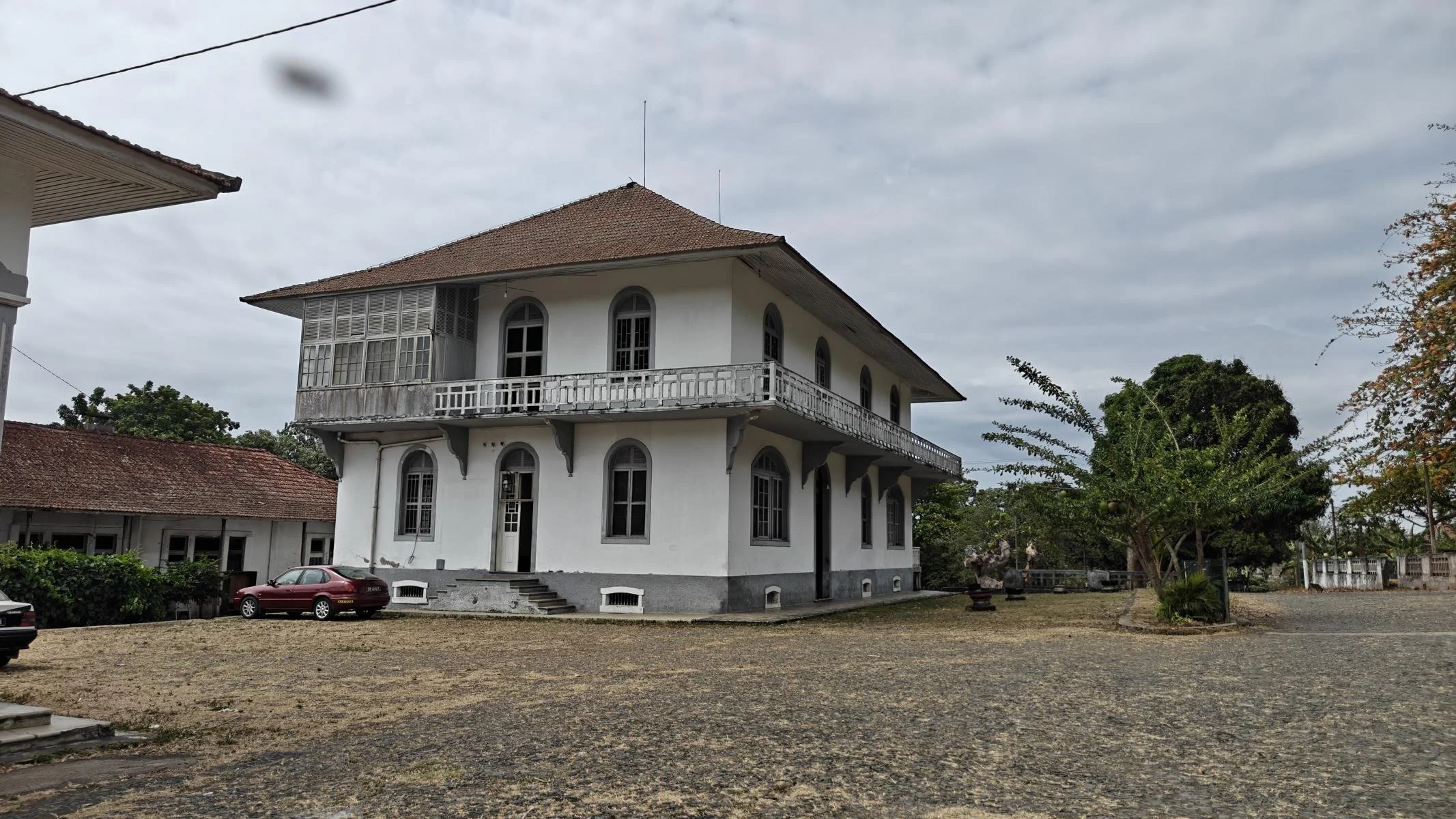
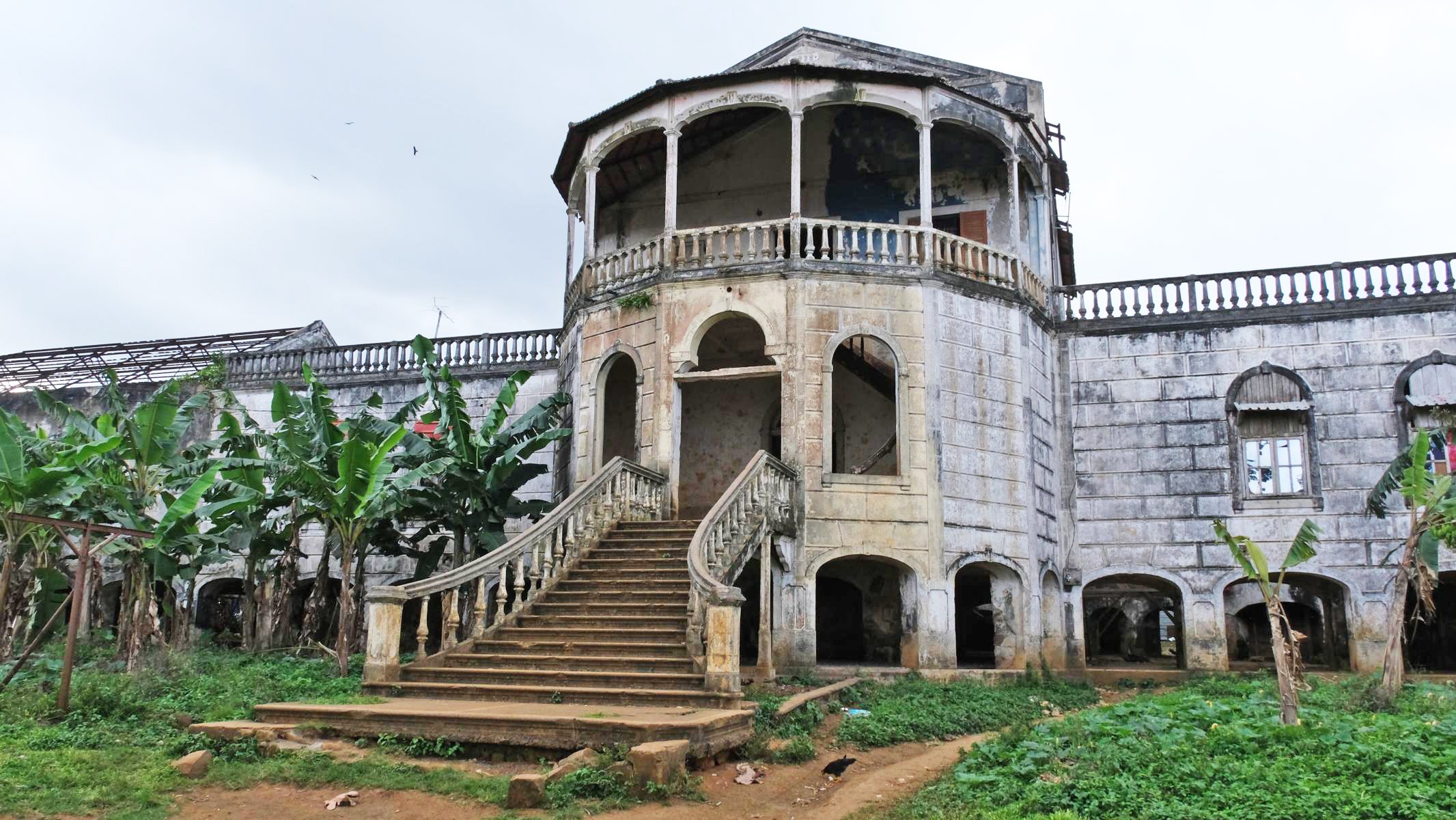
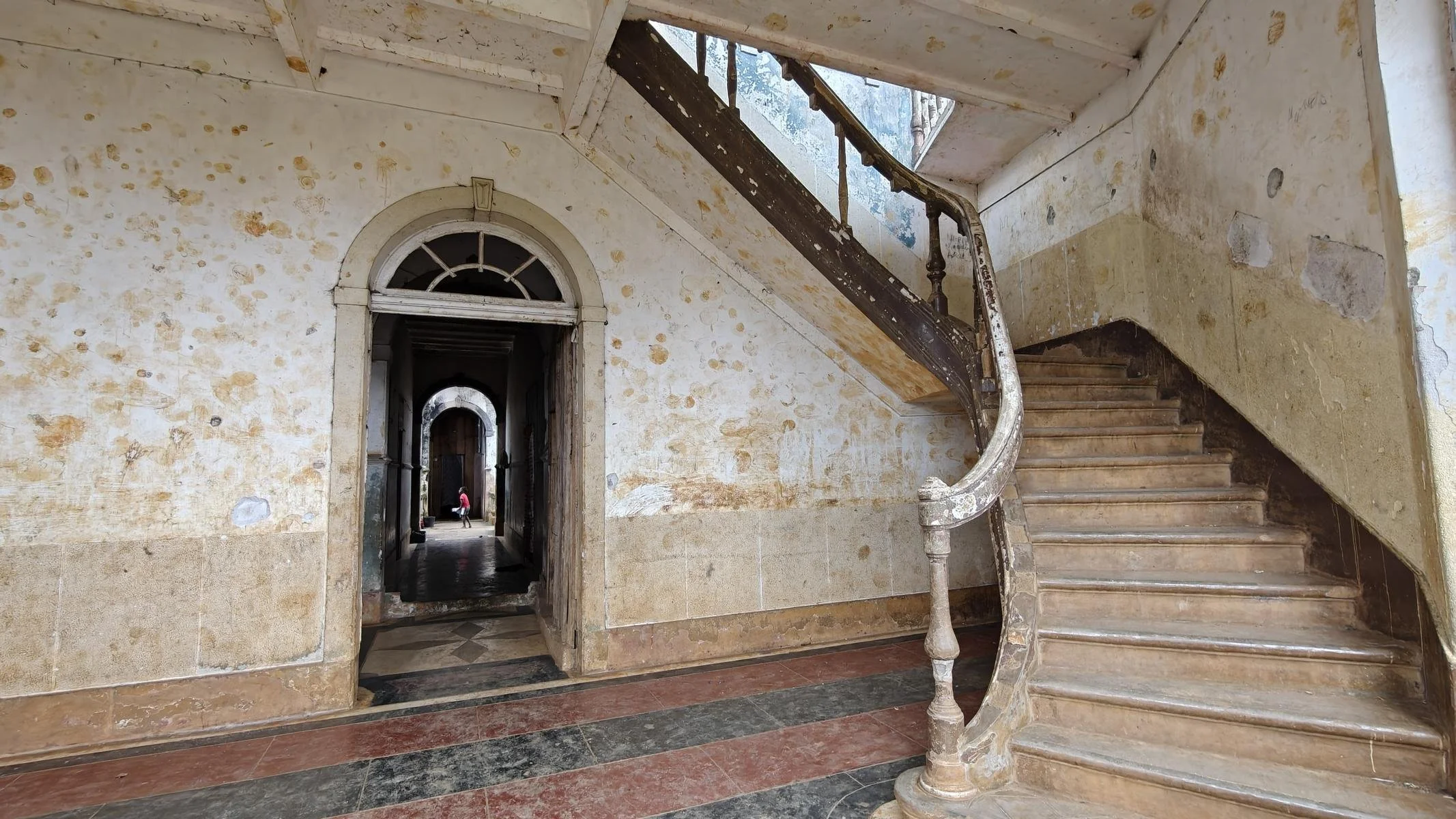
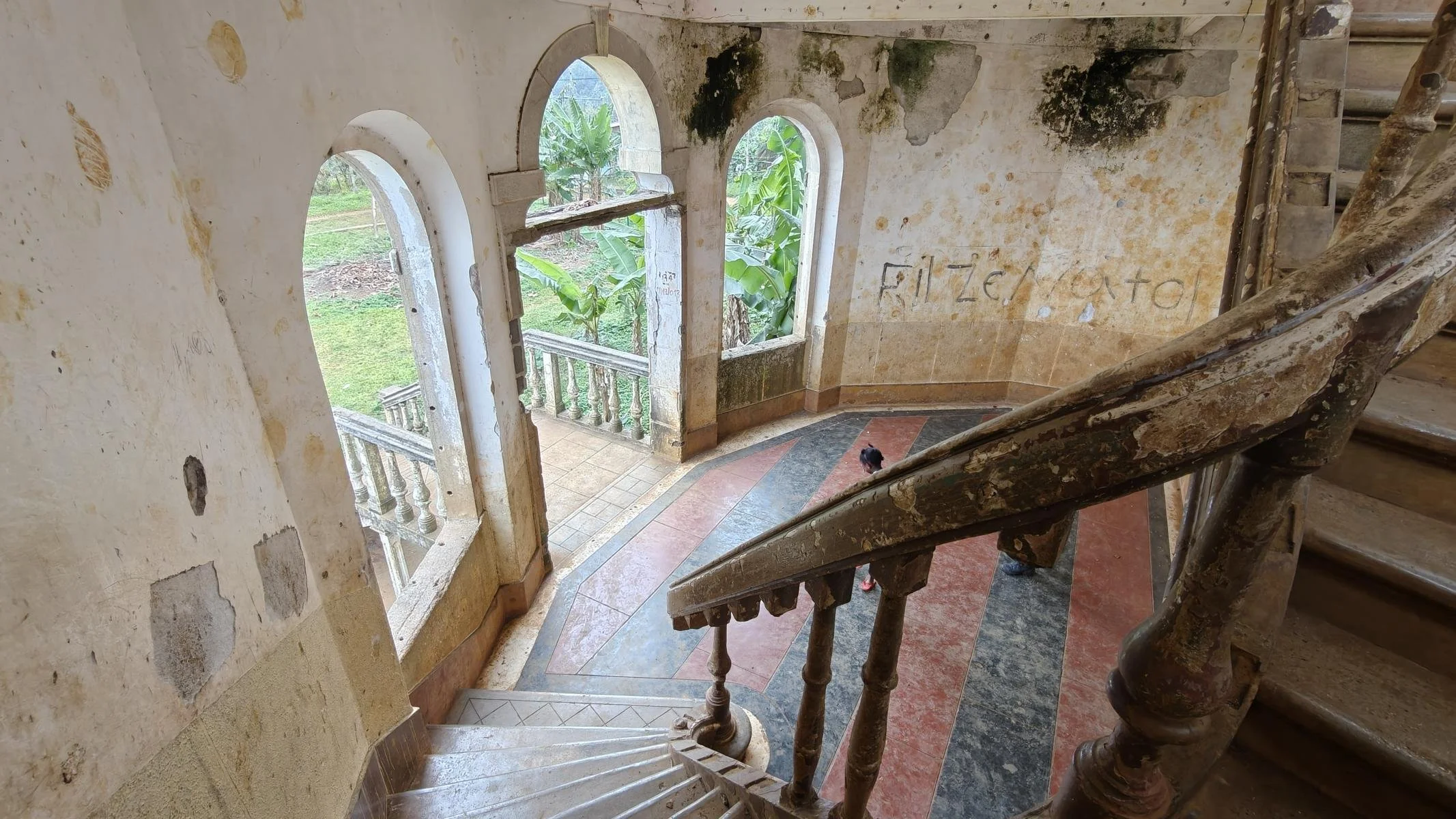
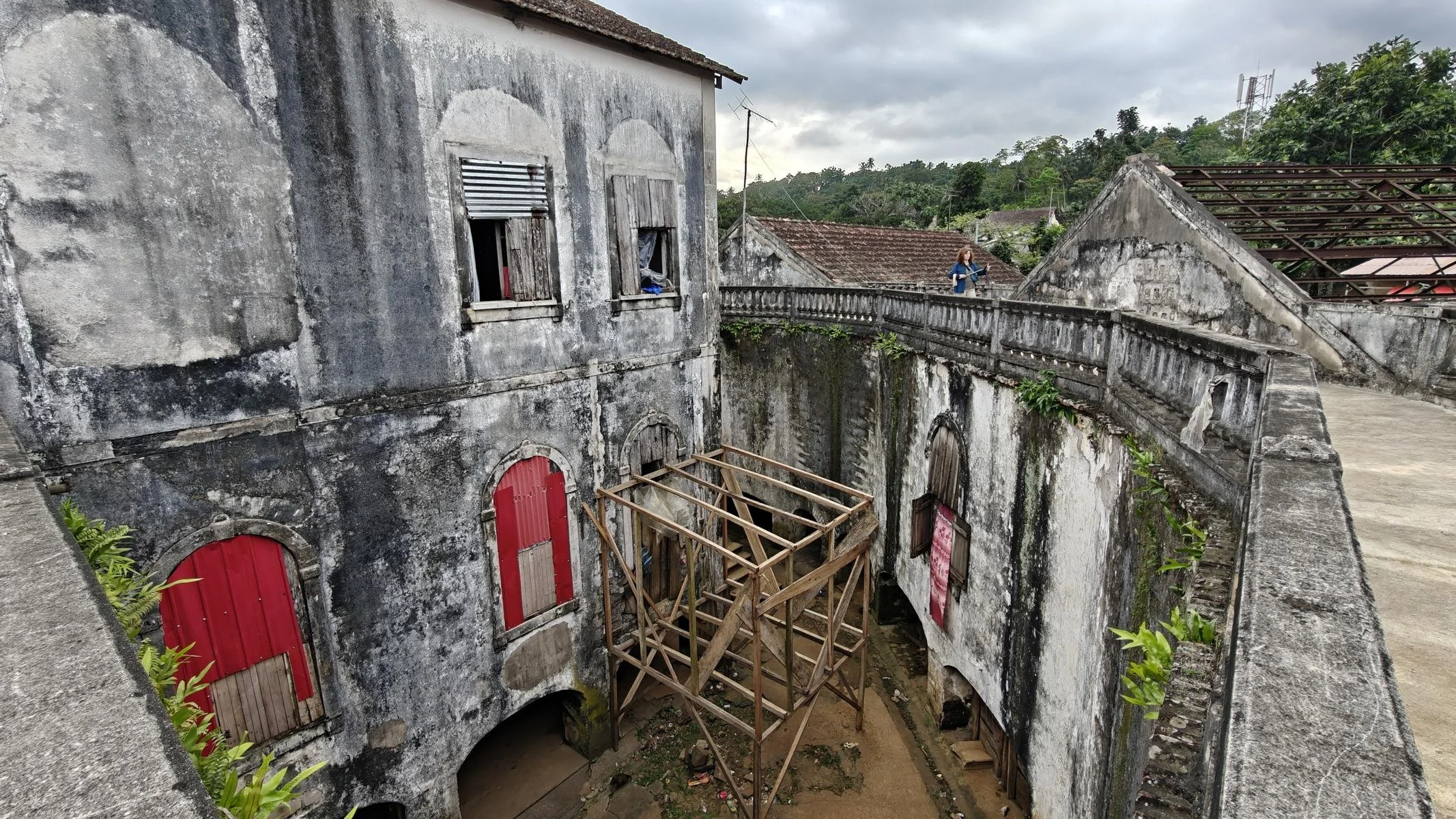
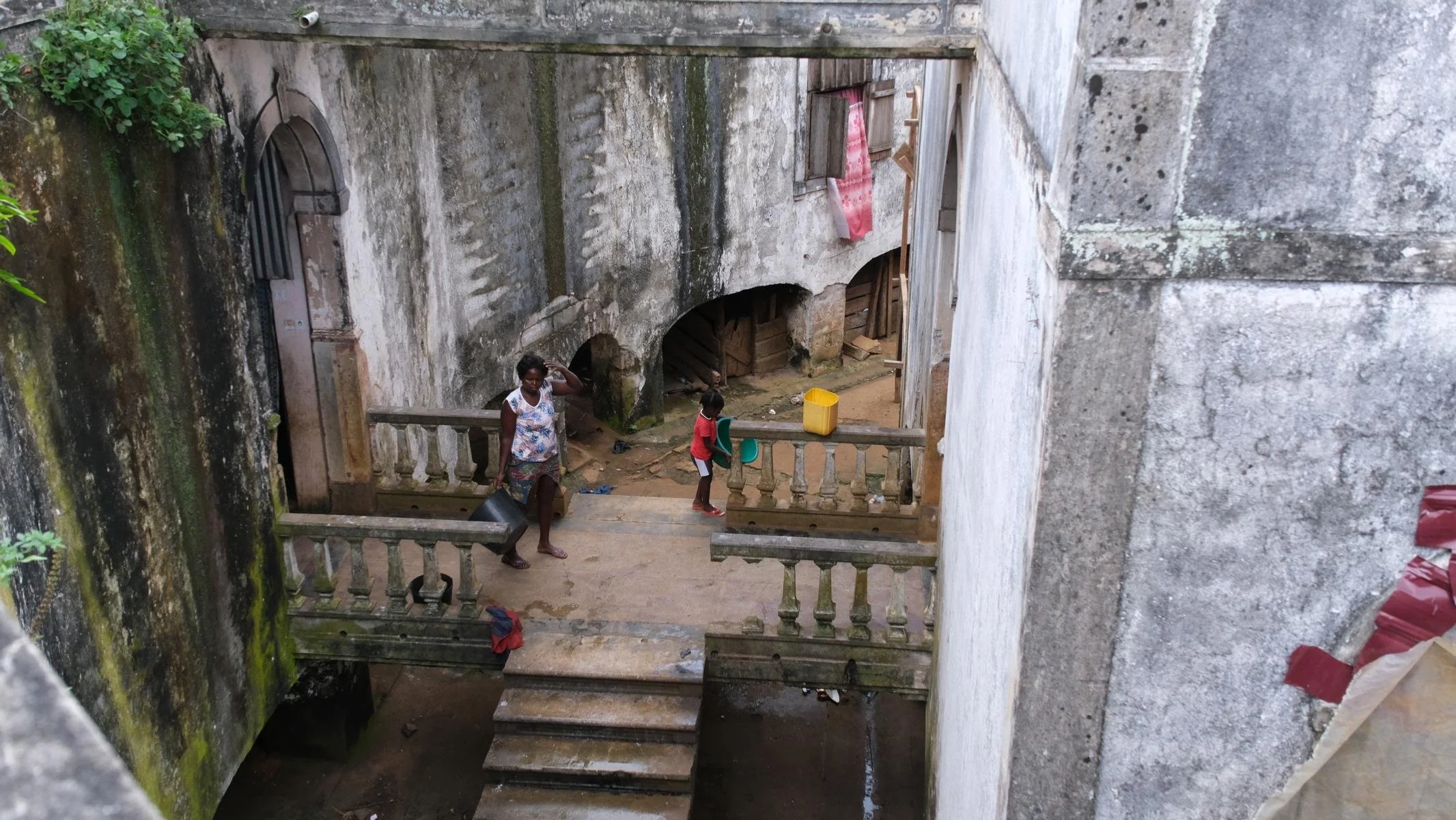
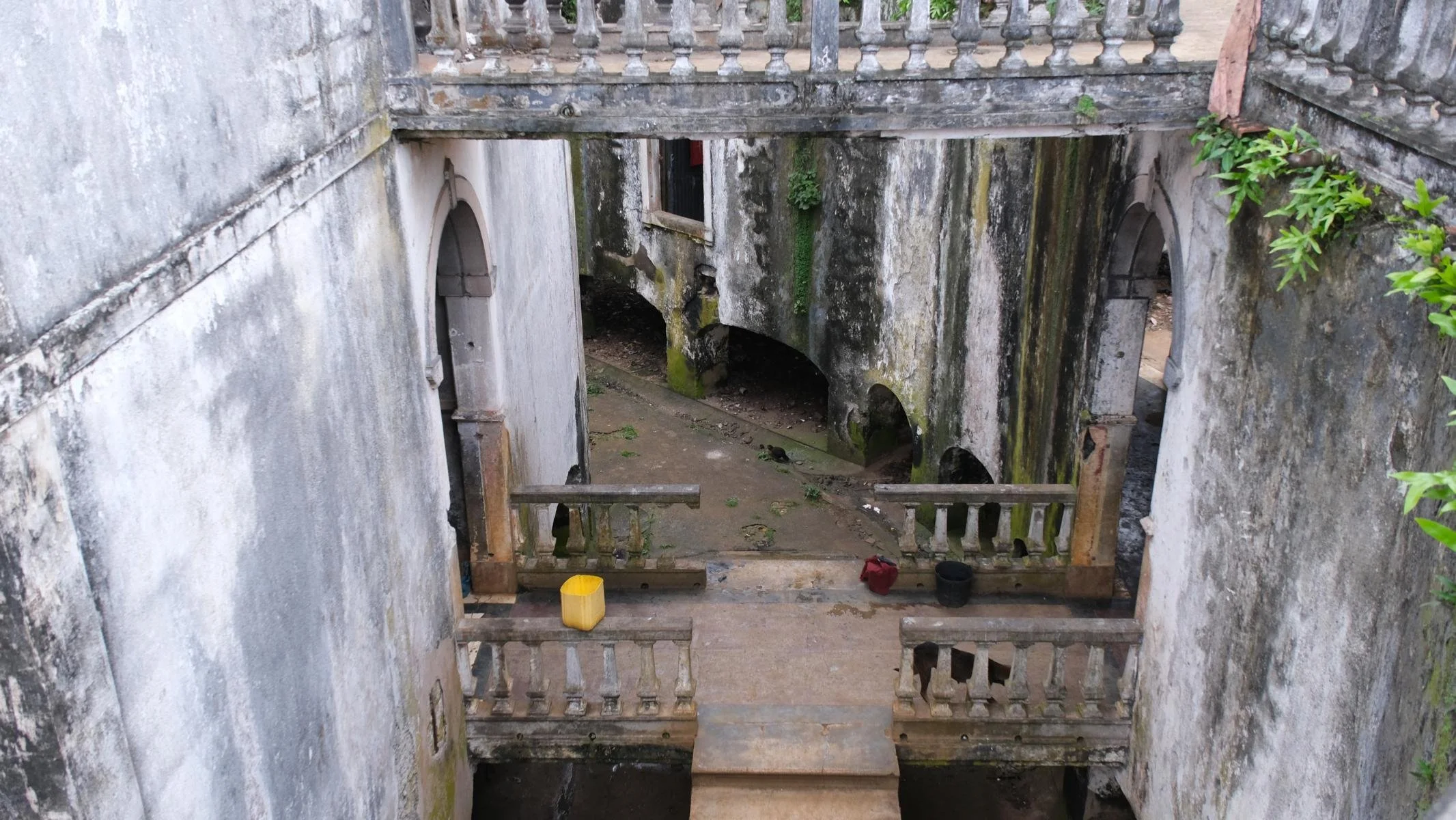
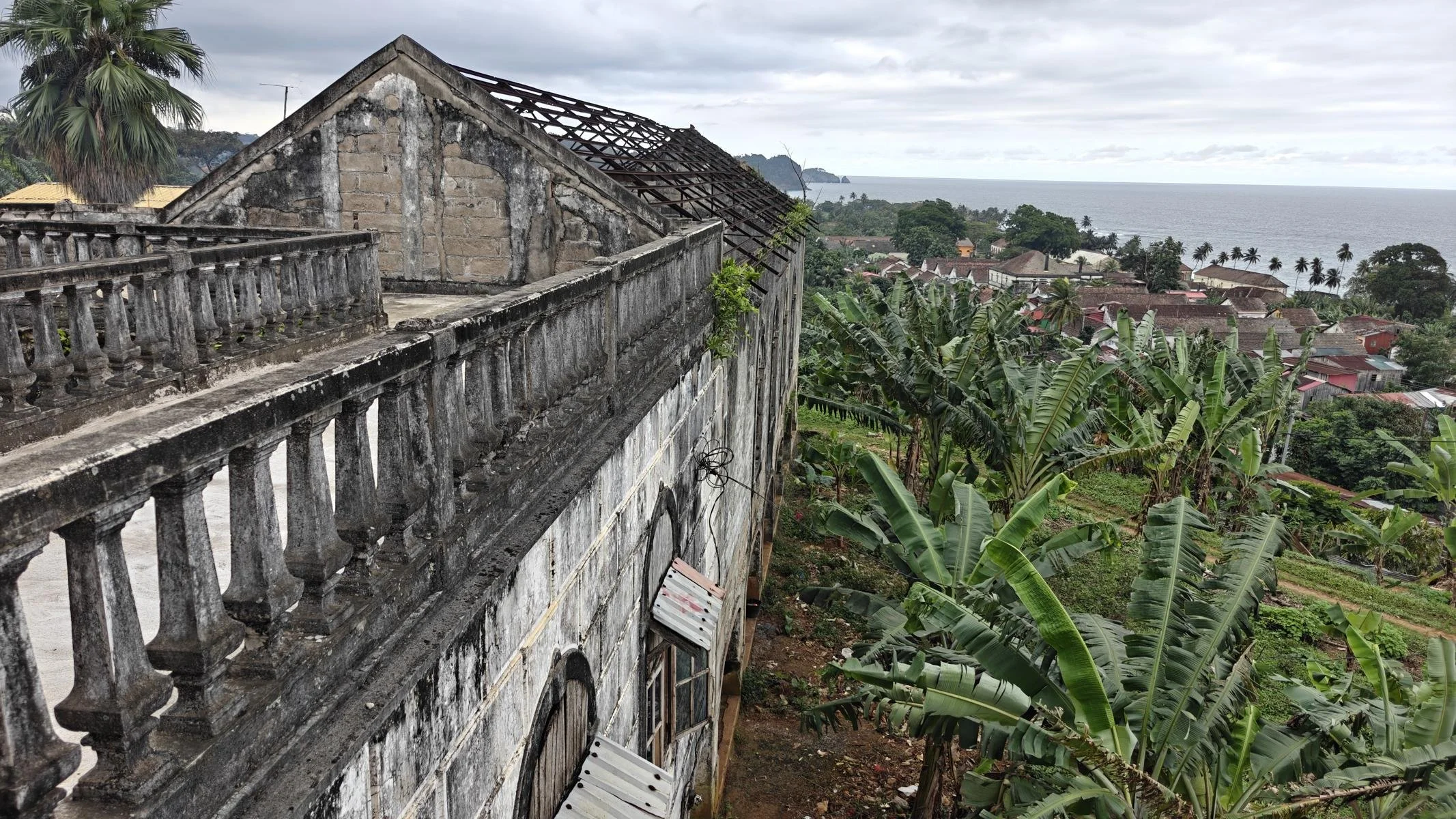
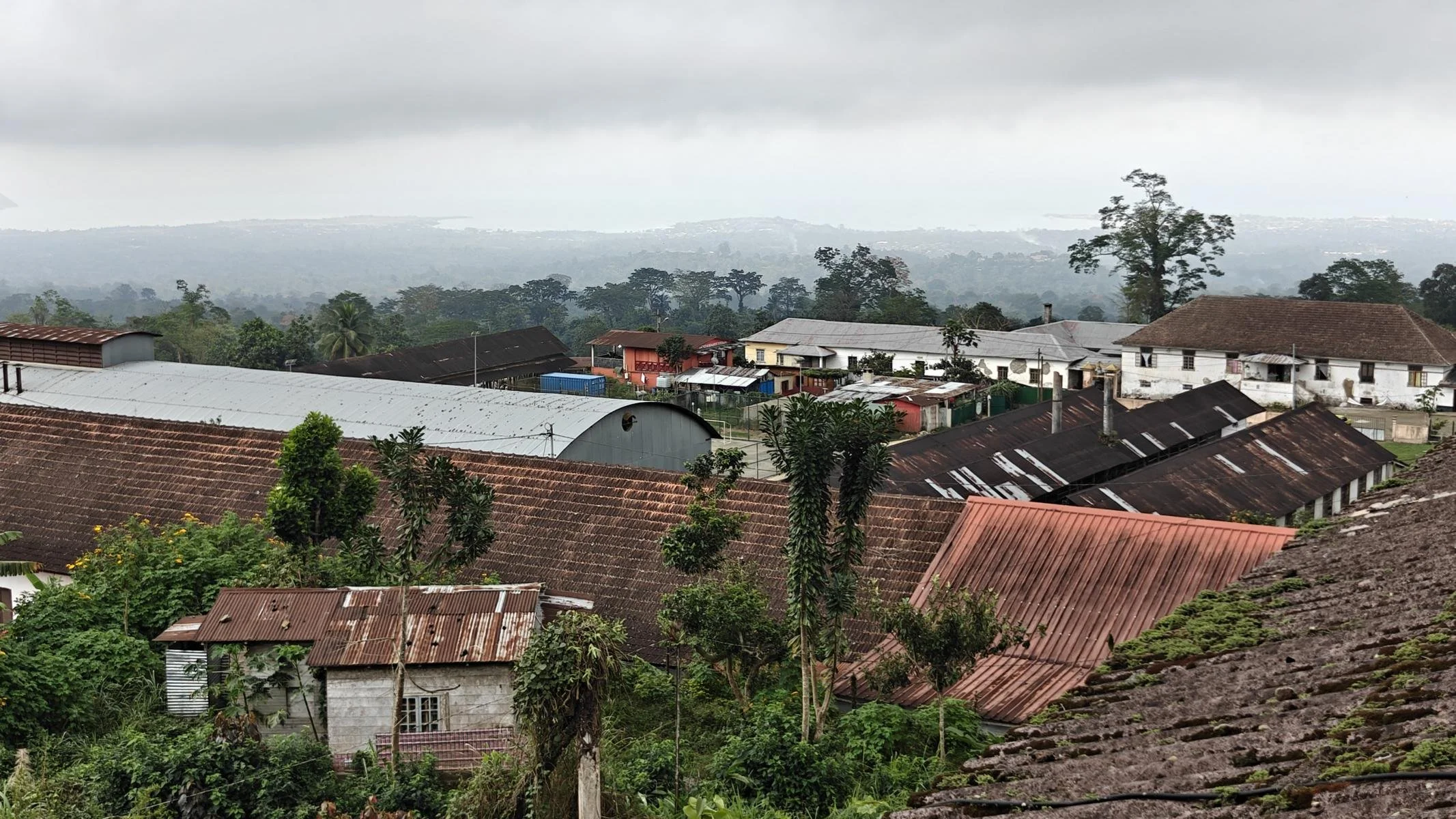
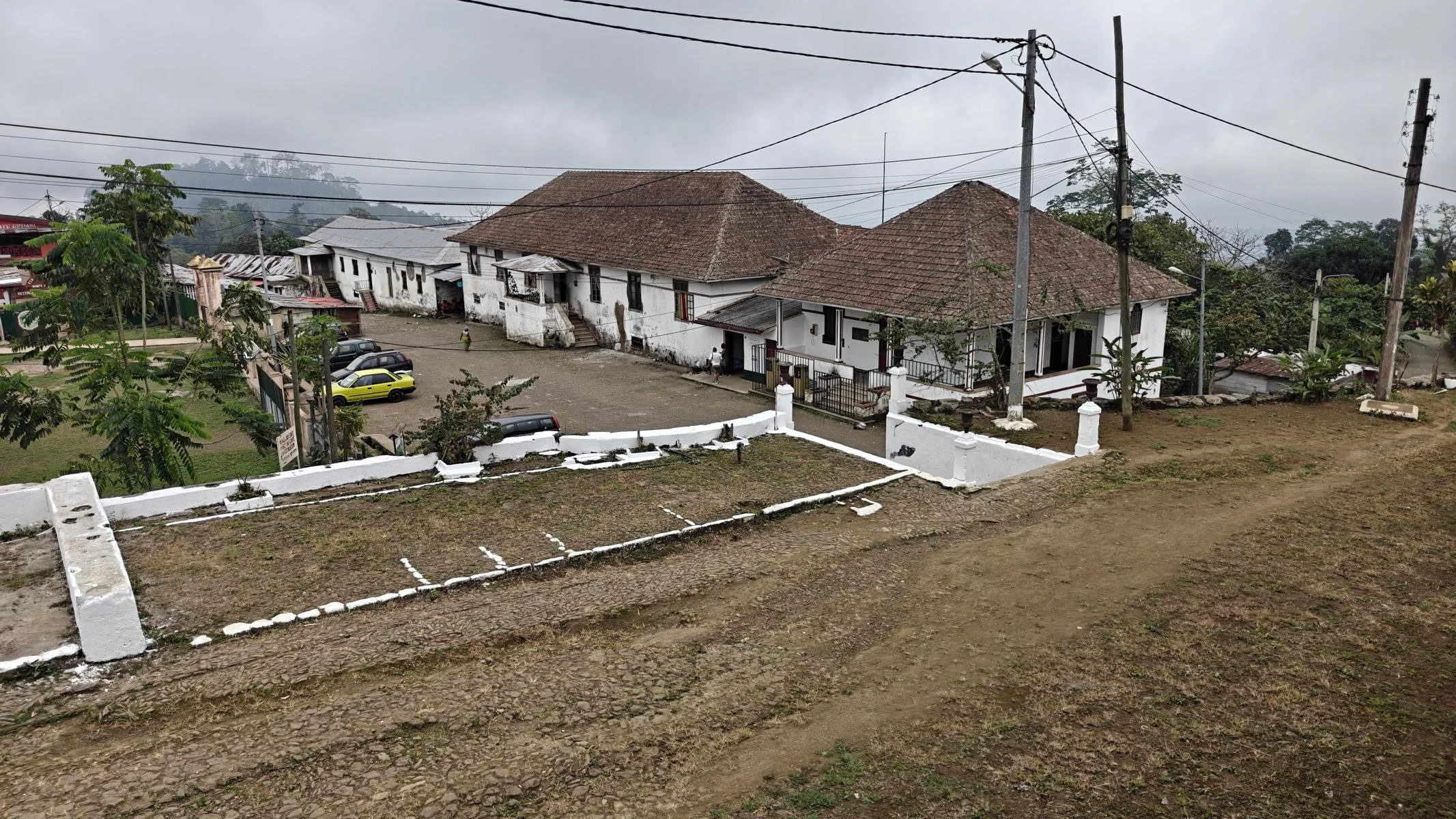
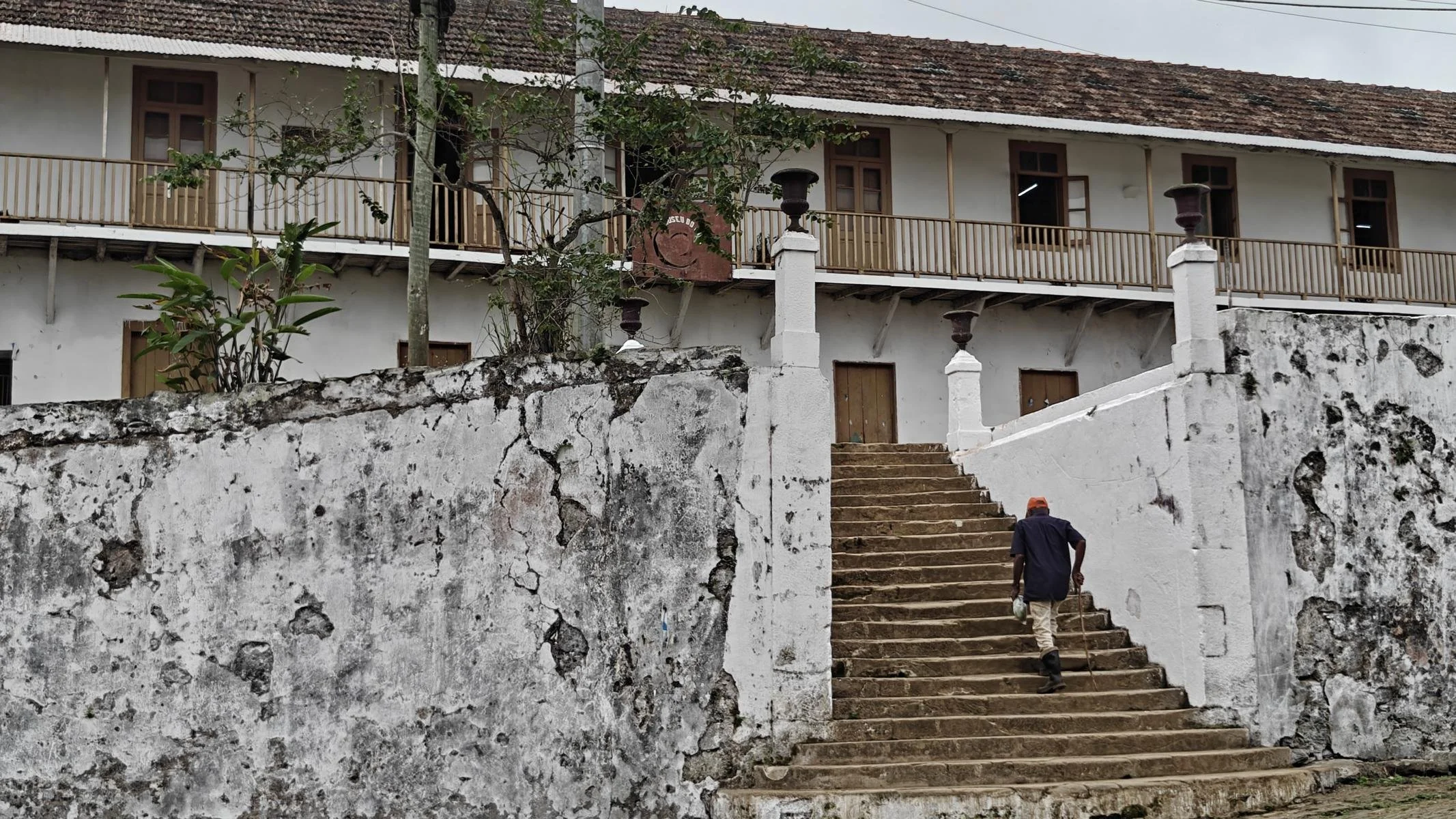
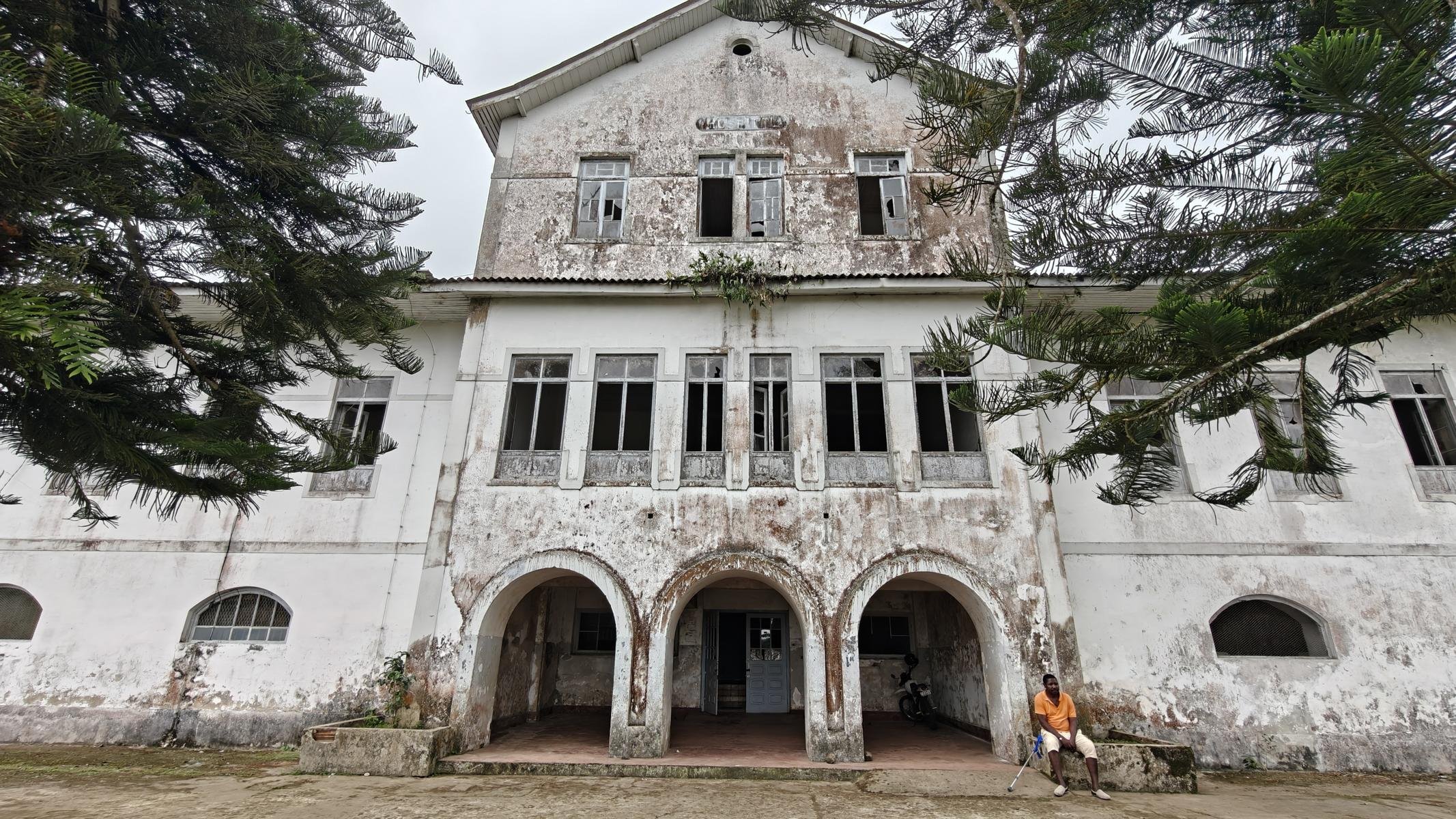
Most of the roças / plantations are in a state of progressive decay. We visited several of them that have since been designated UNESCO World Heritage Sites. One of them is the Roça Água Izé in the eastern part of the island, where about 1,200 people live, most of them as subsistence farmers. The building with the magnificent staircase was the roça’s former hospital.
Die meisten Roças / Plantagen befinden sich in einem fortschreitenden Prozess des Zerfalls. Wir besuchten mehrere davon, die inzwischen den Status als UNESCO Weltkulturerbe erhielten. Eine davon ist die Roça Água Izé im Osten der Insel, auf der etwa 1.200 Menschen leben, die meisten davon als Subsistenzwirtschafts-Bauern. Das Gebäude mit dem prächtigen Stiegenaufgang war das ehemalige Spital der Roça.
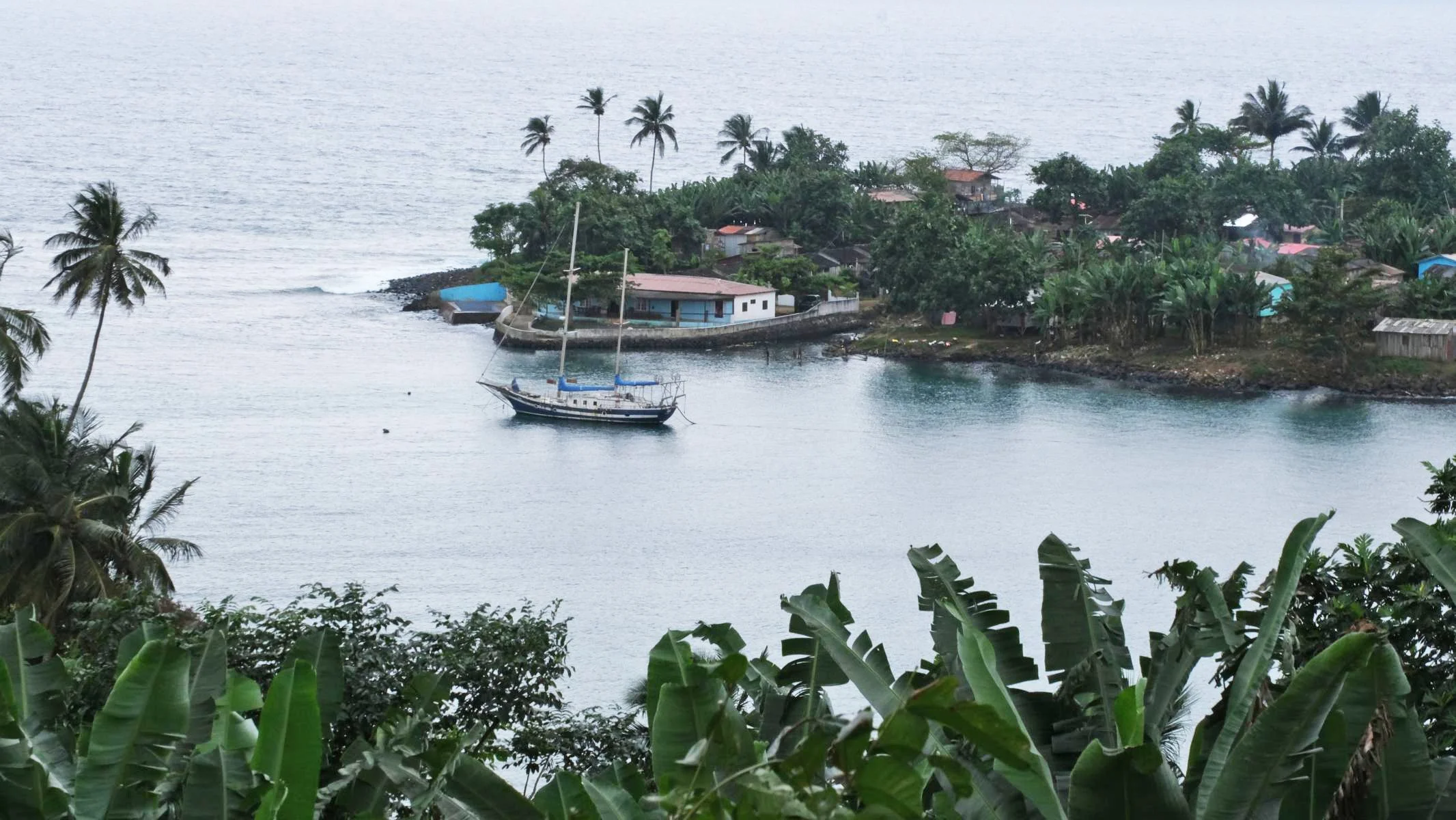
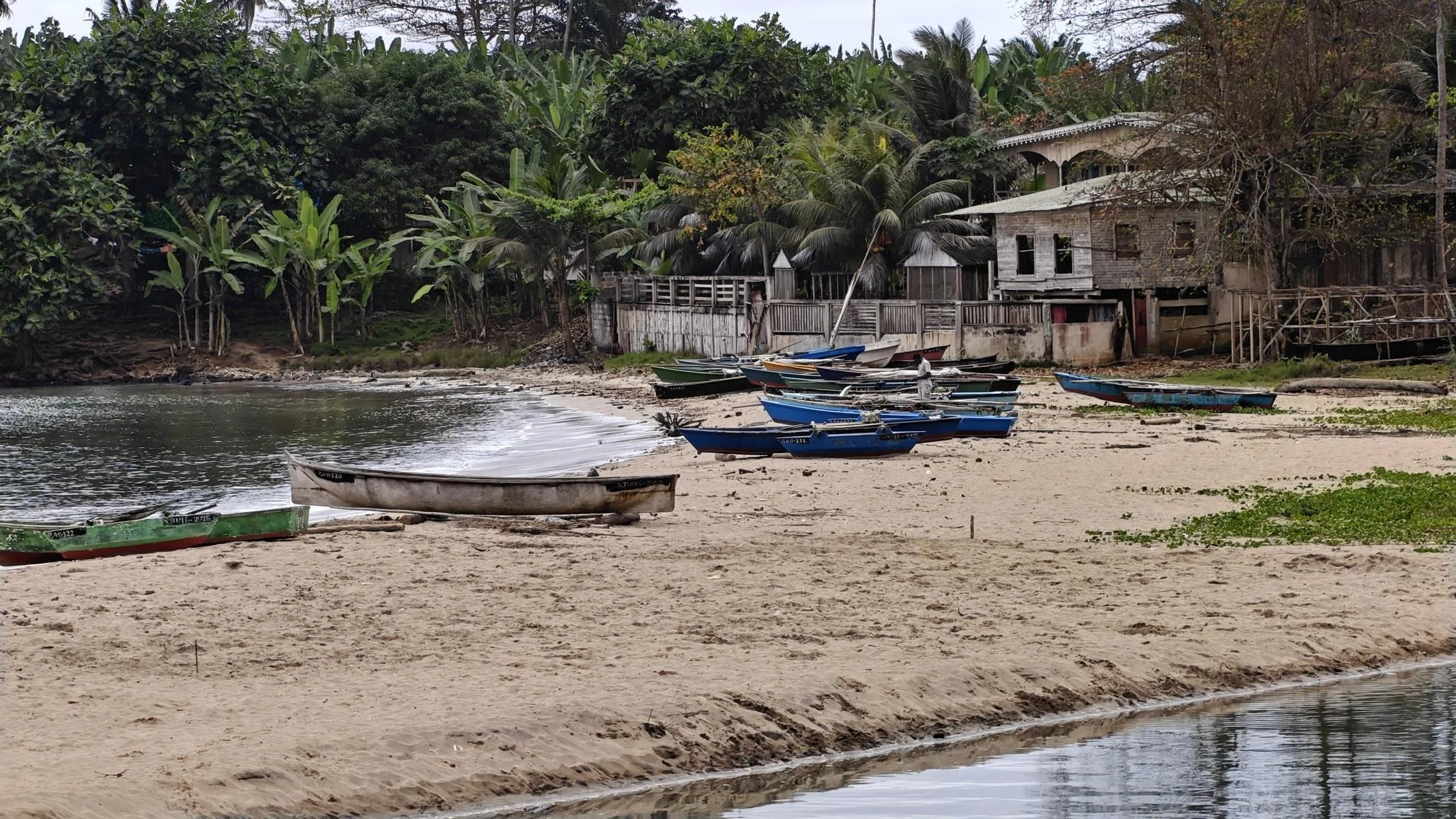
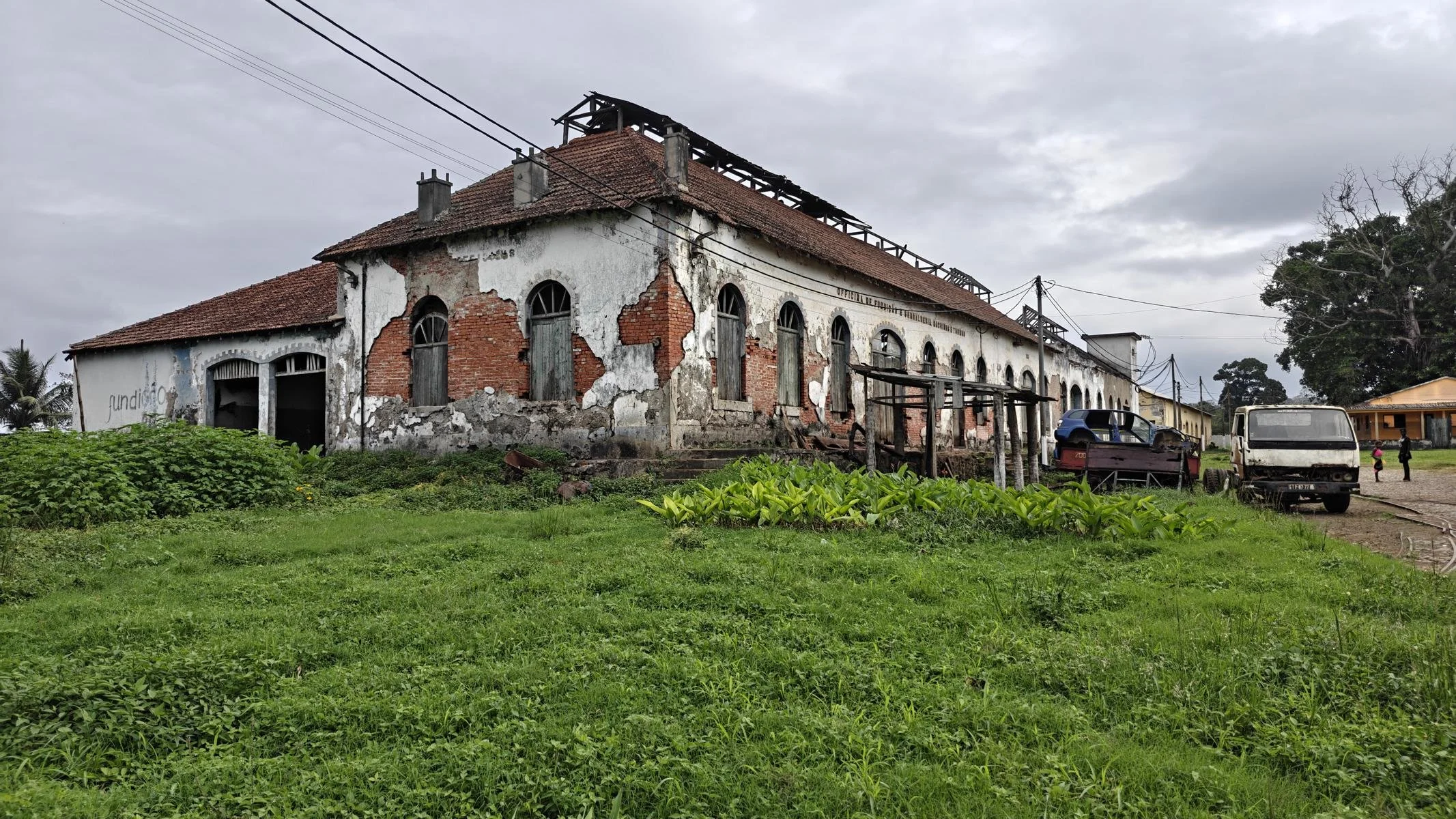
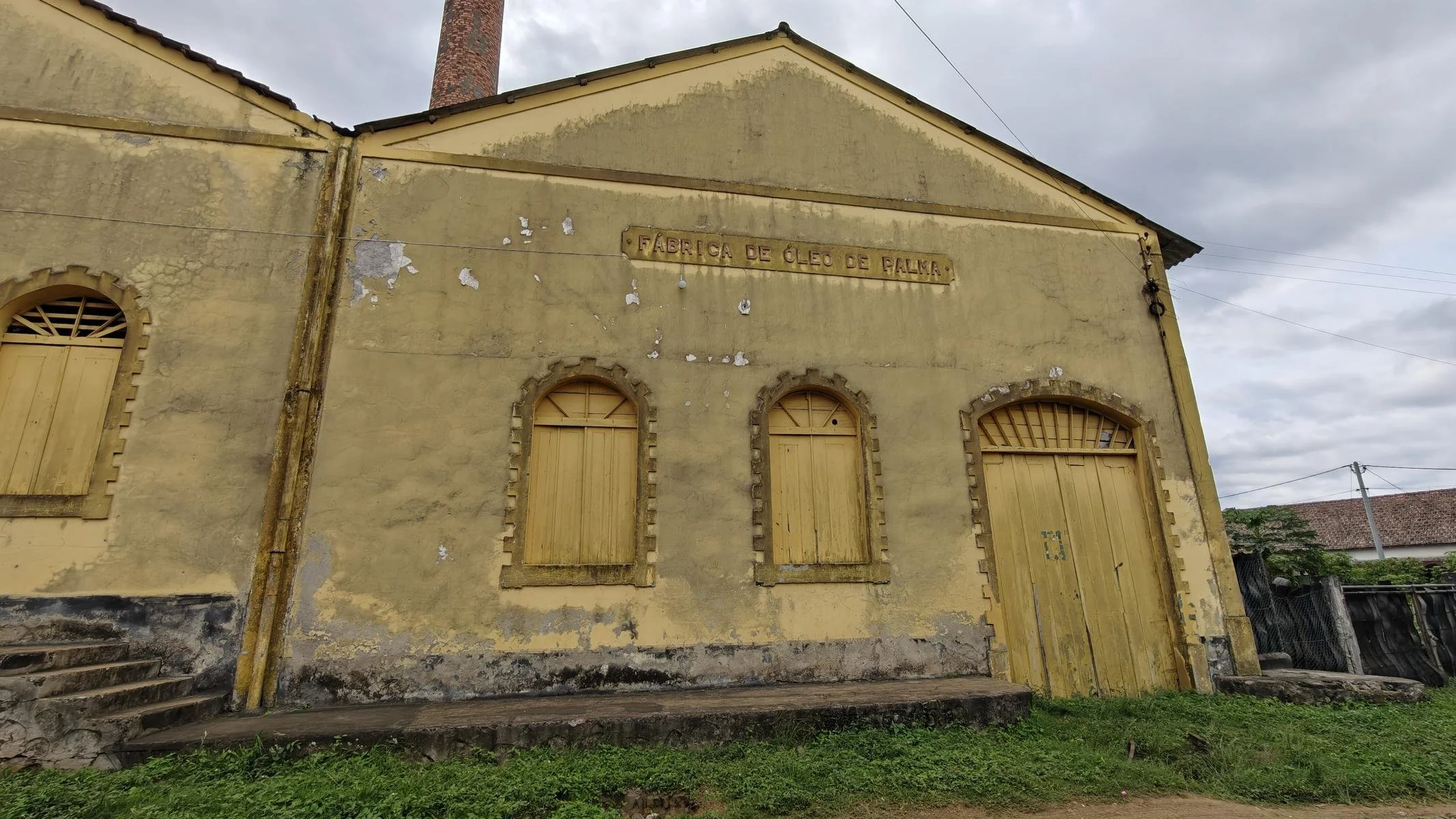
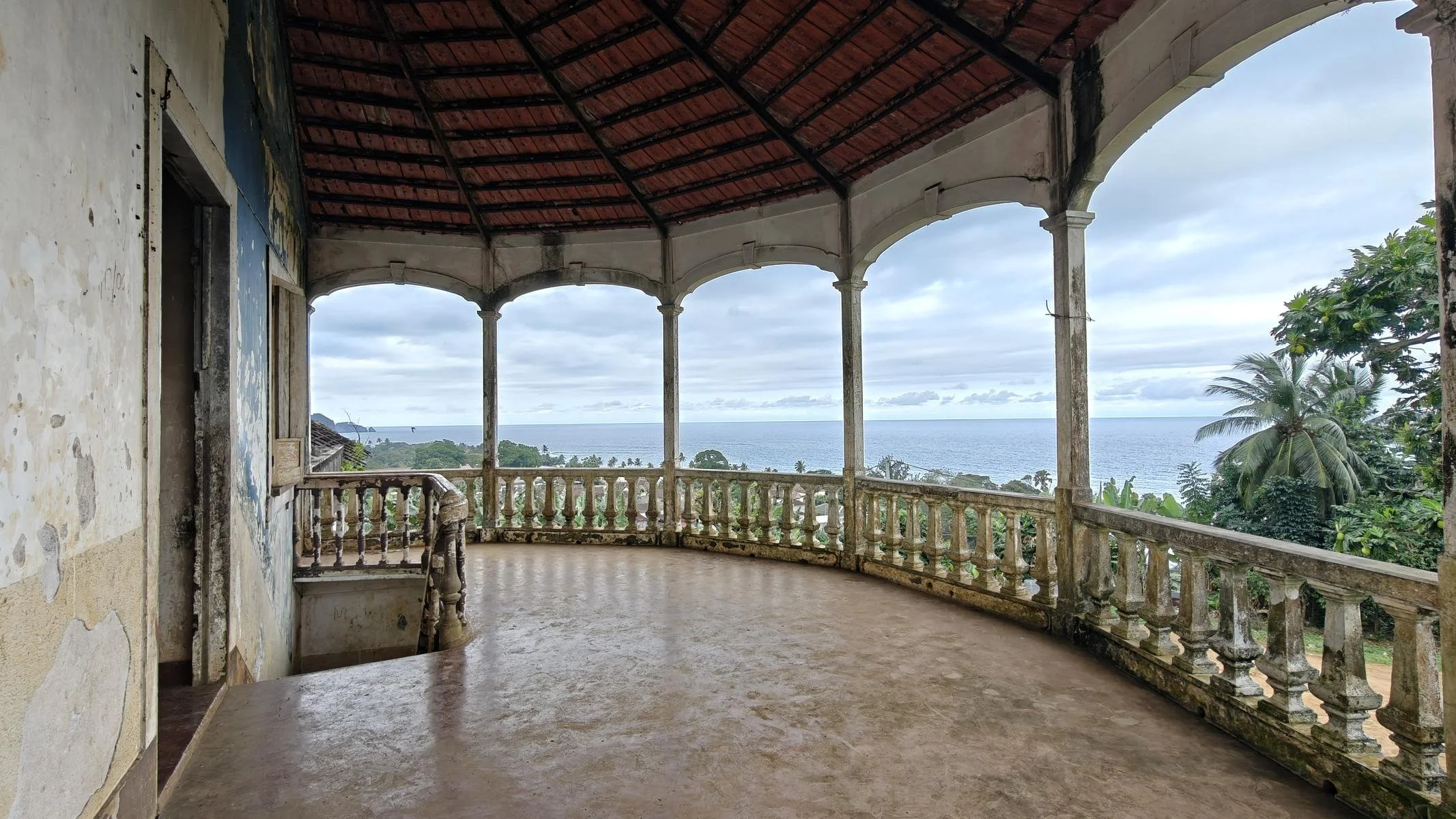
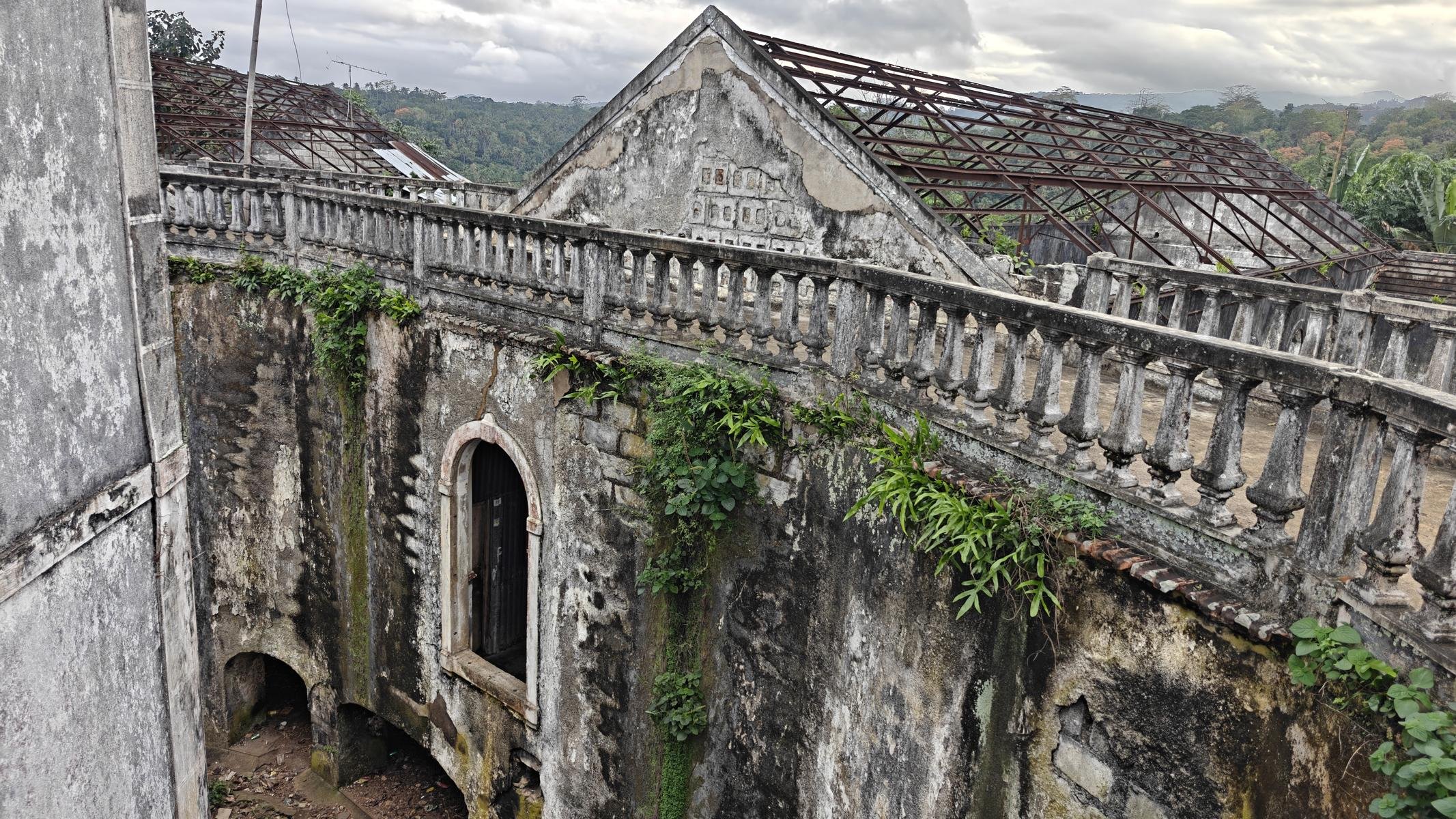
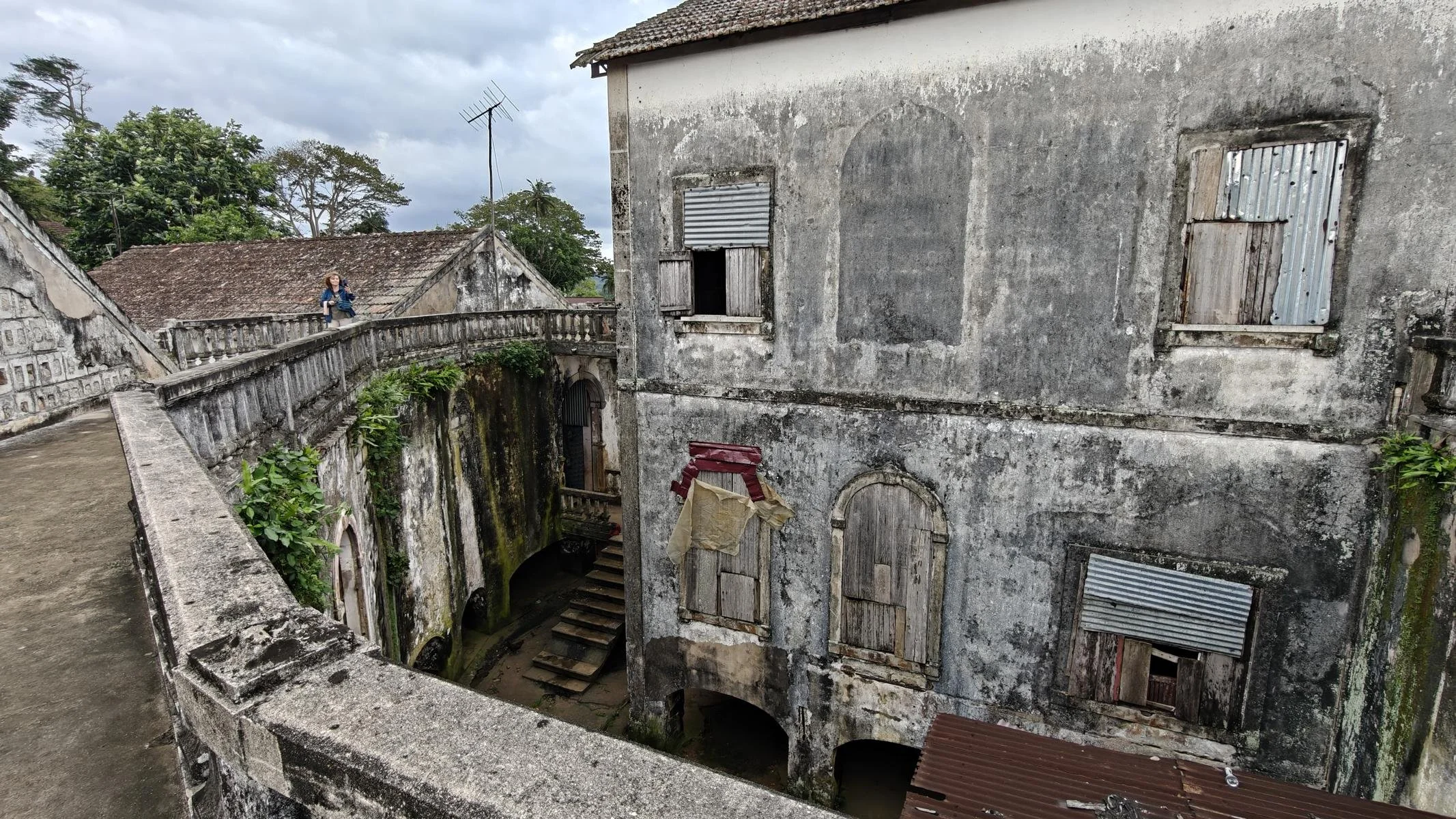
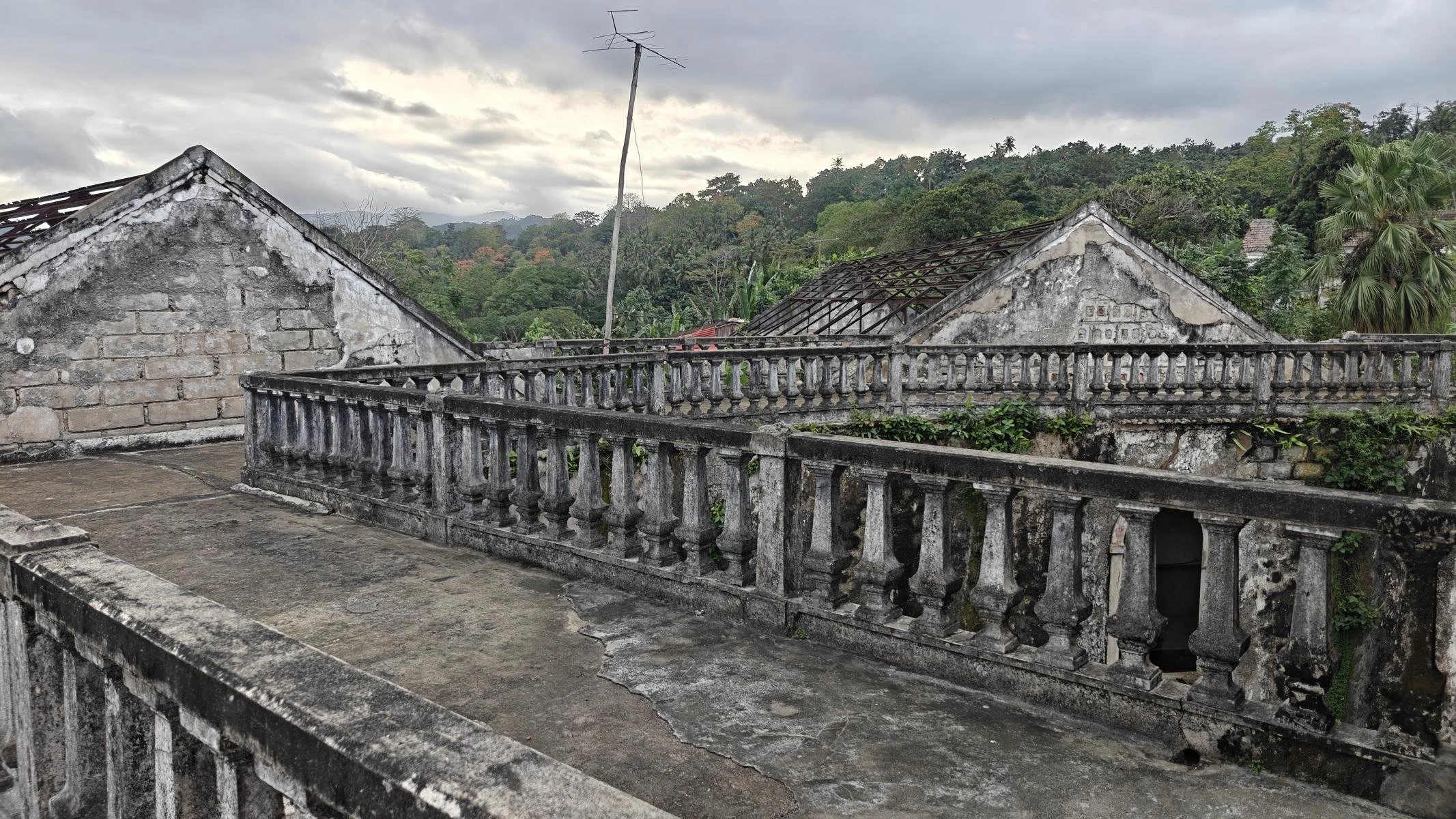
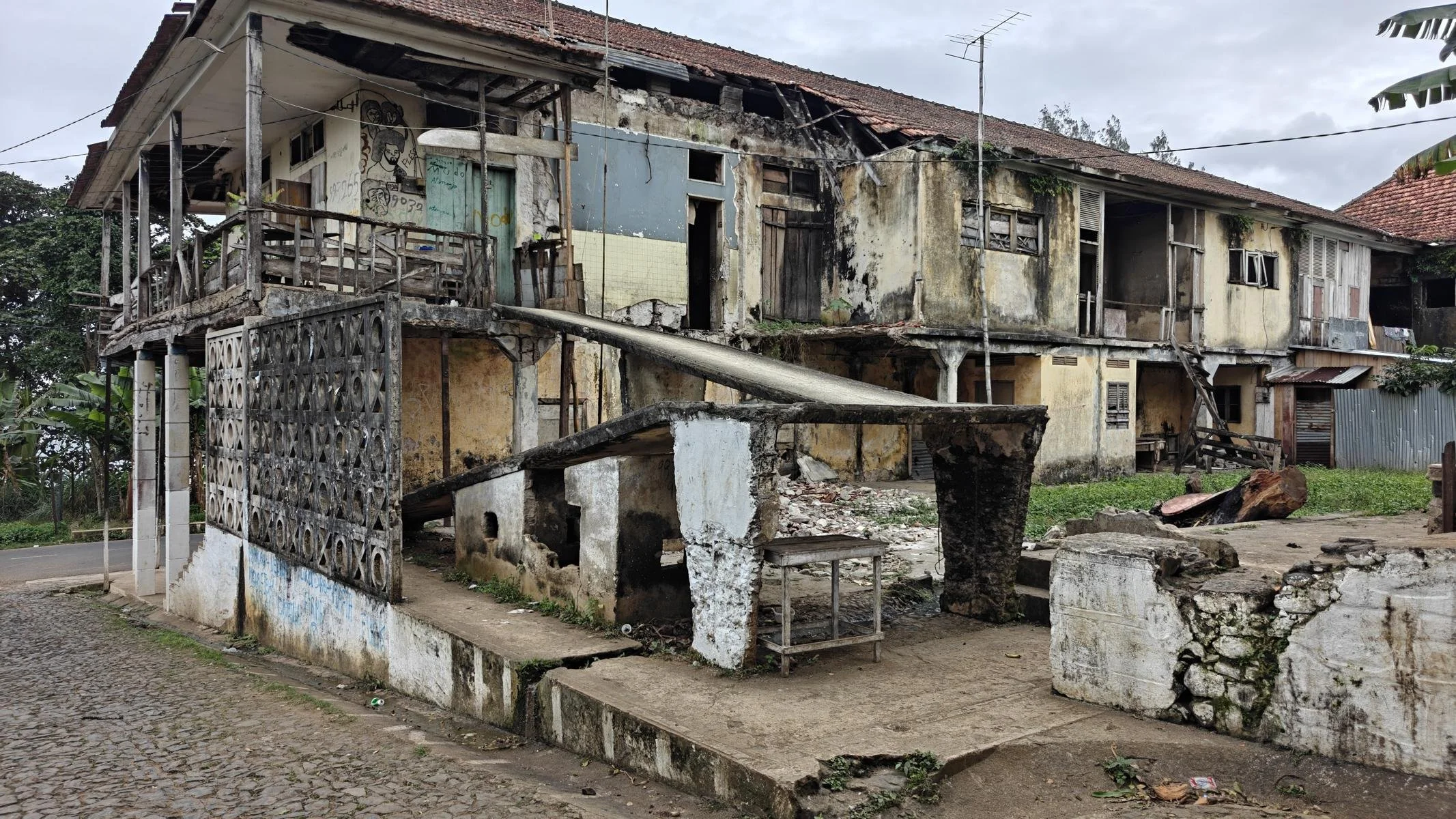
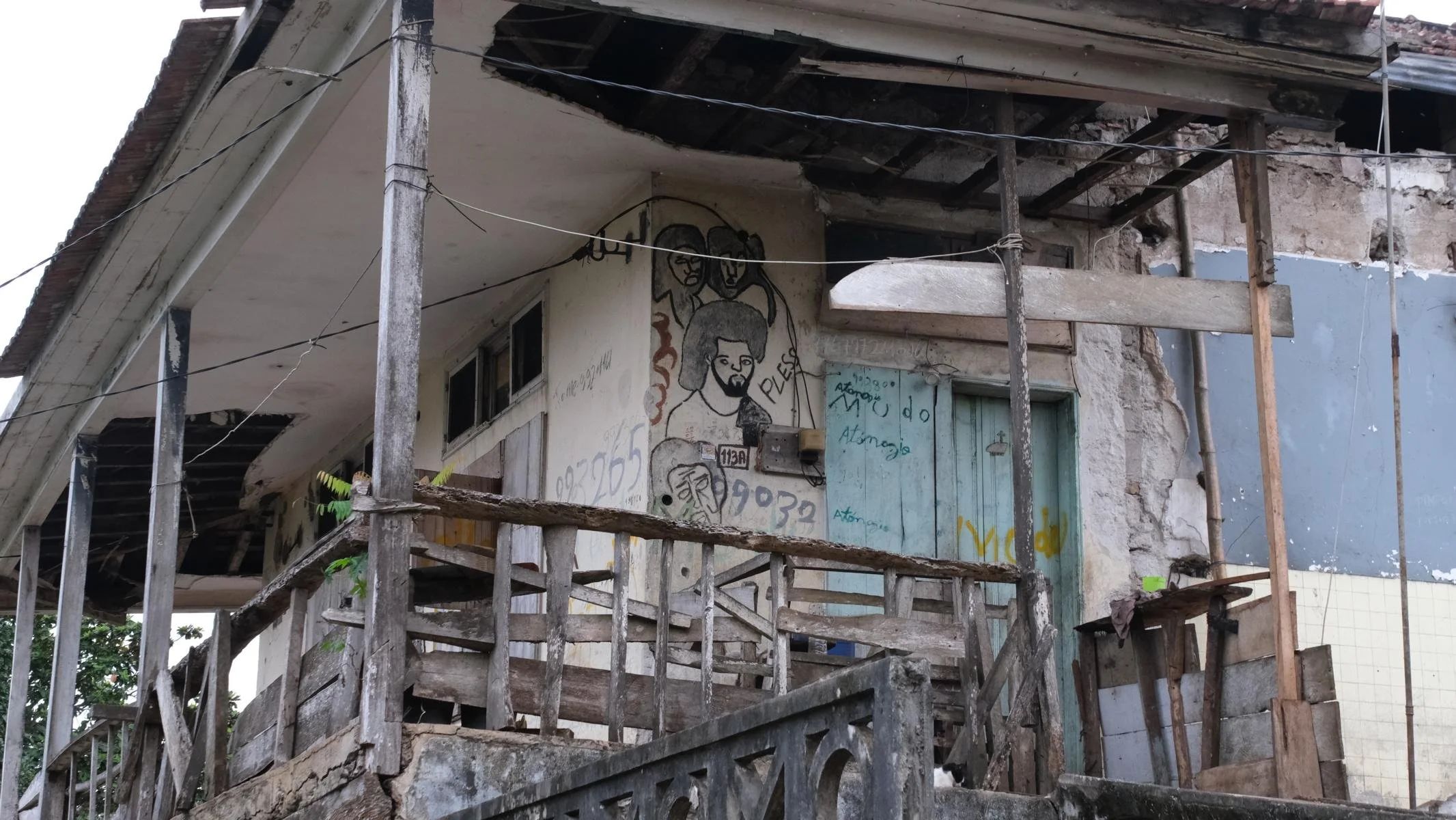
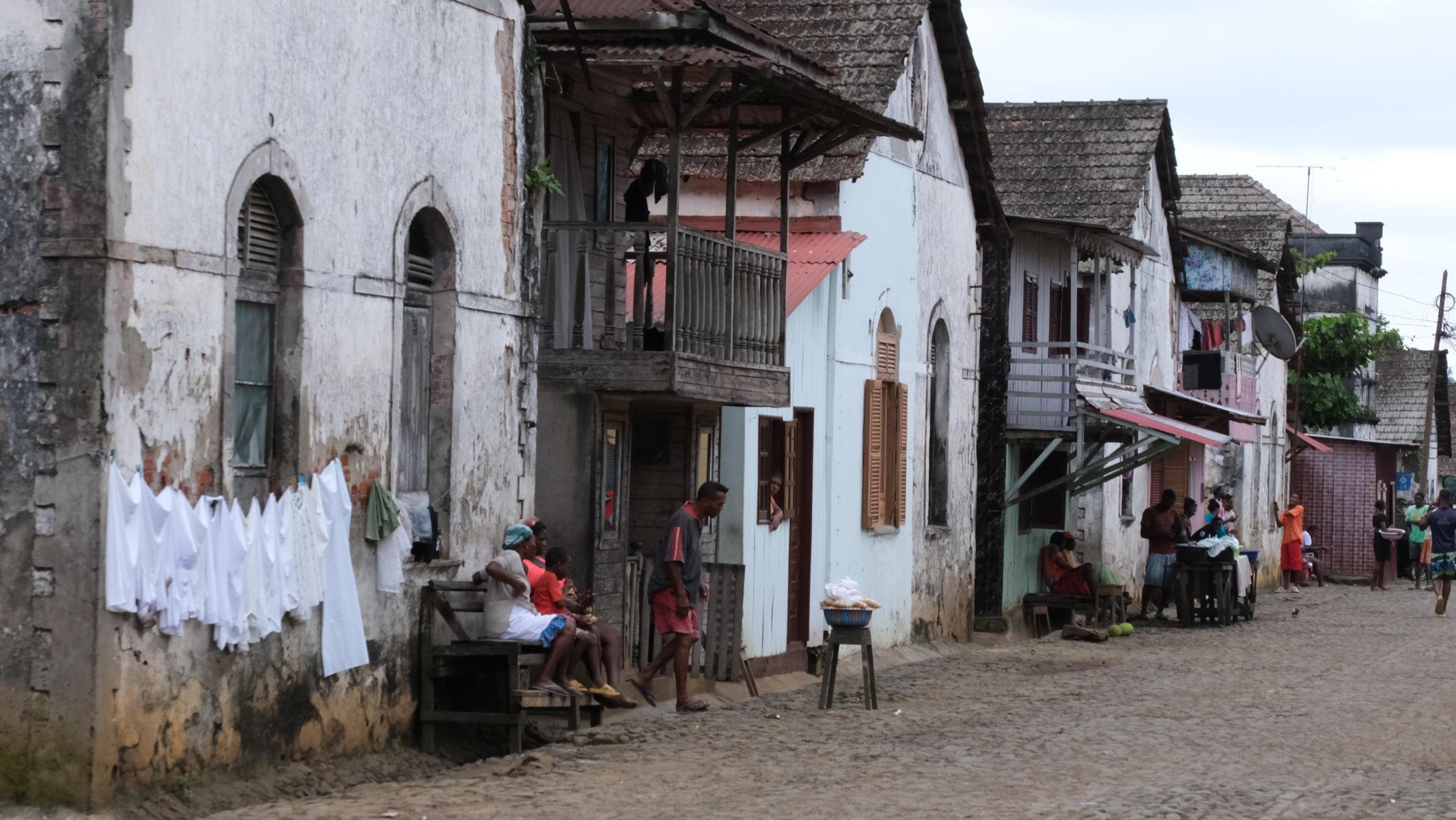
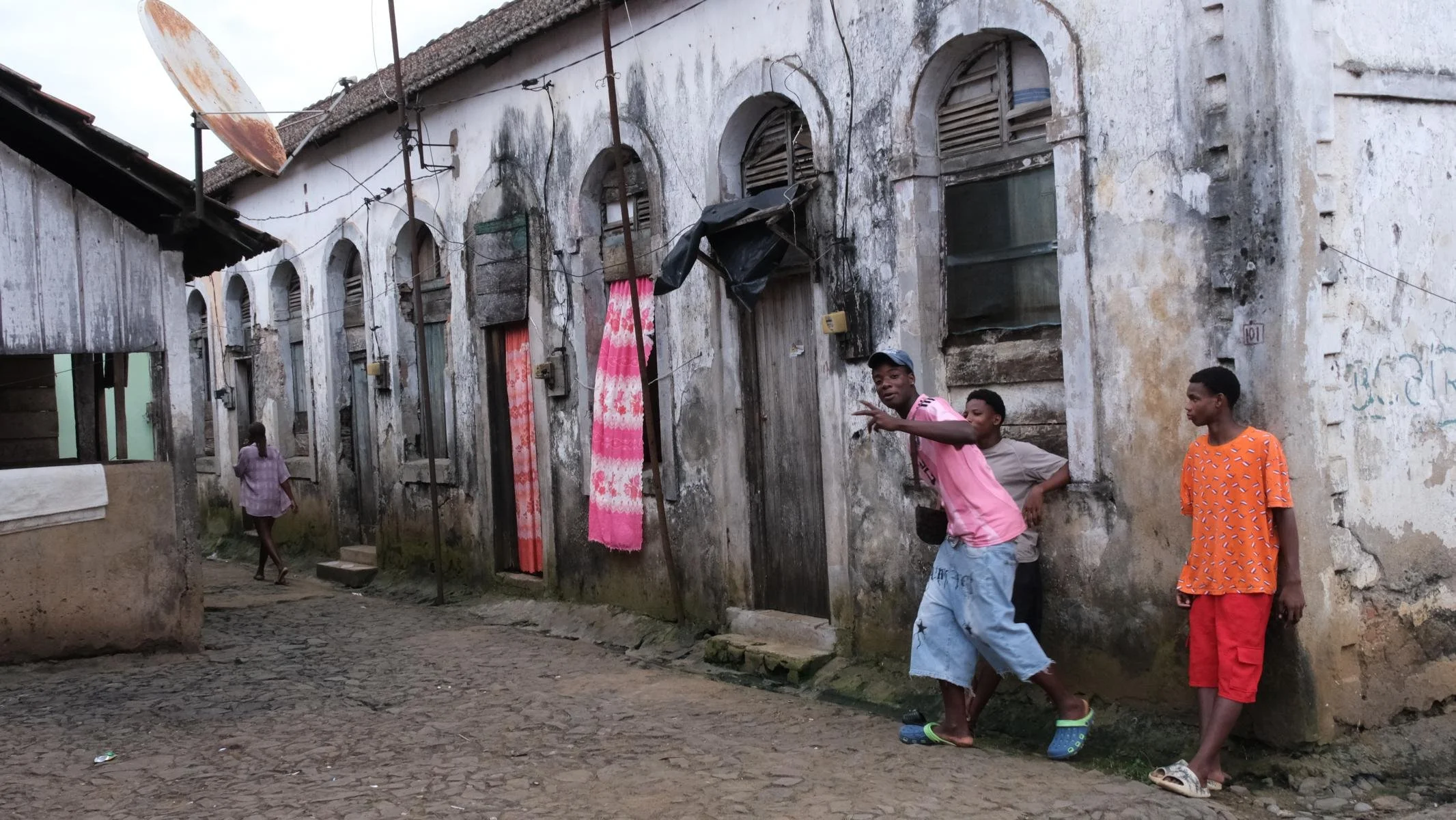
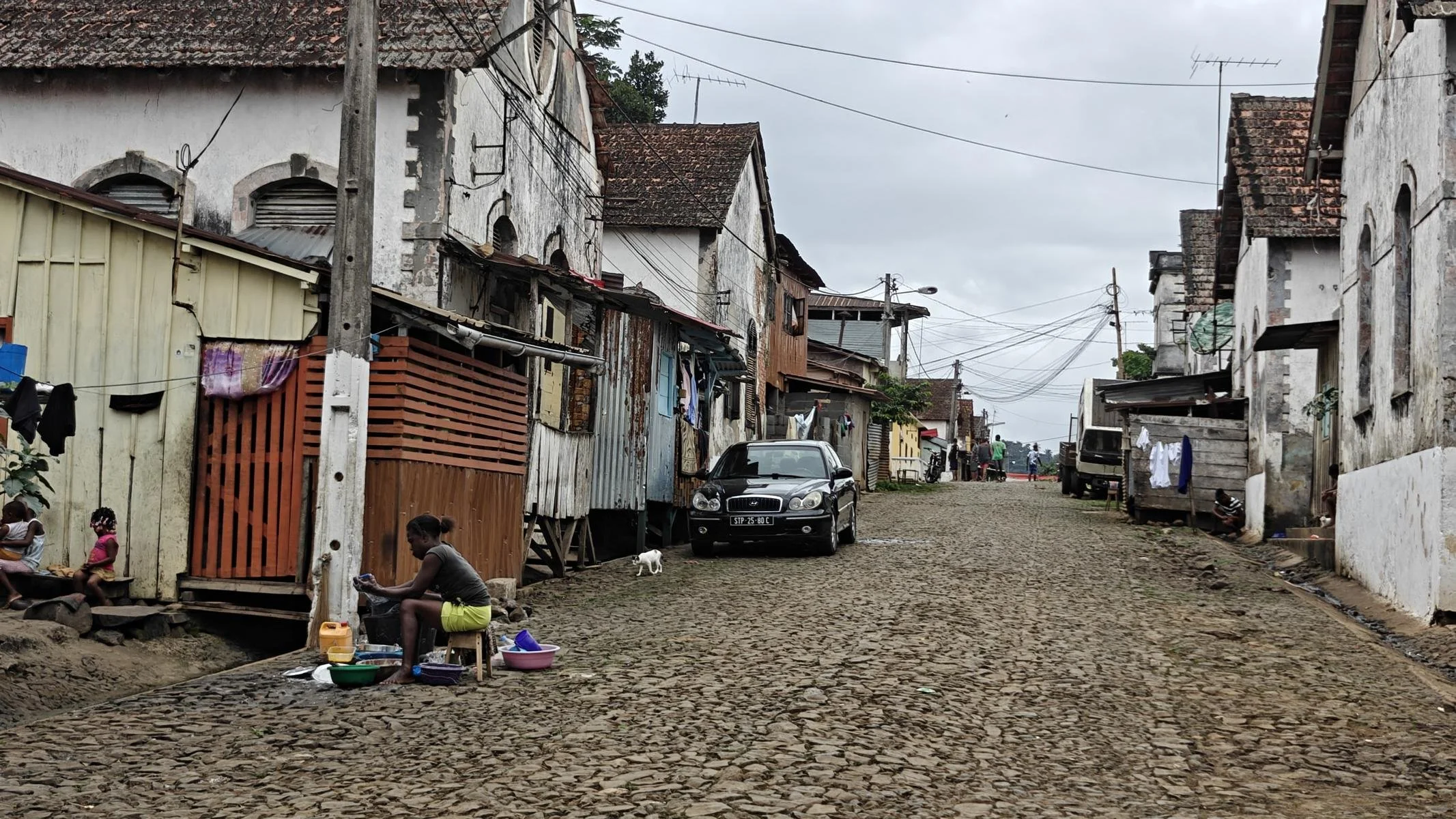
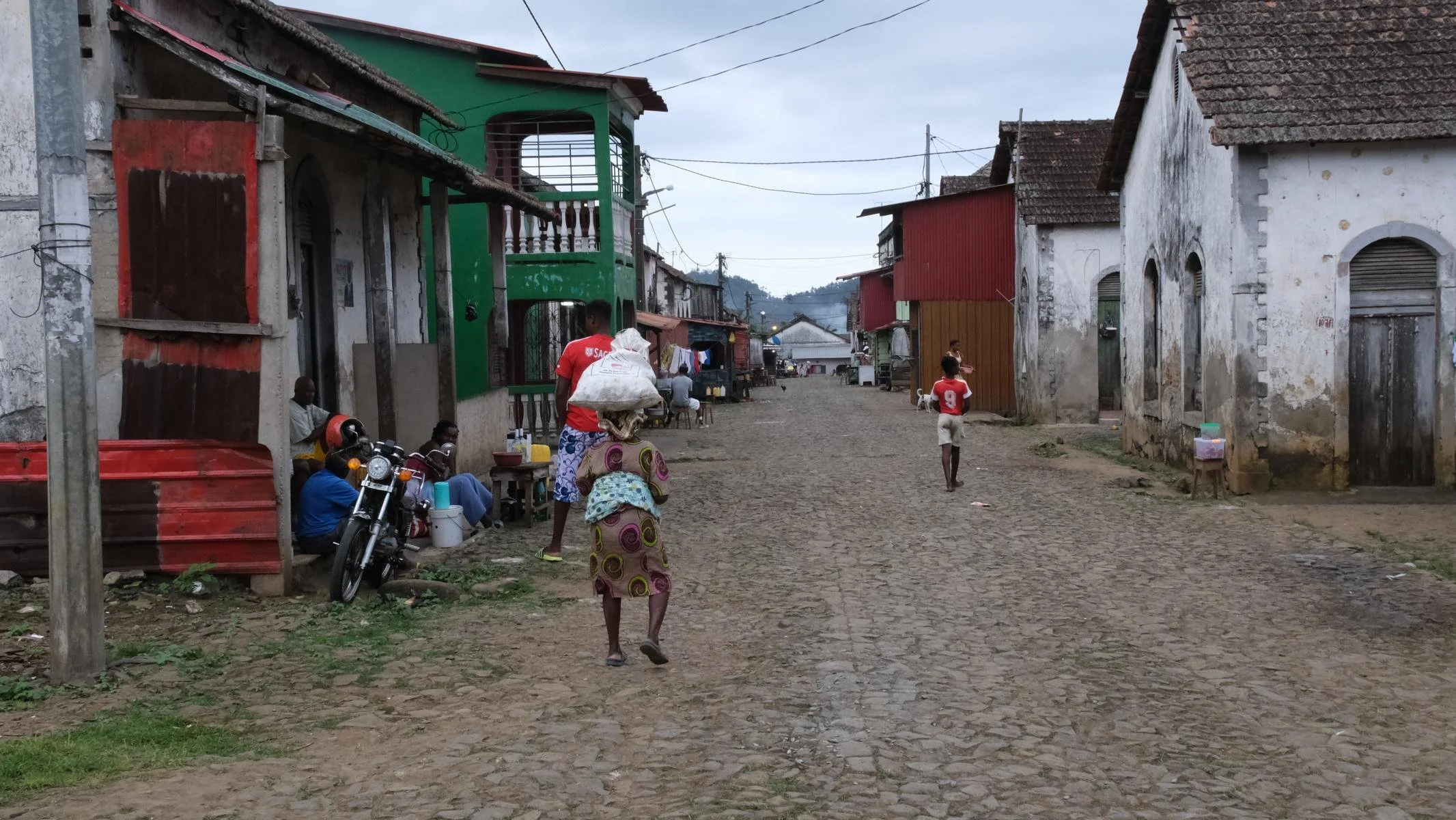
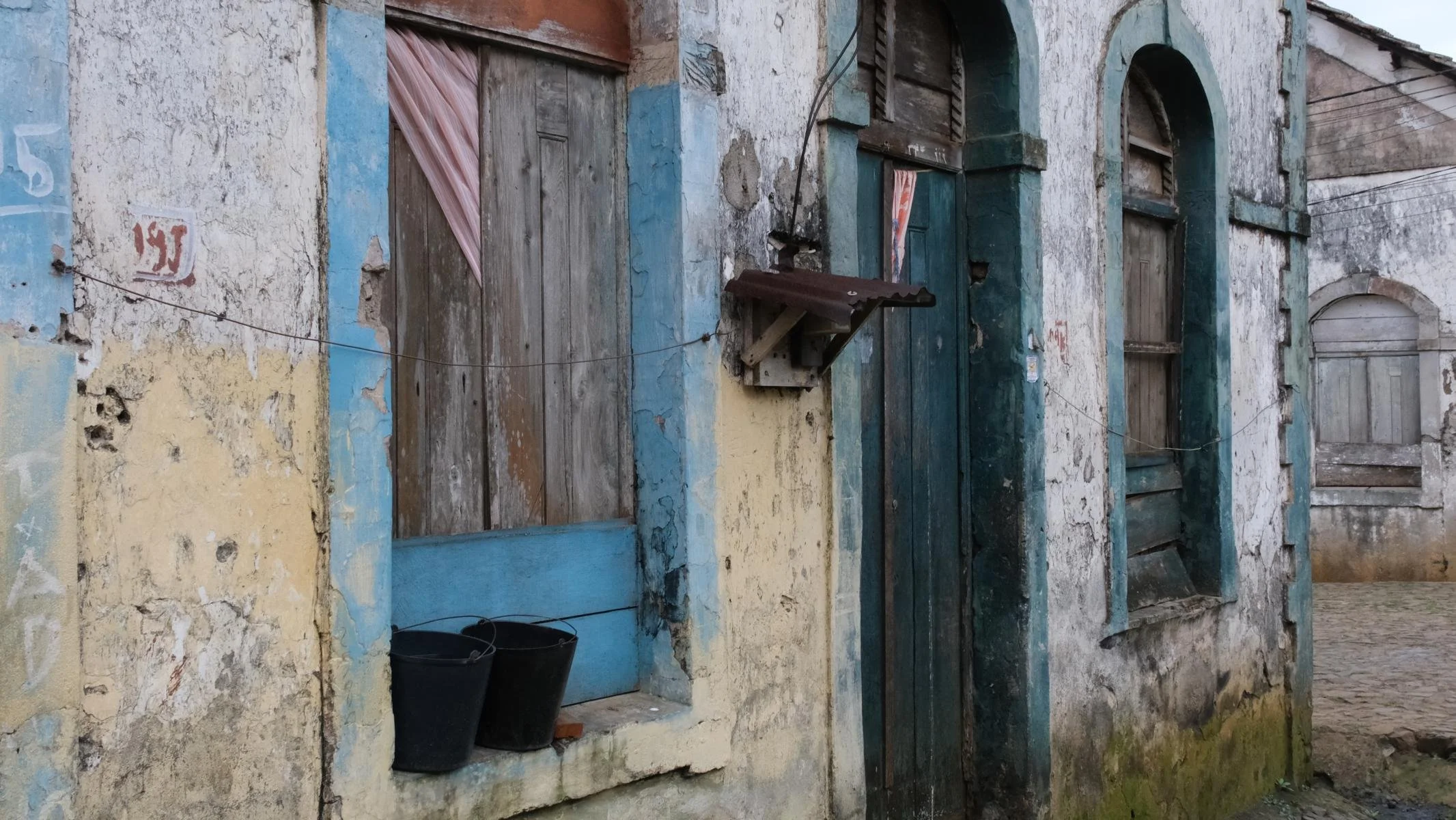
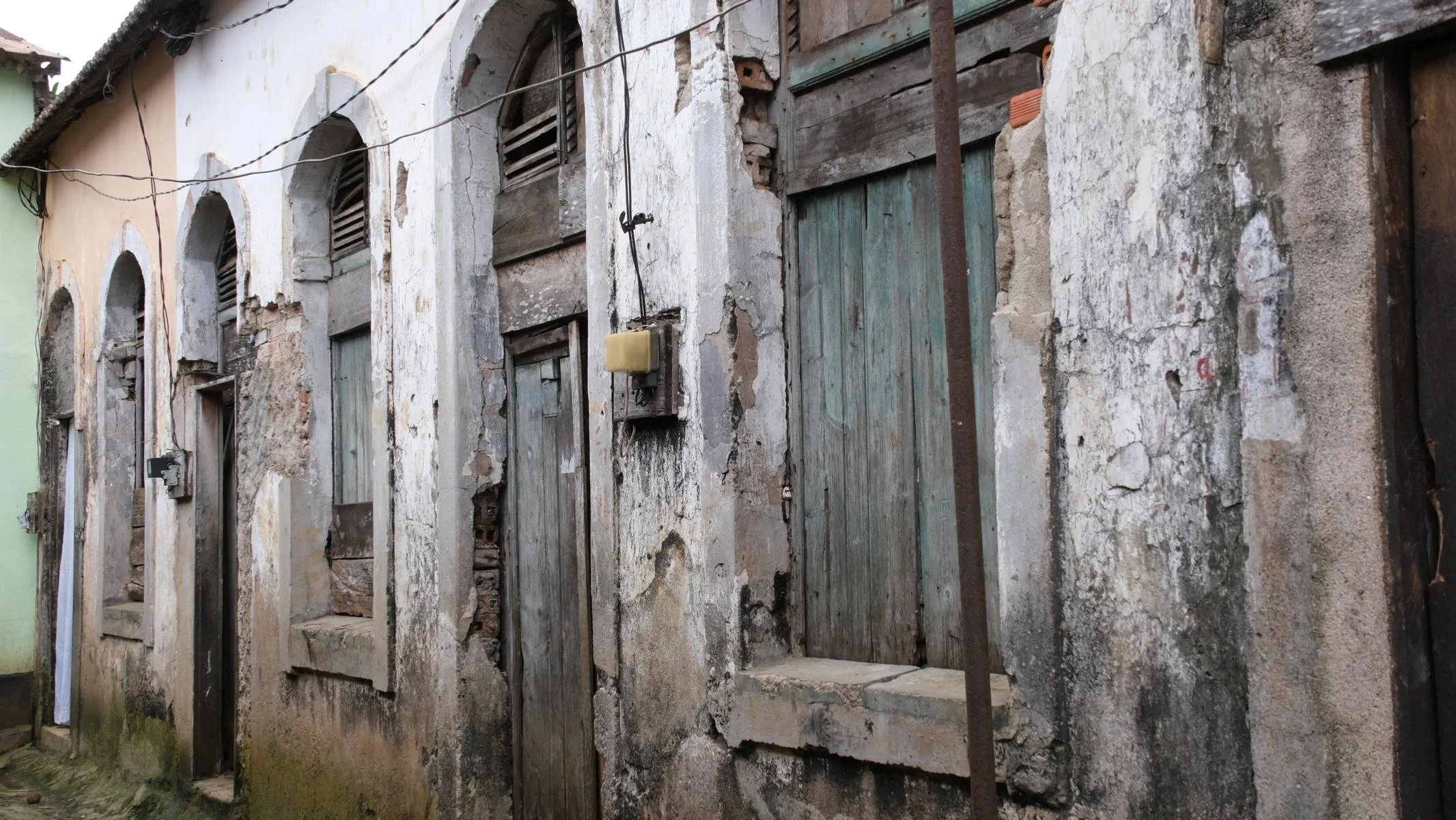
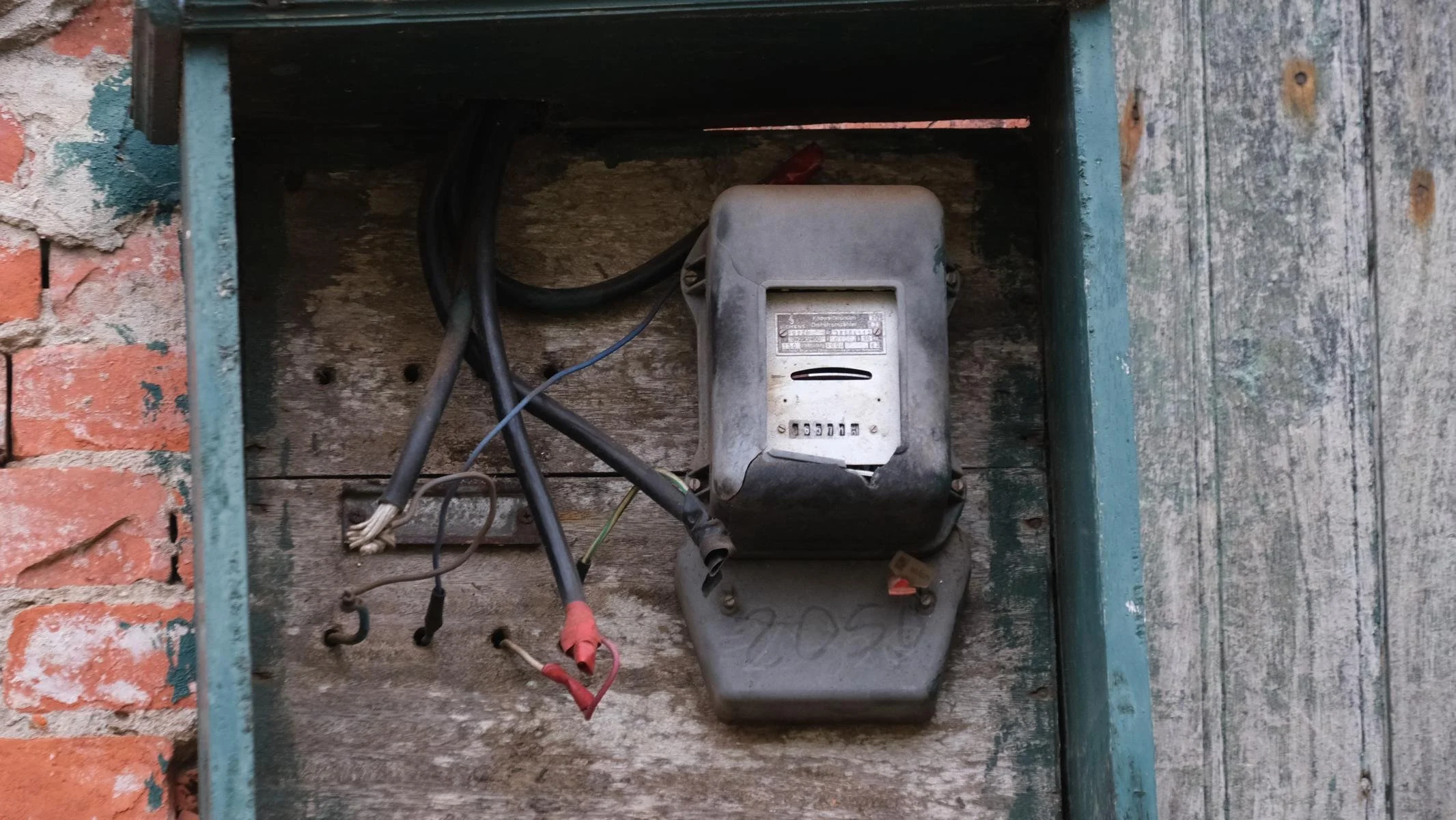
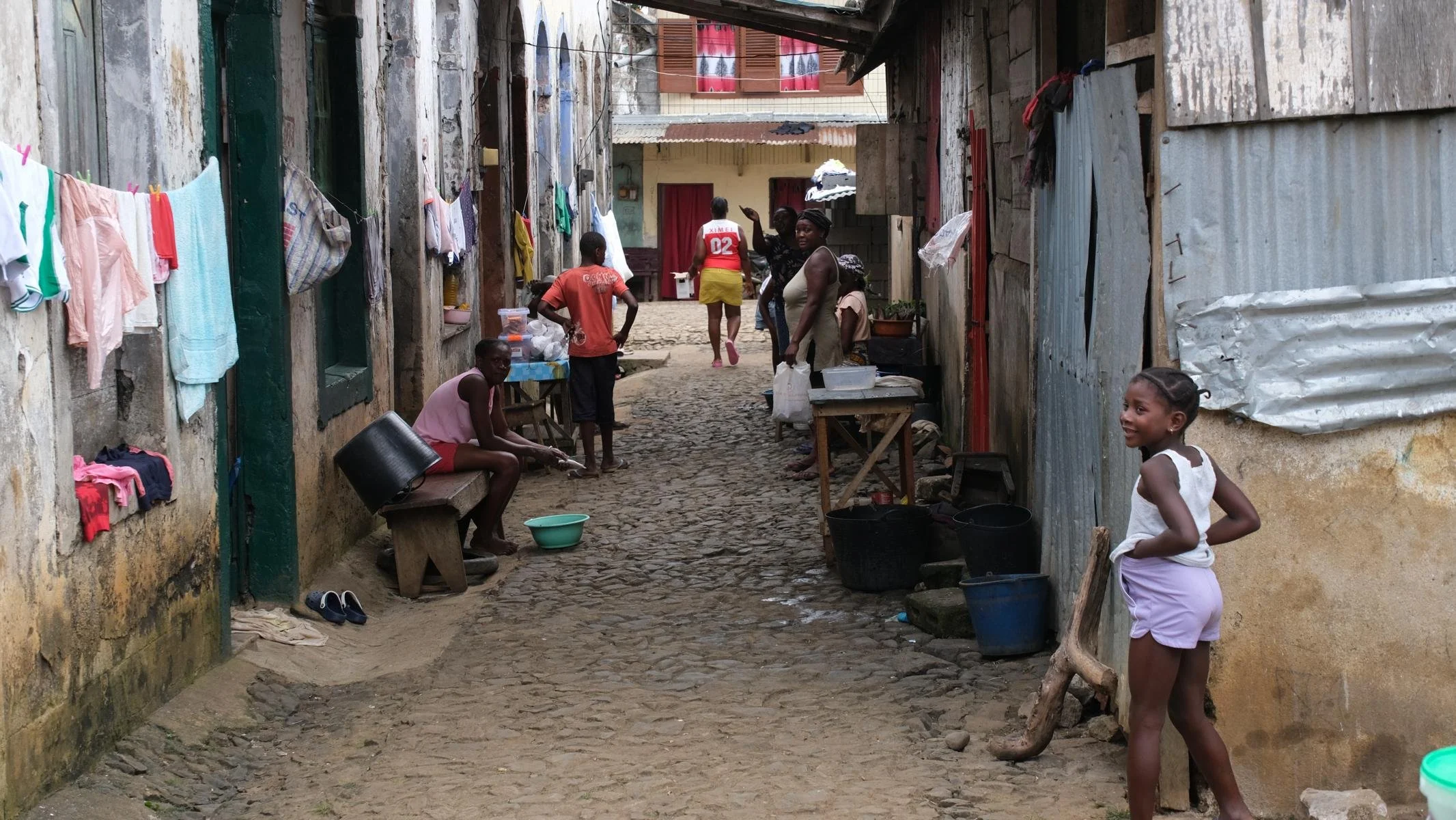
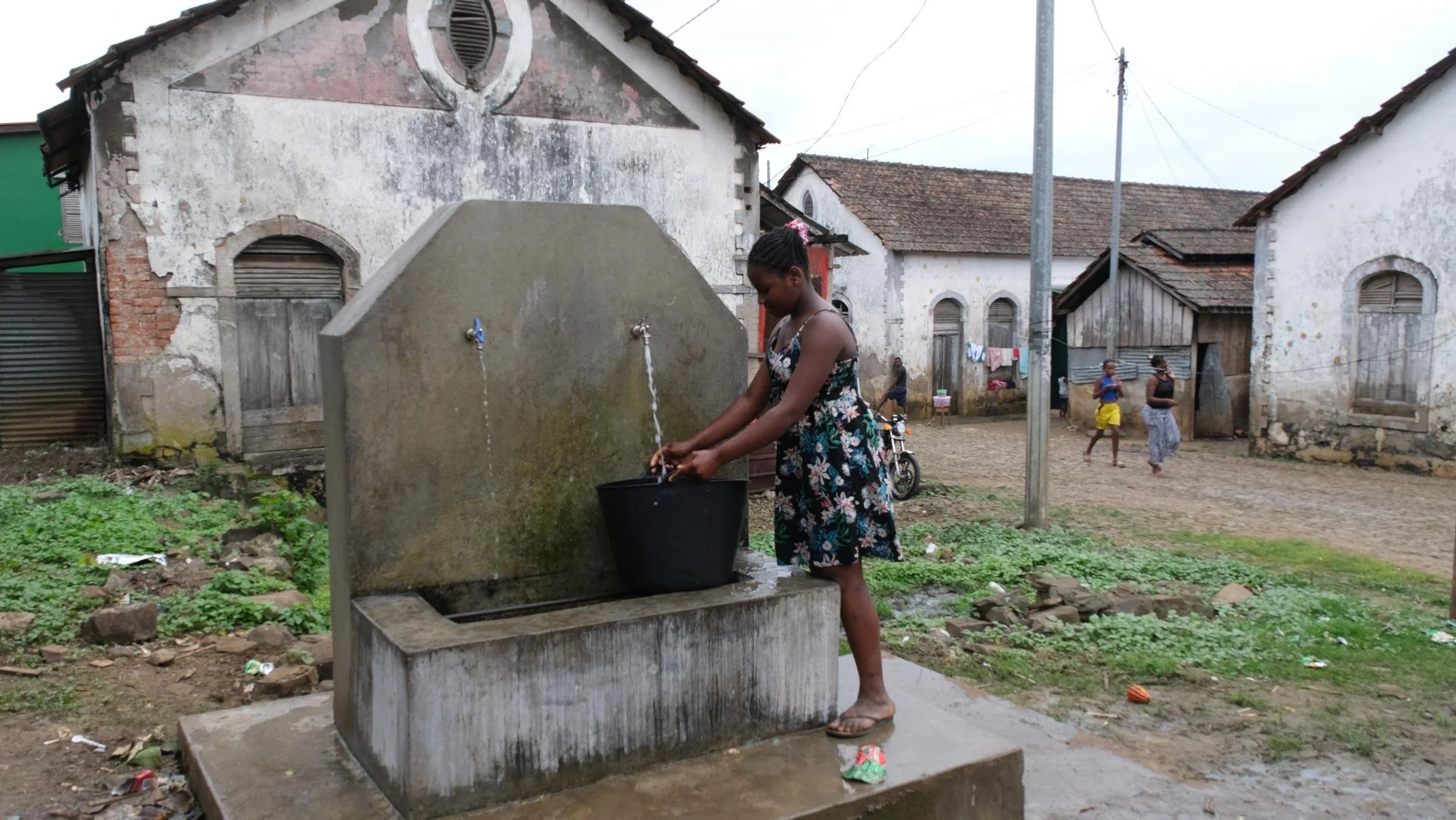
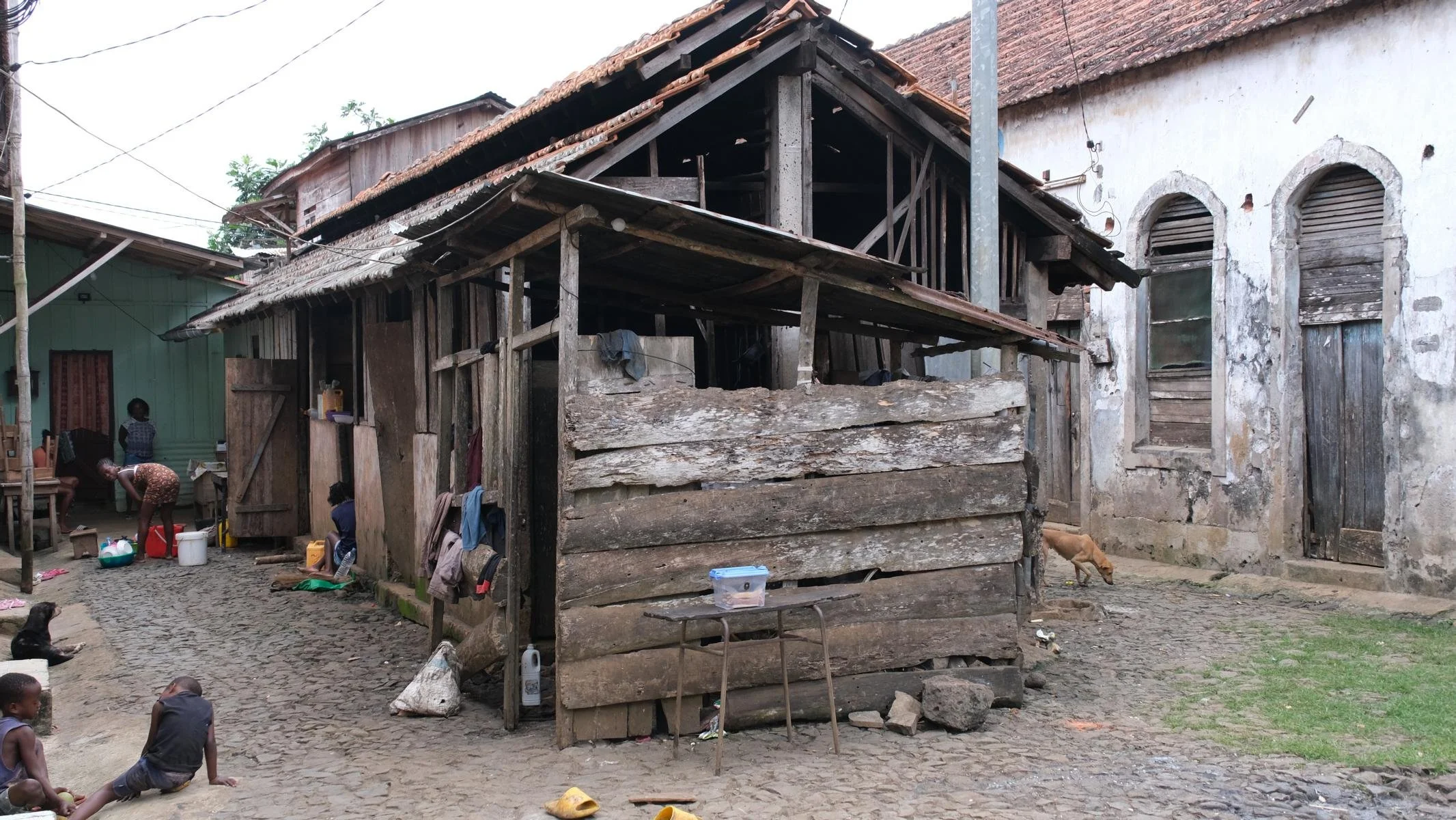
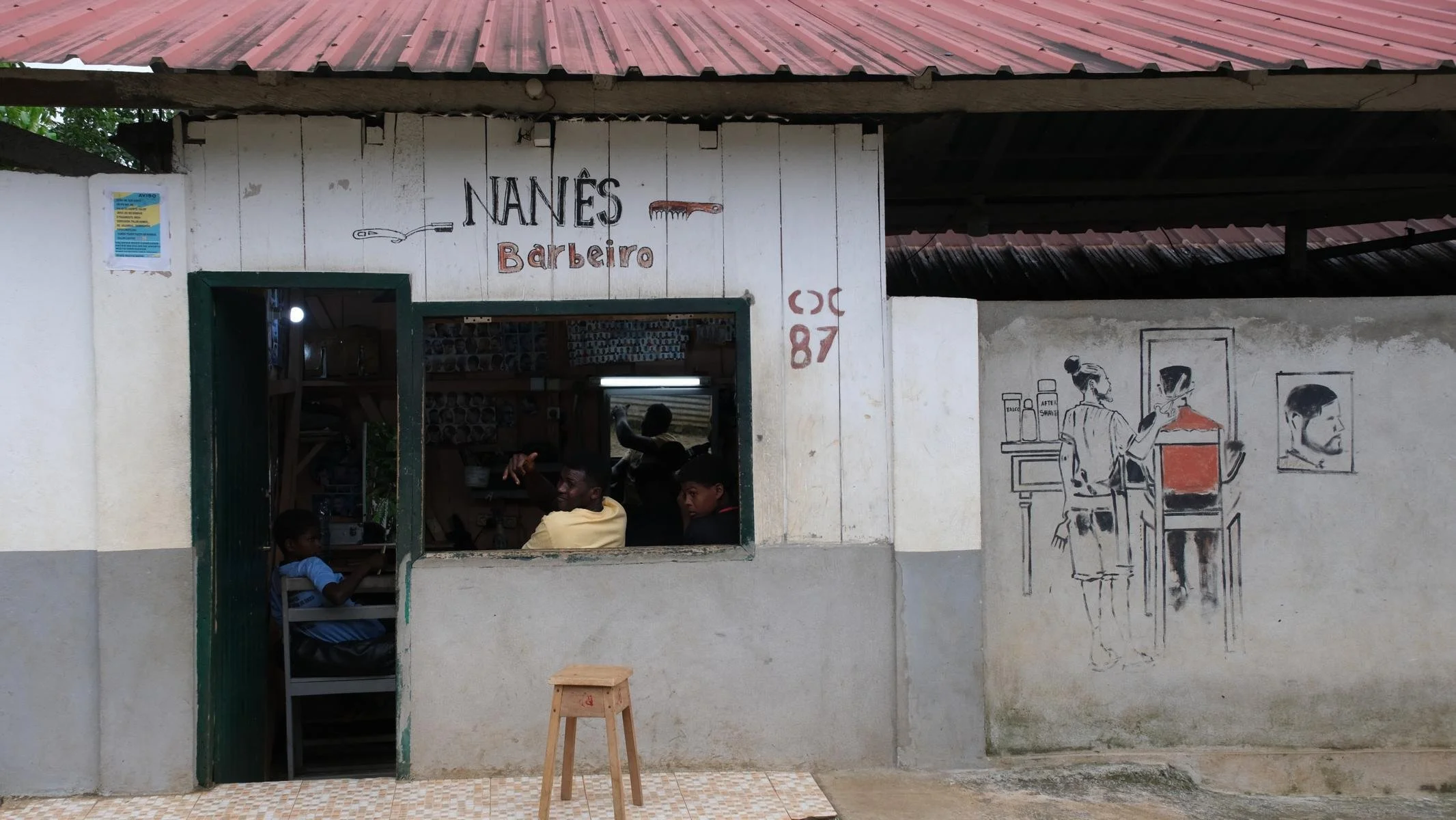
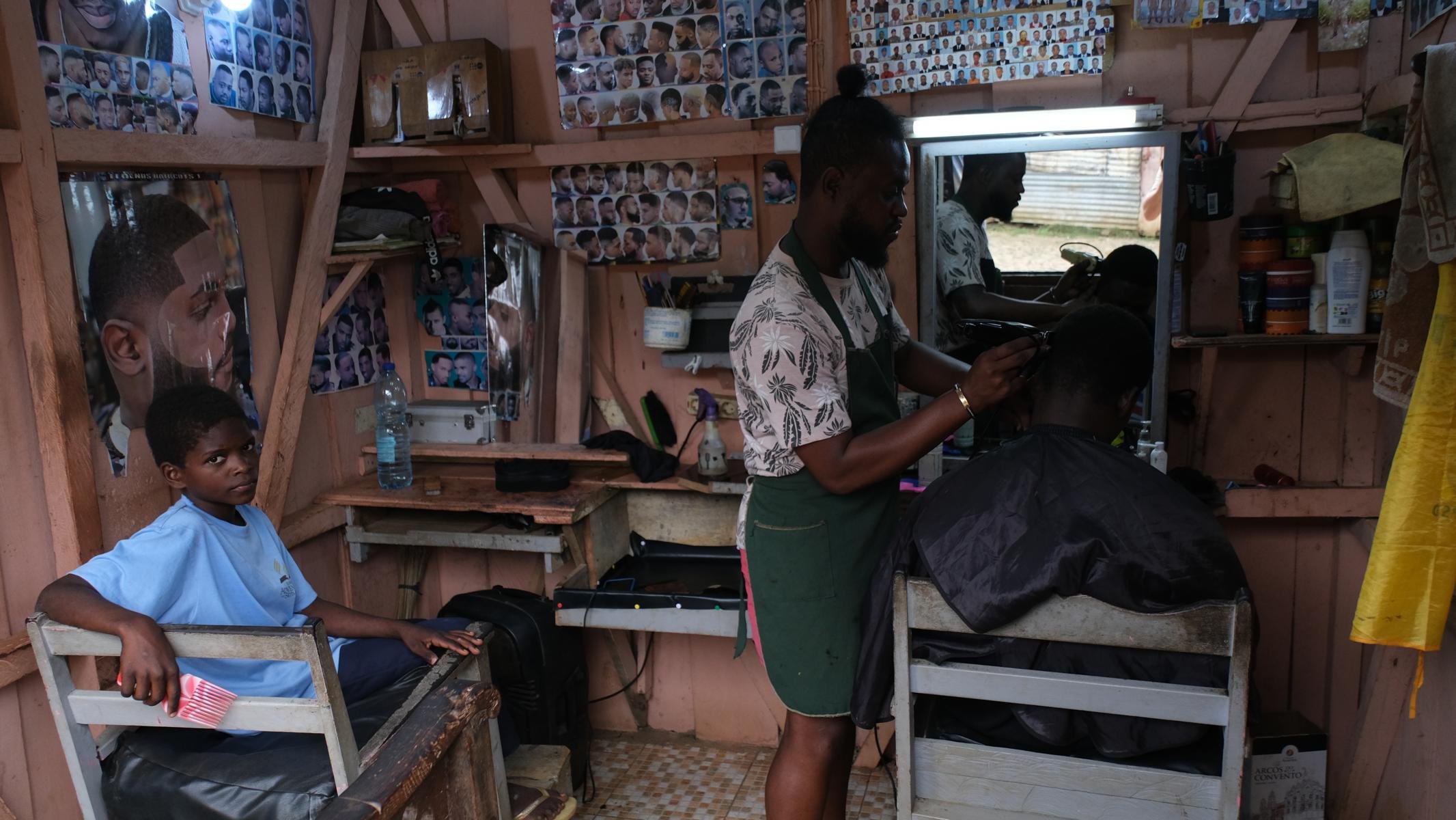
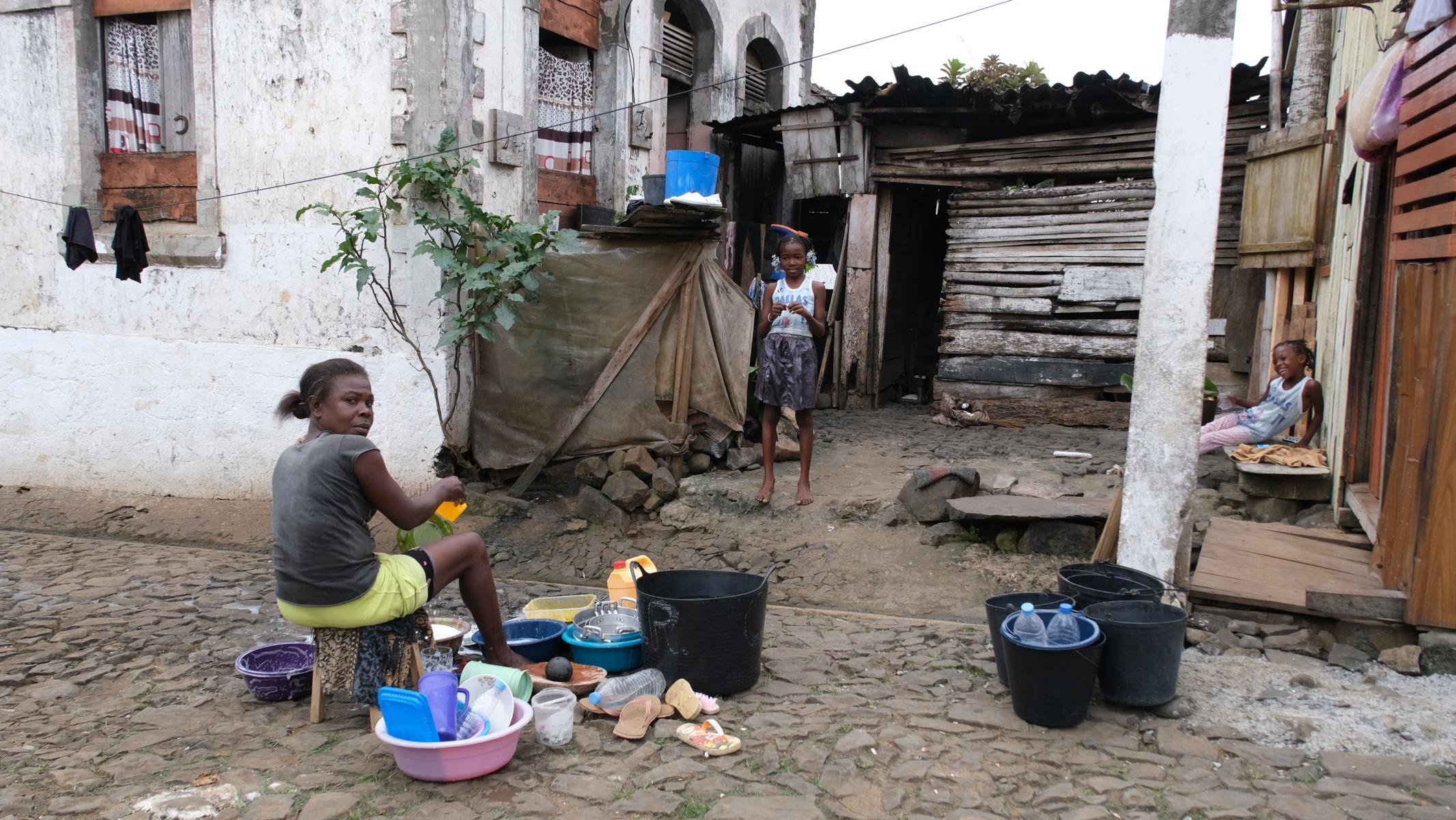
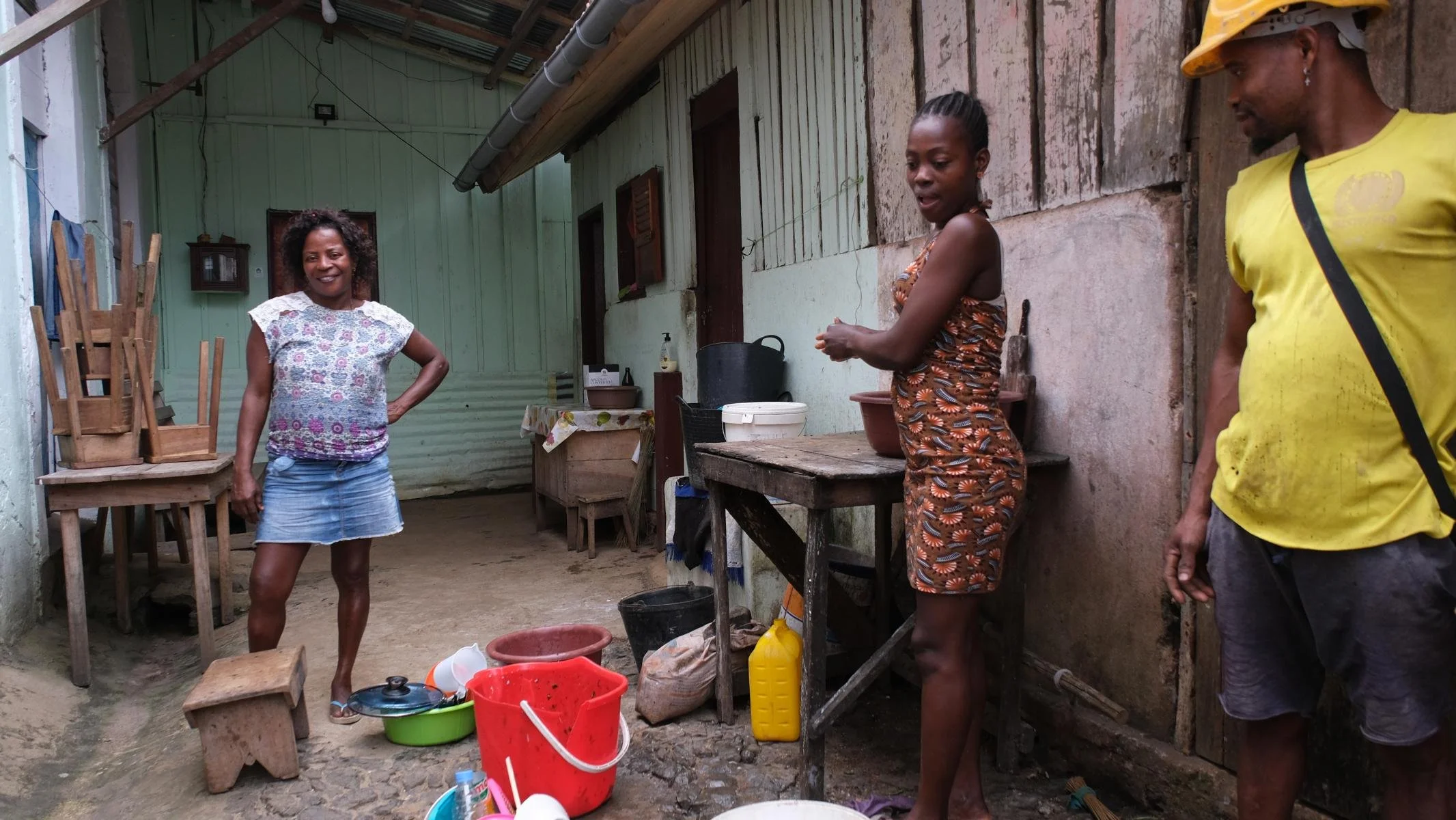
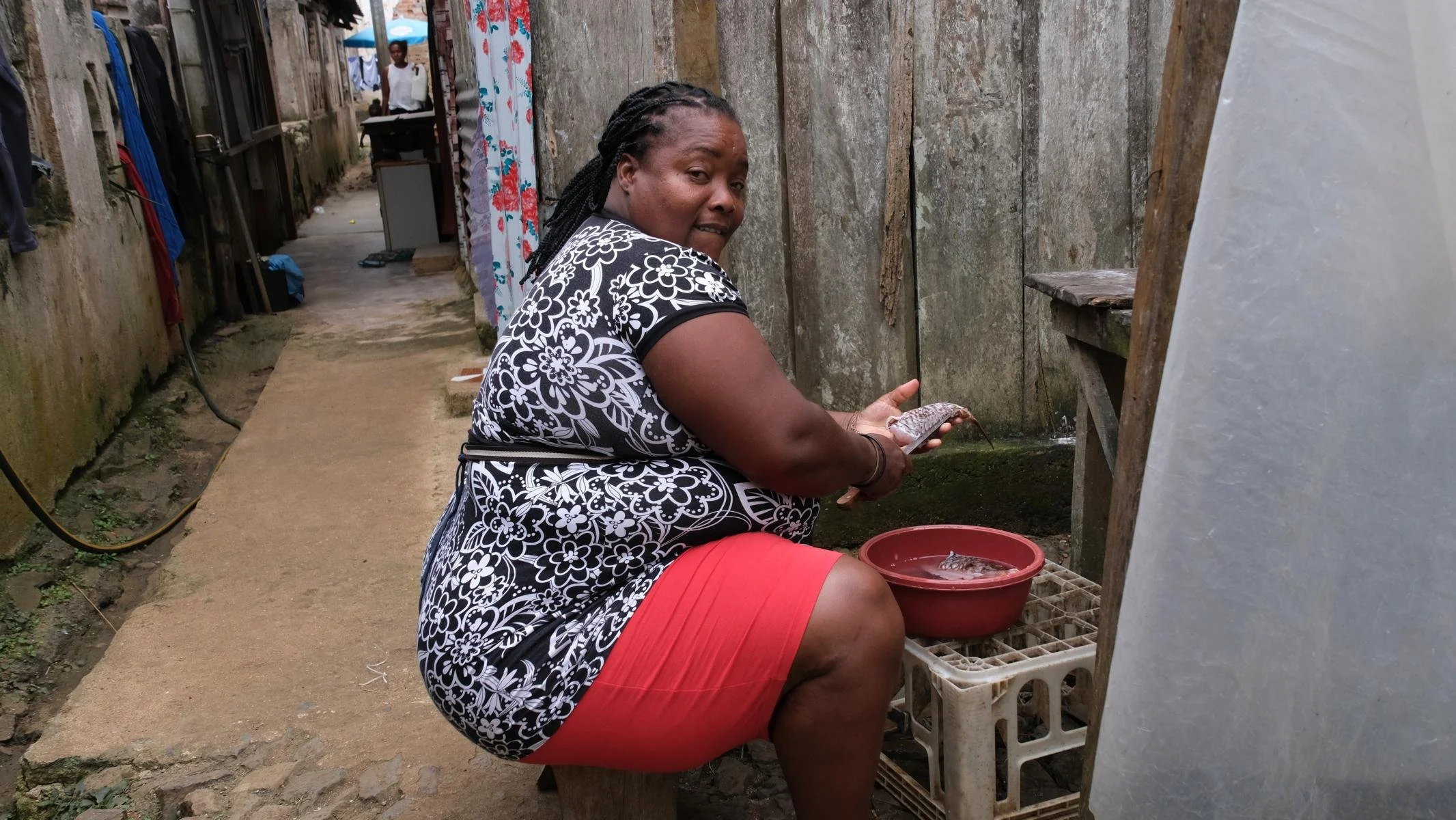
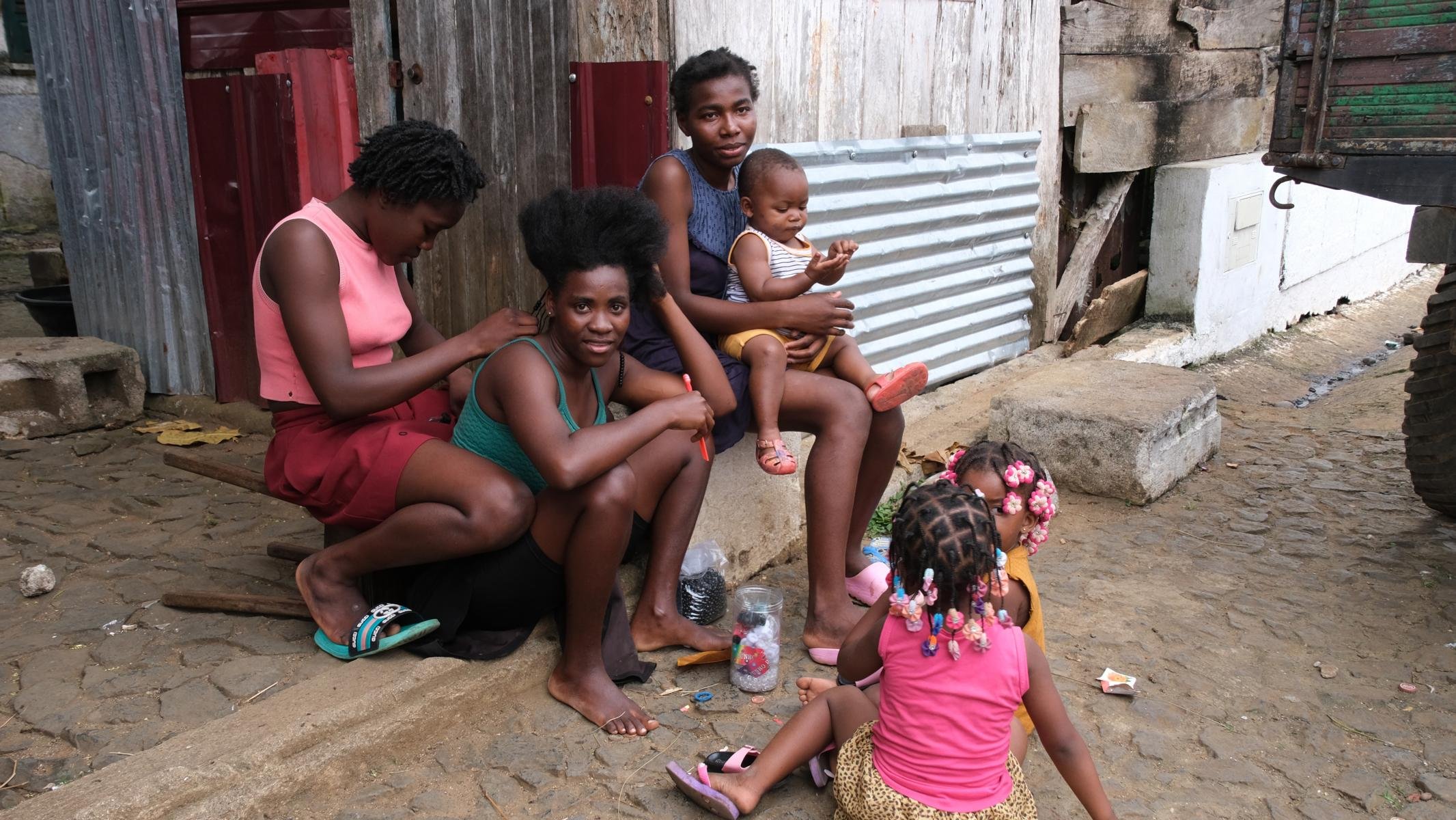
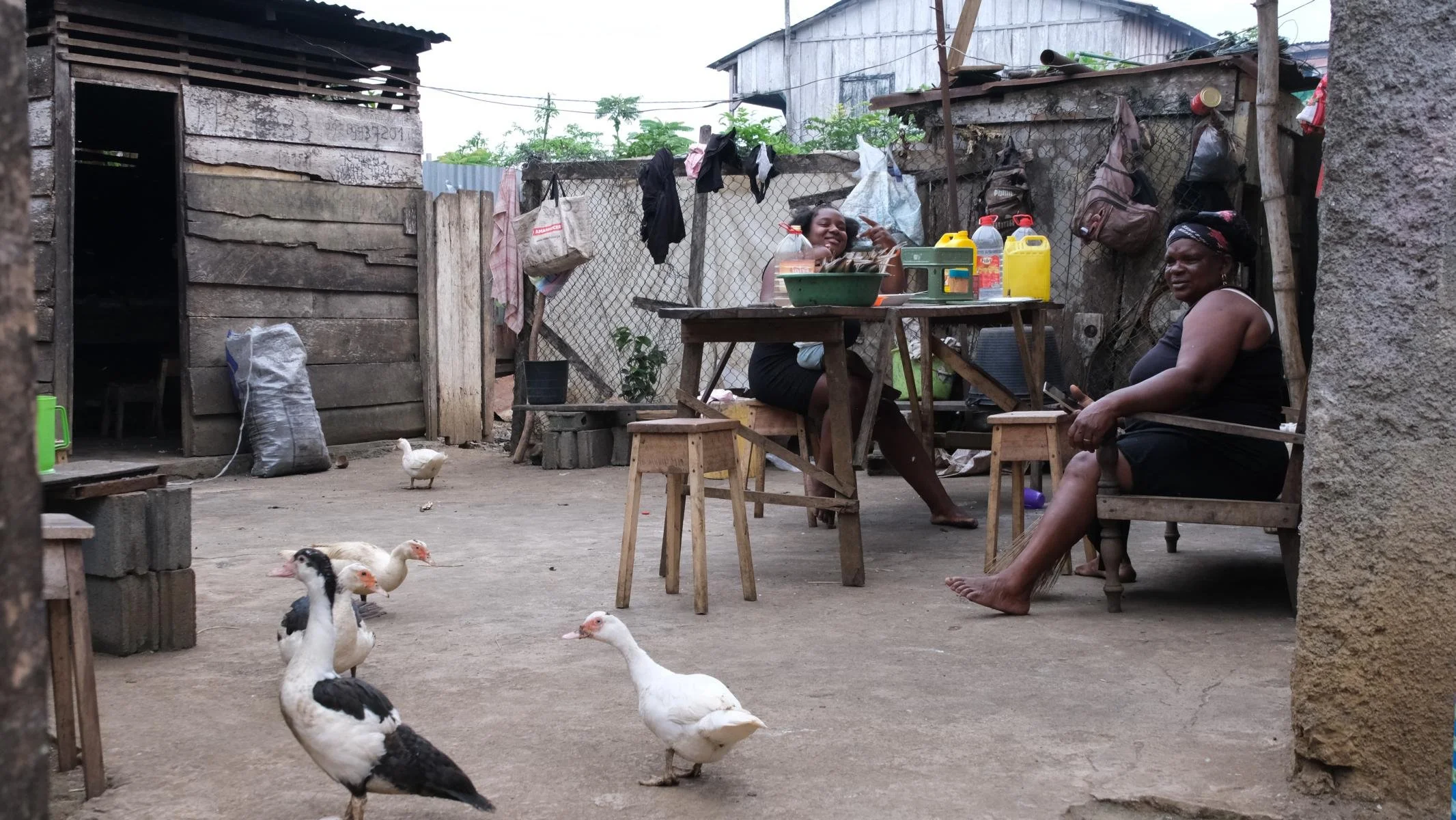
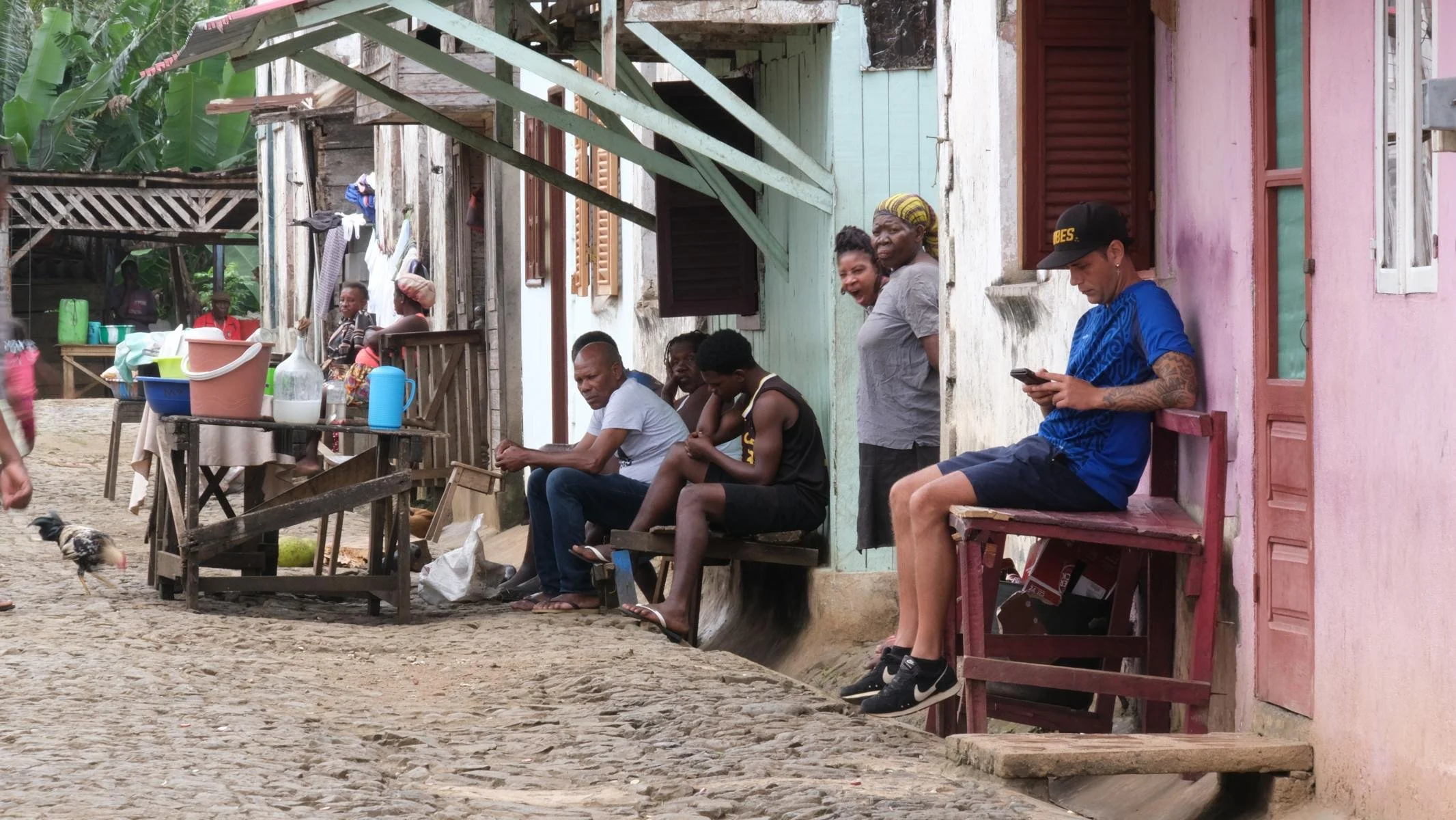
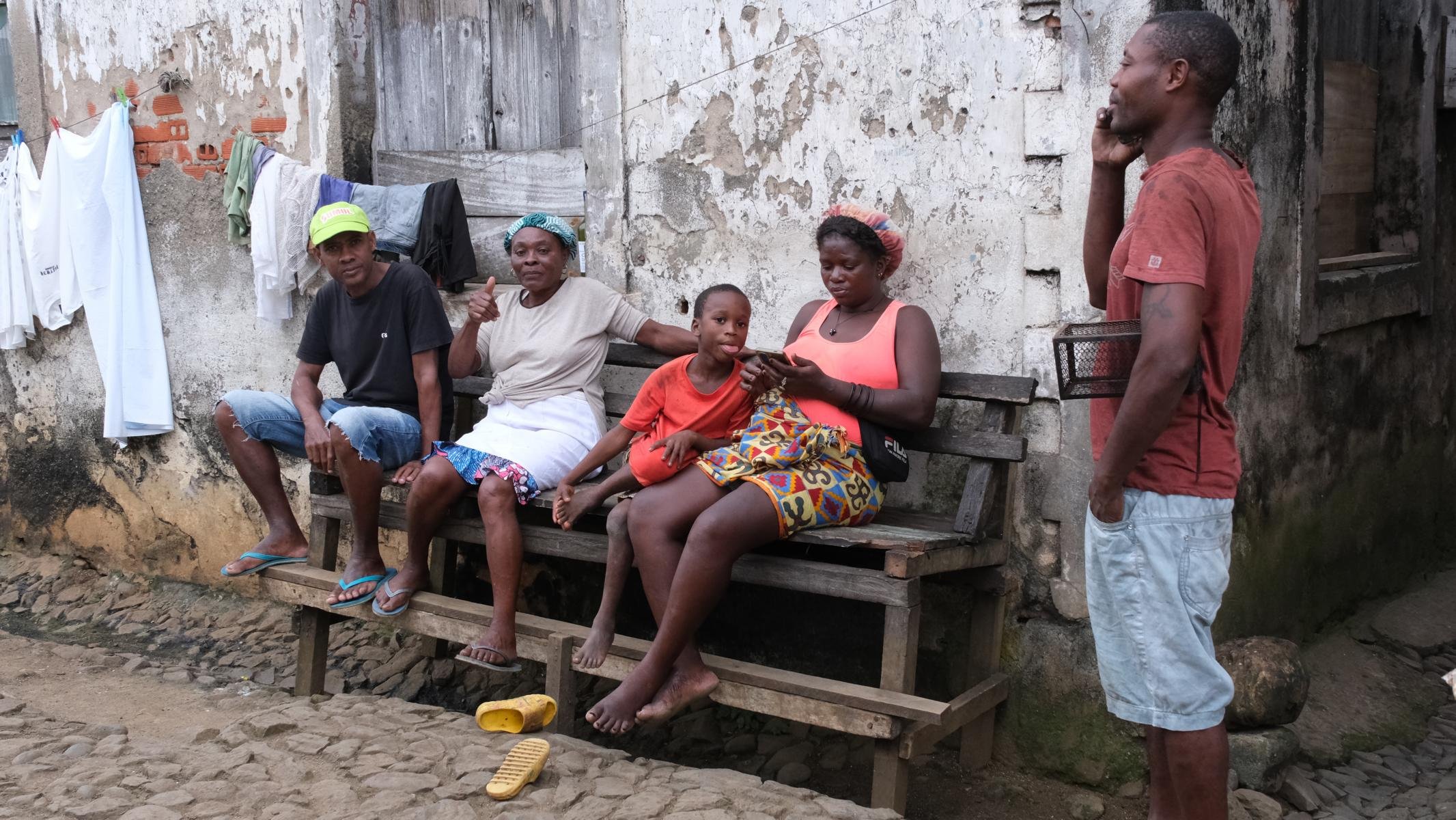
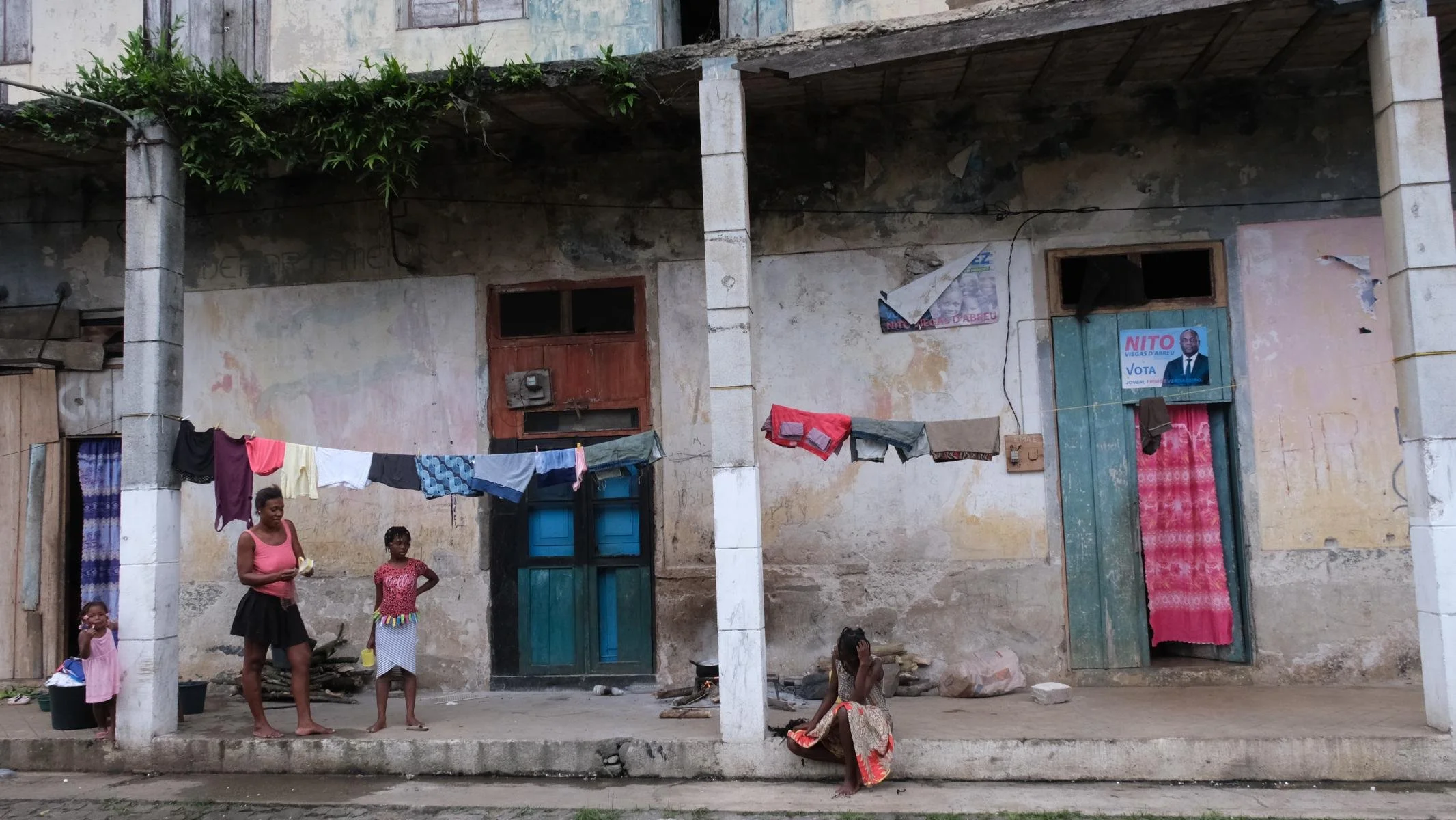
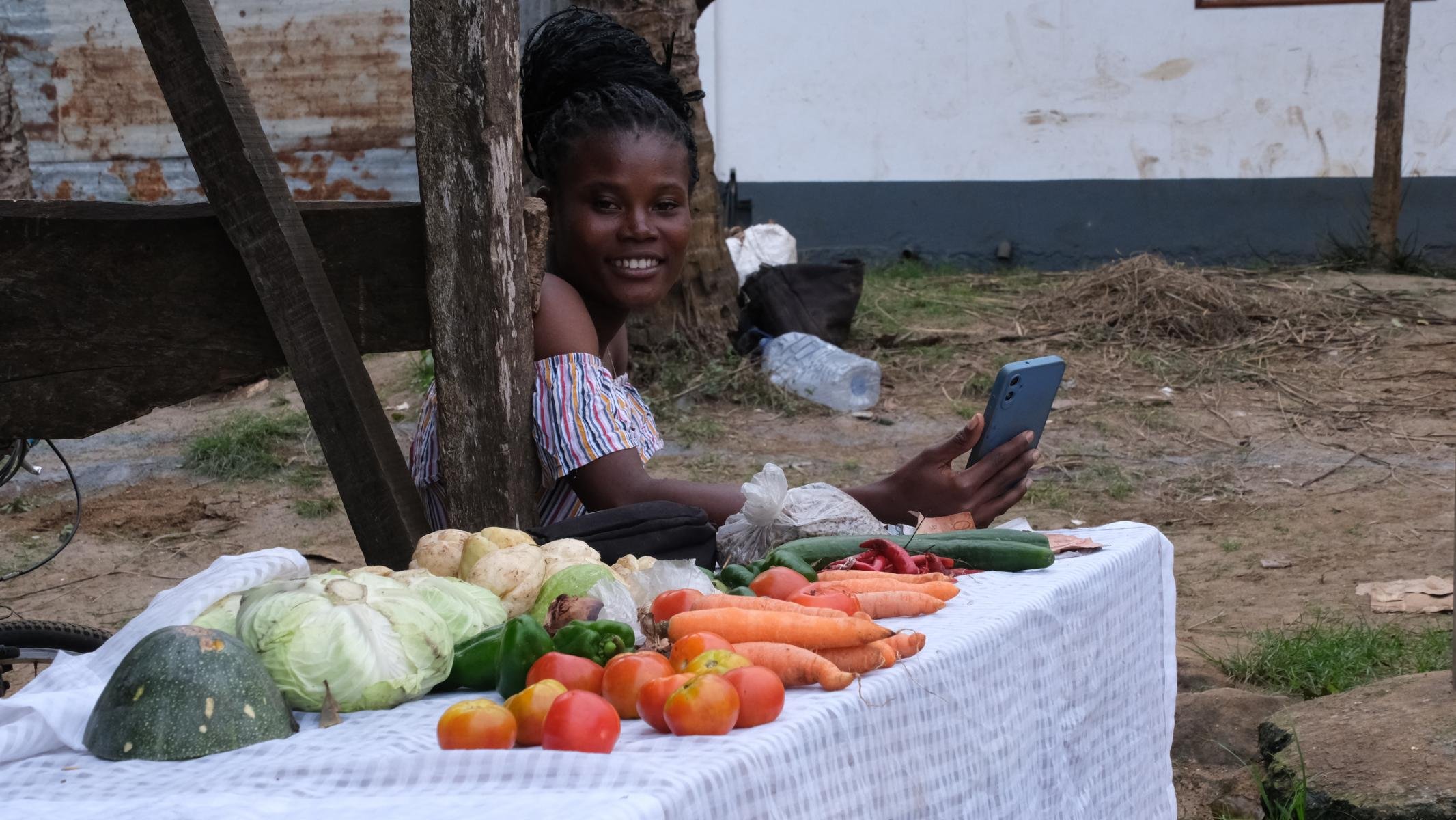
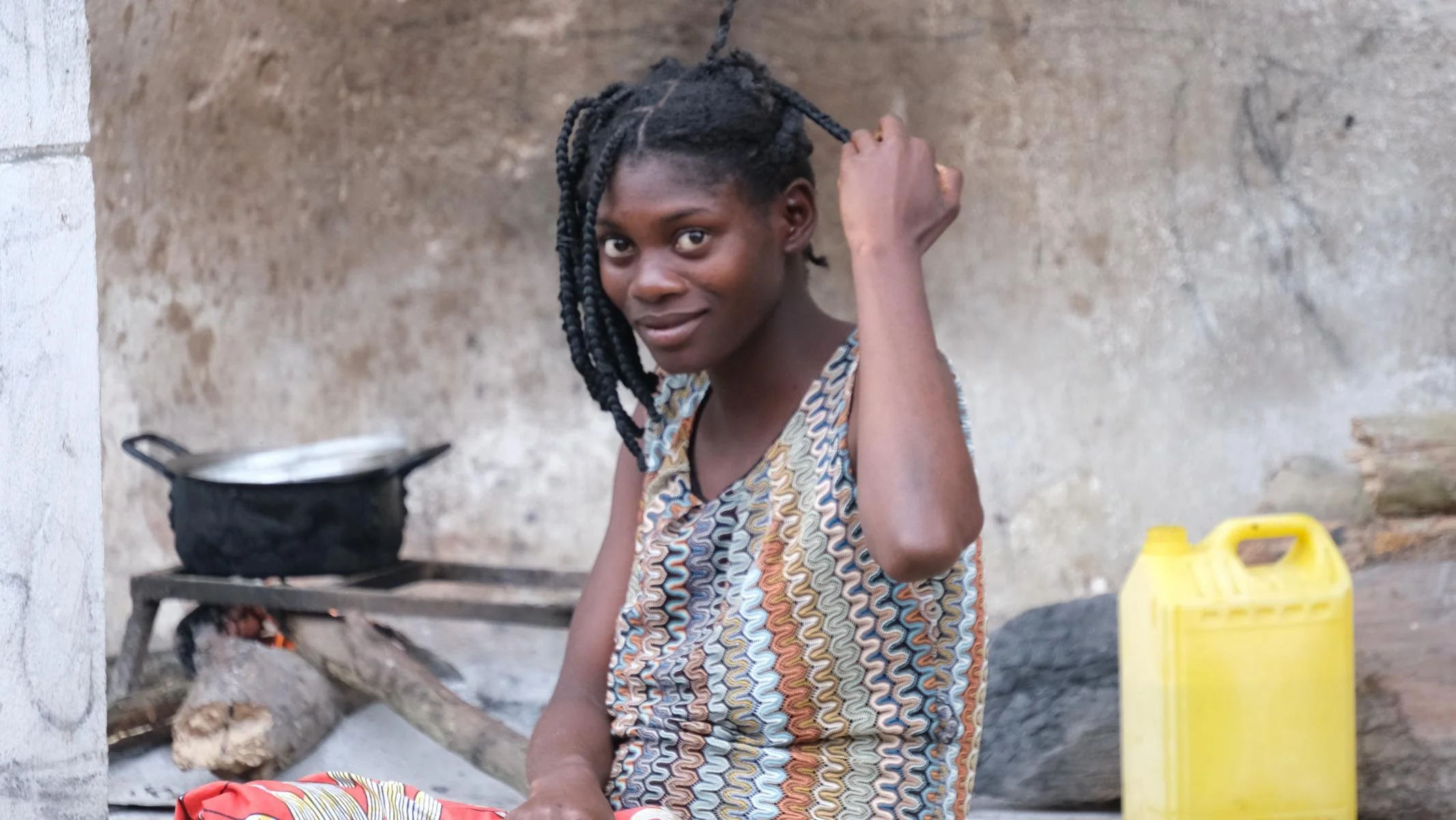
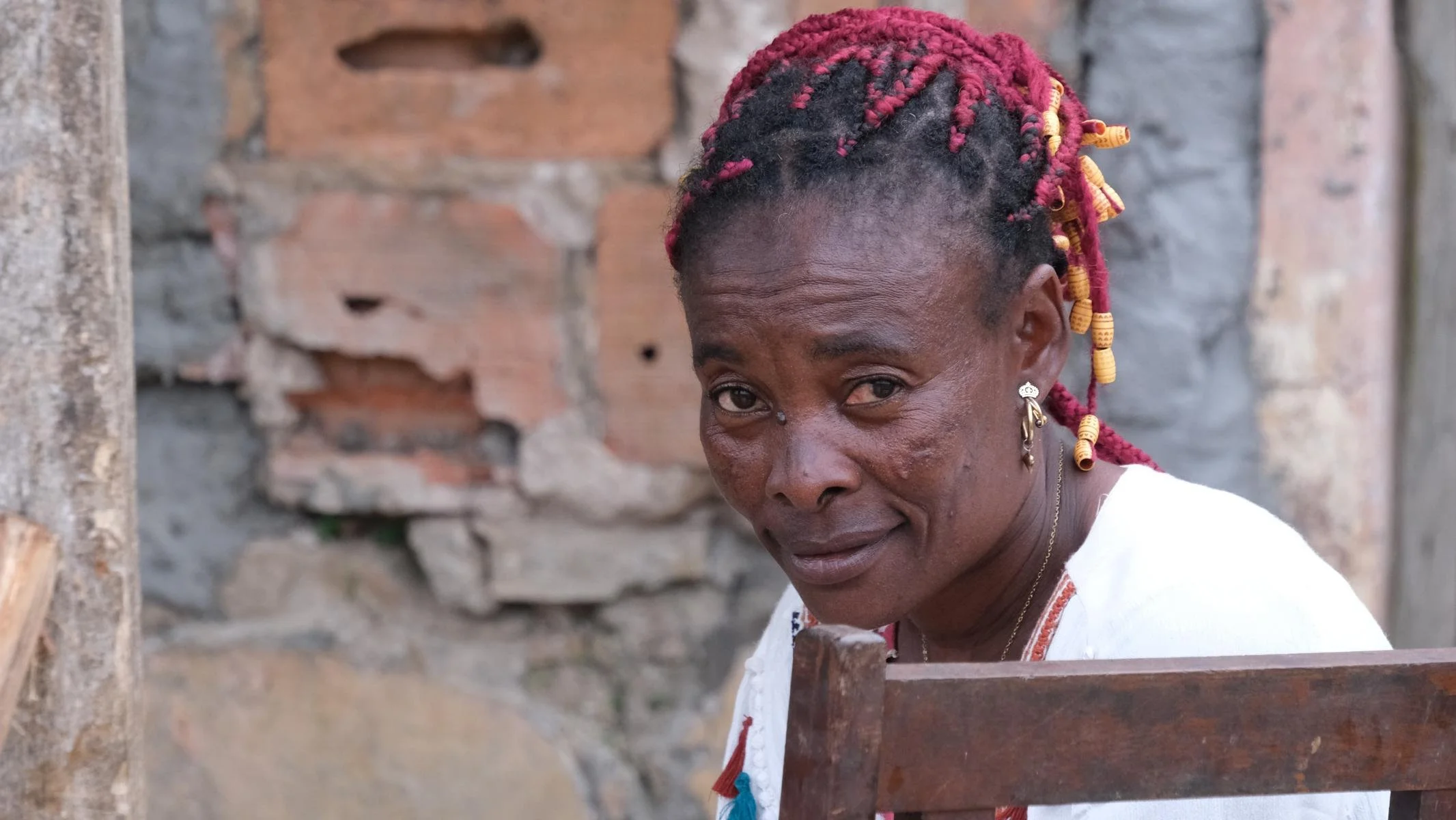
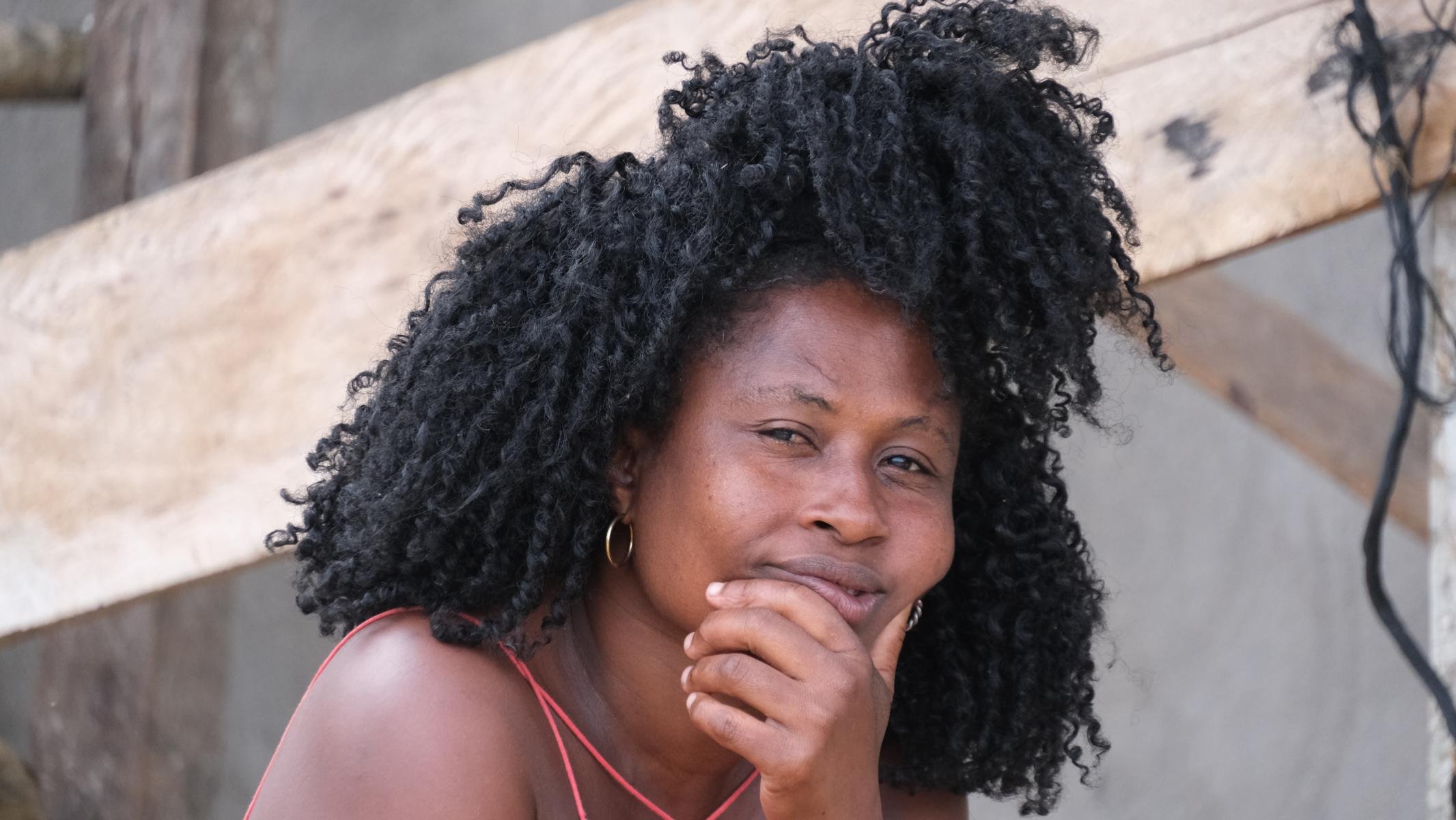
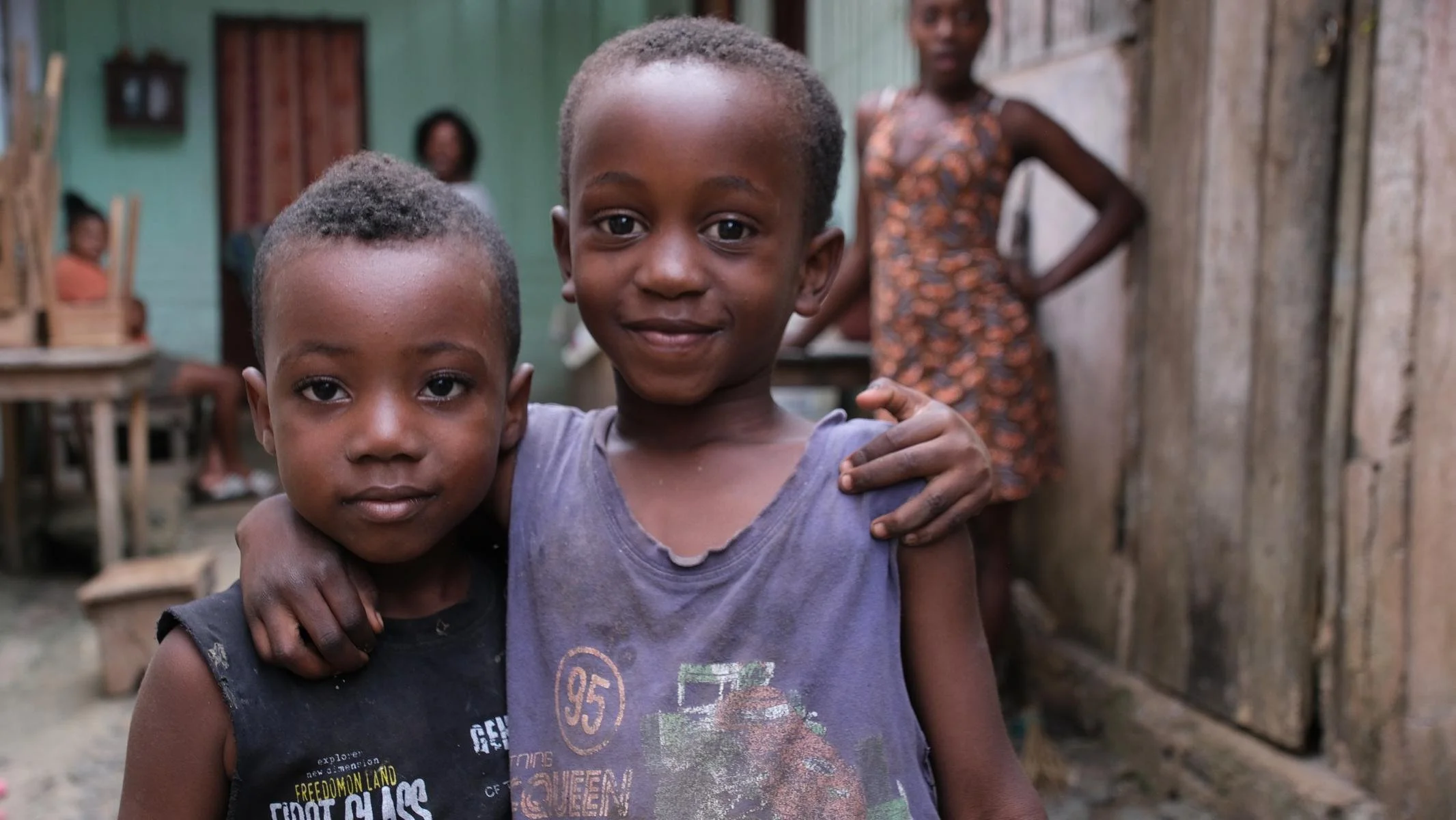
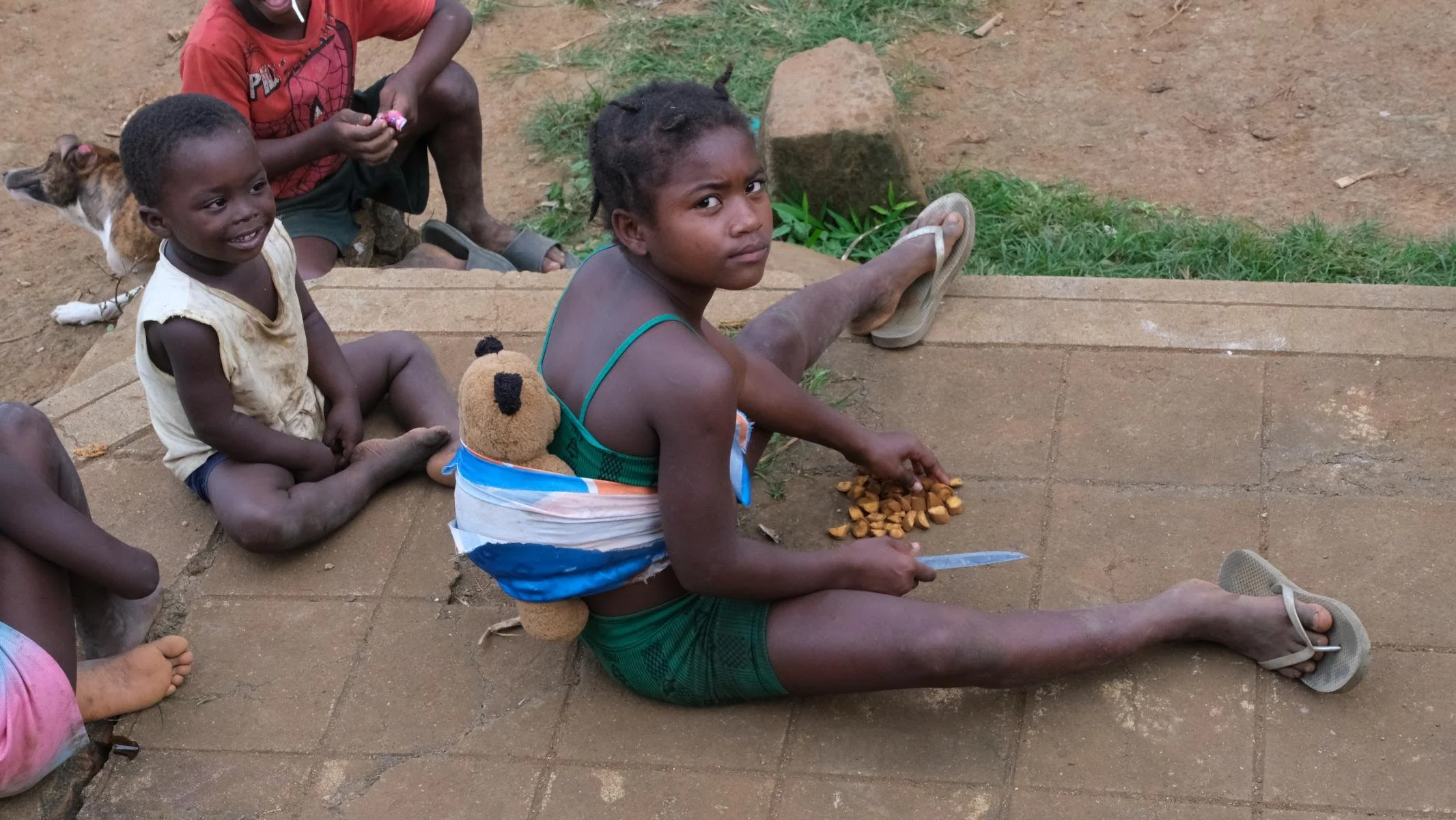
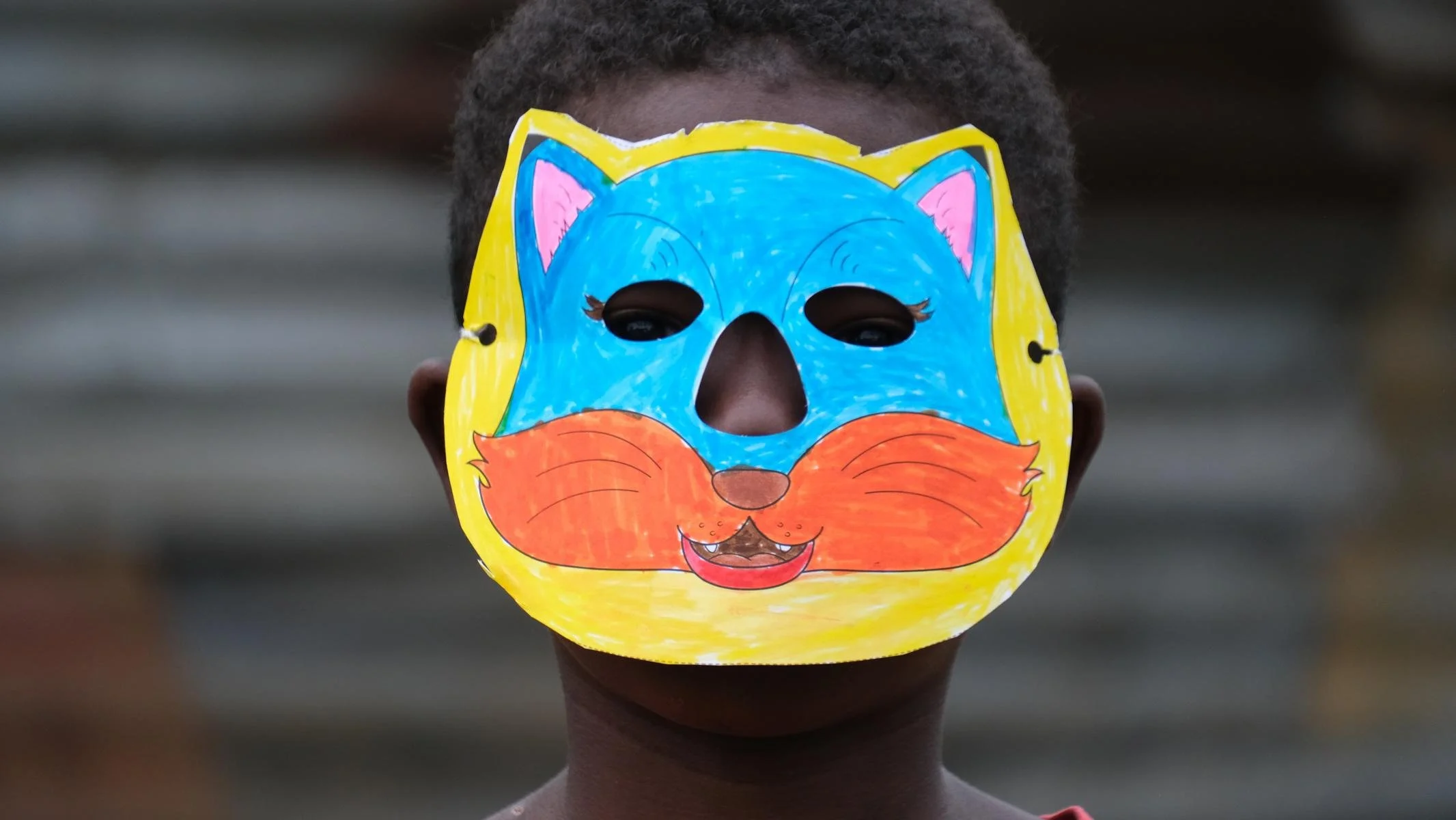
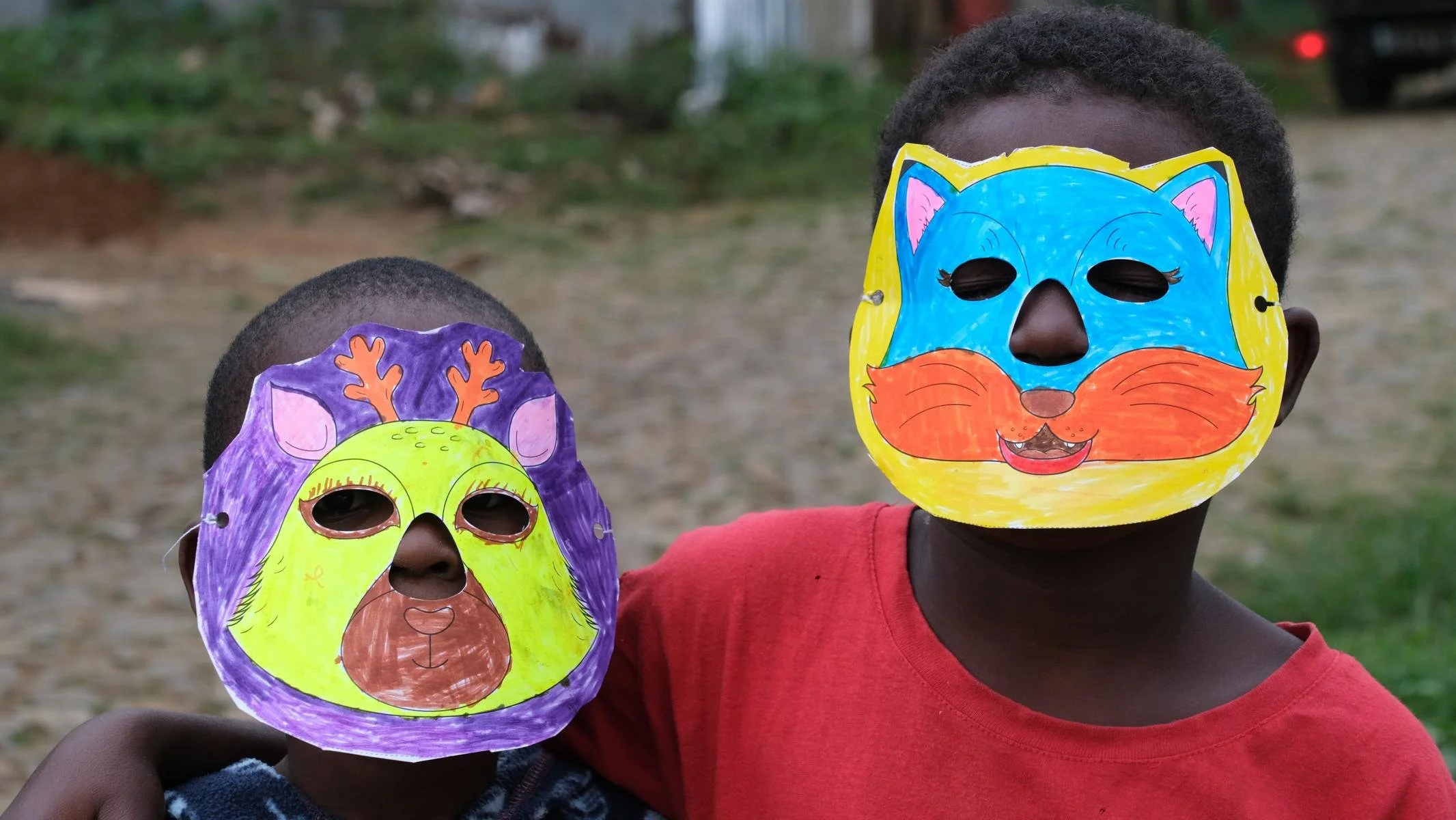
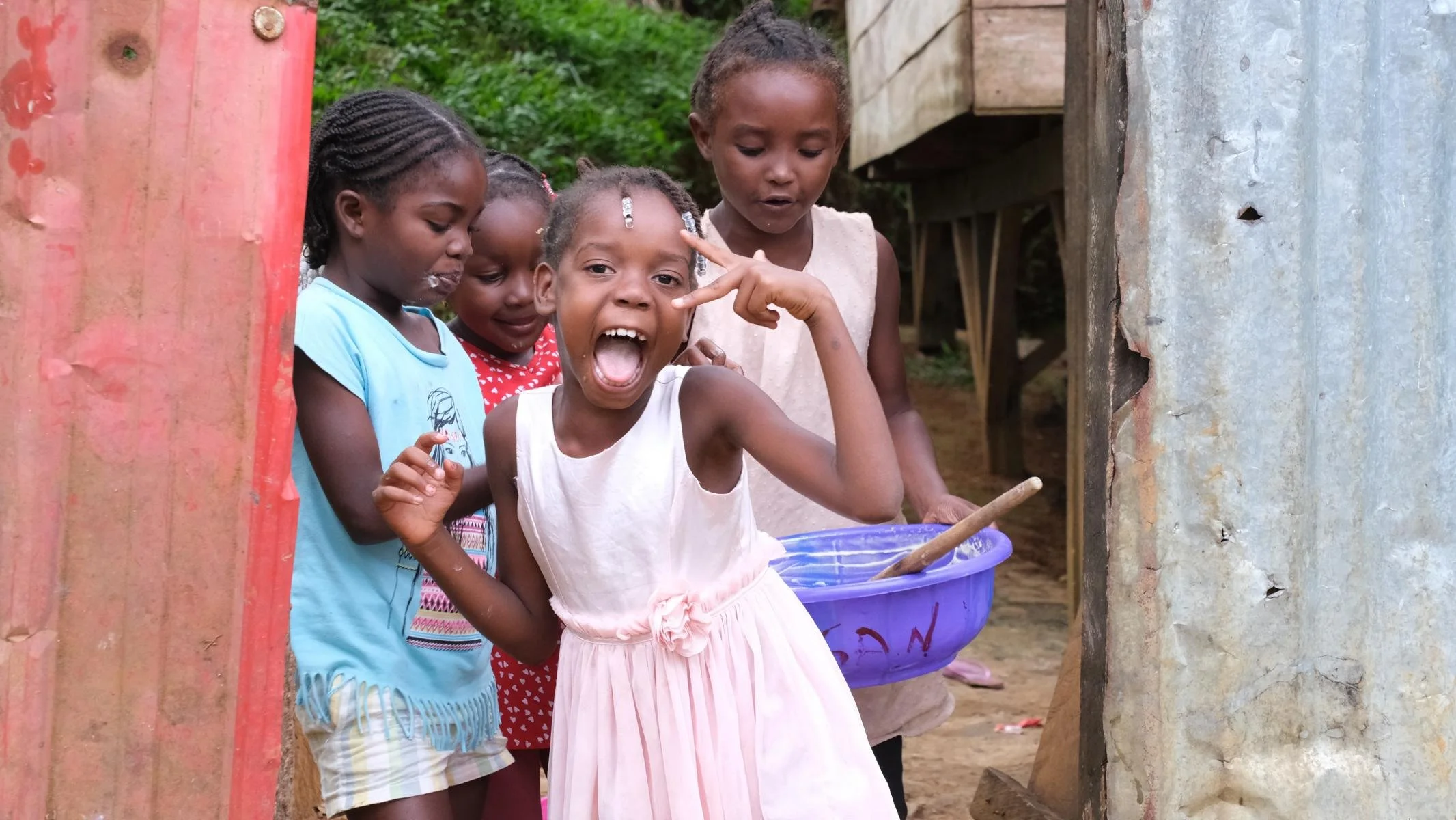
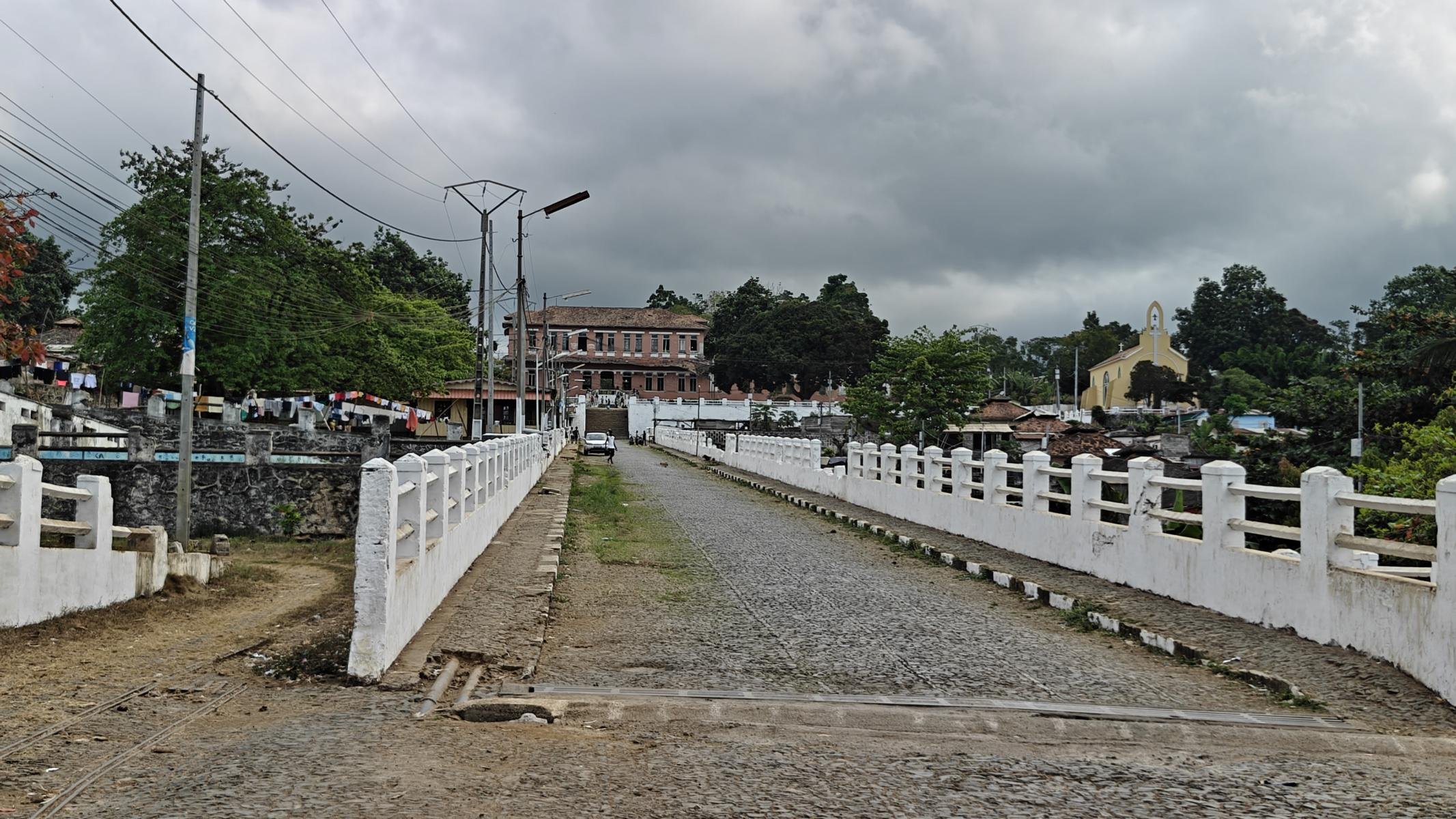
Another roça we visited was the Agostinho Neto plantation, home to about 1,000 people, which still exudes the grandeur and architectural beauty of bygone days.
Eine weitere Roça die wir besuchten, war die Plantage Agostinho Neto, in der etwa 1.000 Menschen wohnen, und die noch immer die Größe und architektonische Schönheit vergangener Zeiten atmet.
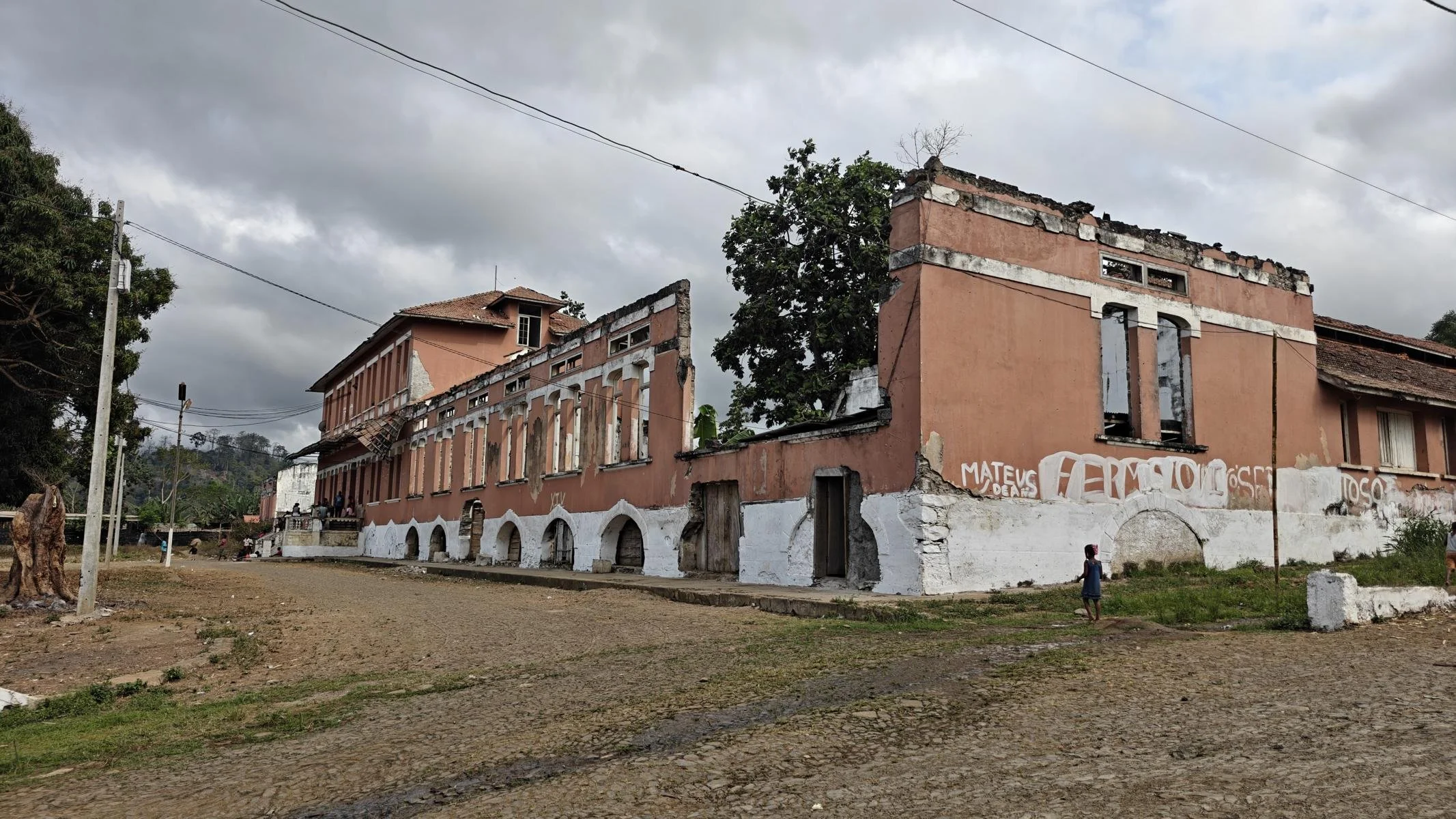
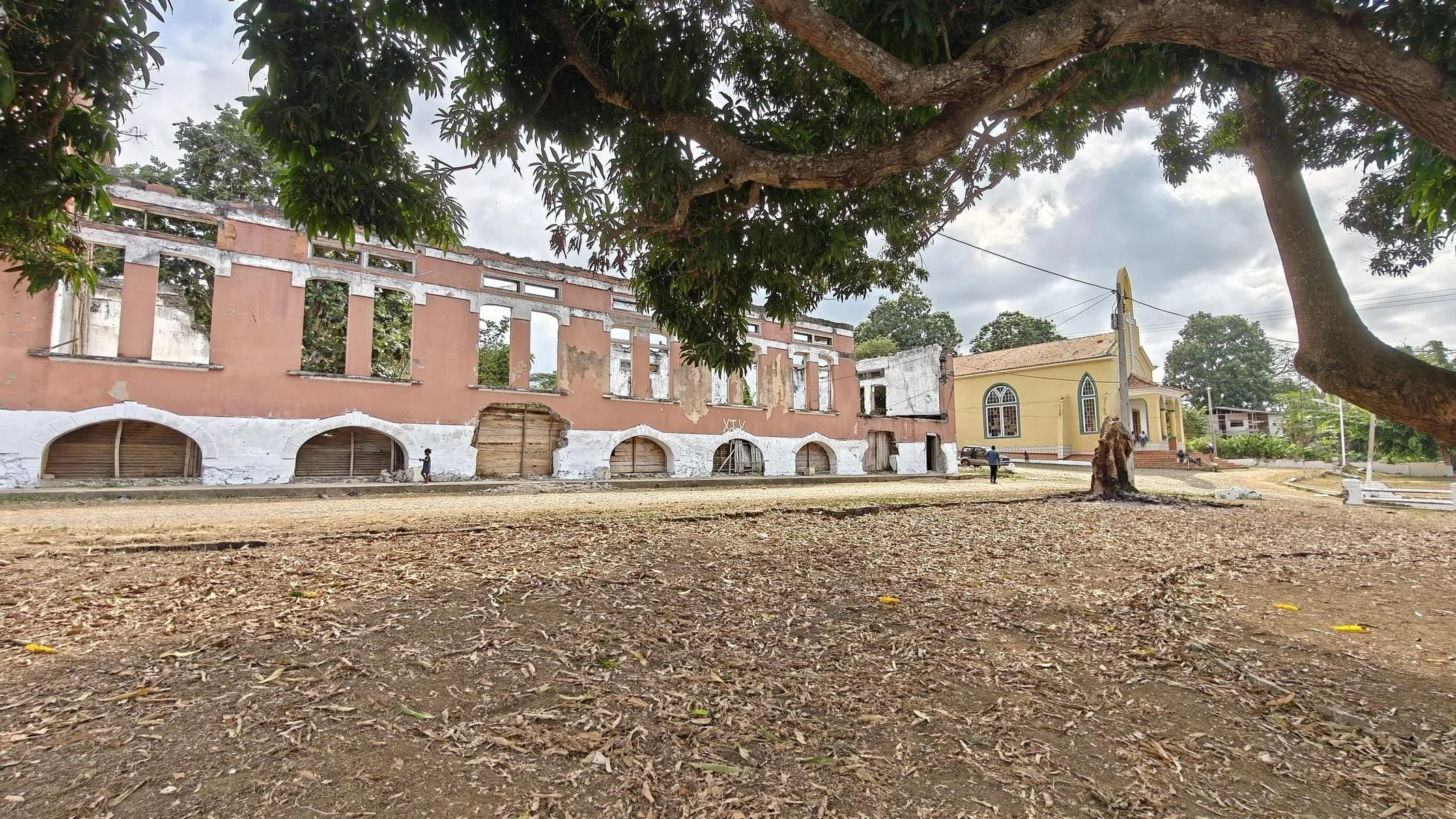
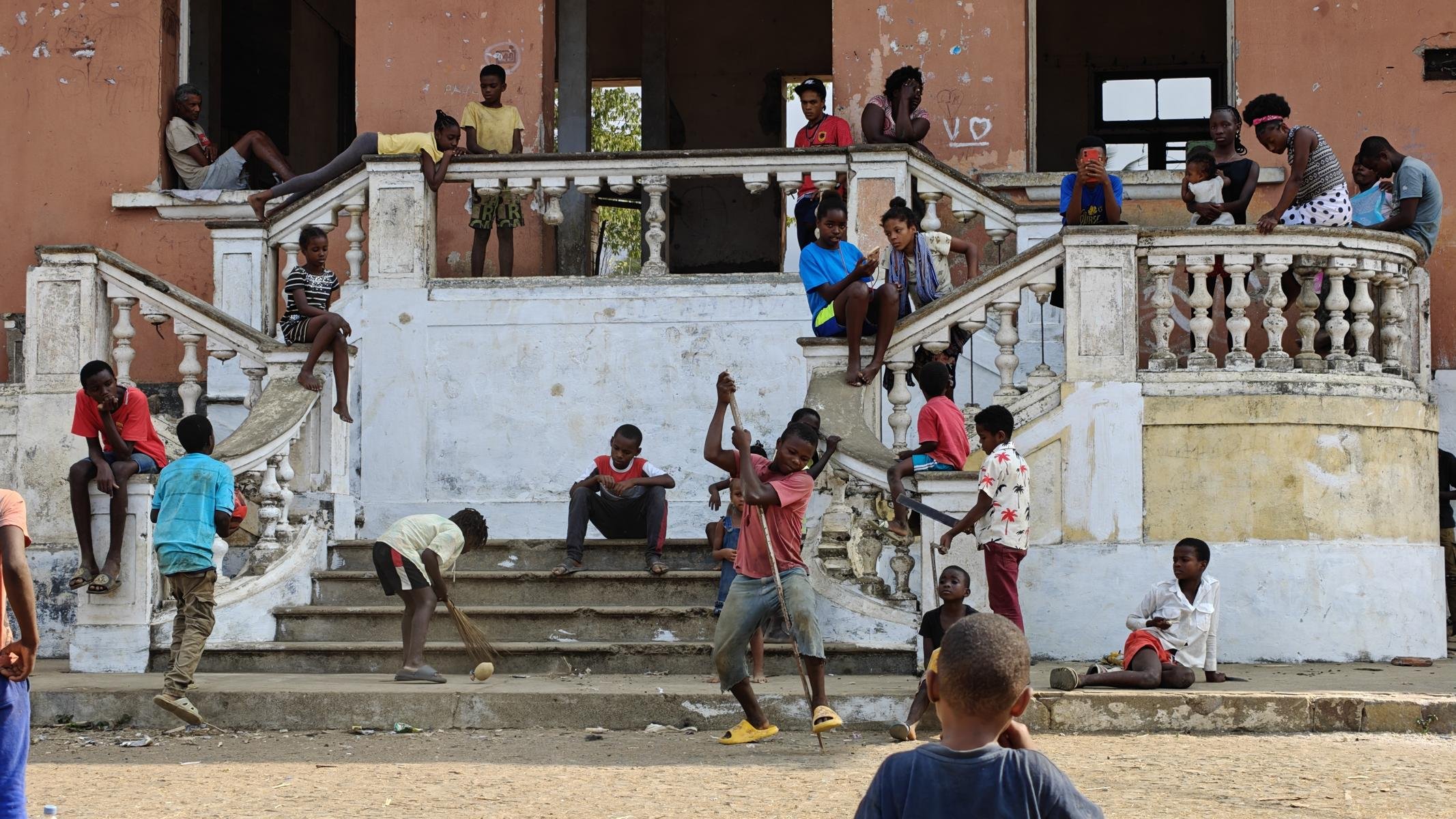
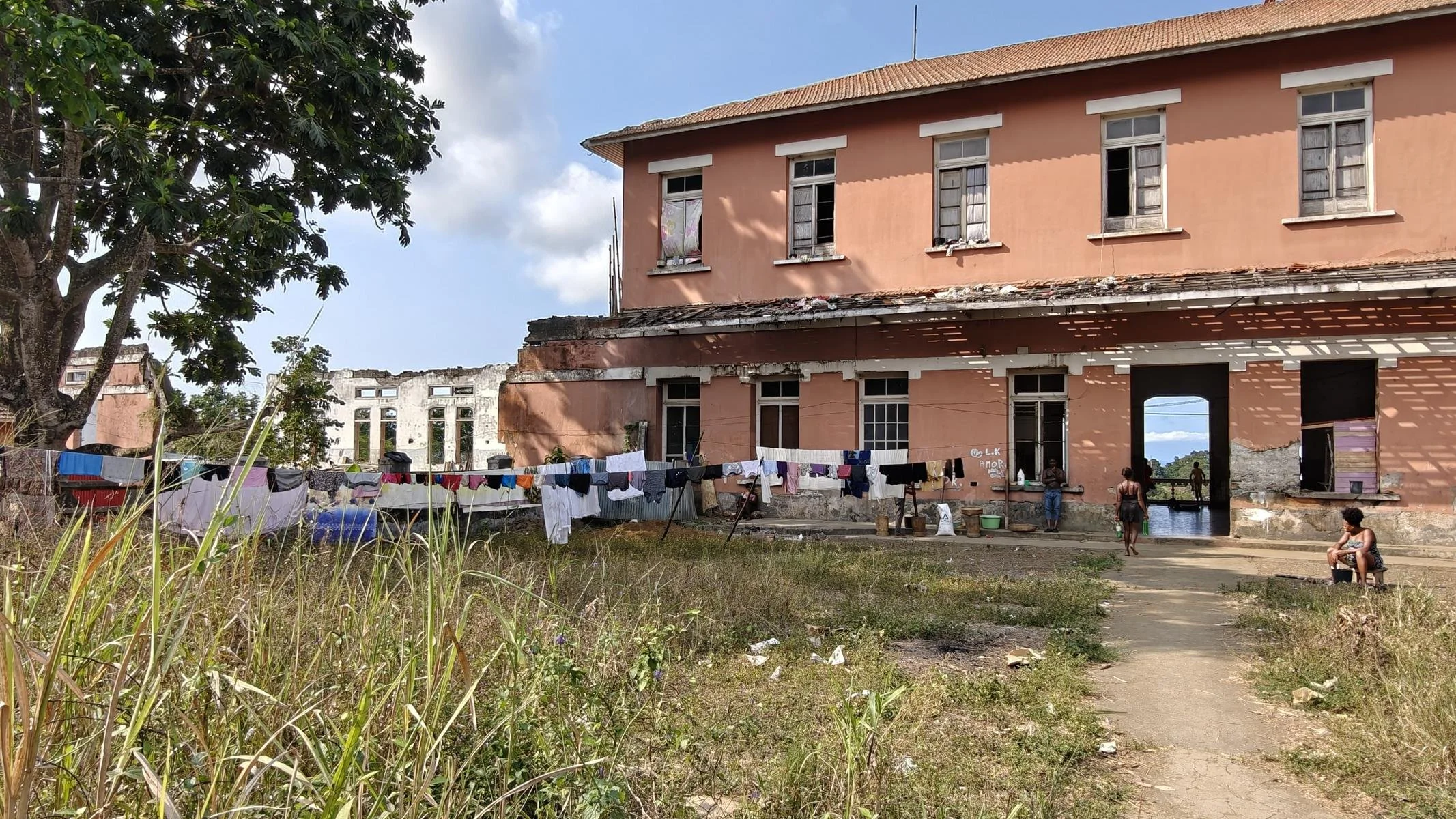
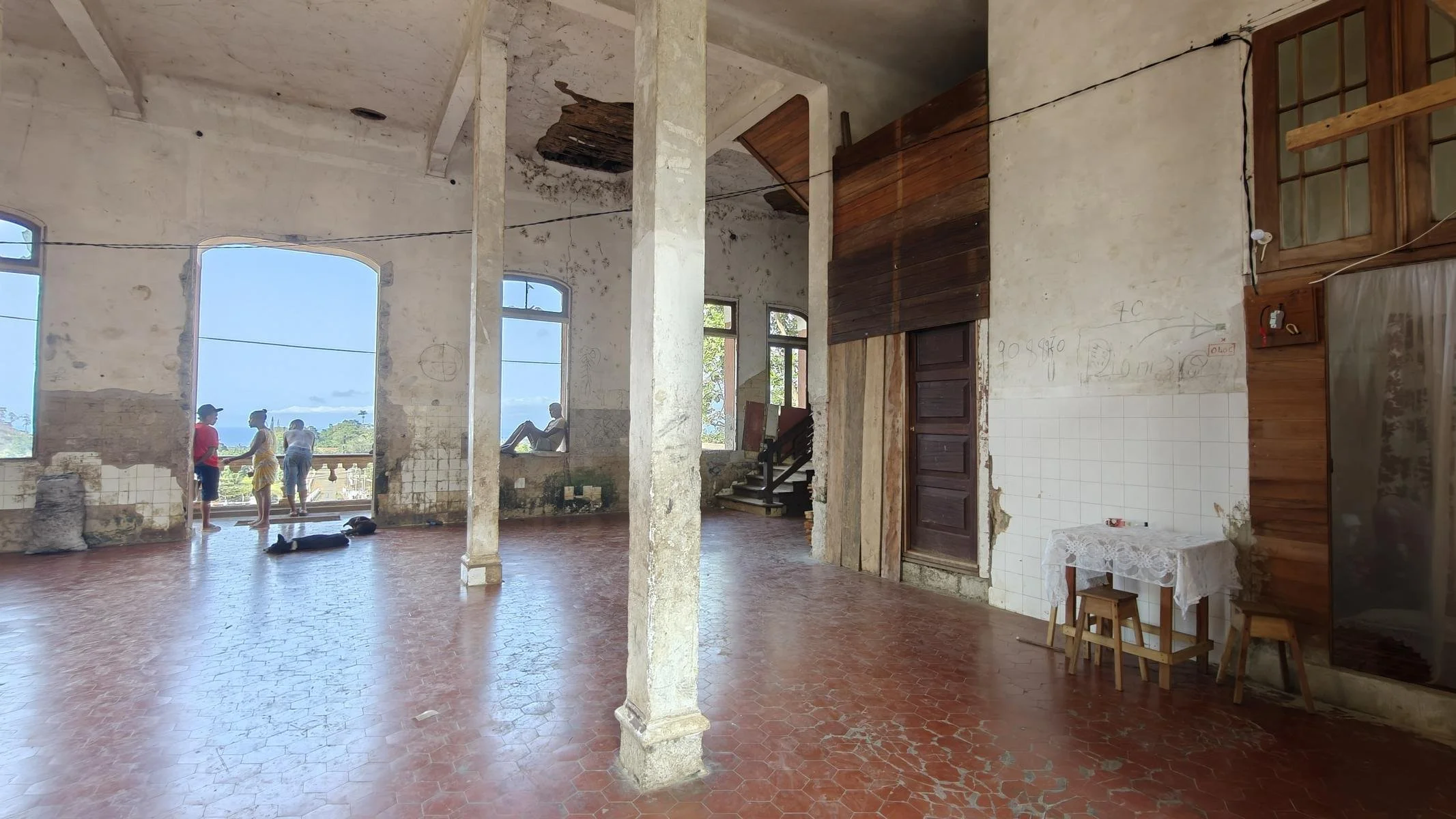
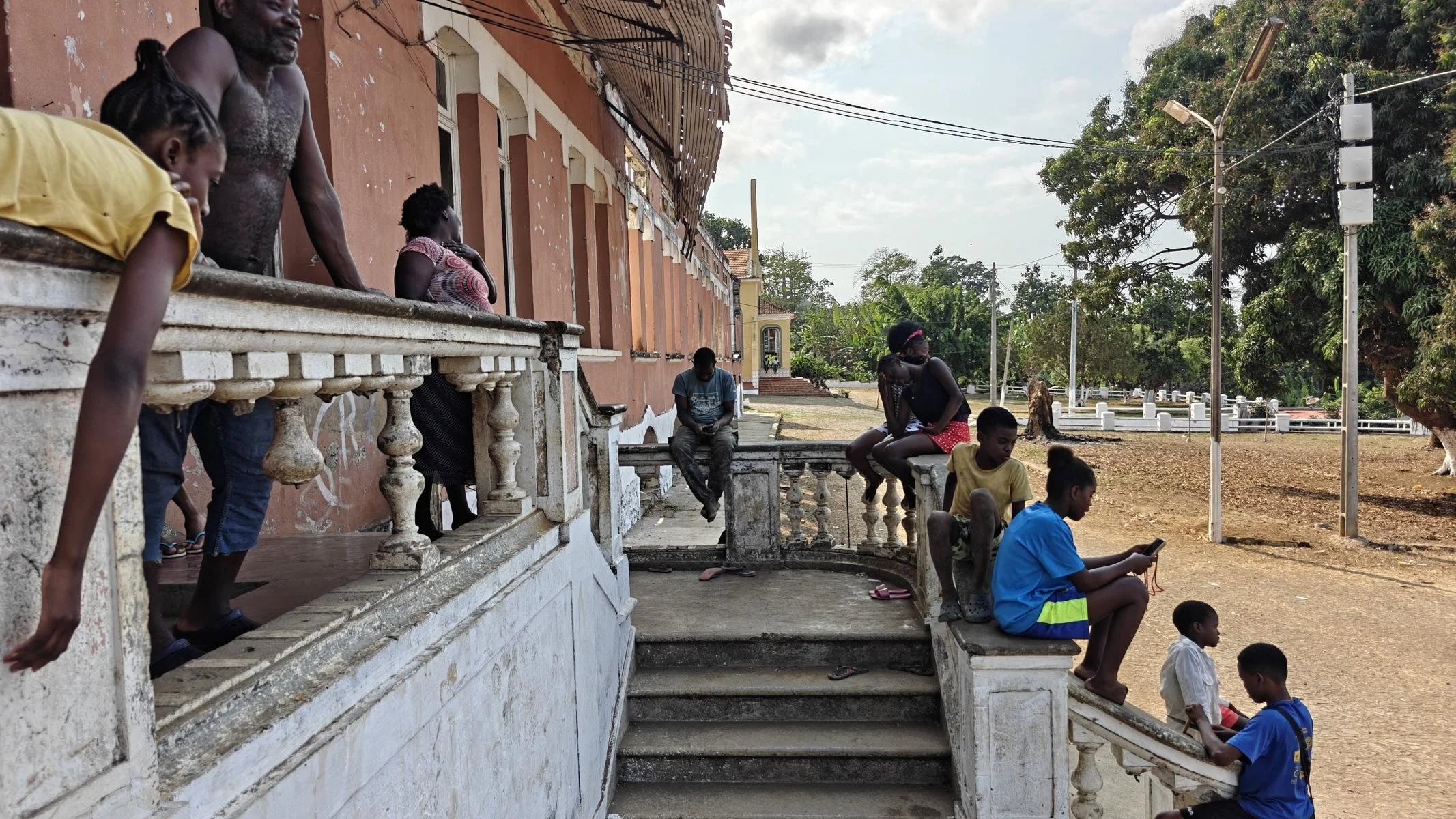
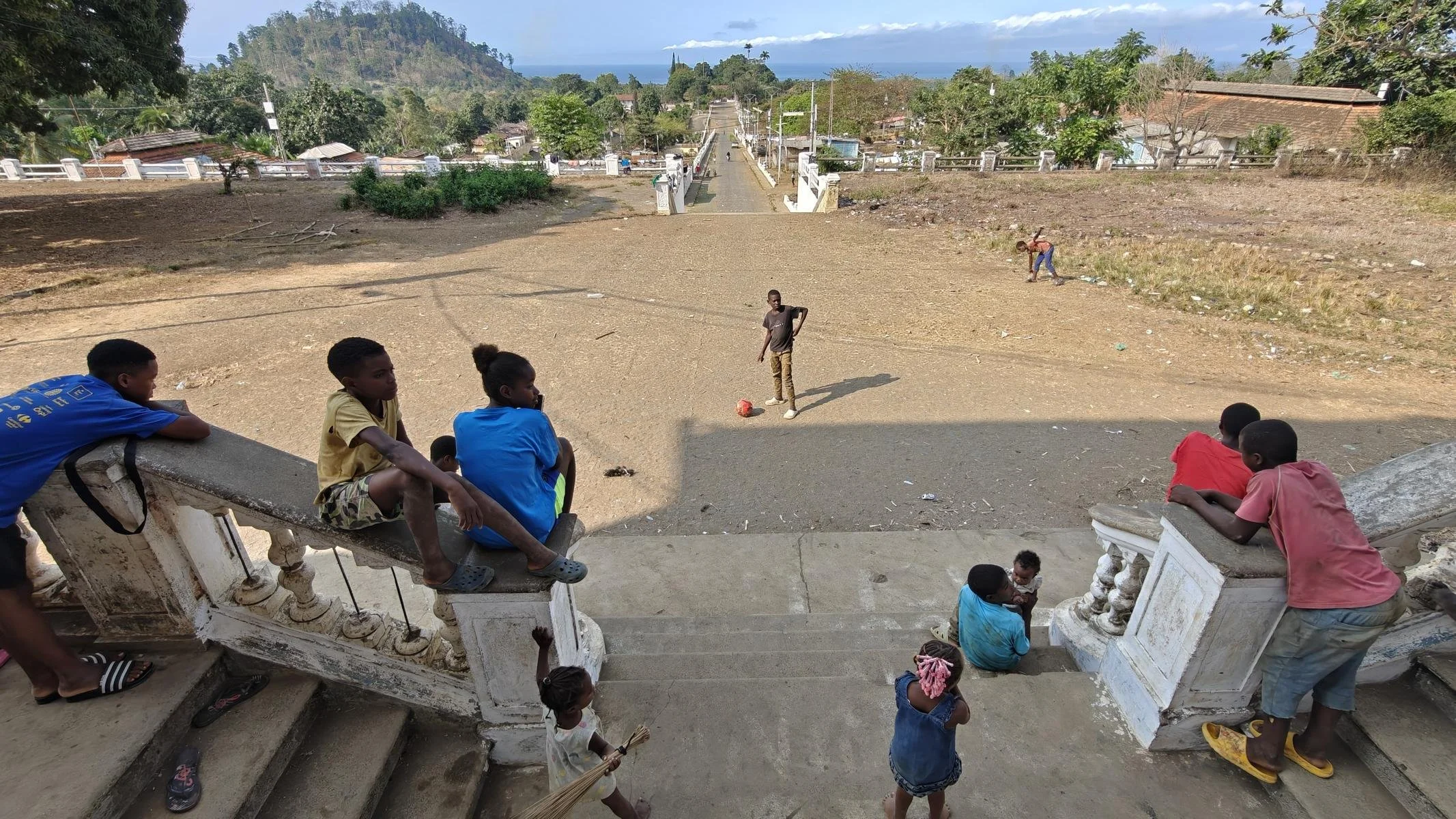
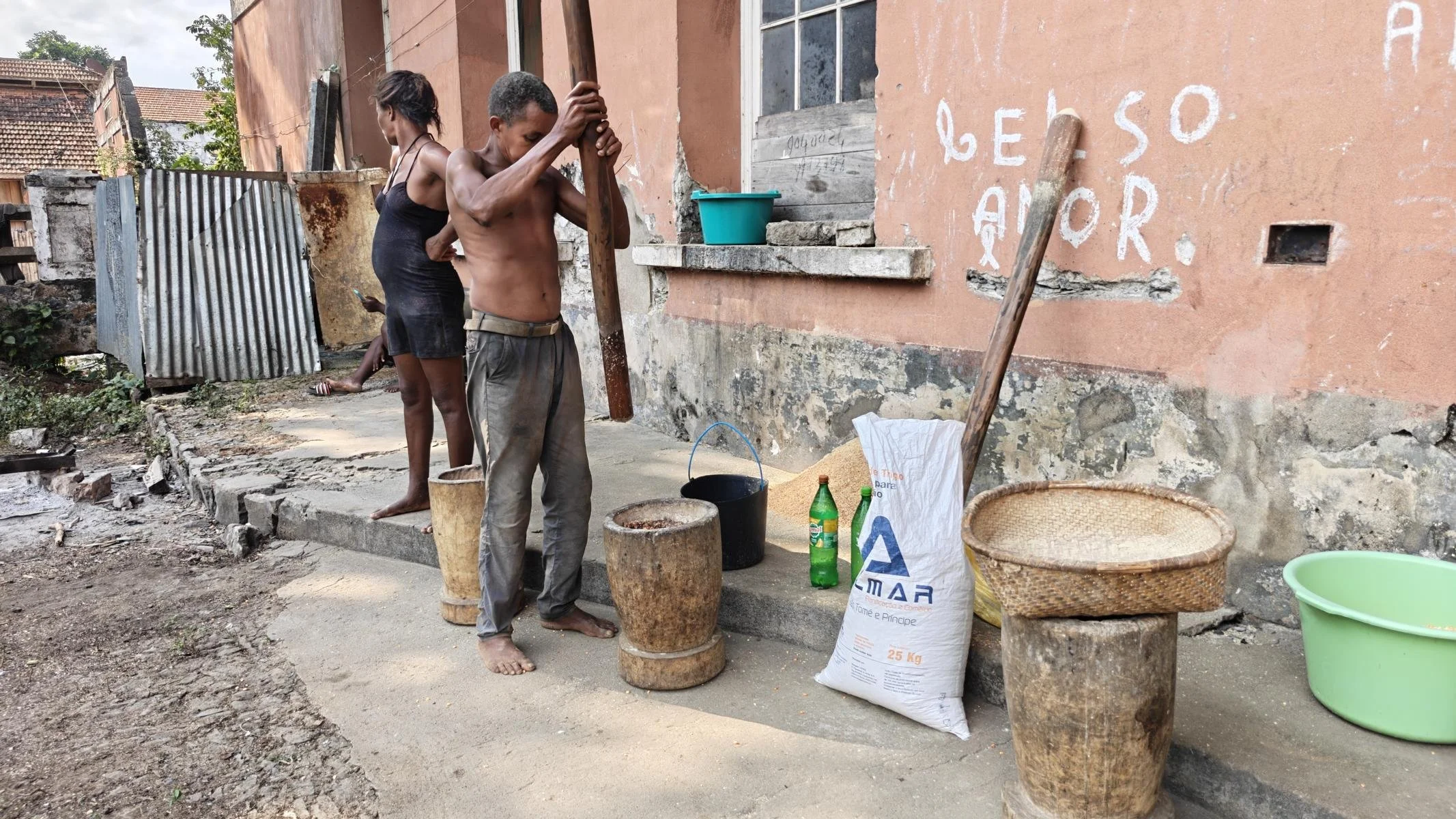
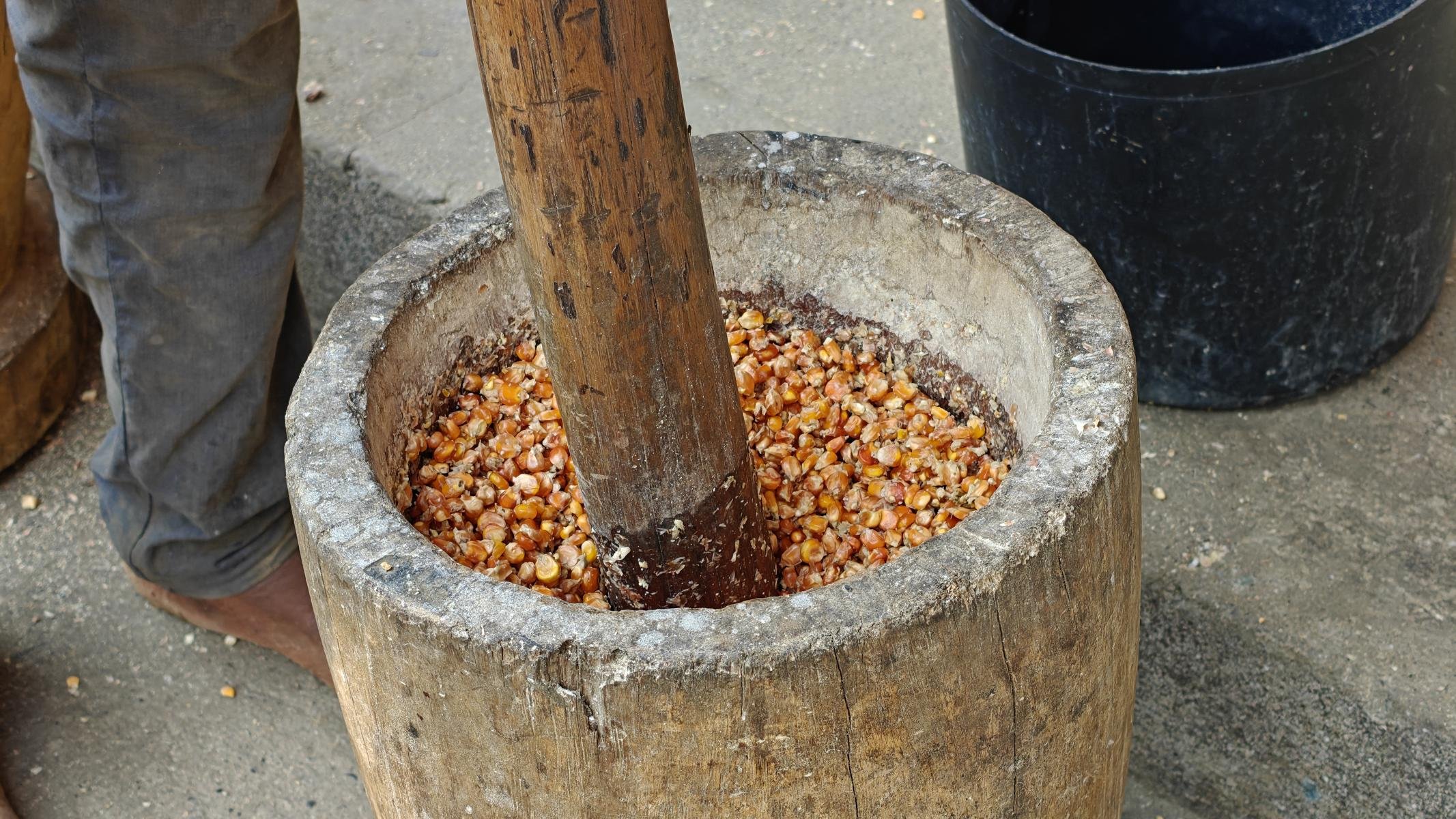
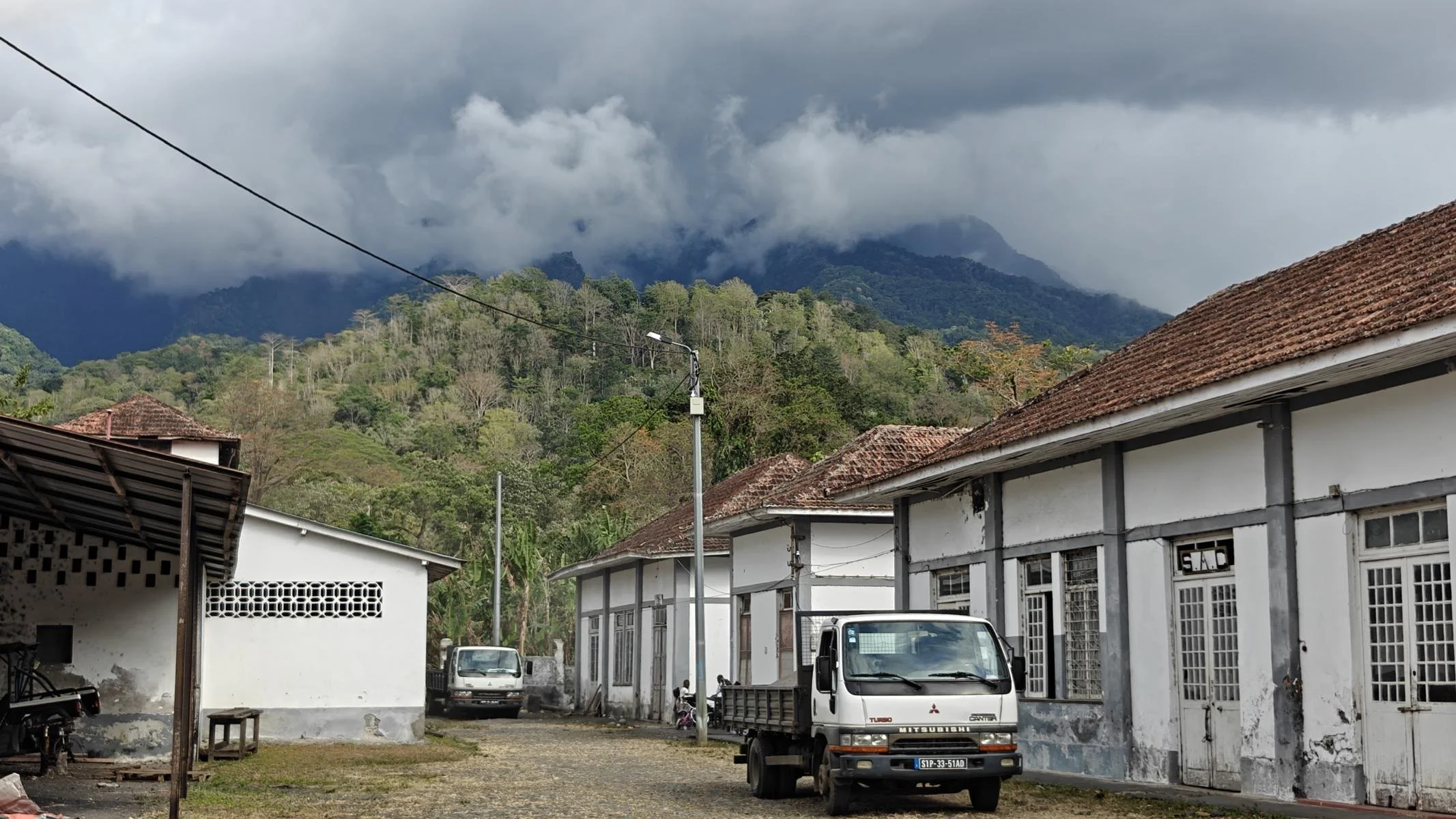
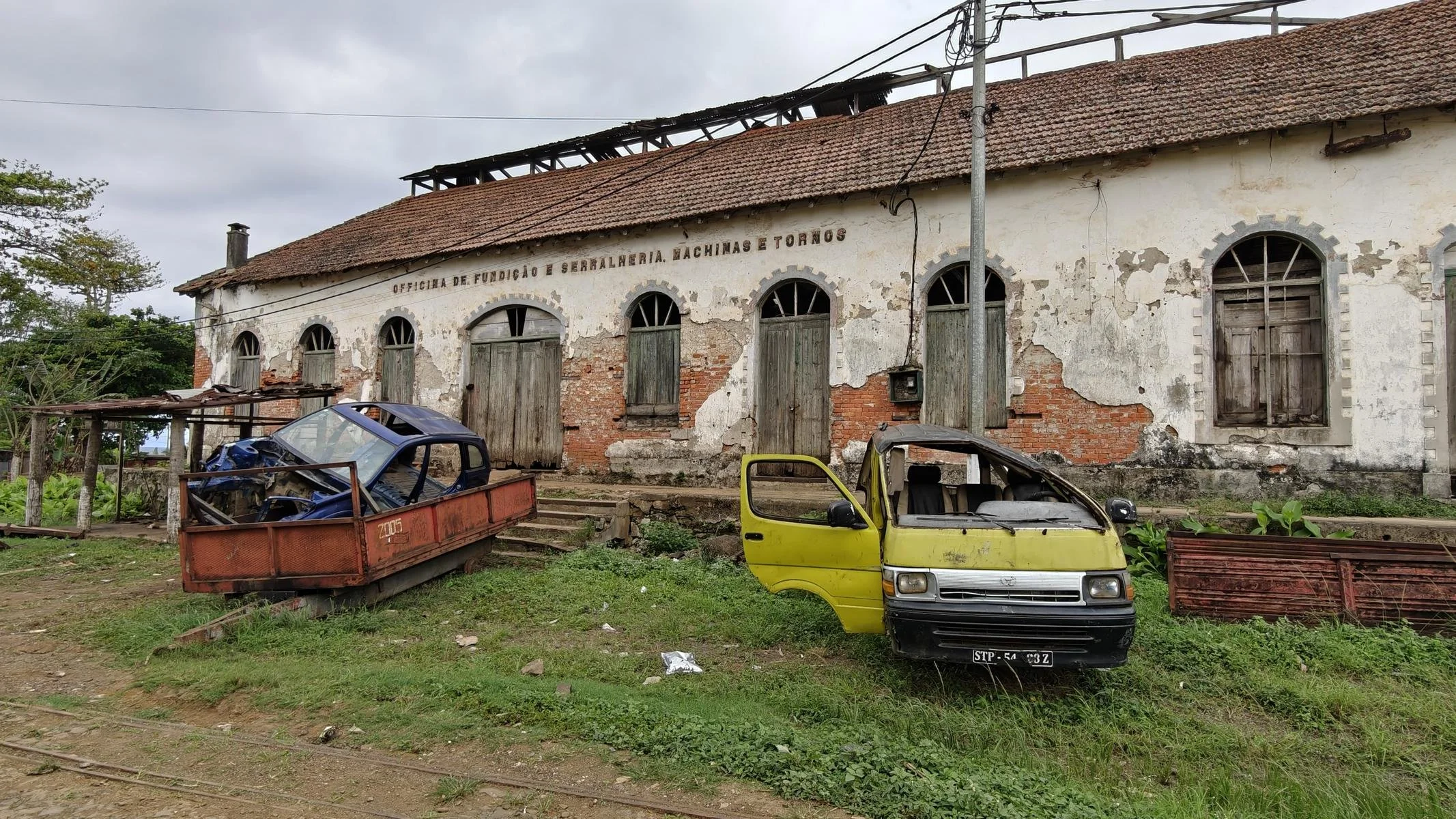
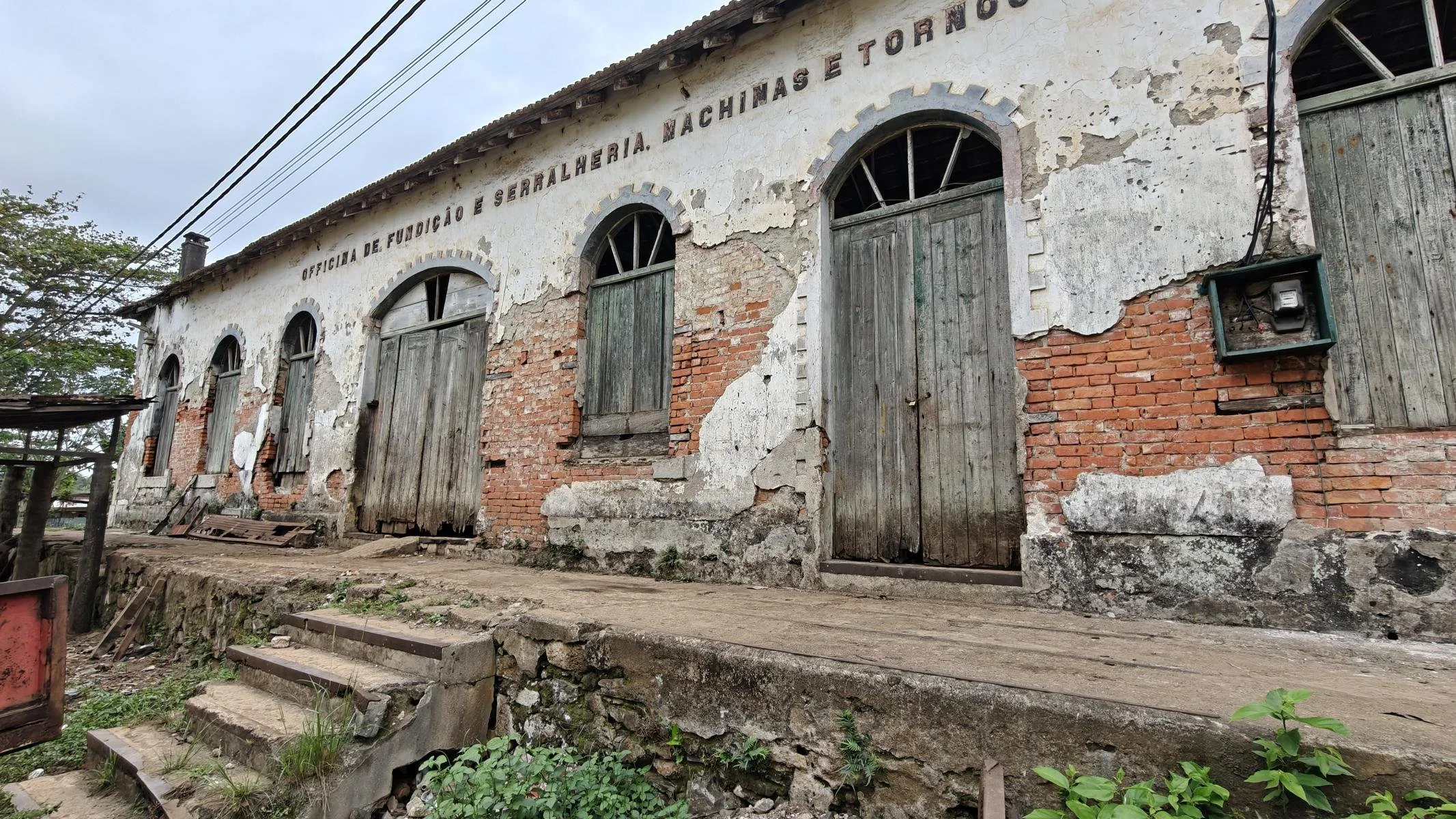
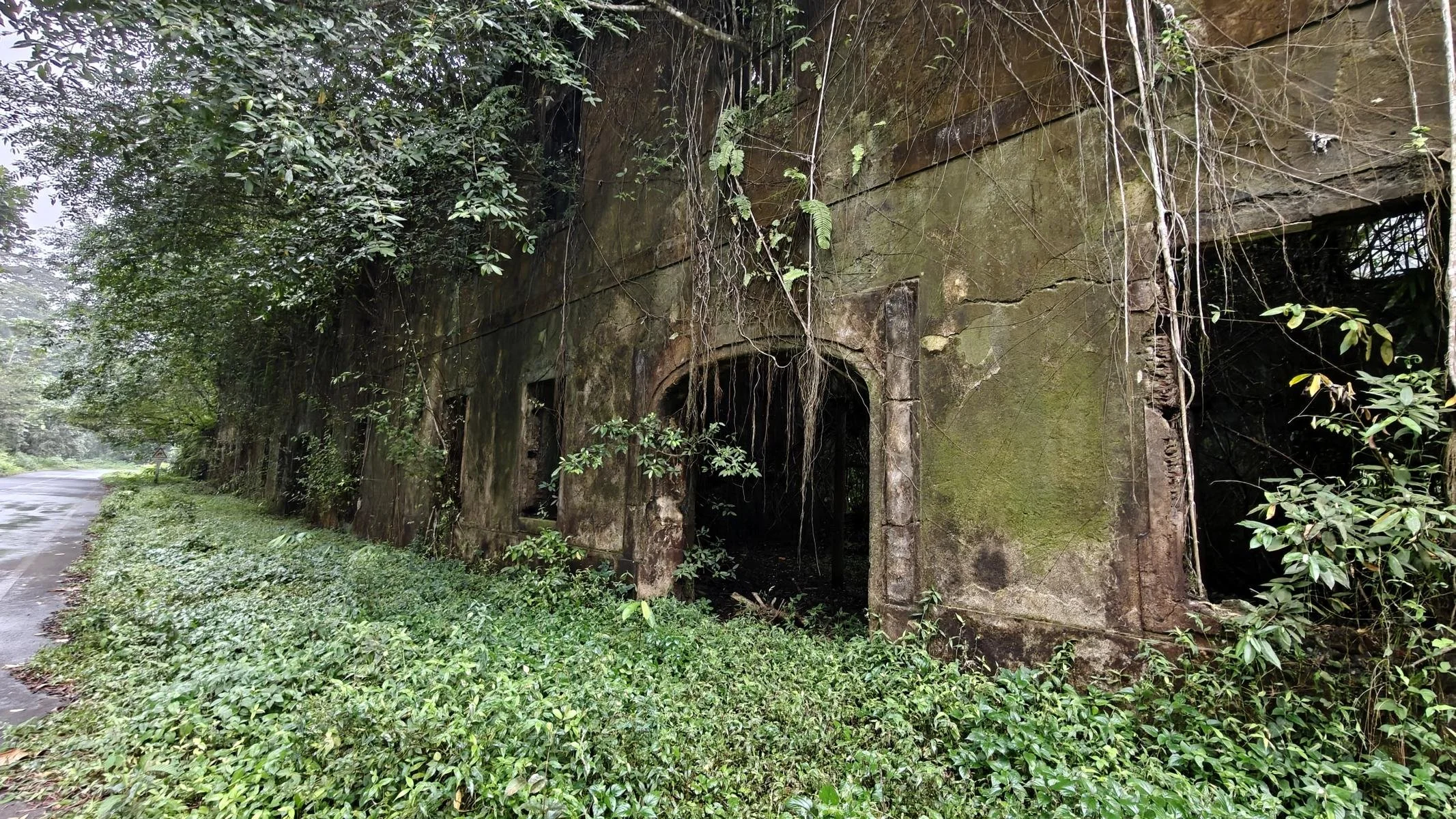
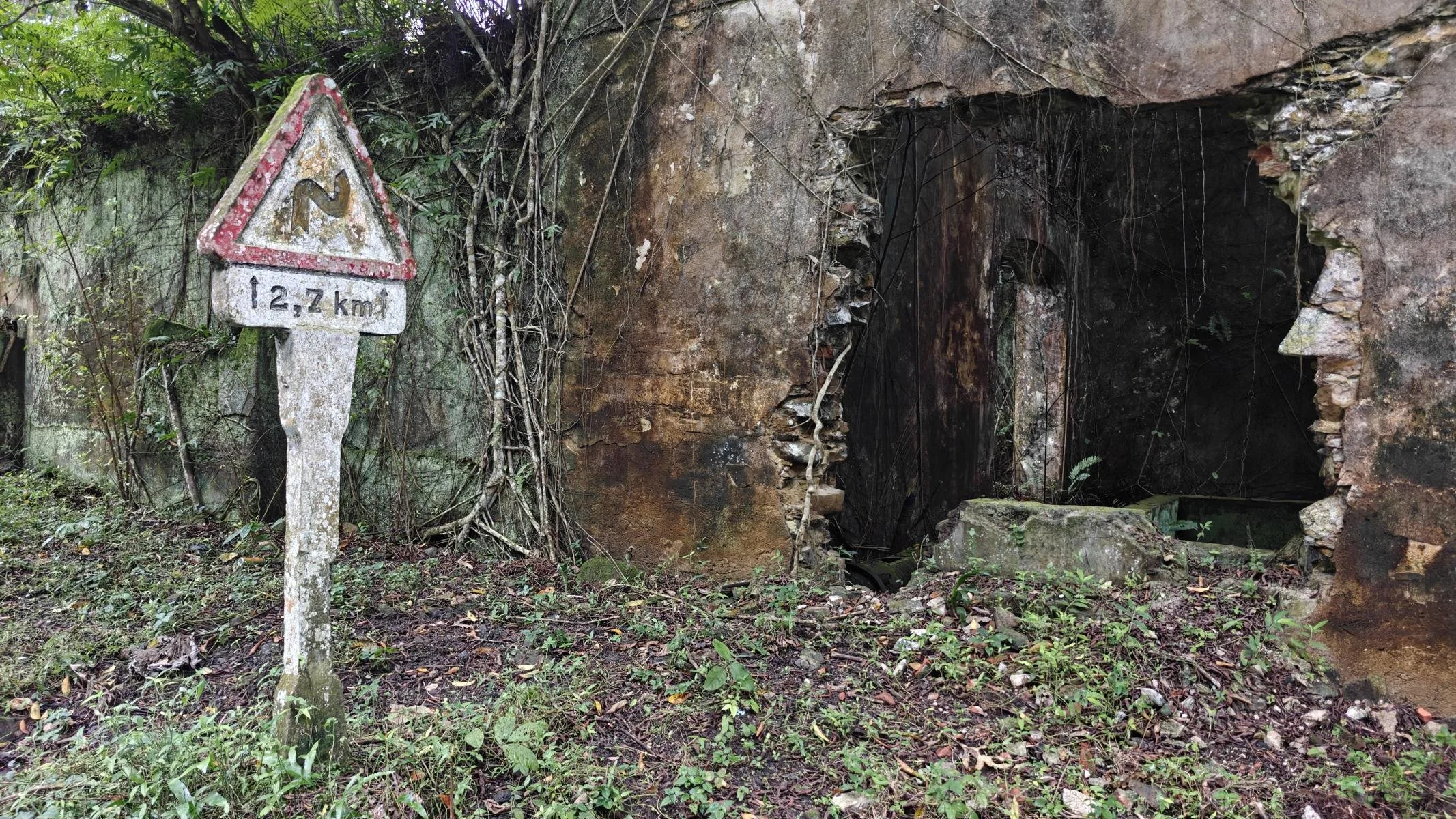
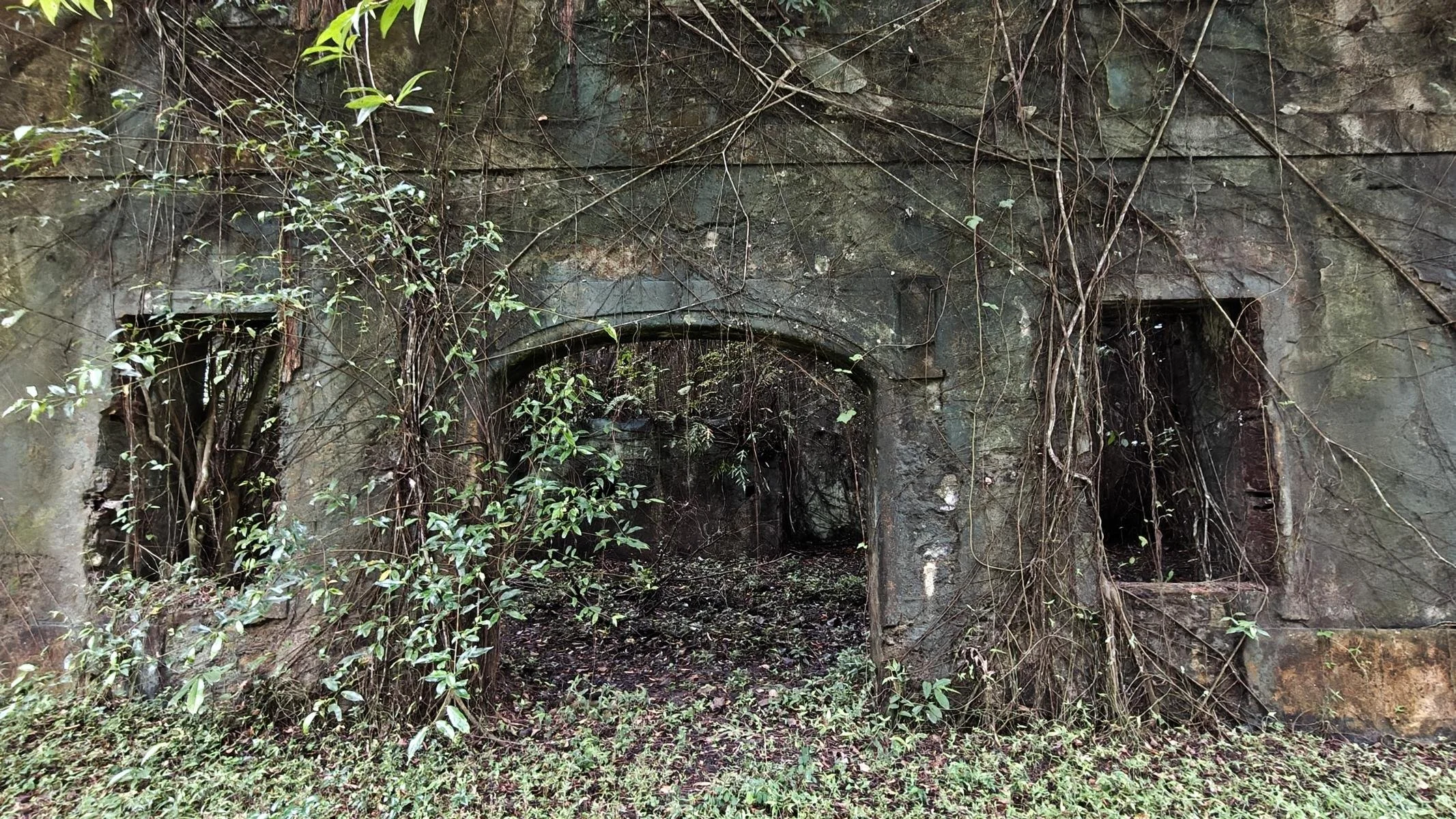
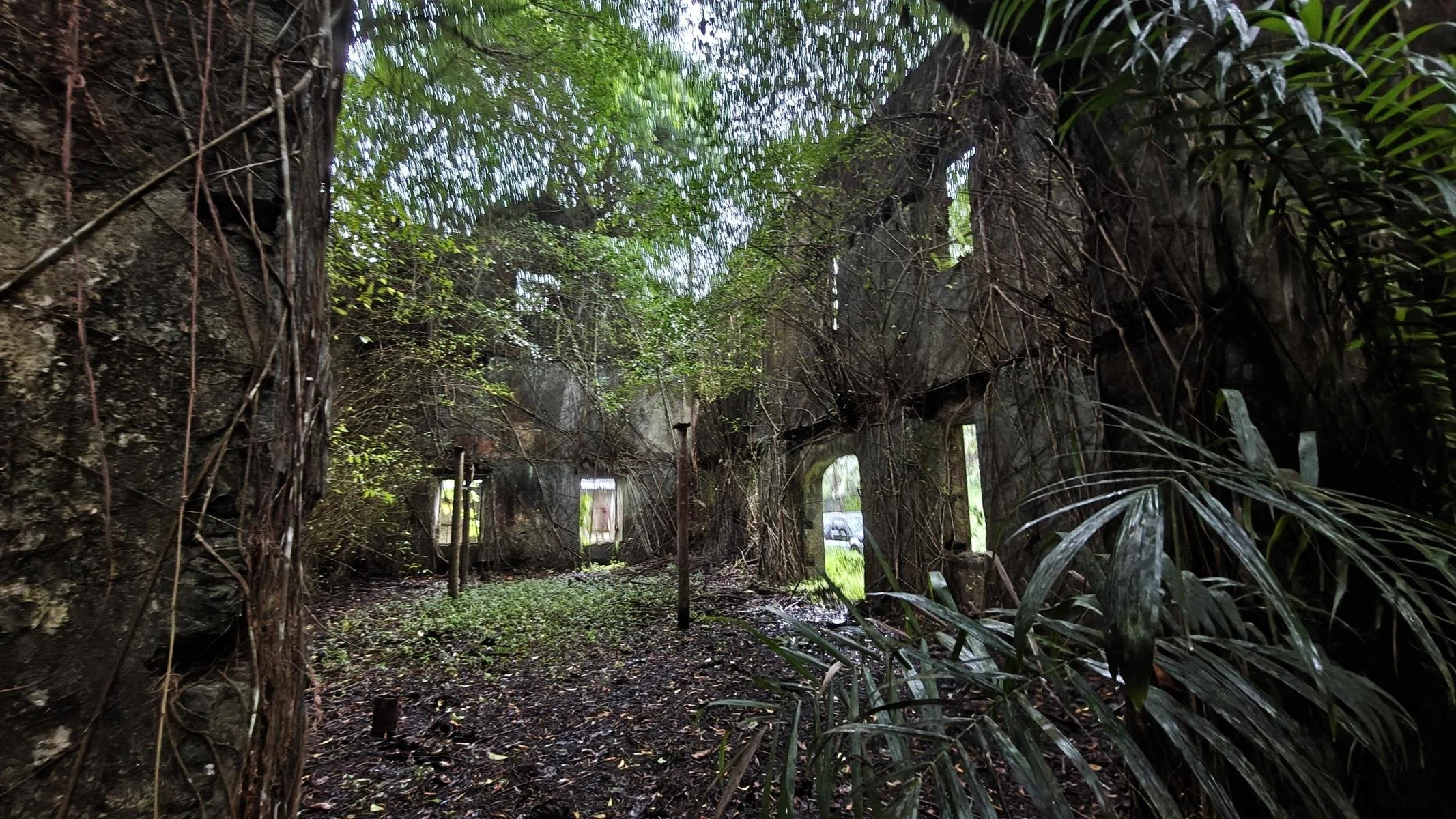
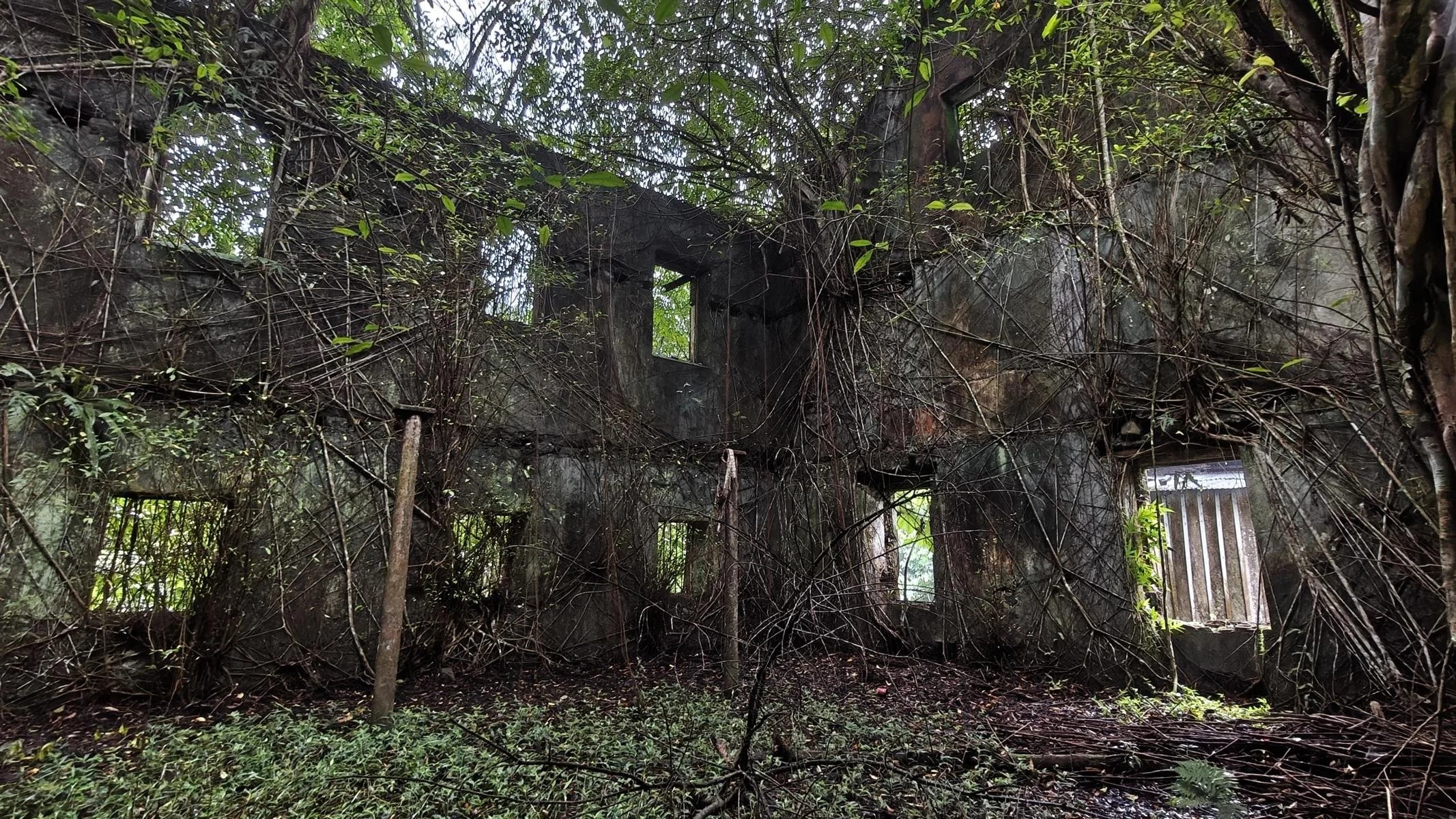
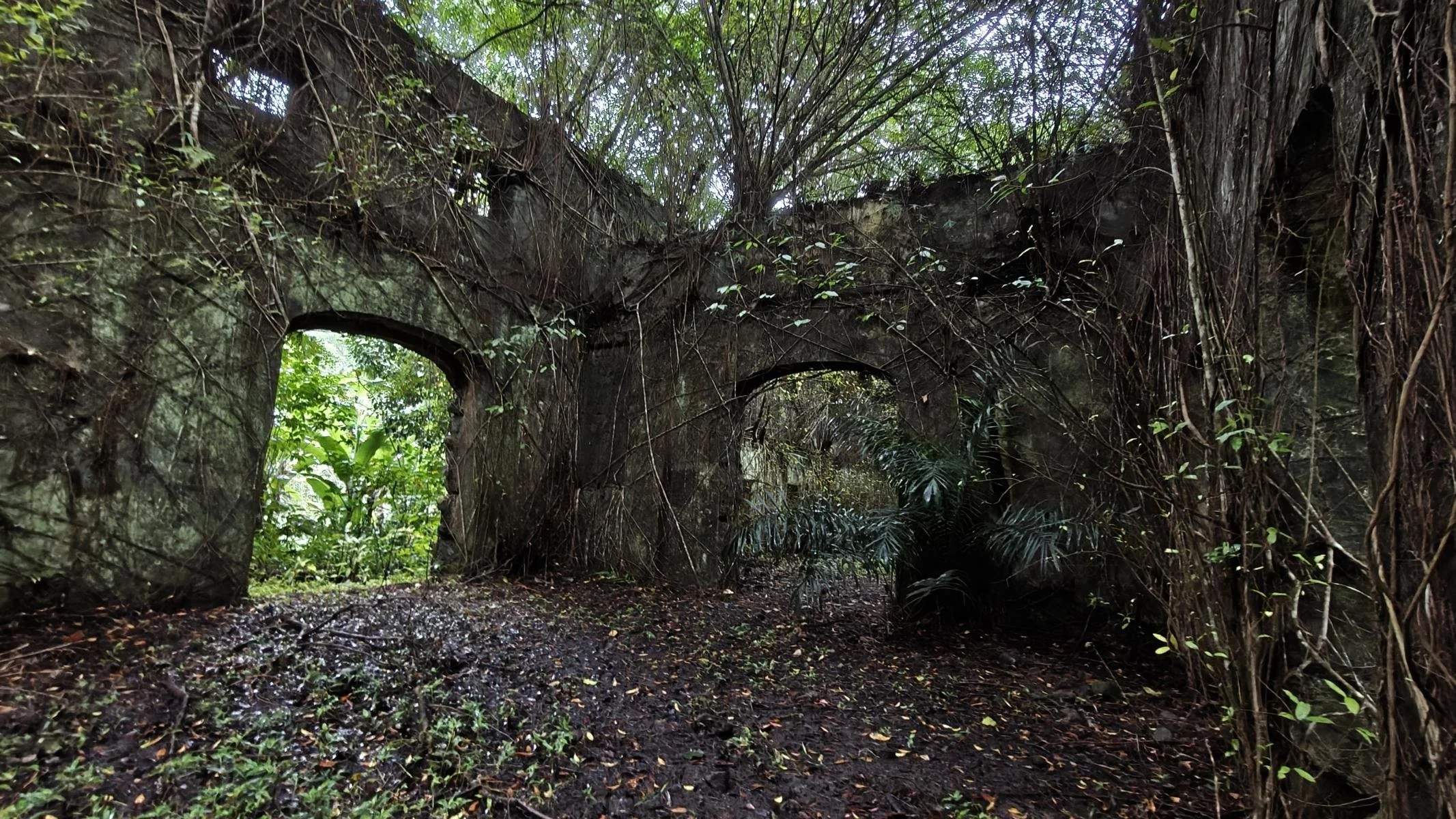
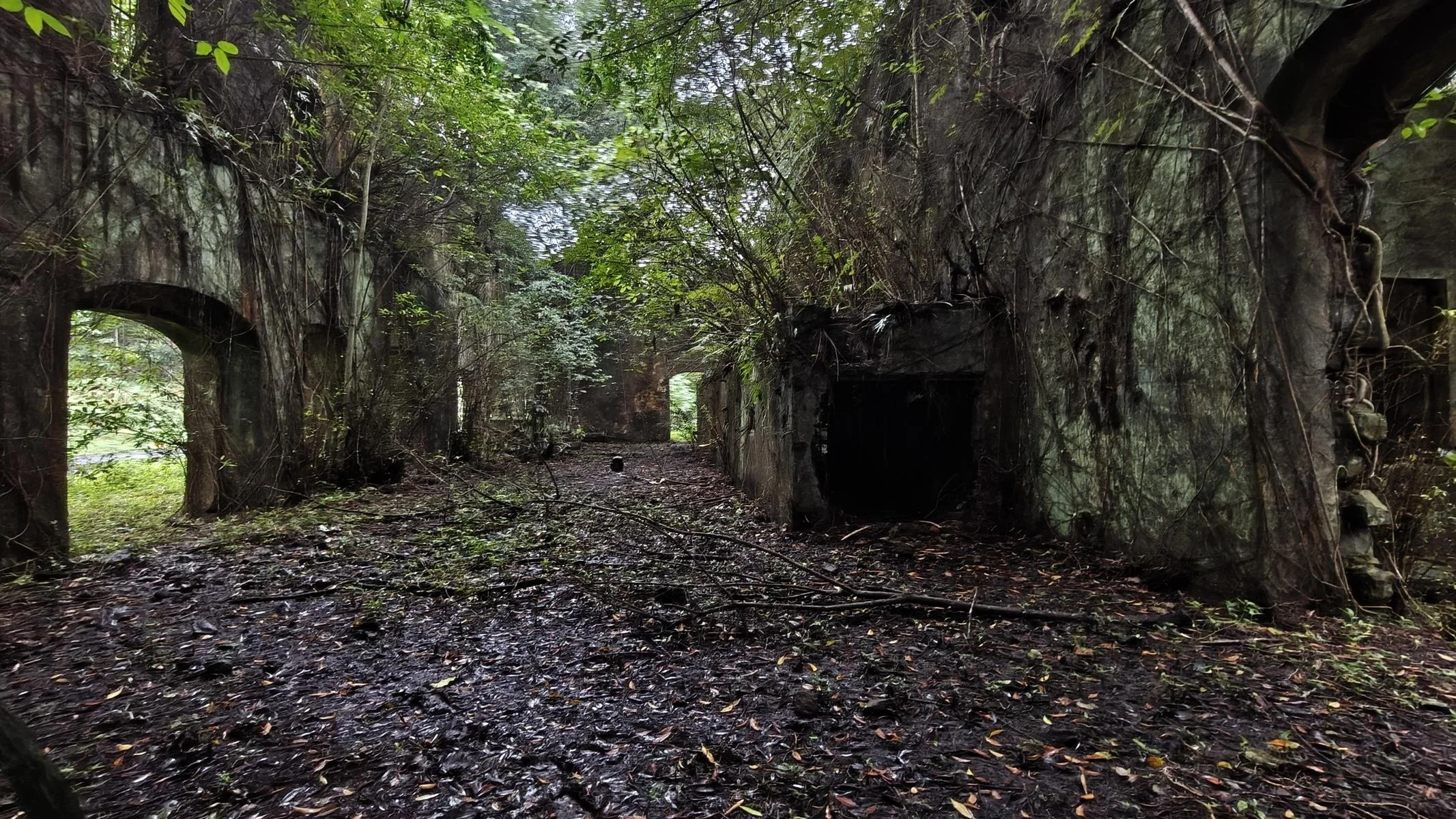
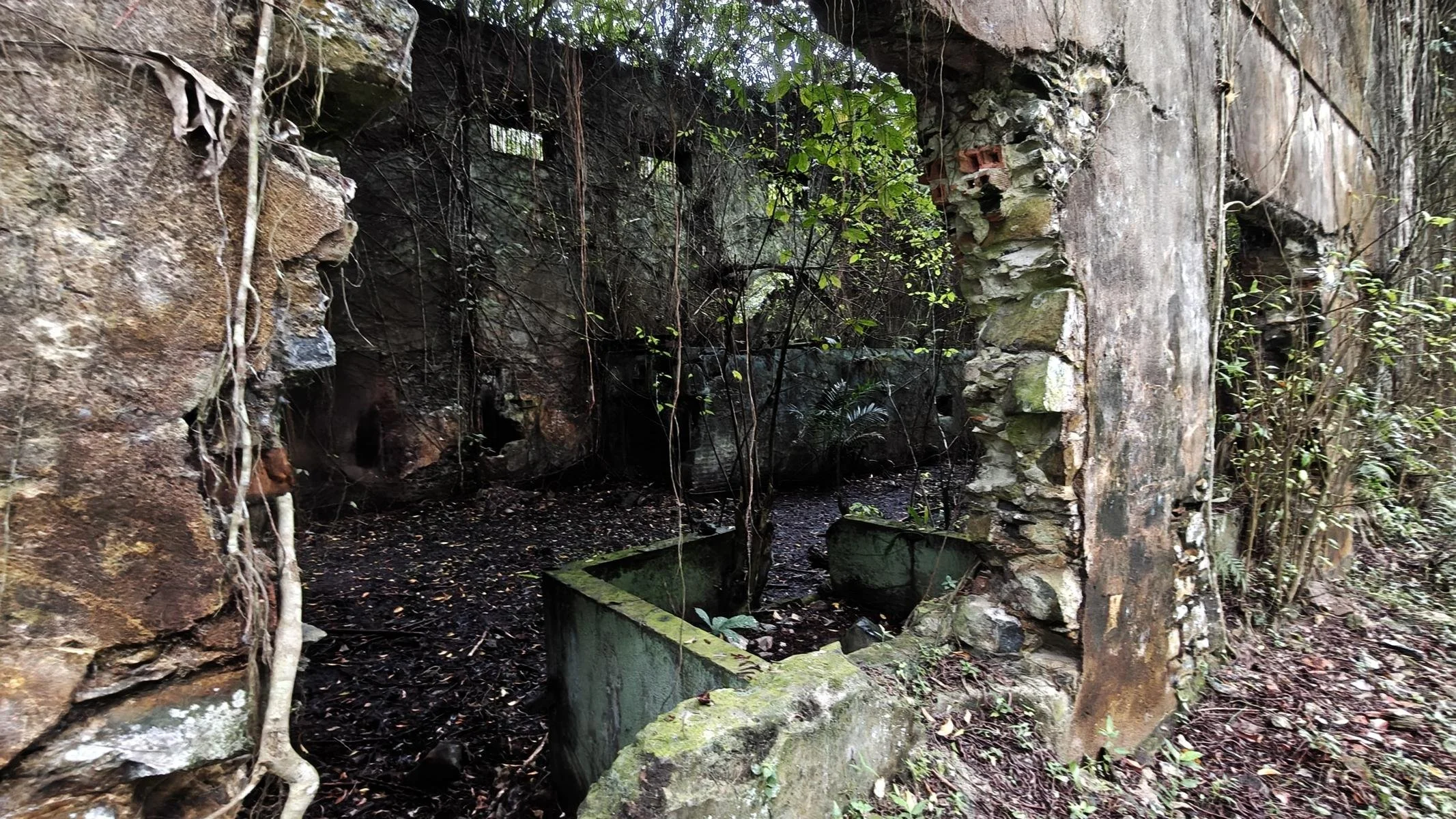
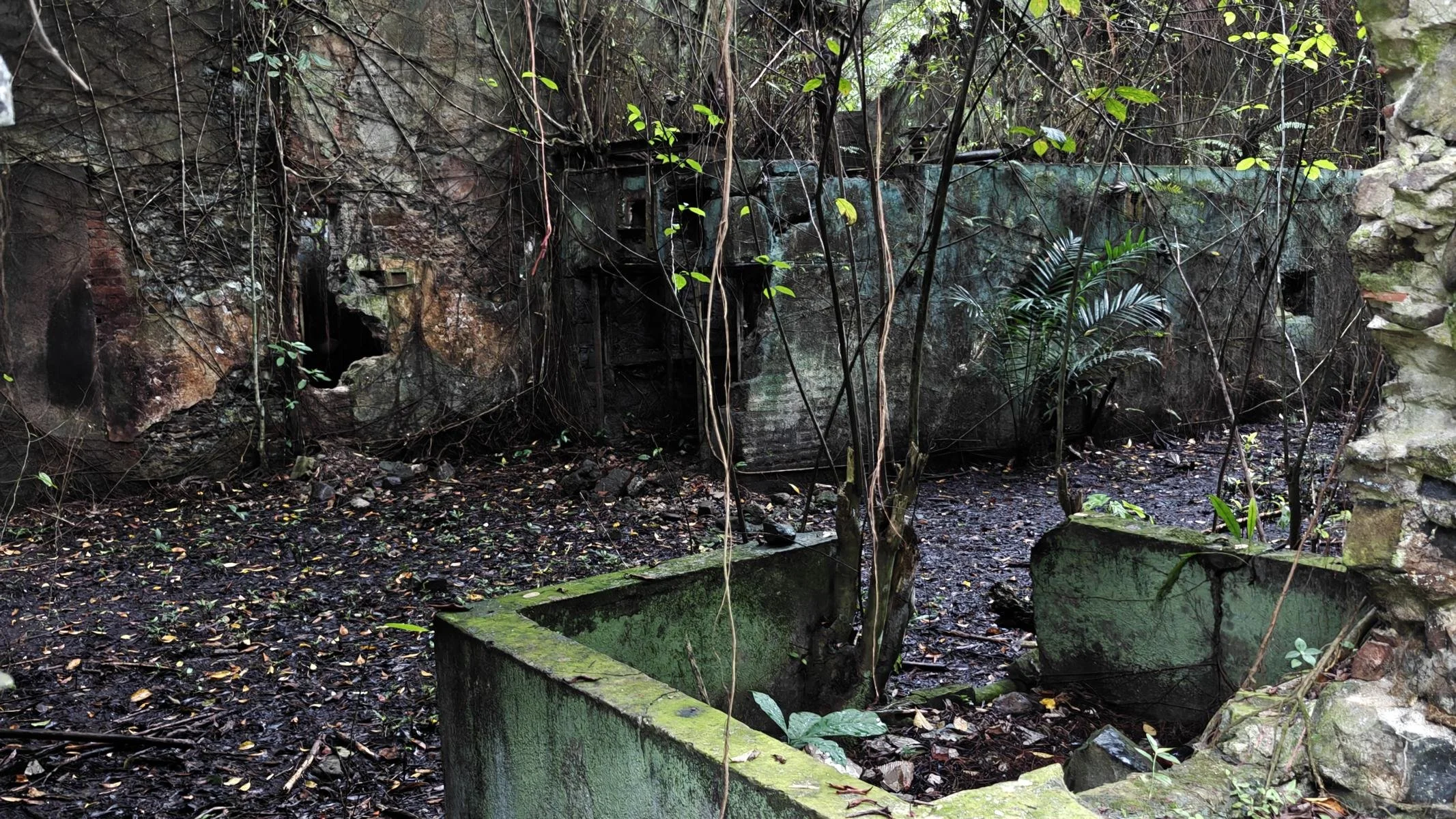
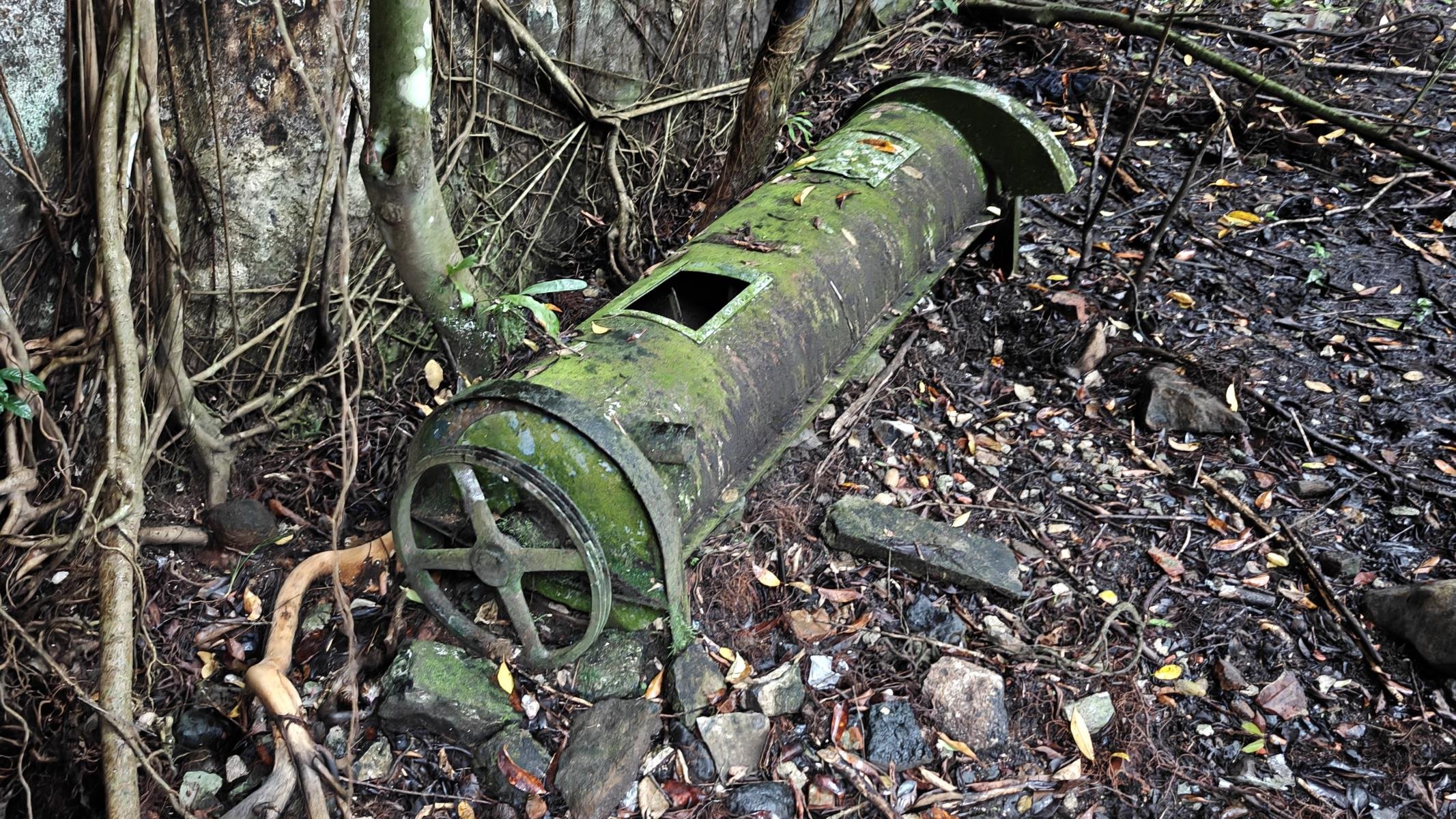
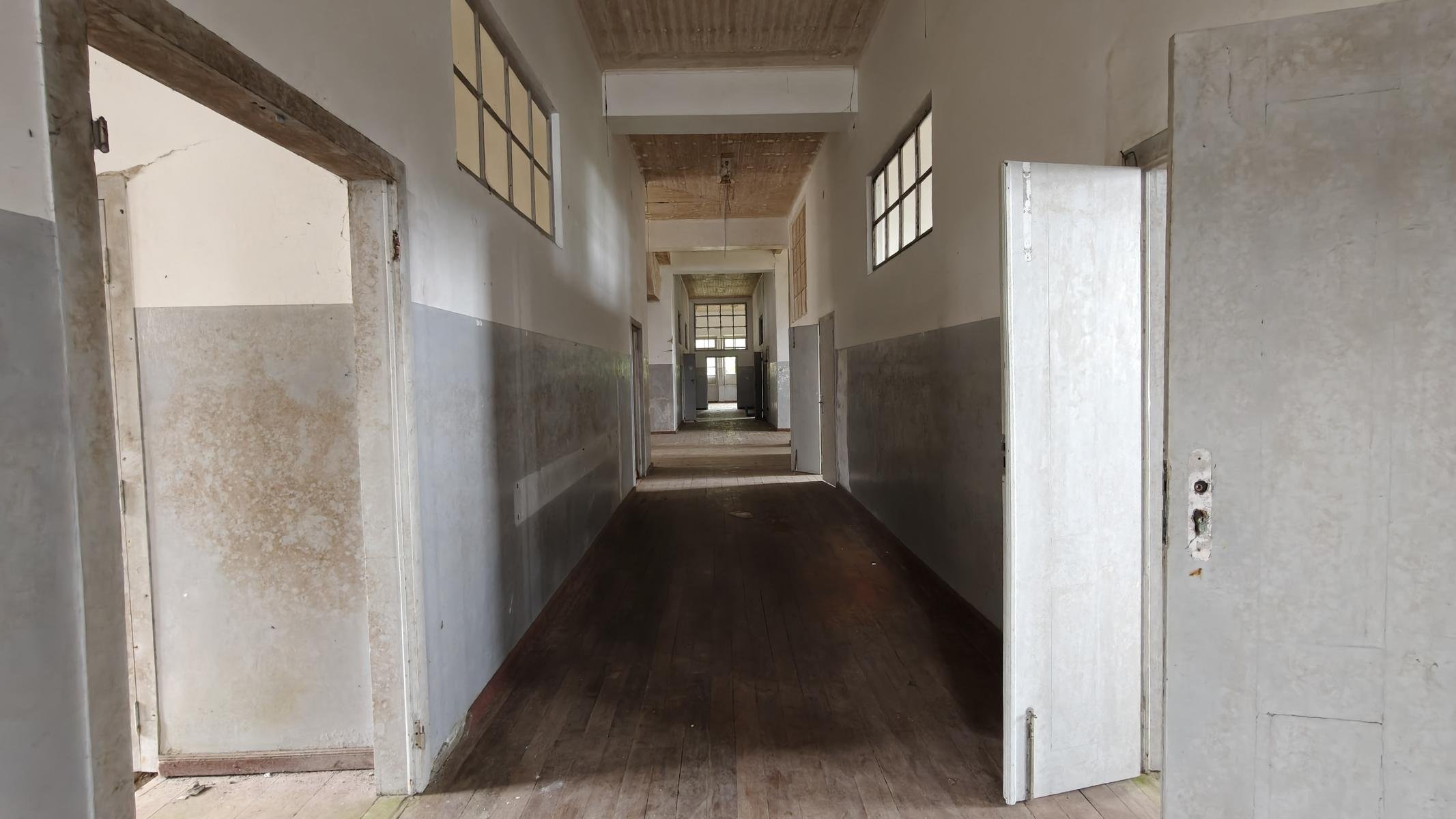
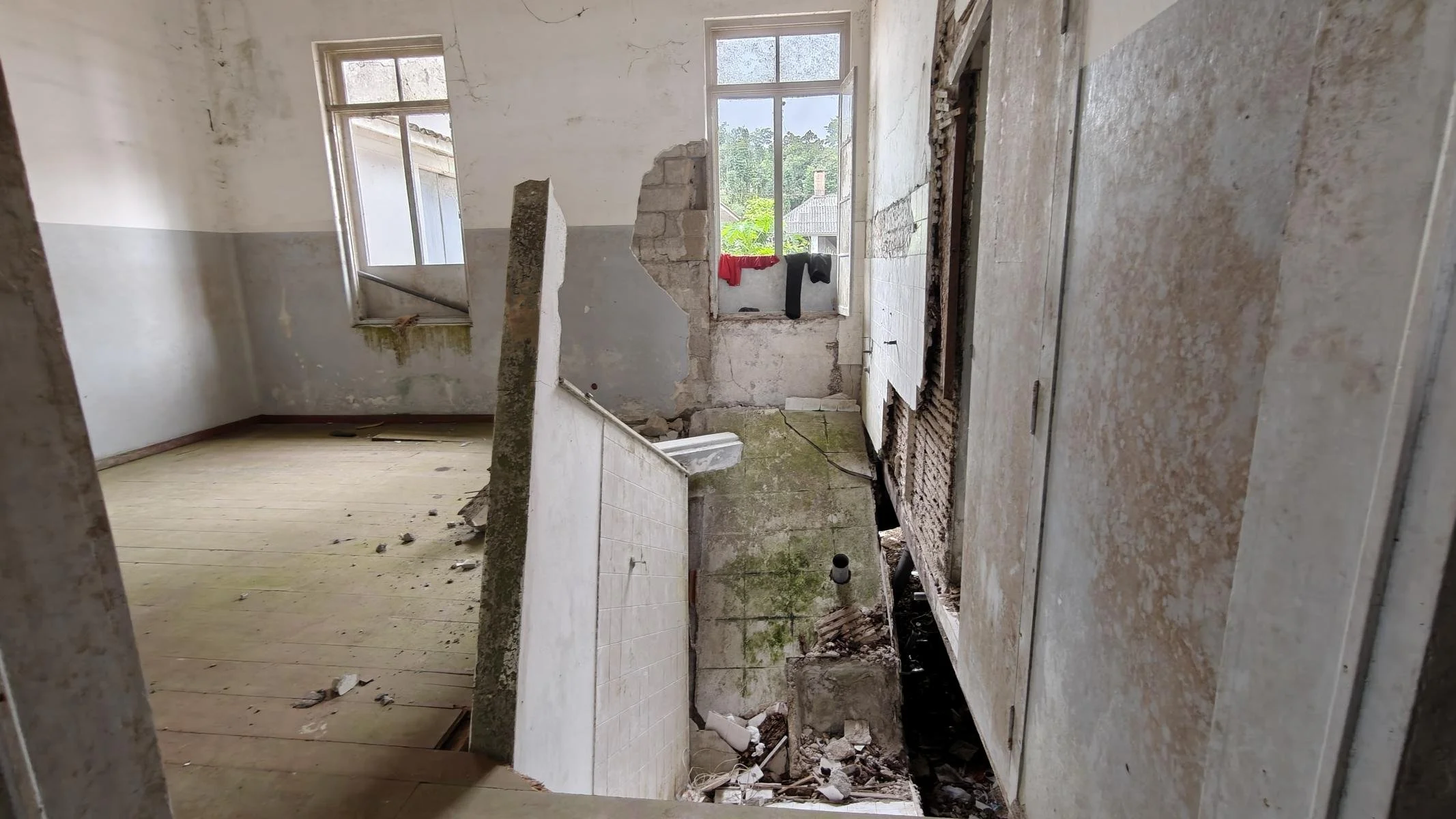
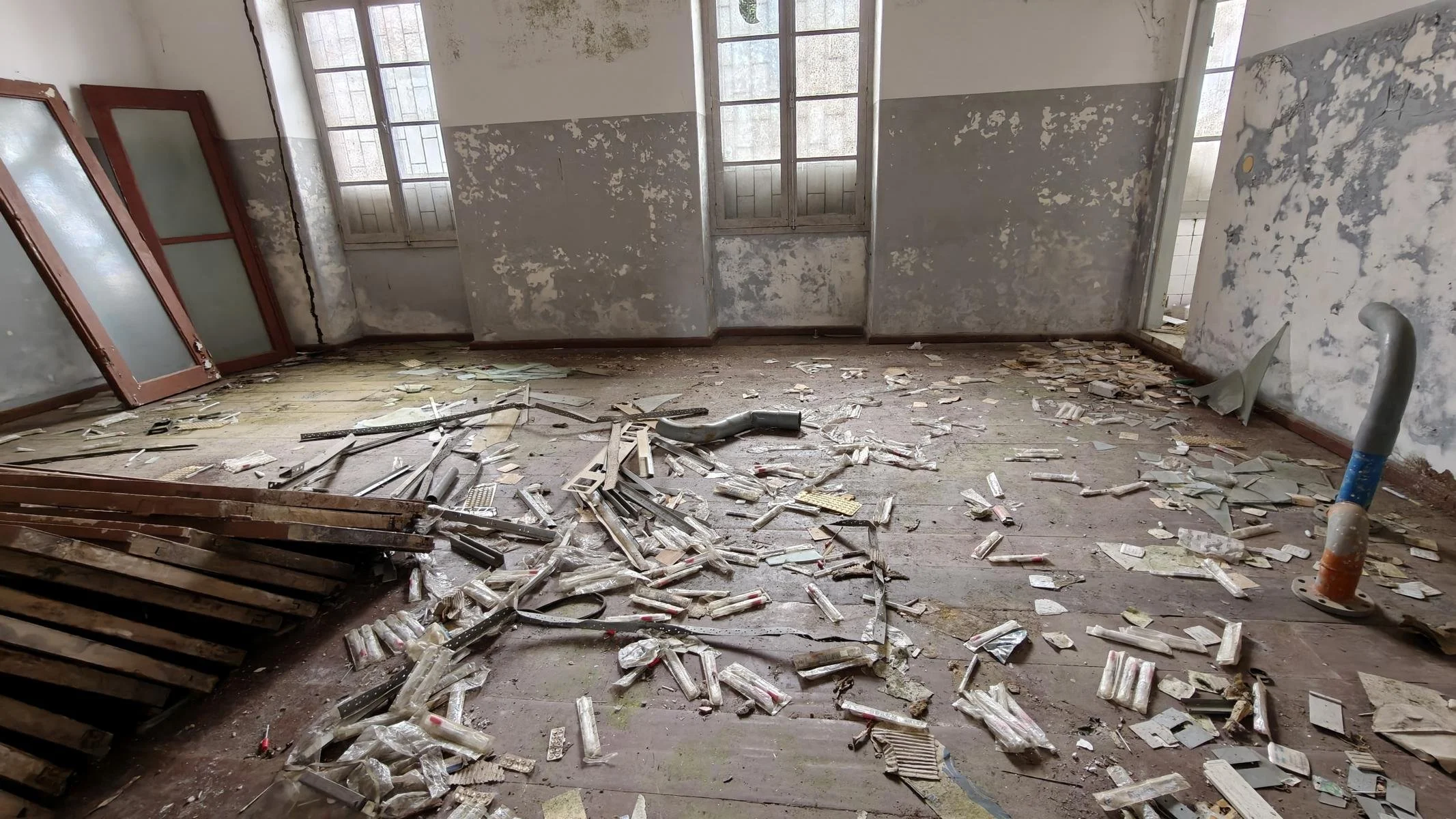
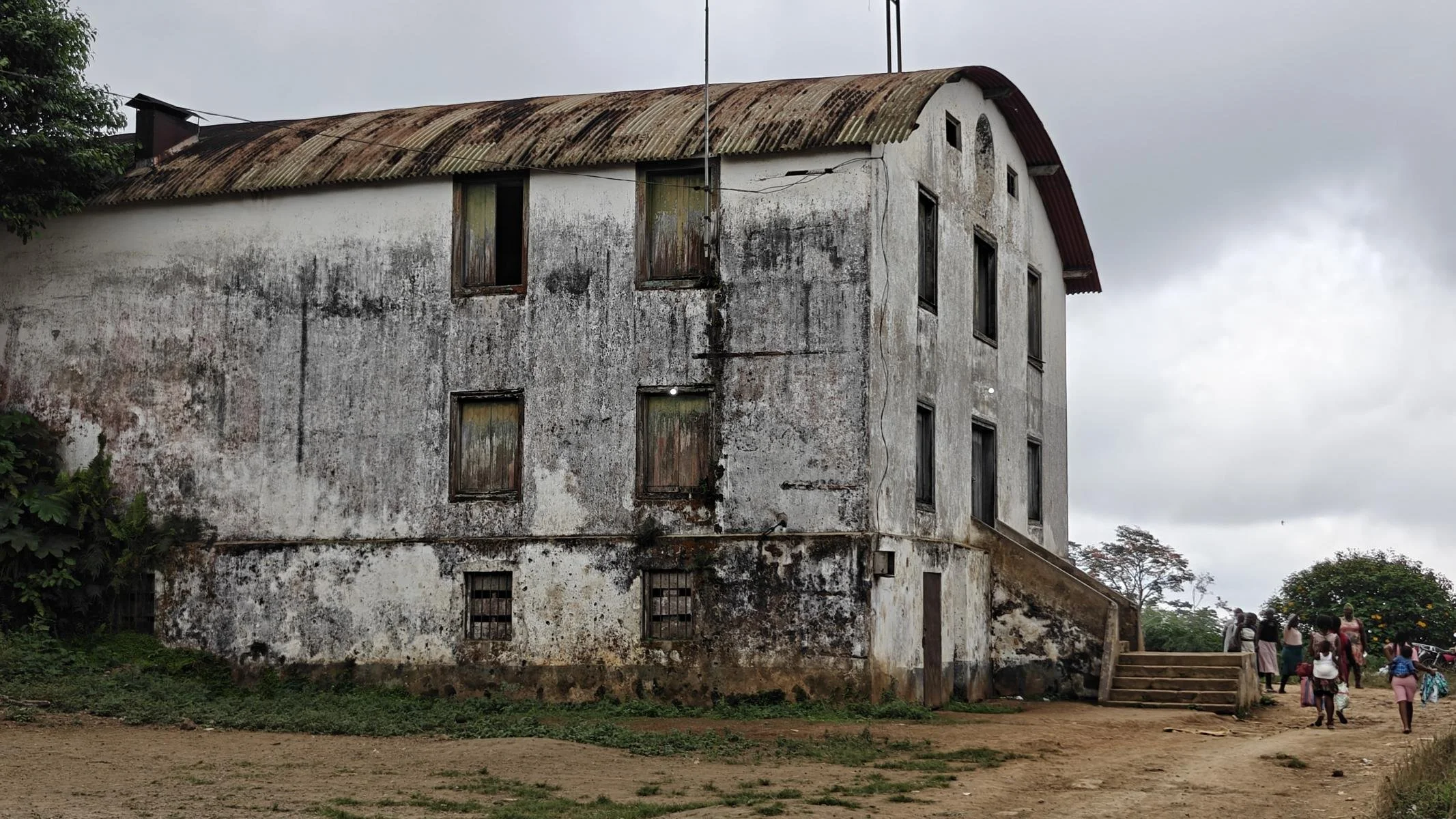
But my personal favorite building was this old warehouse and production hall. This once-impressive building is truly a lost place.
Mein persönliches Lieblingsgebäude war aber diese alte Lager- und Produktionshalle. Dieses einst großangelegte Gebäude ist wirklich ein lost place.
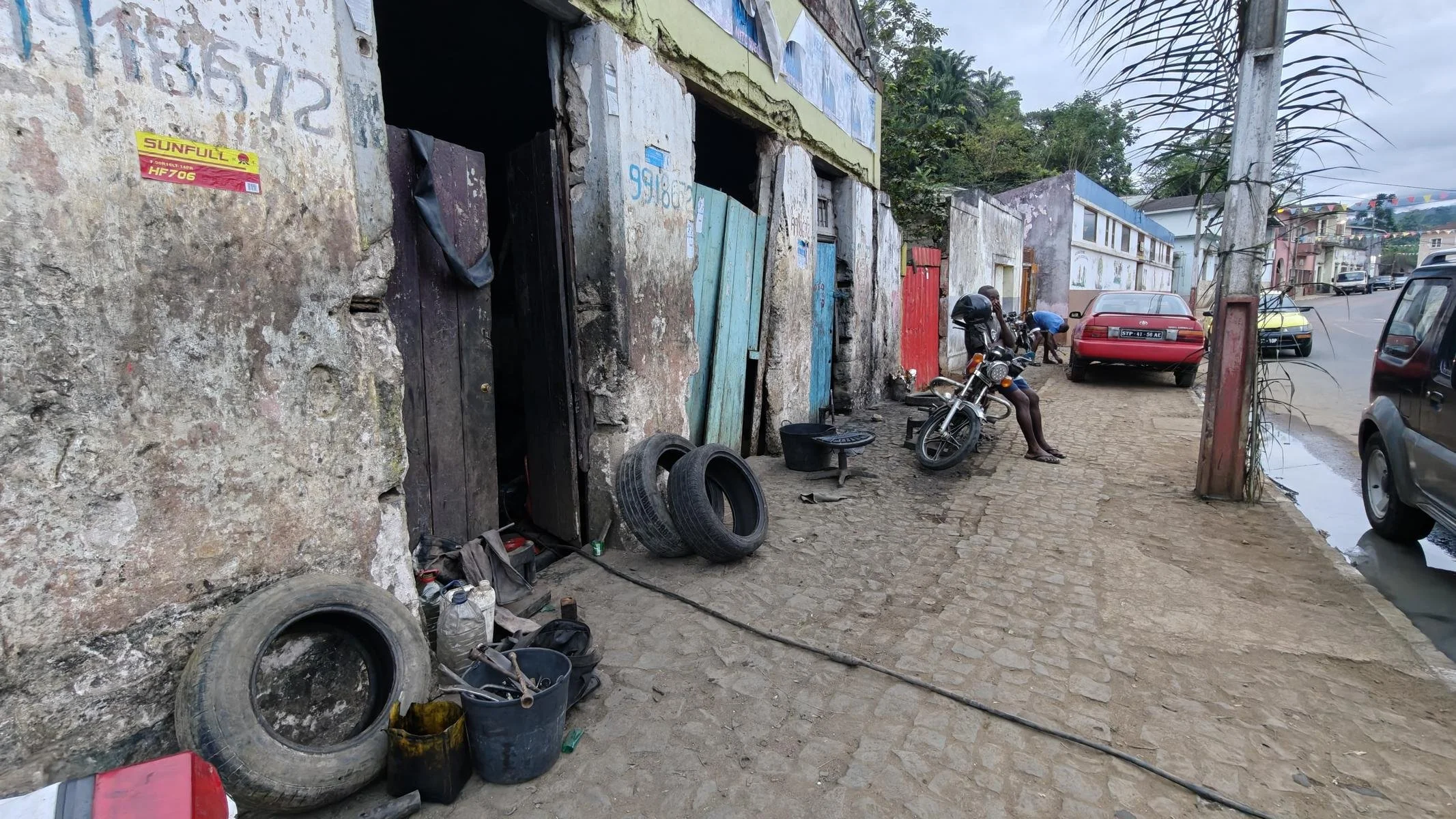
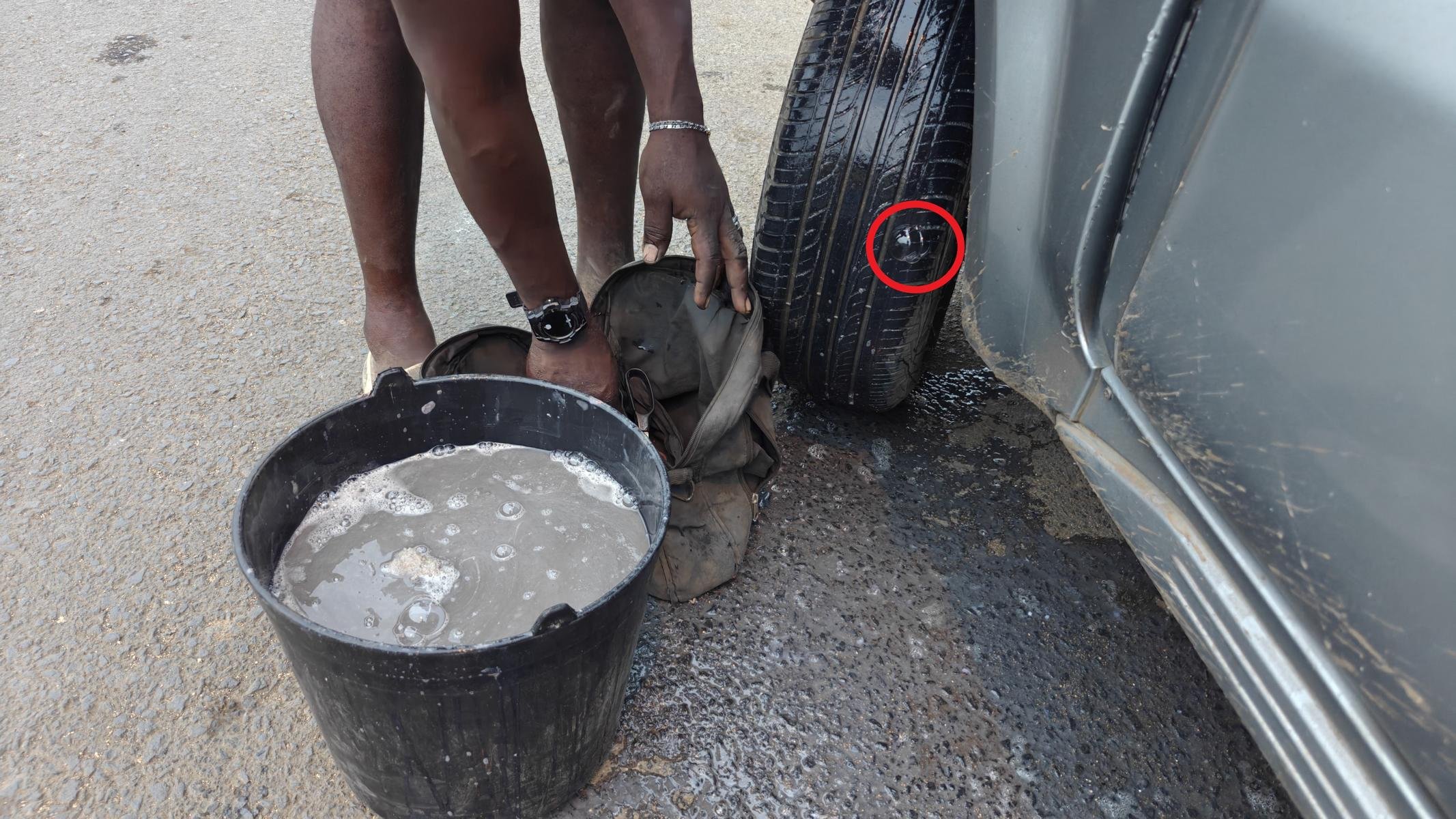
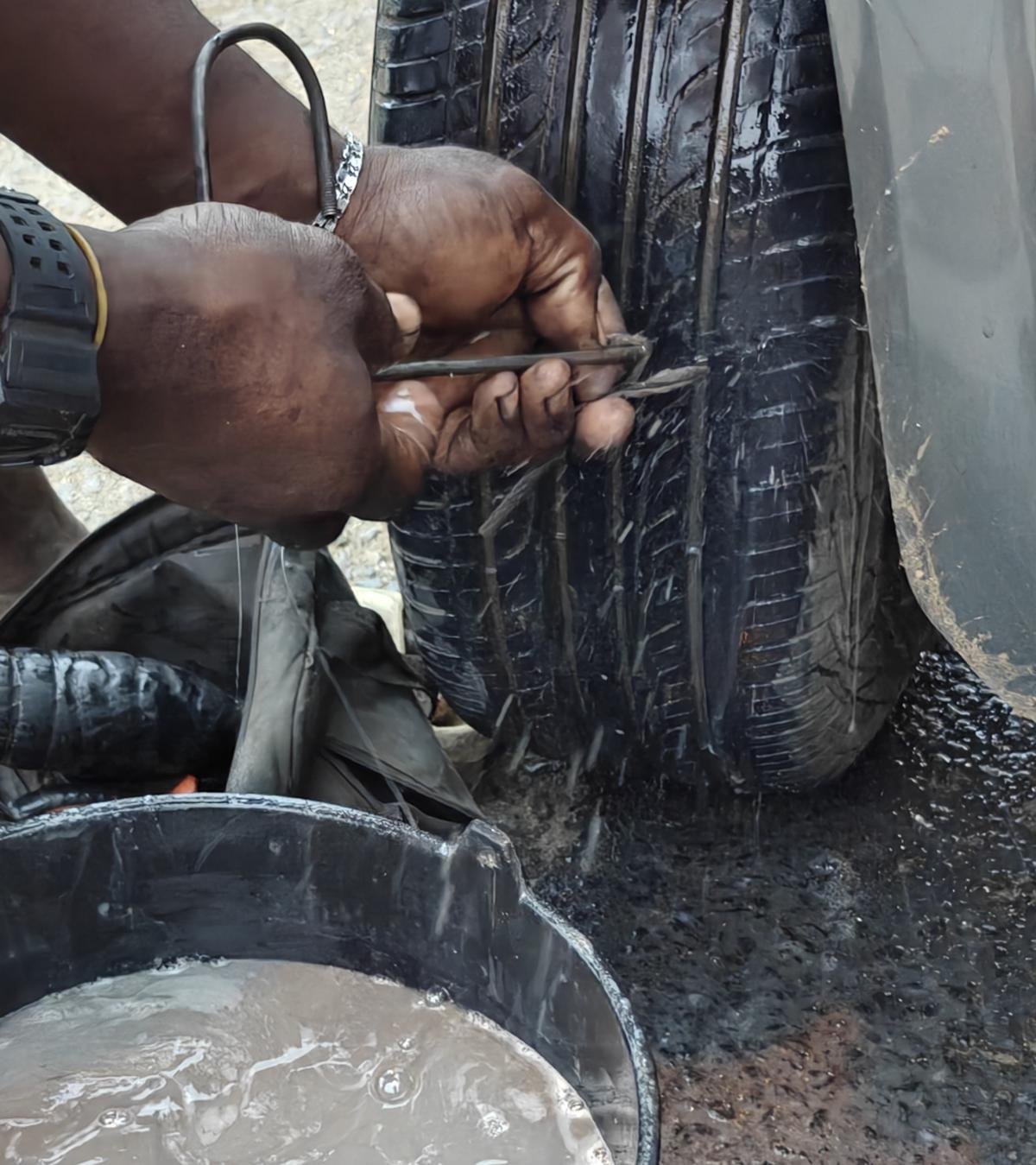
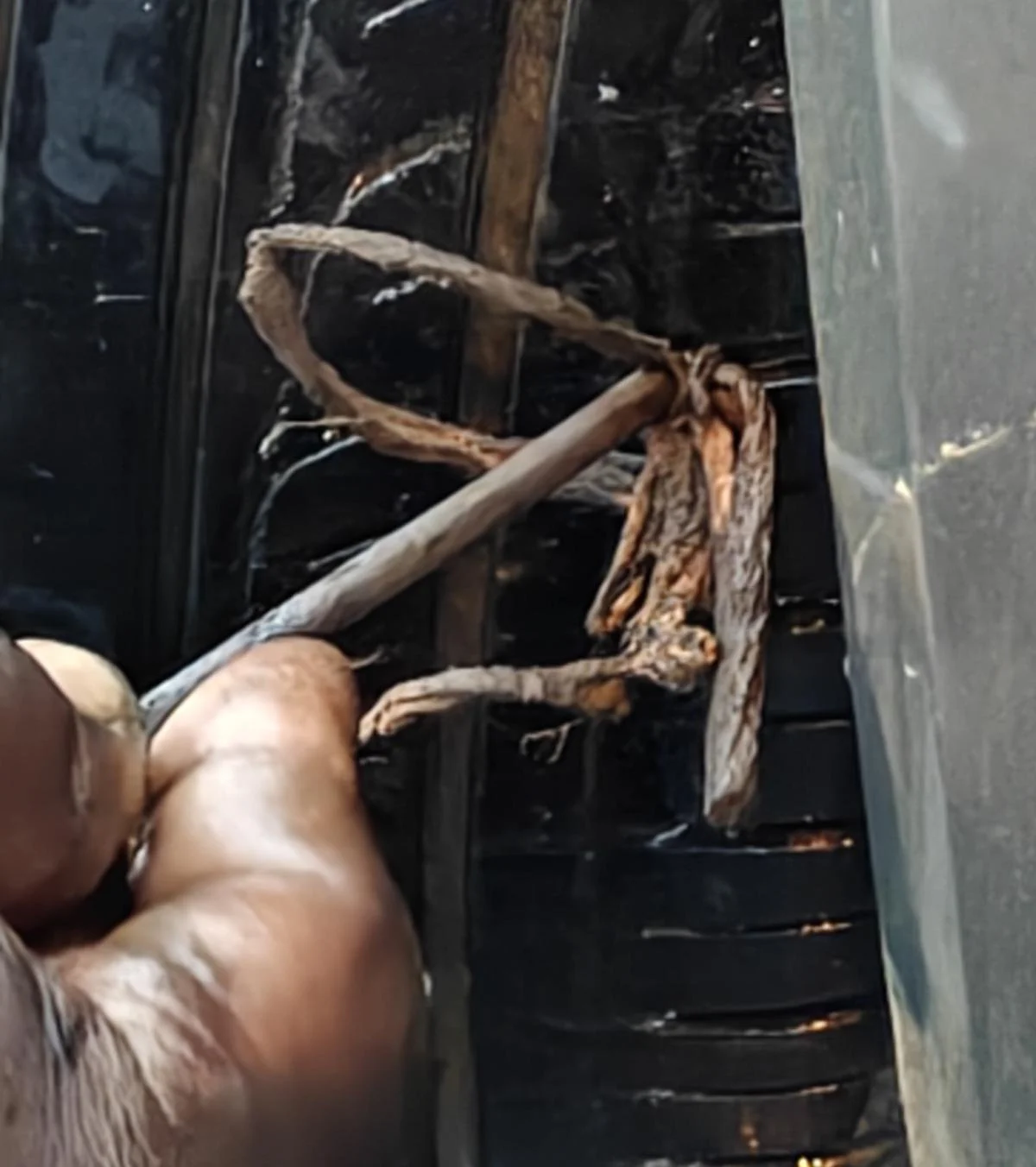
On our way up to the Monte Café coffee plantation, which is located in the mountains, we drove through the town of Trinidade (Trinity) and noticed a hole in the front tire of our rented car. A small repair shop fixed the problem. The mechanic poured soapy water over the tire, and wherever a bubble formed, he inserted a repair plug. After 5 minutes, we were able to continue our journey.
Auf dem Weg hinauf zur Kaffee-Plantage Monte Café, die in den Bergen liegt, fuhren wir durch die Stadt Trinidade (Dreifaltigkeit) und bemerkten ein Loch im Vorderreifen unseres Leihwagens. Eine kleine Werkstätte schuf Abhilfe. Der Arbeiter schüttete Seifenlauge über den Reifen und dort wo sich eine Blase bildete stopfte er einen Reparaturdocht hinein. Nach 5 min konnten wir weiterfahren.
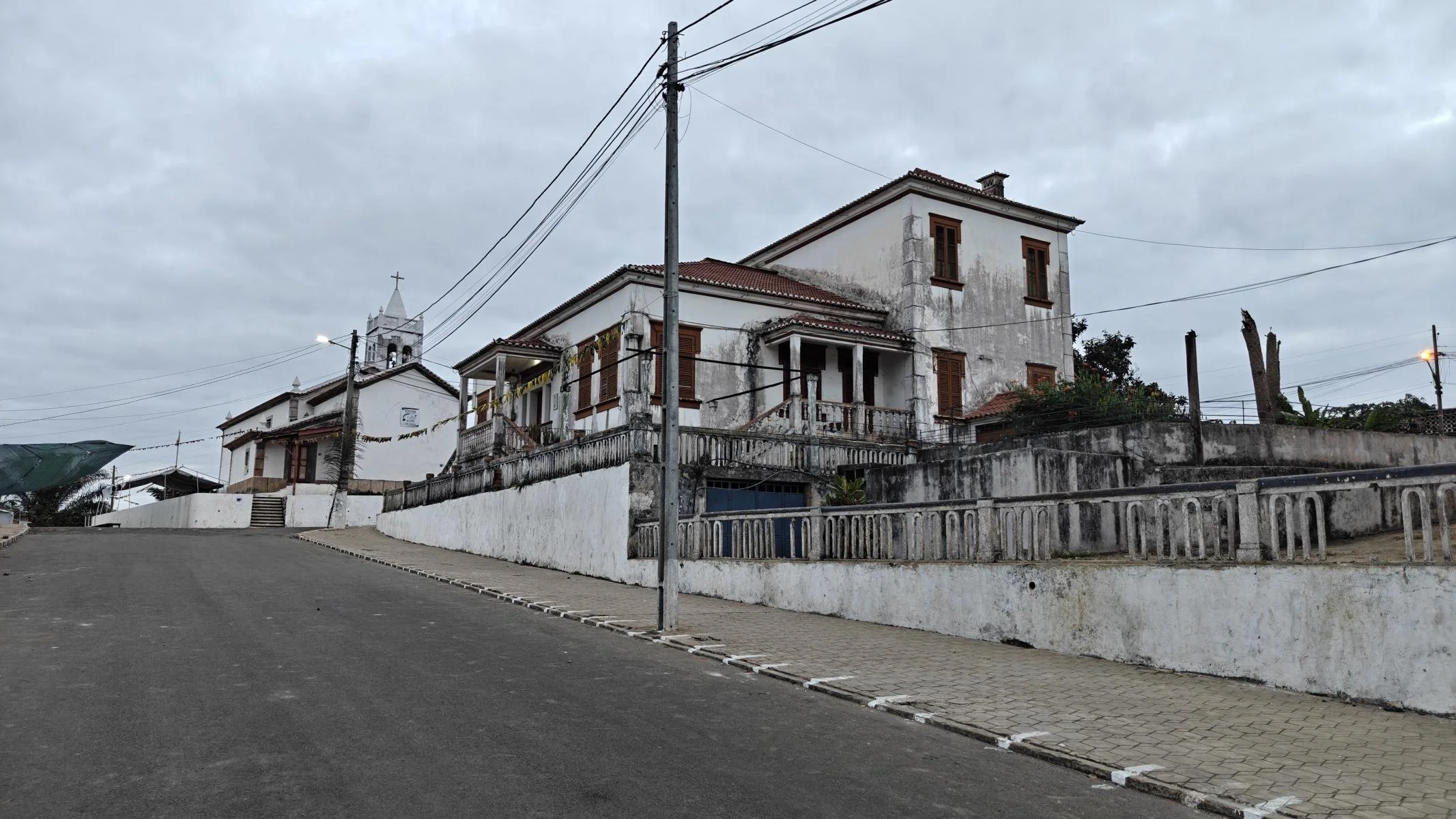
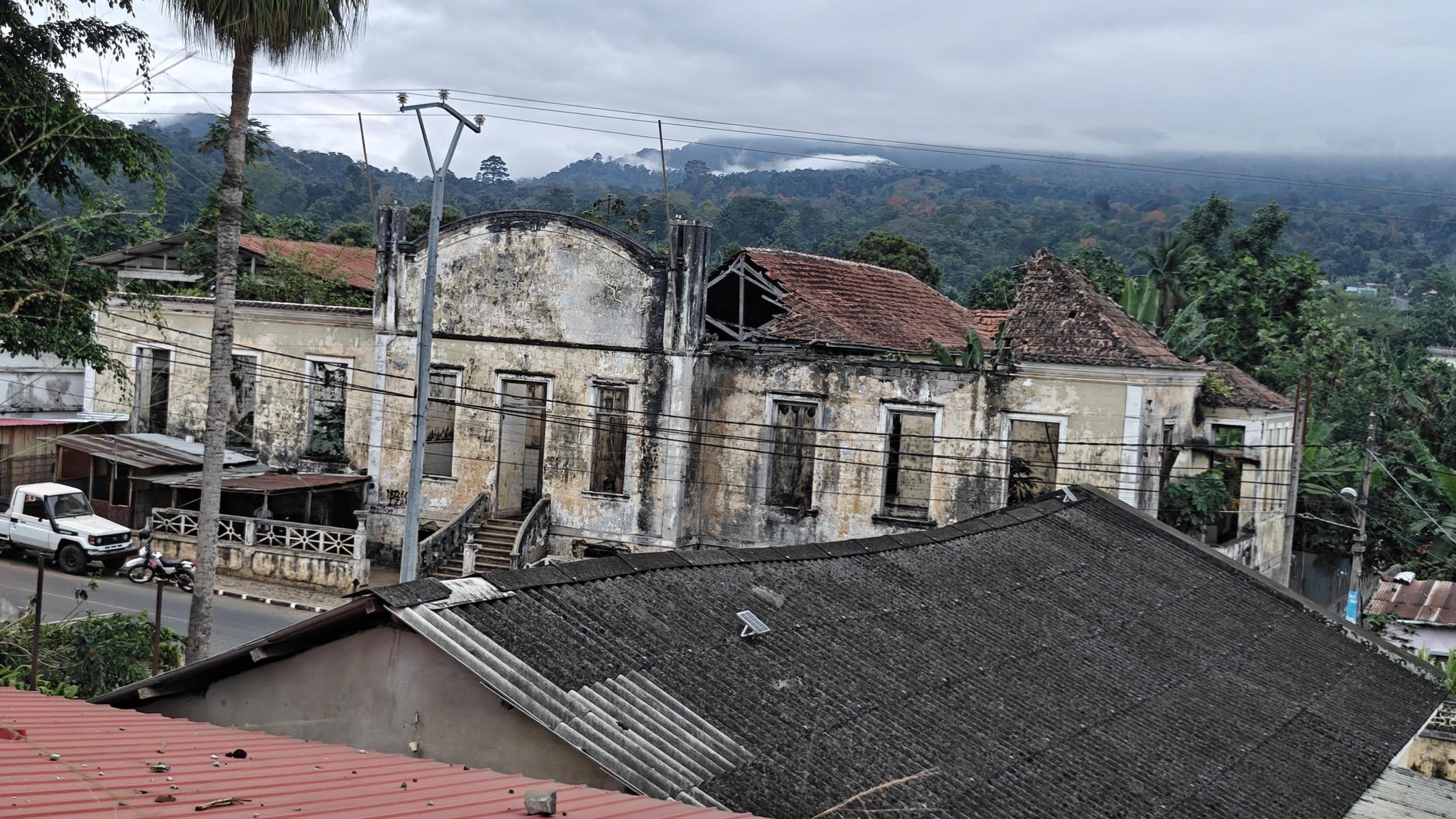
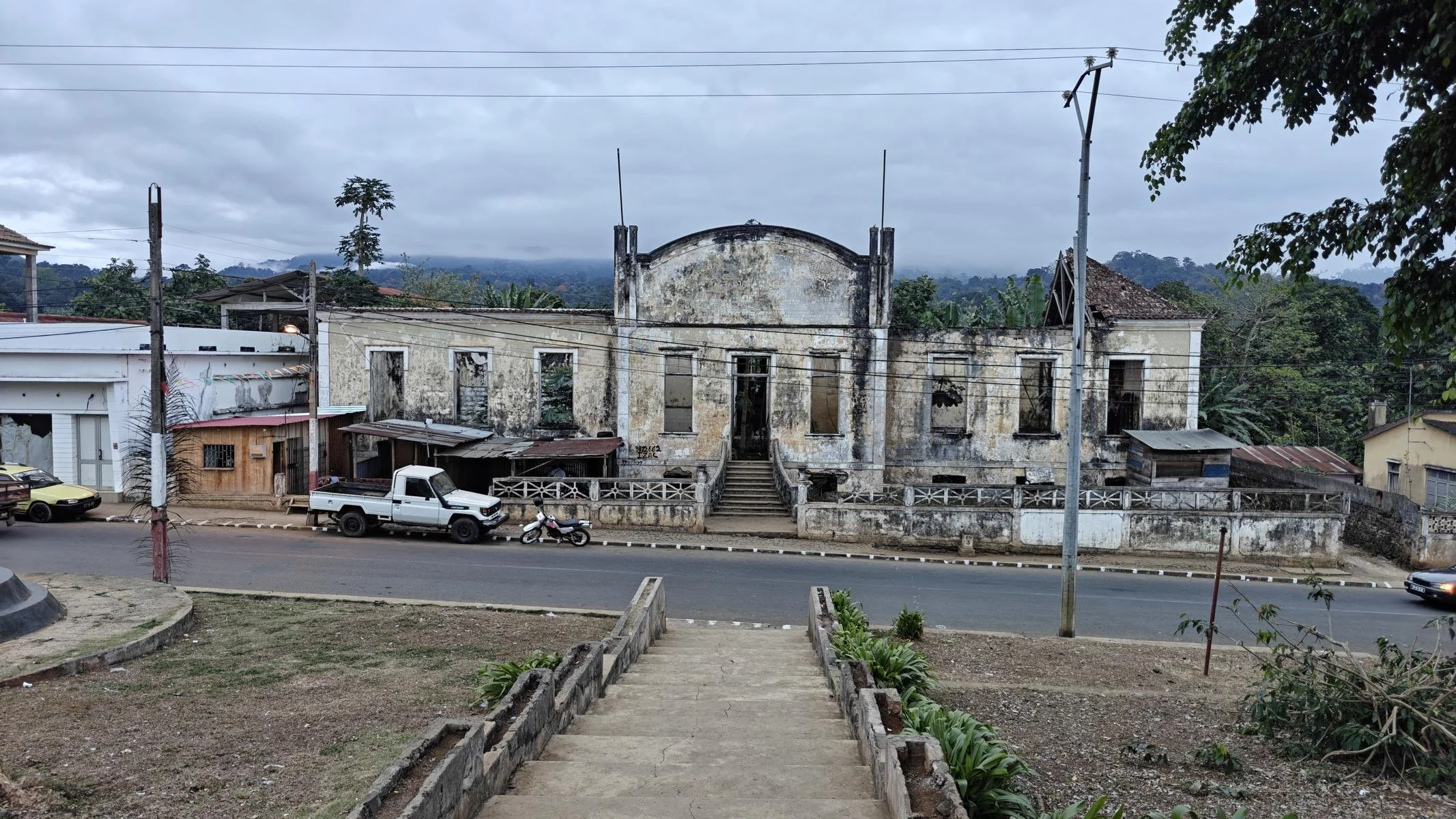
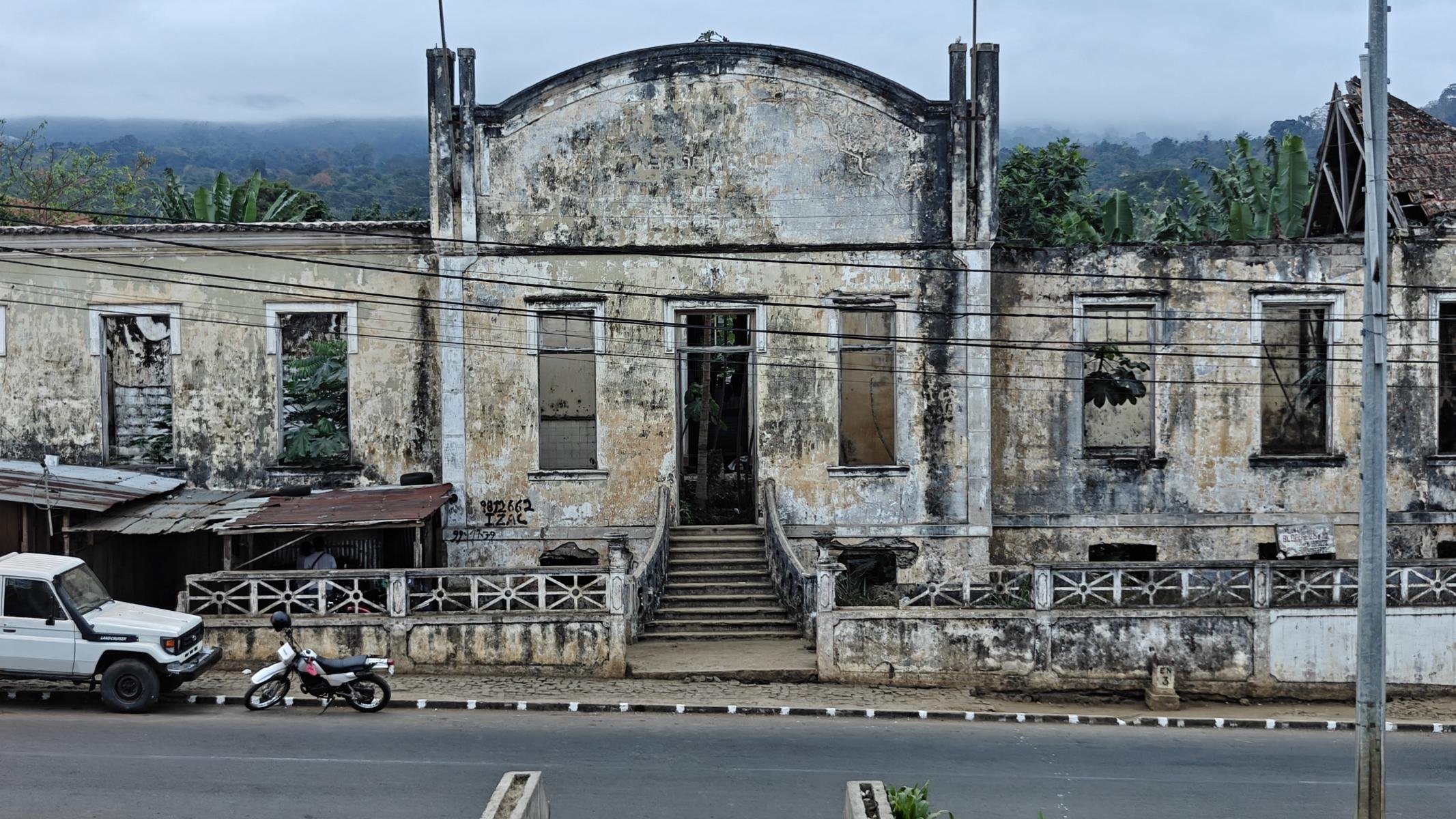
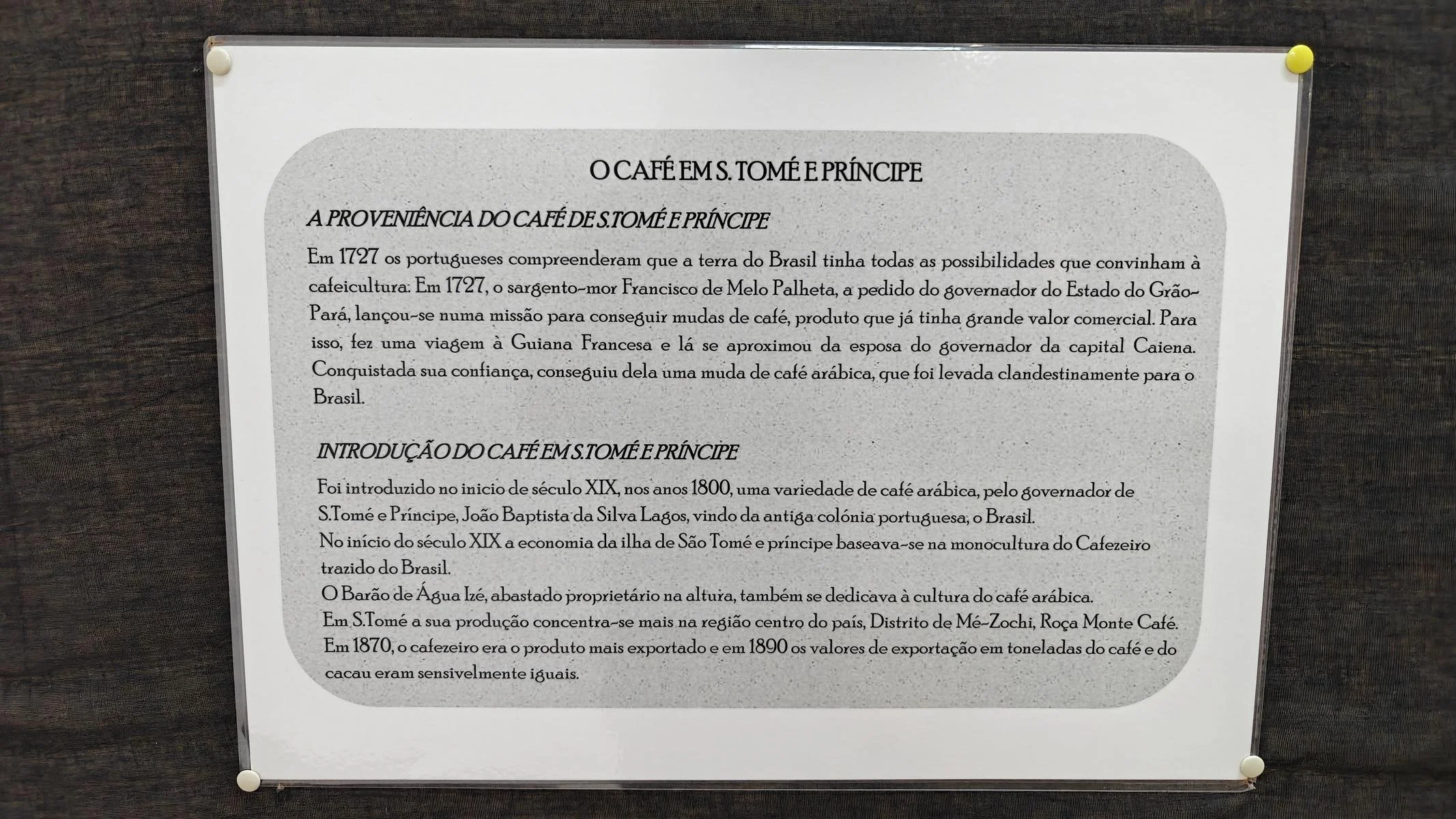
Roça Monte Café is located high up in the mountains, where coffee grows best. Here, the workers have formed a cooperative and produce organic coffee. In a small museum, you can learn about the coffee bean processing: sorting, double hulling, roasting, and grinding.
Die Roça Monte Café liegt oben in den Bergen wo der Kaffee besser gedeiht. Hier haben sich die Arbeiter*innen zu einer Genossenschaft / Cooperative zusammengeschlossen und erzeugen biologischen Kaffee. In einem kleinen Museum kann man die Verarbeitung der Kaffeebohnen studieren: Sortieren, zweifach Schälen, Rösten, Mahlen.
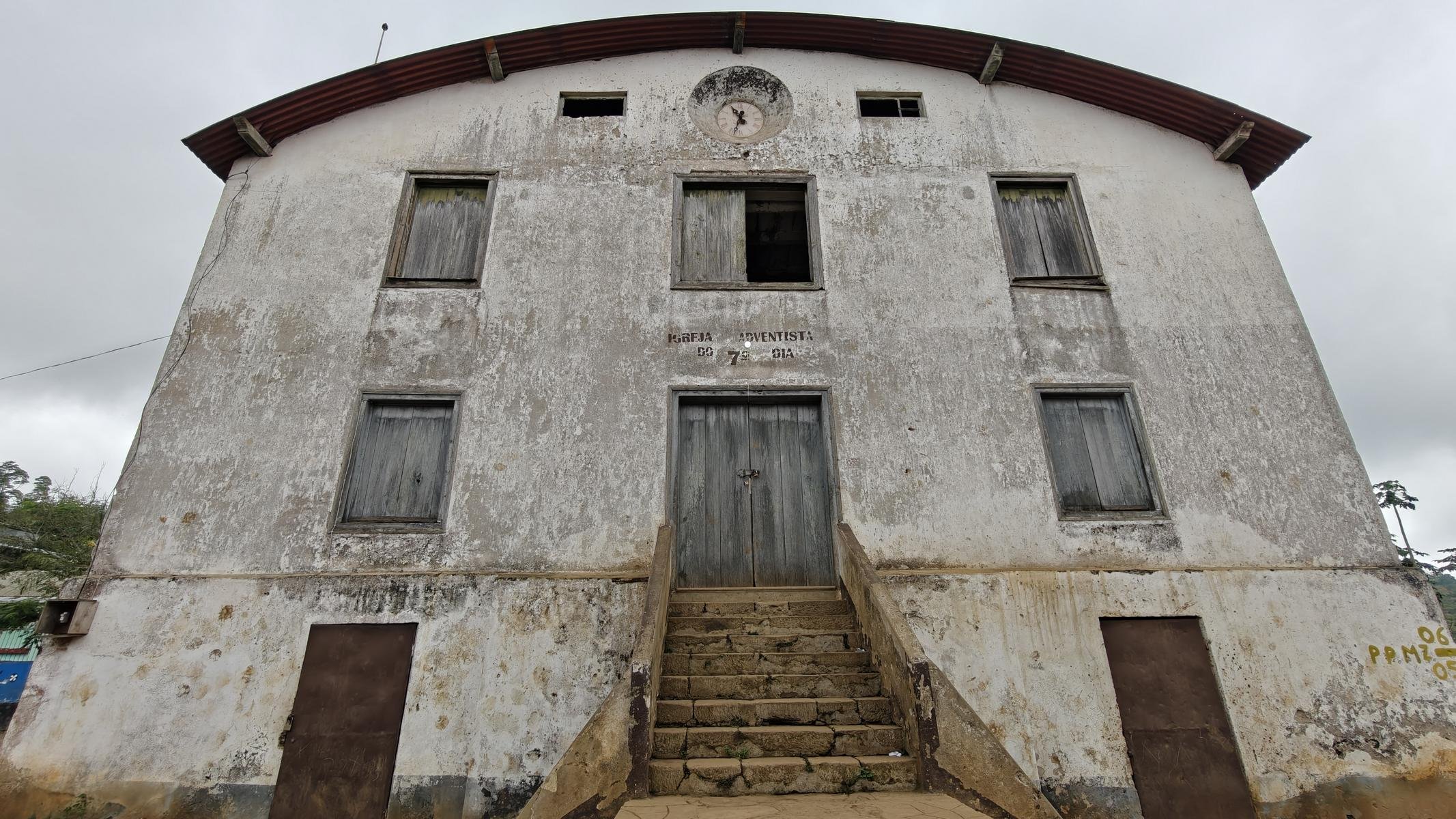
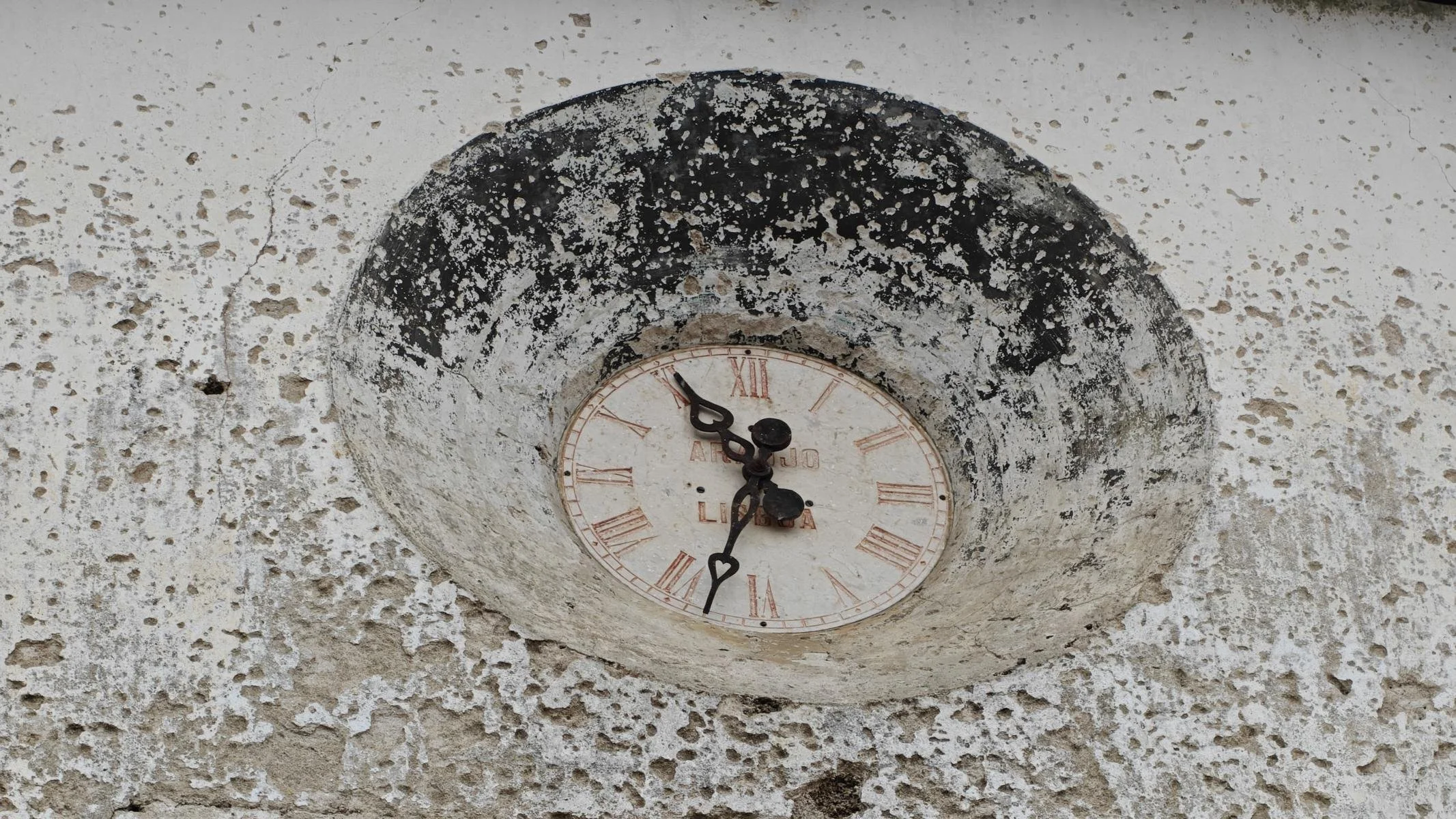
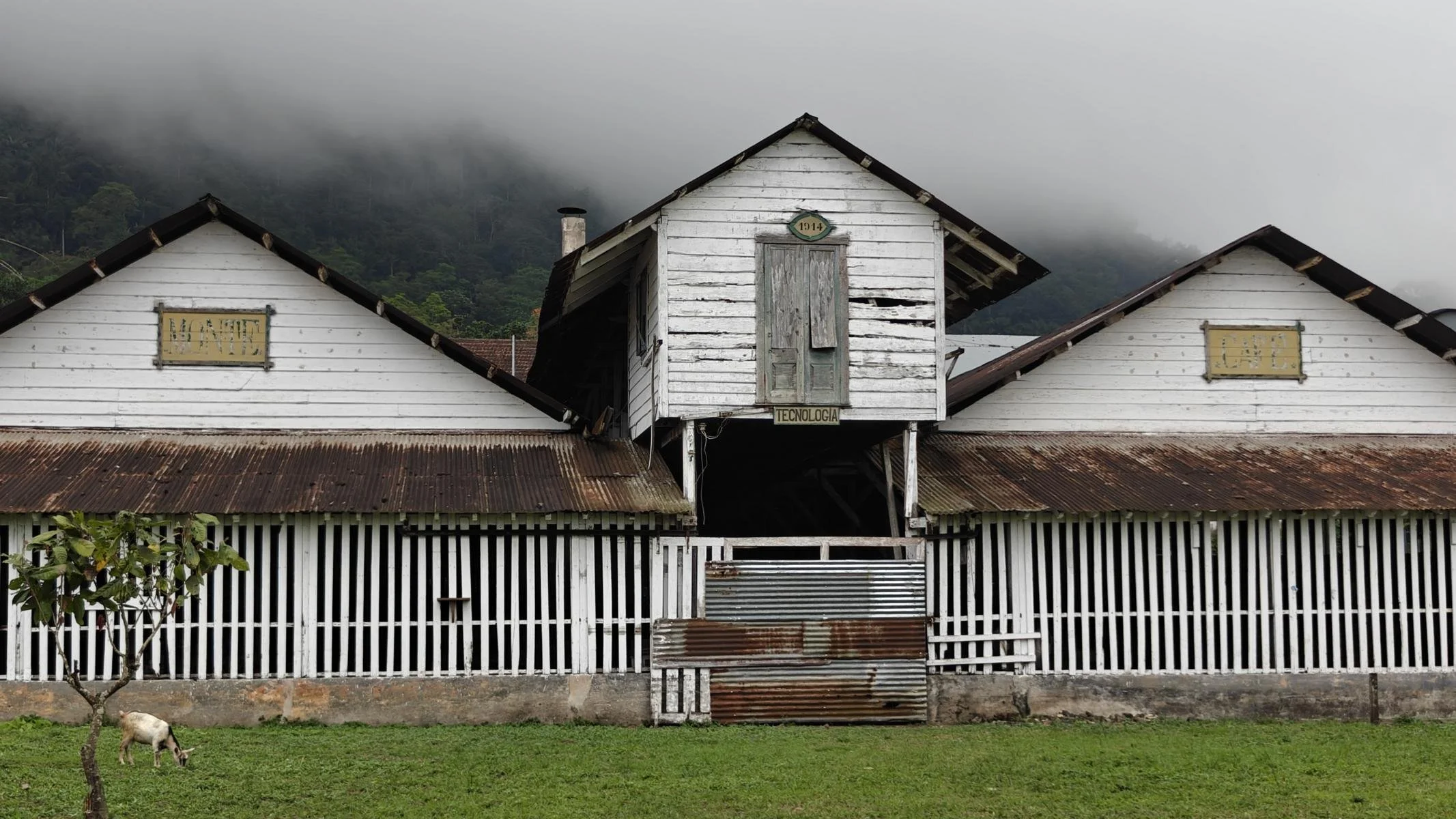
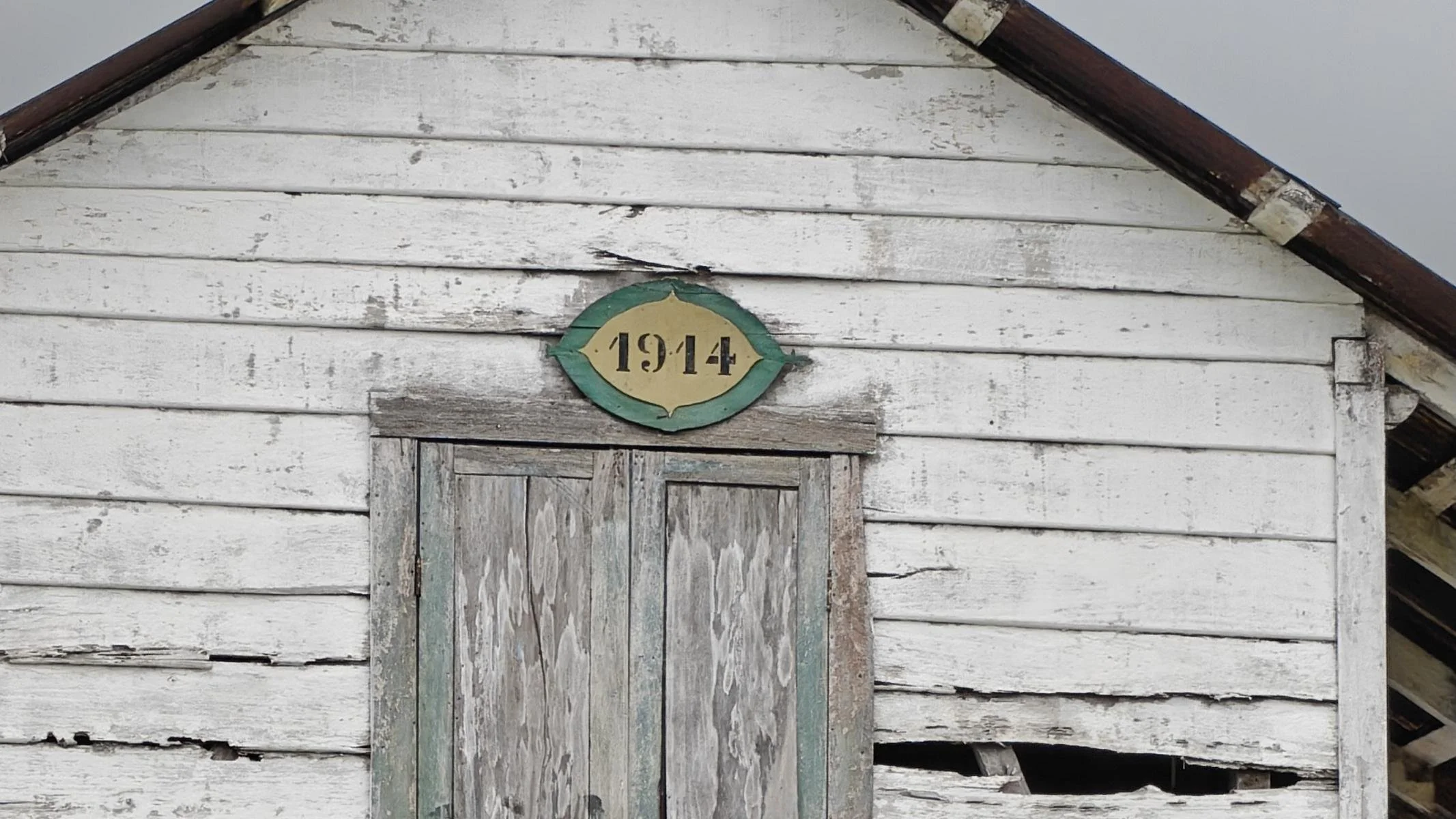
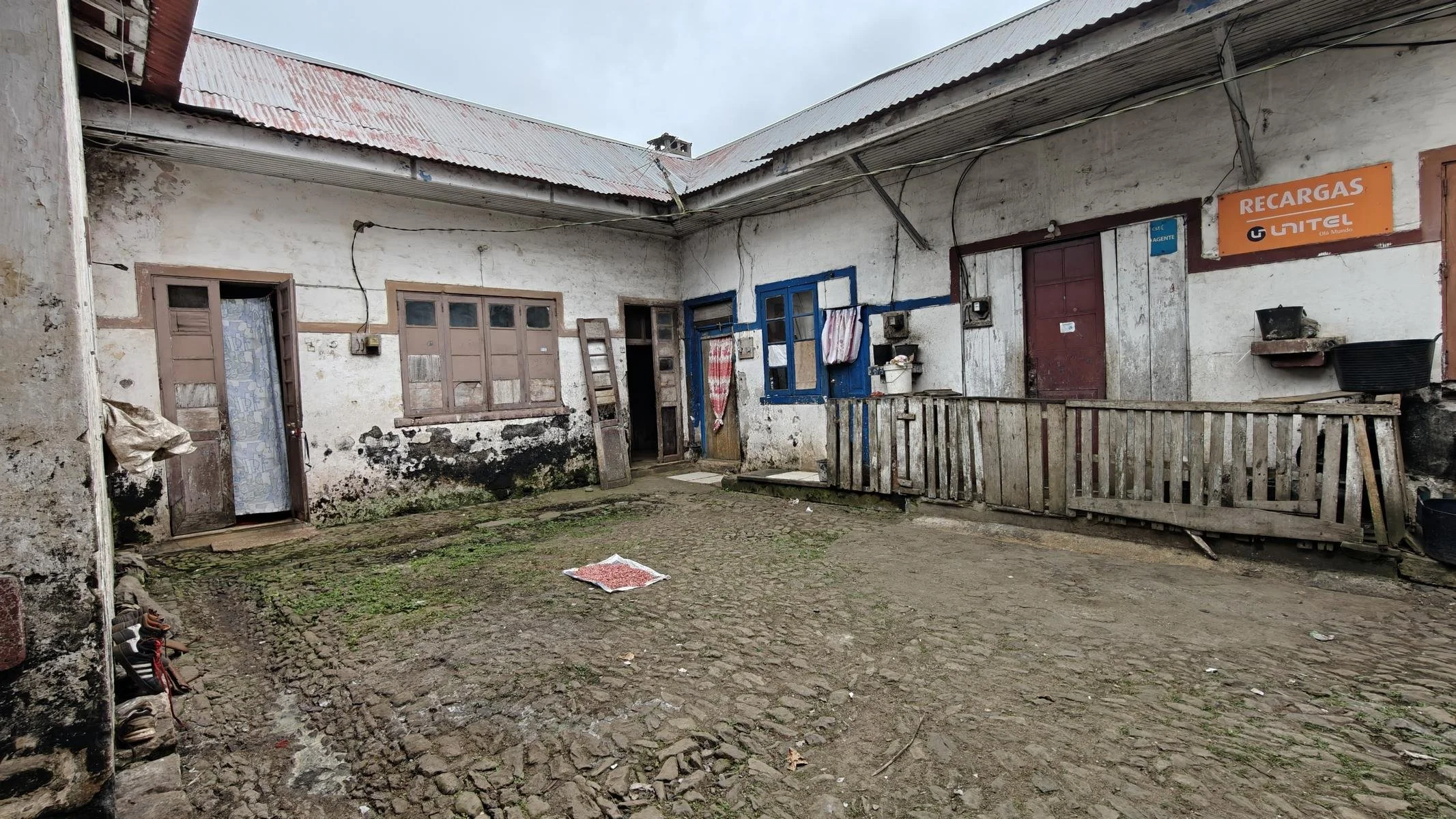
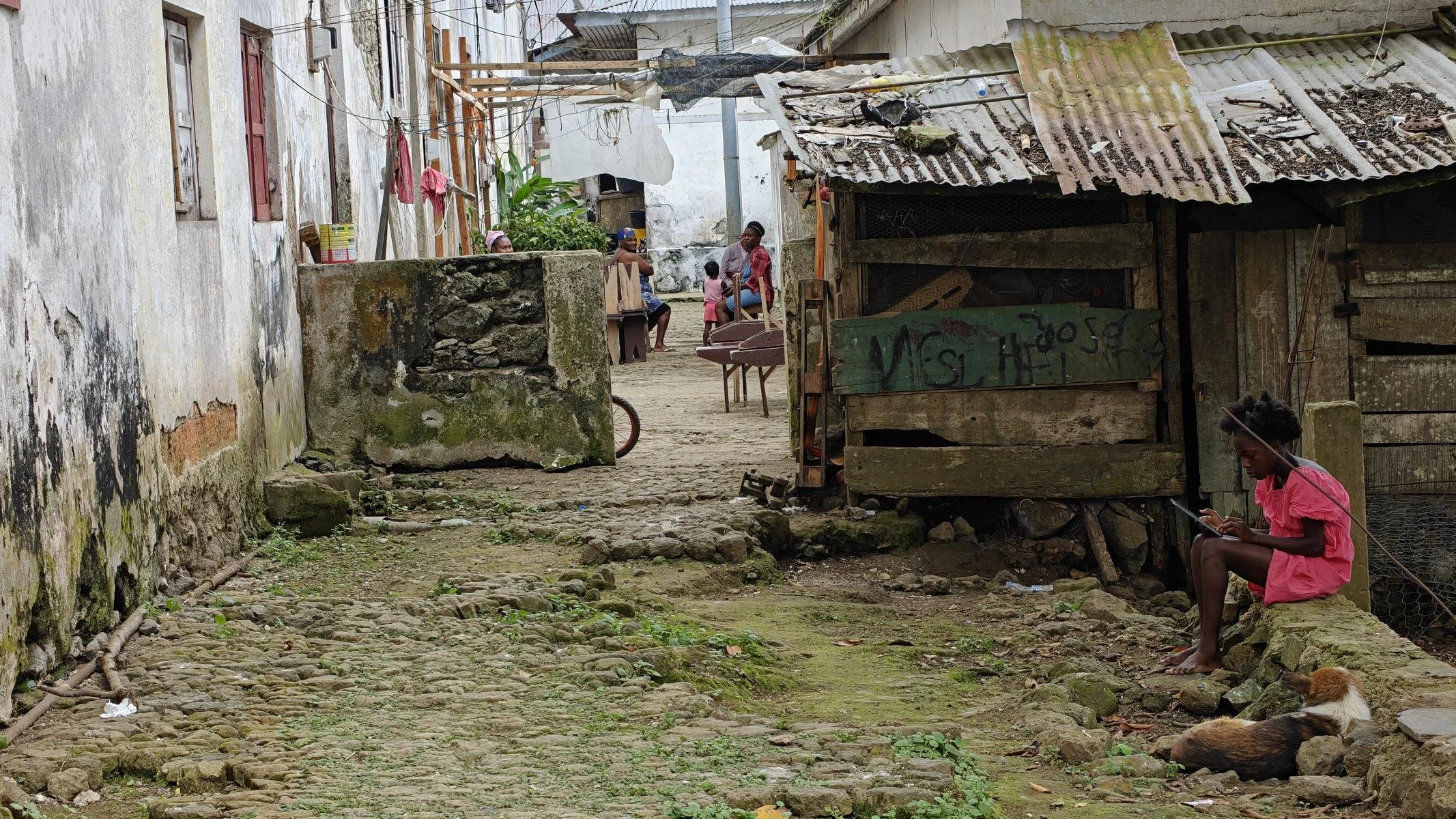
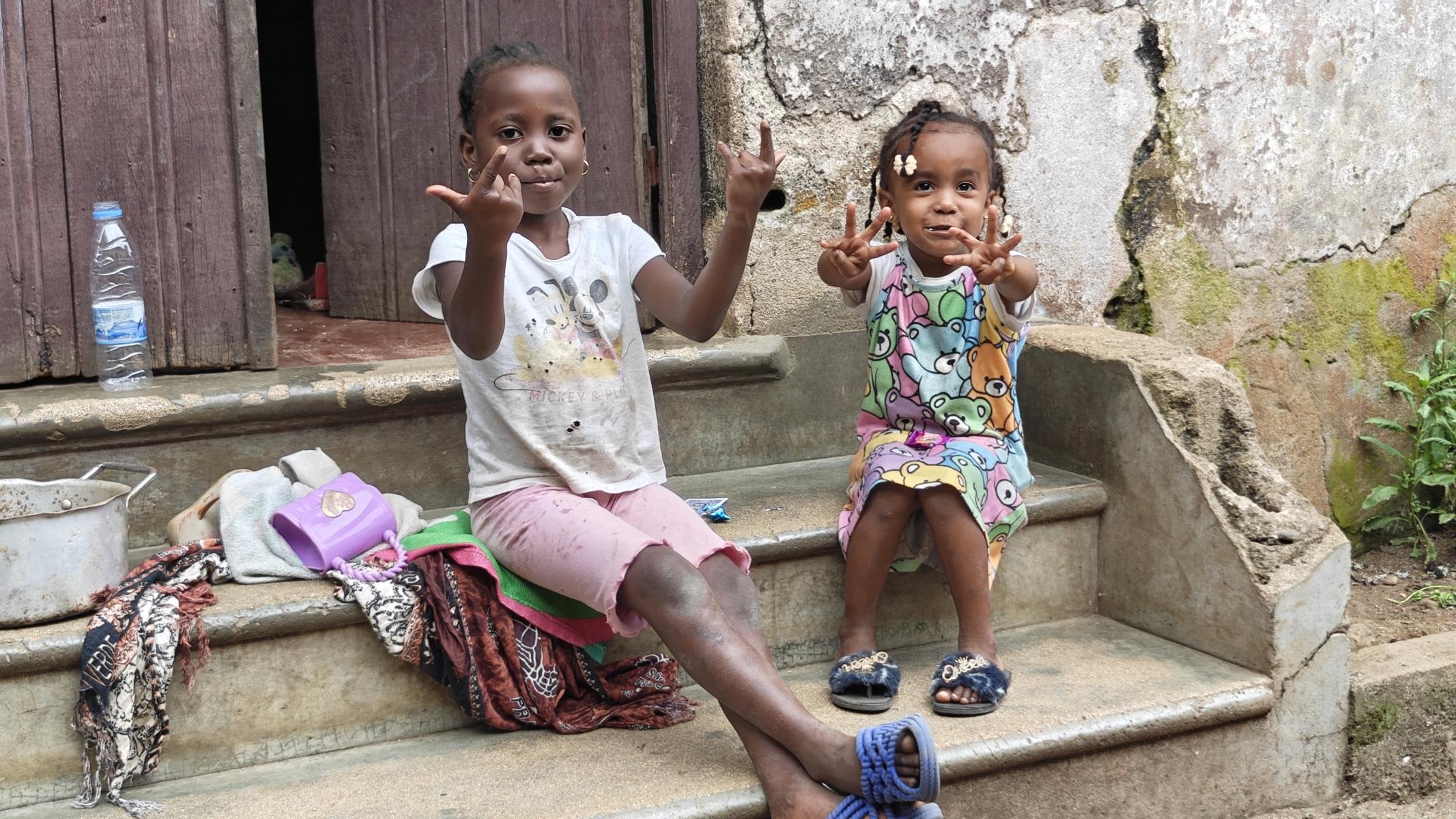
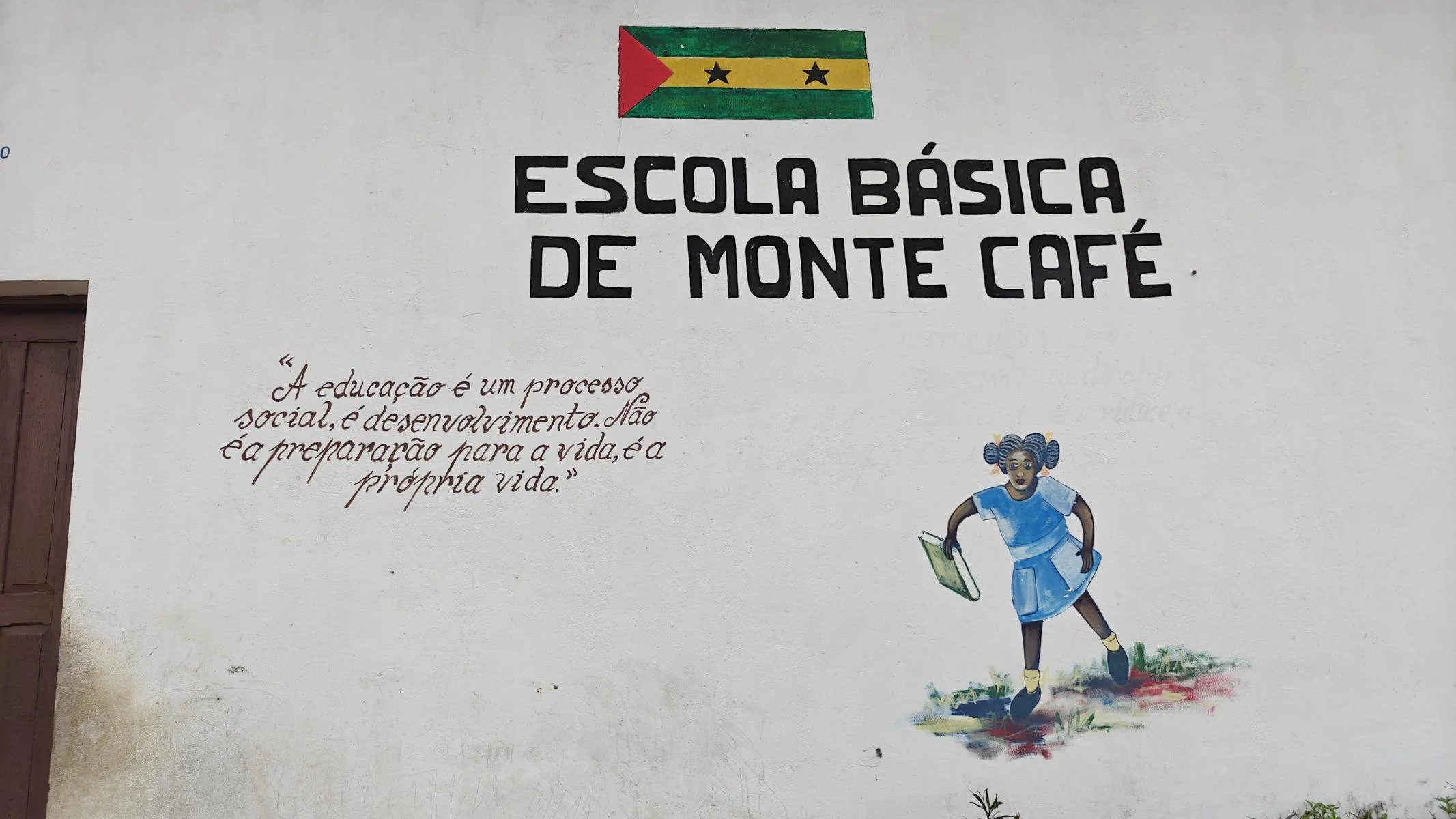
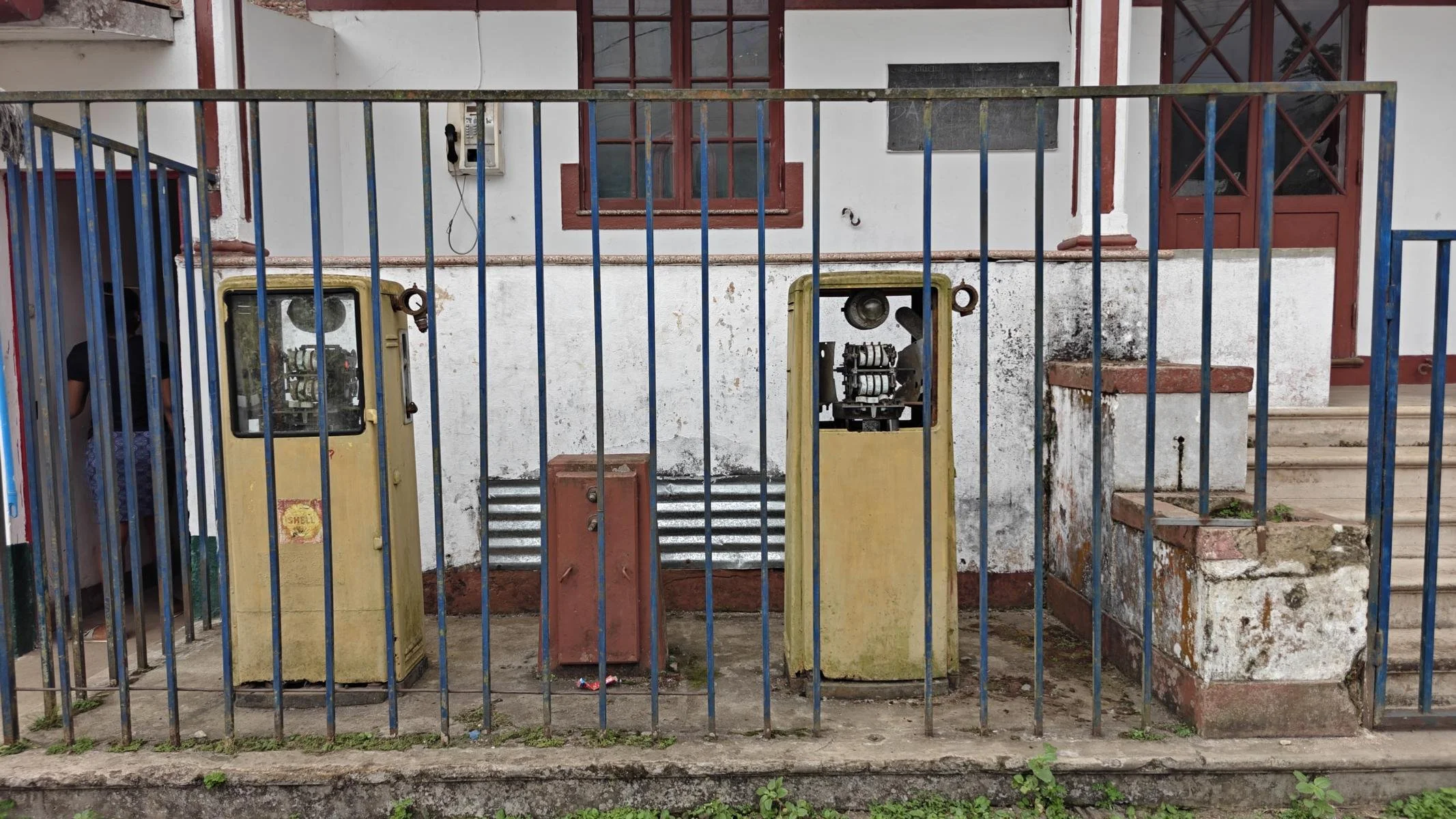
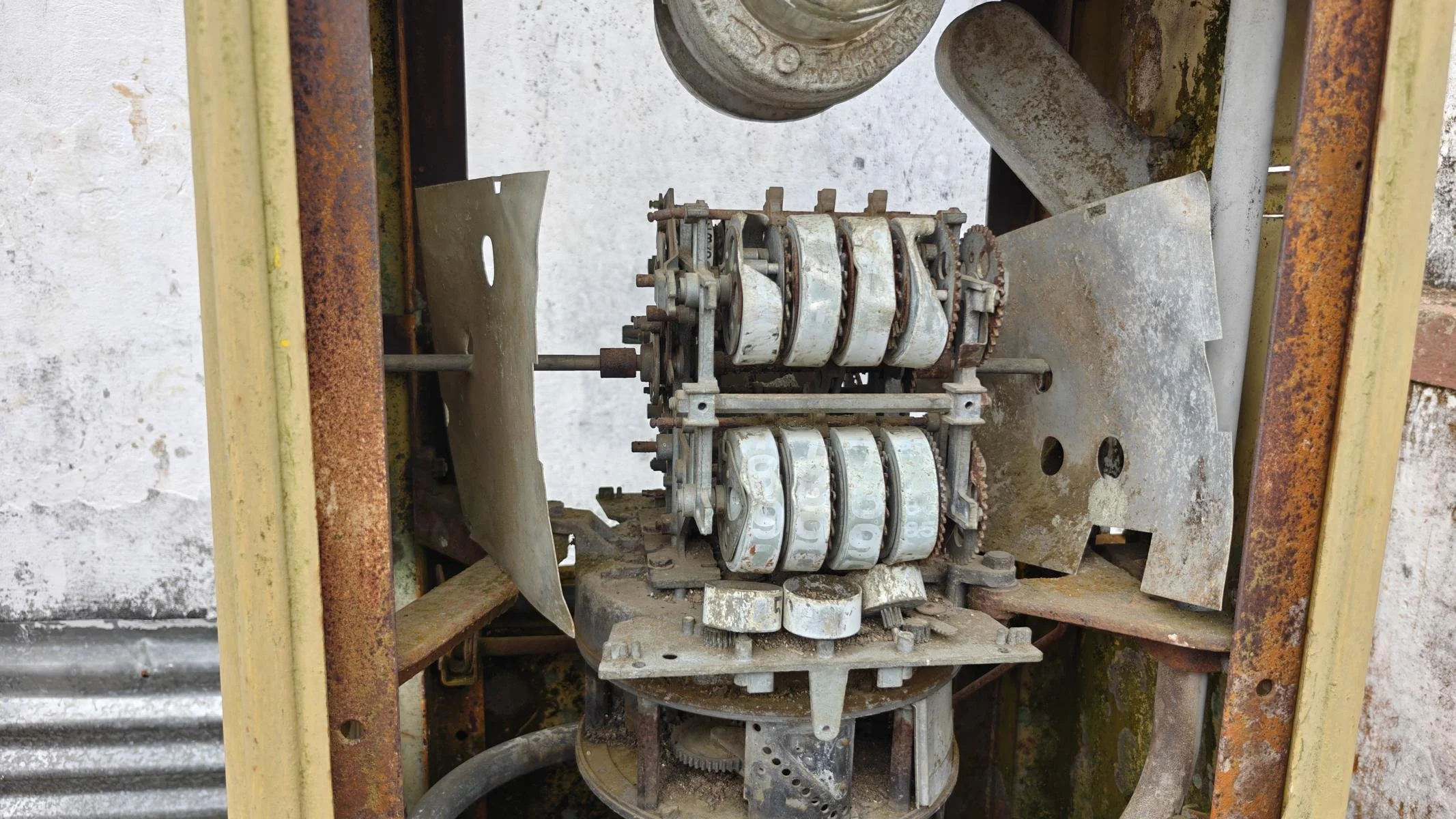
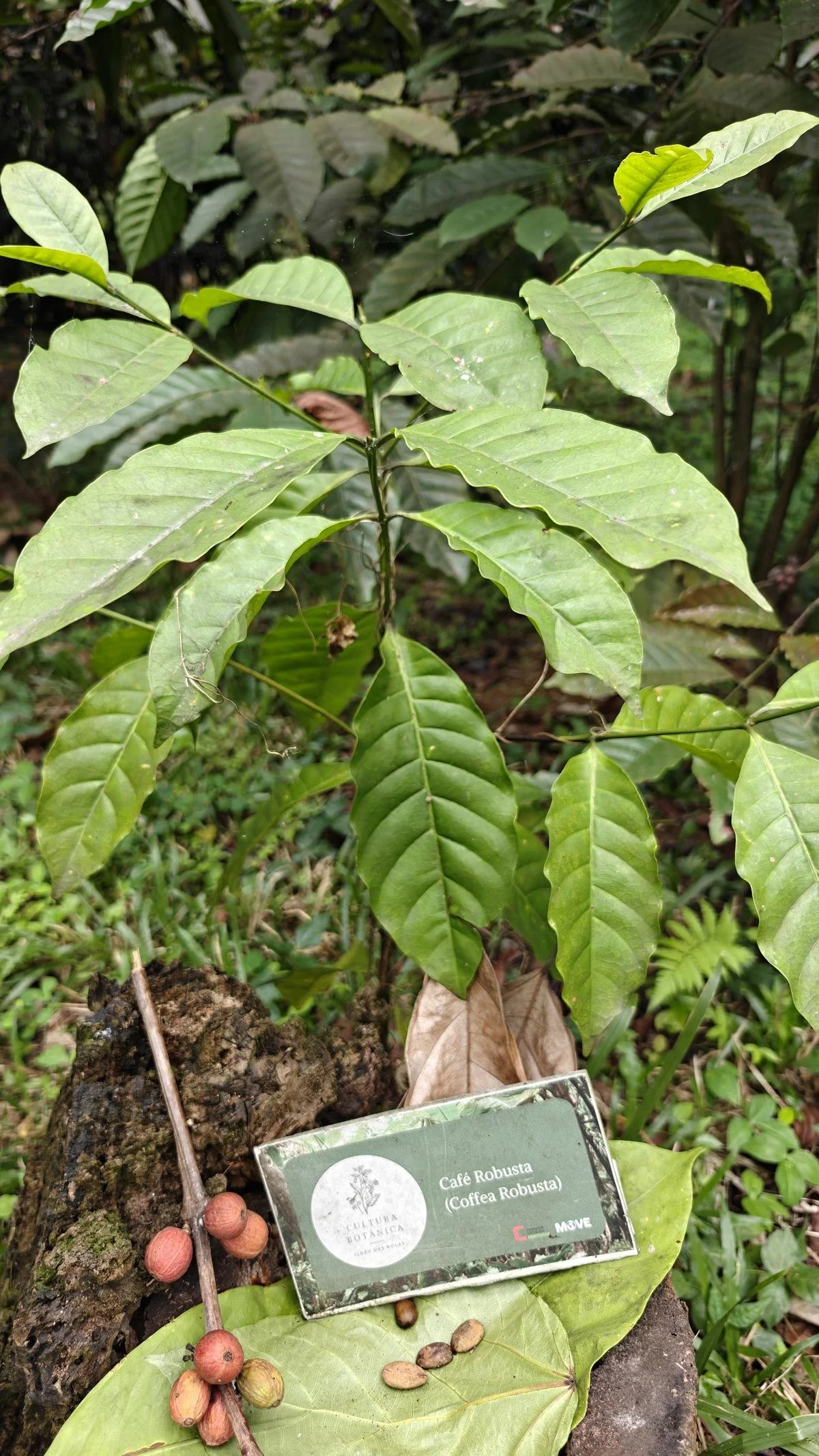
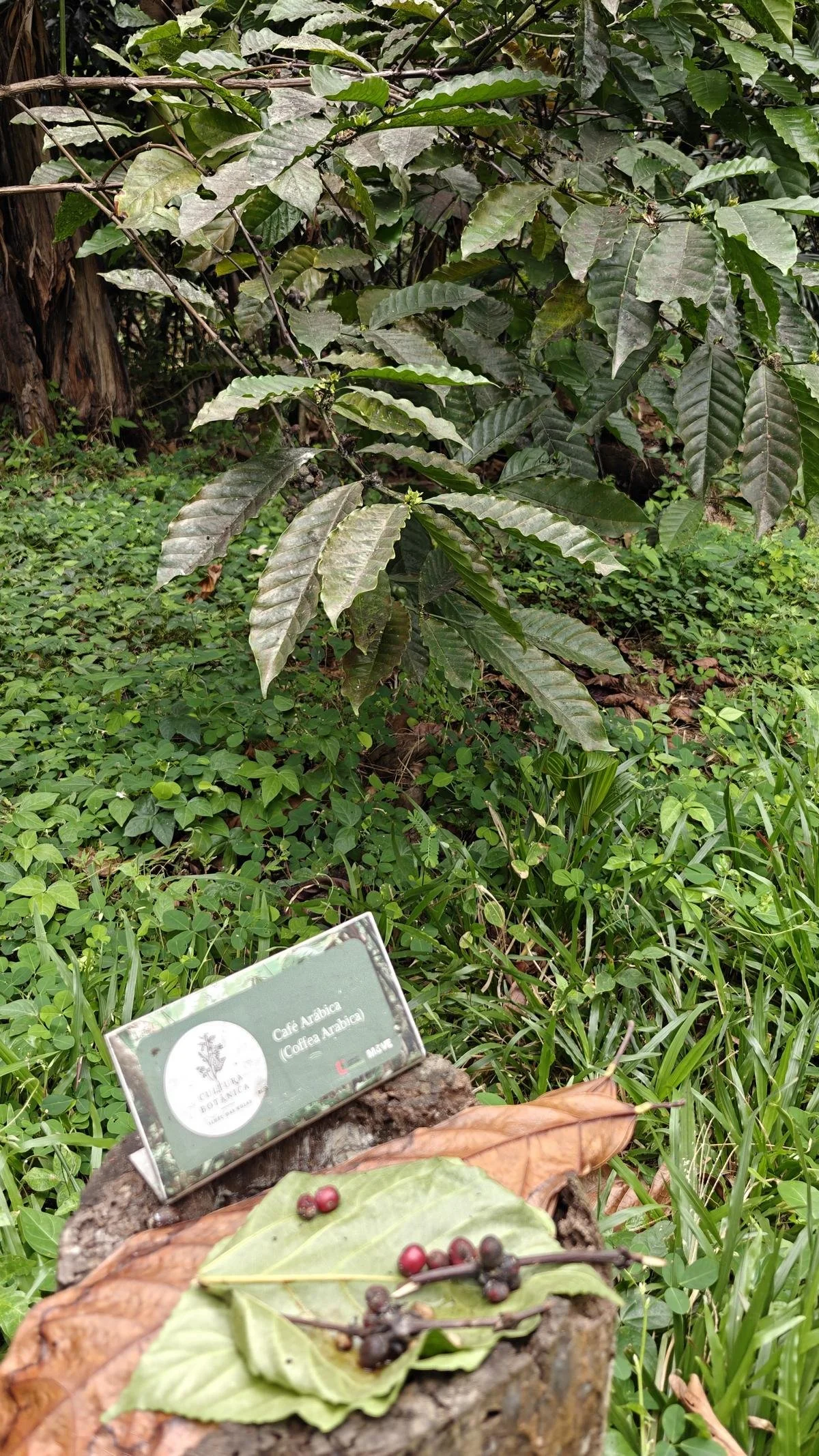
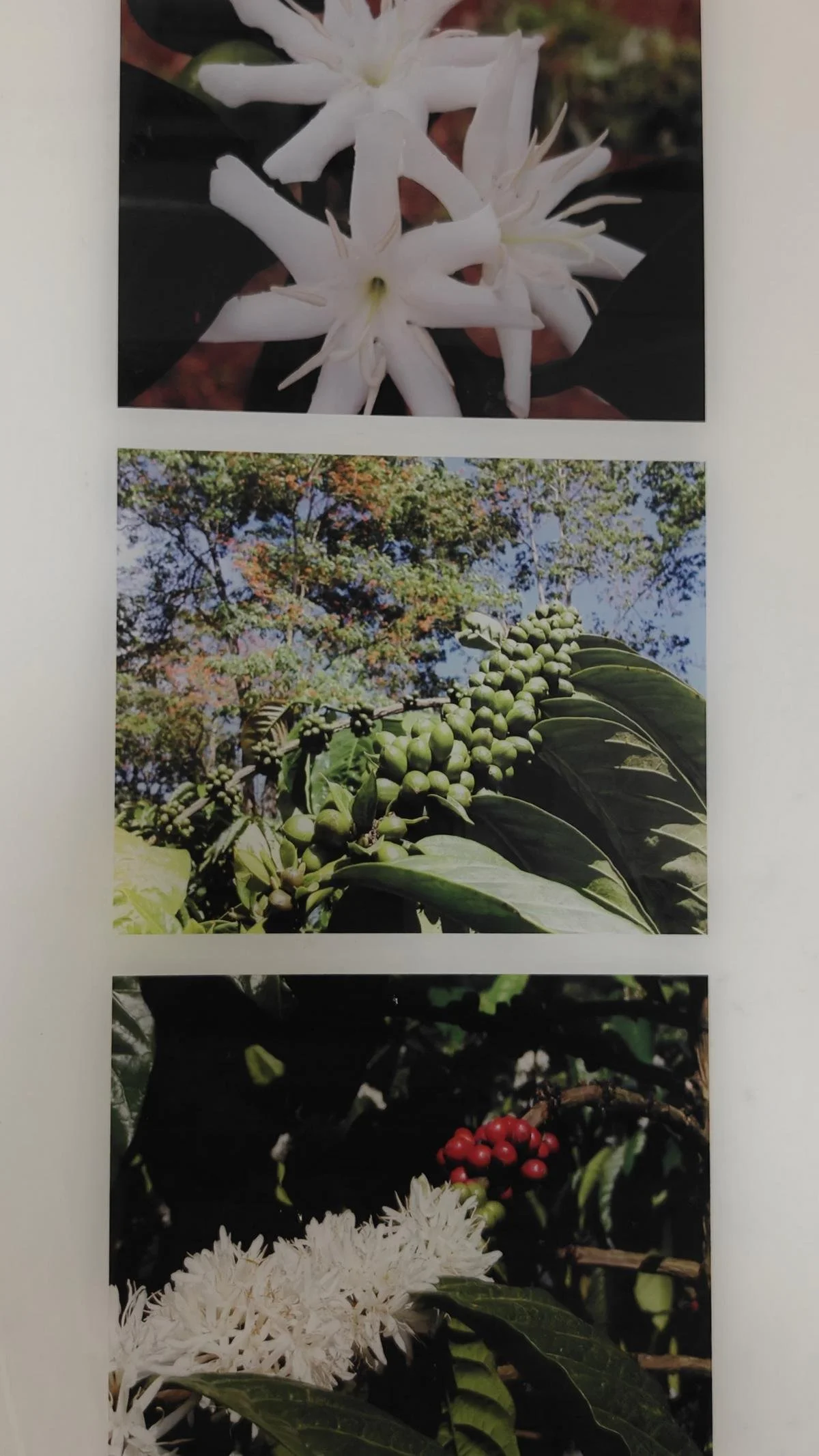
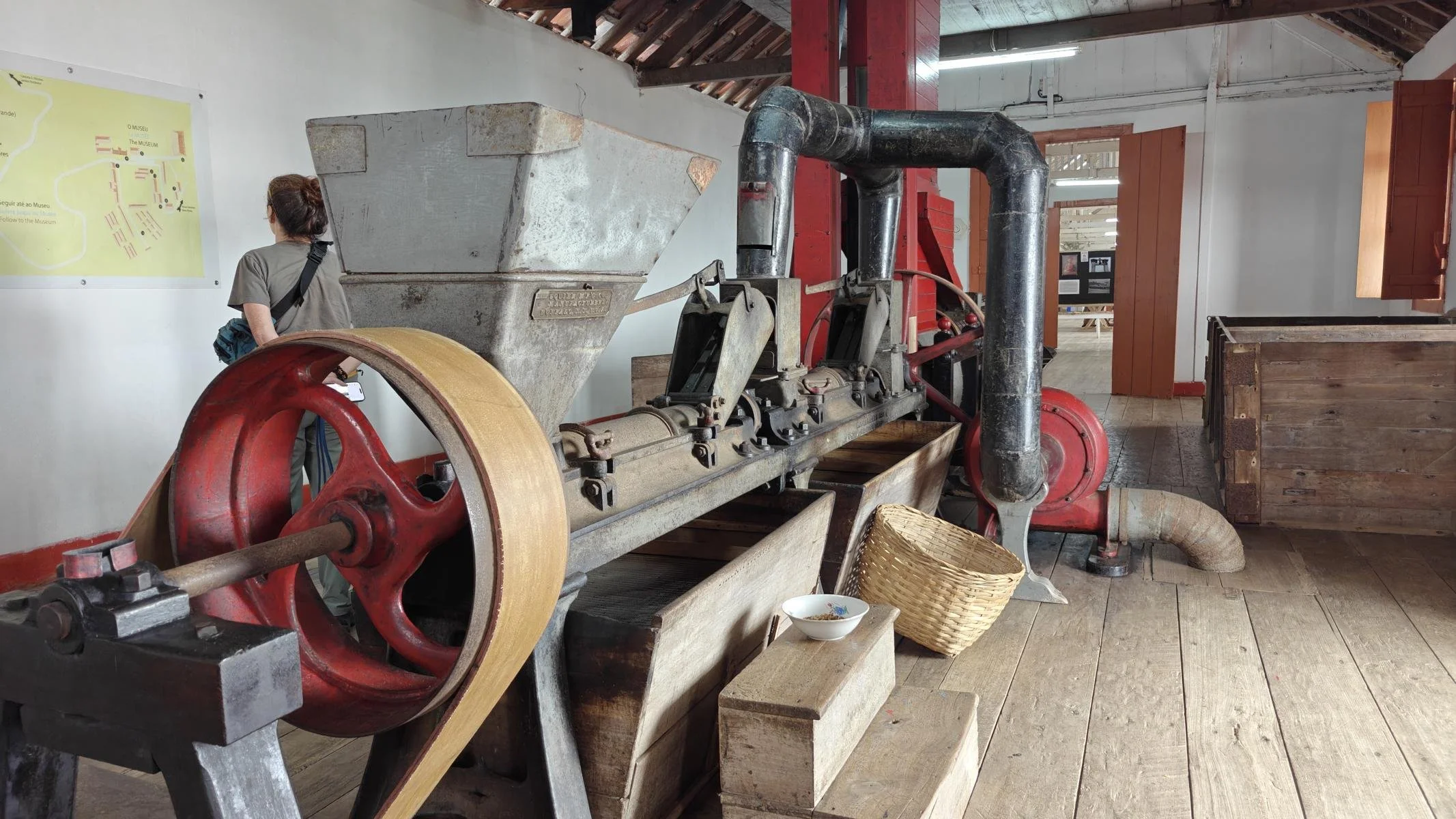
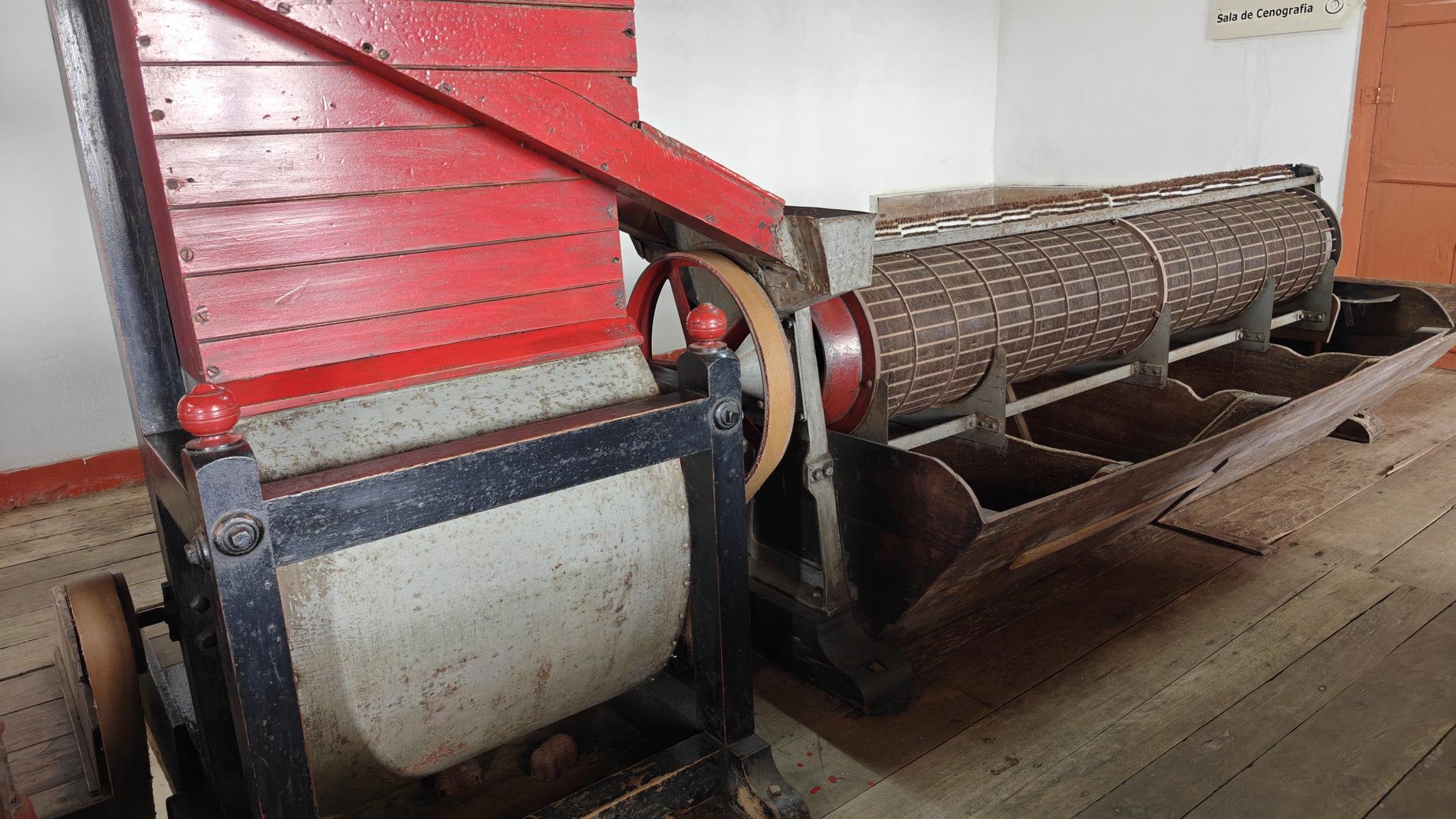
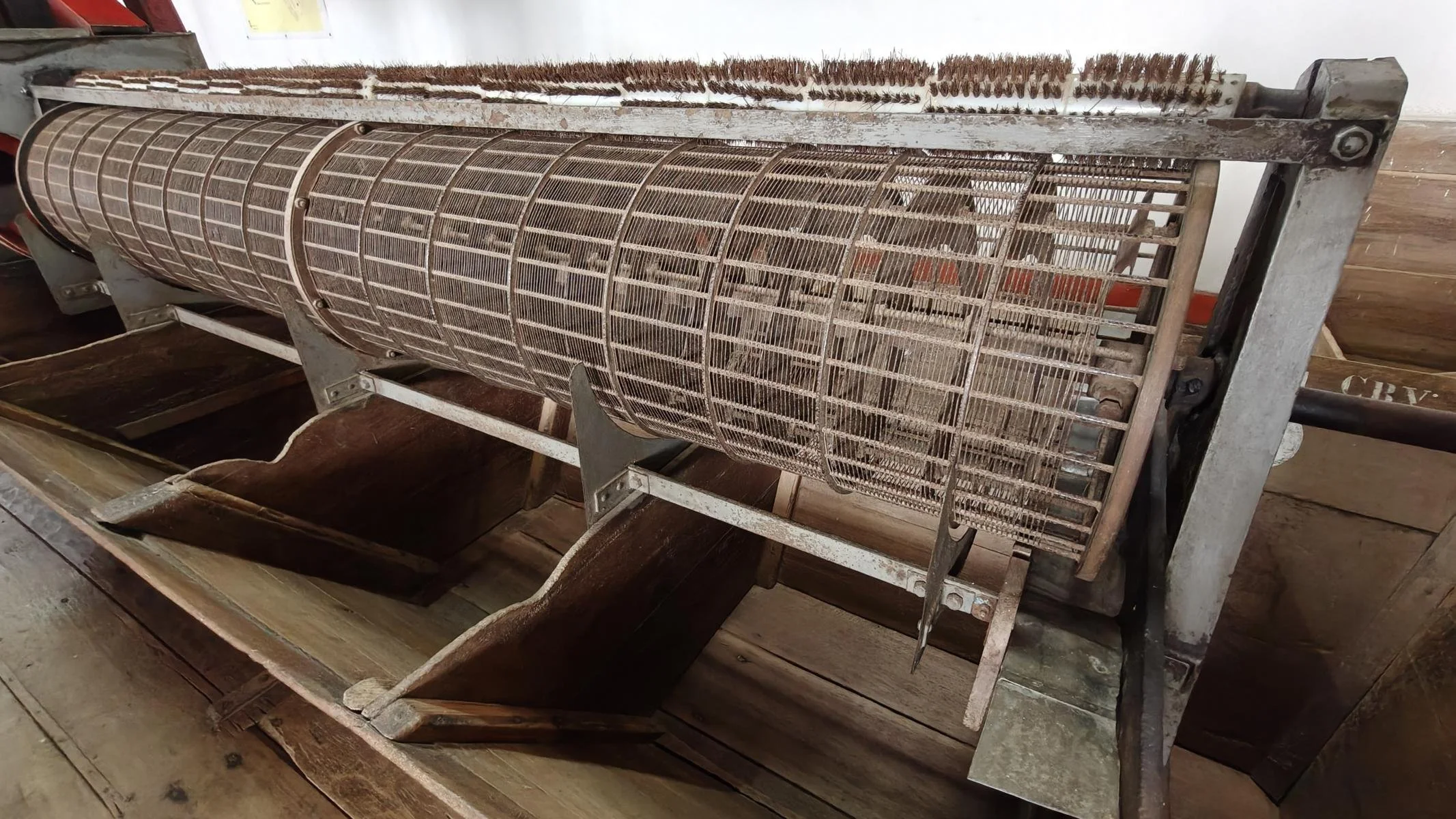
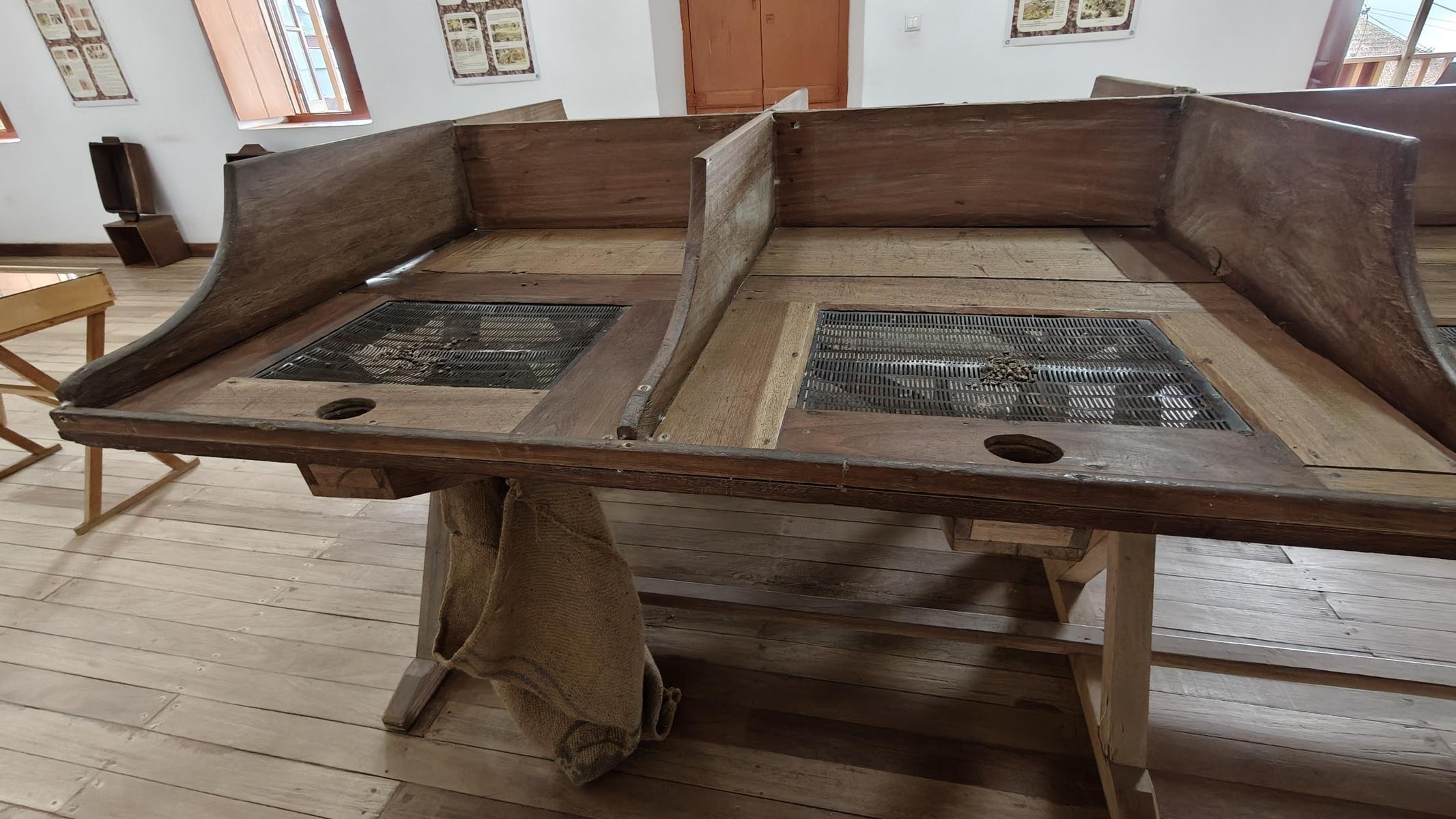
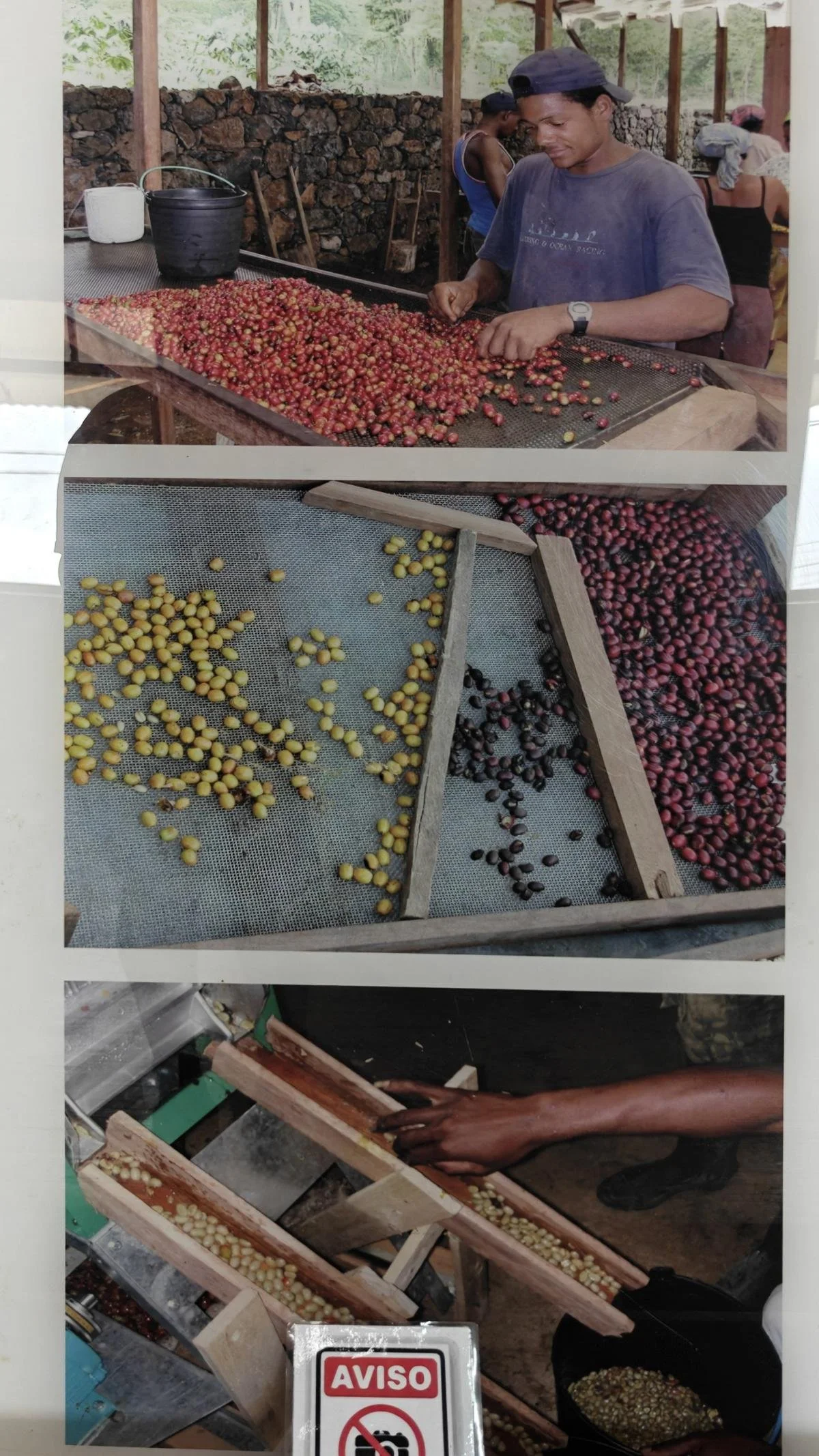
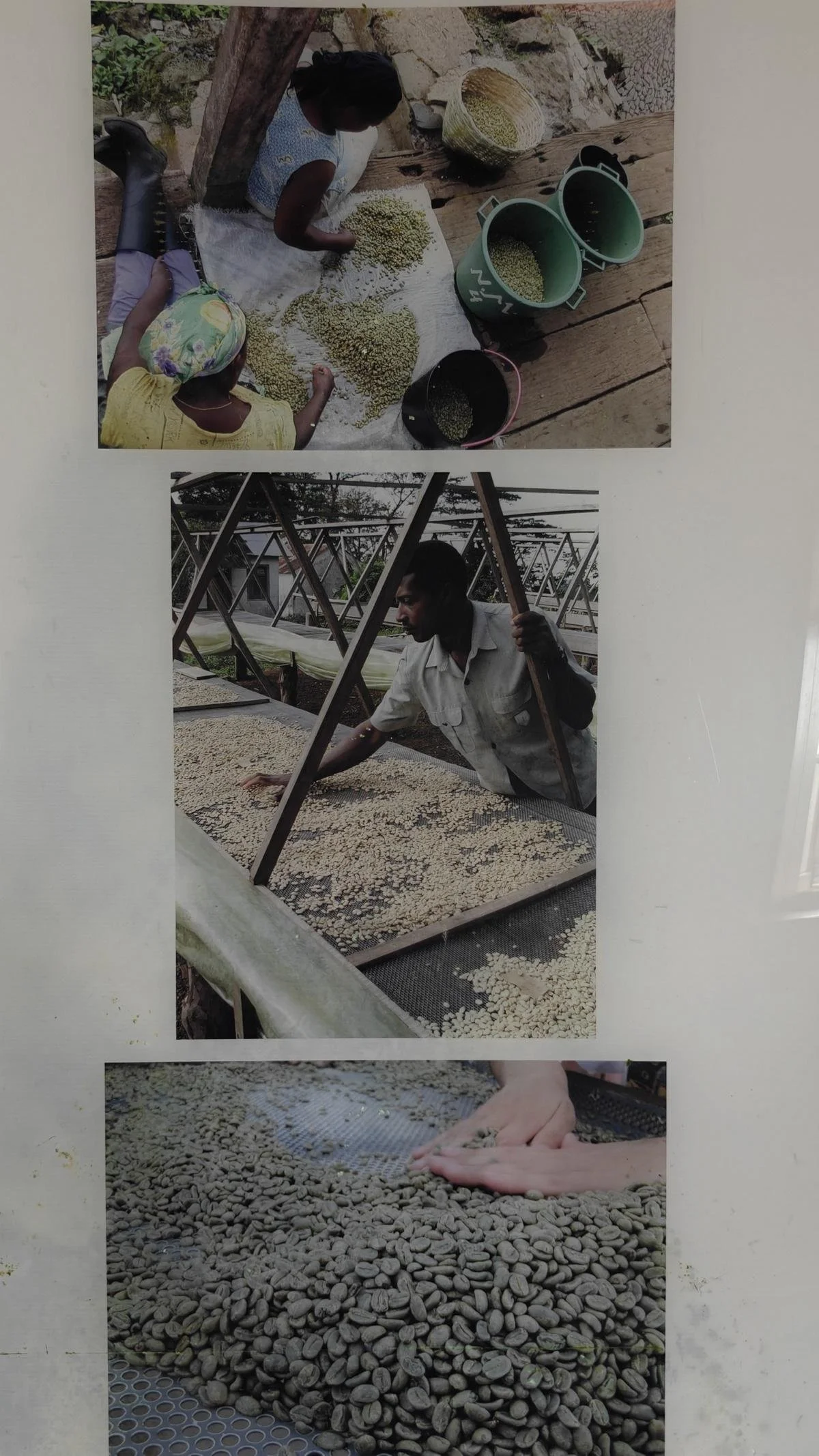
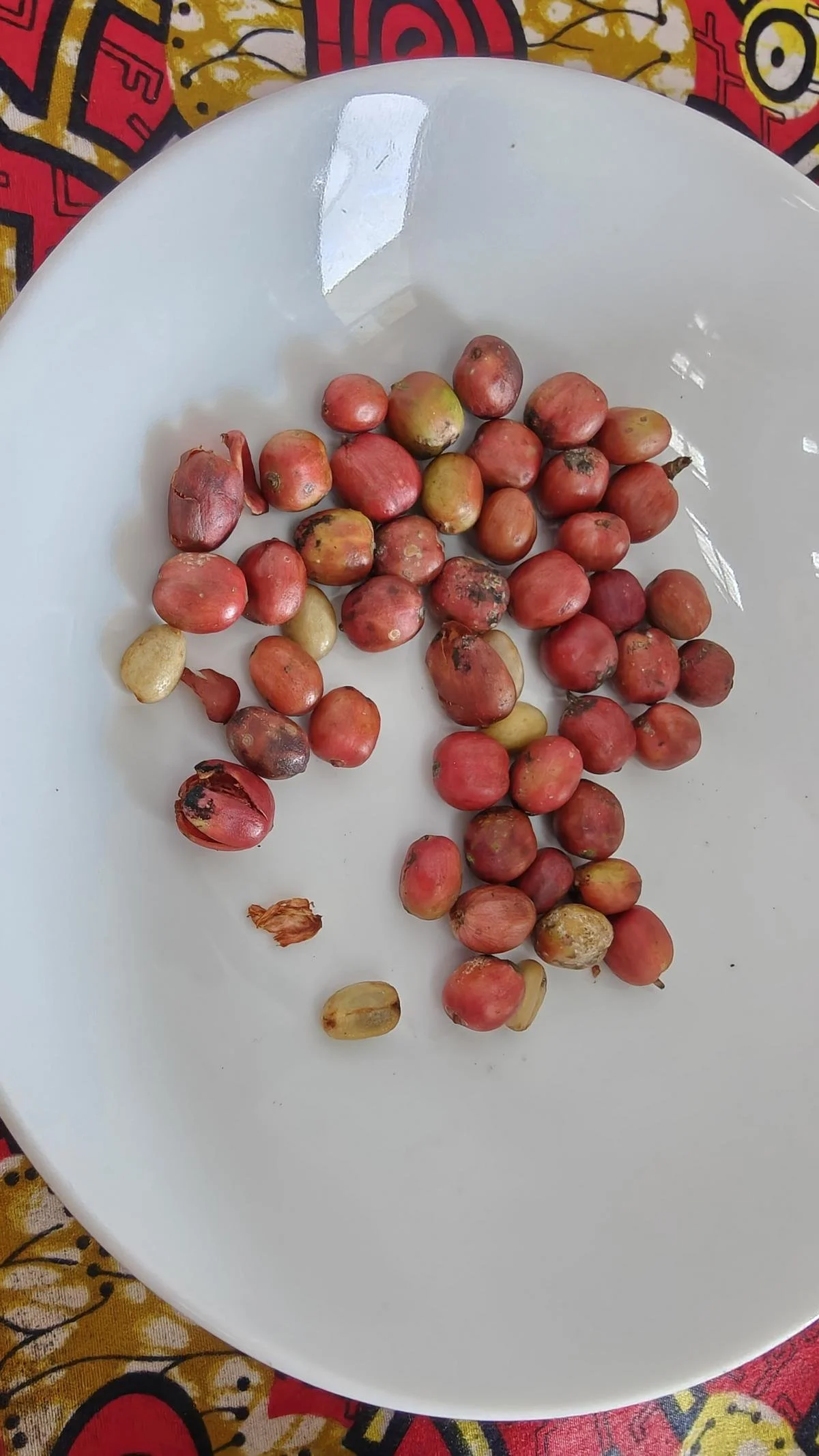
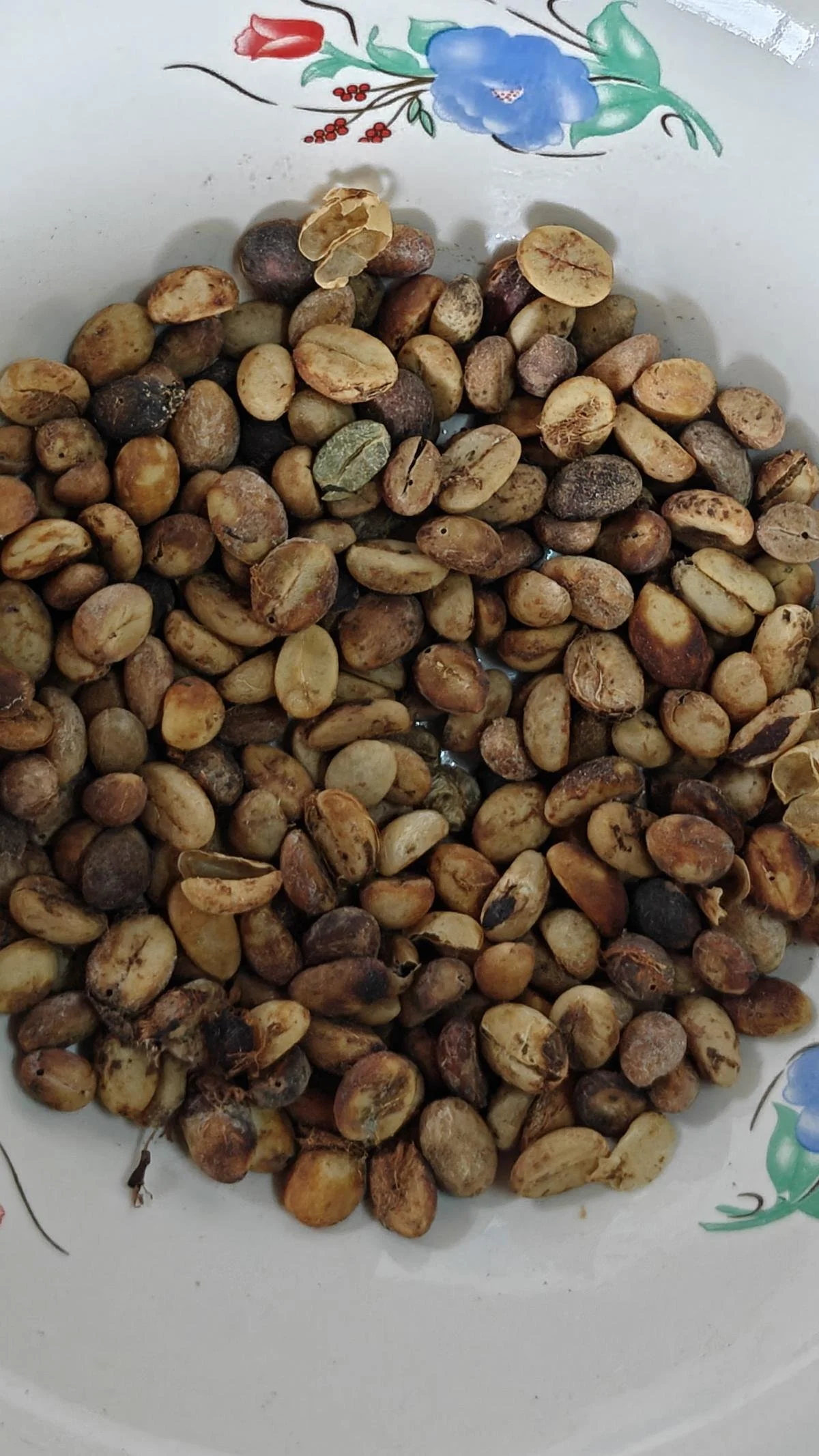
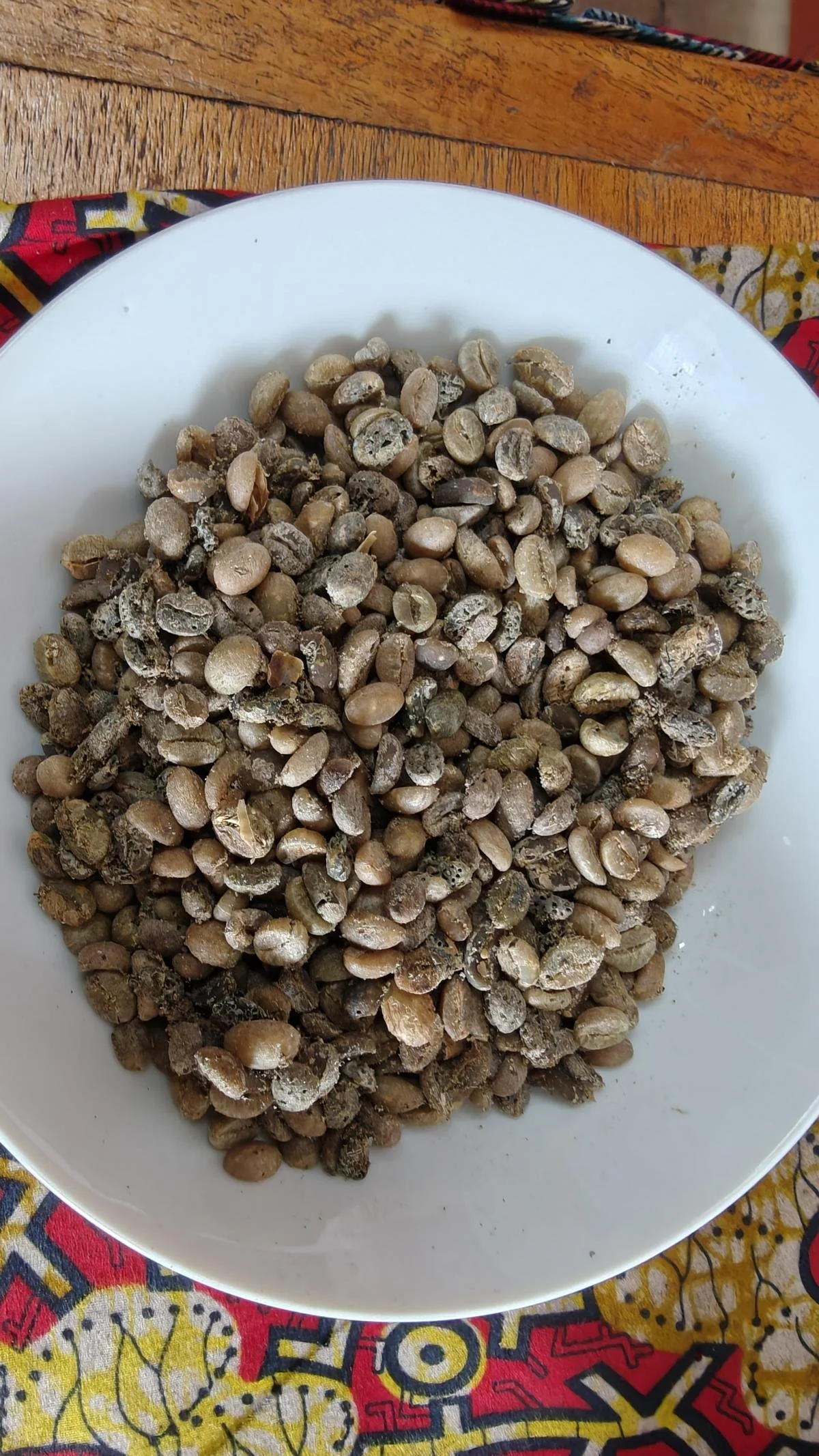
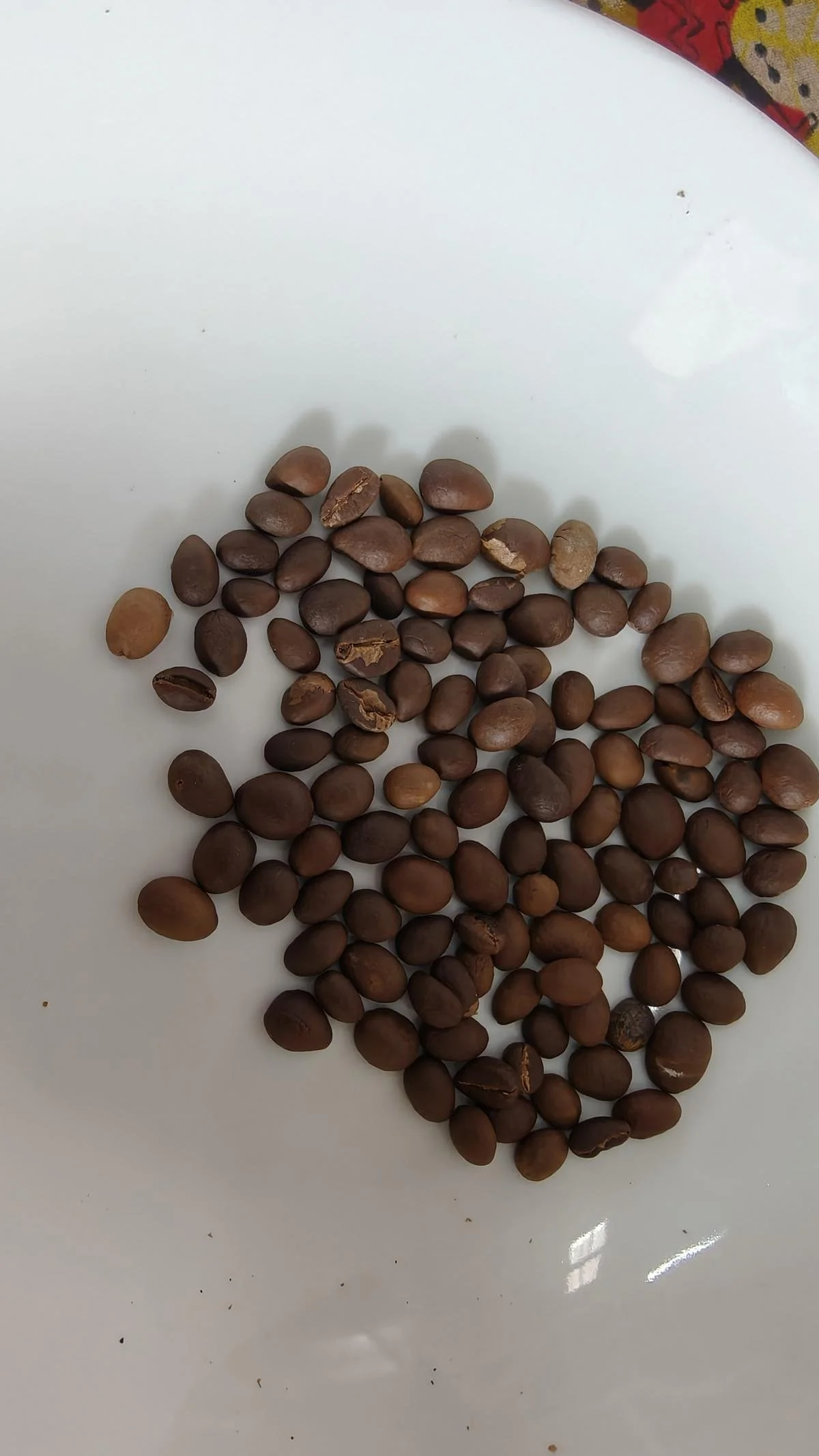
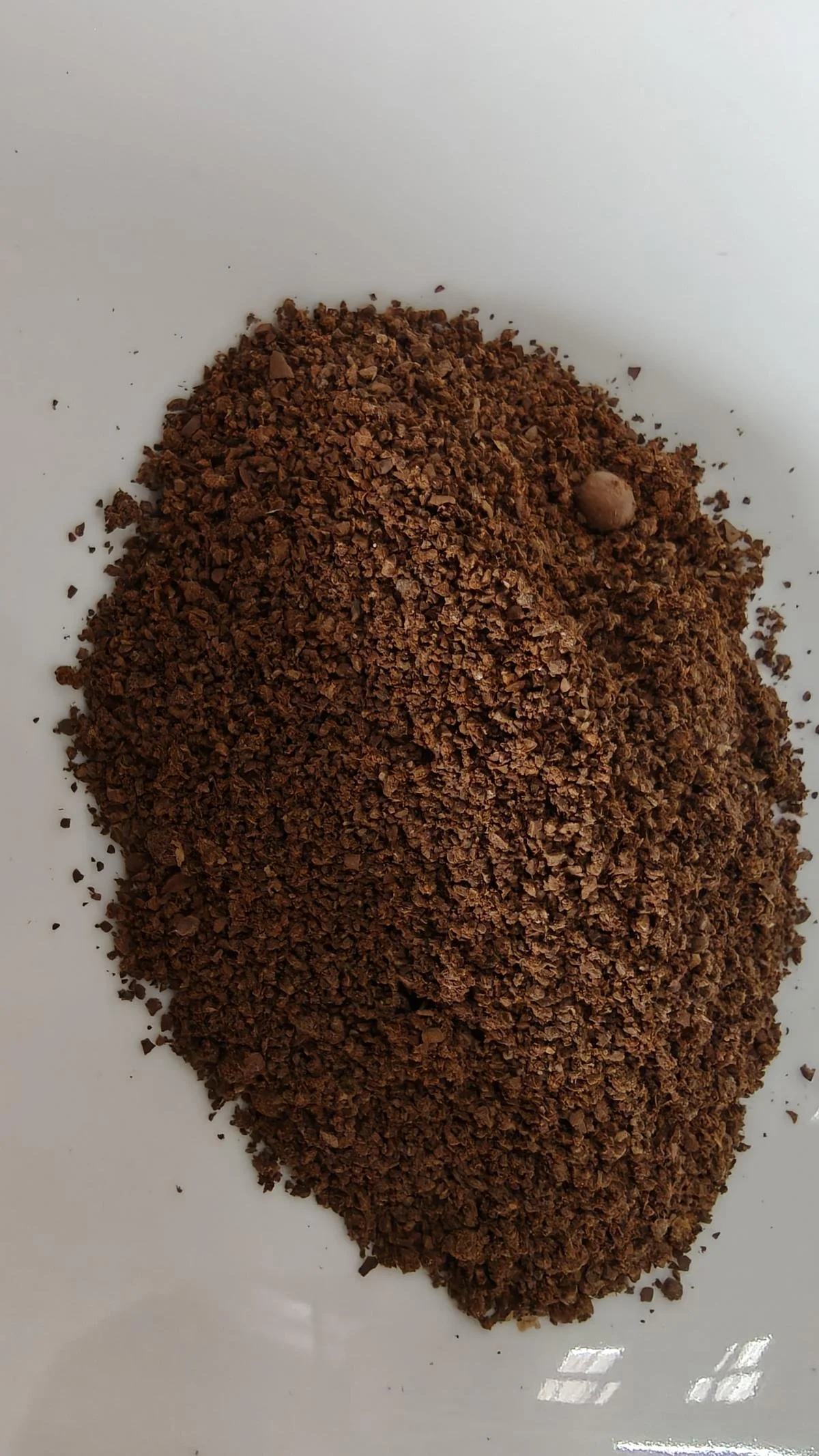
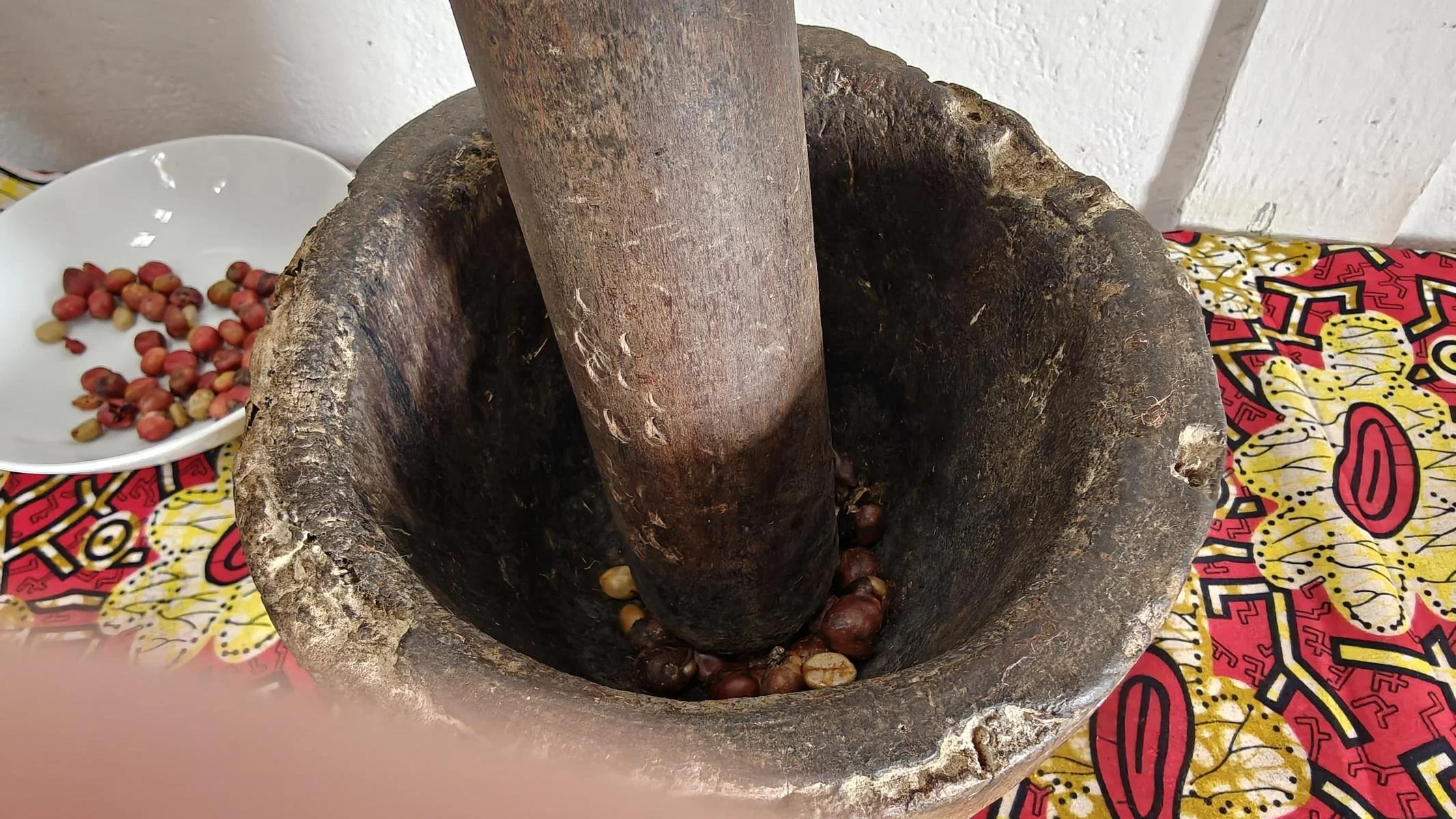
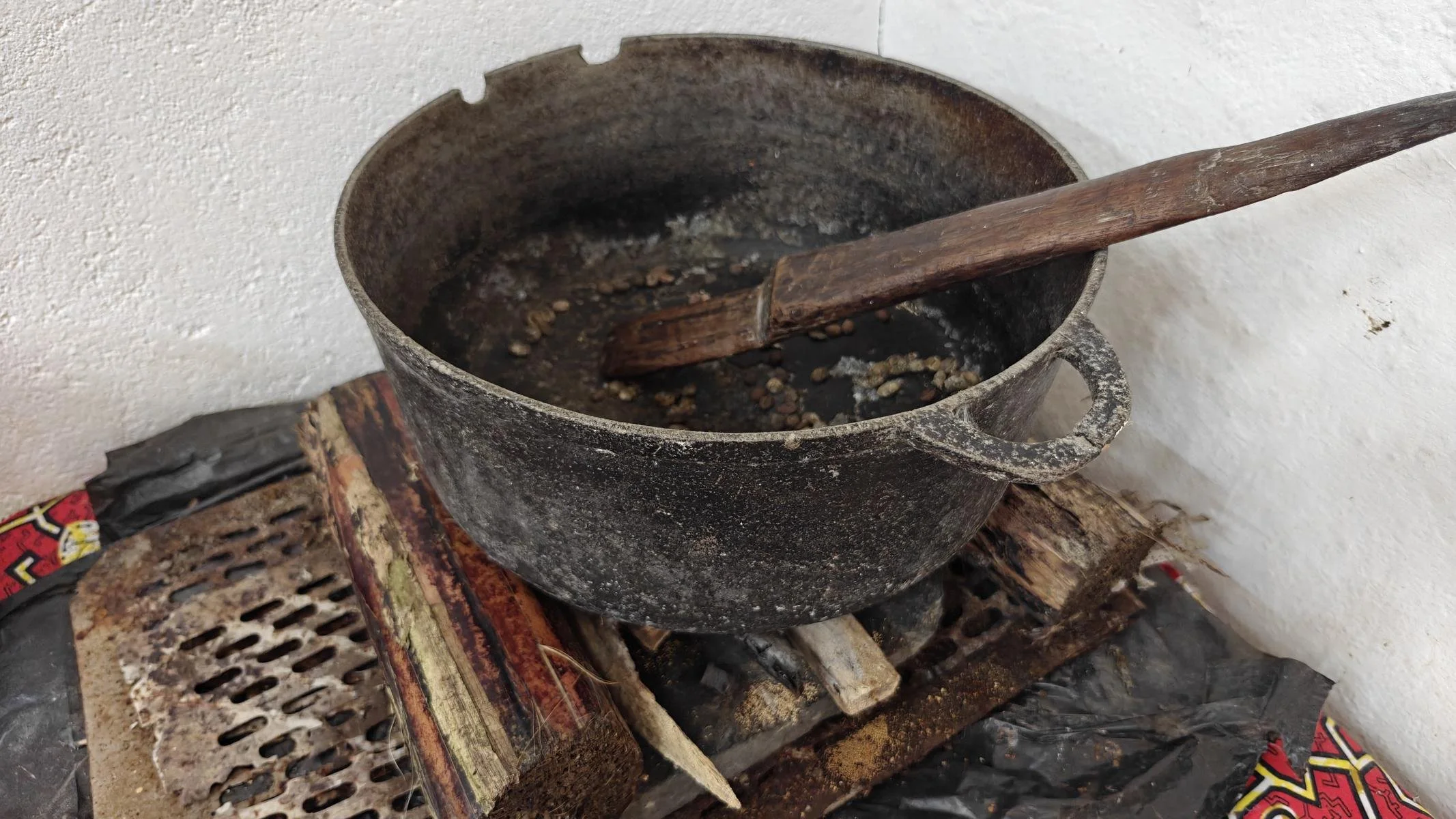
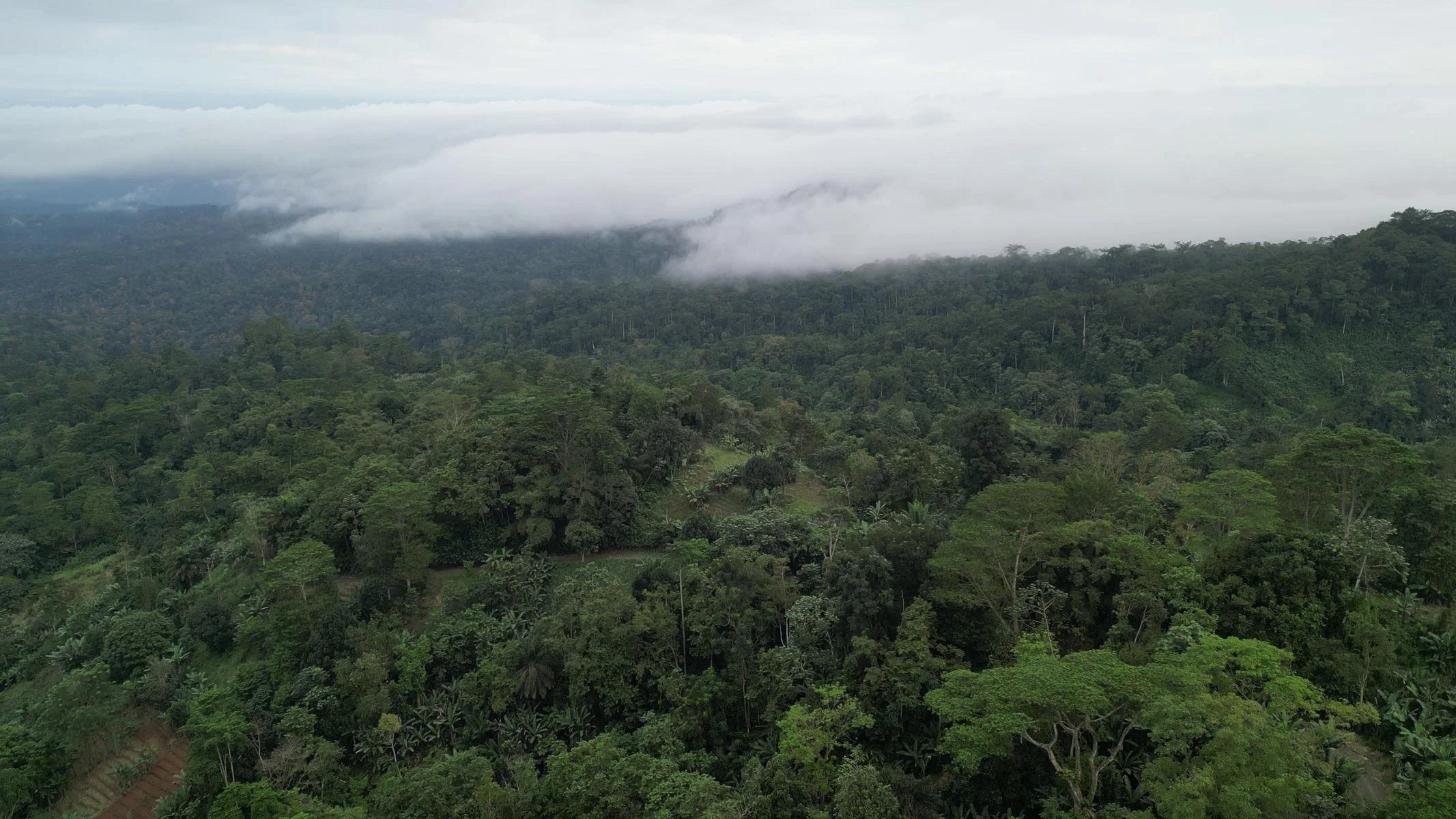
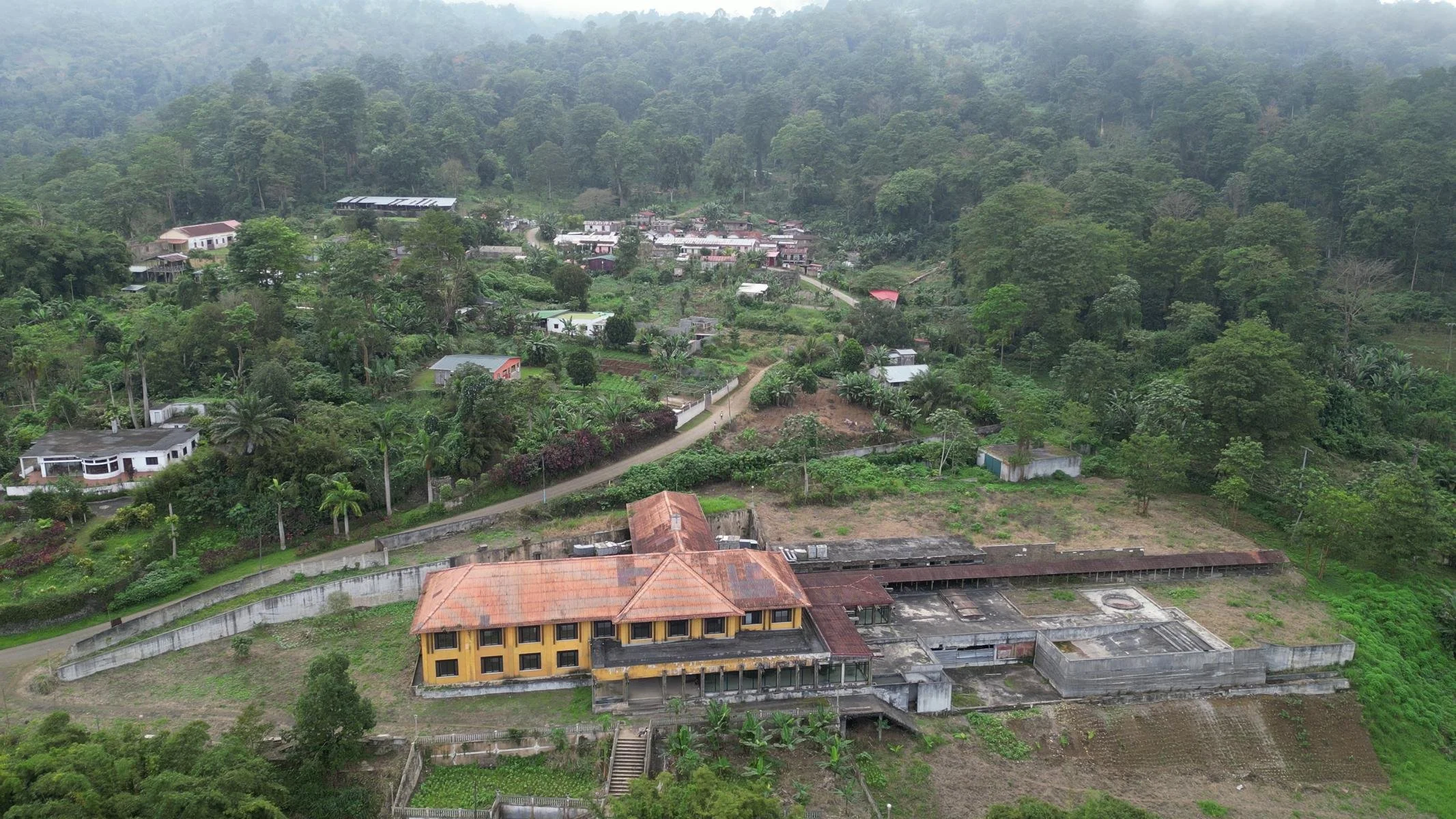
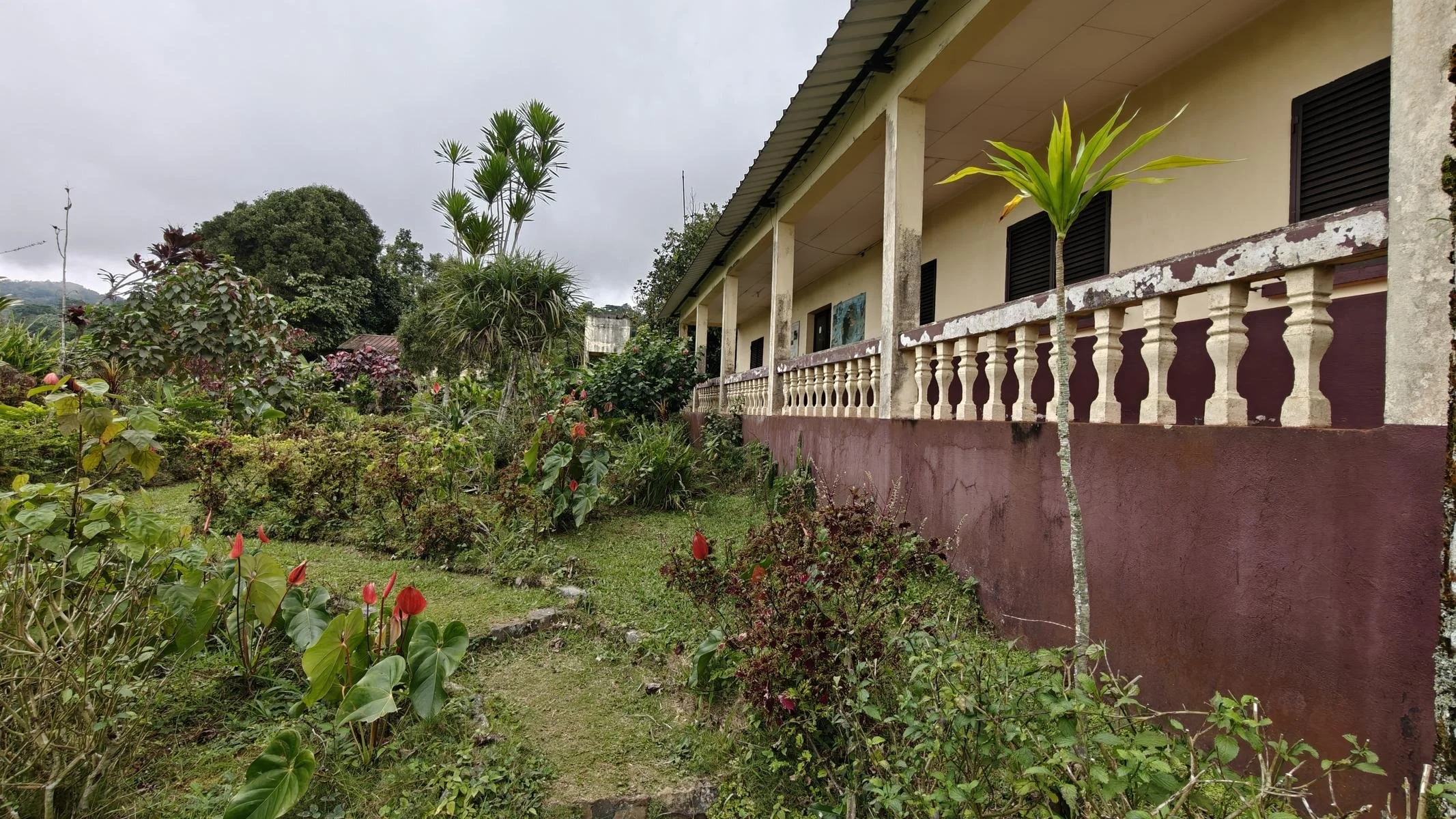
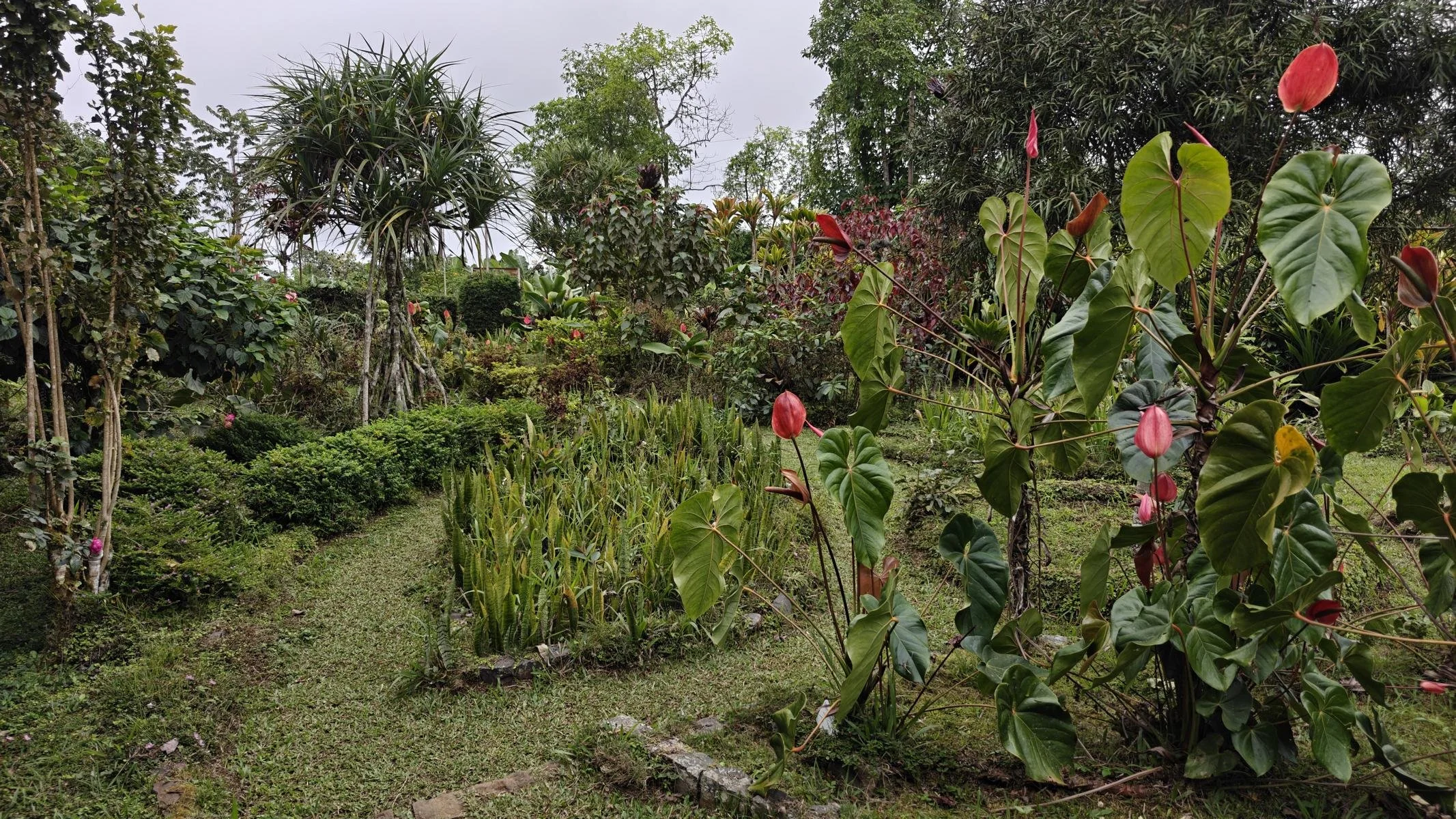
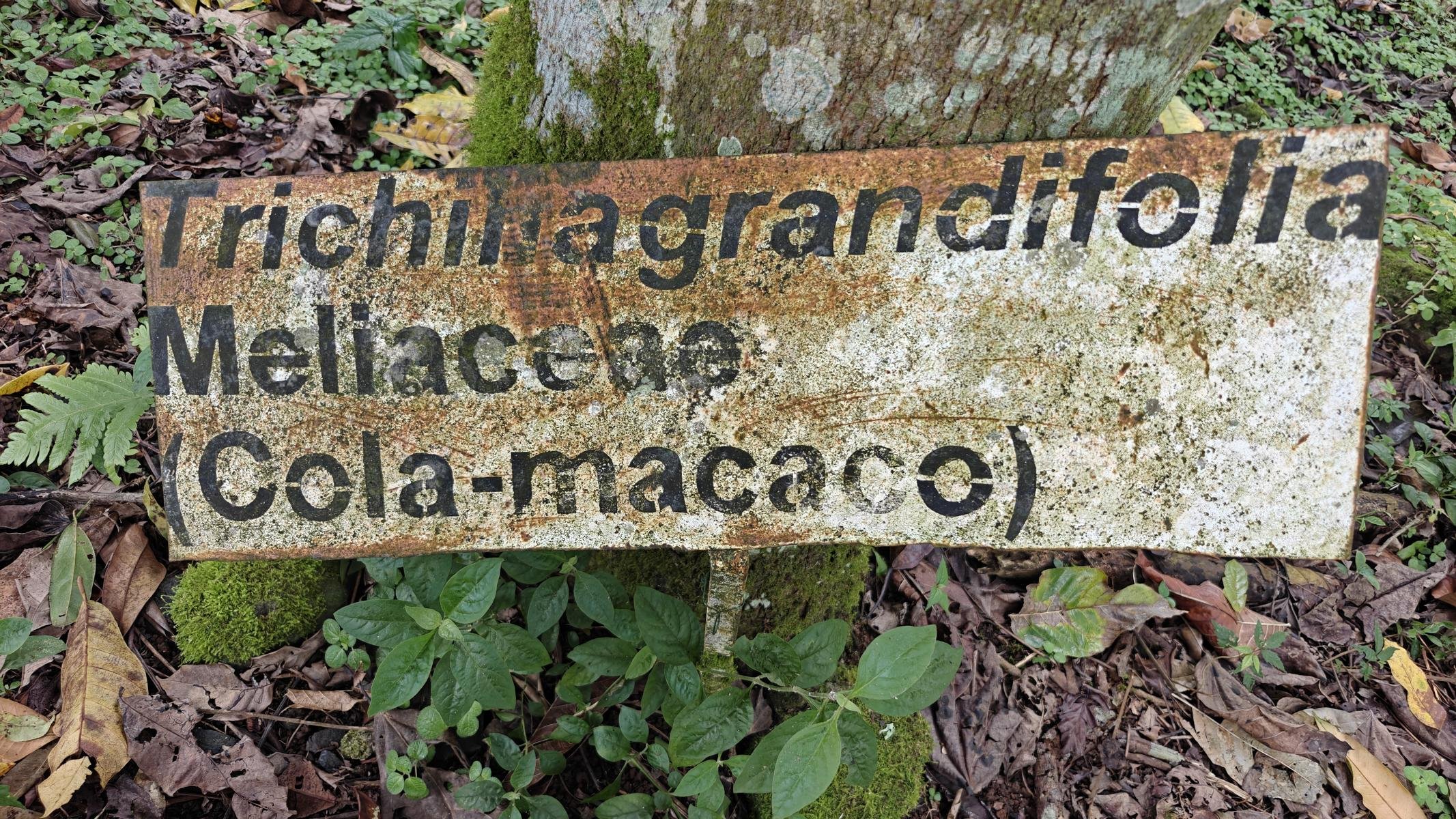
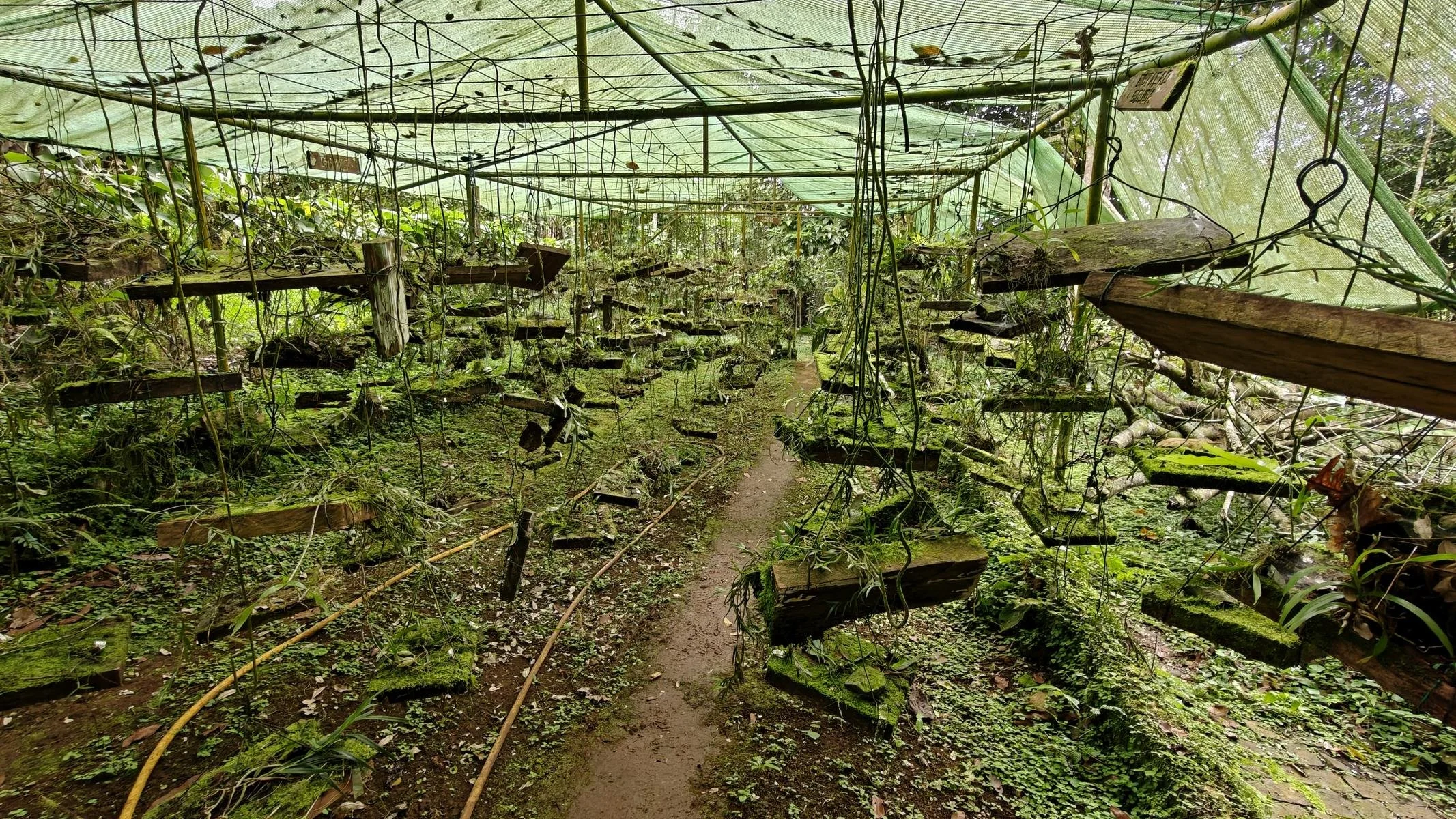
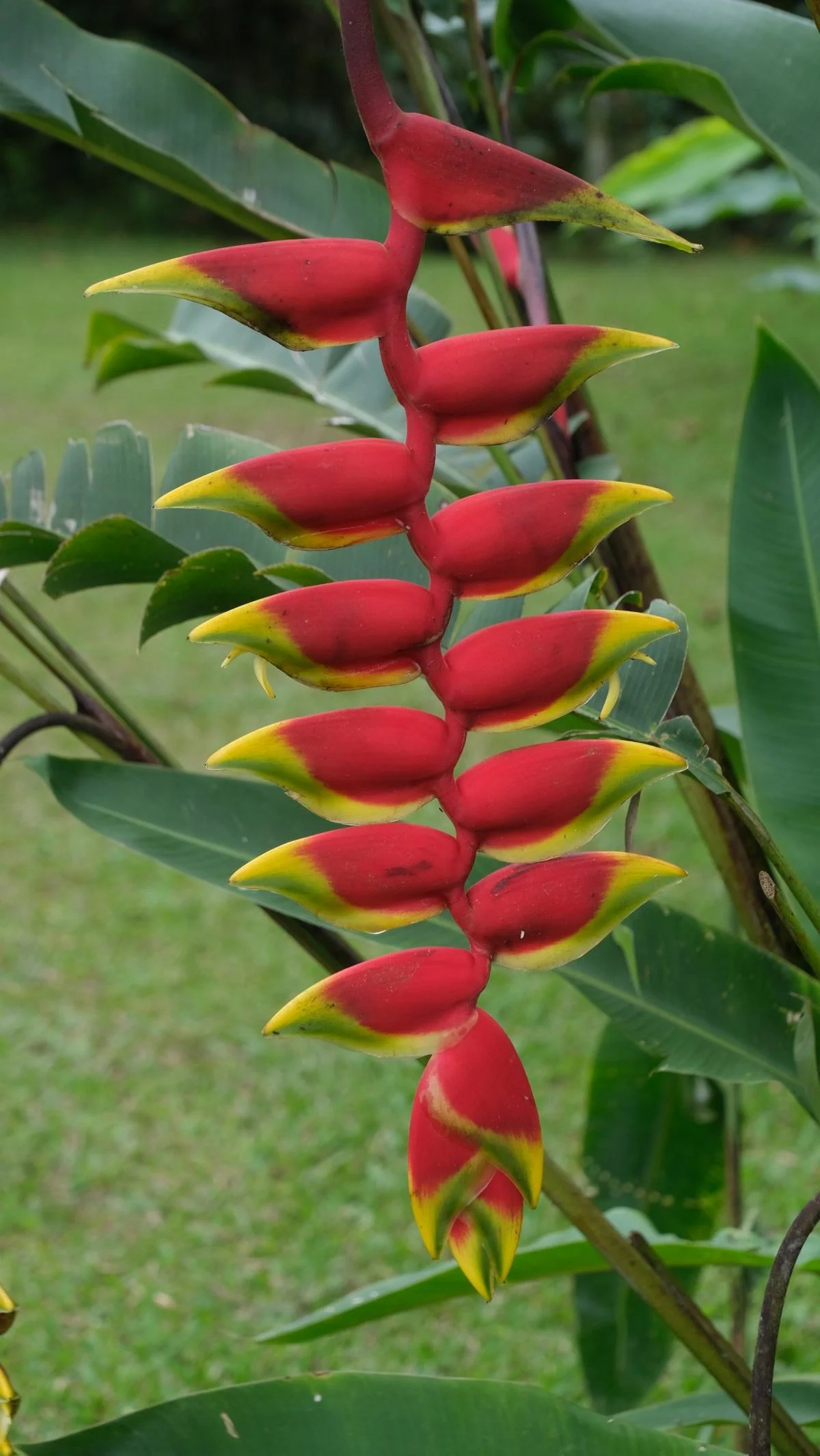
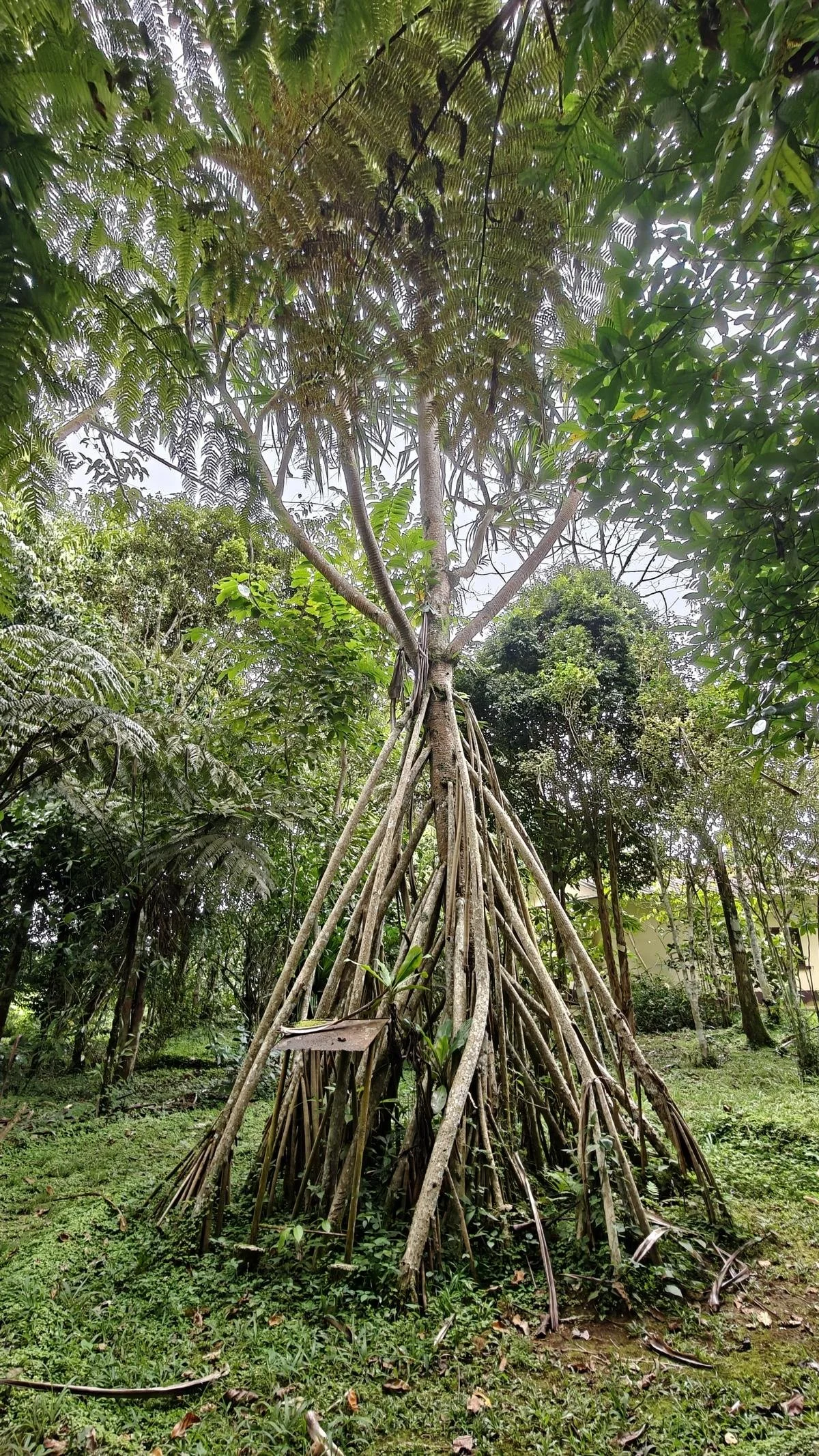
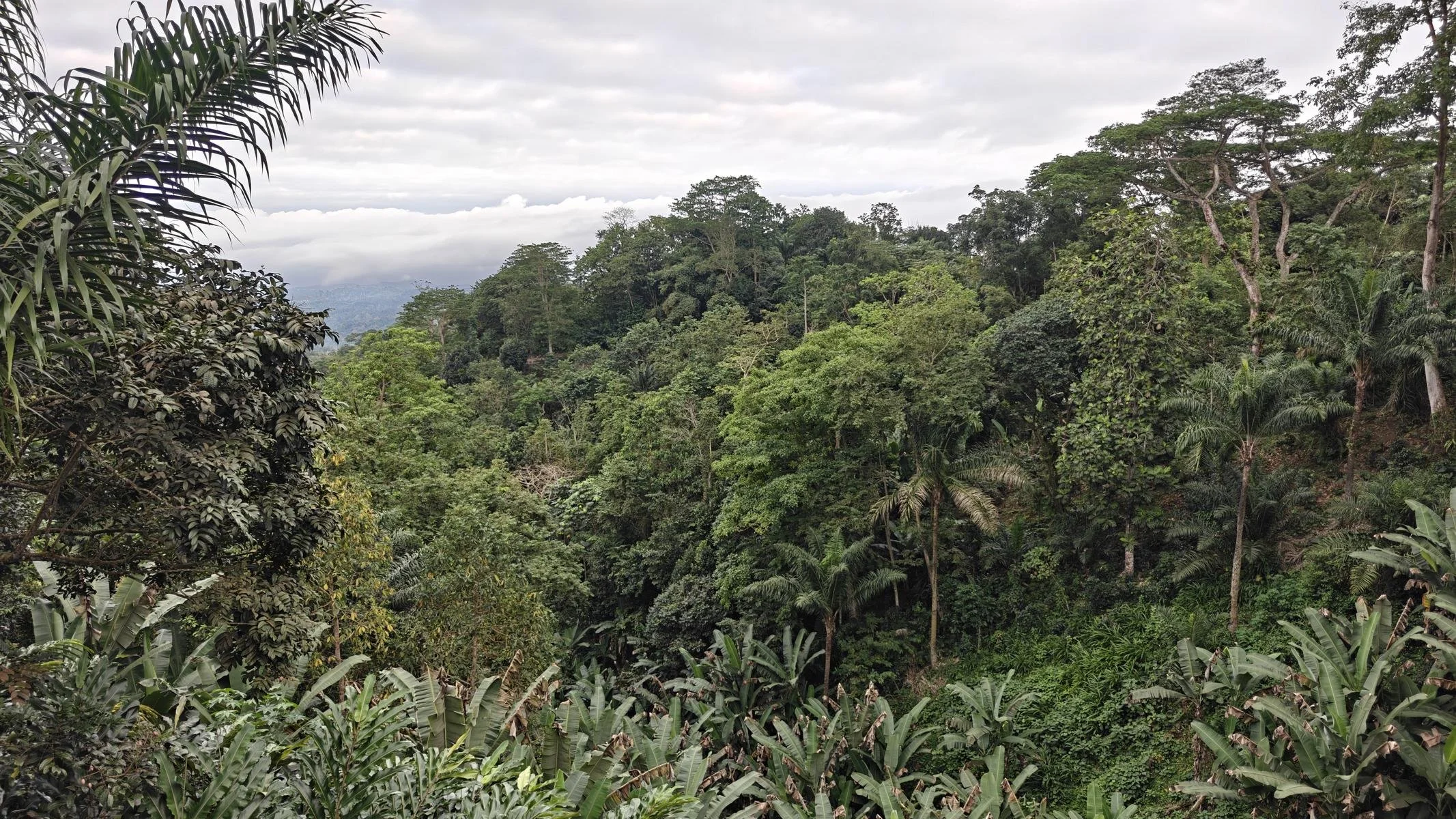
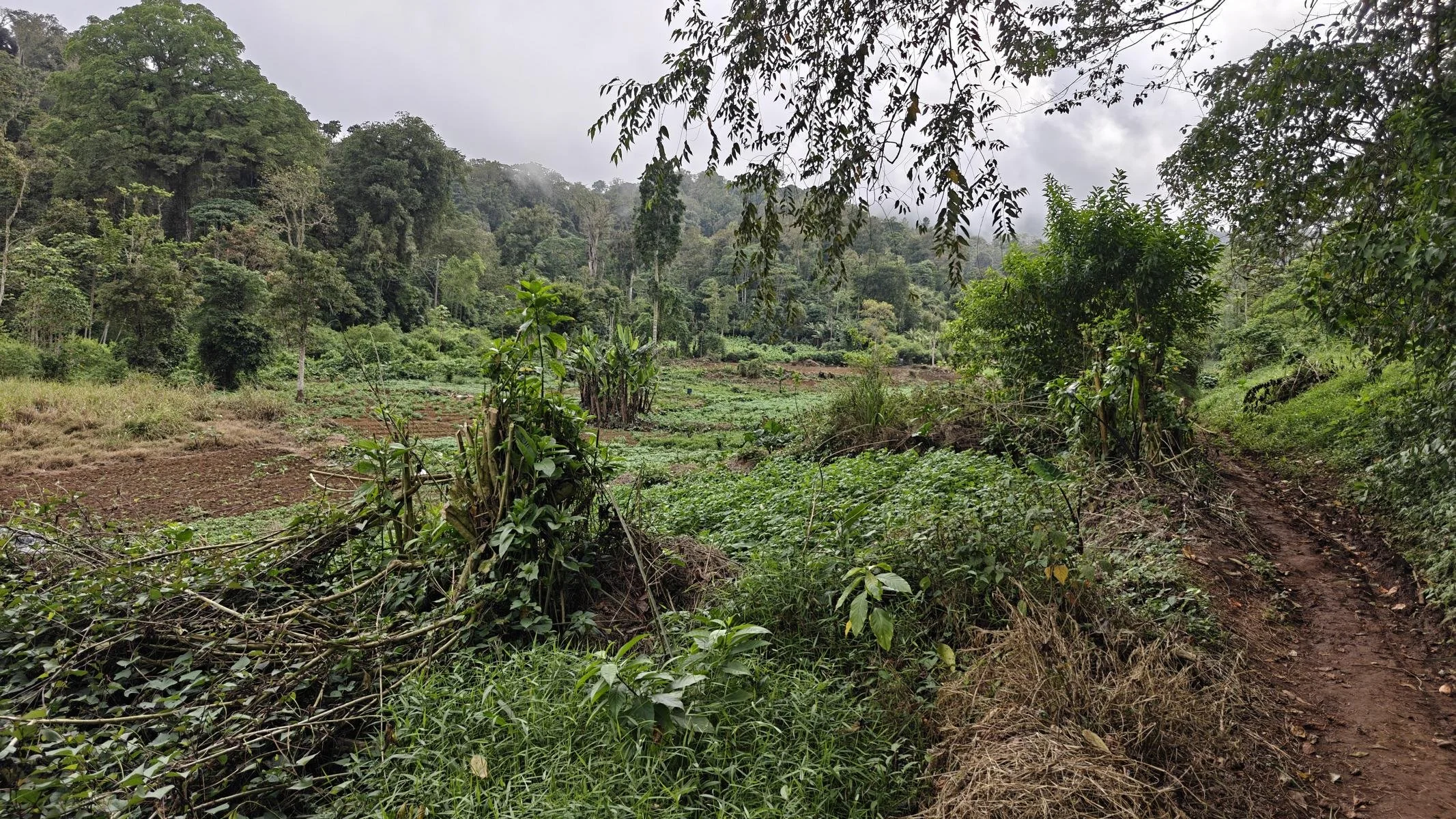
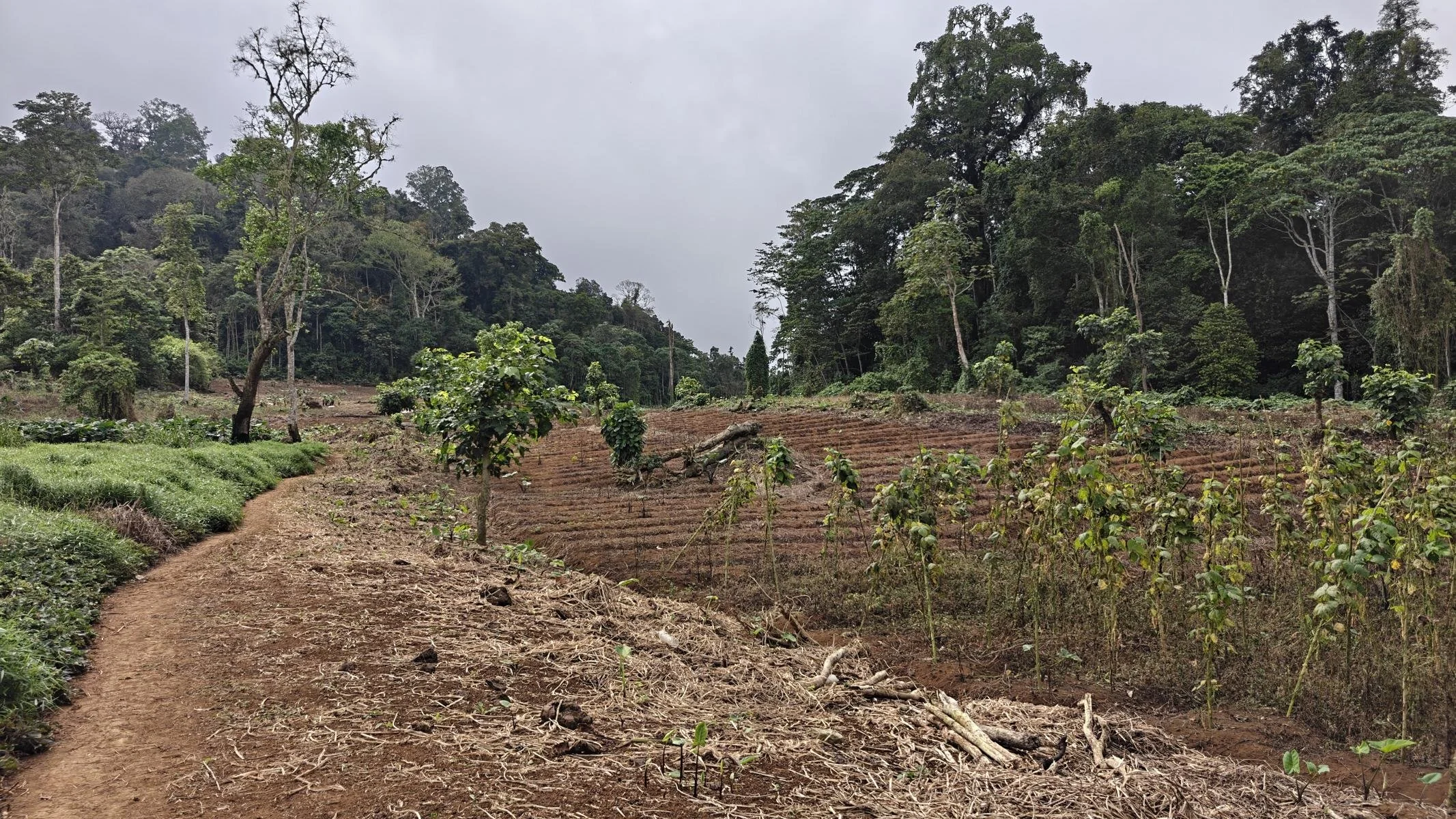
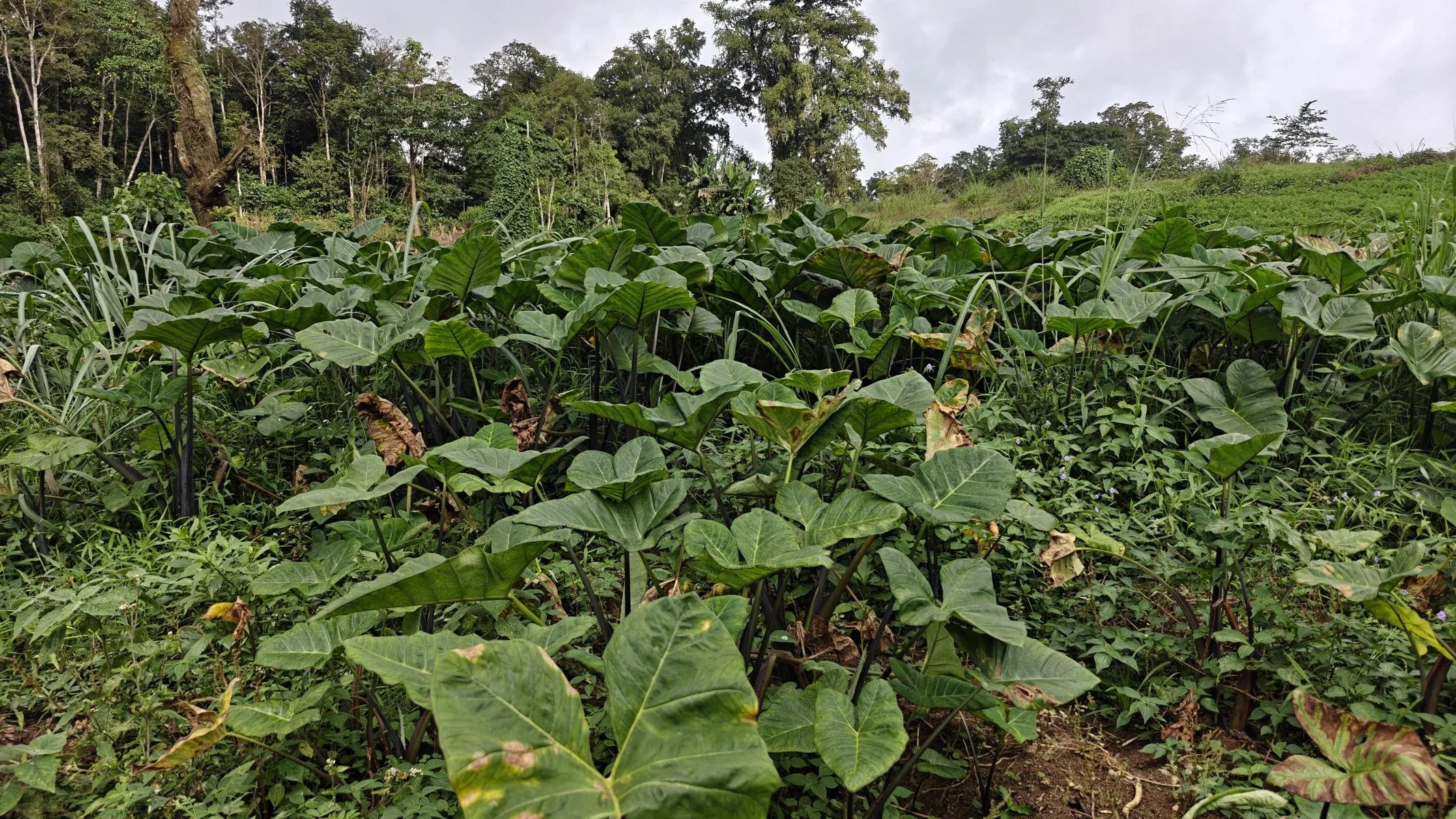
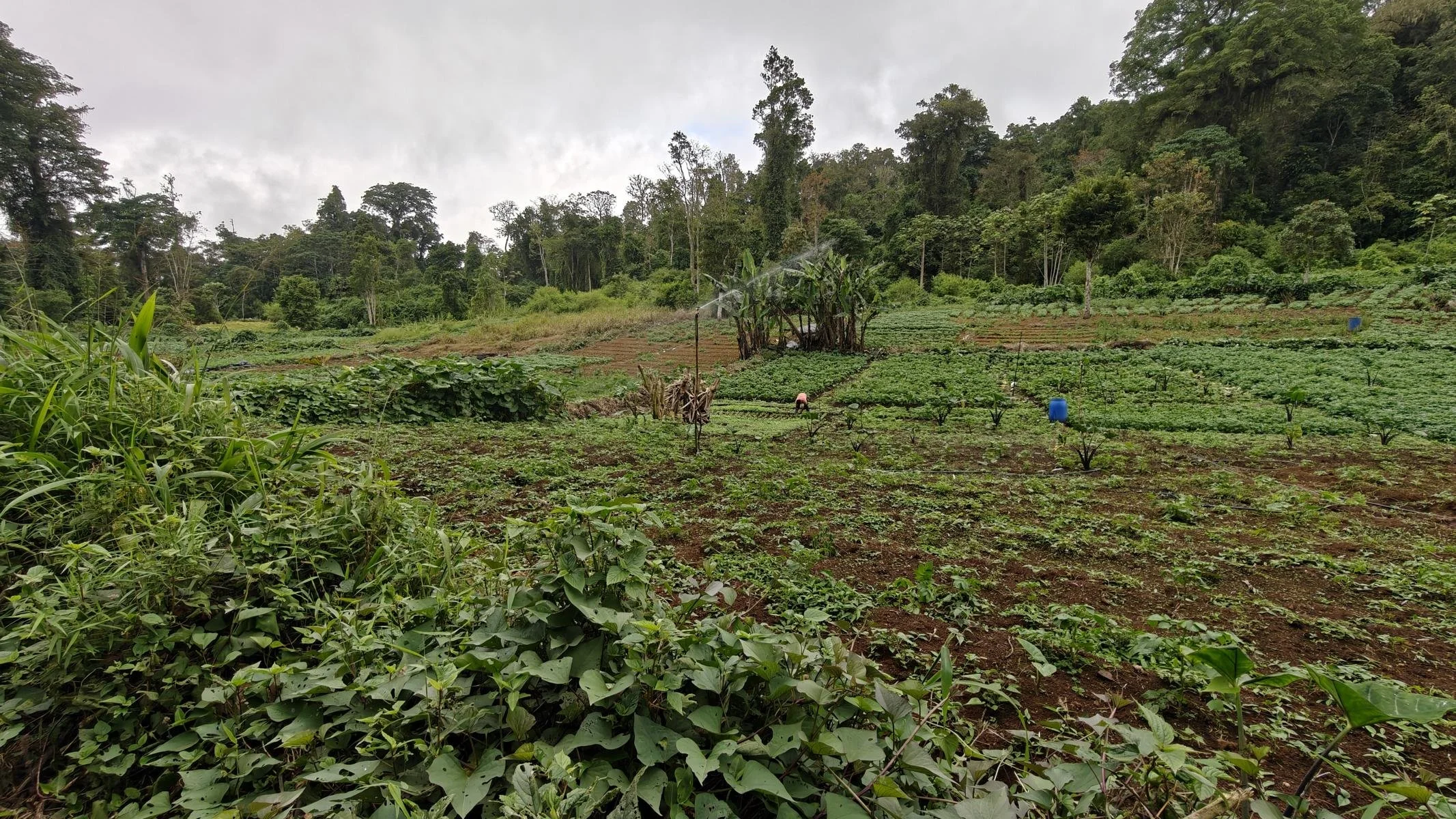
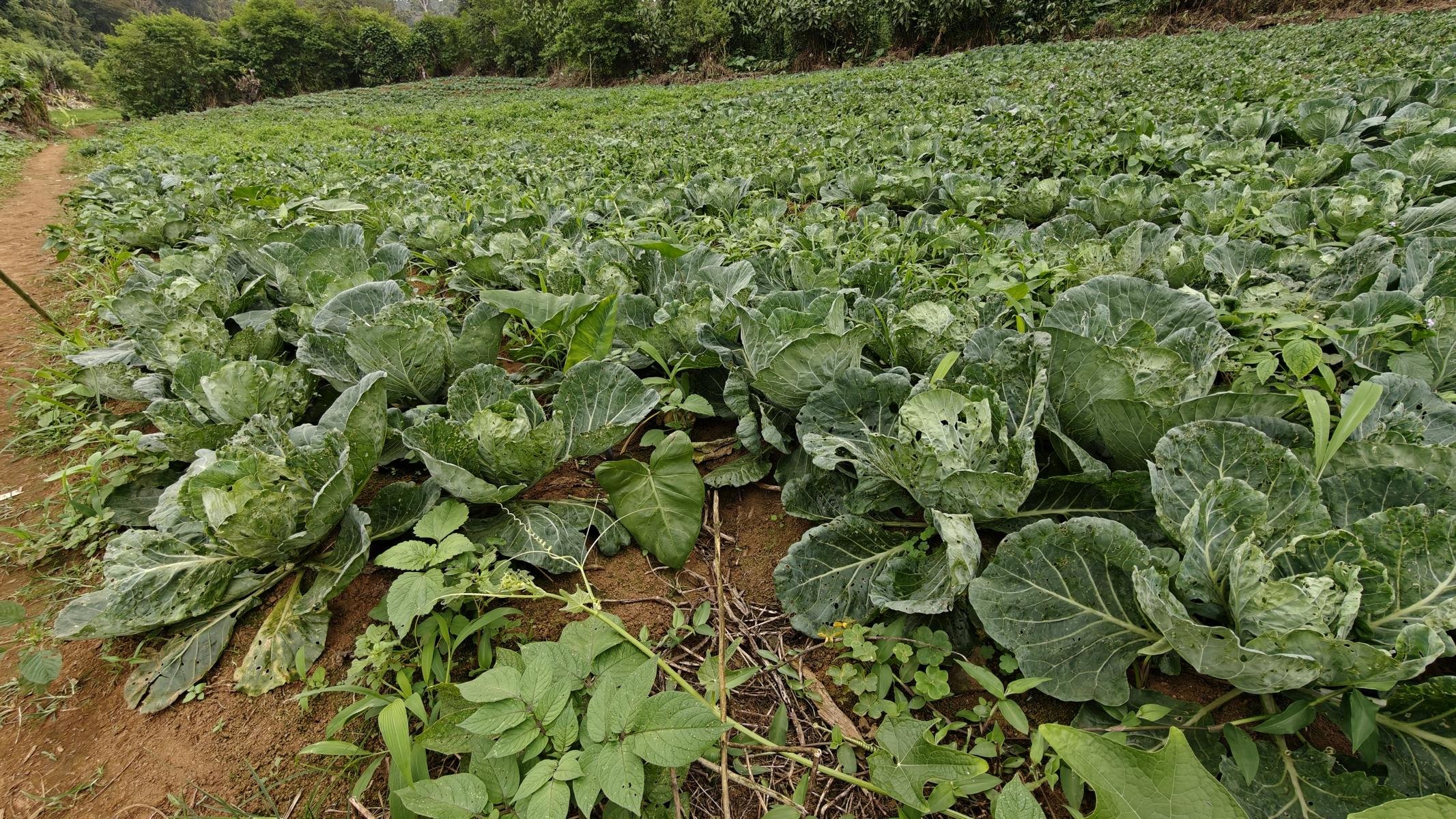
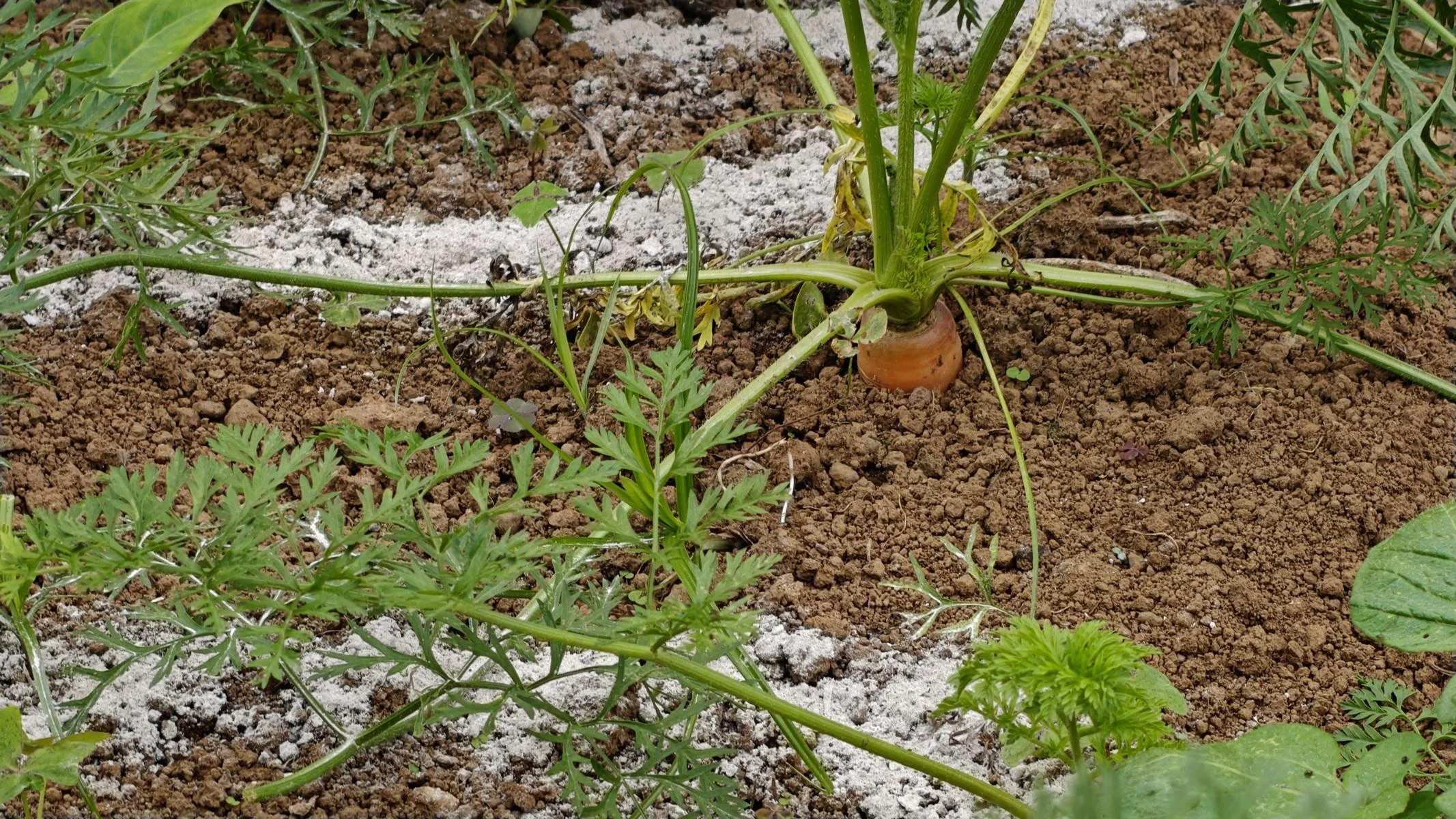
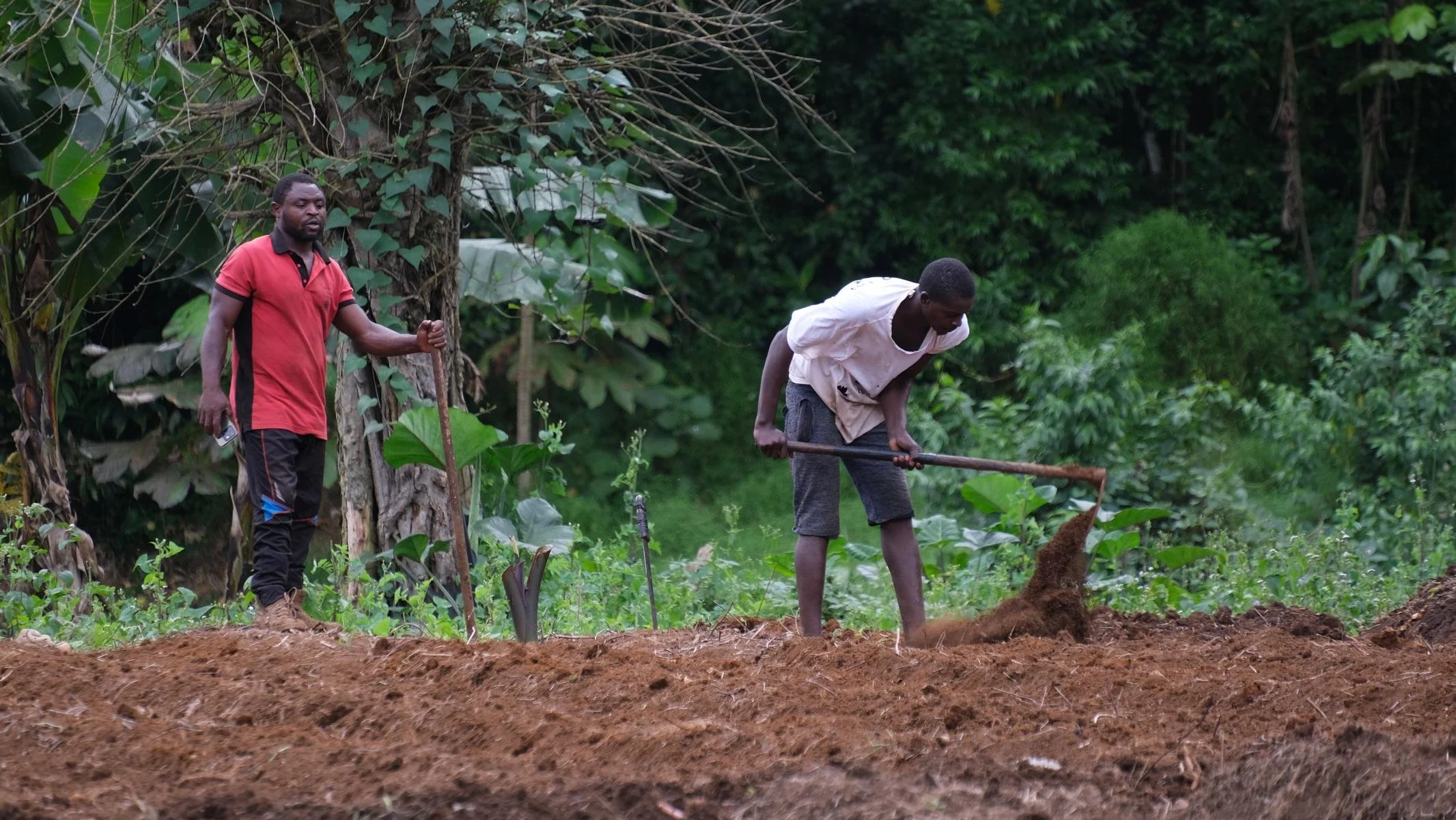
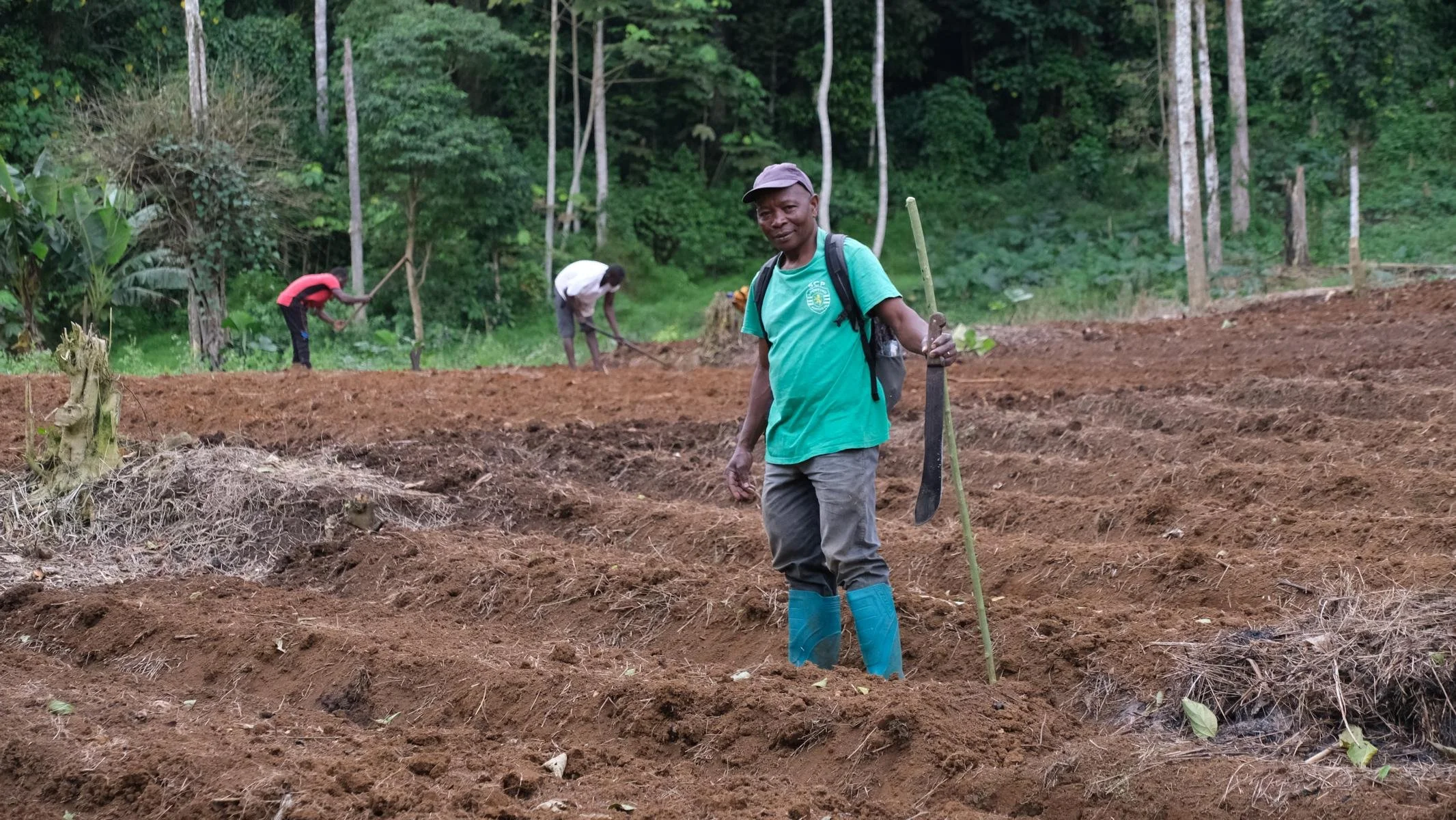
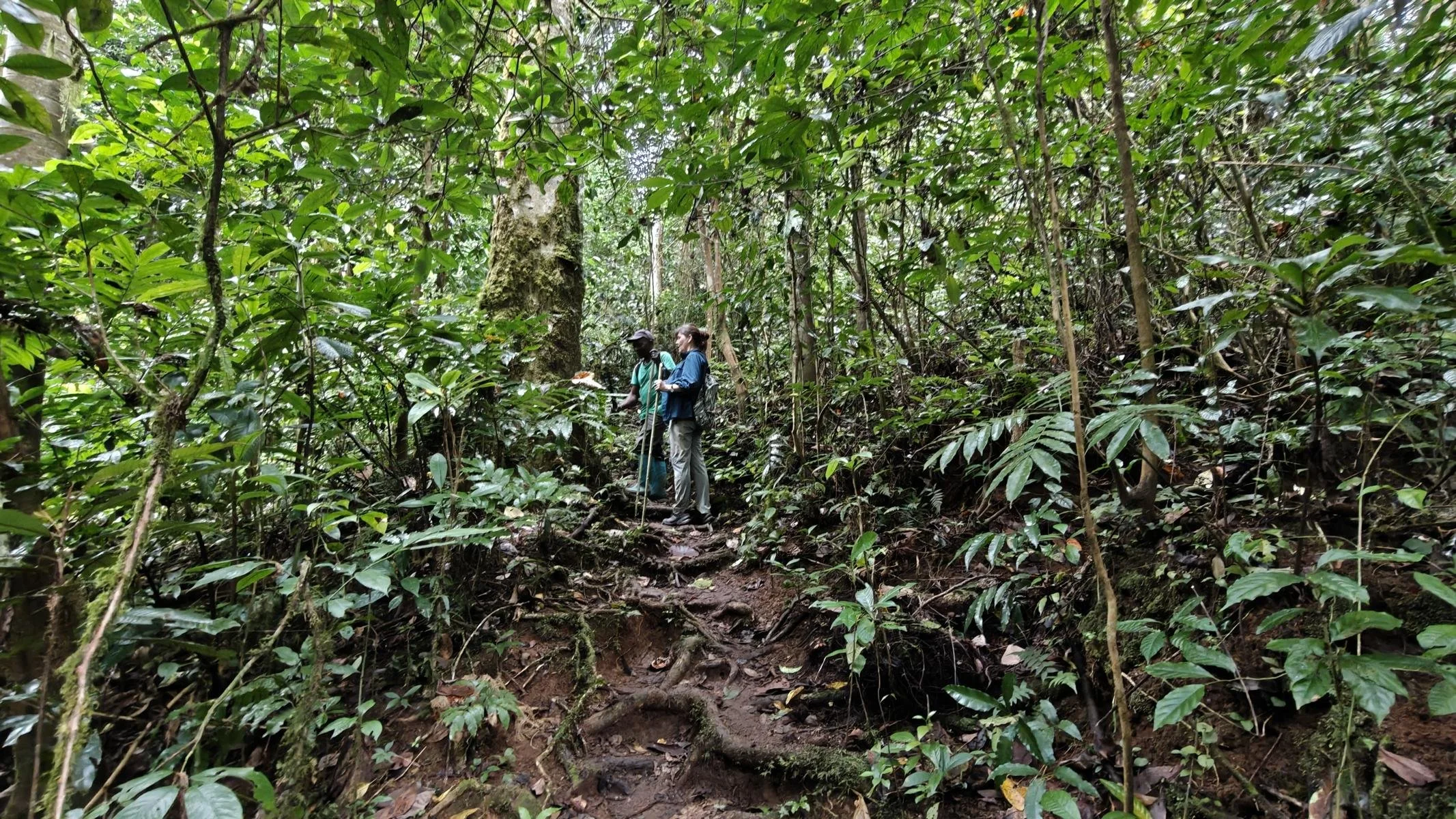
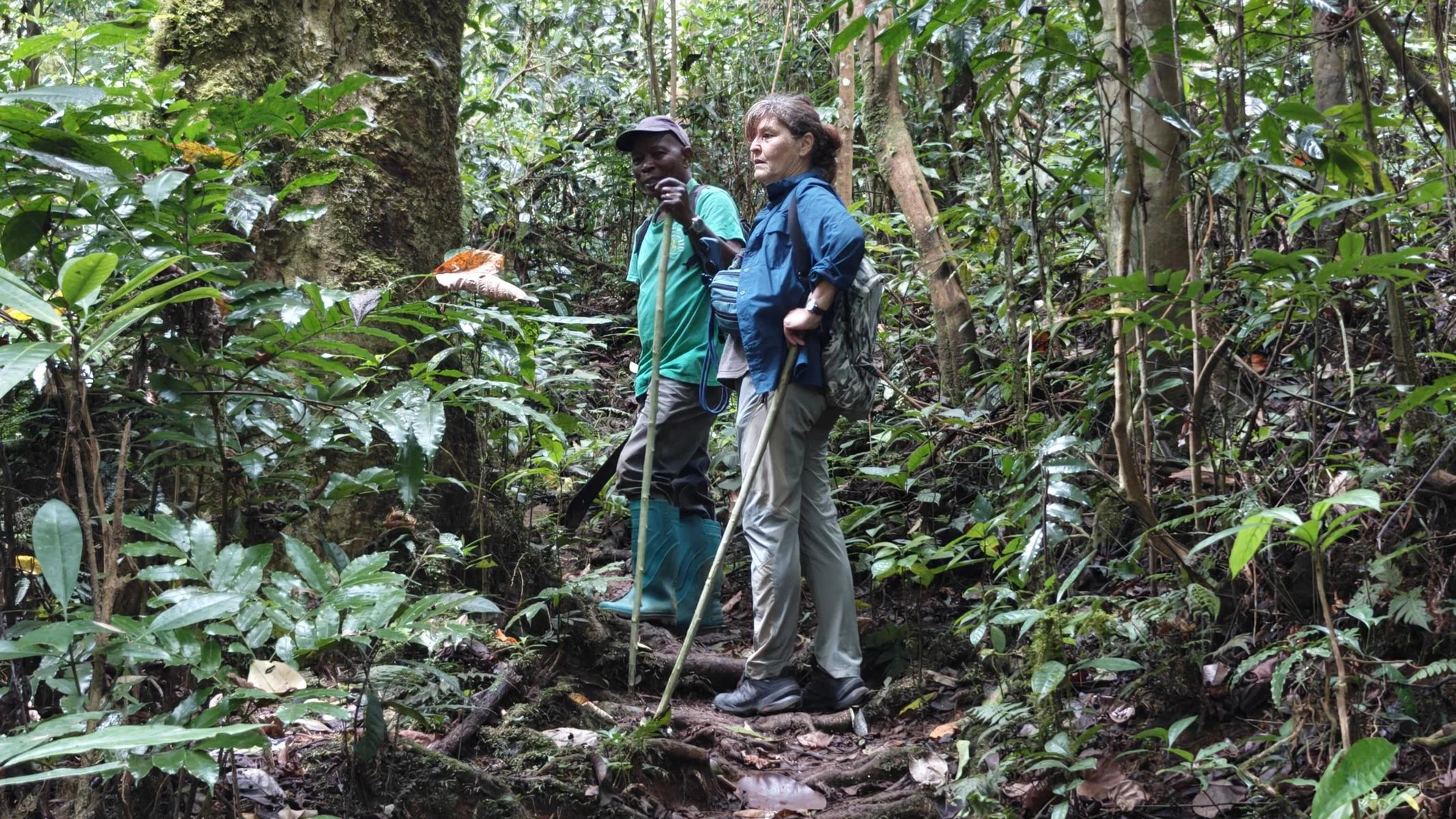
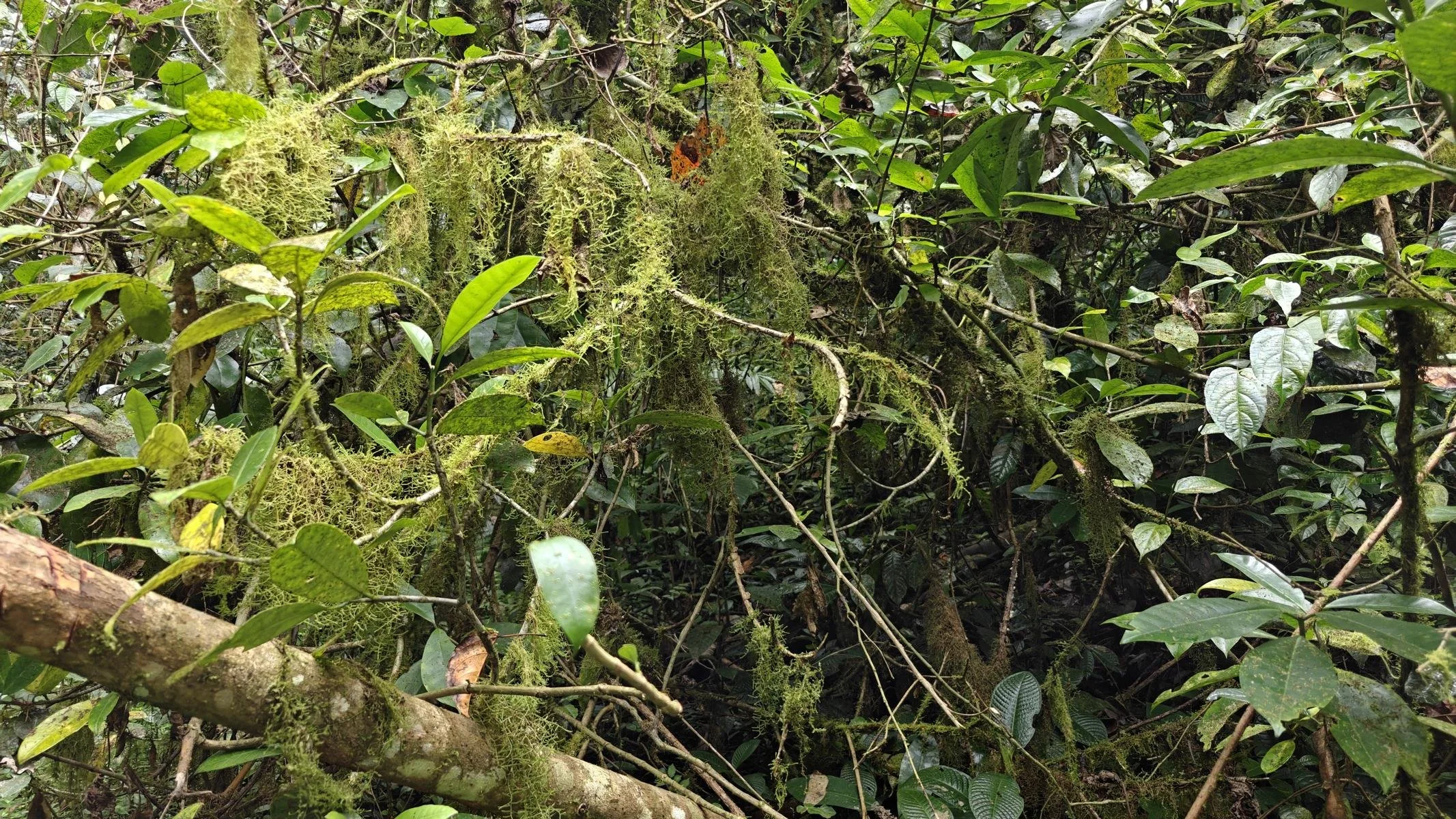
If you drive even further up, you’ll first pass the summer home of the former Portuguese dictator Oliveira Salazar before reaching a botanical garden. Behind the garden, a trail begins that leads up into the rainforest (National Park) and on to the island’s highest mountain, Pico de São Tomé (2,024 m). However, also here the rainforest is threatened by illegal deforestation. The photos of the fields show just how fertile the soil is. Nevertheless, São Tomé and Príncipe must import more than half of its food. The reasons for this include monoculture (cocoa is grown on 60% of the land), inefficient farming methods, and the fact that, due to historical circumstances (slavery, forced labor), farm work has a low social status.
Wenn man noch weiter hinauf fährt kommt man zunächst am Sommerhaus des ehemaligen portugiesischen Diktators Oliveira Salazar vorbei, bevor man einen botanischen Garten erreicht. Hinter dem Garten beginnt ein Fußweg, der hinauf in den Regenwald (Nationalpark) und bis zum höchsten Berg der Insel führt, dem Pico de São Tomé führt (2.024 m). Der Regenwald wird aber auch hier durch illegale Rodungen bedroht. Die Fotos von den Feldern zeigen wie fruchtbar der Boden wäre. Trotzdem muss São Tomé und Príncipe mehr als die Hälft seiner Lebensmittel einführen. Die Gründe dafür sind Monokultur (auf 60 % des Bodens wird Kakao angebaut), ineffiziente Anbaumethoden aber auch der Umstand, dass historisch bedingt (Sklaverei, Zwangsarbeit) Feldarbeit einen niederen Status hat.
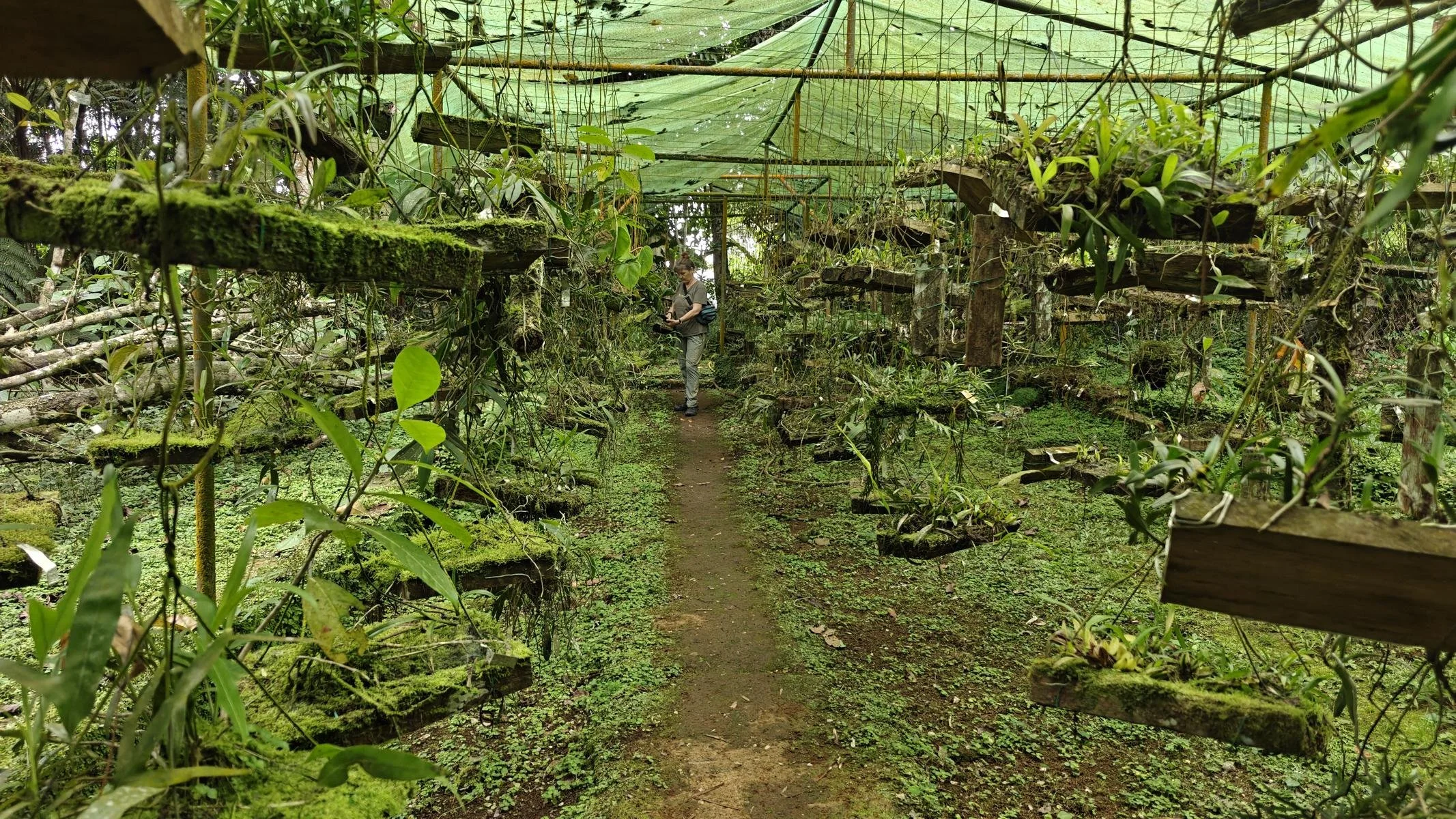
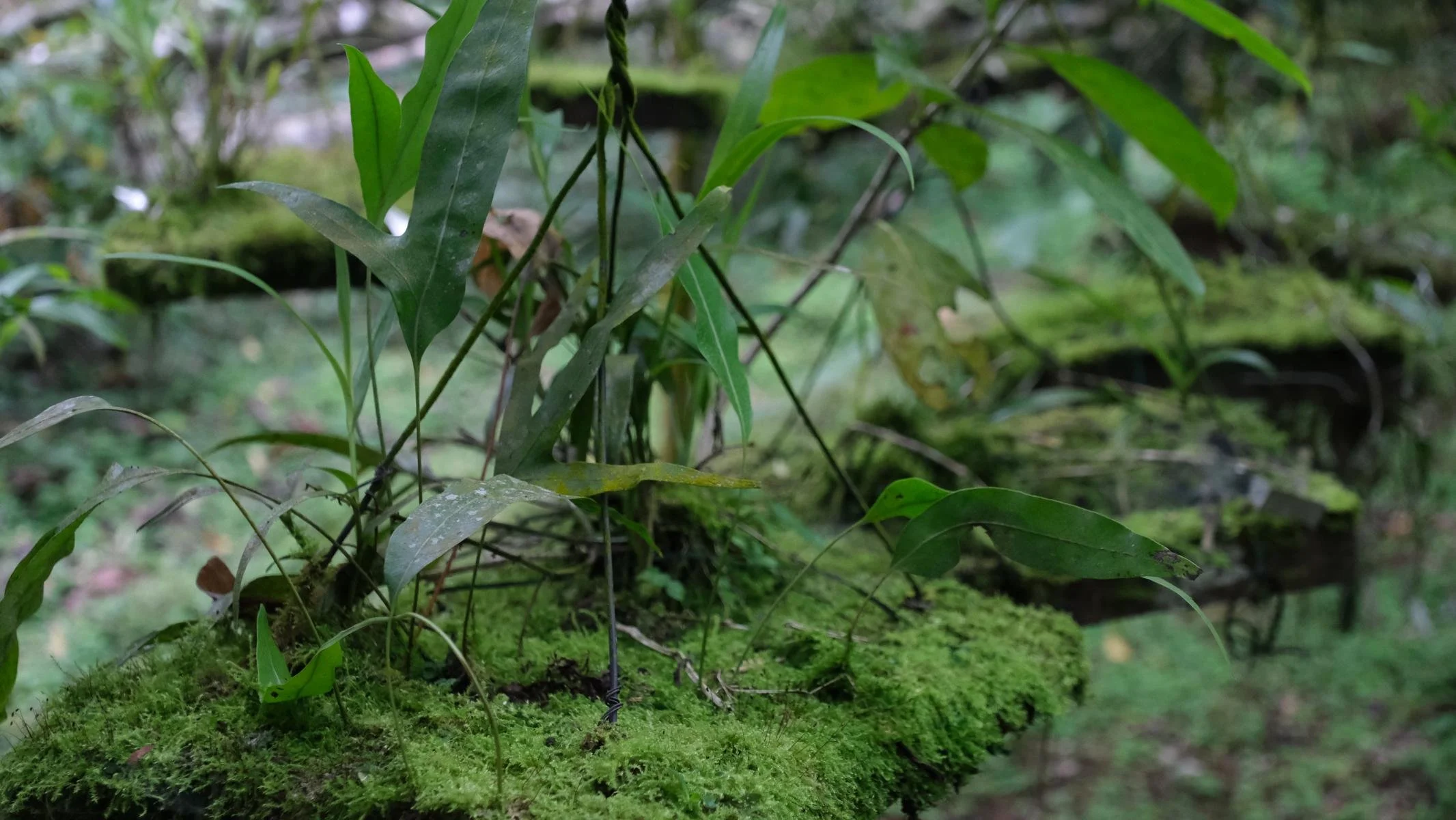
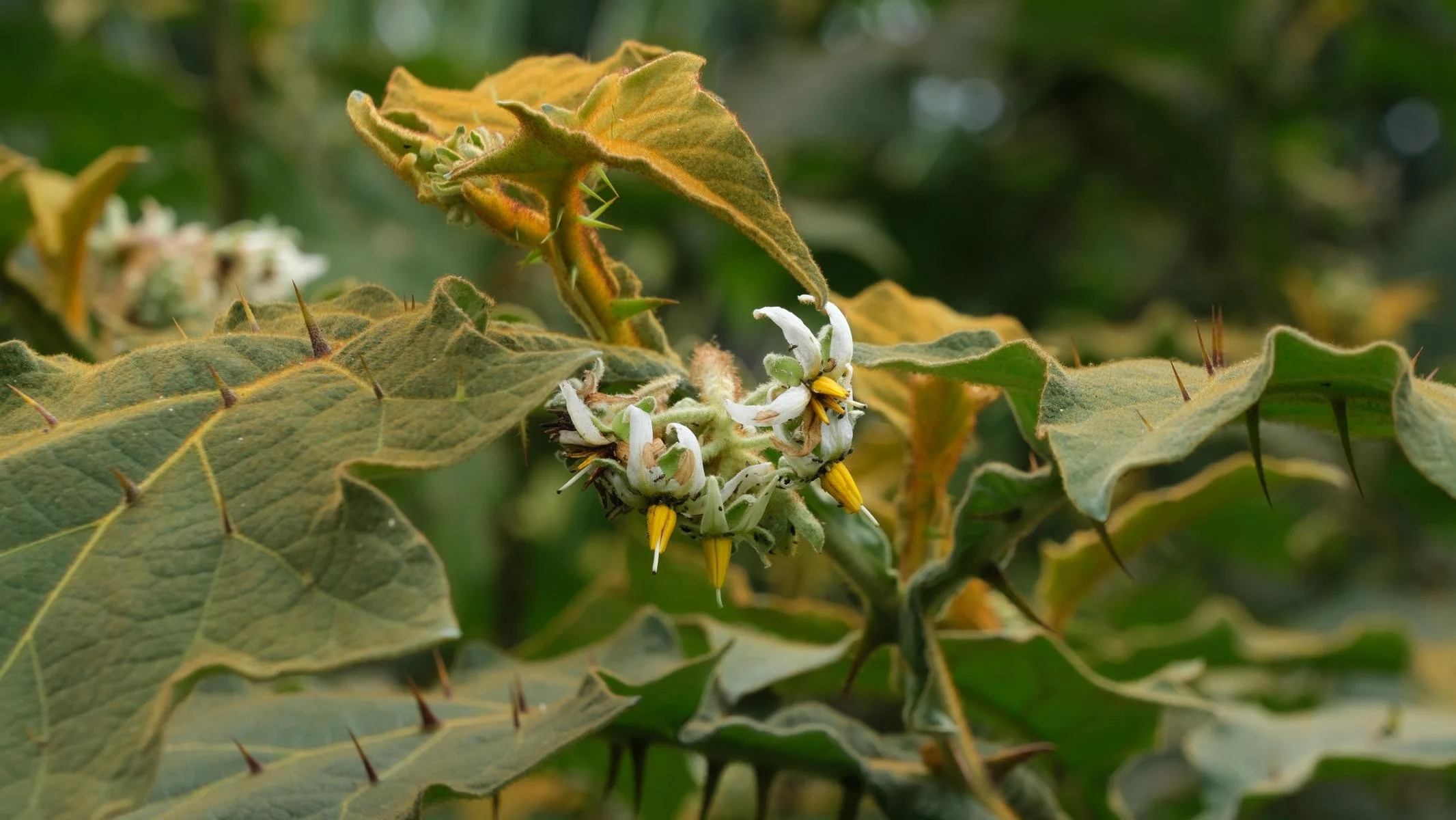
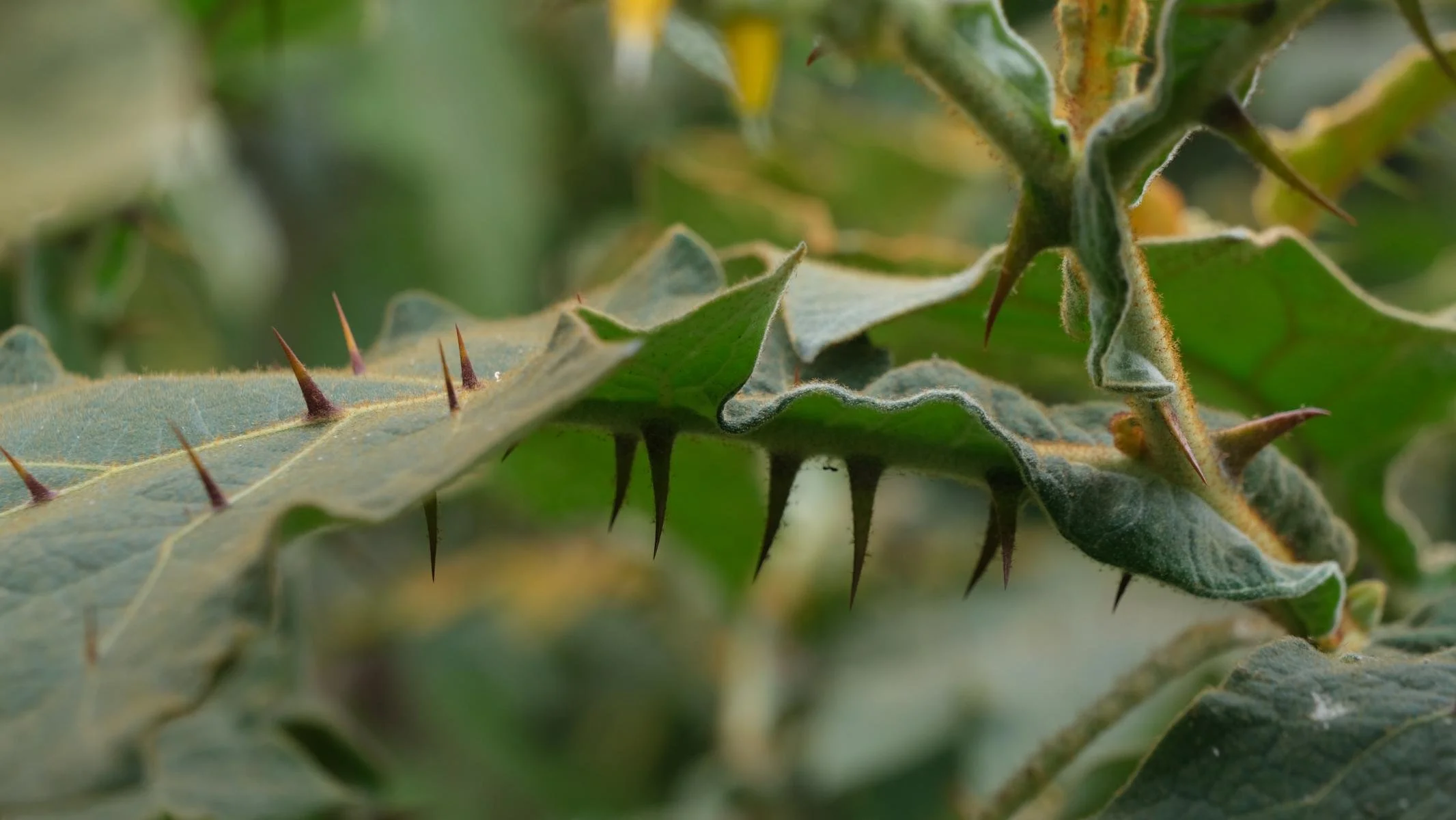
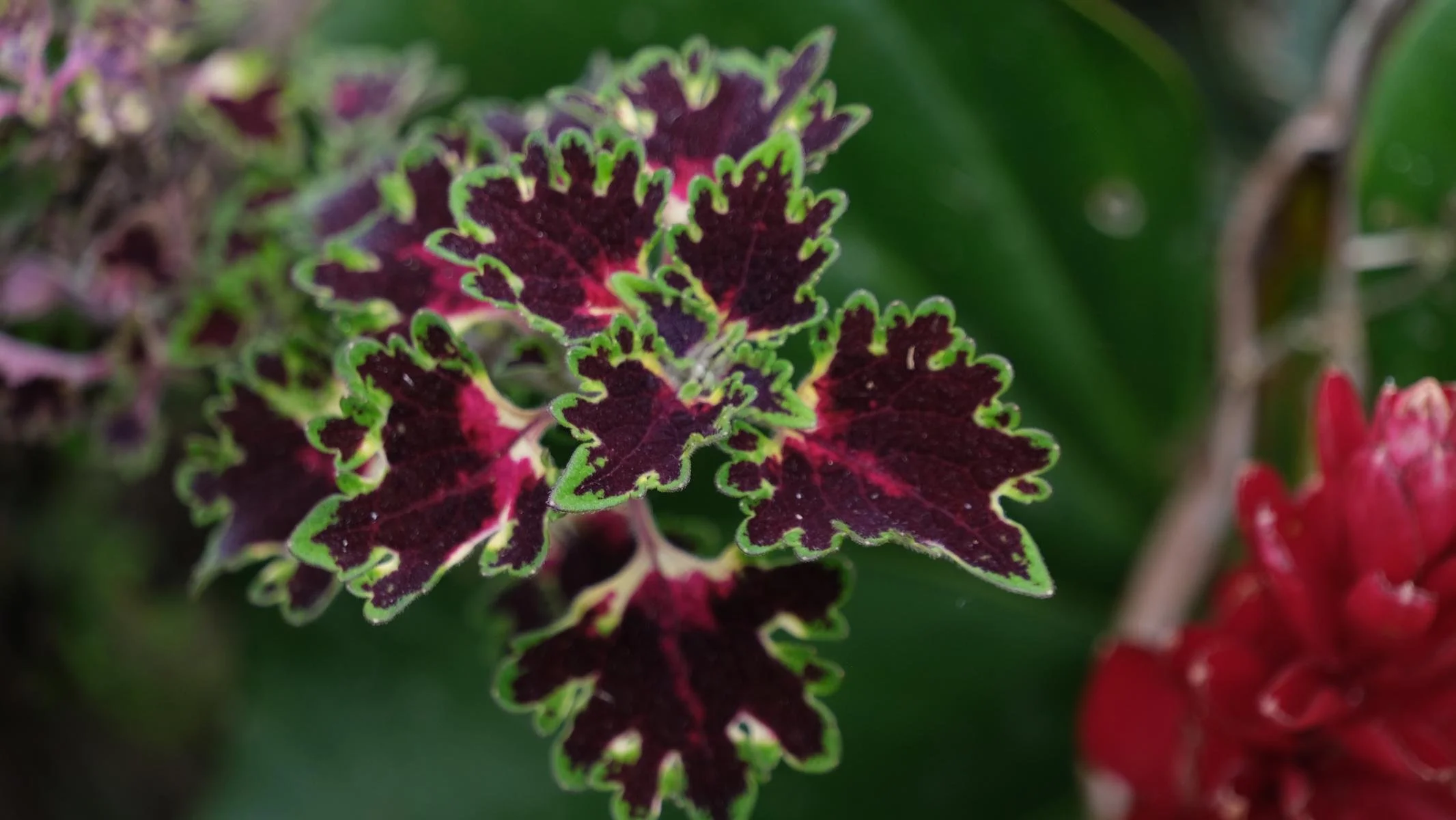
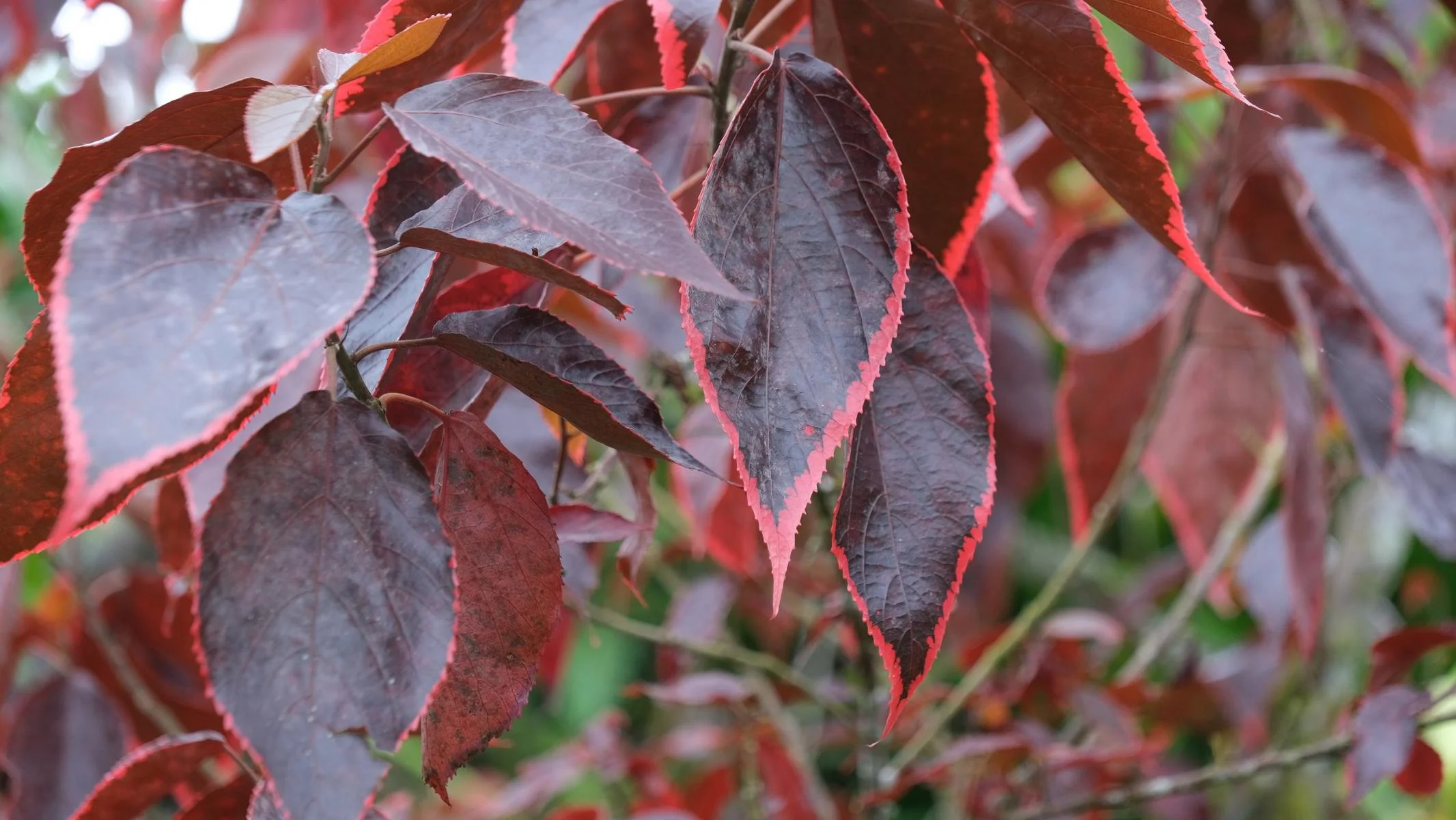
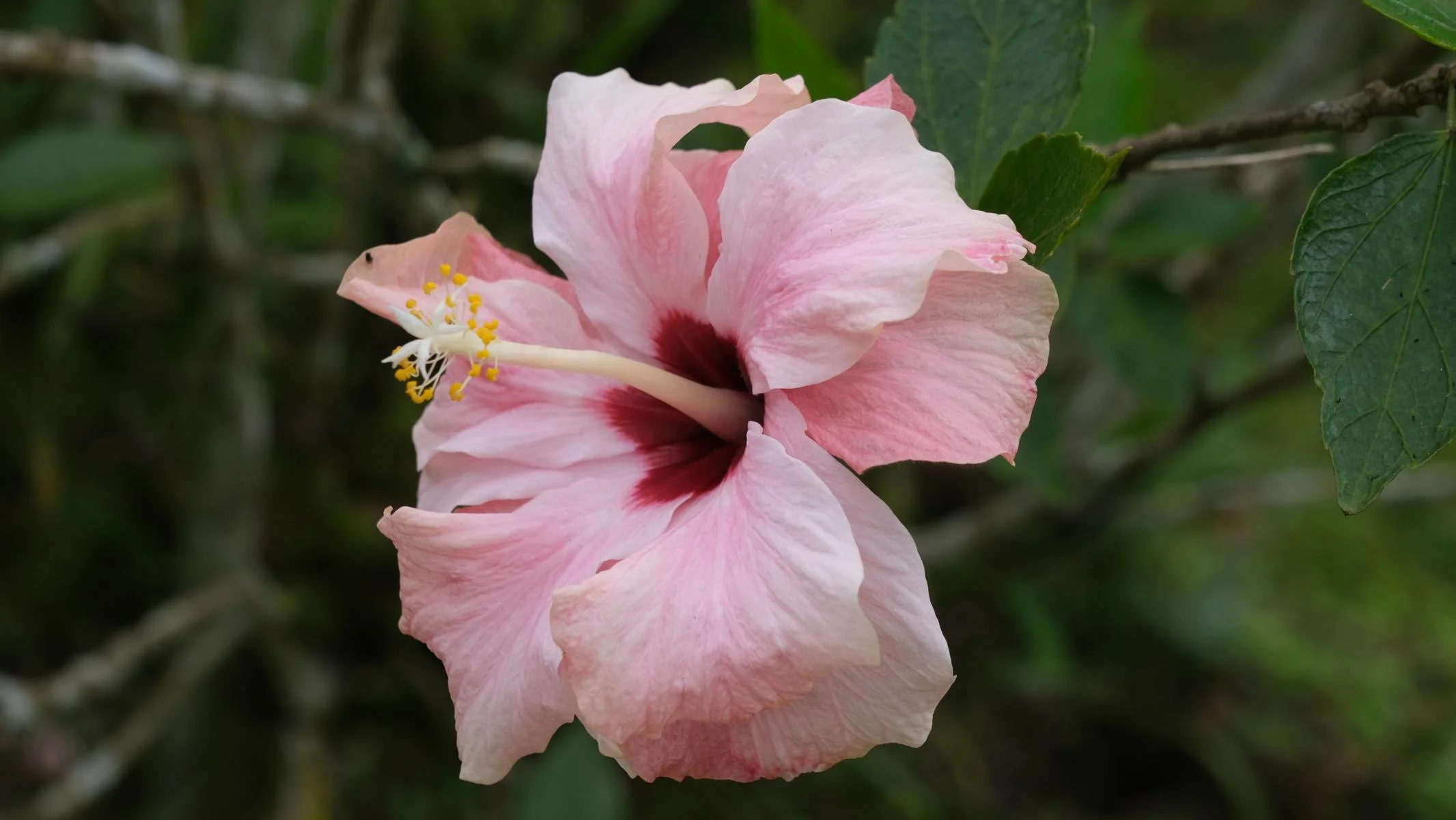
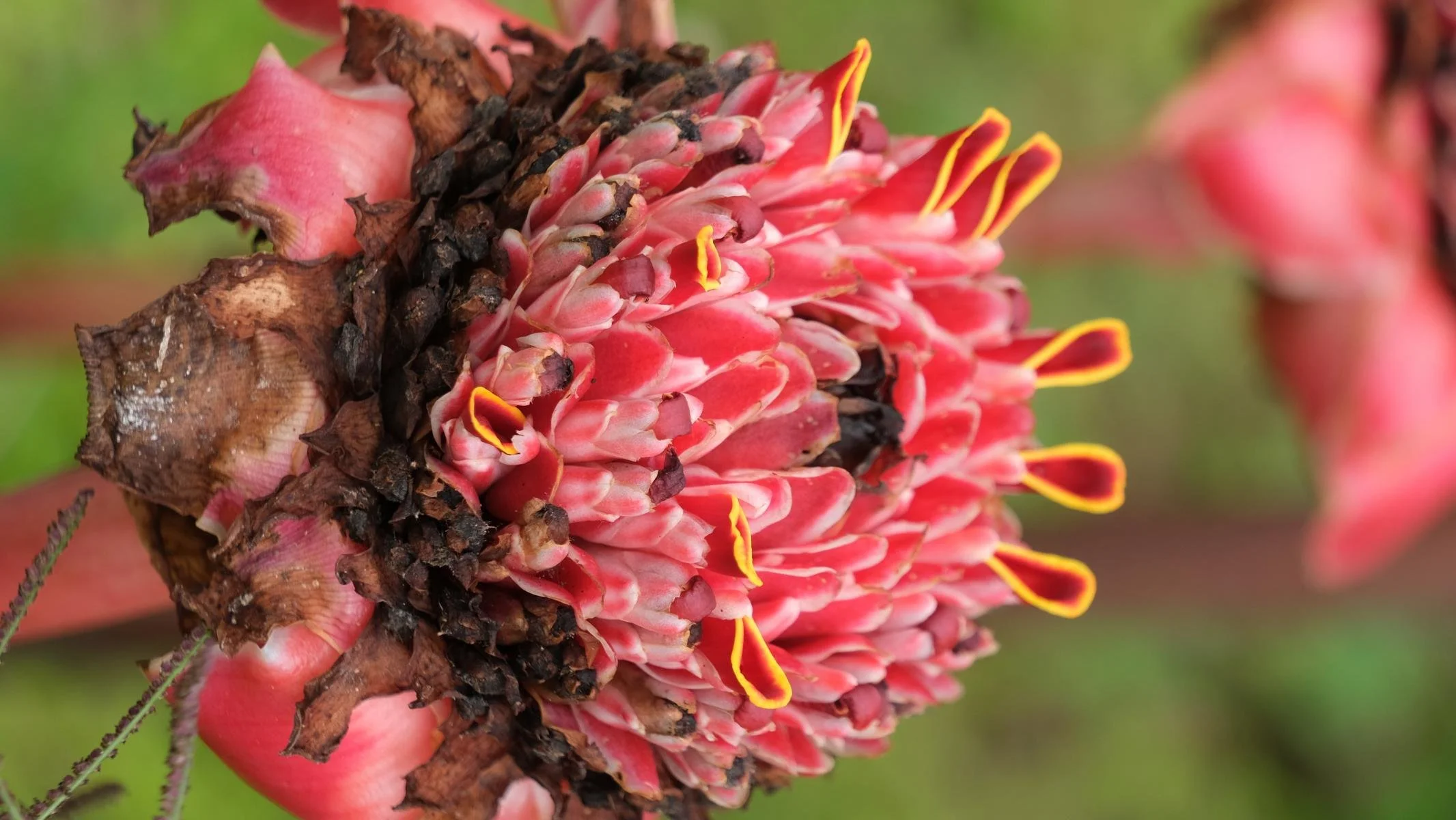
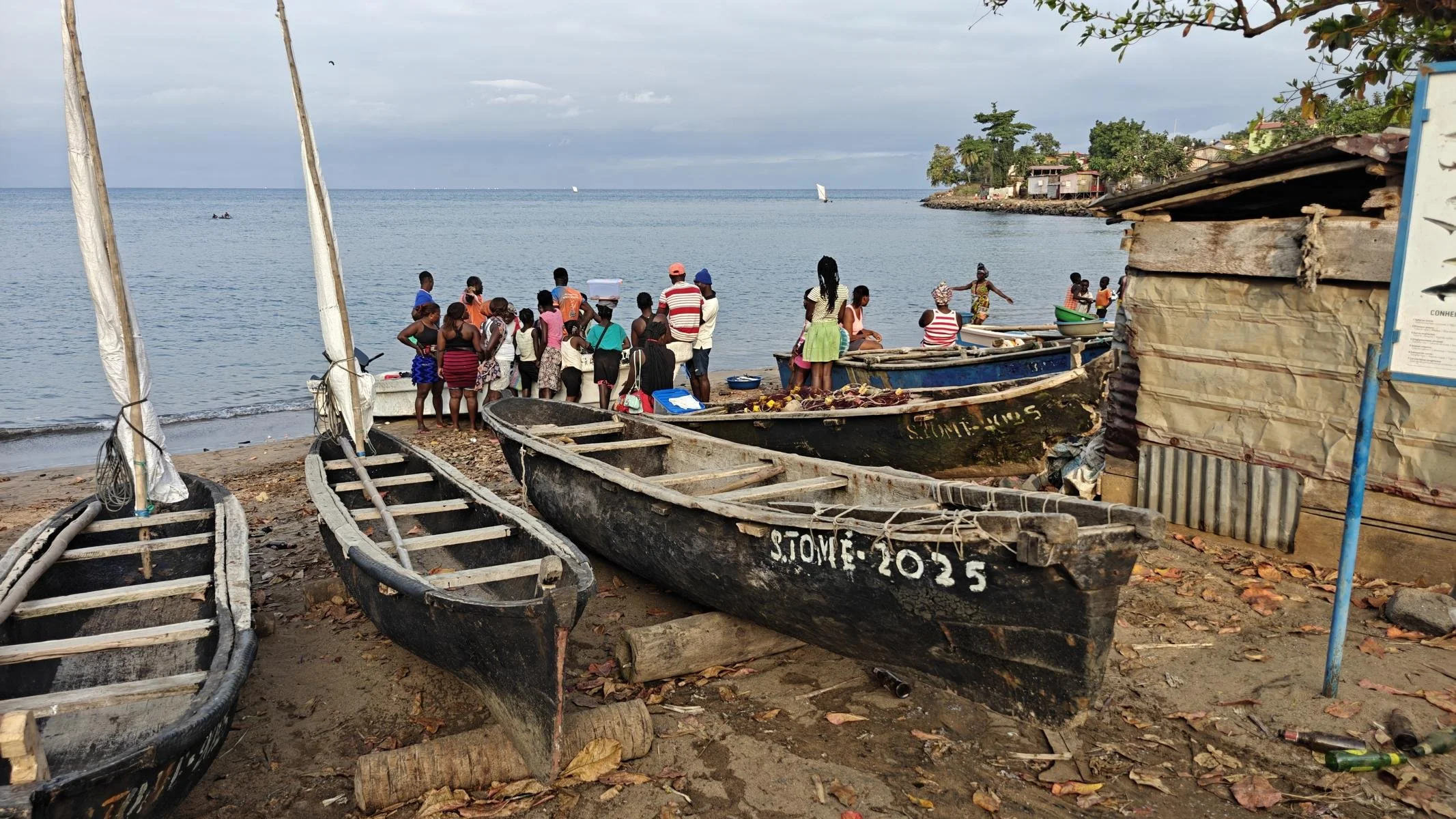
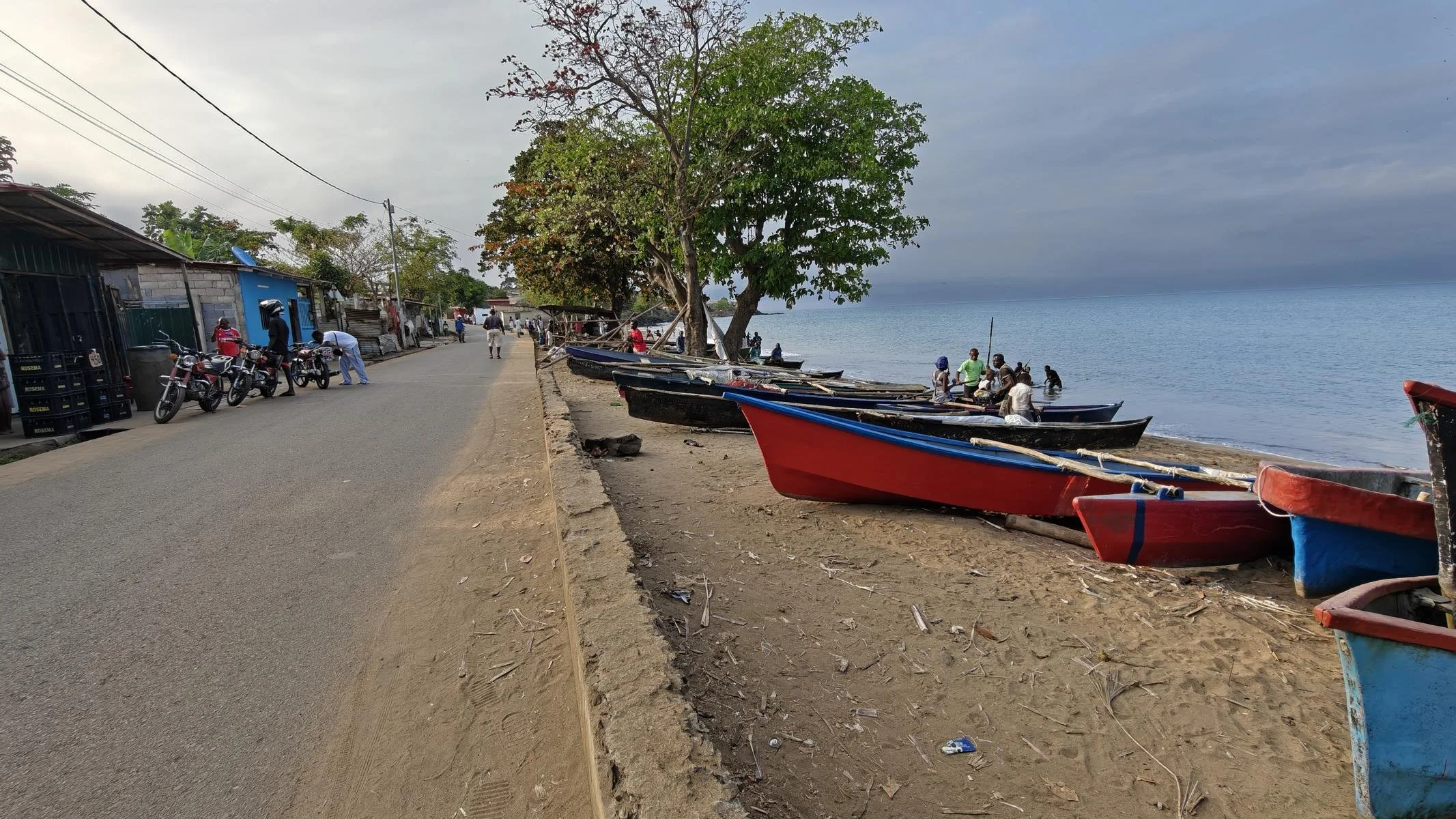
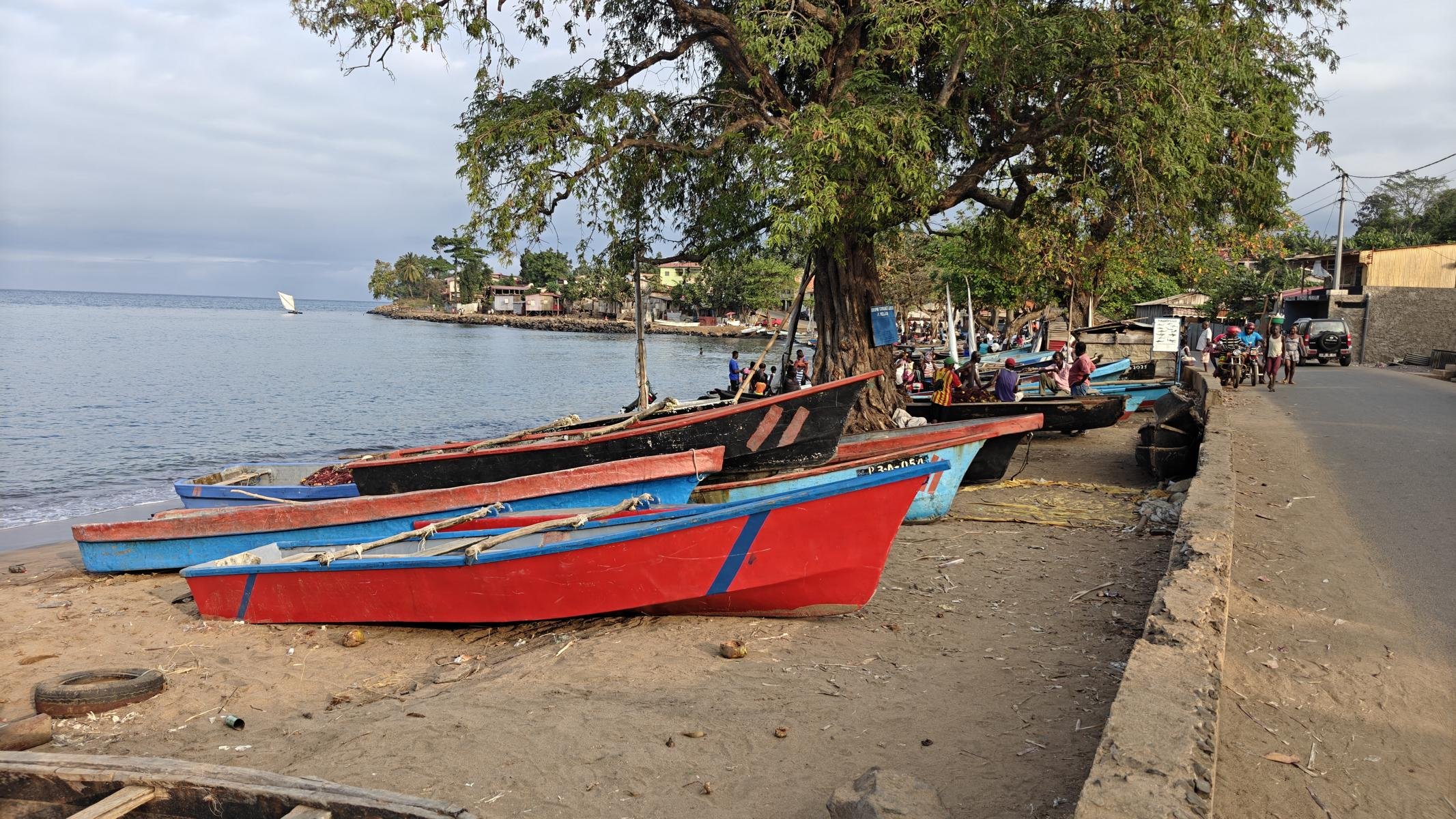
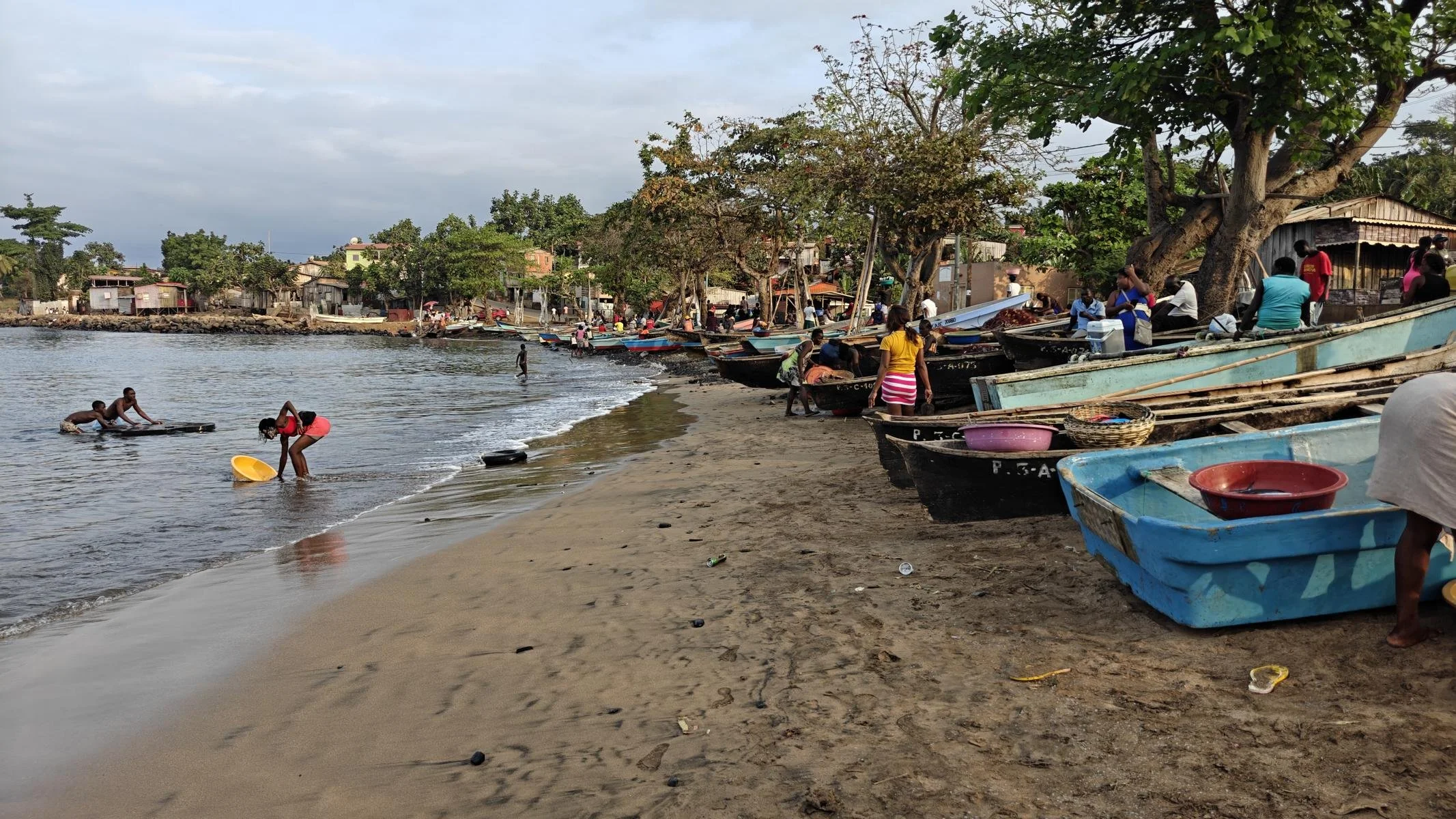
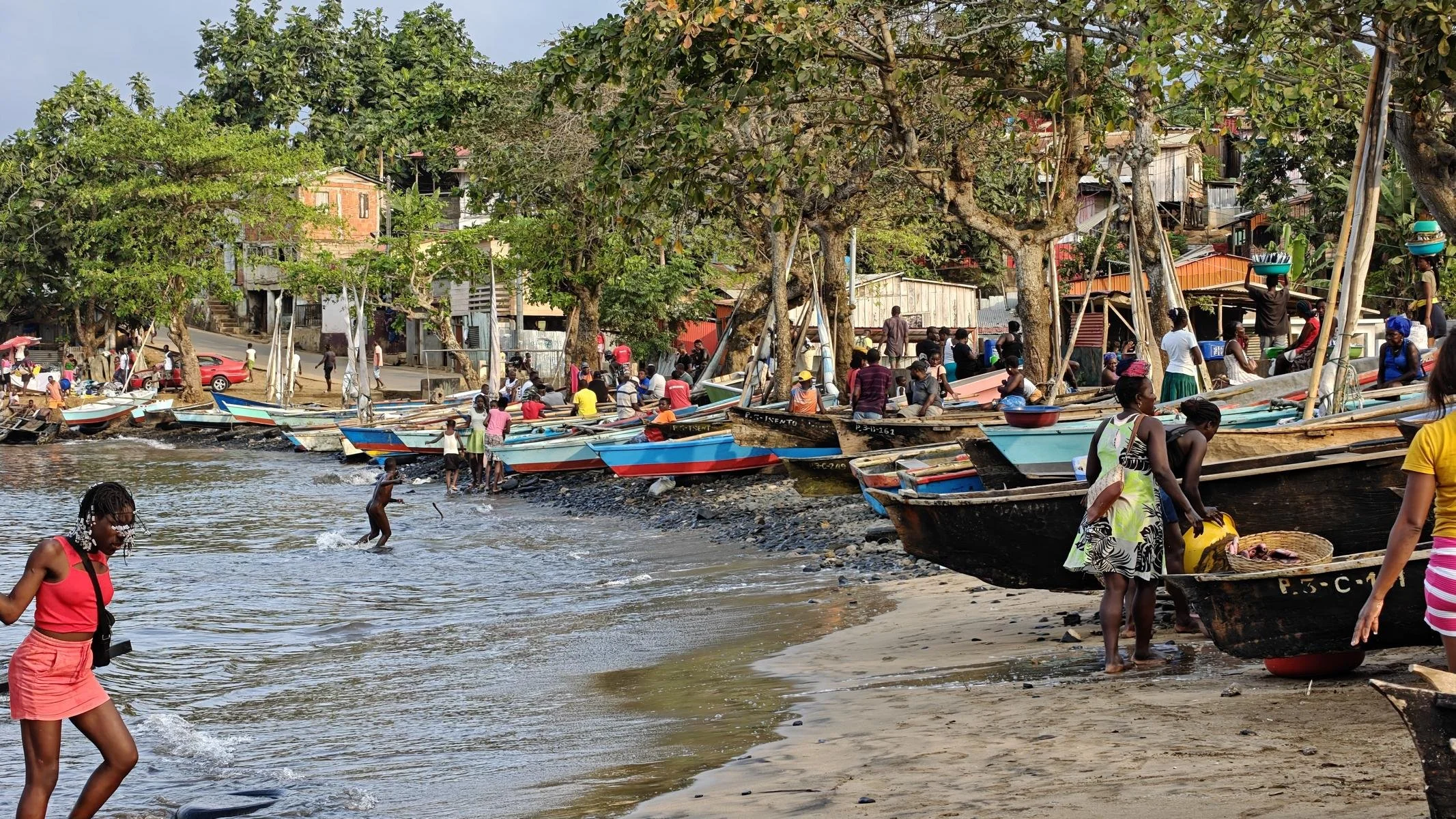
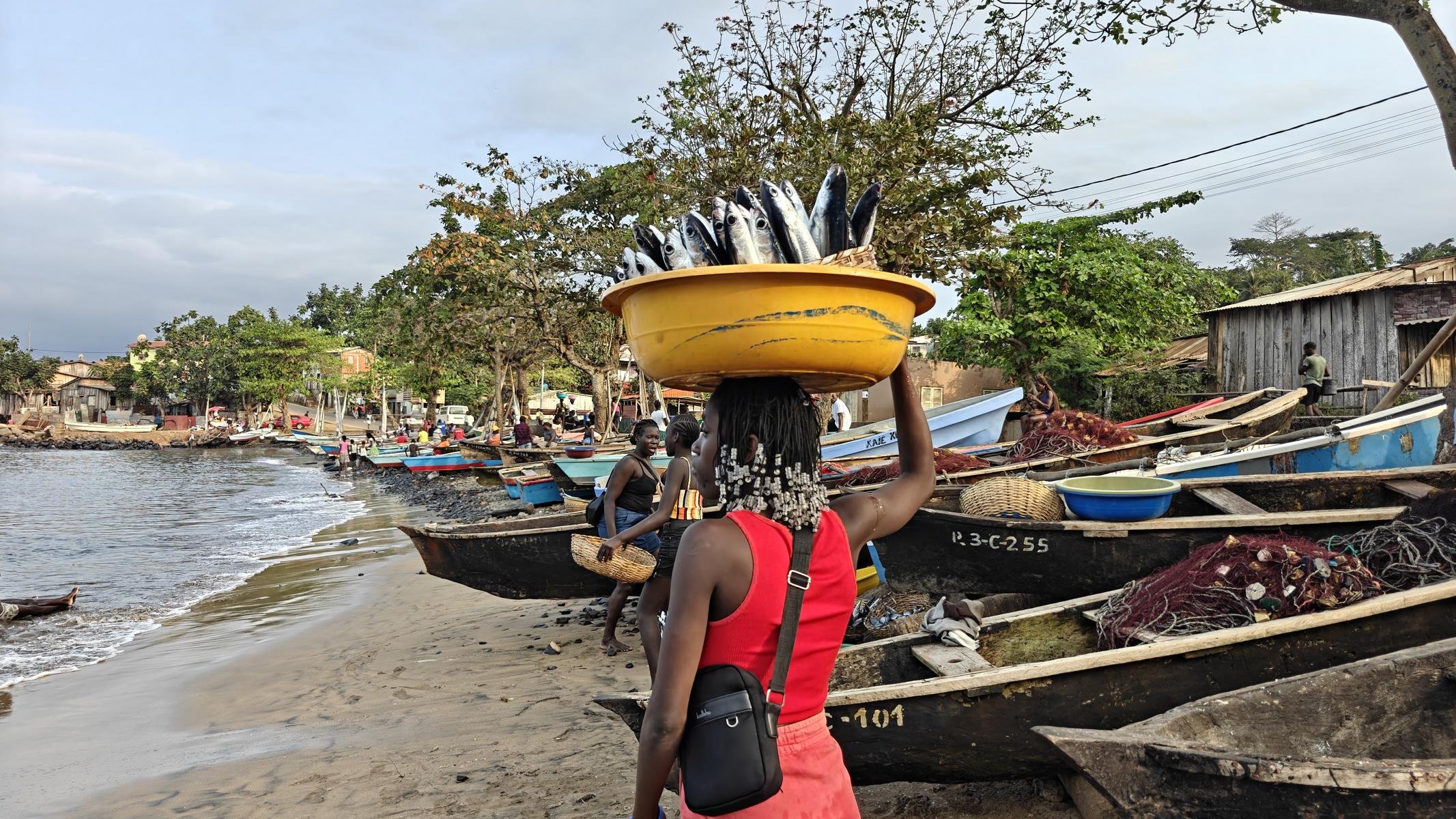
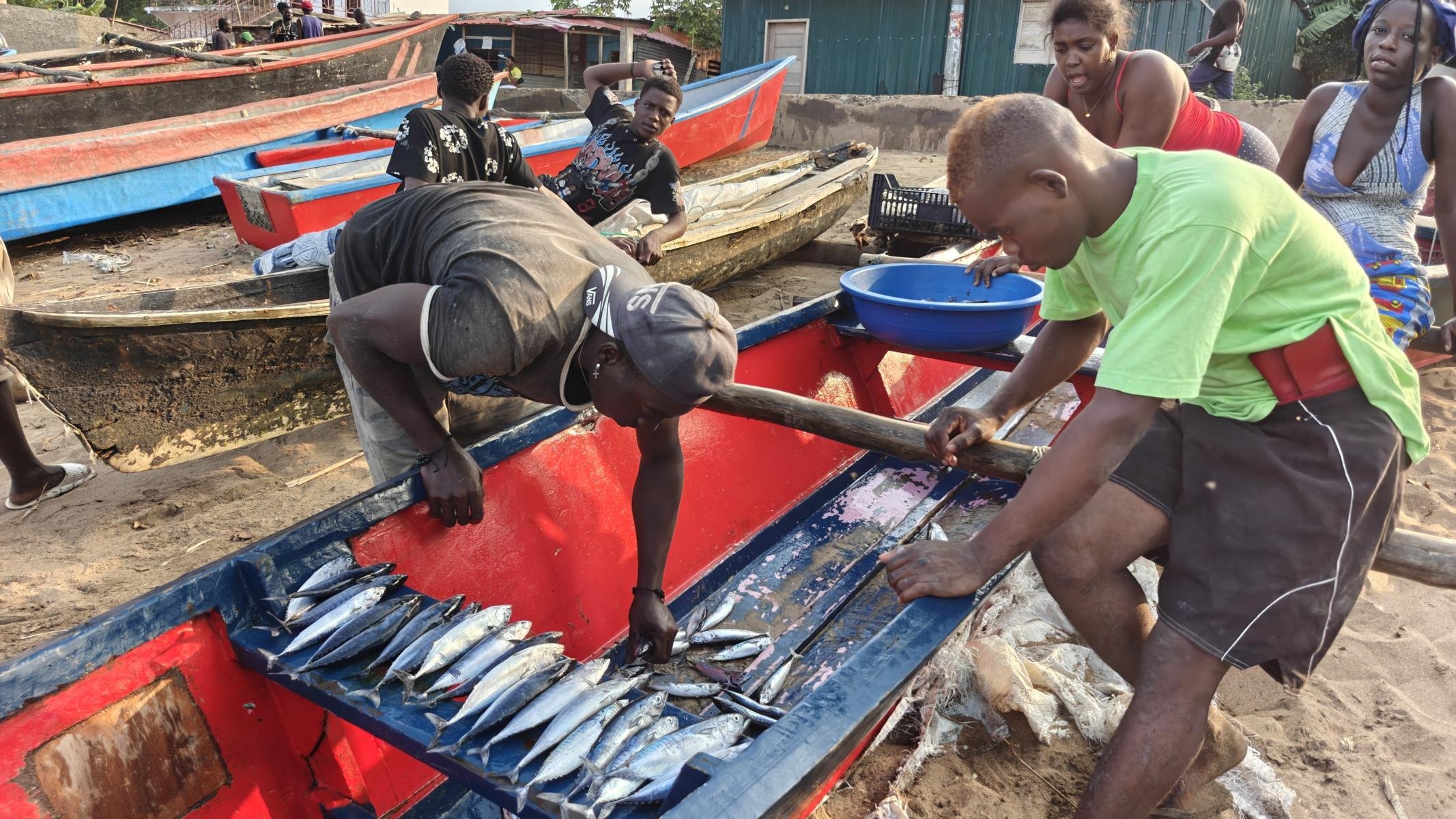
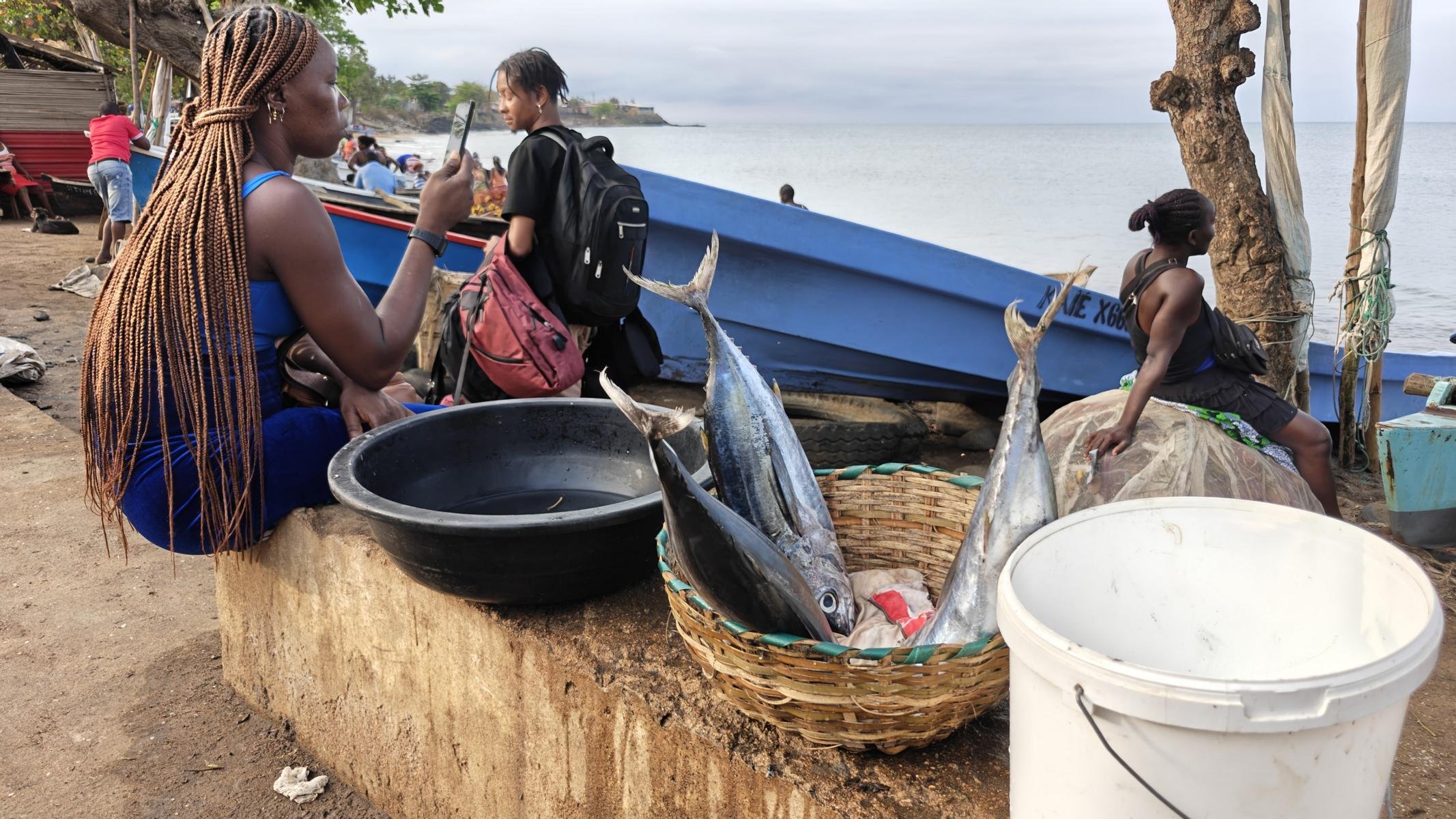
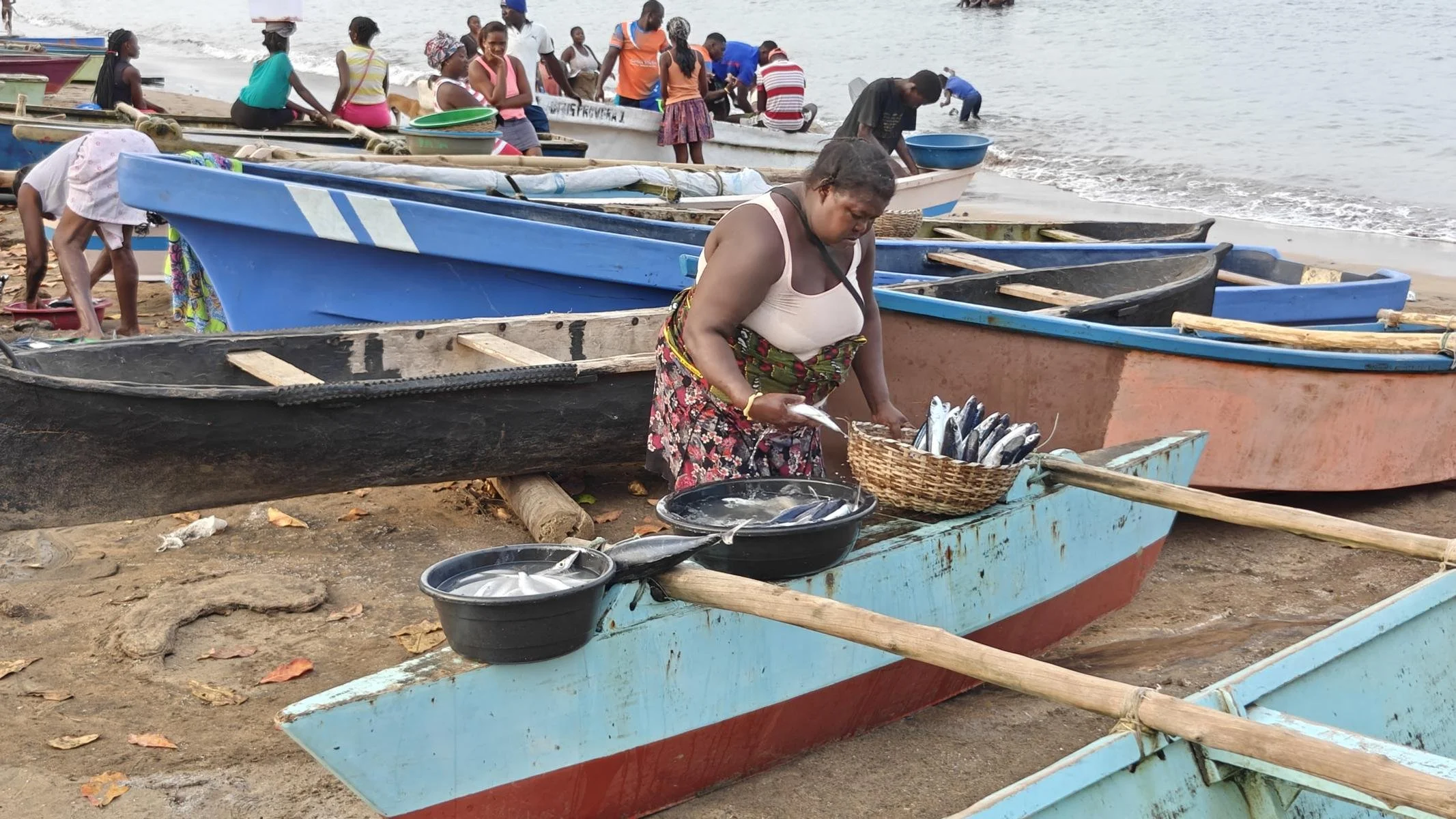
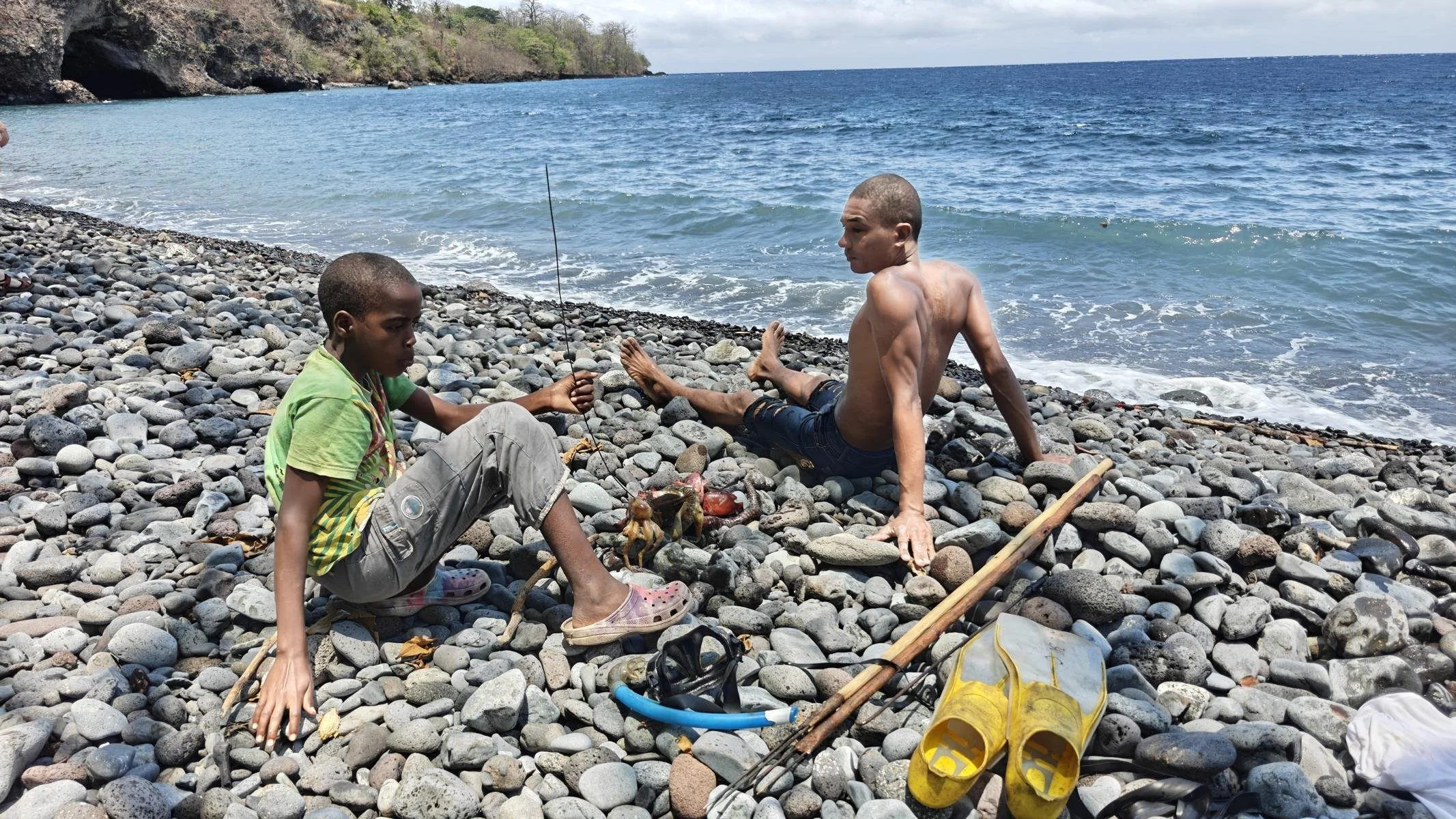
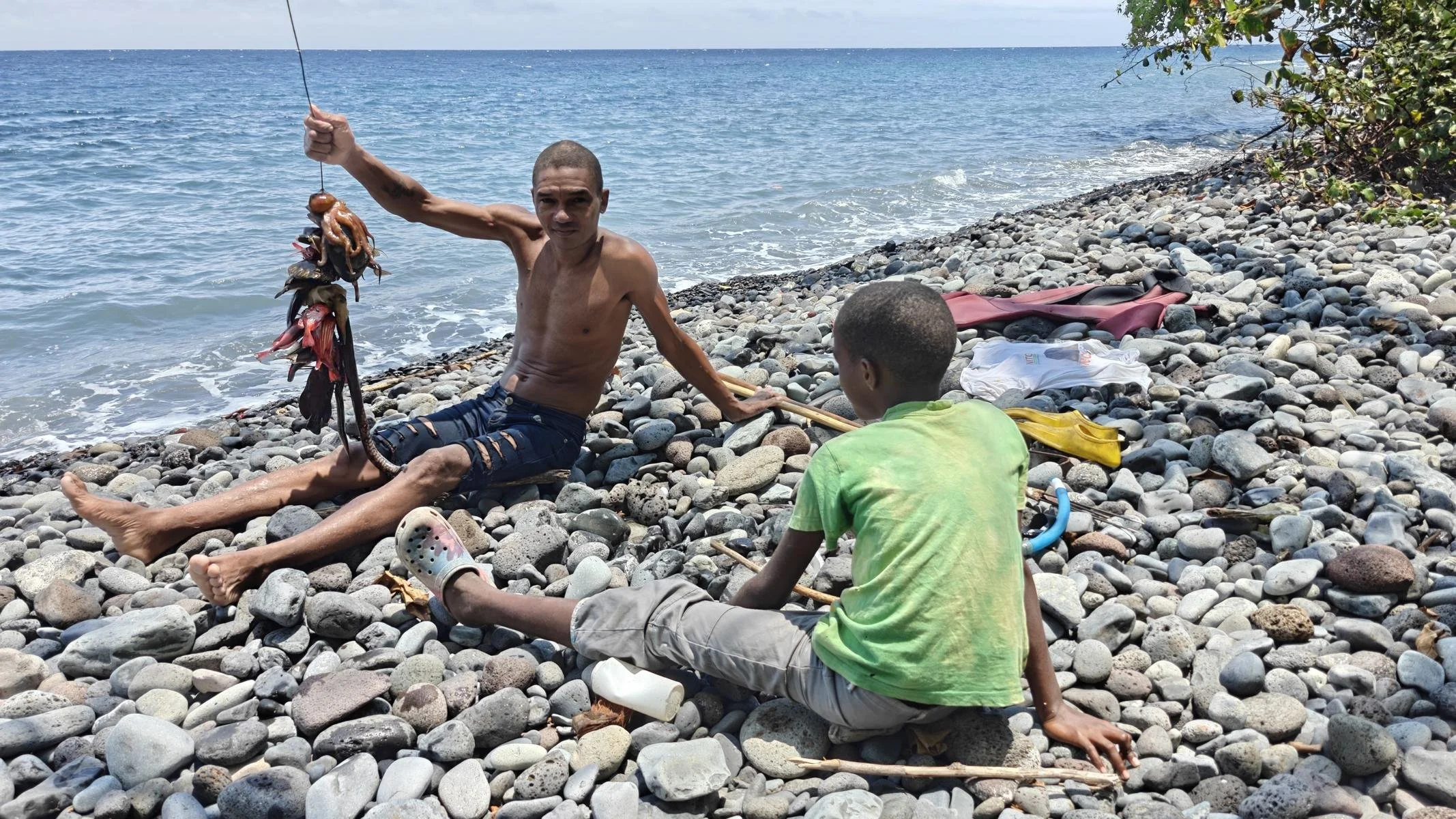
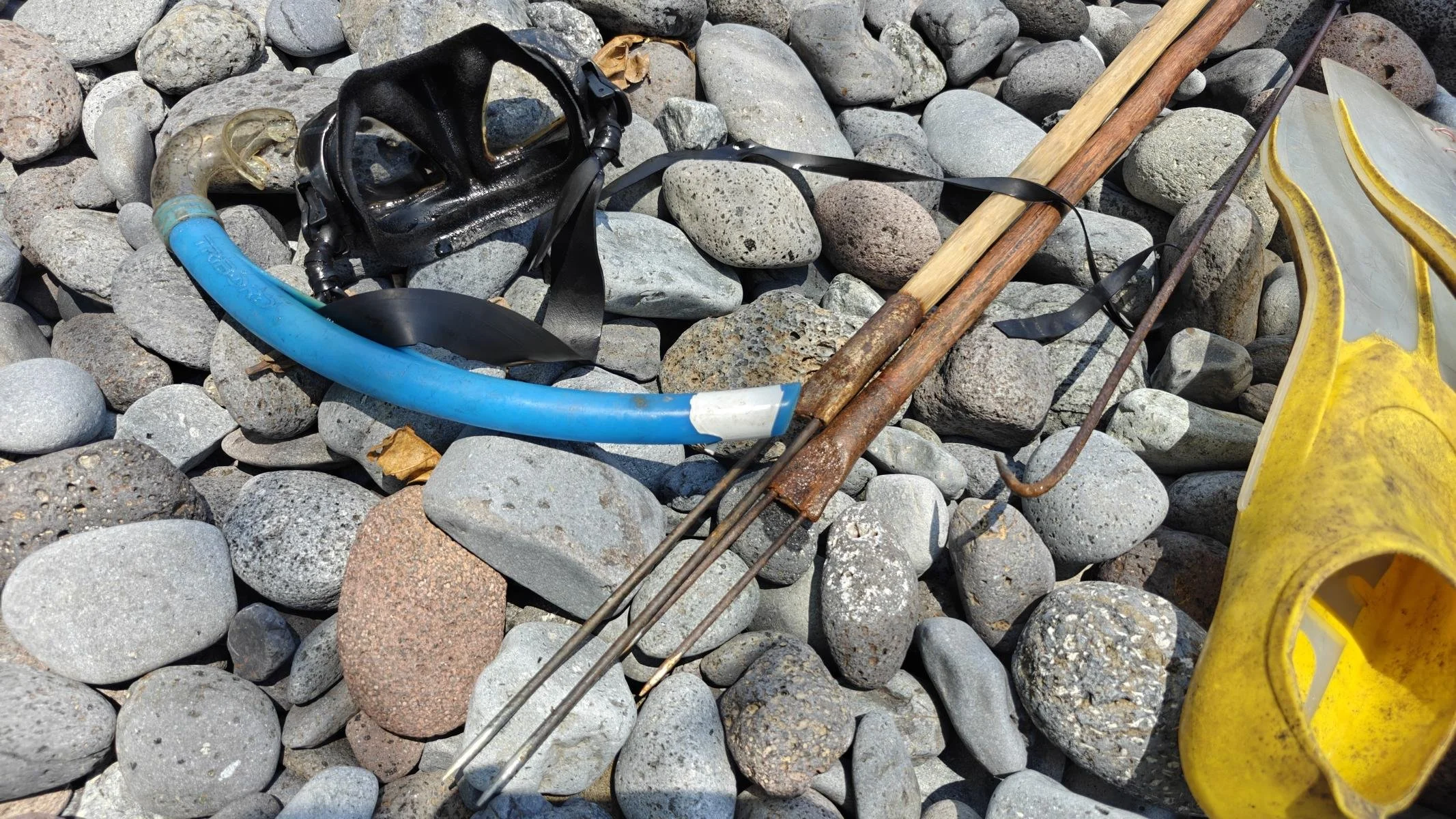
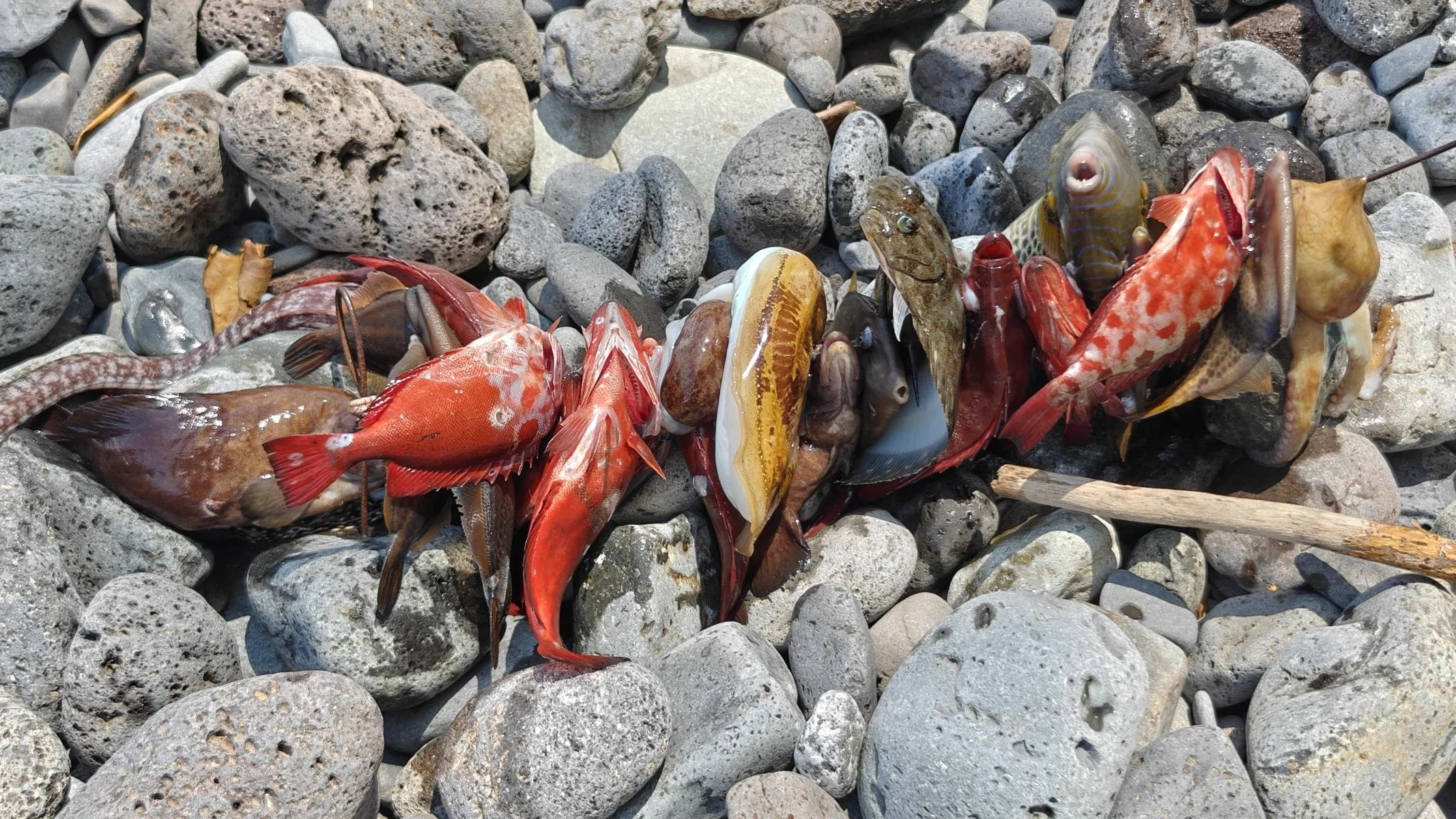
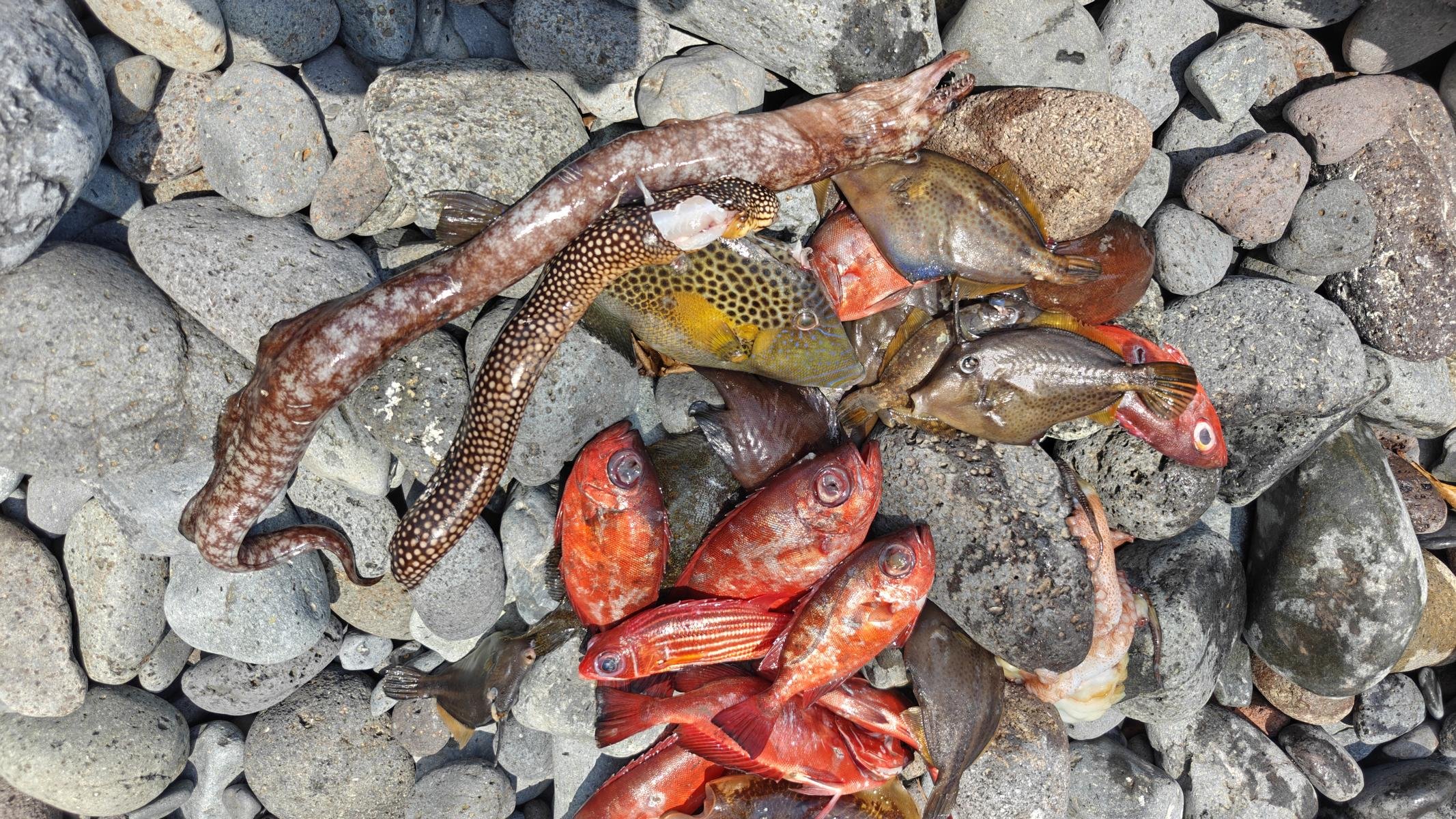
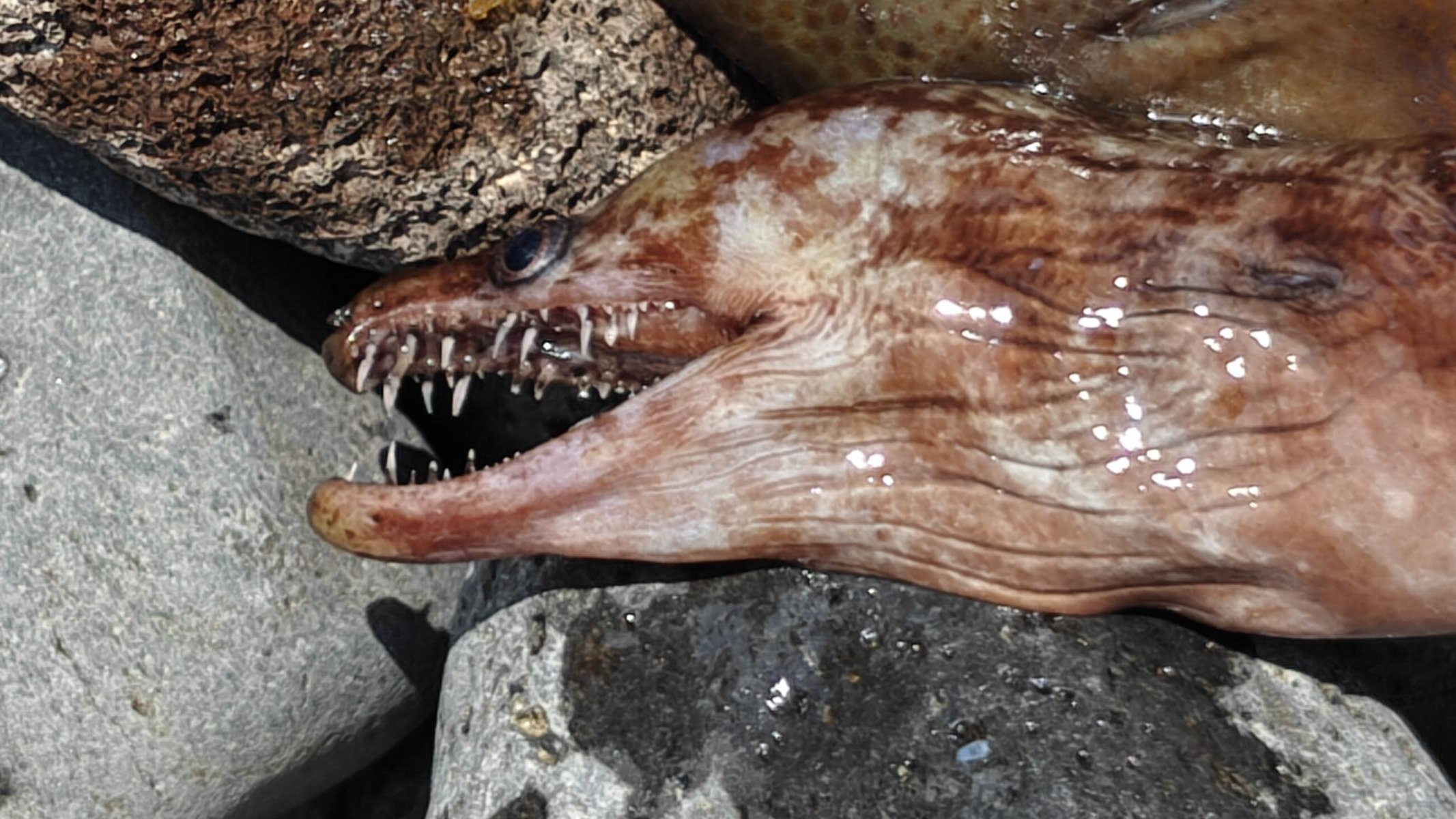
There are countless fishing villages along the coast where people fish from boats or with simple harpoons. Local fishermen, however, operate only in the immediate coastal area. Further out to sea, the EU has secured fishing rights for migratory fish species through a fisheries agreement and is allowed to catch up to 6,500 metric tons annually. In return, São Tomé and Príncipe receives 825,000 euros annually as compensation. That comes out to 7.9 cents per kilo of fish—not a bad deal (for the EU fishing fleet!).
Entlang der Küste gibt es unzählige Fischerdörfer, wo vom Boot aus oder mit einer einfachen Harpune gefischt wird. Die heimischen Fischer operieren allerdings nur im unmittelbaren Küstenraum. Weiter draußen hat die EU durch ein Fischereiabkommen das Fangrecht für wandernde Fischarten und darf jährlich bis zu 6.500 Tonnen fangen. Als Entschädigung erhält São Tomé und Príncipe dafür jährlich 825.000 Euro. Das macht 7,9 Cent pro Kilo Fisch – kein schlechter Deal (für die EU Fischereiflotte!).
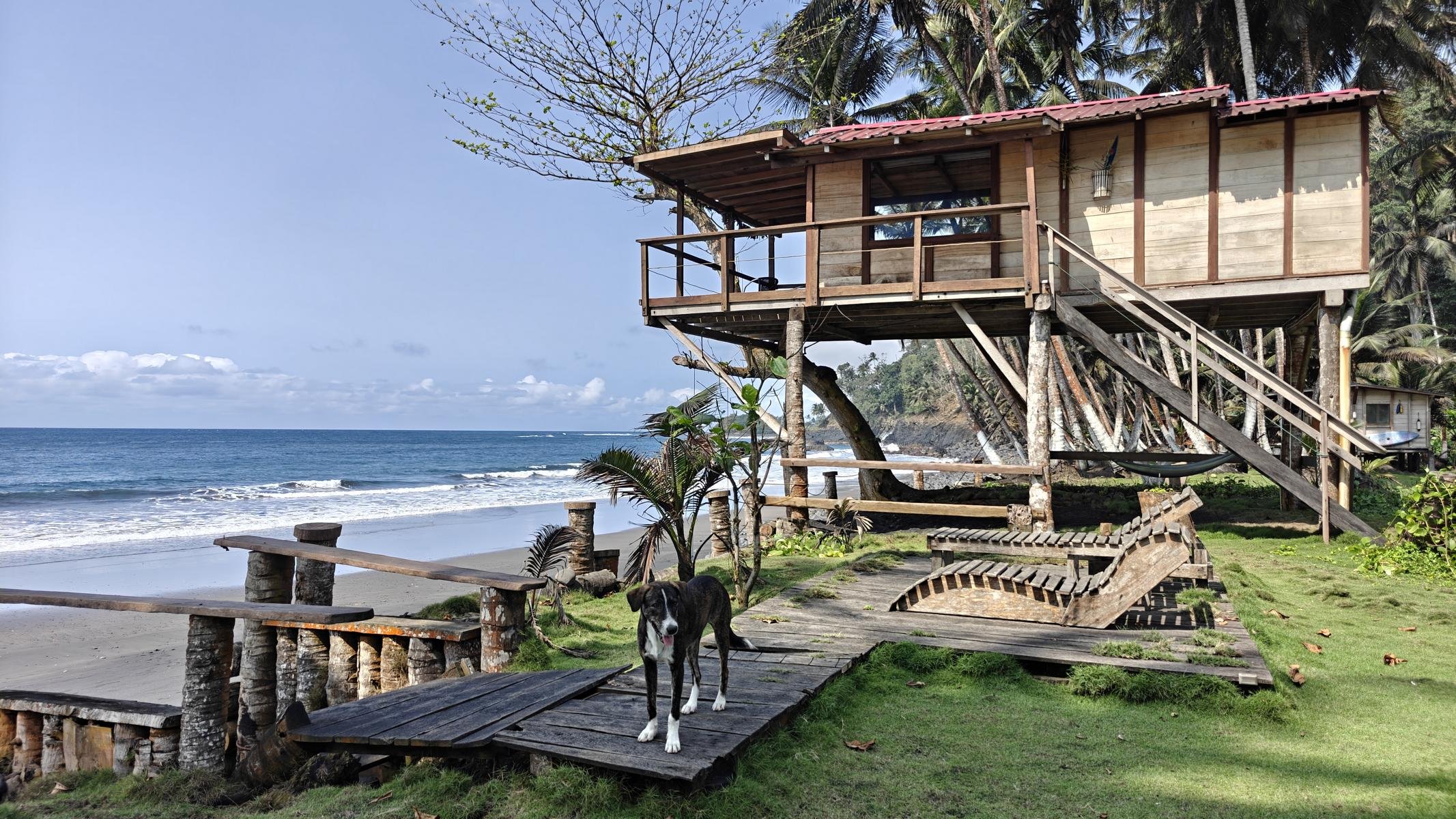
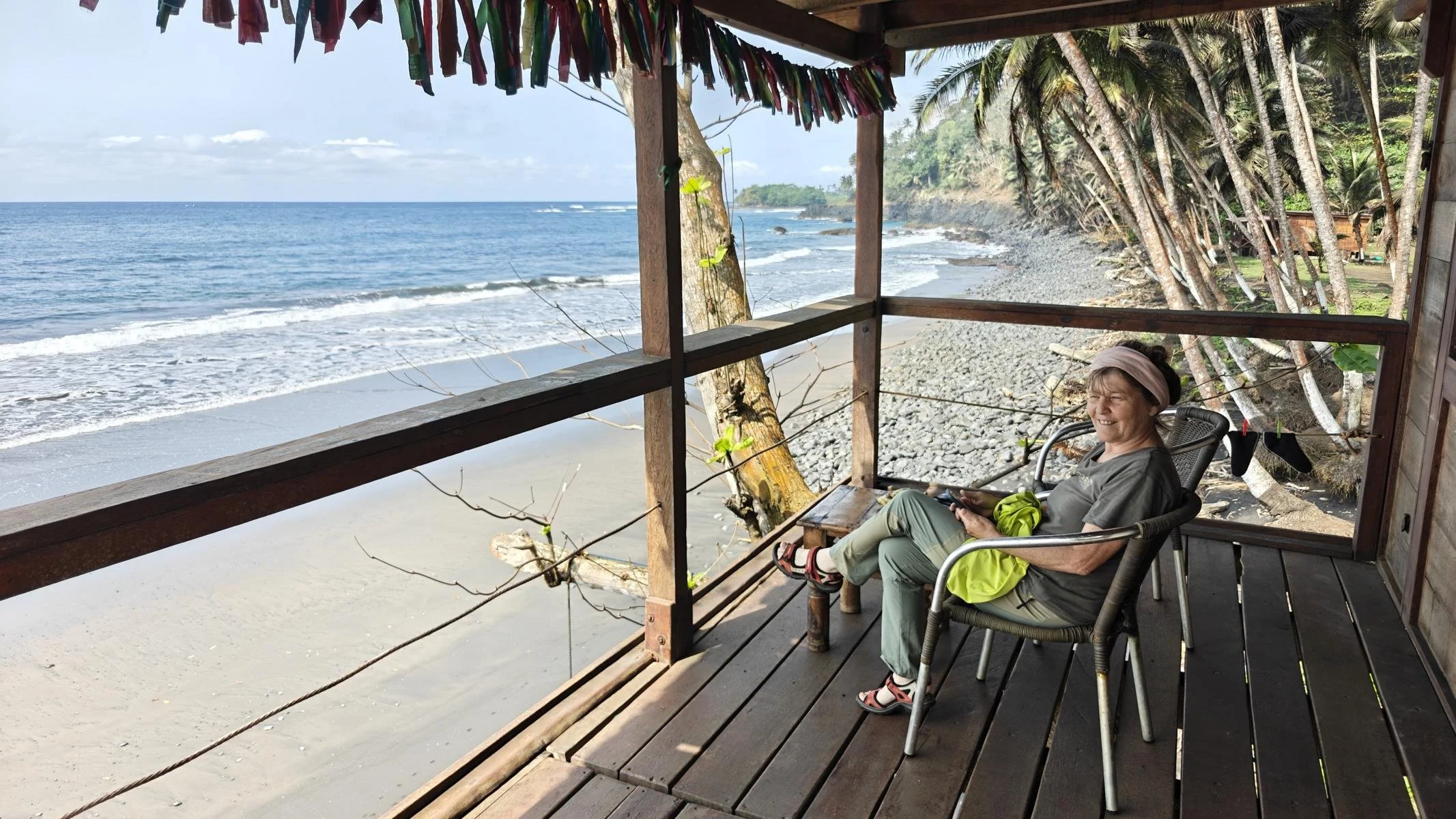
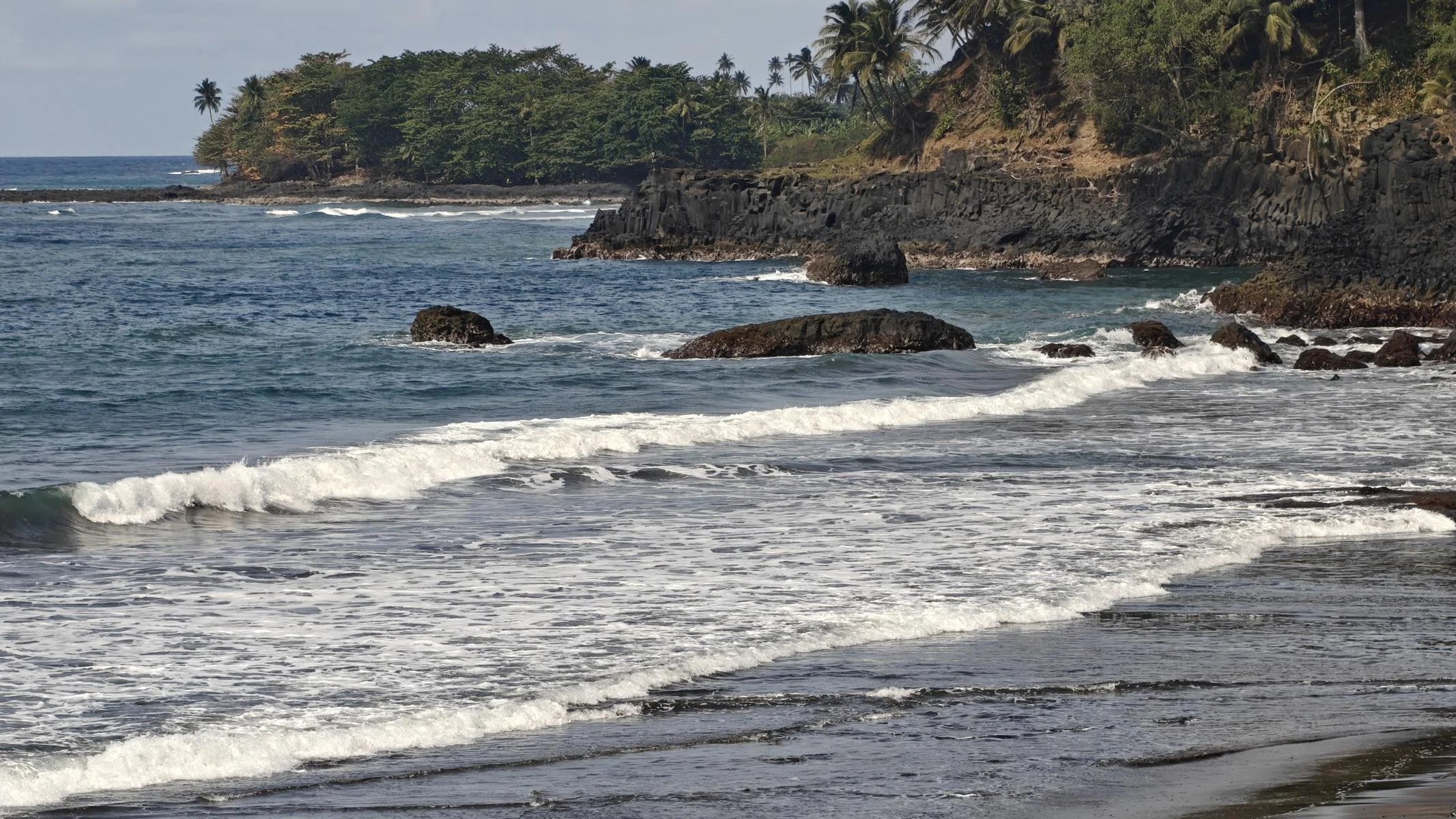
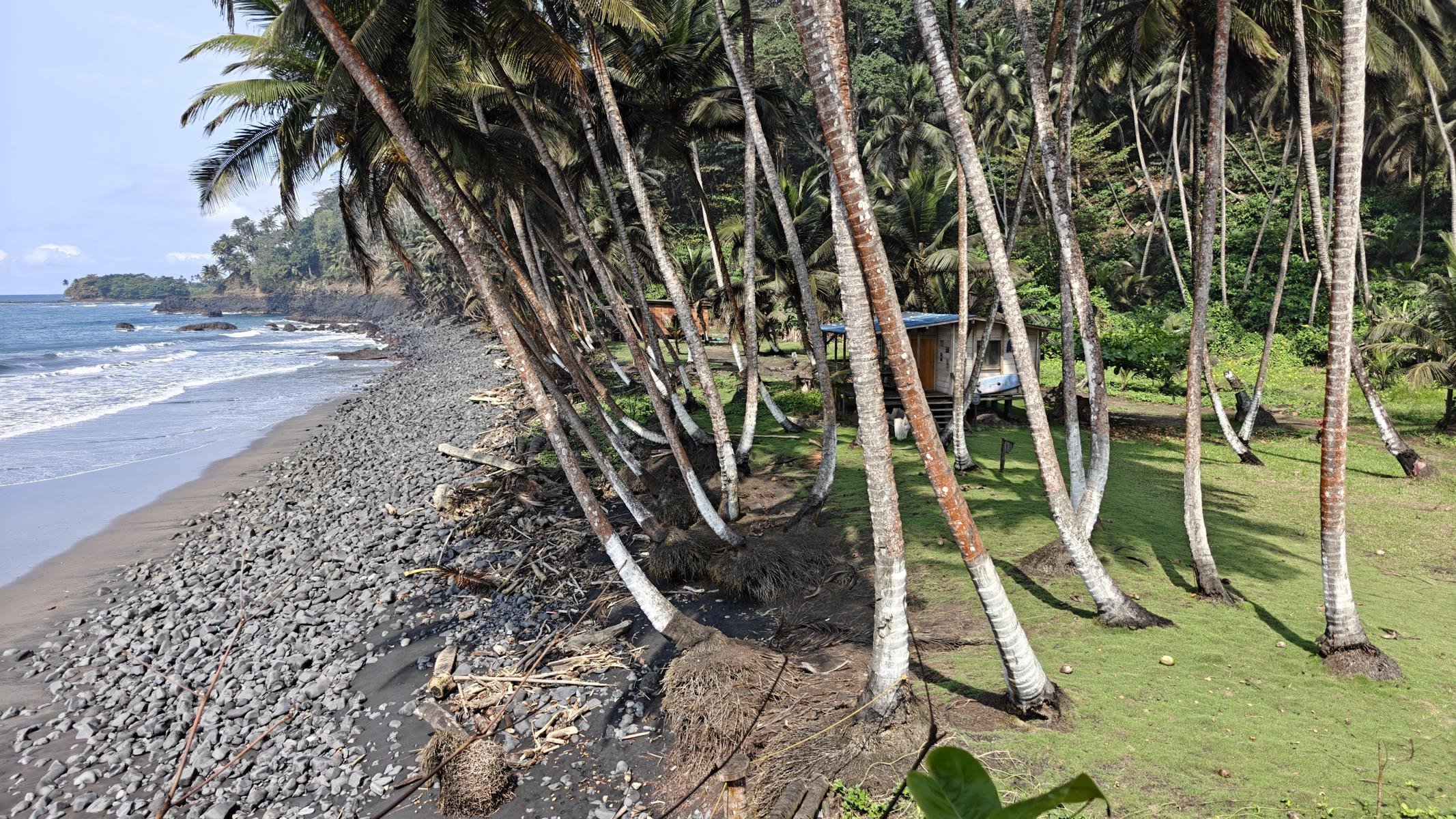
We spent the first few days at an idyllic eco-lodge (Tortue Ecolodge) in the western part of the island.
Die ersten Tage verbrachten wir in einer idyllischen Eco Lodge (Tortue ecolodge) im Westen der Insel.
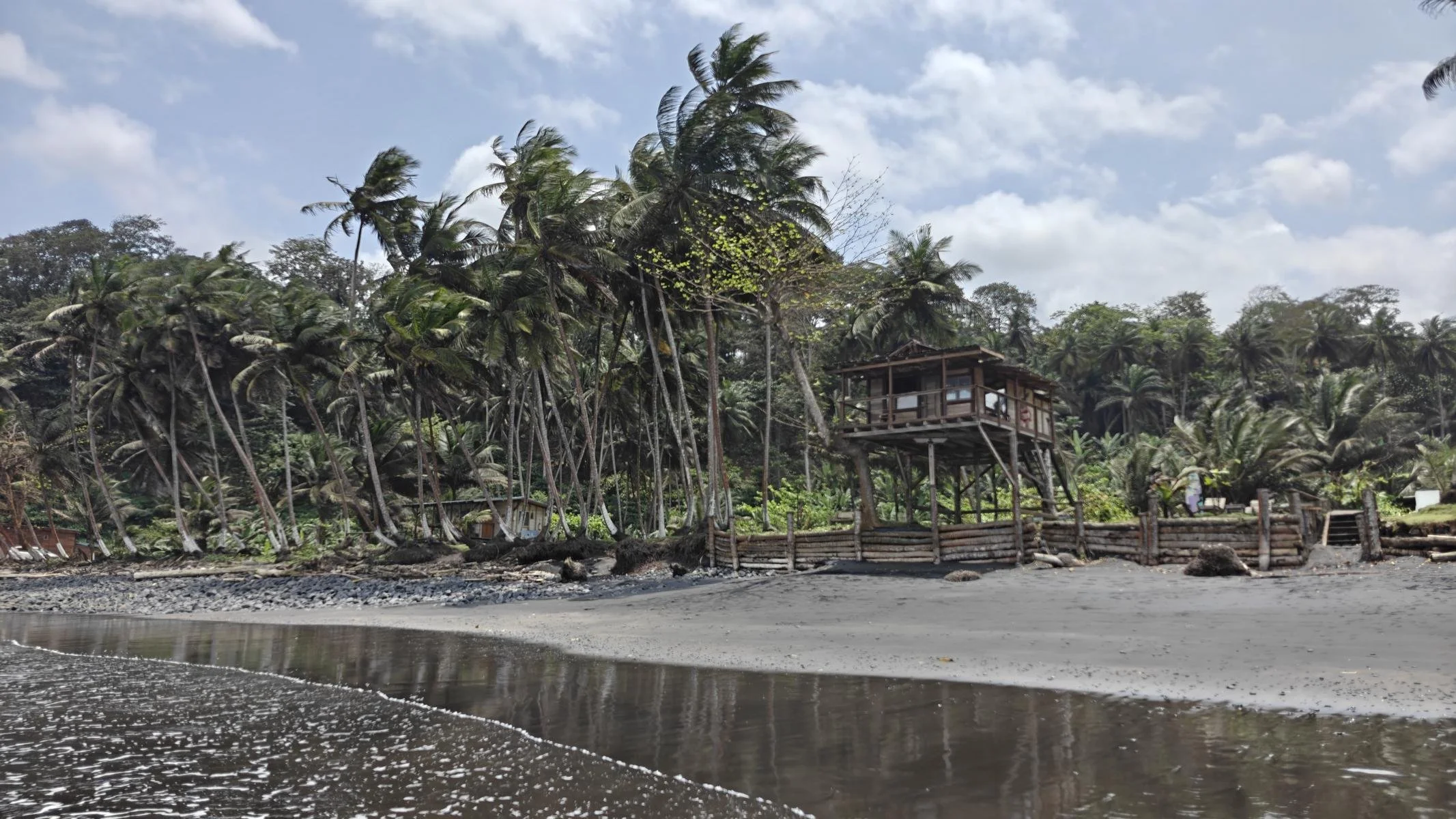
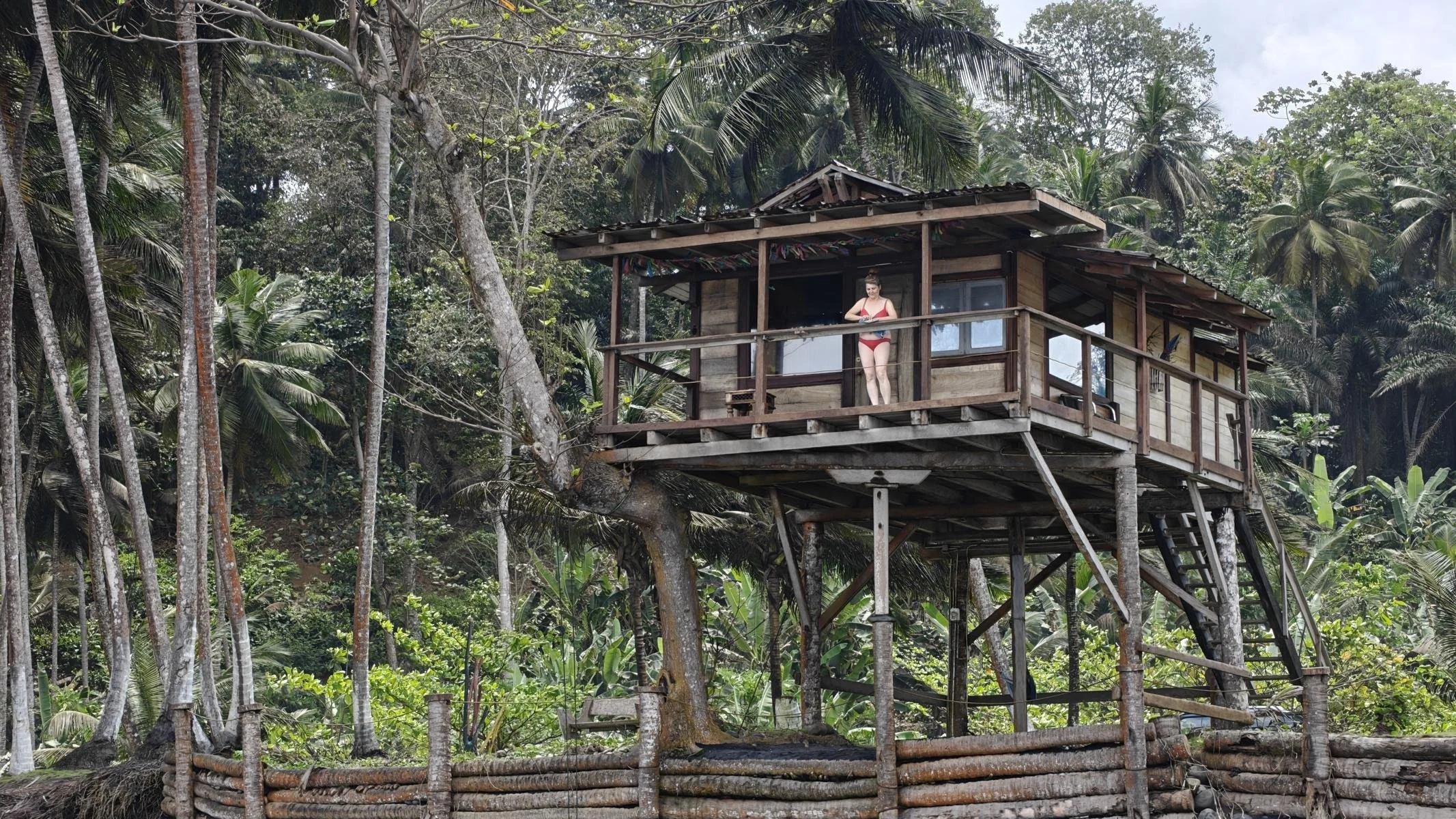
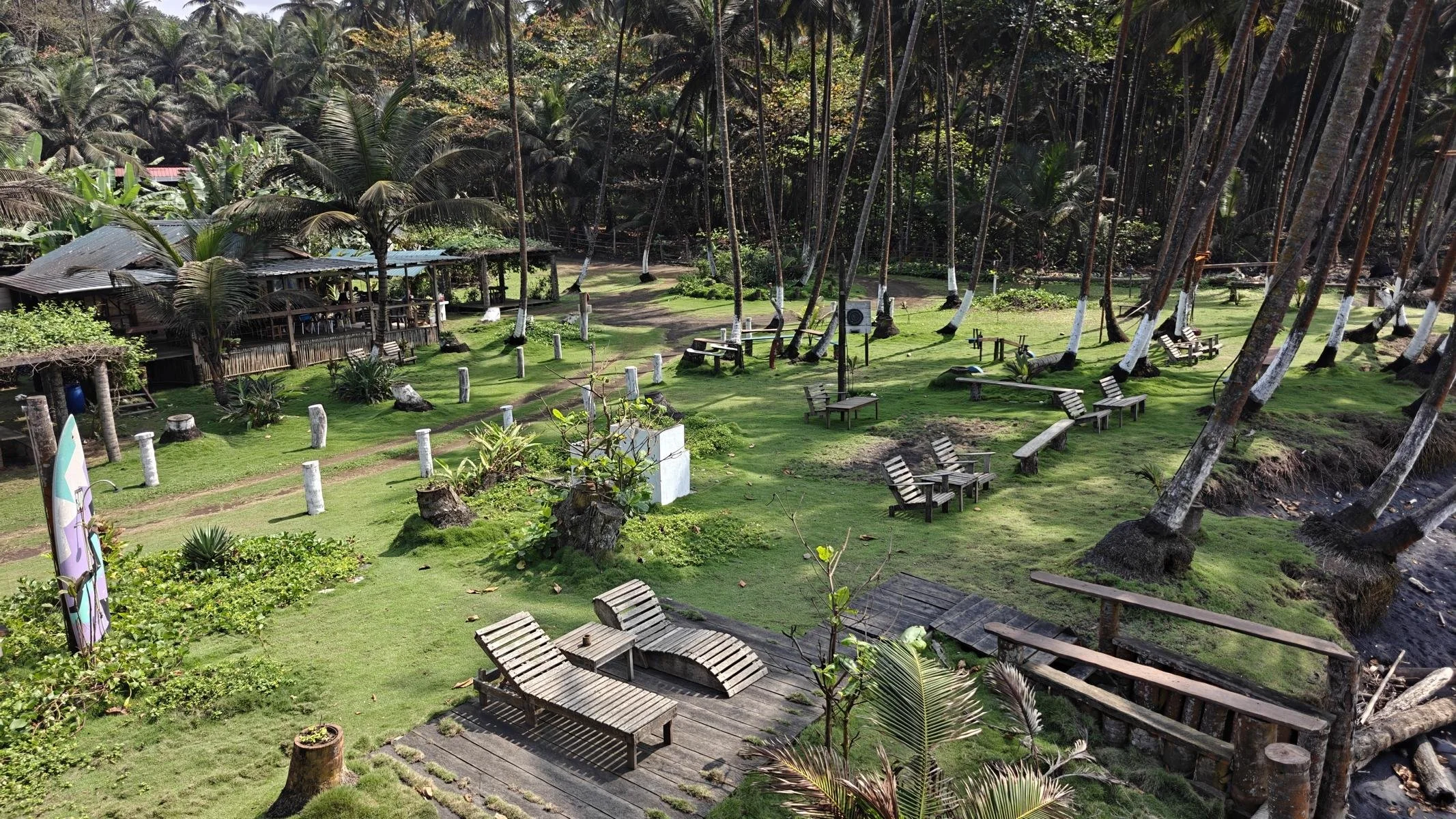
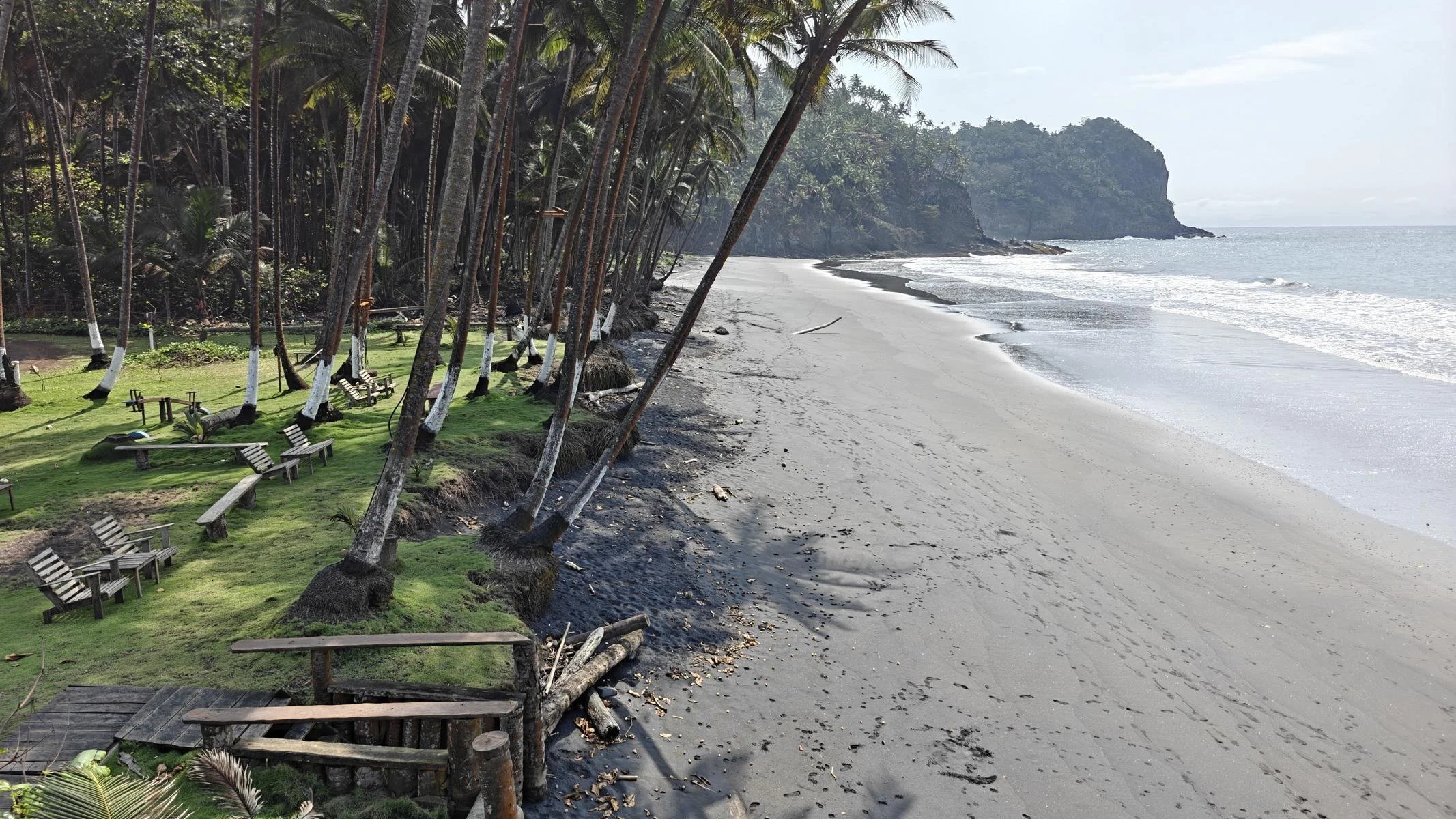
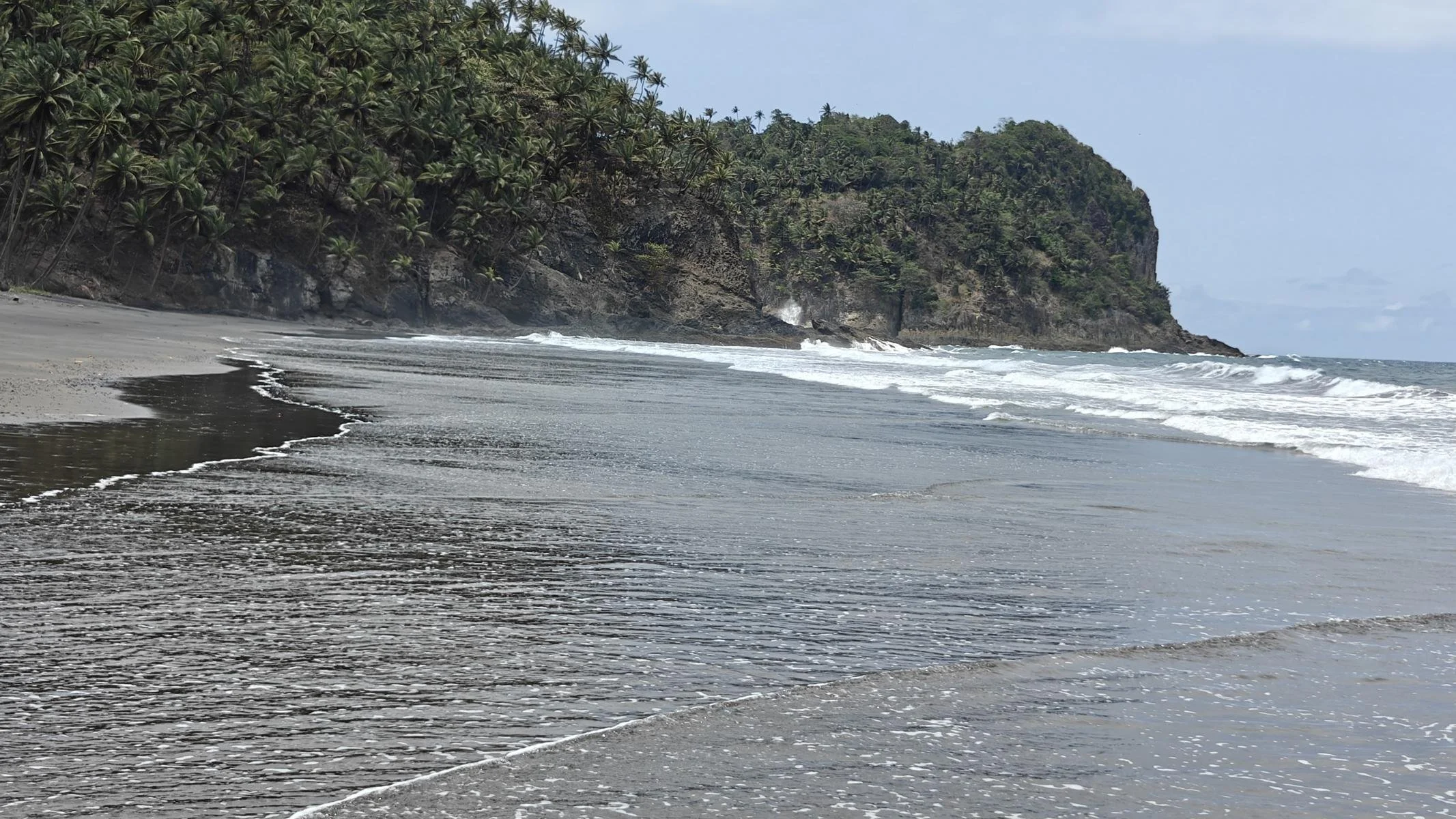
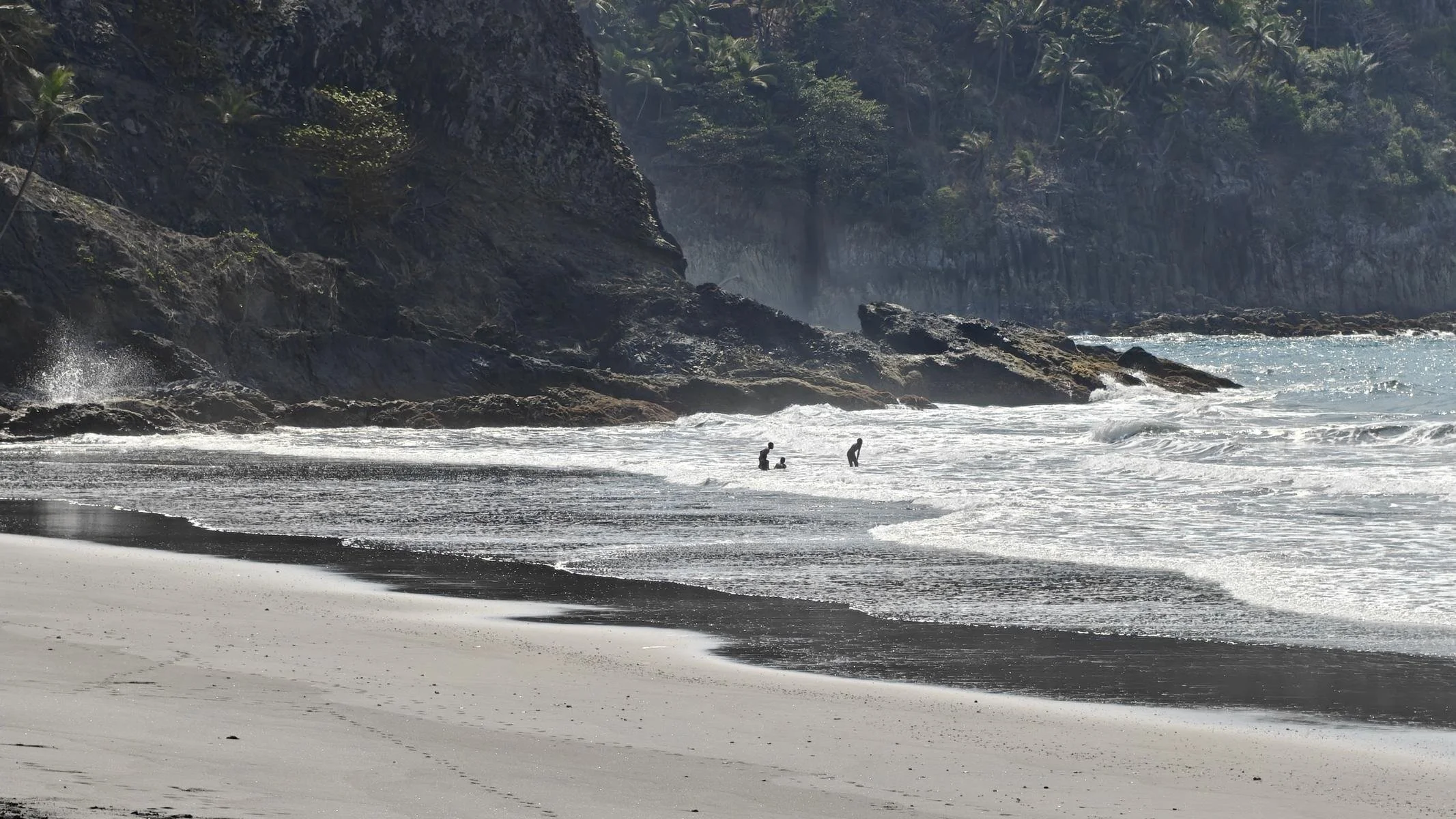
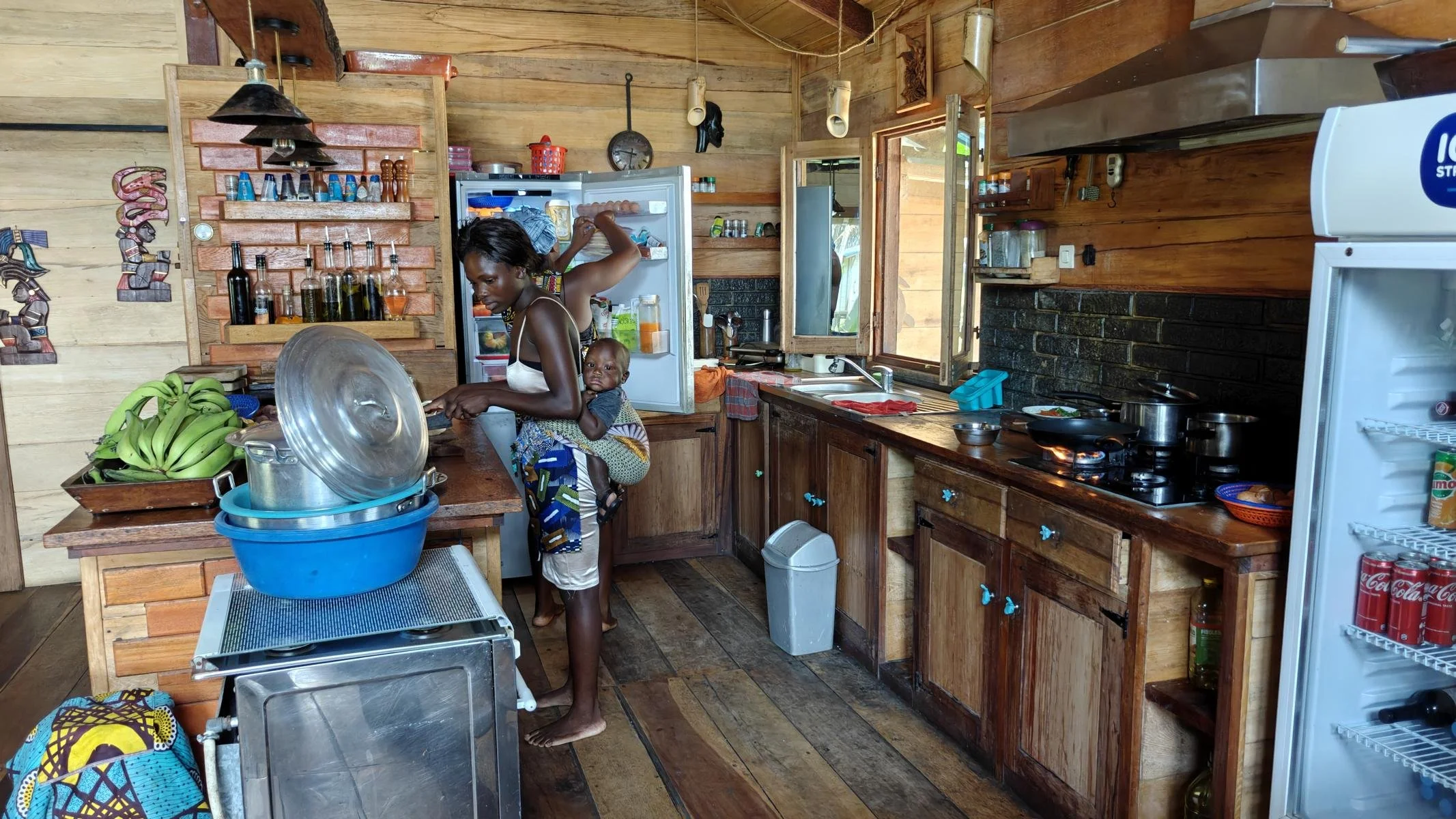
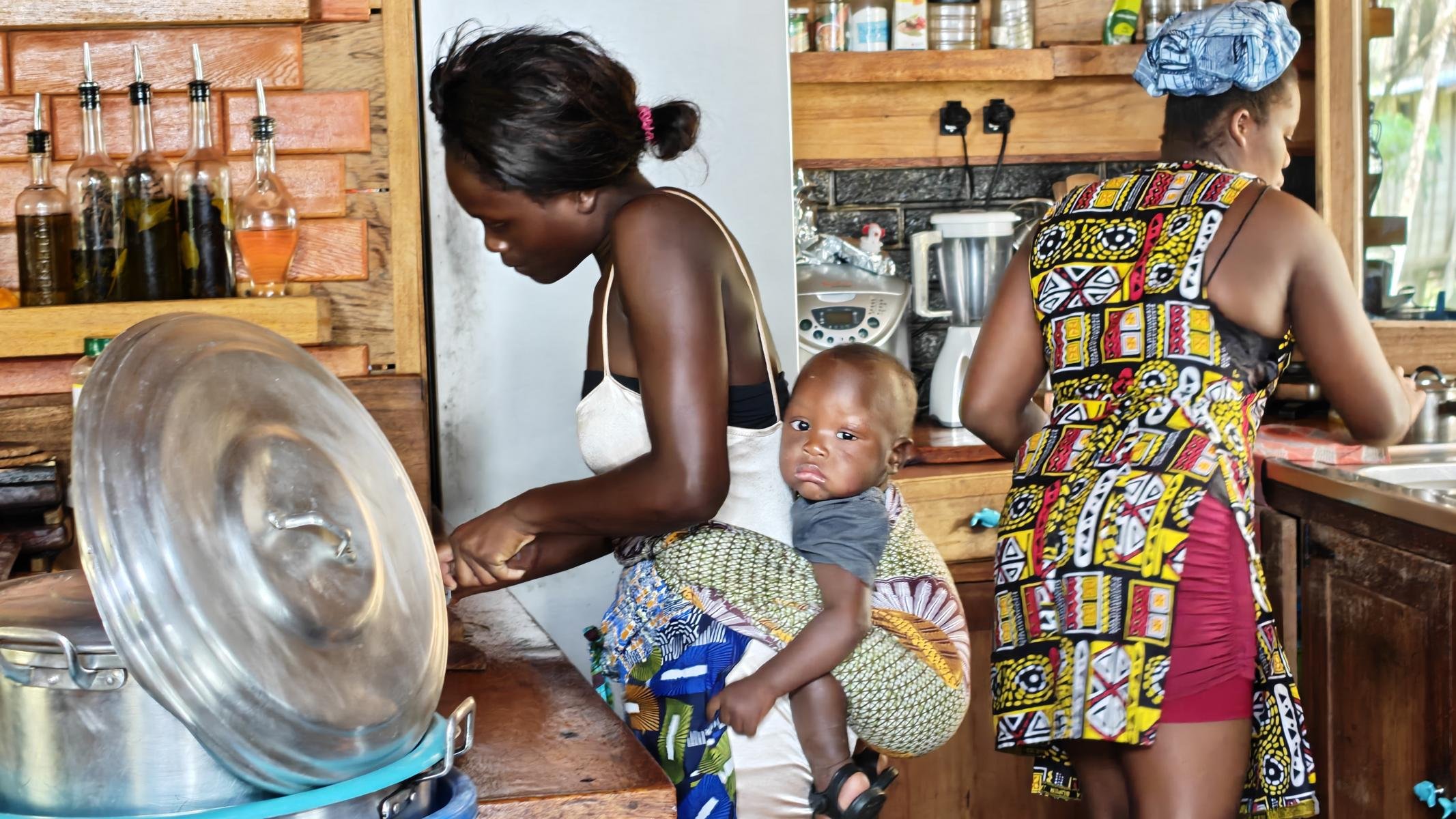
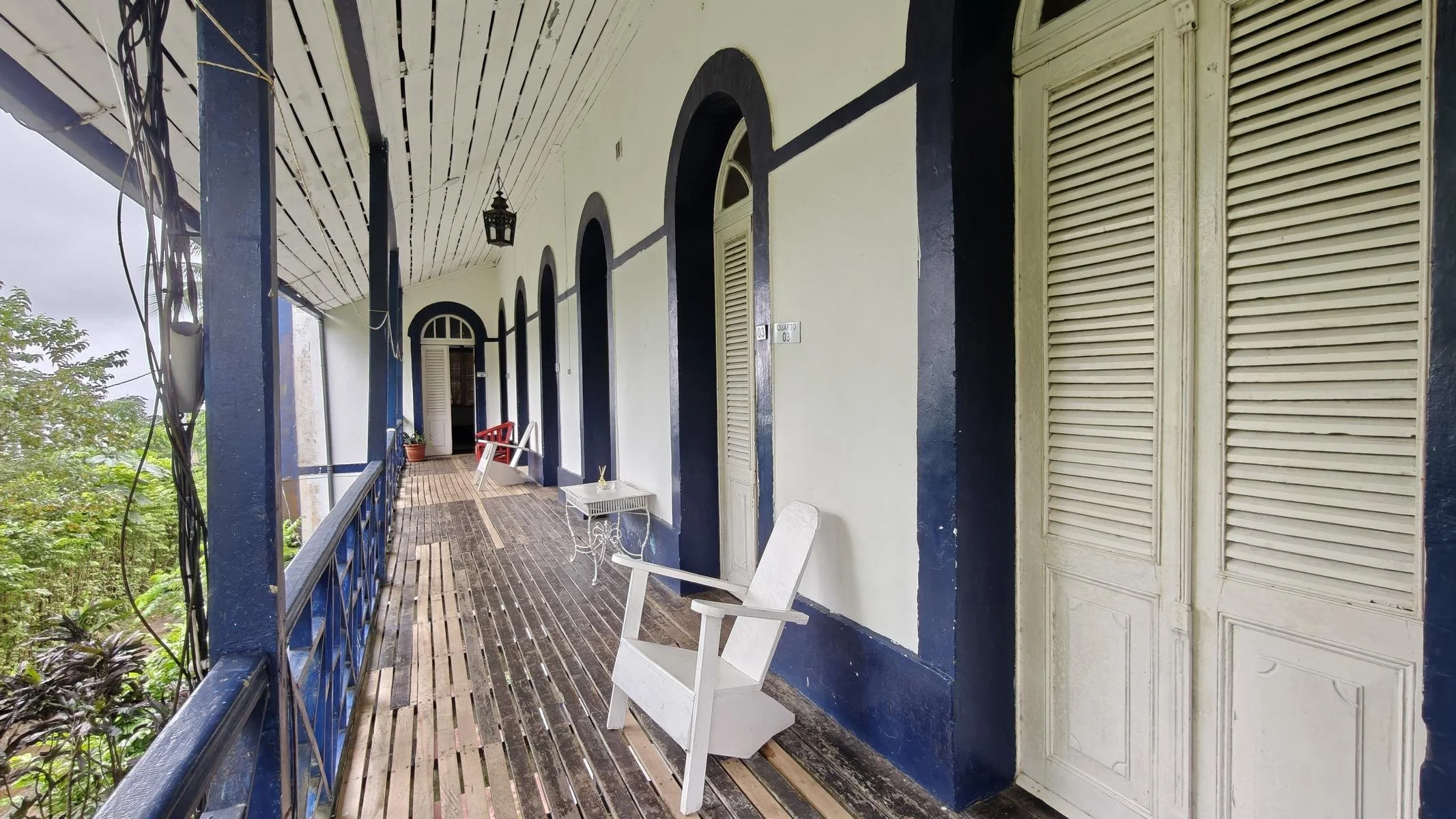
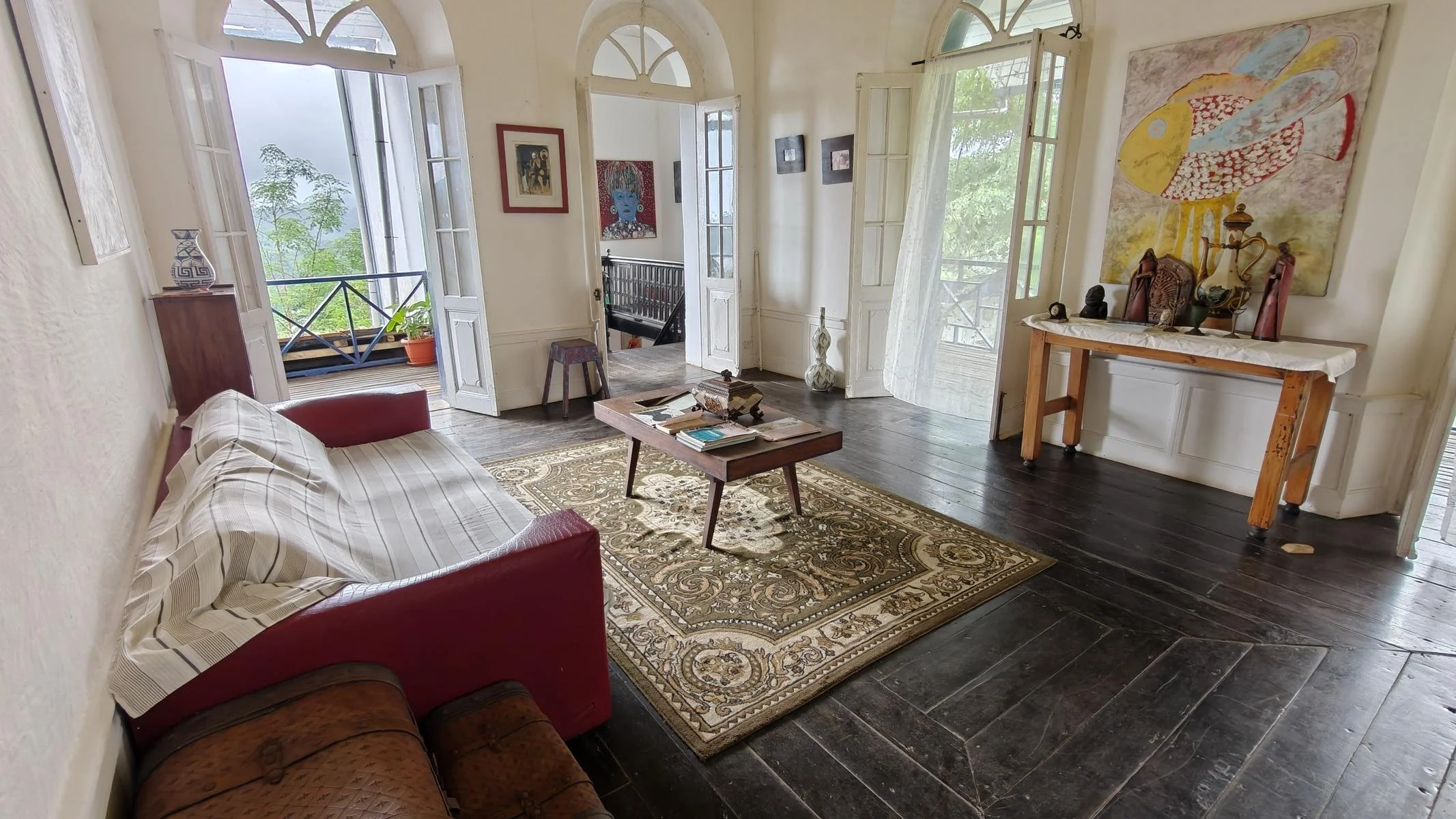
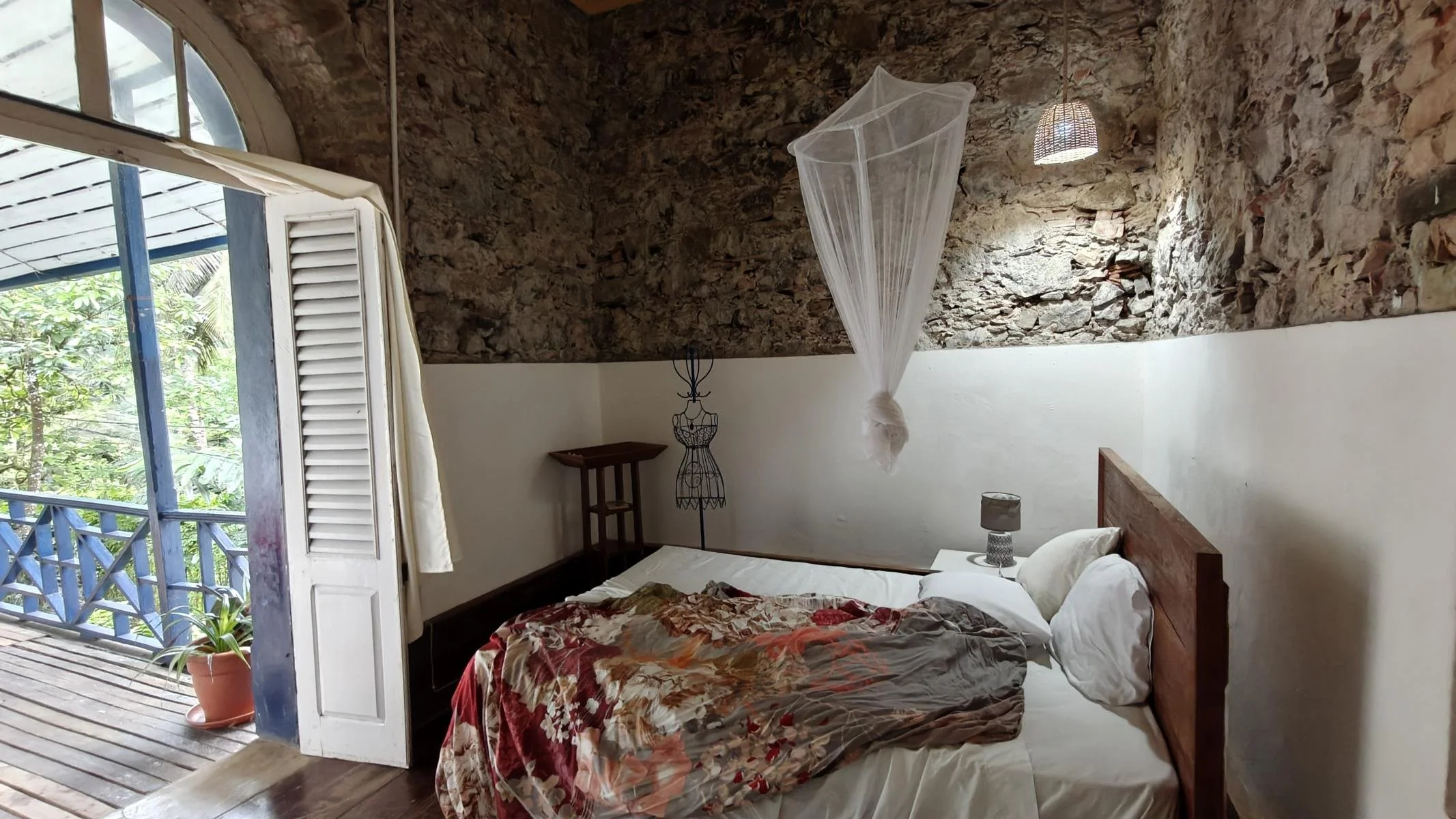
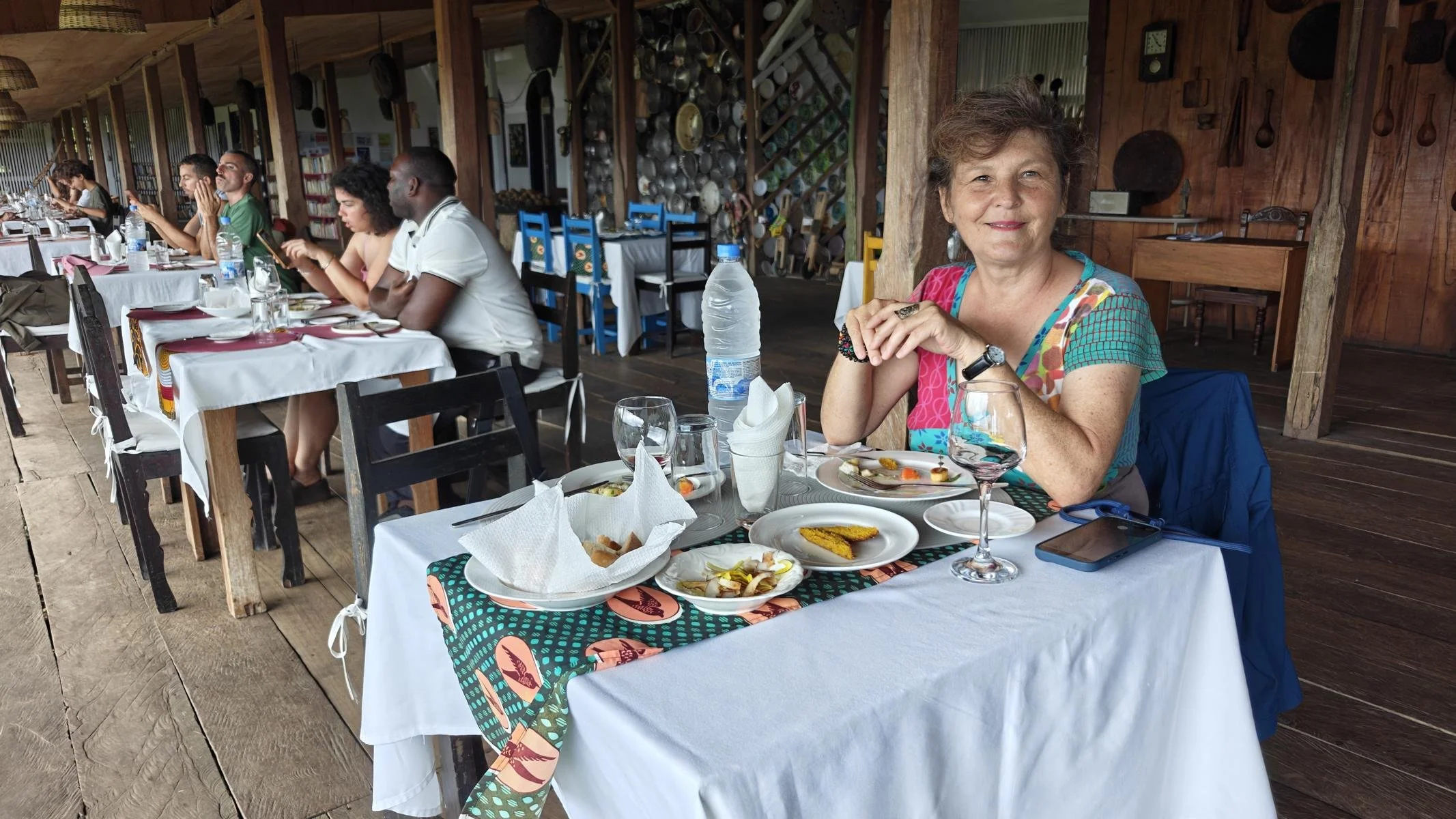
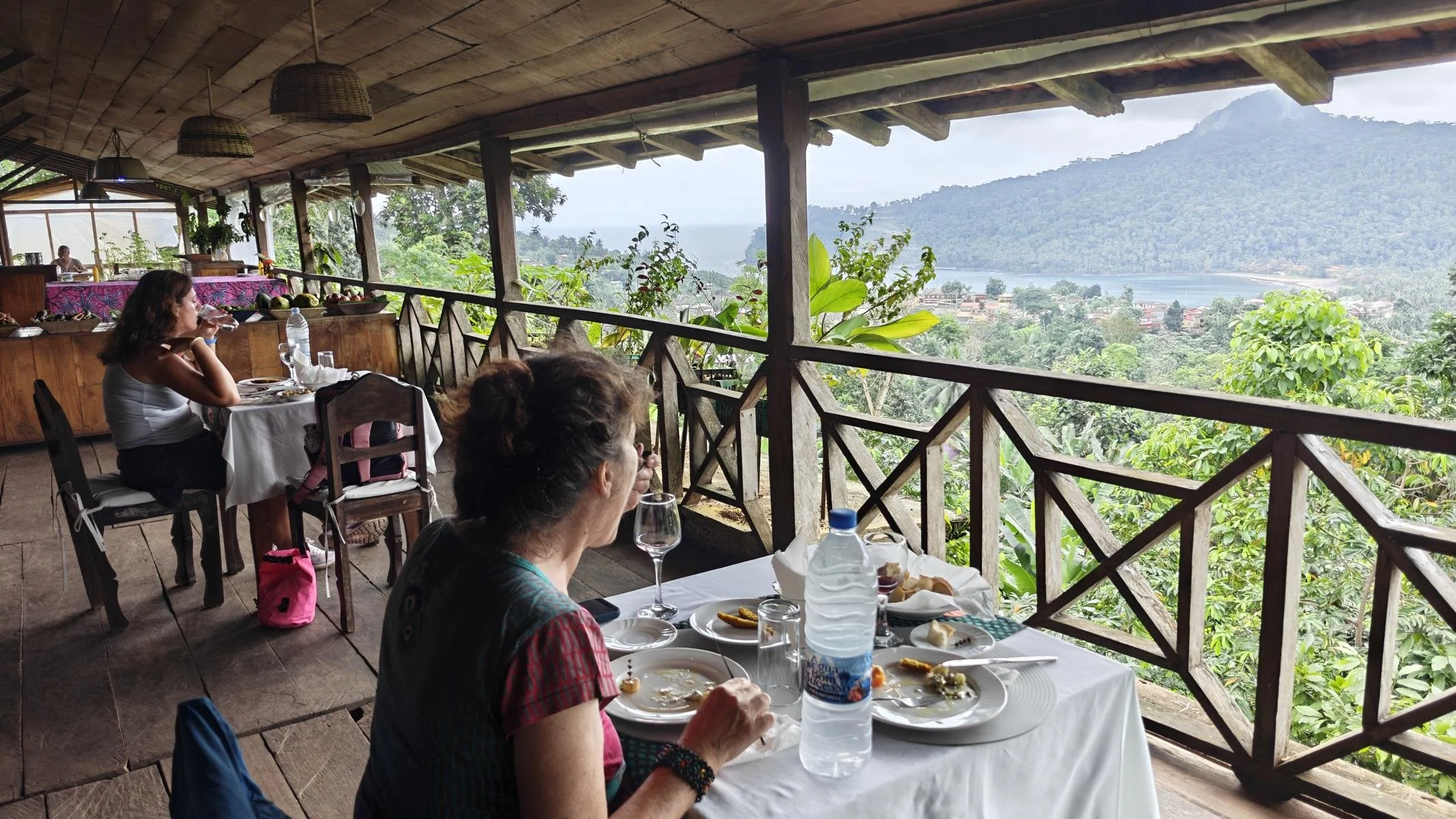
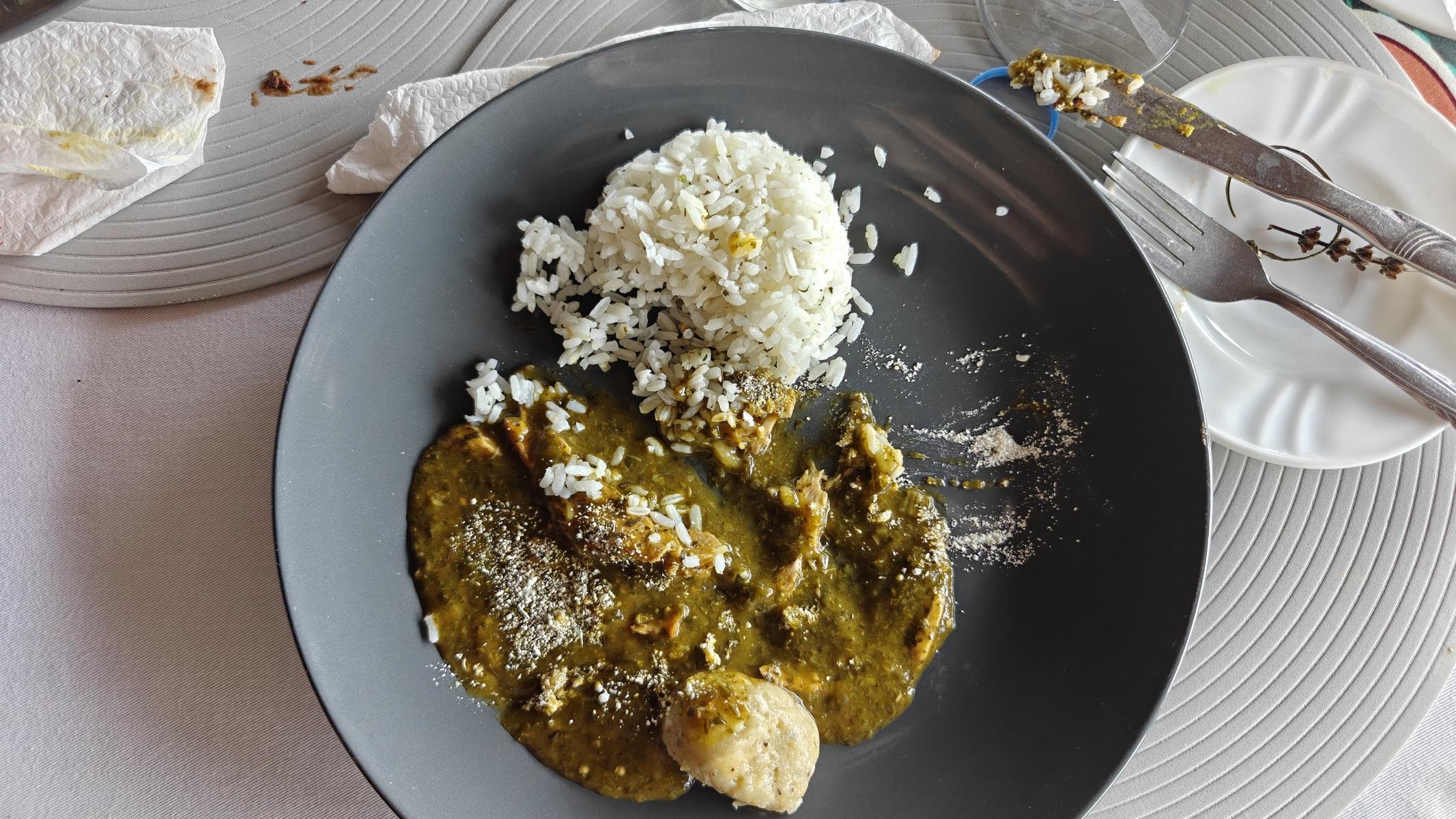
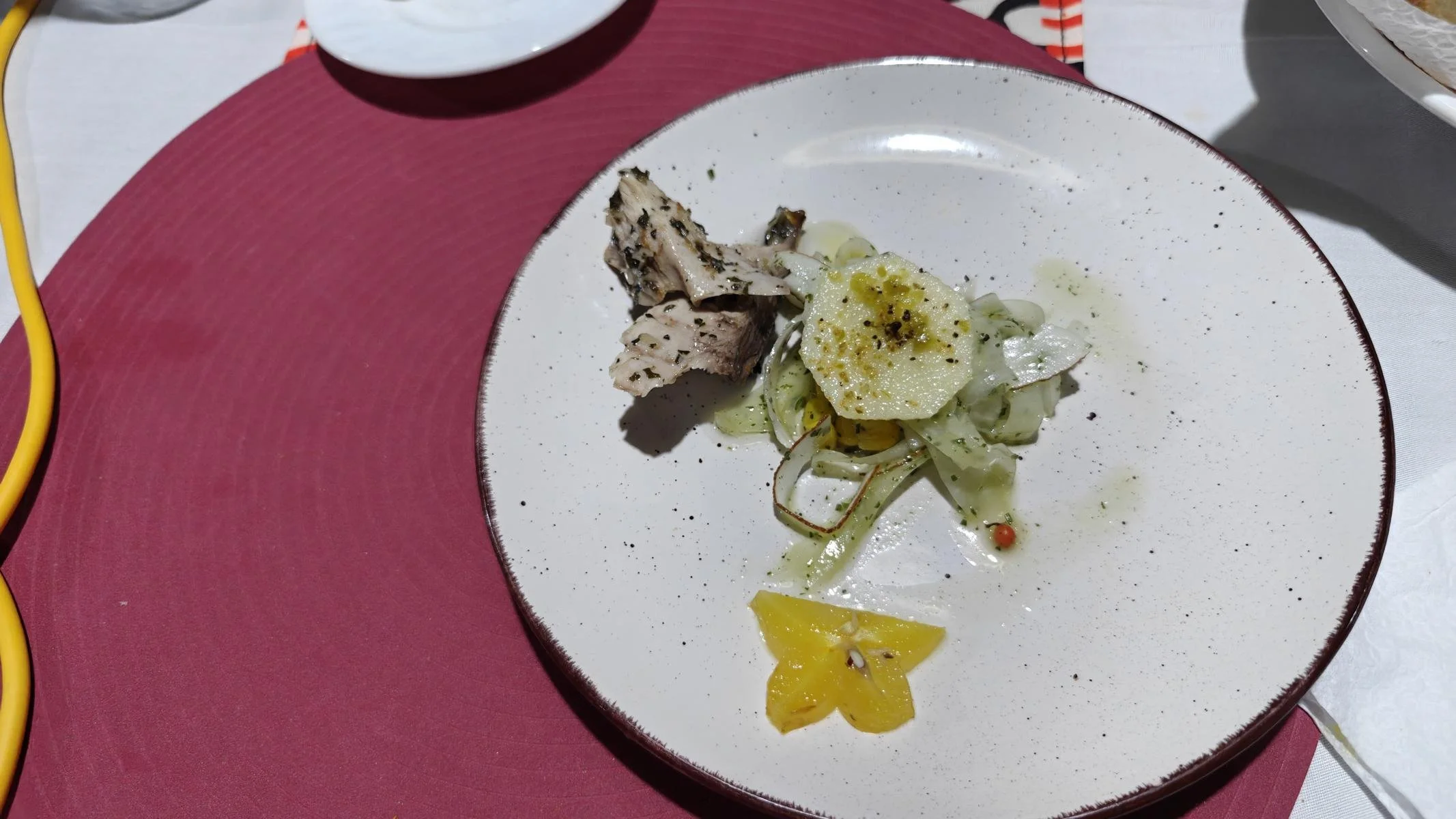
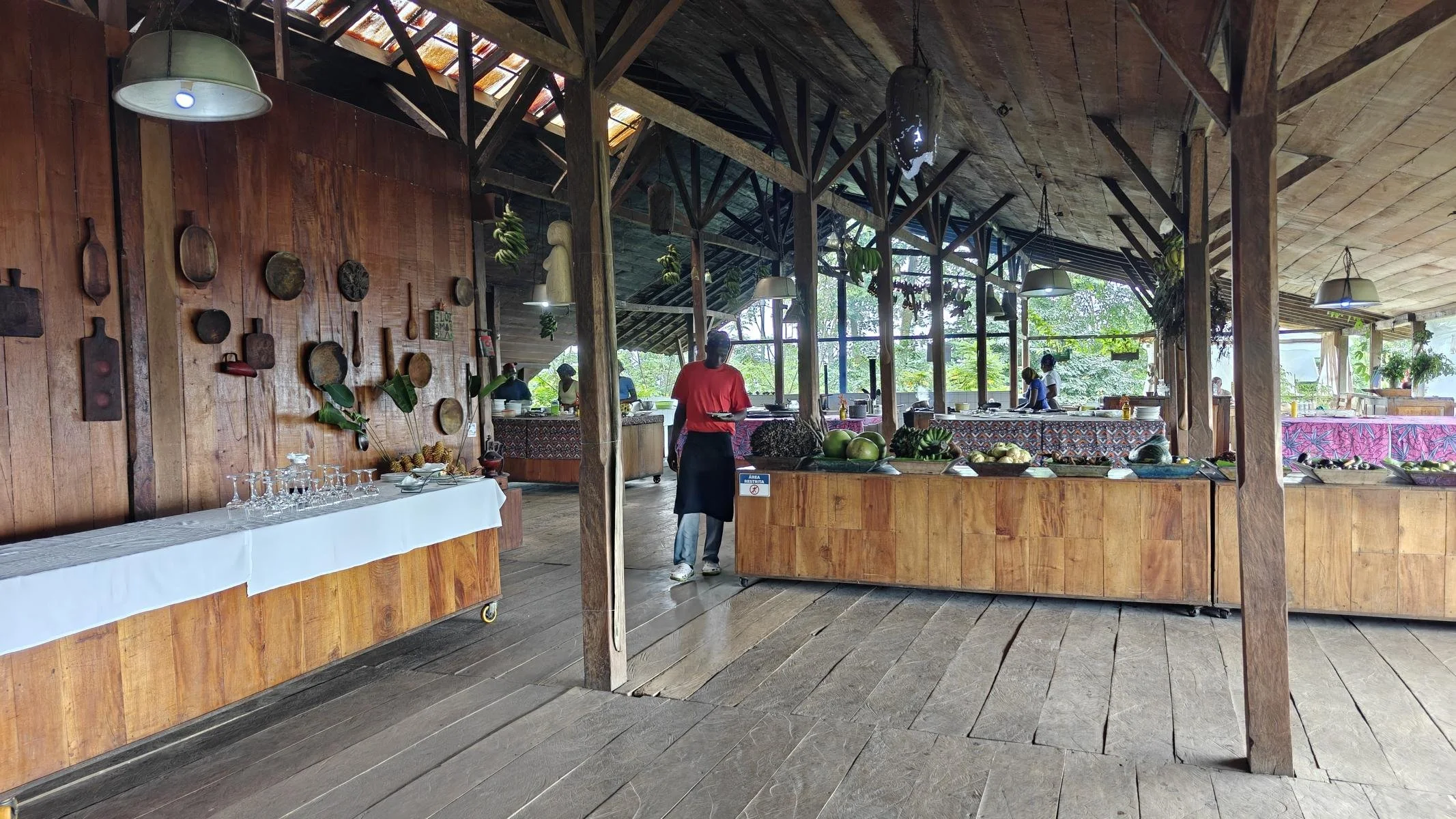
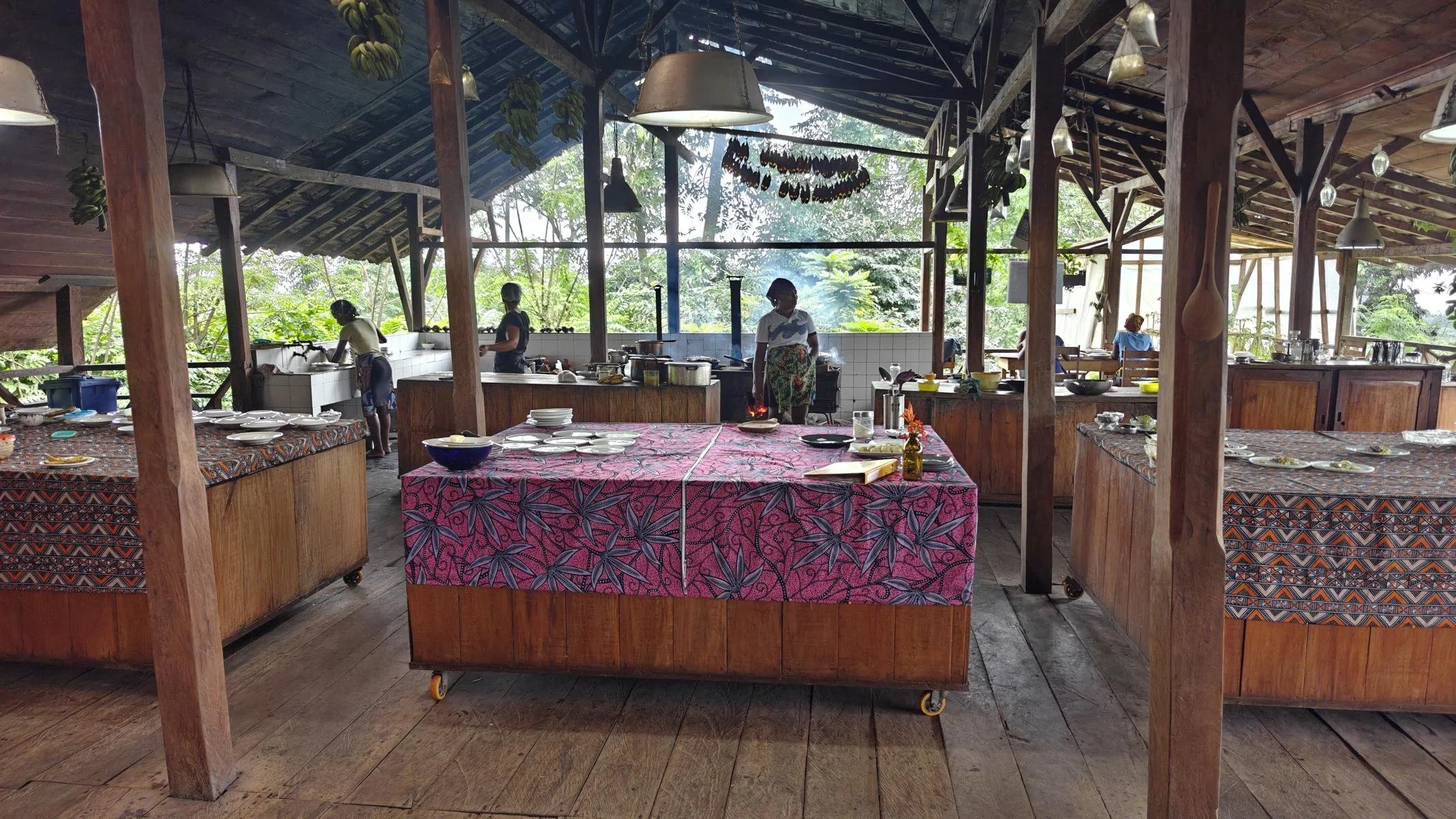
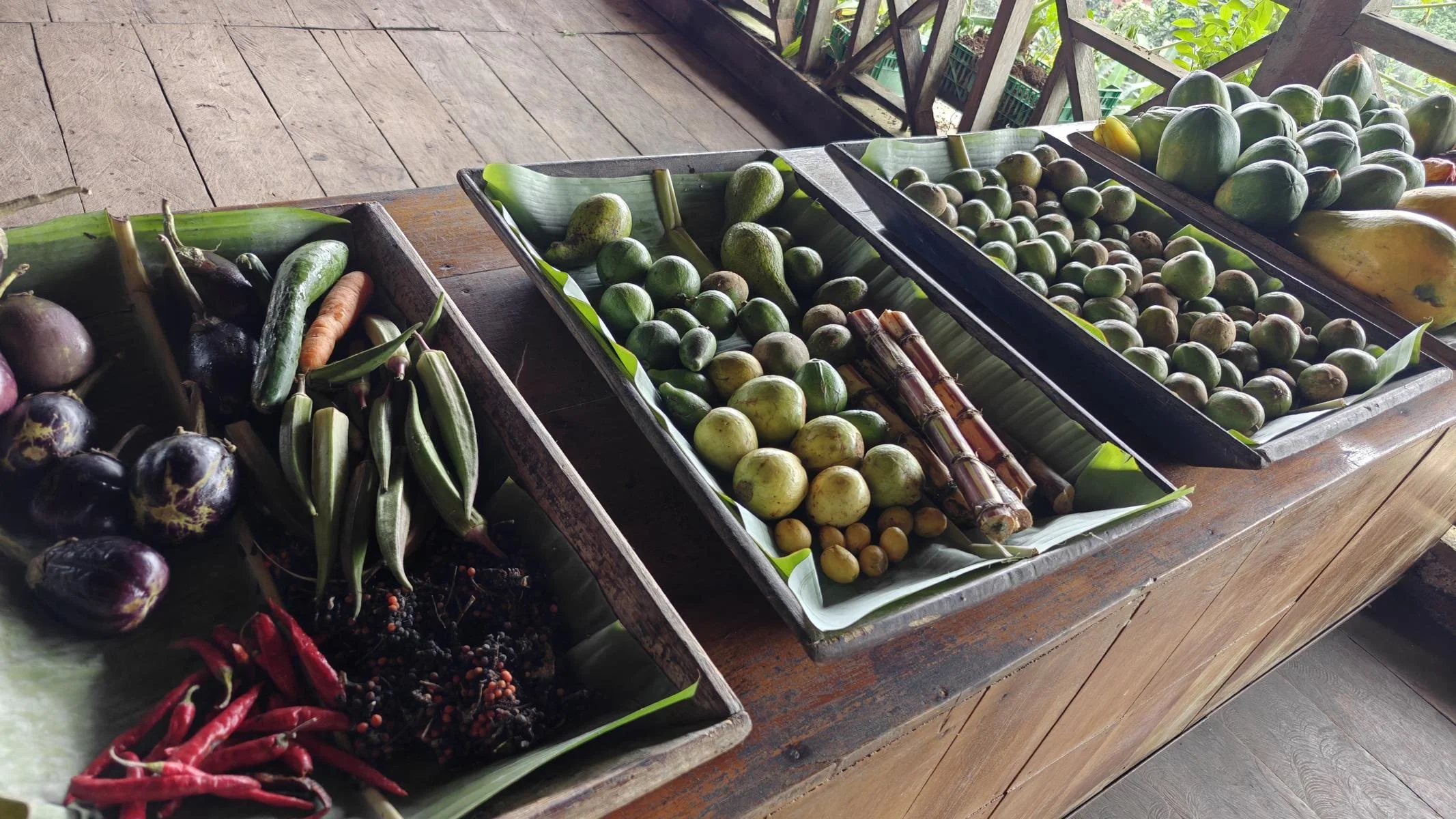
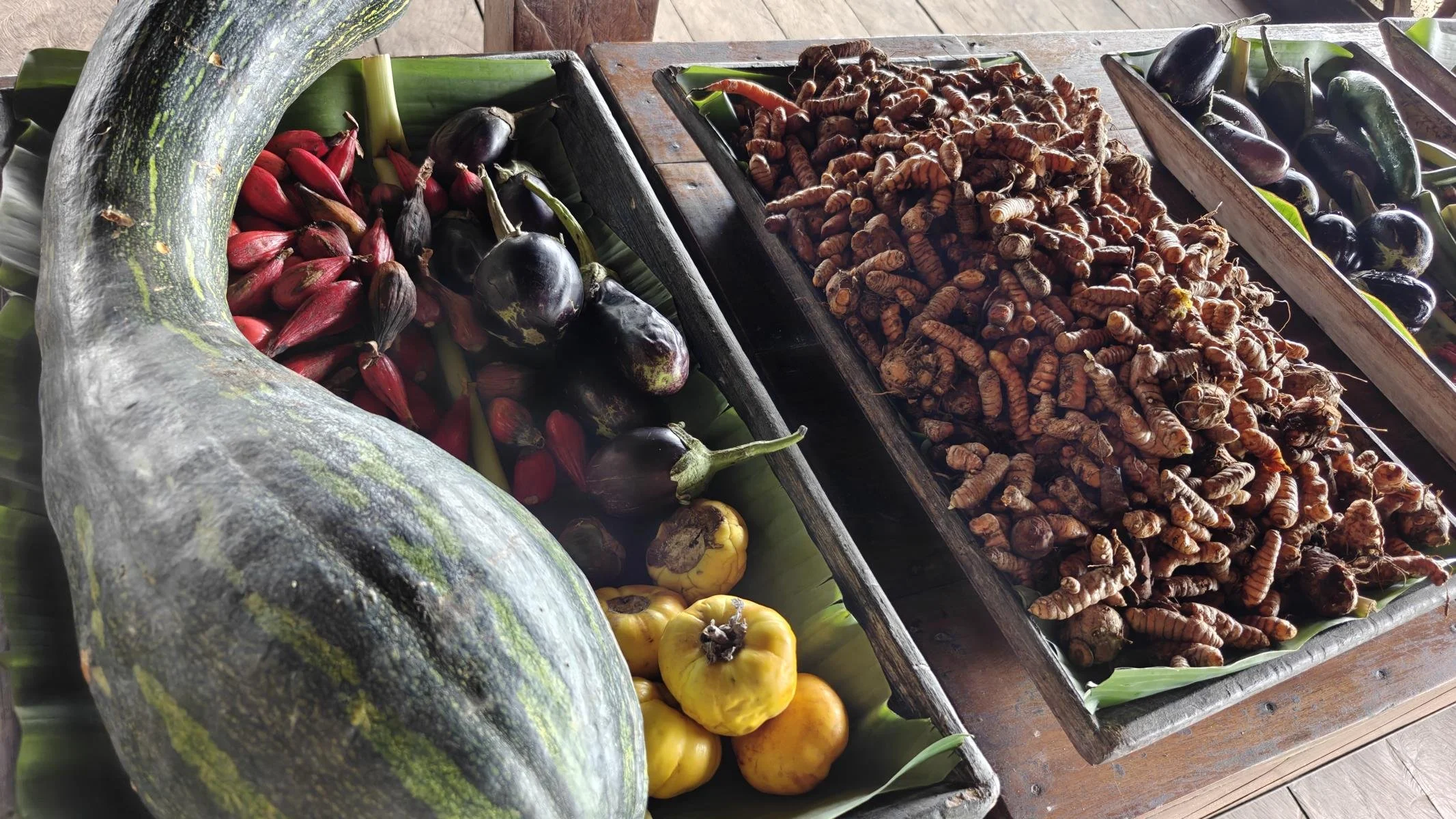
Later, we stayed further south at the Hotel Roca Sao Joao dos Angolares, owned by the renowned chef and artist João Carlos Silva, who converted an old roça into a hotel with a restaurant. The seven-course meal, featuring locally sourced ingredients, was outstanding.
Später übernachteten wir weiter im Süden im Hotel Roca Sao Joao dos Angolares des Spitzenkochs und Künstlers João Carlos Silva, der eine alte Roça in ein Hotel mit Restaurant umgebaut hat. Das siebengängige Menü mit Produkten aus der näheren Umgebung war hervorragend.
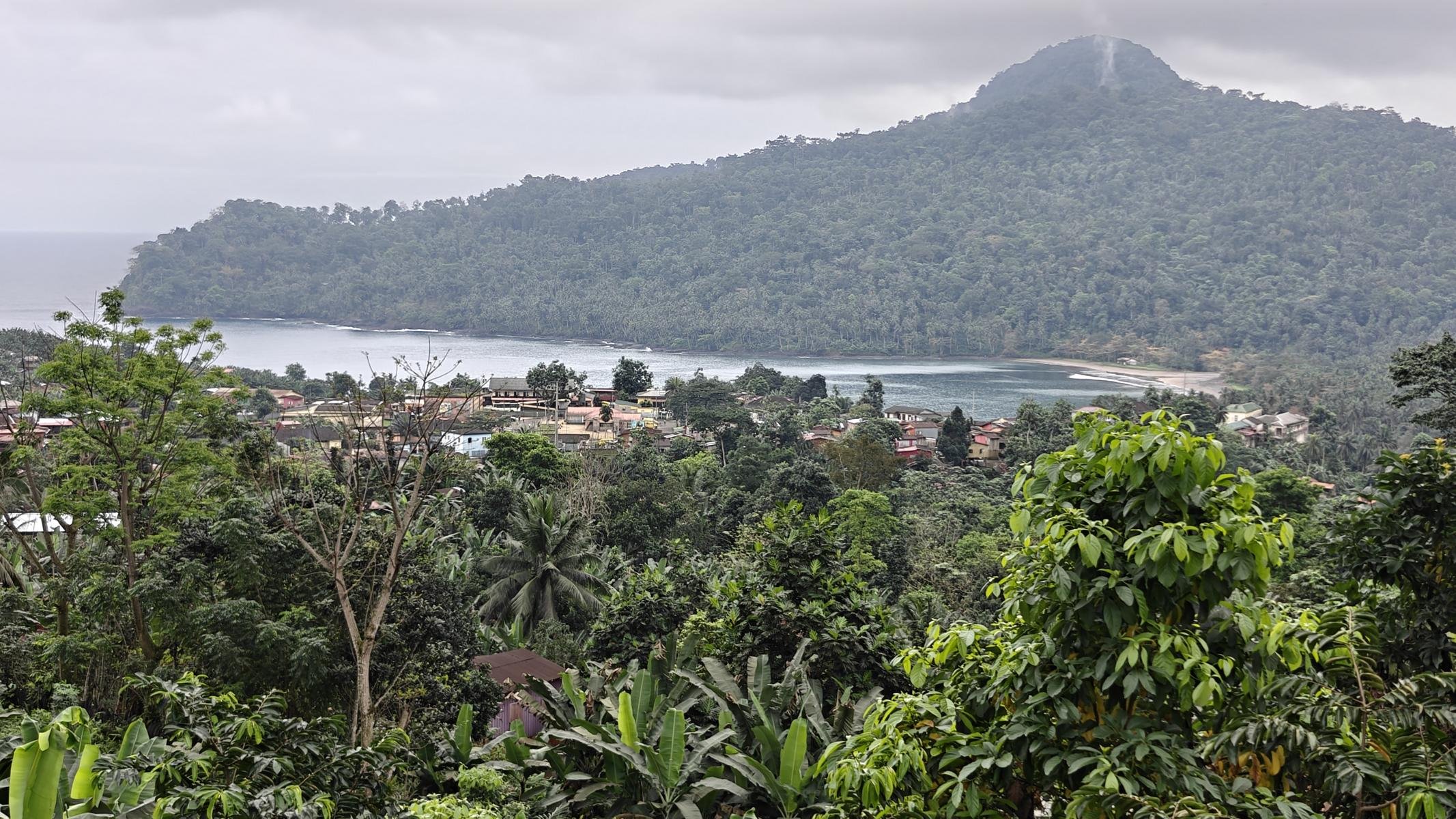
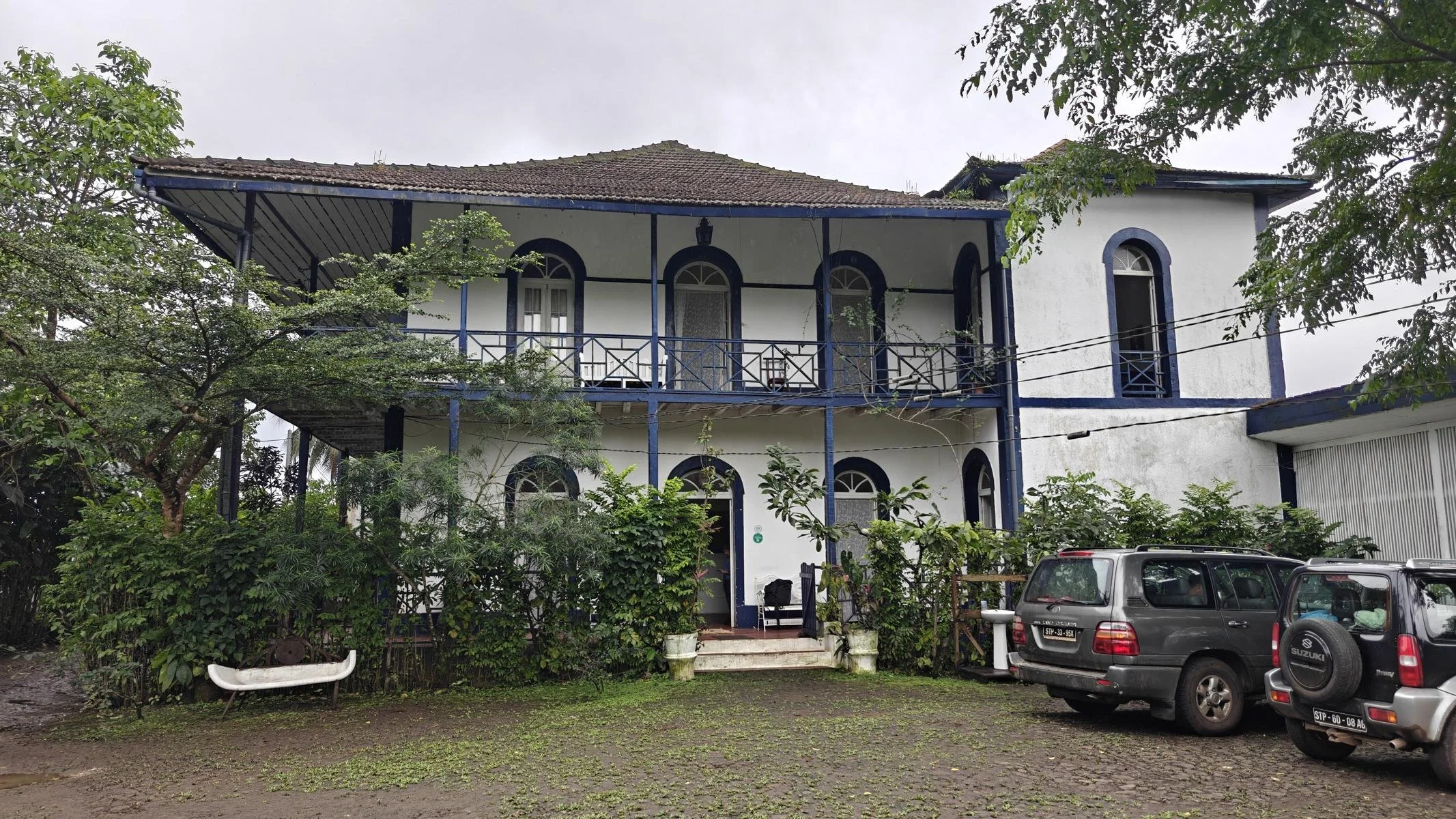
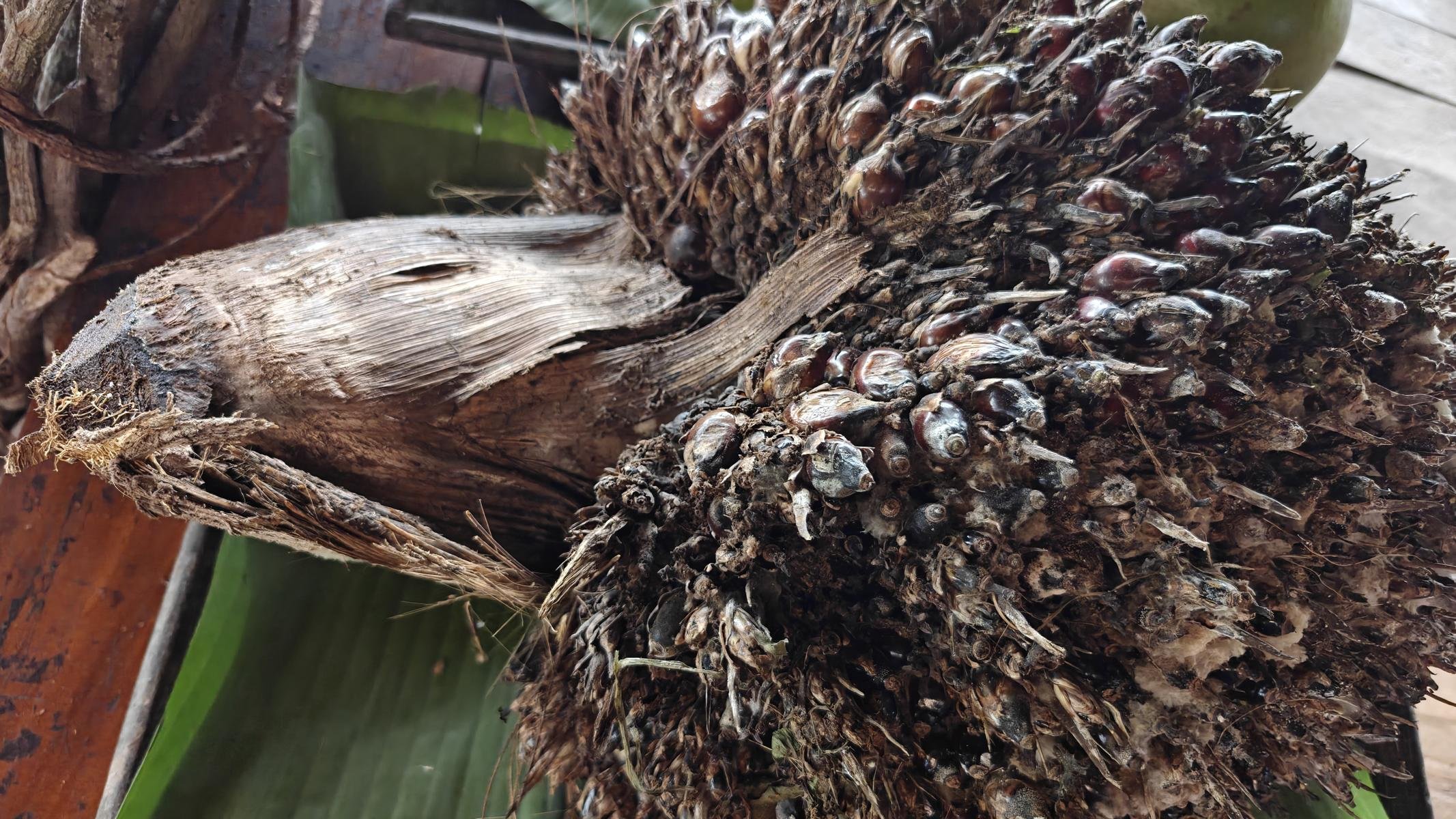
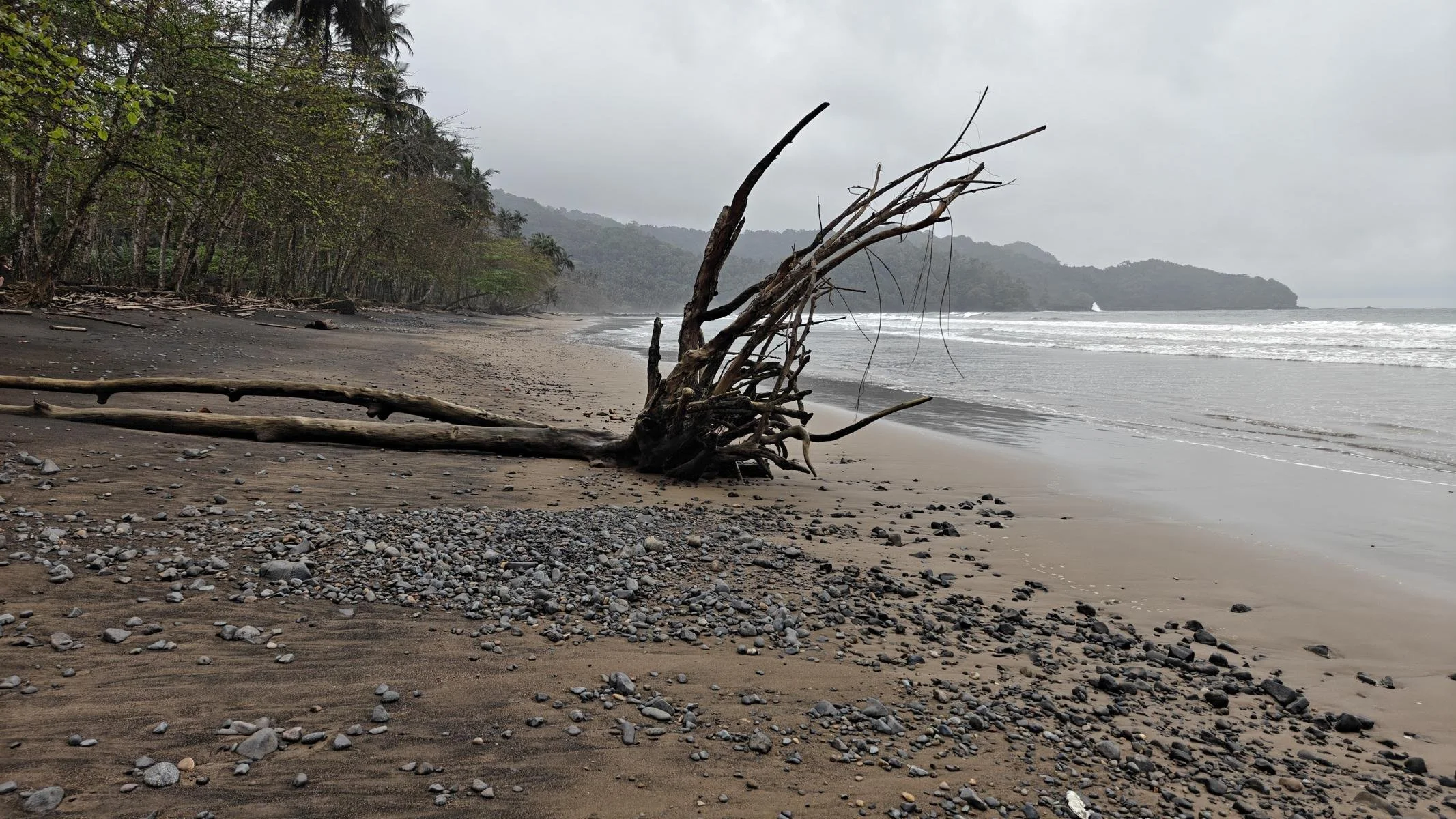
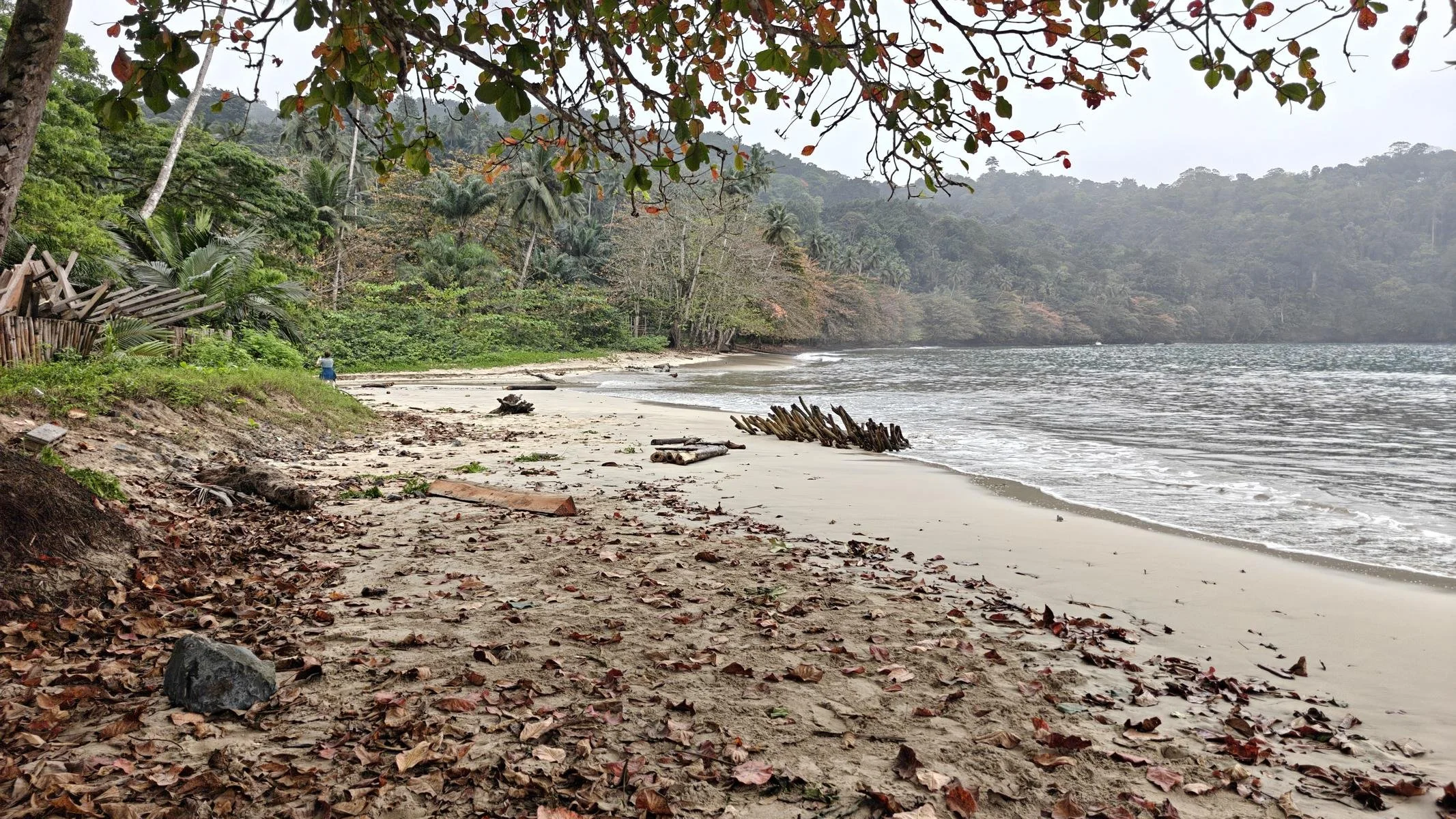
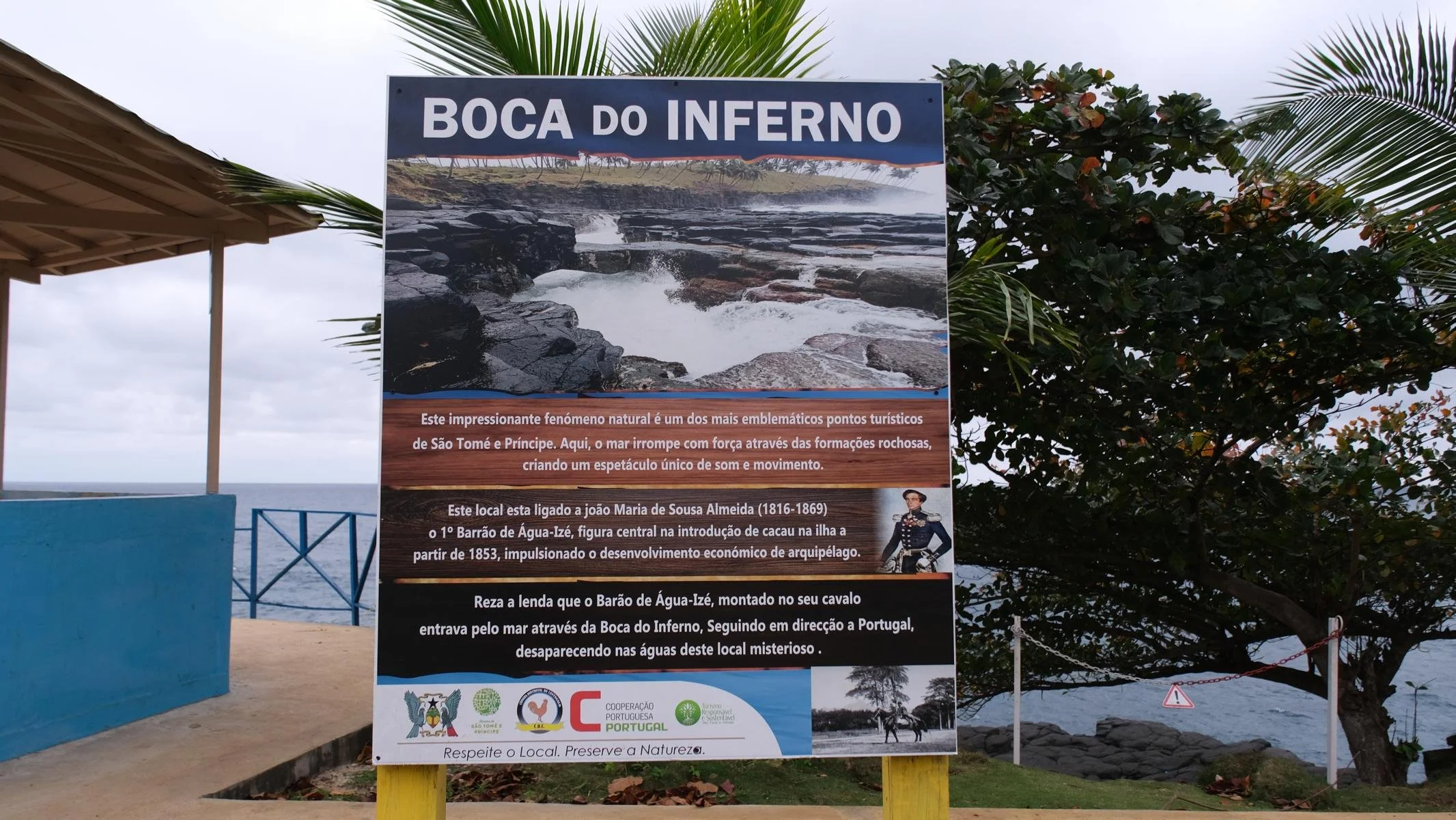
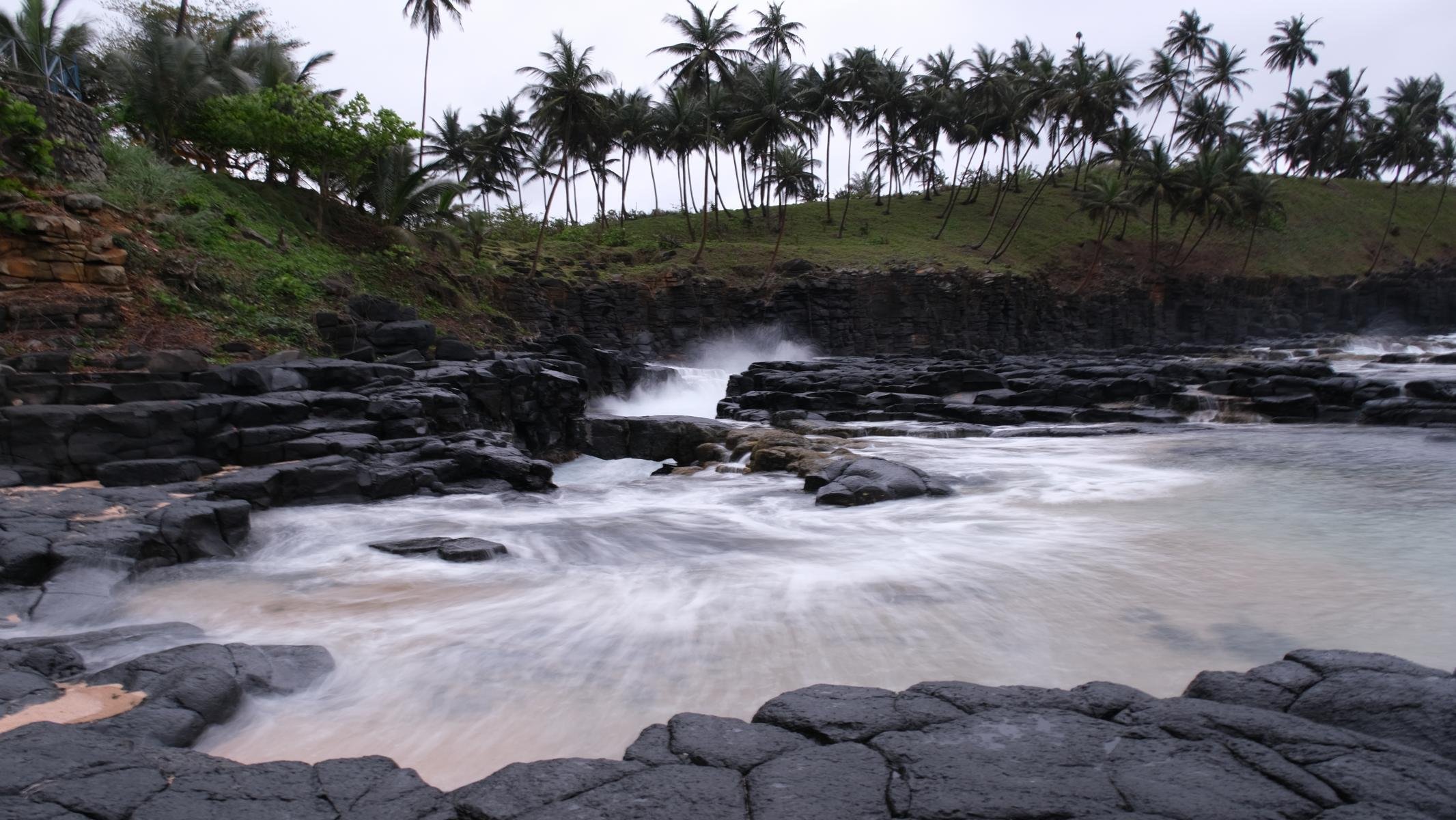
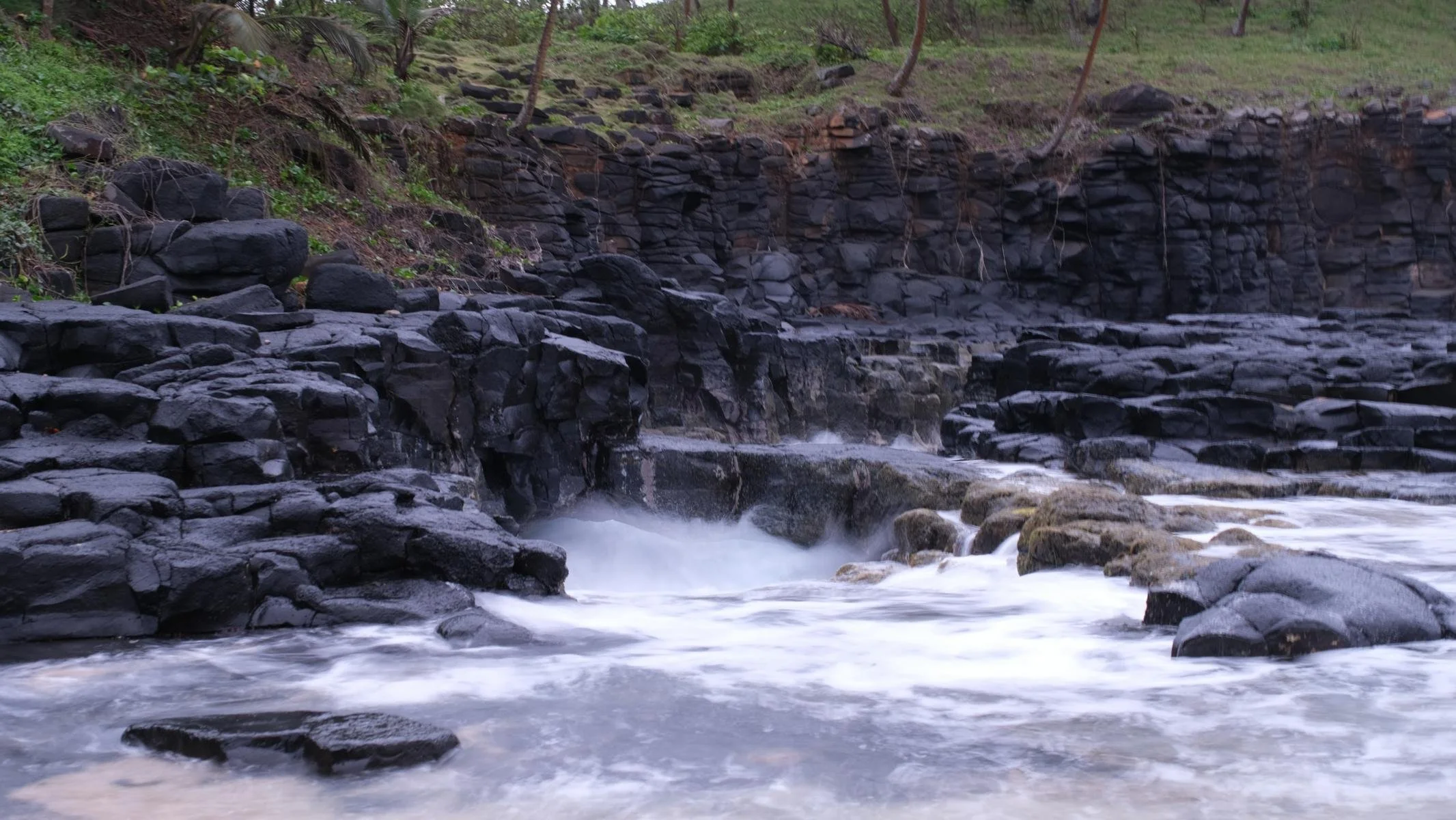
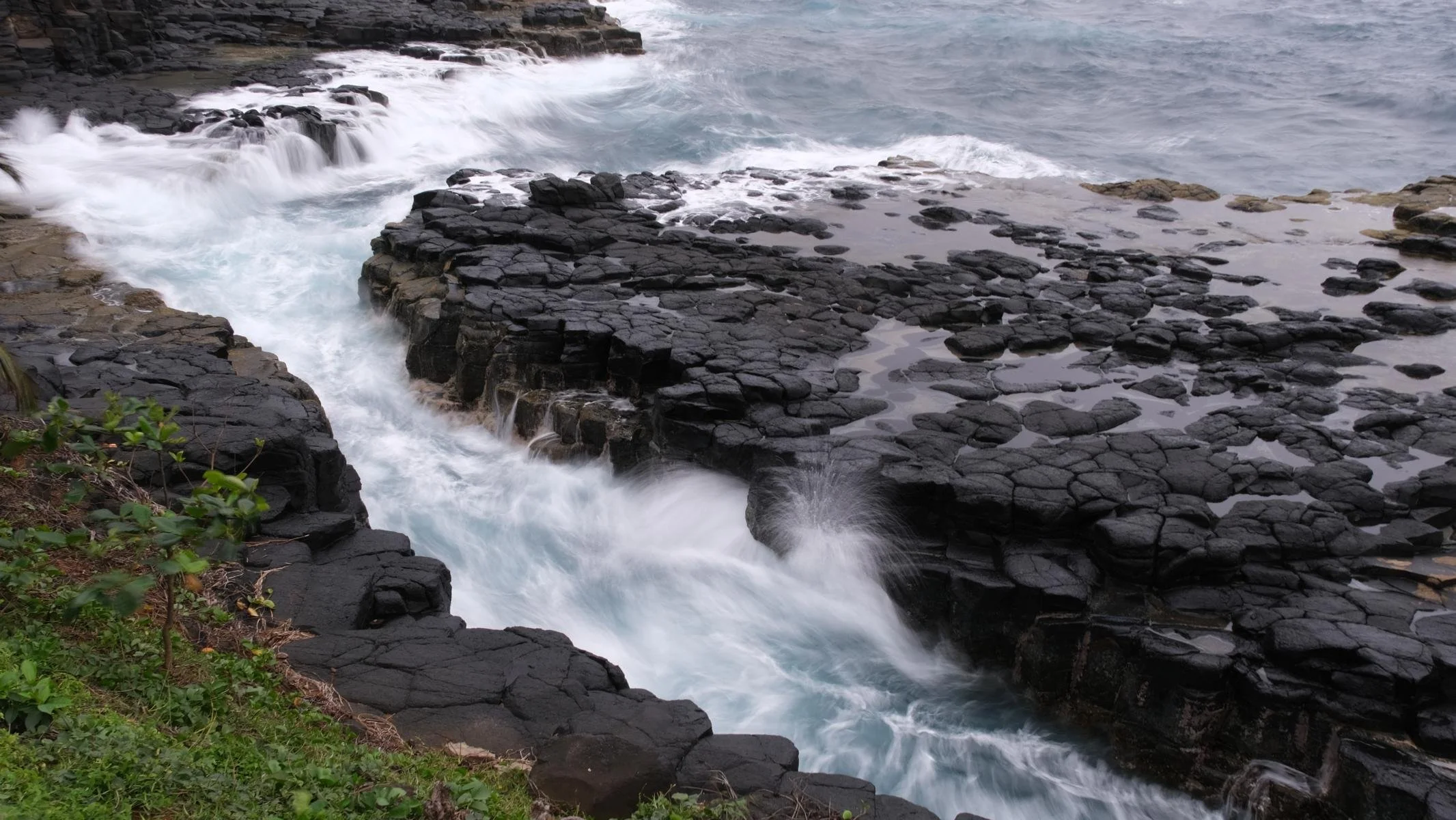
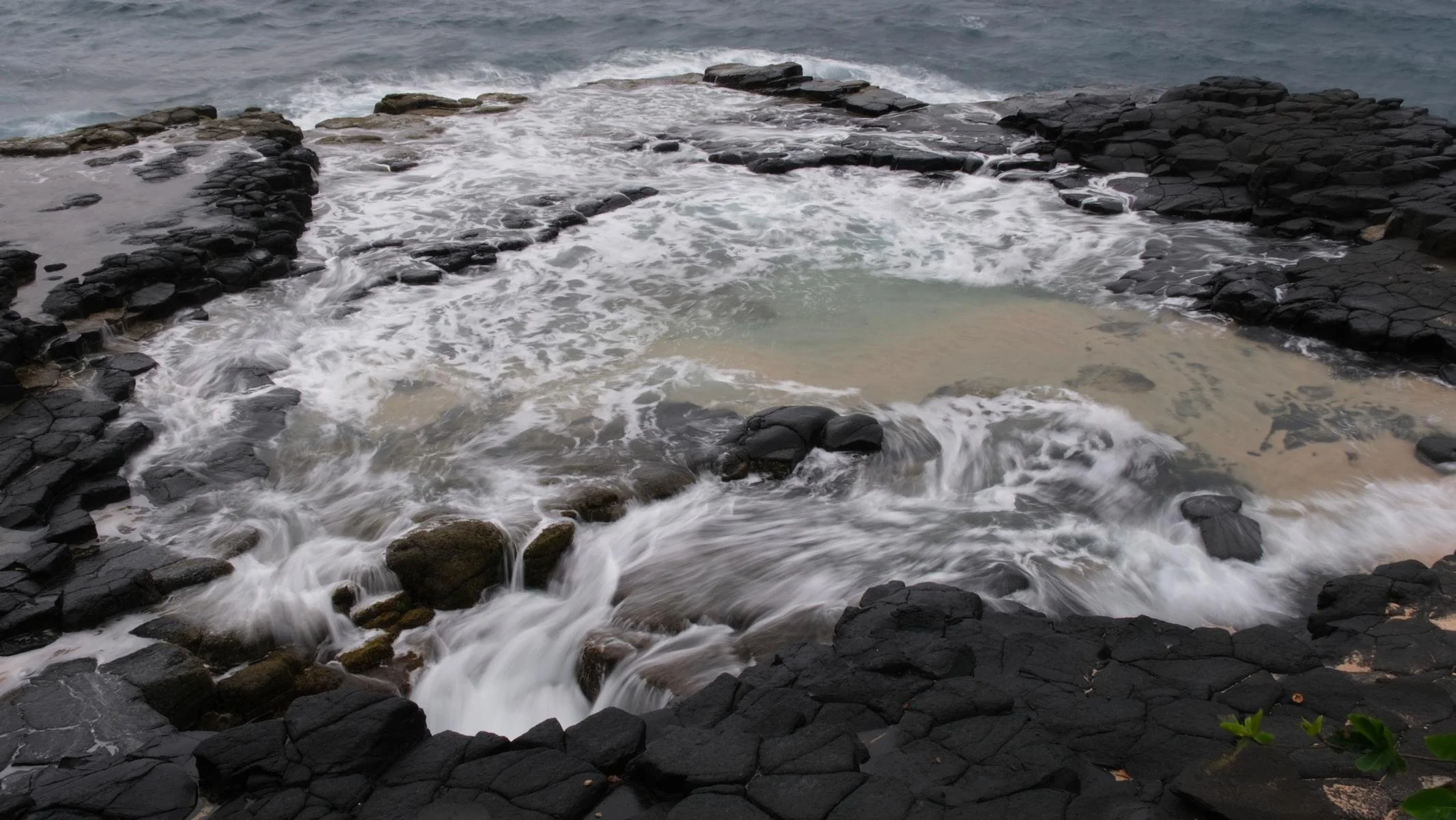
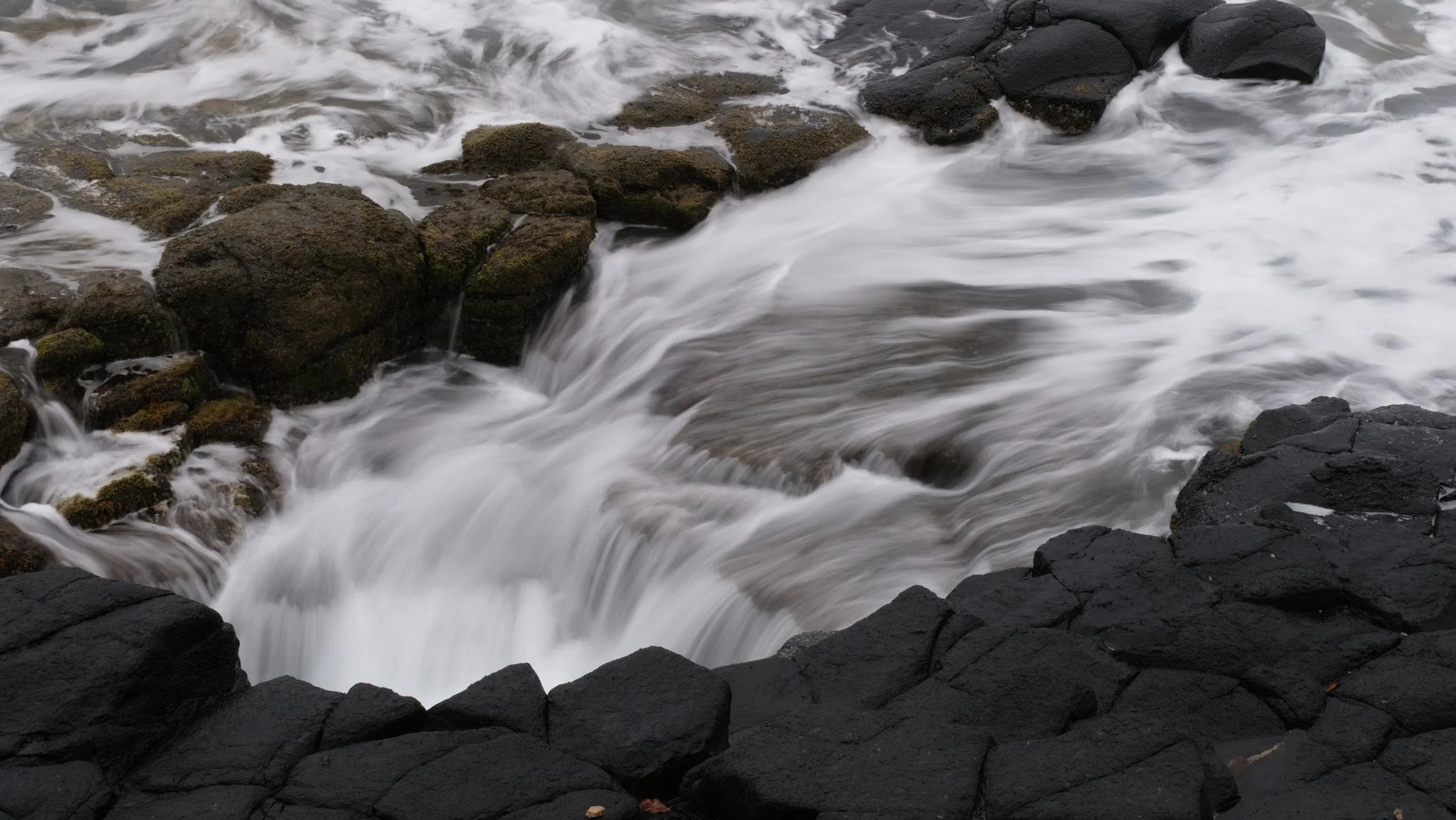
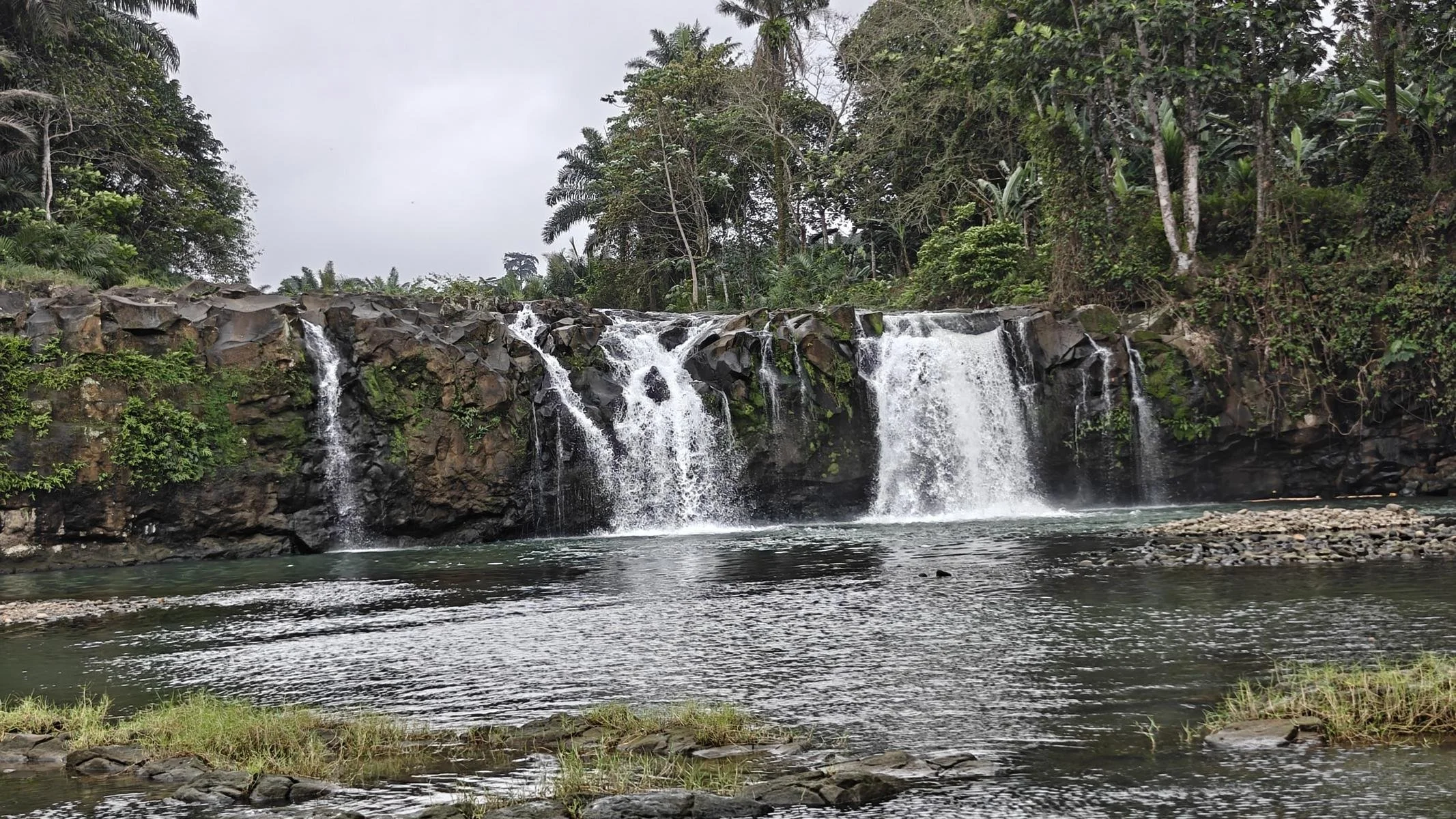
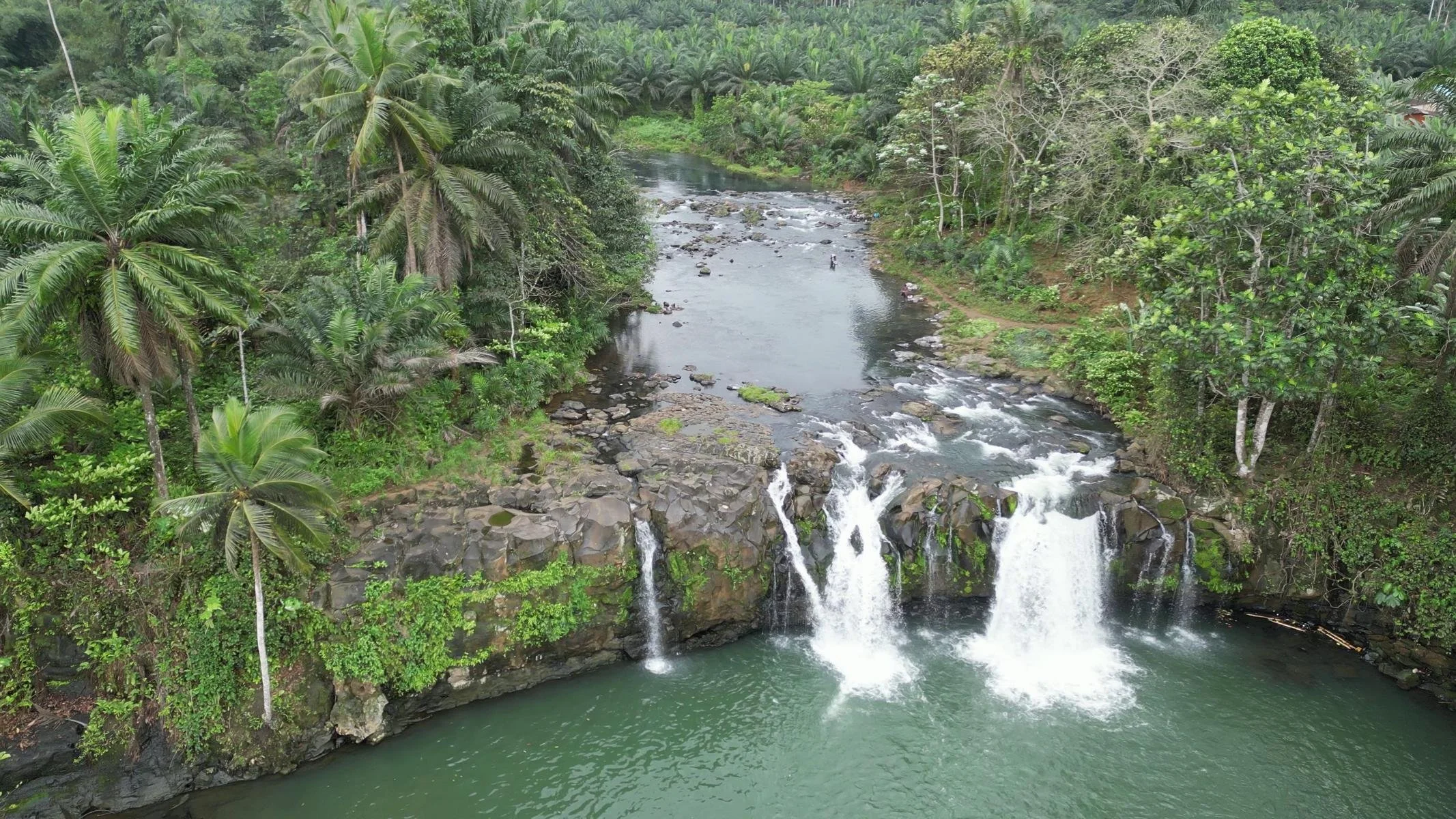
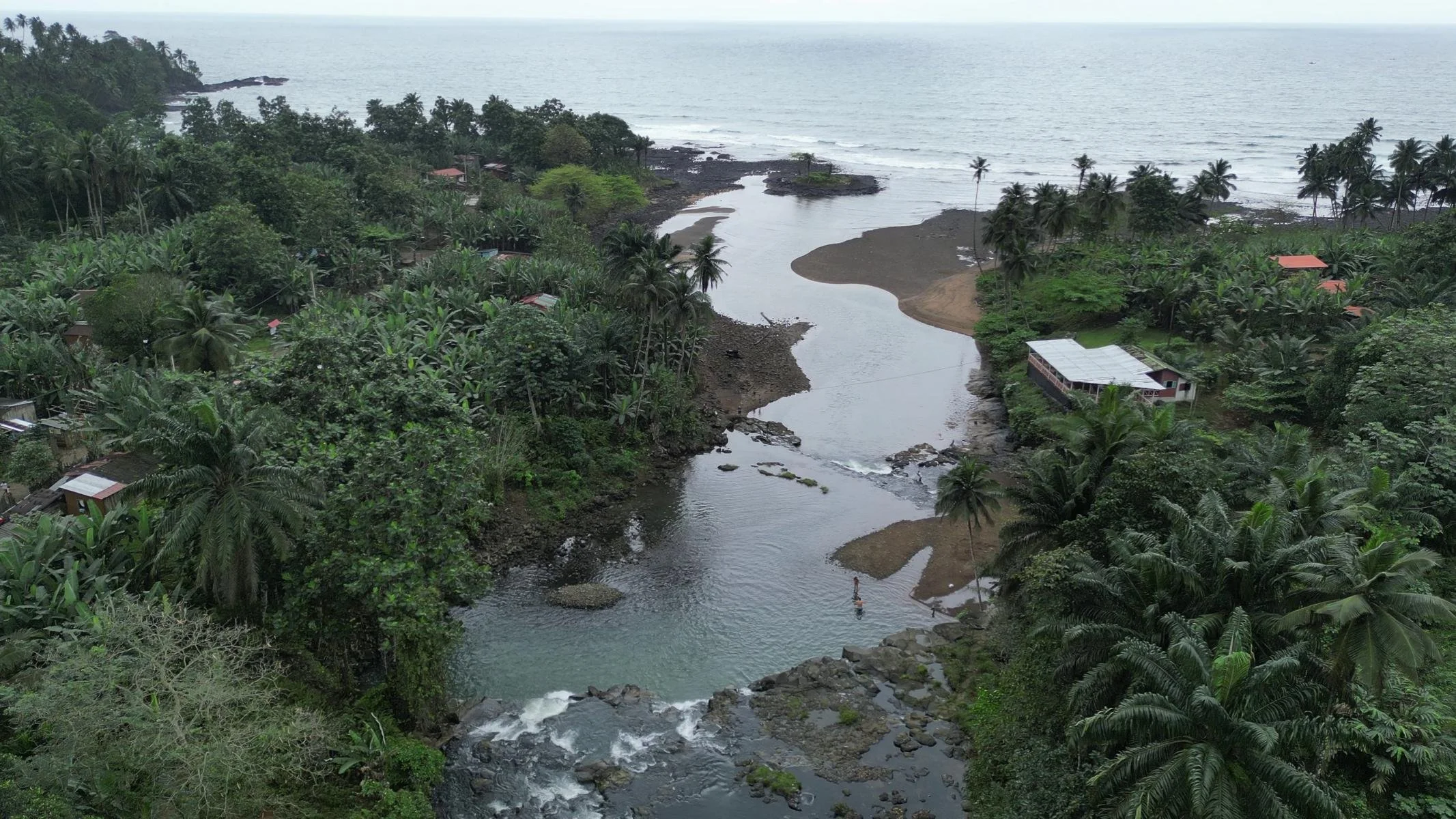
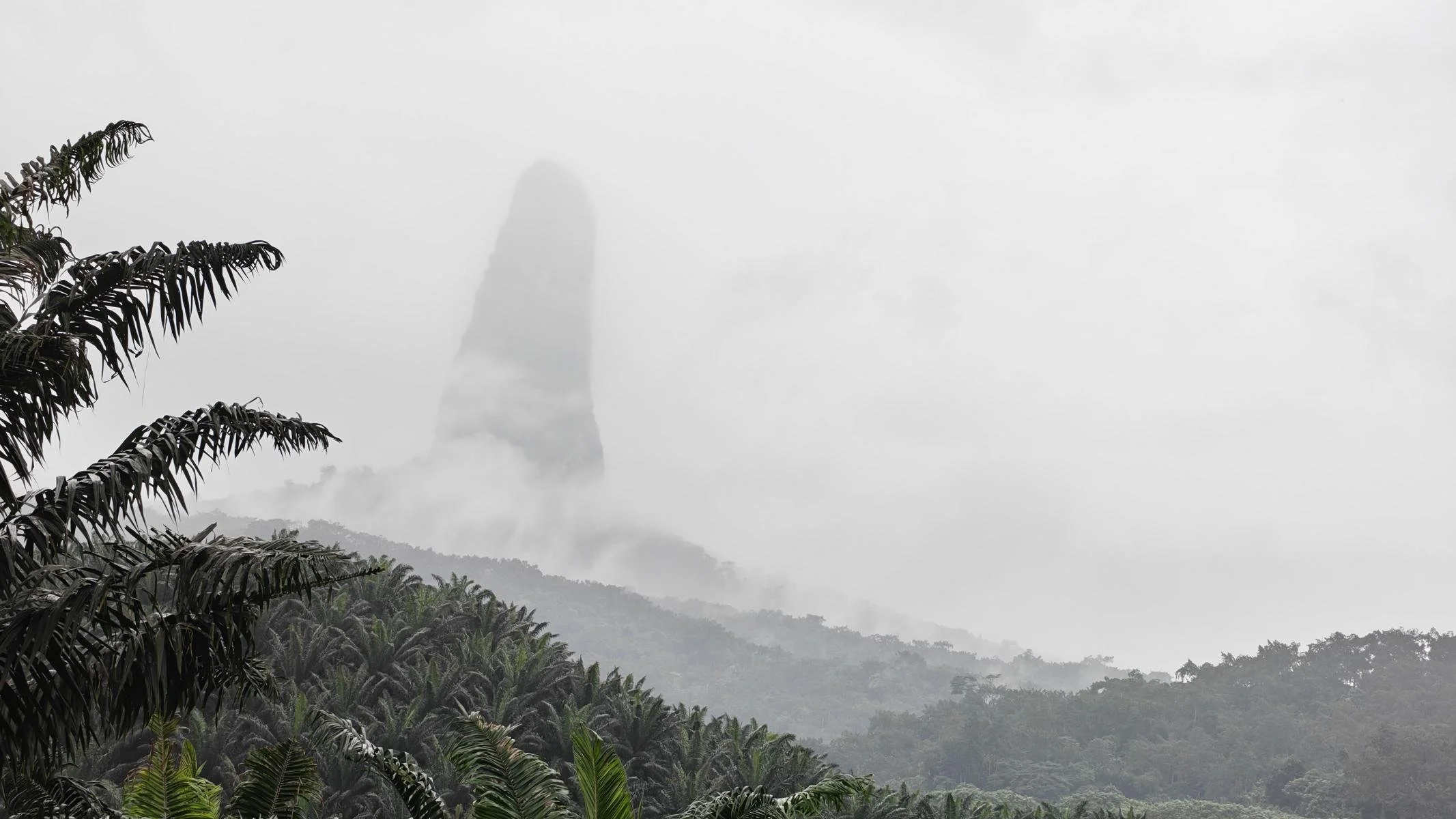
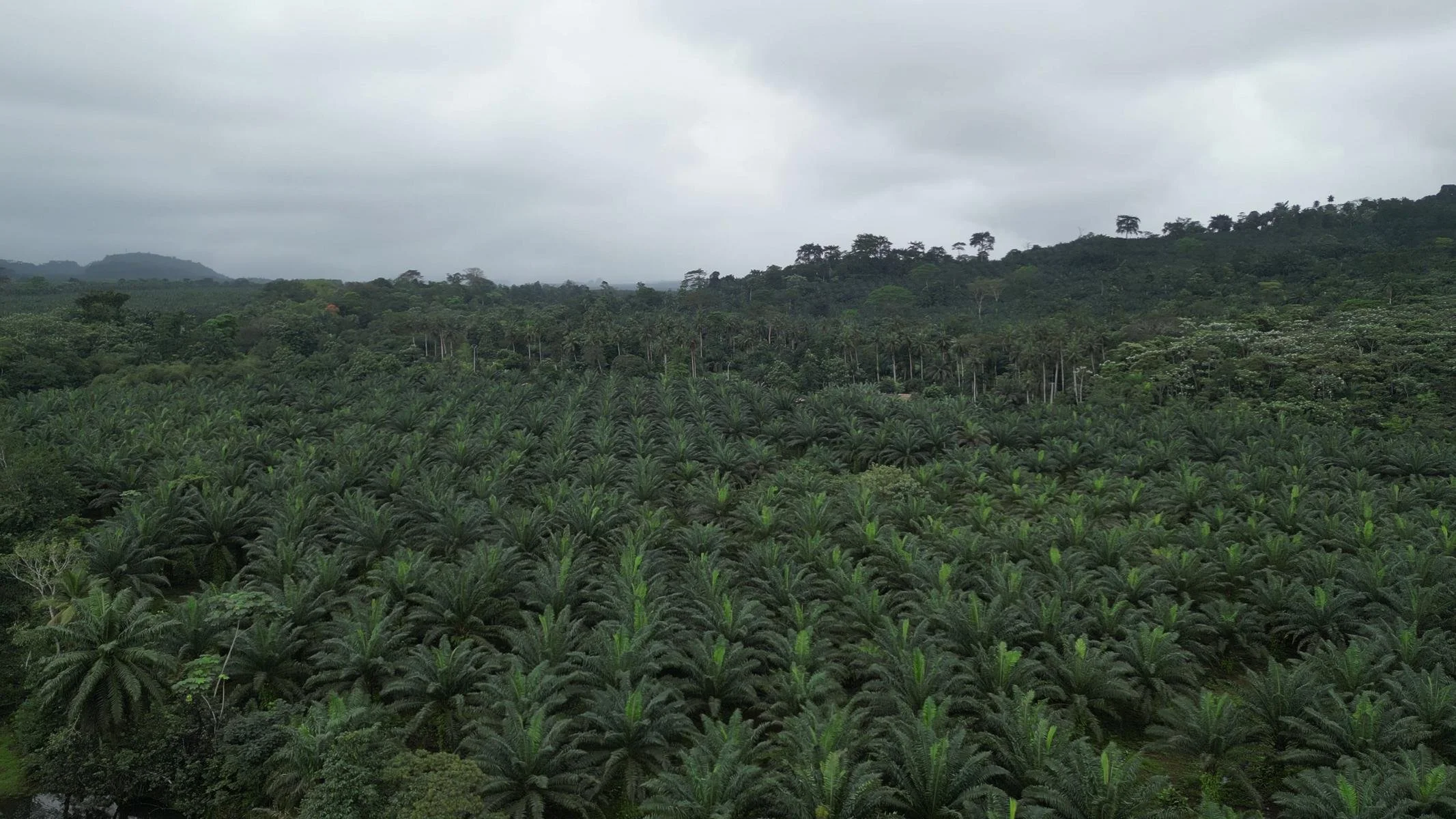
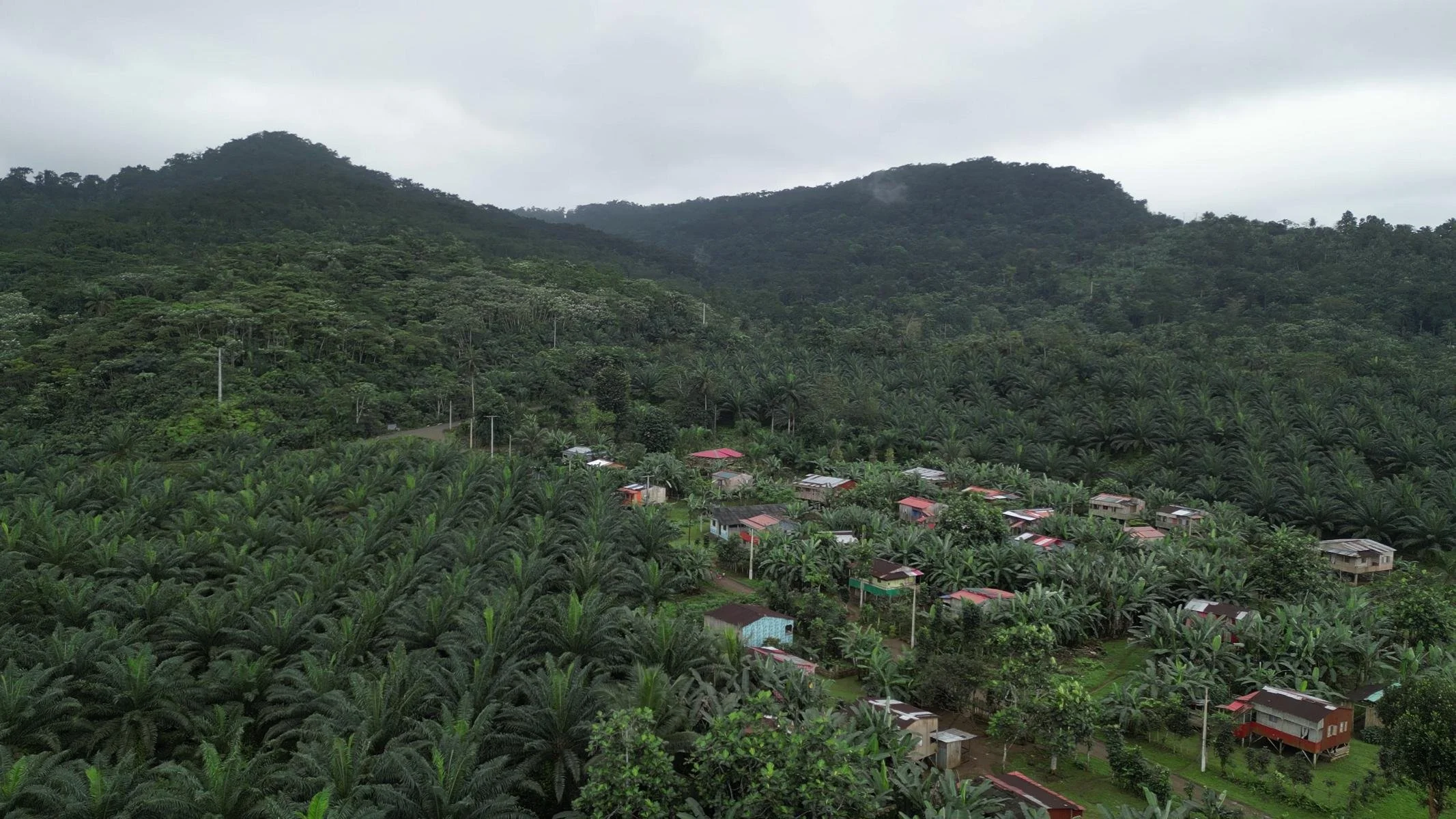
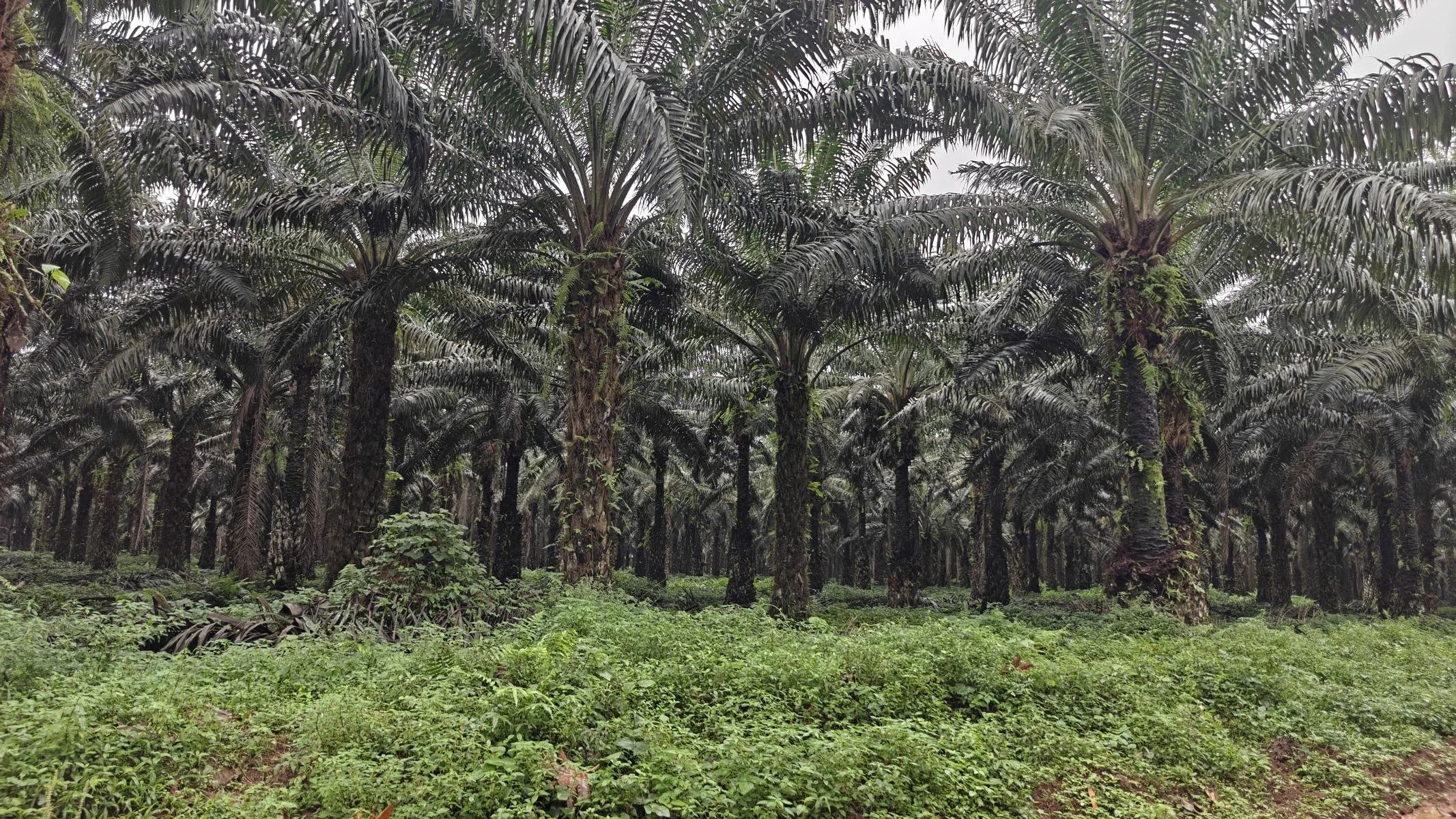
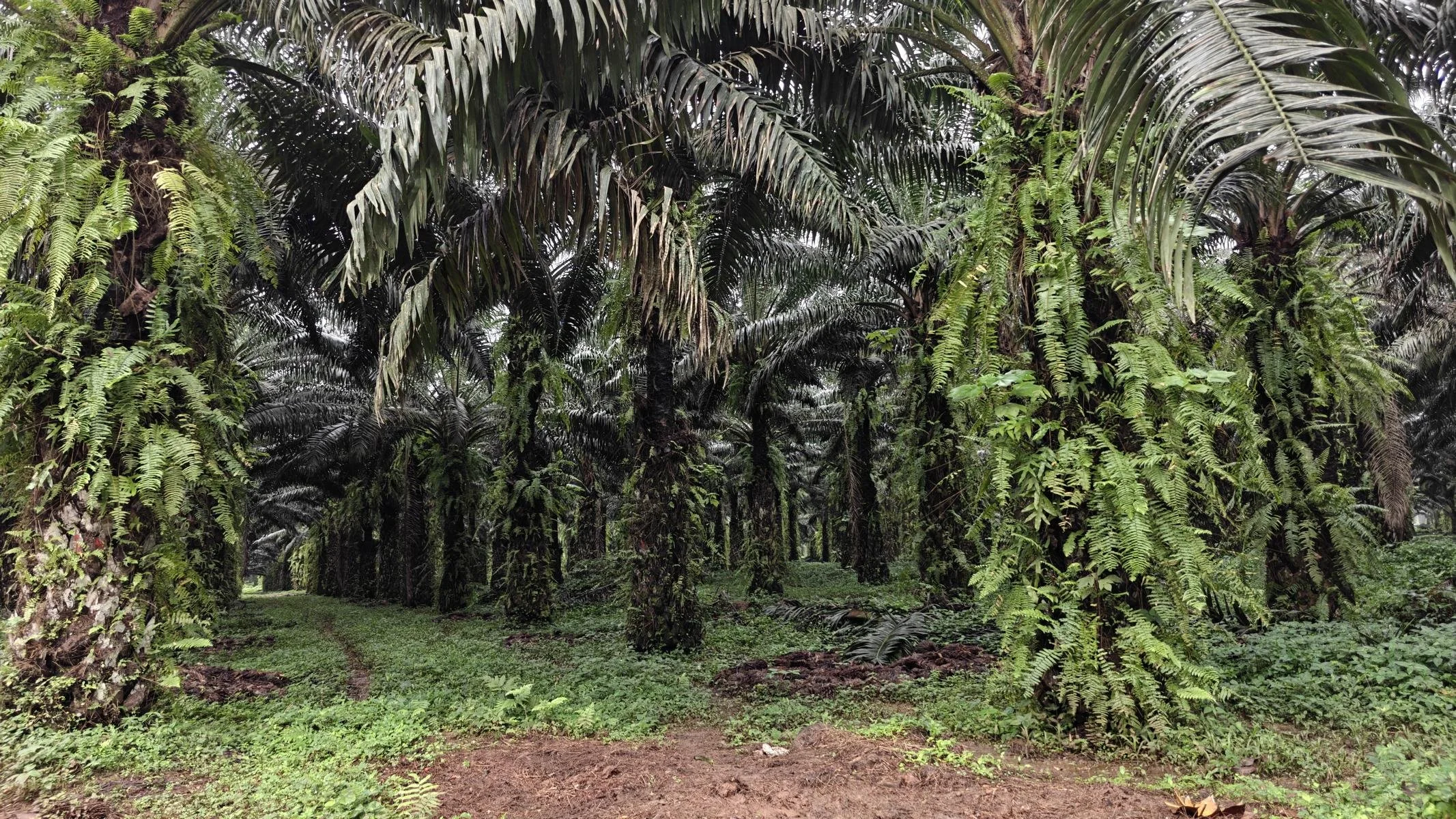
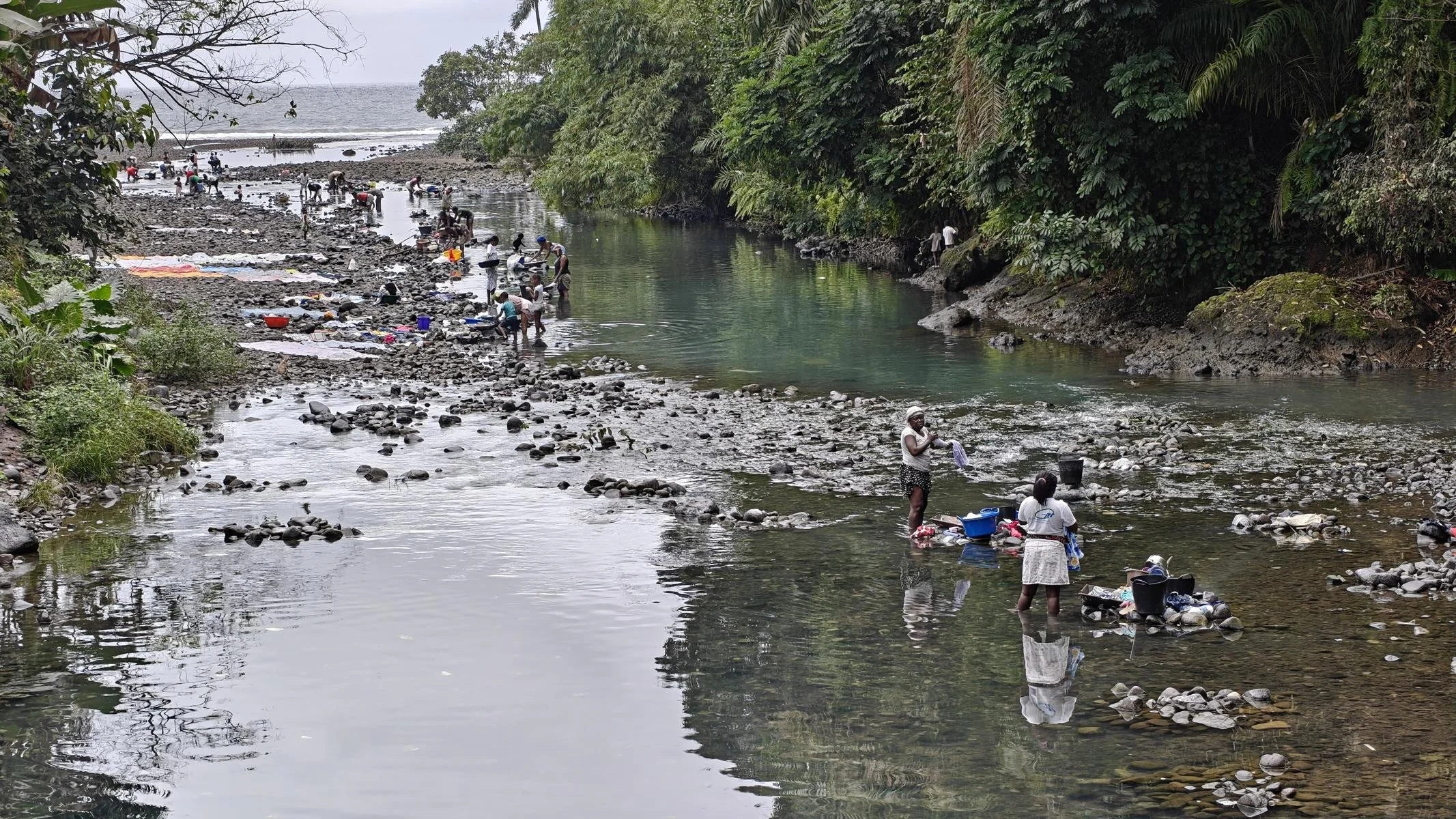
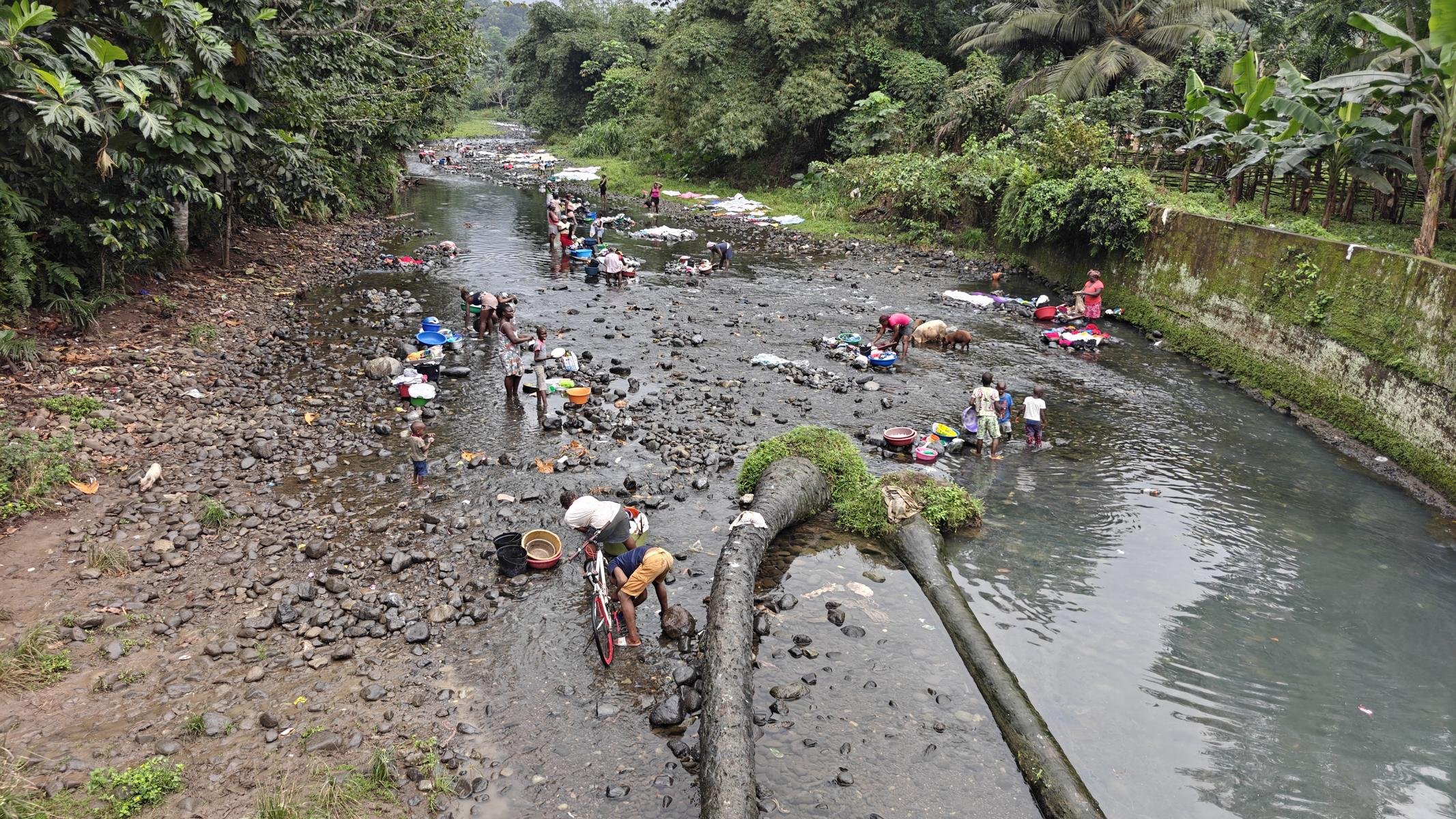
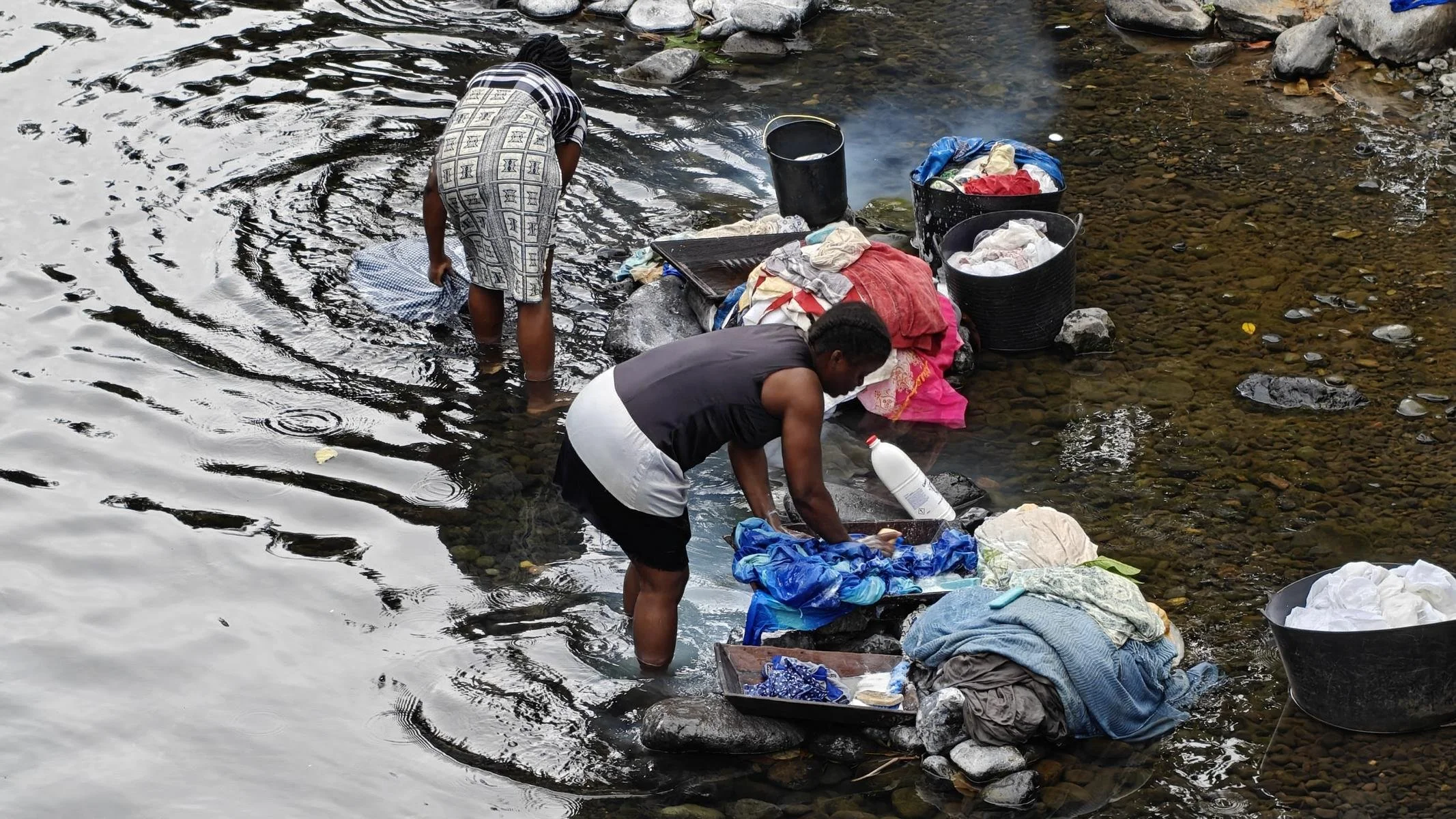
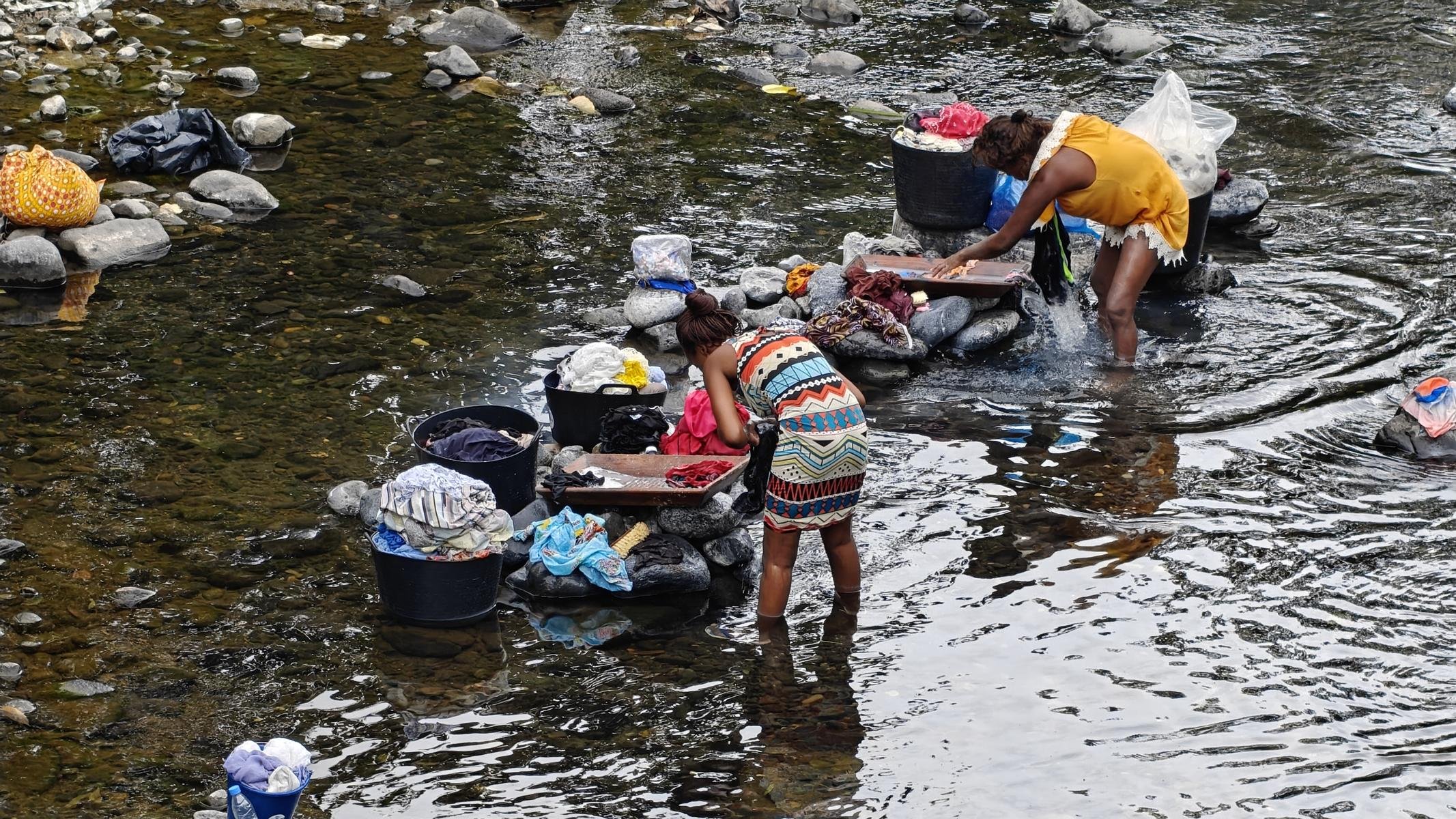
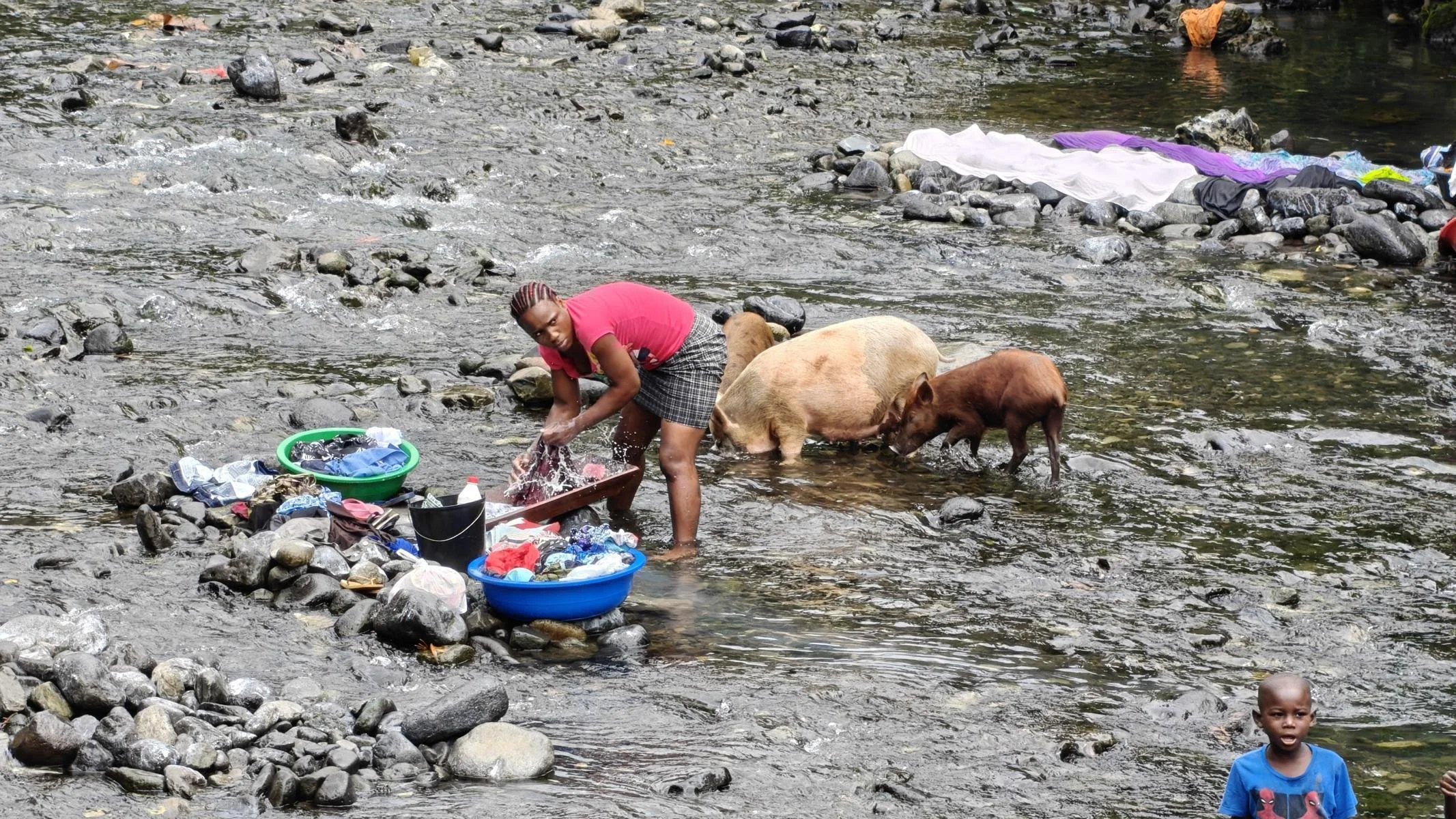
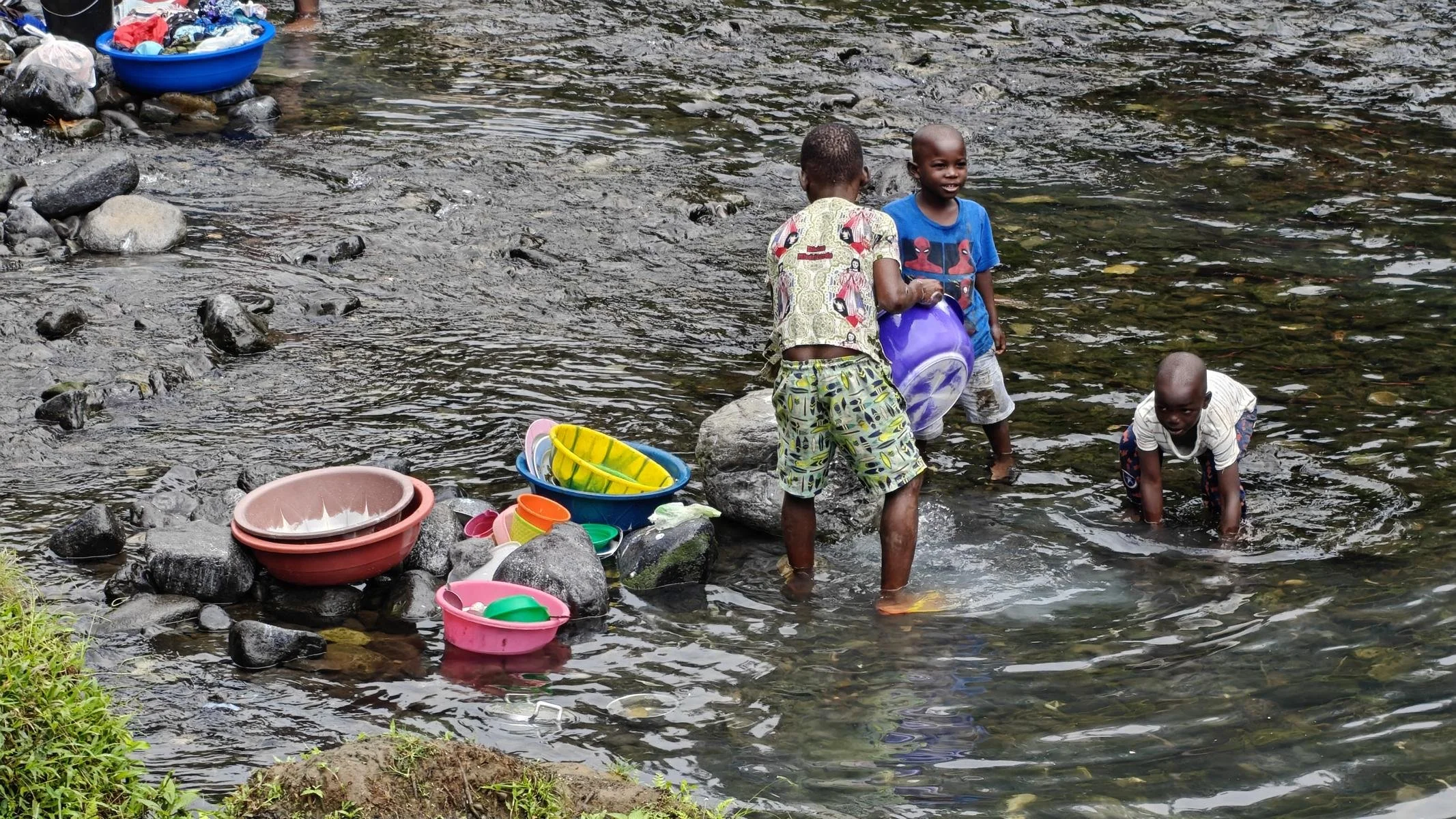
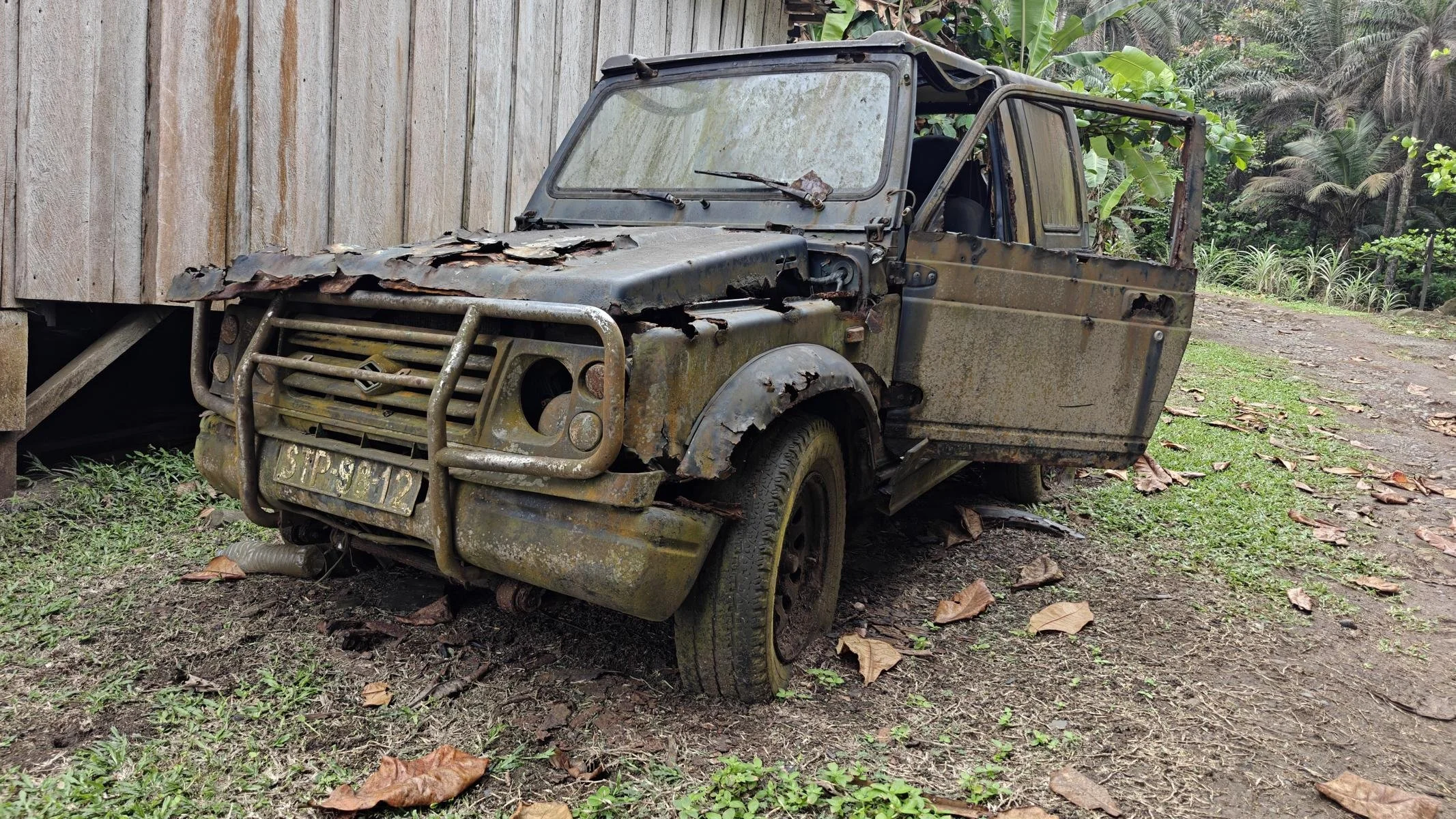
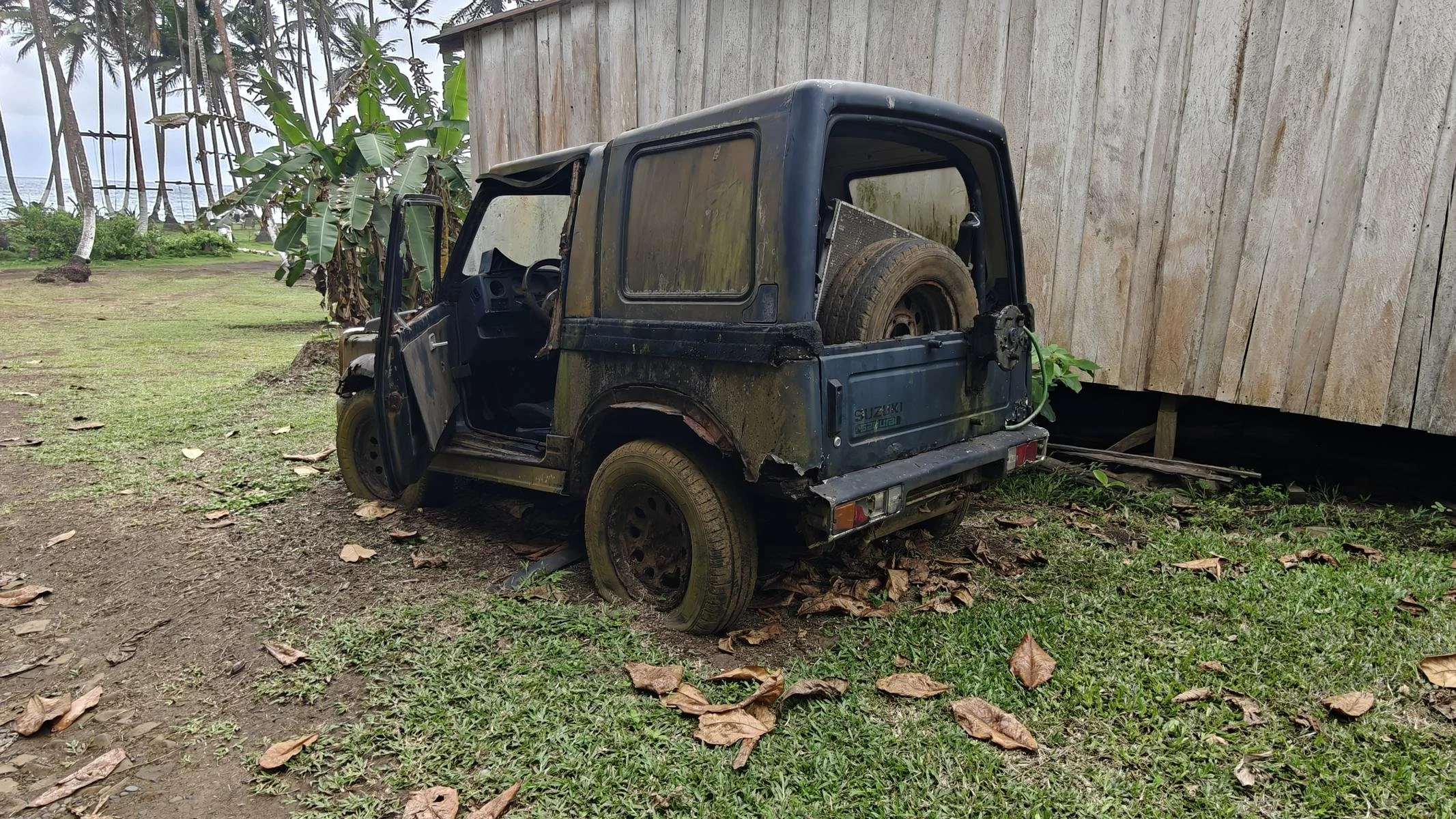
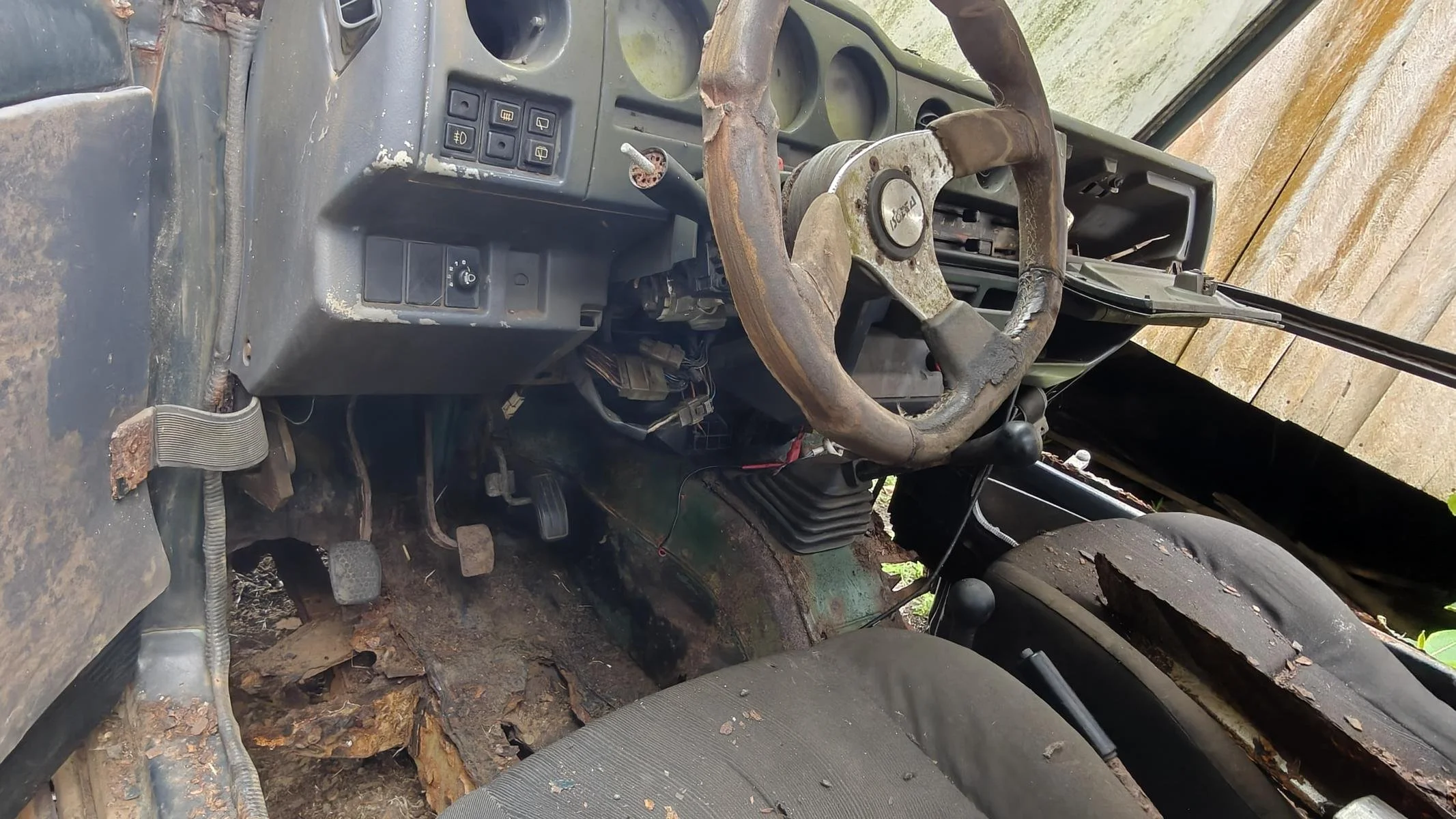
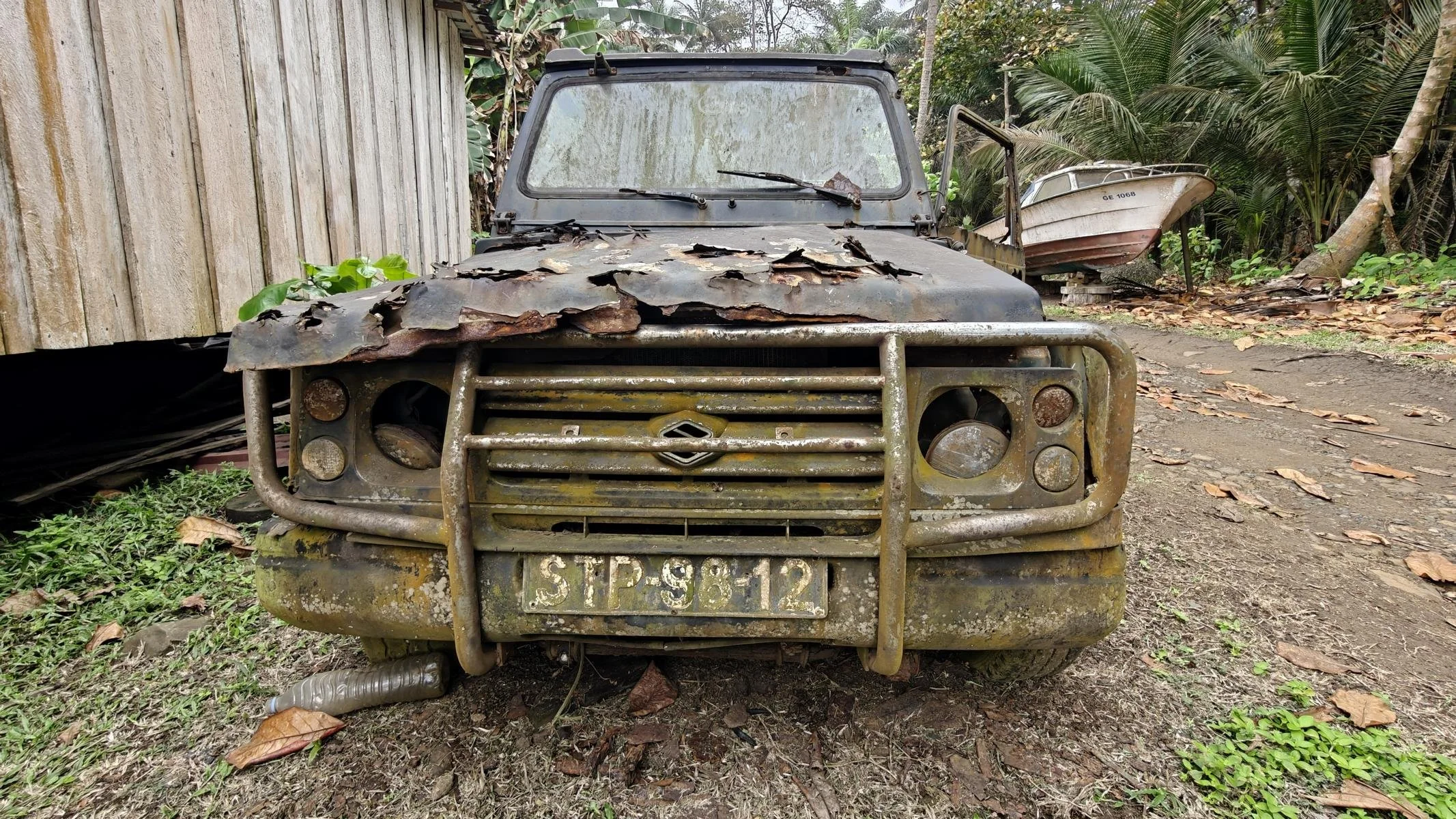
As we drove further south (the island is 48 km long, 32 km wide, and the road has many curves), we passed secluded beaches, bizarre blowholes, striking waterfalls, and Pico Cão Grande, which rises 370 m above the rainforest. This rock spire is the solidified vent of an ancient volcano and is usually shrouded in fog. Oil palm plantations alternate with impoverished settlements. Since very few villages have running water, the rivers serve as communal places for personal hygiene and for washing clothes and dishes. The aging Suzuki Jimmy still has a license plate and is available for a bargain price to hobbyists.
Auf der Fahrt weiter in den Süden (die Insel ist 48 km lang, 32 km breit und die Straße hat viele Kurven) passierten wir einsame Strände, bizarre Blow Holes, markante Wasserfälle und den Pico Cão Grande, der 370m über den Regenwald hinausragt. Diese Felsnadel ist der ausgehärtete Schlot eines alten Vulkans und wird meist von Nebel umhüllt. Ölpalmen-Plantagen wechseln mit ärmlichen Siedlungen. Da die wenigsten Dörfer Wasserleitungen haben dienen die Flüsse als kommunale Orte zur Körperpflege und zum Wäsche- und Geschirrwaschen. Der betagte Suzuki Jimmy hat noch immer ein Kennzeichen und ist an Bastler billig abzugeben.